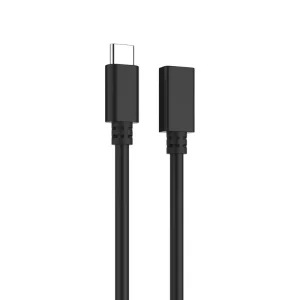
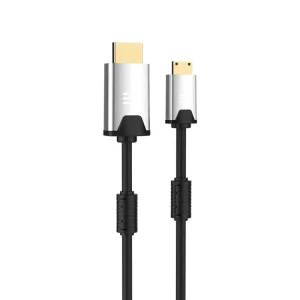
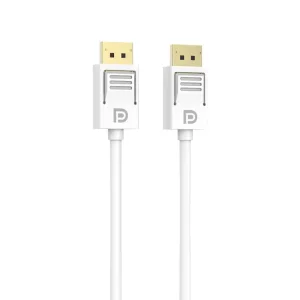
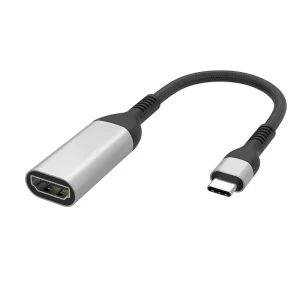
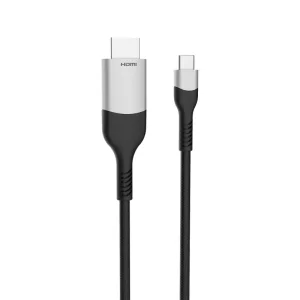
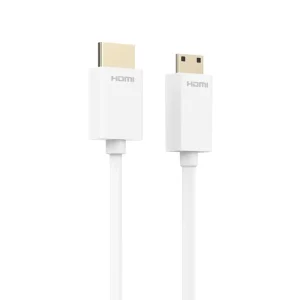
Explore our core engineering catalog, designed for absolute signal integrity and backward compatibility across legacy and next-generation operating systems.
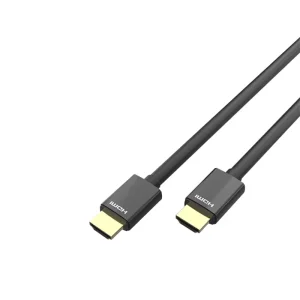
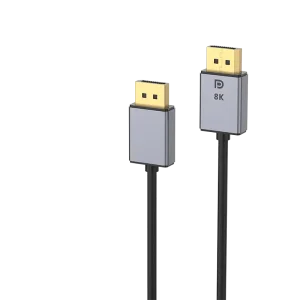
Analyzing the critical role of physical connection adapters in modern enterprise structures.
In an era dominated by high-density cloud networks, IoT integrations, and automation protocols, the demand for stable, high-throughput physical layer connectivity remains uncontested. Despite the rapid propagation of Wi-Fi 6E and Wi-Fi 7 standards, mission-critical infrastructure in commercial environments continues to mandate wired connections. System integrators, manufacturing facilities, government installations, and financial backbones rely heavily on Ethernet physical connections to assure zero-latency, high-security, and interference-immune channels.
The global enterprise ecosystem utilizes billions of desktop units, legacy servers, and portable terminals running Windows 10. The operating system's broad hardware support matrix makes it the cornerstone of enterprise operations. However, modern ultra-portable laptops, specialized micro-PCs, and industrial panels have increasingly discarded the integrated RJ45 hardware interface to achieve thinner designs. This architectural shift has driven the growth of the external network card market, where a Discount Ethernet Adapter for Windows 10 has transitioned from a convenience to an operational necessity.
For organizations deploying high-density IT hardware, the procurement process requires balancing strict quality control against financial overhead. Direct factory sourcing provides organizations with direct access to custom chip specifications, shielding configurations, and housing structures without intermediate markups. Commercial clients must verify component efficiency at the silicon level, specifying whether Realtek (e.g., RTL8153), ASIX (e.g., AX88179), or Intel chipsets are deployed to align with enterprise drivers, network configurations, and packet handling protocols.
Uncompromising engineering standards for industrial-grade networking performance.
A high-performance Ethernet adapter does not merely bridge a USB port to a network line. It operates as a complex network interface card (NIC) containing a specialized physical layer transceiver (PHY) and a media access control (MAC) processing unit. These components translate high-speed USB data packets (using bulk transfer modes) into standard IEEE 802.3 packets for distribution across copper twisted pairs.
When selecting a discount option, buyers must review technical specifications to ensure compatibility and durability under load:
| Technical Parameter | Standard Specification | Industrial / Enterprise Level Sourcing Requirement |
|---|---|---|
| Host Interface | USB 3.0 / USB 3.1 Gen 1 / Type-C | Supports up to 5 Gbps bus bandwidth to eliminate bottlenecking. |
| Network Interface | RJ45 Female Socket | Gold-plated 8P8C contacts (50 micro-inches) with reinforced steel shielding. |
| Supported Chipsets | Realtek RTL8153 / ASIX AX88179A | Native OS driver integration for zero-configuration, driverless deployments. |
| IEEE Protocols | 802.3, 802.3u, 802.3ab (10Base-T/100Base-TX/1000Base-T) | Fully compliant with auto-negotiation and auto-MDIX crossover detection. |
| Network Features | Wake-on-LAN (WoL), PXE Boot, VLAN Tagging (802.1Q) | Enables central IT administration, device provisioning, and network segmentation. |
| Energy Protocols | IEEE 802.3az (Energy Efficient Ethernet) | Low power consumption in idle states to limit thermal output. |
Driver architecture determines the stability of external network adapters. In Windows 10 deployment environments (including Windows 10 IoT Enterprise), having built-in class drivers within the operating system image is critical. This prevents administrators from needing to manually inject drivers into deployment packages or run separate setup files. Adapters designed around the Realtek RTL8153 or ASIX AX88179 chipsets are natively supported by the Windows 10 inbox driver stack, allowing immediate operation upon connection.
Beyond driver recognition, these chipsets feature hardware-offload capabilities, offloading checksum calculation tasks (IPv4, IPv6, TCP, UDP checksums) and large send offloads directly to the adapter's processor. This design prevents CPU bottlenecks on host devices, allowing microcomputers and industrial terminals to dedicate their processing power to edge computation, database management, and line monitoring instead of network stack management.
A legacy of precision signal transmission, from video and audio peripheral connections to high-speed data networking interfaces.
The foundation of reliable hardware lies in its manufacturing heritage. In 1984, Dongguan Taitron Electronics Limited, formerly known as Tonetron, was established in Keelung, Taiwan. Driven by a commitment to signal integrity, the organization focused on professional video and audio peripheral equipment connection lines. In 1993, to expand production and leverage growing electronic manufacturing networks, the company relocated to a self-built independent production industrial park in Dalingshan Town, Dongguan City, China, officially changing its name to Dongguan Taitron Electronics Limited.
Over a 38-year history, Dongguan Taitron has built its business on manufacturing high-end consumer and industrial connection systems. Our capabilities have expanded from standard AV lines to advanced digital transmission cables, including HDMI 2.1, DisplayPort 2.0, USB4, USB-C 3.1 Gen 2 data cables, high-power USB charging interfaces, 8K video conversion systems, and multi-functional Type-C expansion docks.
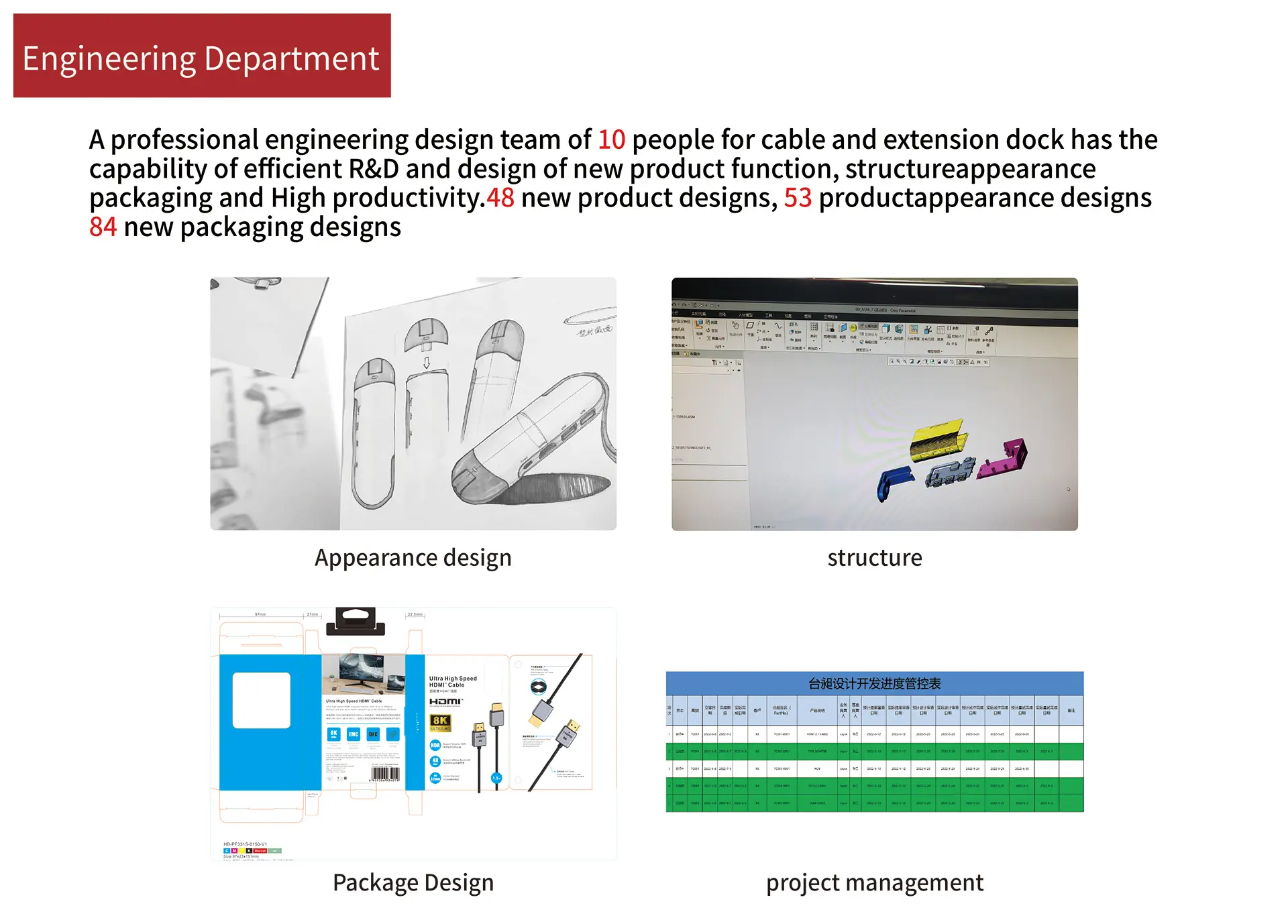
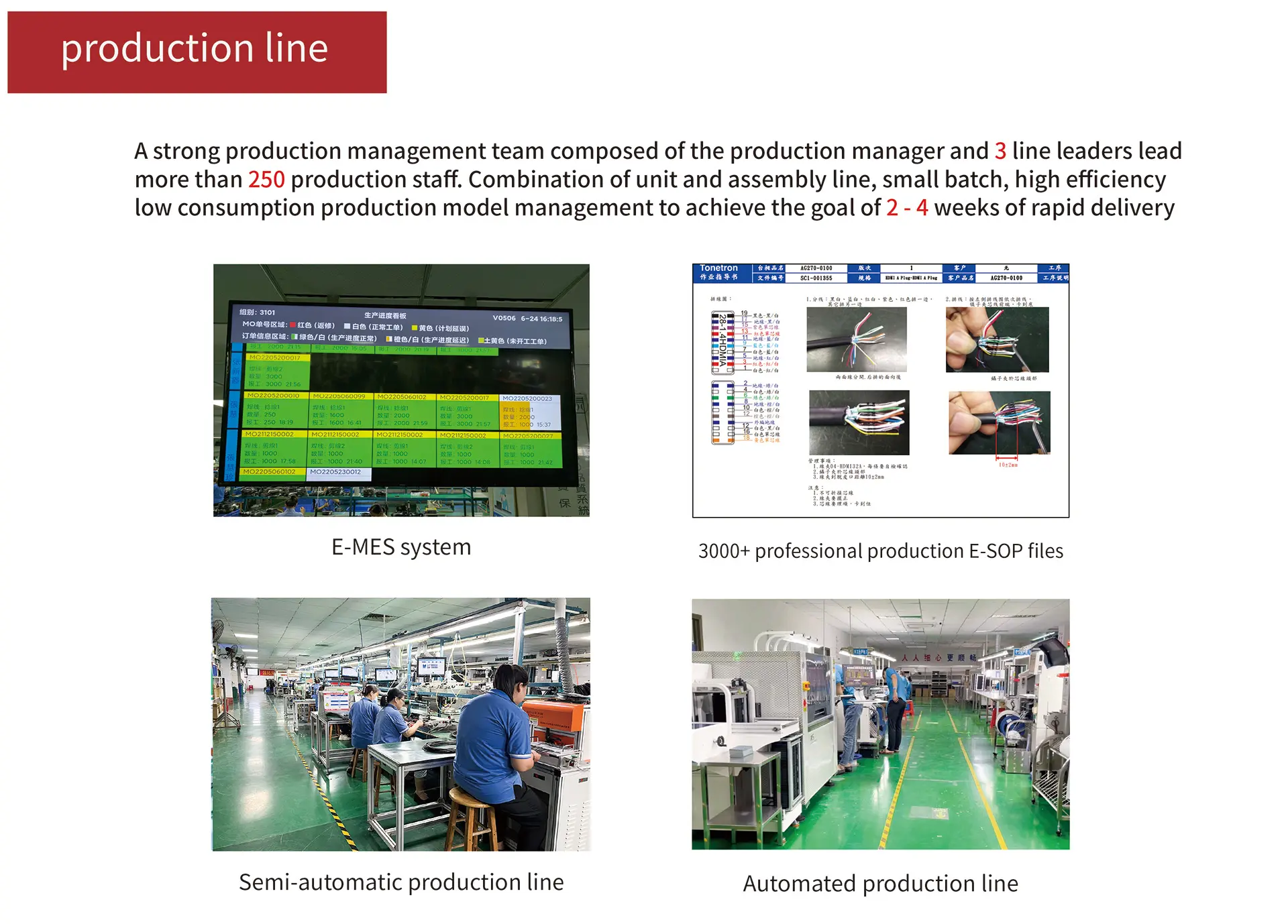
This technical foundation underpins our high-density Ethernet adapter production lines. High-speed networking requires precise impedance control, multi-layered EMI shielding, and clean soldering processes. Our engineering team utilizes advanced testing suites to verify signal performance, ensuring every adapter resists electromagnetic interference and maintains reliable connections in noisy industrial settings.

How modern enterprise systems leverage external network adapters in real-world scenarios.
Modern factory floors utilize Windows 10 IoT-based Industrial Personal Computers (IPCs) to monitor and program Programmable Logic Controllers (PLCs). Wireless control is often unsuitable in these settings due to high metal density, EMI from heavy machinery, and security concerns. External USB Ethernet adapters allow field engineers to connect their laptops directly to automation networks for real-time diagnostics, program uploads, and parameter adjustments without risking connection drops or signal interference.
IT departments managing large device fleets use Preboot Execution Environment (PXE) configurations to image and deploy operating systems. This setup requires an Ethernet adapter that supports PXE at the BIOS/UEFI level. Dongguan Taitron's adapters are engineered to interface with motherboard UEFI systems, enabling remote OS deployment, administrative recovery, and updates over the local area network.
Healthcare facilities operate under strict HIPAA and data security standards. Patient diagnostic stations running Windows 10 (such as ultrasound and MRI controls) are kept off wireless networks to prevent unauthorized data interception. In these setups, USB Ethernet adapters provide a dedicated, secure physical connection for transmitting high-resolution imaging data and patient records directly to internal servers.
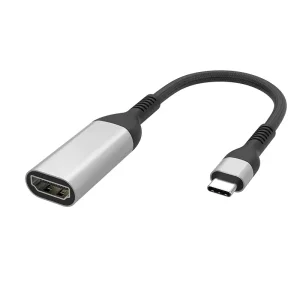
Broadcasting environments require high-bandwidth connections to route live video feeds. Our product line supports these applications by combining video converters (such as USB-C to HDMI 4K lines) with high-speed Ethernet adapters. This integration allows production computers running Windows 10 to receive high-bitrate video streams over IP protocols, ensuring low latency and synchronized playback.
Evolving standards for faster speeds, lower latency, and higher efficiency.
As enterprise storage and server architectures migrate toward 10Gbps networks, standard 1Gbps copper networks are becoming a bottleneck for power users. The growth of Multi-Gigabit standards (IEEE 802.3bz) has established a bridge, bringing 2.5G and 5G network speeds over standard Category 5e and Category 6 cabling. This evolution informs our current development roadmap, focusing on high-bandwidth, energy-efficient designs.
We are also focusing on firmware optimization for newer operating systems, including Windows 11 and Windows IoT versions. This ongoing development ensures that our hardware remains compatible with future OS builds, helping clients protect their investments in IT infrastructure.
Streamlined supply chain solutions and custom engineering services for global buyers.
Procuring network components for enterprise networks requires balancing price, durability, and supply chain consistency. Sourcing directly from our Dongguan manufacturing facility provides several advantages:
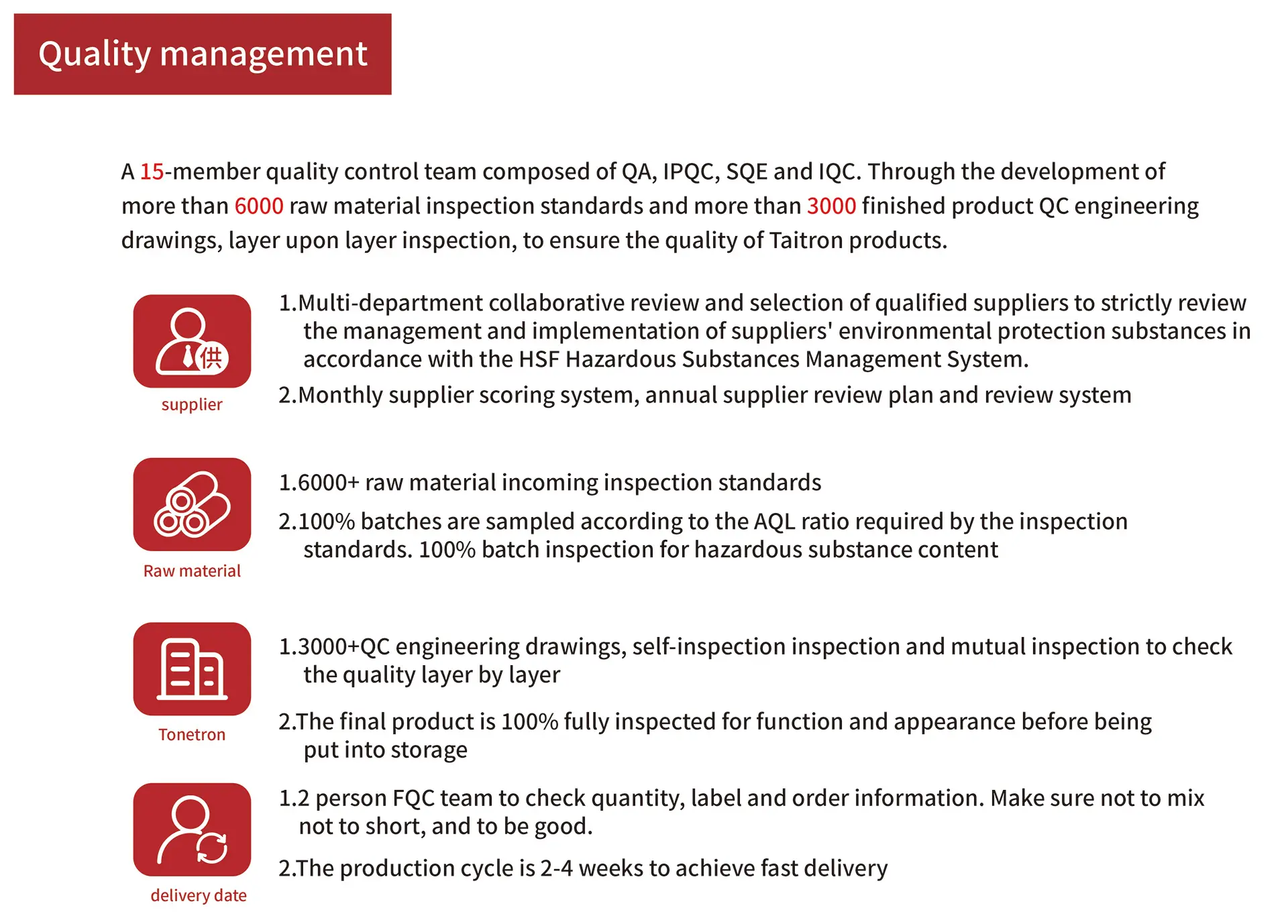
1. Strict Quality Control: Operating under a comprehensive quality management system, our facilities test signal integrity, thermal limits, and physical wear across all products. This testing helps minimize field failures and keeps return rates low.
2. Custom Hardware Configurations (OEM/ODM): Buyers can specify housing materials (such as aluminum alloy or ABS plastic), cable lengths, shielding types, and customized internal chipsets to align with specific project requirements.
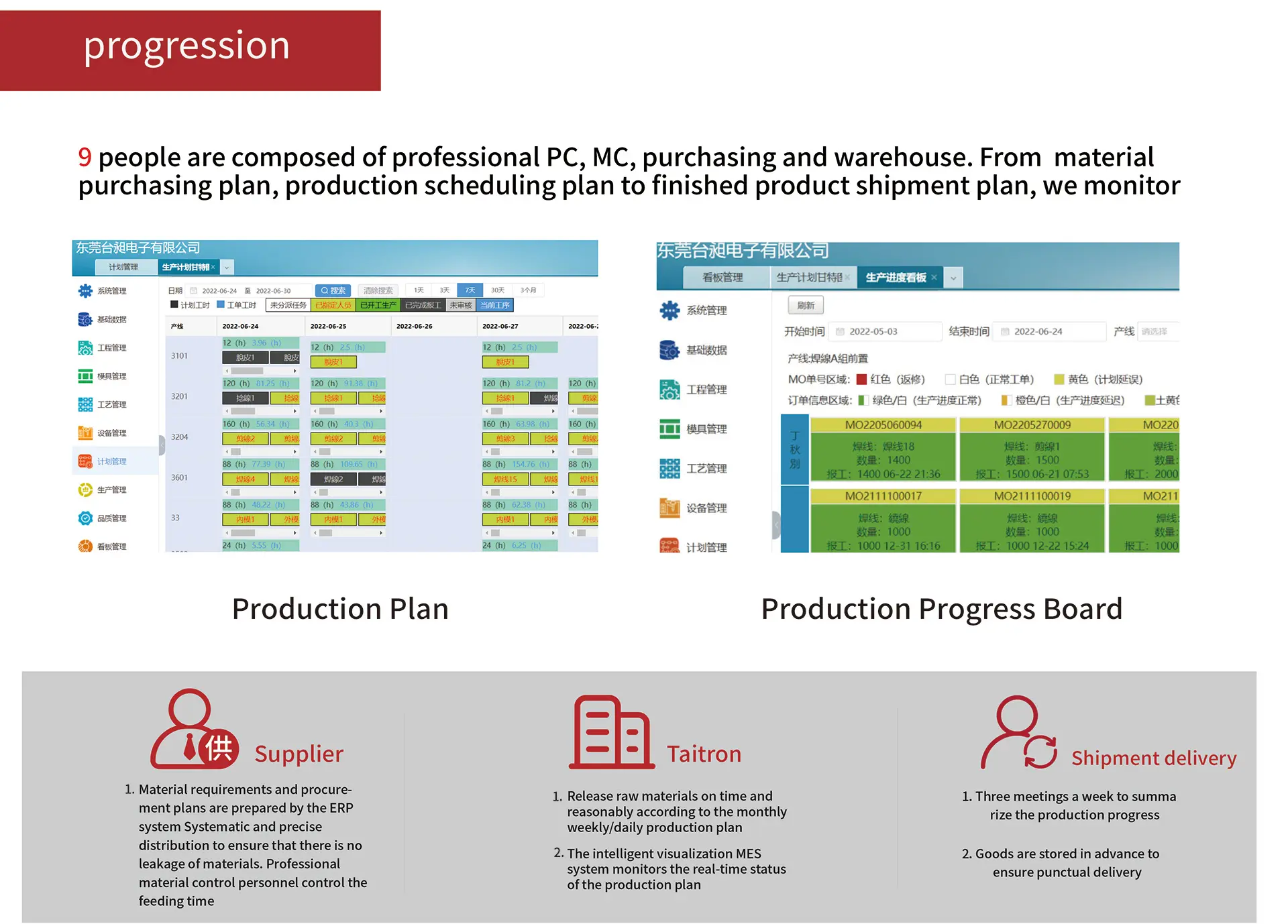
3. Supply Chain Reliability: With 38 years of experience, we maintain strong relationships with raw material suppliers and component vendors. This stability allows us to manage lead times effectively and keep pricing consistent during market fluctuations.
Expert answers regarding driver installation, compatibility, chipsets, and industrial deployment.
This issue typically occurs if the operating system lacks the corresponding inbox drivers, or if USB power management settings suspend the port. To resolve it, check the device manager to verify if the adapter is listed as an "Unknown Device." If so, download and install the official driver from the chipset manufacturer (e.g., Realtek or ASIX). You can also disable the "Allow the computer to turn off this device to save power" setting in the adapter's properties under Device Manager.
Factory-grade adapters from Dongguan Taitron feature integrated high-performance magnetic isolation transformers, gold-plated structural pins, and multi-layer PCB isolation. These design choices protect signal paths from electromagnetic interference (EMI) and electrostatic discharge (ESD), ensuring stable throughput over long cable runs.
The Realtek RTL8153 series and ASIX AX88179 series offer broad, native compatibility with Windows 10 and 11. These chipsets are pre-integrated into the Microsoft driver library, enabling plug-and-play operation without manual driver installation on most enterprise machines.
From a speed perspective, both USB 3.0 Type-A and USB-C interfaces support up to 5Gbps, which easily accommodates Gigabit (1Gbps) or 2.5Gbps network connections. The primary difference lies in the physical connector form factor and power capabilities. USB-C connectors are reversible and can deliver power to host devices (Power Delivery), making them ideal for modern ultra-thin laptops.
Yes, but this requires motherboard support. The host computer's BIOS/UEFI firmware must support network boot via external USB devices. Additionally, the adapter must use a compatible chipset (such as the Realtek RTL8153) that is recognized by the system's UEFI environment.
Dongguan Taitron uses a strict multi-tier quality assurance system. This includes automated optical inspection (AOI), physical continuity testing, environmental chamber cycling, and signal analyzer sweeps. These testing protocols ensure that our bulk shipments maintain high reliability and performance consistency.
View the rest of our high-speed connection systems, including HDMI 4K/8K, DisplayPort, and custom Type-C cables.
 Taichang Electronic