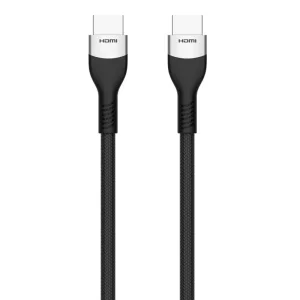
Full deployment of Fixed Rate Link (FRL) technology across all four data channels, ensuring lossless 8K@60Hz and 4K@120Hz throughput without frame delays.
Our structural design leverages high-density tinned copper braiding and multi-layer aluminum-mylar foil to limit electromagnetic interference in high-stress data environments.
Comprehensive regulatory assurance under RoHS, CE, FCC, and REACH frameworks, paired with advanced physical testing for stress, flexing, and connector longevity.
The transition from HDMI 2.0 to the HDMI 2.1 specification marks one of the most critical evolutionary leaps in digital display interfaces. While HDMI 2.0 relied on Transition Minimized Differential Signaling (TMDS) to achieve a maximum bandwidth cap of 18.0 Gbps, the HDMI 2.1 specification introduces Fixed Rate Link (FRL) technology, scaling the maximum aggregate bandwidth to an unprecedented 48 Gbps.
This massive increase in data throughput is not merely a linear upgrade; it represents a fundamental re-engineering of the signal architecture. Instead of utilizing three dedicated data lines and one clock line as in the TMDS mode, FRL utilizes all four differential lane pairs to transmit data packet structures. The clock signal is embedded directly into the data payload using an advanced 16b/18b encoding scheme, vastly improving transmission efficiency compared to the older 8b/10b architecture.
| Feature Parameter | HDMI 2.0 Specification | HDMI 2.1 Specification | Sourcing Splicing Advantage |
|---|---|---|---|
| Maximum Bandwidth | 18.0 Gbps | 48.0 Gbps | Supports uncompressed 8K@60Hz / 4K@120Hz channels. |
| Encoding Method | 8b/10b TMDS | 16b/18b FRL | Saves 11.1% bandwidth overhead, reducing signal jitter. |
| Color Bit Depth | 8-bit, 10-bit | 10-bit, 12-bit, 16-bit | Eliminates banding in HDR color spaces (BT.2020). |
| Audio Protocol | Standard ARC (1.0 Mbps) | Enhanced eARC (37.0 Mbps) | Passes lossless Dolby Atmos & DTS:X audio arrays. |
| Gaming/VR Features | Not native | VRR, ALLM, QFT, QMS | Lowers latency, screen tearing, and input lag. |
For global procurement managers, understanding these metrics is vital. Sourcing HDMI 2.1 spec cables from certified exporters guarantees that your end-users experience zero latency and frame dropping in mission-critical applications—from surgical display arrays to commercial command centers.
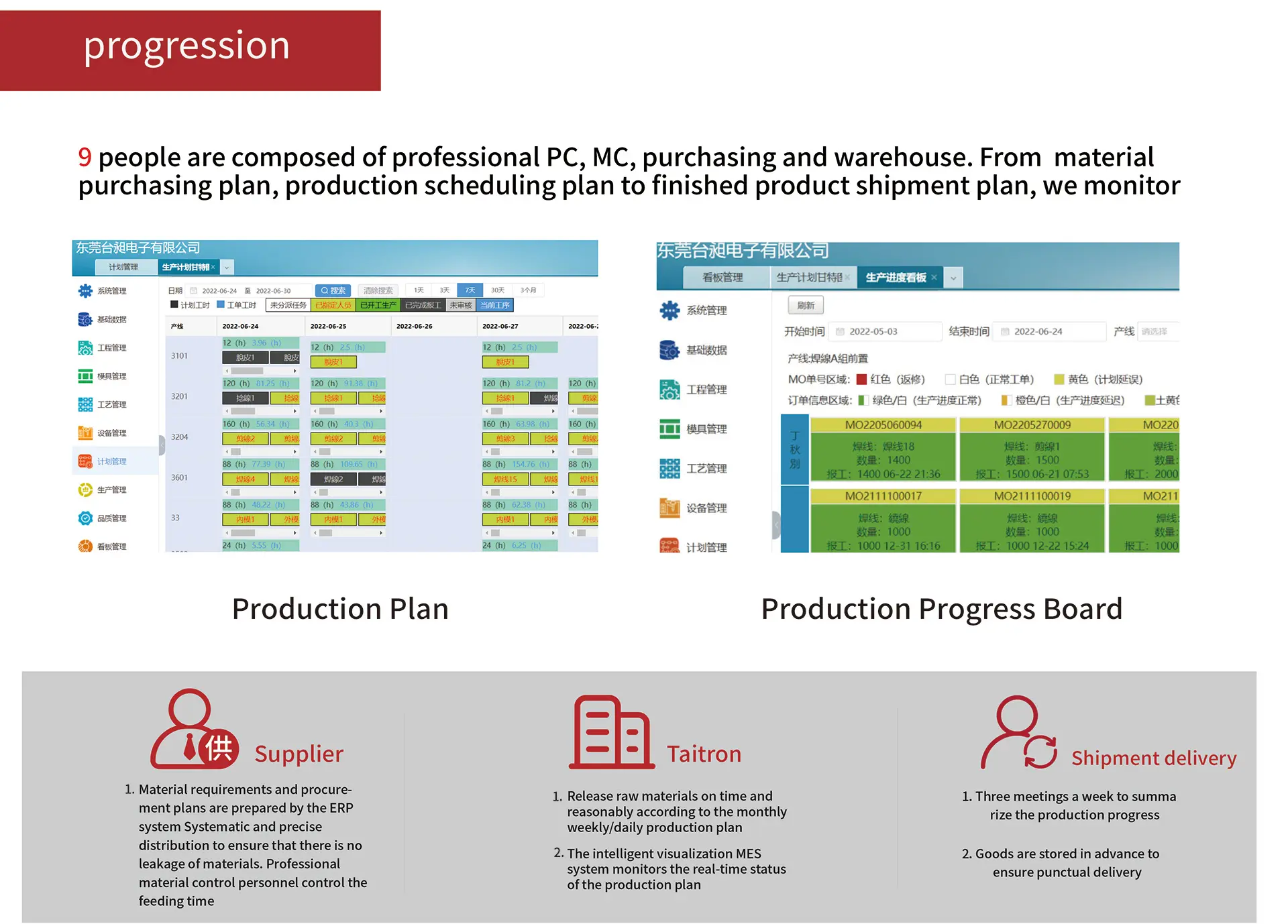
In the highly competitive electronics exporting ecosystem, searching for a discount HDMI 2.1 spec exporter can sometimes lead procurement divisions toward non-compliant vendors. However, "discount" or "cost-effective" manufacturing does not require a compromise in engineering integrity. True cost leadership is achieved through optimized supply chain integration, automated vertical assembly, and high-yield raw materials sourcing.
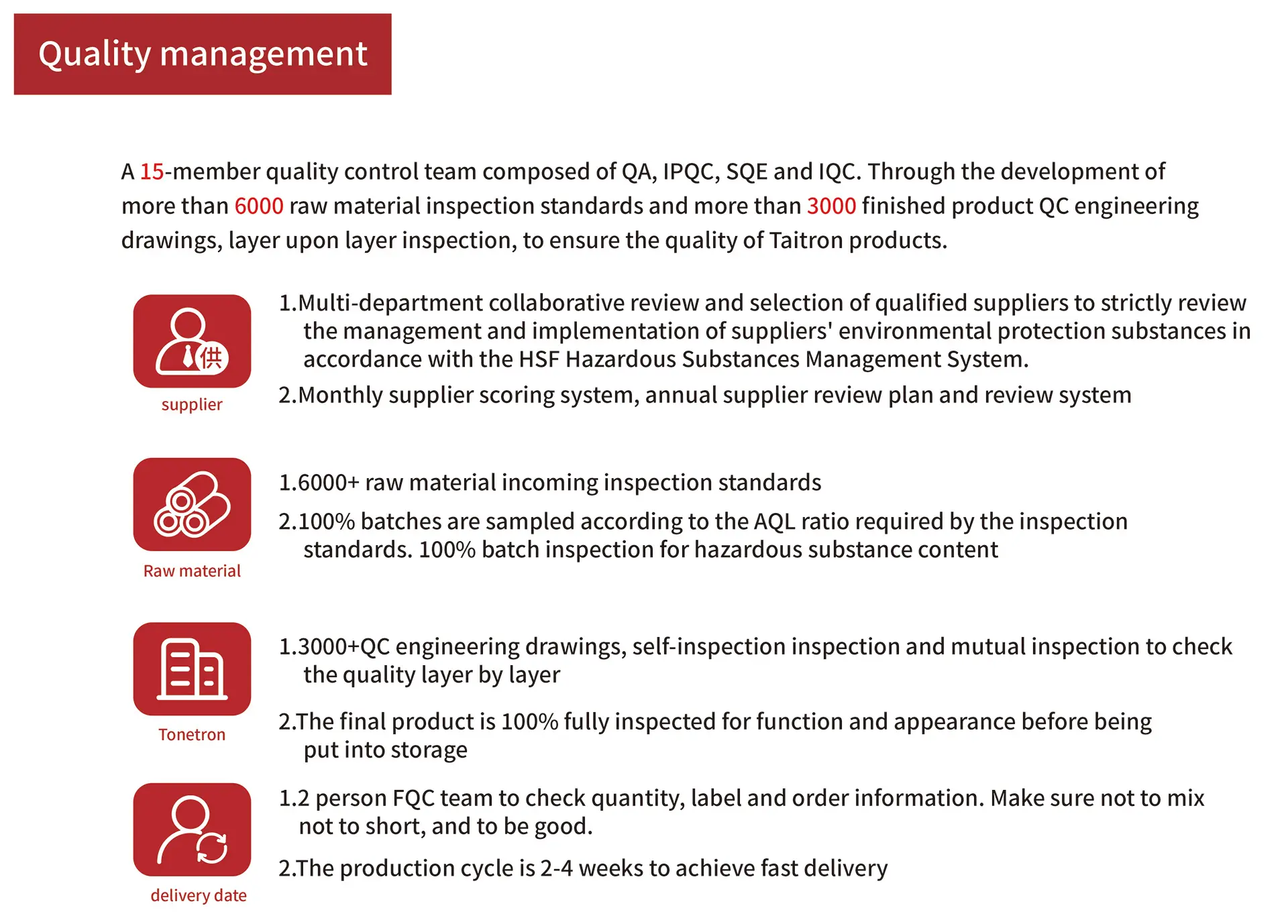
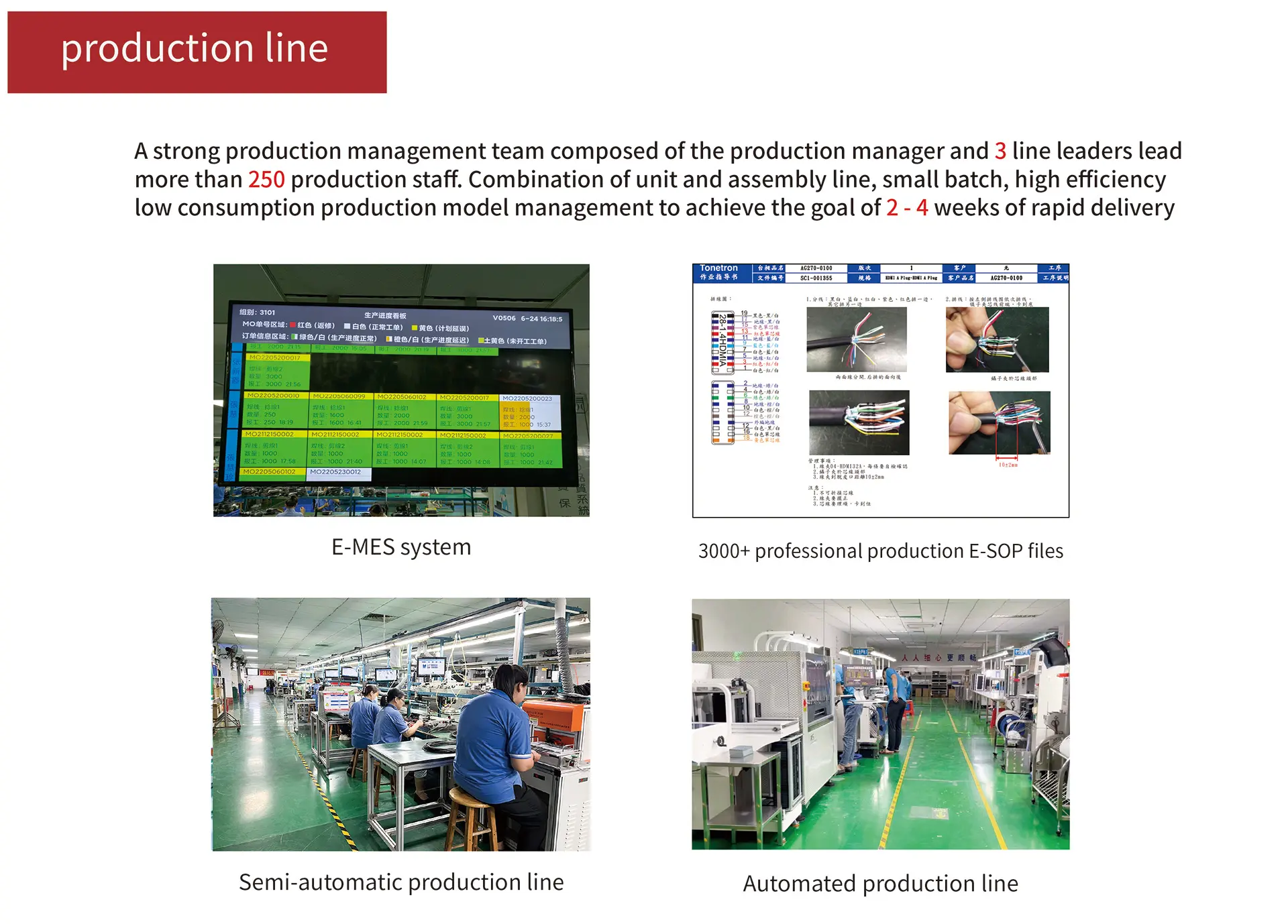
Information Gain Indicator: A genuine high-volume exporter reduces costs not by thinning copper conductors or omitting shielding, but by running fully integrated drawing machines, automatic welding stations, and using inline Time Domain Reflectometry (TDR) testing to keep product defects below 10 PPM (parts per million).
As digital display ecosystems evolve, standard video connections are no longer sufficient. Enterprise procurement sectors demand robust, verified HDMI 2.1 assemblies to fuel modern business transformations. The following vertical use cases illustrate why modern enterprises prioritize structural spec validation over low-quality alternatives:
Modern studio control rooms operate on uncompressed high-frame-rate feeds. High-grade HDMI 2.1 interconnects enable real-time visual tracking, color grading, and zero-latency previewing across 4K and 8K monitor arrays. Importers must prioritize structural integrity to protect against signal drops in critical broadcast environments.
Minimally invasive surgeries and radiological analysis require surgical-grade displays that present sub-millimeter anatomical details. A certified HDMI 2.1 path ensures that 10-bit and 12-bit color rendering remains pristine, allowing surgeons to make precise, real-time medical assessments without visual artifacts or compression noise.
Public utility monitoring, telecommunications hubs, and military command matrices utilize multi-window canvas displays running continuous 24/7 cycles. Our cables are engineered with high-durability zinc-alloy shells and gold-plated contacts to guarantee constant signal delivery in these high-consequence environments.
For custom cable exporters, absolute adherence to international regulations is non-negotiable. Importers in the EU, North America, and East Asia must navigate complex regulatory environments. Partnering with a certified exporter ensures your imports bypass customs hurdles smoothly and comply with regional safety frameworks:
By enforcing these standards, we deliver peace of mind to our B2B customers, assuring them that every product line is built to last and safe for commercial deployment.
Looking ahead, the interface landscape is converging towards higher bandwidth and multi-protocol flexibility. The expansion of HDMI 2.1b and the development of alternative standards like DisplayPort 2.1 and USB4 indicate that connectivity is becoming unified. Our R&D division is continuously optimizing the signal path, utilizing advanced materials like Graphene shielding and ultra-thin active chipsets for long-distance optical transceivers. Sourcing from a forward-looking exporter ensures your inventory remains relevant for the next generation of computing and display interfaces.
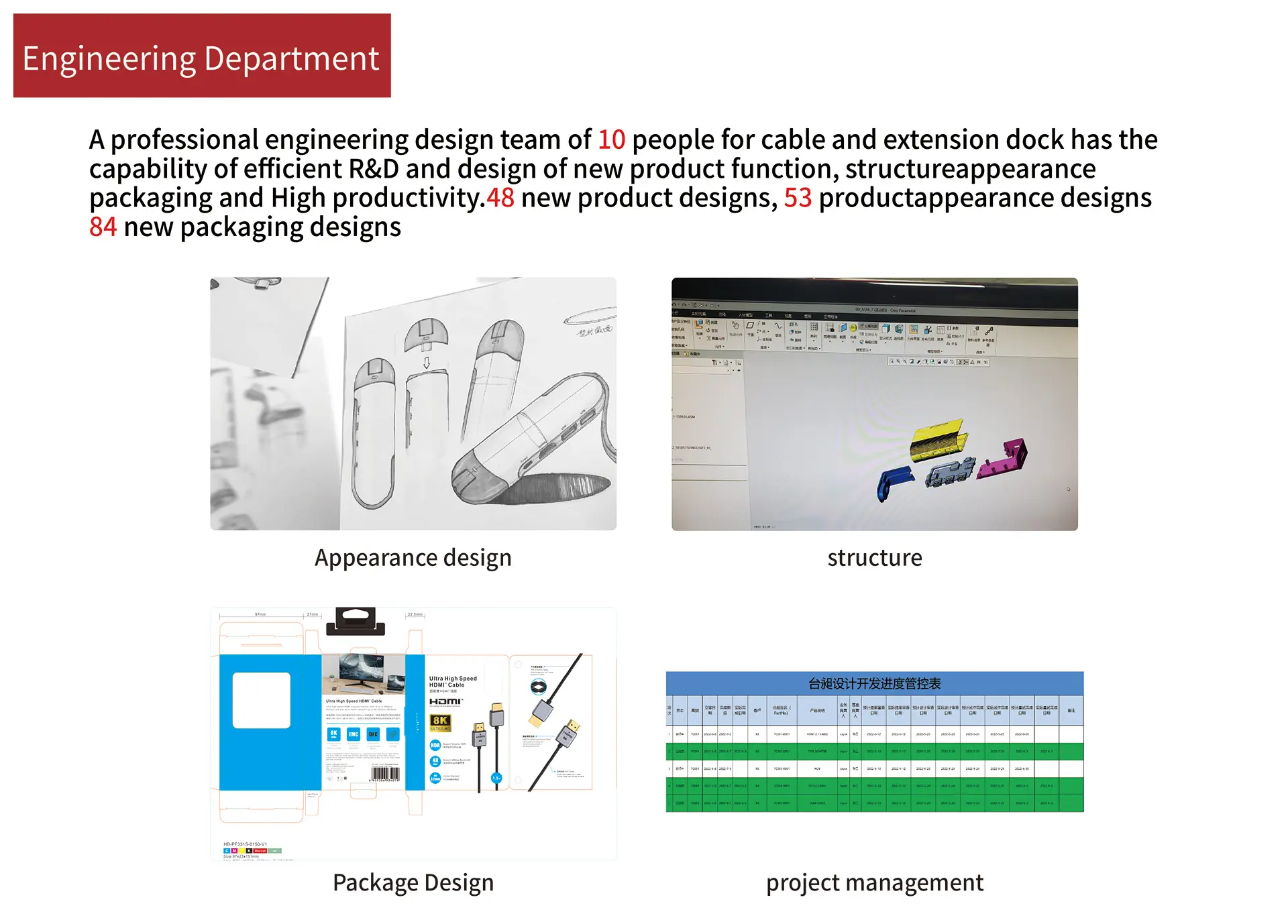
In 1984, Dongguan Taitron Electronics Limited., formerly known as Tonetron, was founded in Keelung, Taiwan. Driven by a commitment to engineering excellence, the enterprise established a dedicated independent production industrial park in Dalingshan Town, Dongguan City, China in 1993, transitioning into its current corporate structure: Dongguan Taitron Electronics Limited.
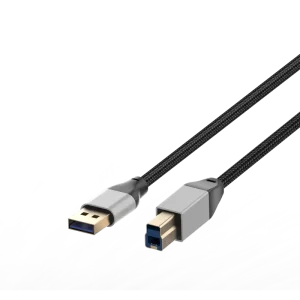
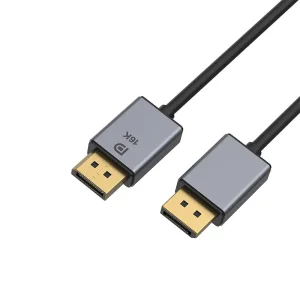
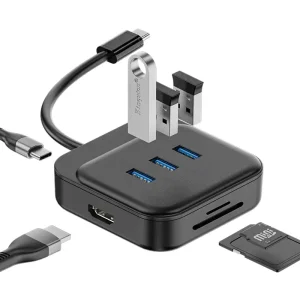
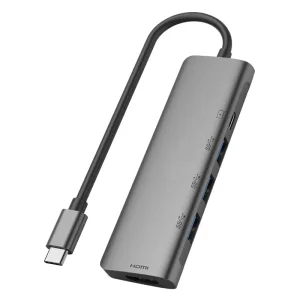
With over 38 years of expertise in professional video and audio peripheral equipment connection line manufacturing, the company has evolved from standard cabling into a premier R&D and manufacturing hub. Today, we specialize in high-end audio and video cables, data cables including HDMI 2.1 cables, DP 2.0 cables, USB4 data cables, USB-C 3.1 Gen2 data cables, high-power USB charging cables, 8K HD conversion cables, and multi-functional Type-C expansion docks.
Our facility houses advanced testing infrastructure, including time-domain reflectometers, automated environmental chambers, and high-speed precision welding machinery, ensuring that every export shipment meets the highest global standards.

 Taichang Electronic