Explore our highly-curated selection of industrial and enterprise-grade adapters, docking hubs, and digital video cables engineered for maximum signal integrity.
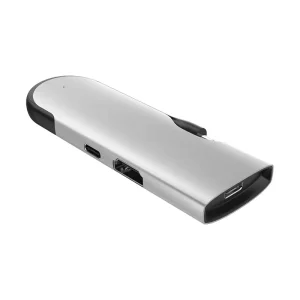
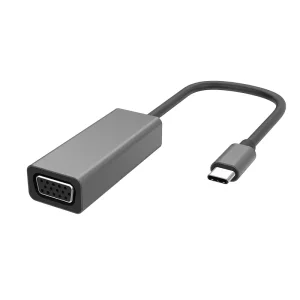
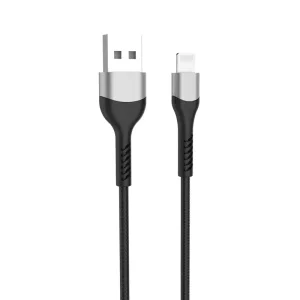
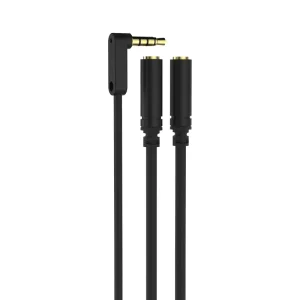
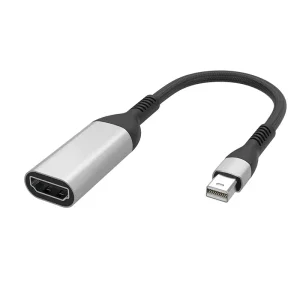
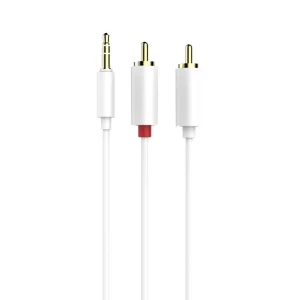
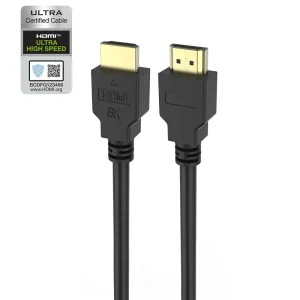
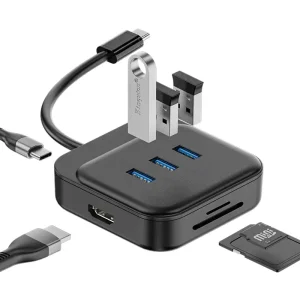
Initially conceptualized to reduce the physical footprint of the standard DisplayPort interface, the Mini DisplayPort (Mini DP) standard quickly transitioned from a proprietary consumer design into an essential high-reliability standard for enterprise systems, medical monitors, and industrial equipment. Governed by the Video Electronics Standards Association (VESA), Mini DP maintains full logical and signal compatibility with standard DisplayPort protocols, guaranteeing zero latency and lossless digital delivery.
Over successive generations—spanning from DP 1.2 to high-bit-rate DP 1.4a protocols—Mini DisplayPort has continued to support deep-color resolutions, high refresh rates (up to 4K at 120Hz or 8K via DSC), and Multi-Stream Transport (MST) daisy-chaining. While USB-C and Thunderbolt 4 take center stage in modern laptop designs, Mini DP remains irreplaceable in legacy workstation cards, specialized medical hardware, and secure avionic flight displays due to its mechanical stability and dedicated physical lane structure.
Industrial cabling requires multi-layered shielding (aluminum foil plus high-density tinned copper braiding) to avoid data corruption in electrically noisy environments.
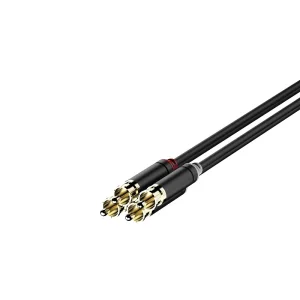
Ensured through controlled impedance matching, low-attenuation dielectric cores, and precision gold-plated contact points.
B2B technical procurement managers evaluate display cabling based on exact electrical parameters, physical durability, and regulatory compliance.
Proper conductor cross-section selection (typically 28 AWG to 34 AWG) to maintain bandwidth over extended cable lengths without signal degradation.
Compliance with UL94V-0, CL2, or Plenum (CMP) standards for placement within commercial ceilings and wall cavities, mitigating toxic emission hazards.
Balancing initial factory pricing against warranty, failure rates under strain, and connector lifespans (typically rated for 10,000+ insertion cycles).

High-speed audio/video signal systems do not operate in a vacuum. A complete hardware infrastructure requires seamless bridging between core system formats. That is why enterprise environments configure Mini DisplayPort alongside modern multi-functional adapters and active hybrid connection networks.
Medical Imaging Systems: Radiologists rely on diagnostic monitors displaying ultra-precise grayscale details. Mini DP connections ensure bit-perfect rendering with zero compression artifacts.
Industrial Control Rooms: Heavy machinery operations use multi-screen panels displaying telemetry data in real time. Shielded Mini DP cables prevent latency, preserving display alignment under heavy vibration and electromagnetic noise.
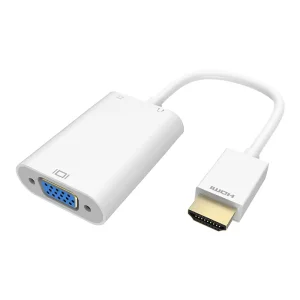
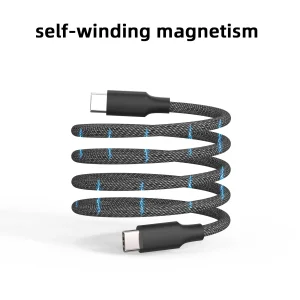
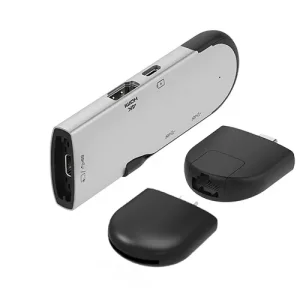
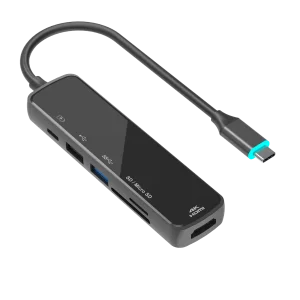
Workstation & Broadcast Hubs: Multi-monitor environments leverage MST features to route clean video feeds from a single card. Combined with high-bandwidth Type-C expansions and VGA adapters, legacy and modern screens can operate within a single, integrated ecosystem.
In 1984, Dongguan Taitron Electronics Limited., formerly known as Tonetron, was founded in Keelung, Taiwan. In 1993, it moved to the self-built independent production industrial park in Dalingshan Town, Dongguan City, China, and changed its name to Dongguan Taitron Electronics Limited.
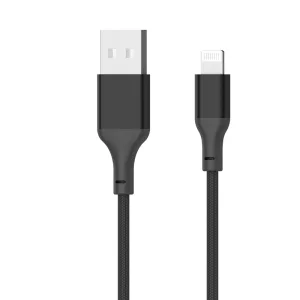
With 38 years of professional video and audio peripheral equipment connection line manufacturing as our foundation, we have gradually developed into high-end audio and video cables and data cables such as HDMI 2.1 cables, DP 2.0 cables, USB4 data cables, USB-C 3.1 Gen2 data cables, high-power USB charging cables, 8K HD conversion cables, multi-functional Type-C expansion docks, and other products research, development, and manufacturing.
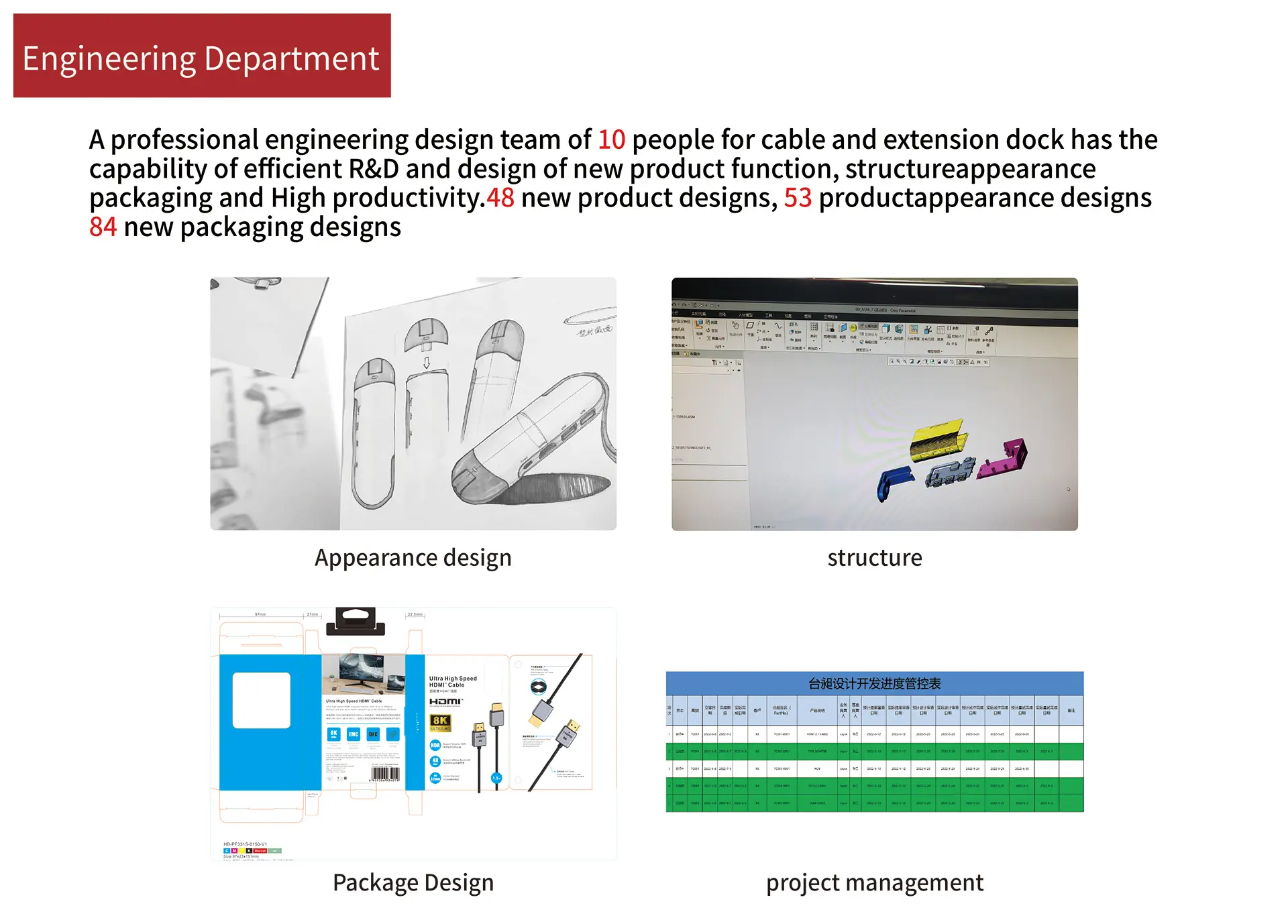
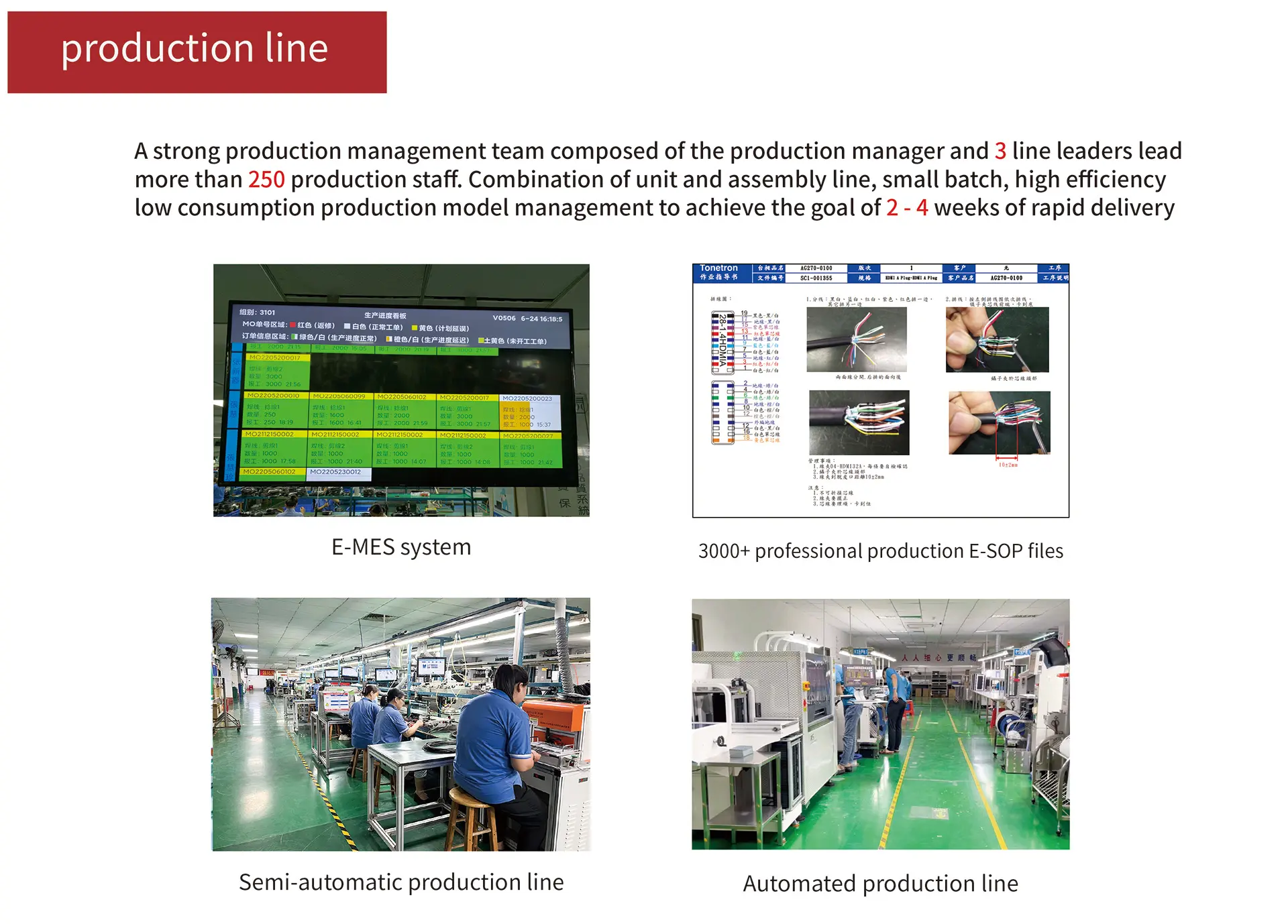
Our facility houses specialized engineering research laboratories, advanced automated braiding and shielding equipment, and high-frequency parameter analyzers to ensure every production batch meets strict international standards.
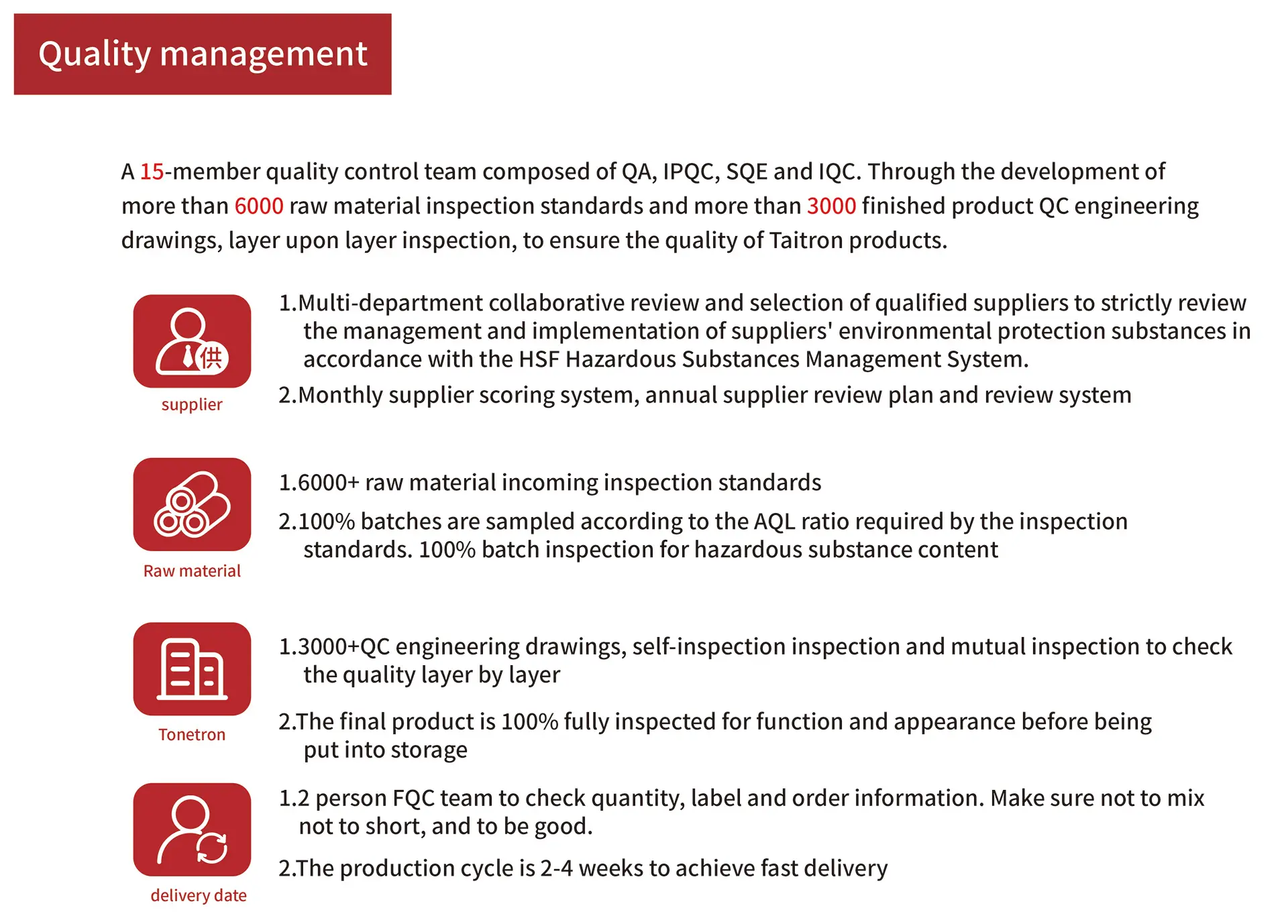
Our multi-stage quality control process covers incoming raw material inspection (IQC), in-process checking (IPQC), and final 100% loopback testing on high-speed cable analyzers, delivering absolute compliance on every batch.
The transmission market is moving toward greater speed, convergence, and signal optimization. Here is how physical connections are changing.
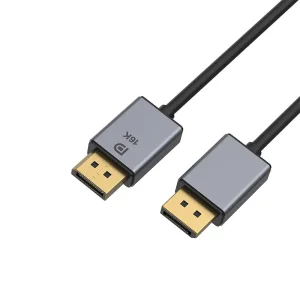
As VESA updates its DisplayPort standards to DP 2.1, bandwidth limits have risen to 80 Gbps using Ultra High Bit Rate (UHBR) transmission lines. This evolution relies on PAM3 signaling to package data efficiently, enabling display systems to support 16K resolution at 60Hz with HDR enabled.
Additionally, physical connection forms are merging. While native Mini DisplayPort connections remain vital for dedicated industrial and military displays, consumer systems are shifting toward USB-C Alt-Mode and Thunderbolt. Future systems will leverage hybrid physical adapters that carry native, uncompressed DisplayPort signals through high-durability locking connectors, preventing disconnection in critical applications.
Environmental policies like RoHS and REACH are reshaping raw material requirements in B2B procurement. Leading manufacturers are transitioning away from standard PVC outer jackets to Low Smoke Zero Halogen (LSZH) and Thermoplastic Elastomer (TPE) alternatives.
These next-generation compounds produce minimal toxic gases when exposed to high heat, protecting personnel and delicate network switch equipment. Furthermore, factories are adopting lead-free soldering processes and post-consumer recycled metals to minimize environmental impact without sacrificing electrical conductivity.
Deploying equipment internationally requires careful attention to regional safety regulations and import rules. Standard commercial cables often fail to clear customs or pass field inspections due to missing documentation or unverified testing procedures.
We provide full localization and compliance support to guarantee worry-free shipping and integration:
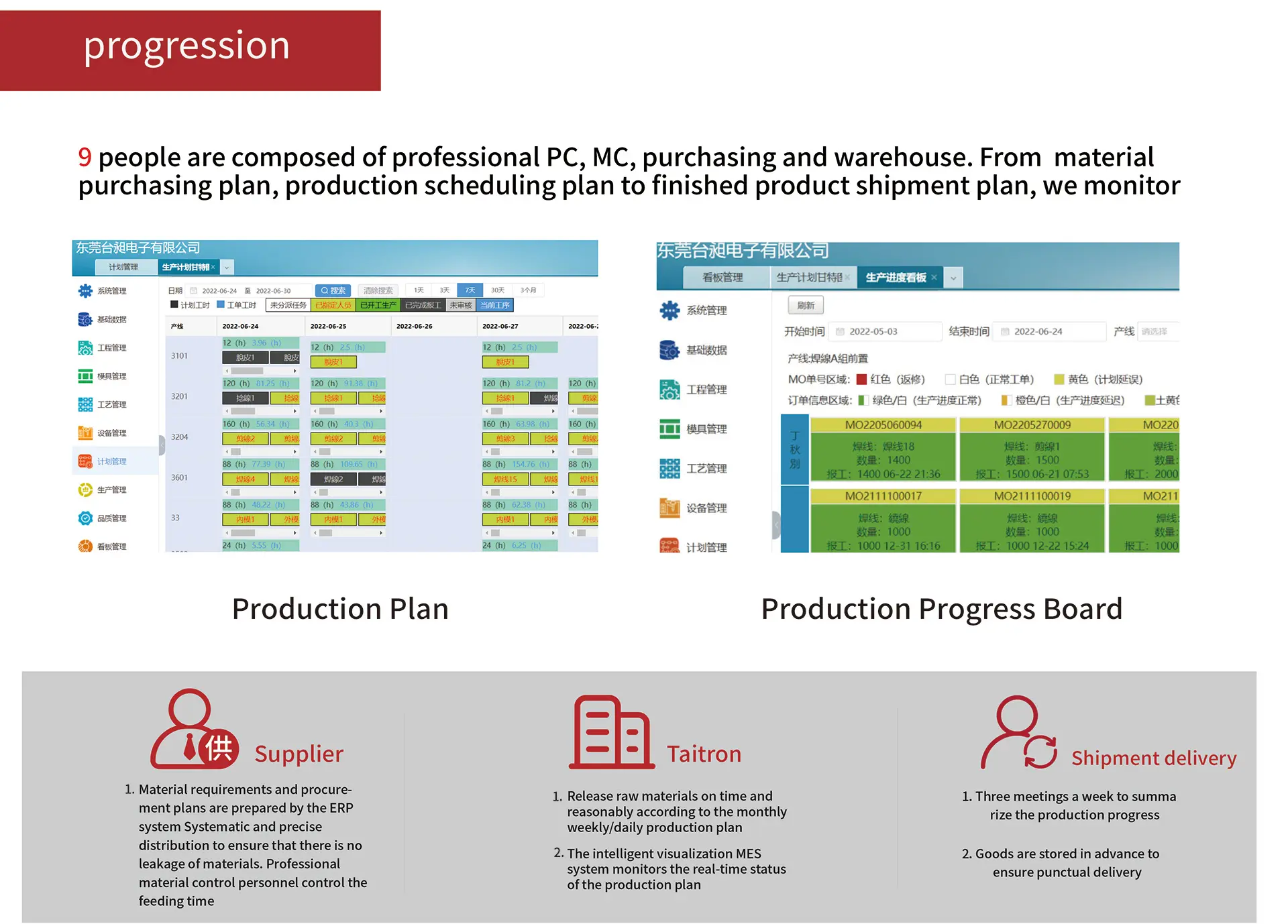
In an unpredictable global trade market, maintaining consistent manufacturing pipelines is vital. Our dual production networks and localized raw material suppliers protect you from unexpected shortages, keeping your assembly lines running smoothly.
Expert answers to common engineering, procurement, and deployment questions regarding Mini DisplayPort and display cabling.
Passive adapters rely on the source device's graphics card to output a compatible signal (DP++ Dual-Mode), simply routing the existing pins to the new connector format. Active adapters, on the other hand, feature an internal converter chipset that active reconstructs the video signal. Active conversion is required when converting to HDMI or DVI from a graphics card that does not support DP++, or when building multi-monitor configurations (typically 3 or more screens).
For high-resolution signals like 4K at 60Hz, passive copper cables are generally limited to 3 meters (approx. 10 feet) to prevent attenuation. If you need to run cables up to 5 meters, you will need thicker conductors (such as 28 AWG) and premium shielding. For distances beyond 5 meters, you should use Active Optical Cables (AOC) or active signal extenders to maintain signal strength without dropping frames.
Yes, the DisplayPort protocol supports up to 8 channels of uncompressed LPCM audio (192 kHz, 24-bit), as well as compressed audio formats like Dolby Atmos, Dolby TrueHD, and DTS-HD Master Audio. This makes it fully capable of handling professional sound and video over a single connection.
Industrial settings are full of electromagnetic interference (EMI) from motors, generators, and power cables. Unshielded cables can suffer from packet loss, which looks like screen flickering, static, or complete blackouts. Our industrial cabling features dual-layer shielding (aluminum-mylar foil combined with tinned copper braiding) to block interference and keep your signals clean.
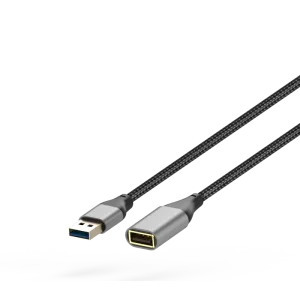
Complete your system integration with our certified adapters, durable extension cords, and ultra-high bandwidth display lines.
 Taichang Electronic