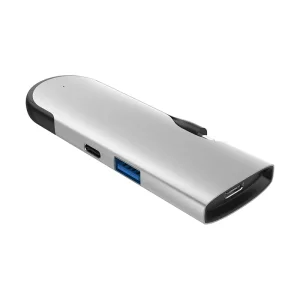
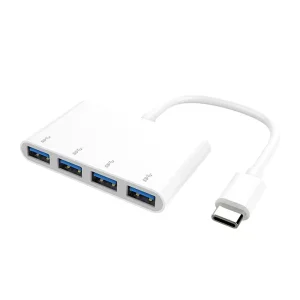
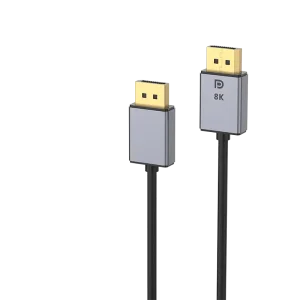
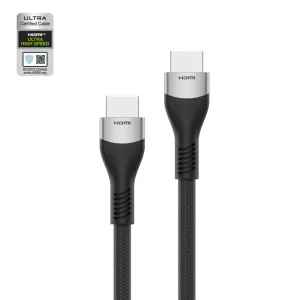
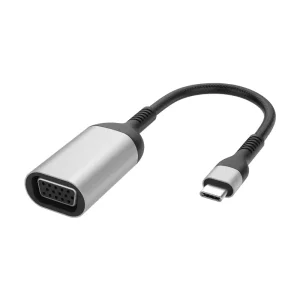
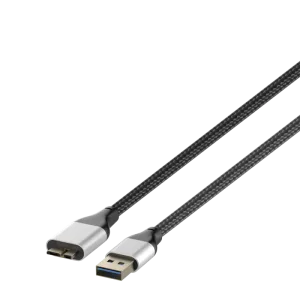
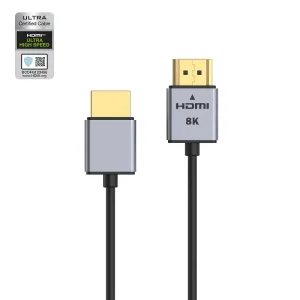
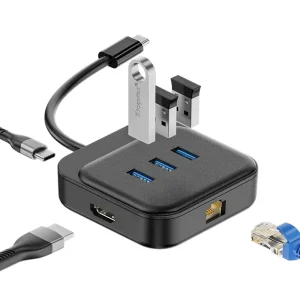
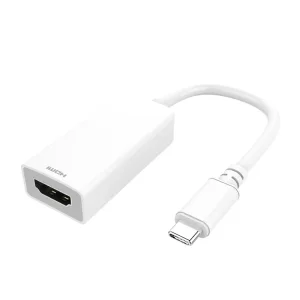
Explore our flagship collection of USB-C adapters, custom hubs, high-speed audio-visual cables, and interface converters engineered for high-bandwidth reliability.
Unlocking the full potential of physical media connections via the universal USB Type-C standard in corporate, industrial, and high-performance environments.
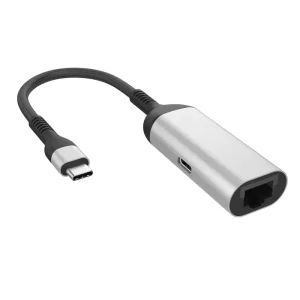
Modern slimline computing architecture has phased out RJ45 ports. USB-C to Ethernet connectivity bypasses congested wireless frequencies, providing a secure, dedicated pipeline crucial for financial transactions and cloud server engineering.
Integrated microprocessors manage dynamic Power Delivery (PD) negotiations concurrently with Gigabit line-rate performance. This eliminates latency, thermal buildup, and packet overhead issues common to lesser peripheral architectures.
Deploying reliable Ethernet to Type-C systems requires multi-layered electromagnetic interference (EMI) protection inside the assembly, securing high-speed data streams from degradation caused by adjacent signal nodes.
While Wi-Fi standards continue to iterate, industrial-grade operations, edge computing interfaces, and real-time medical imaging hardware mandate uninterrupted connectivity. RF interference, walls, and distance limit wireless reliability. A dedicated physical Ethernet to USB Type-C line bridges this gap, supplying zero-packet-drop, multi-gigabit throughput. It has become a foundational standard for remote administration, large-scale media deployments, and high-frequency business environments.
The core capability of a modern Ethernet-to-Type-C adapter lies in its internal Application-Specific Integrated Circuit (ASIC). Advanced chipsets from industry pioneers like Realtek (RTL8153/RTL8156) and ASIX (AX88179) translate Ethernet packets directly into native USB SuperSpeed packets. This translation process occurs with minimal CPU overhead on the host computer. Additionally, these chips natively support features such as Energy Efficient Ethernet (EEE), Wake-on-LAN (WoL), and jumbo frames up to 9KB, ensuring the host device runs efficiently even under full network load.
A legacy of precision connection manufacturing, delivering high-end networking, audio, and video interface solutions globally.
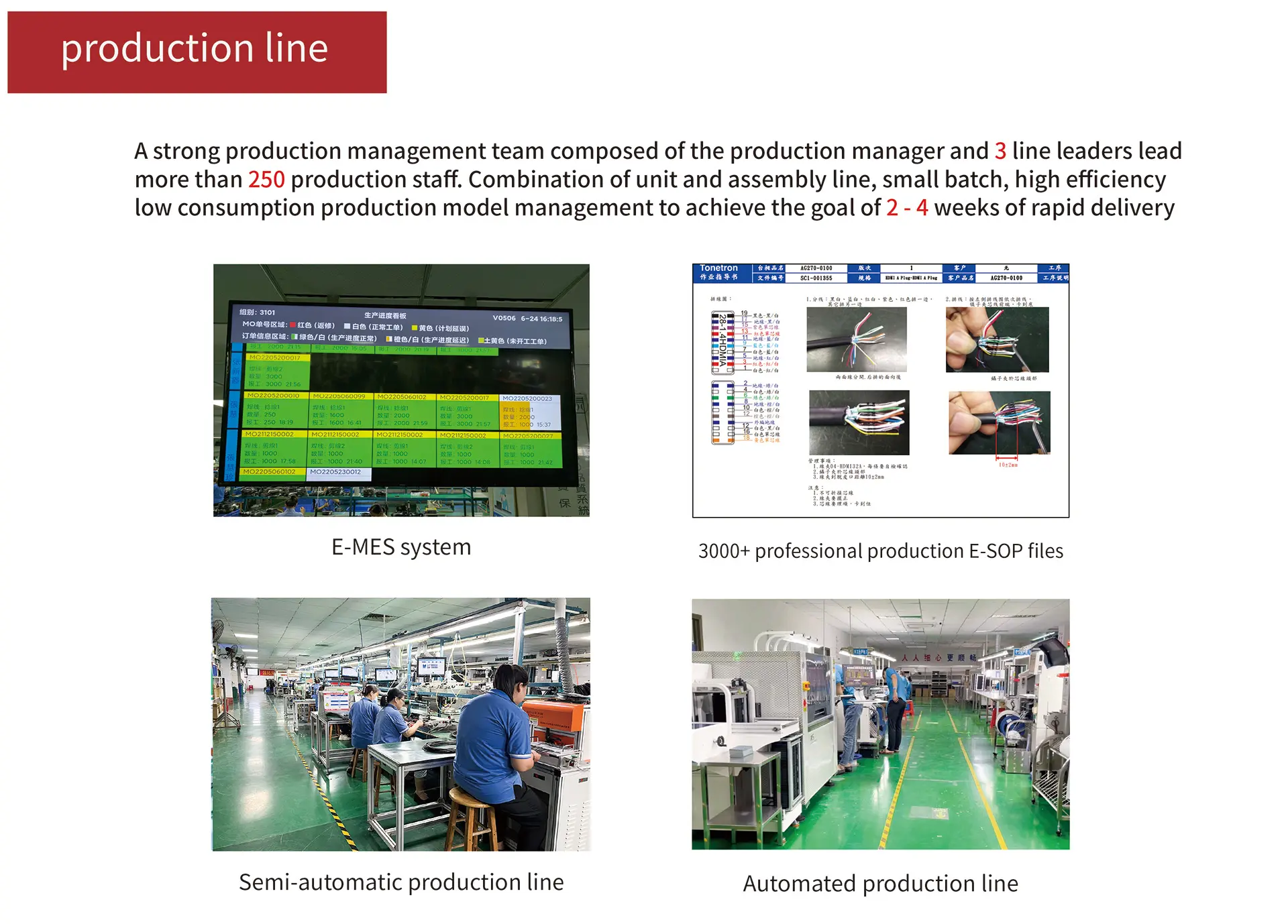
Founded in 1984 in Keelung, Taiwan as Tonetron, our enterprise established a solid reputation for professional audio and video peripheral equipment connection lines. In 1993, to meet global demand, we transitioned manufacturing operations to a self-built, independent production industrial park in Dalingshan Town, Dongguan City, China, renaming the organization to Dongguan Taitron Electronics Limited.
Over our 38-year legacy, we have expanded our technical expertise. Today, we stand as a premier research, development, and manufacturing facility. Our catalog features ultra-high-speed HDMI 2.1 cables, DisplayPort 2.0/1.4 connections, USB4 data lines, high-wattage charging interfaces, and multi-functional Type-C expansion docks that power industrial network adapters worldwide.

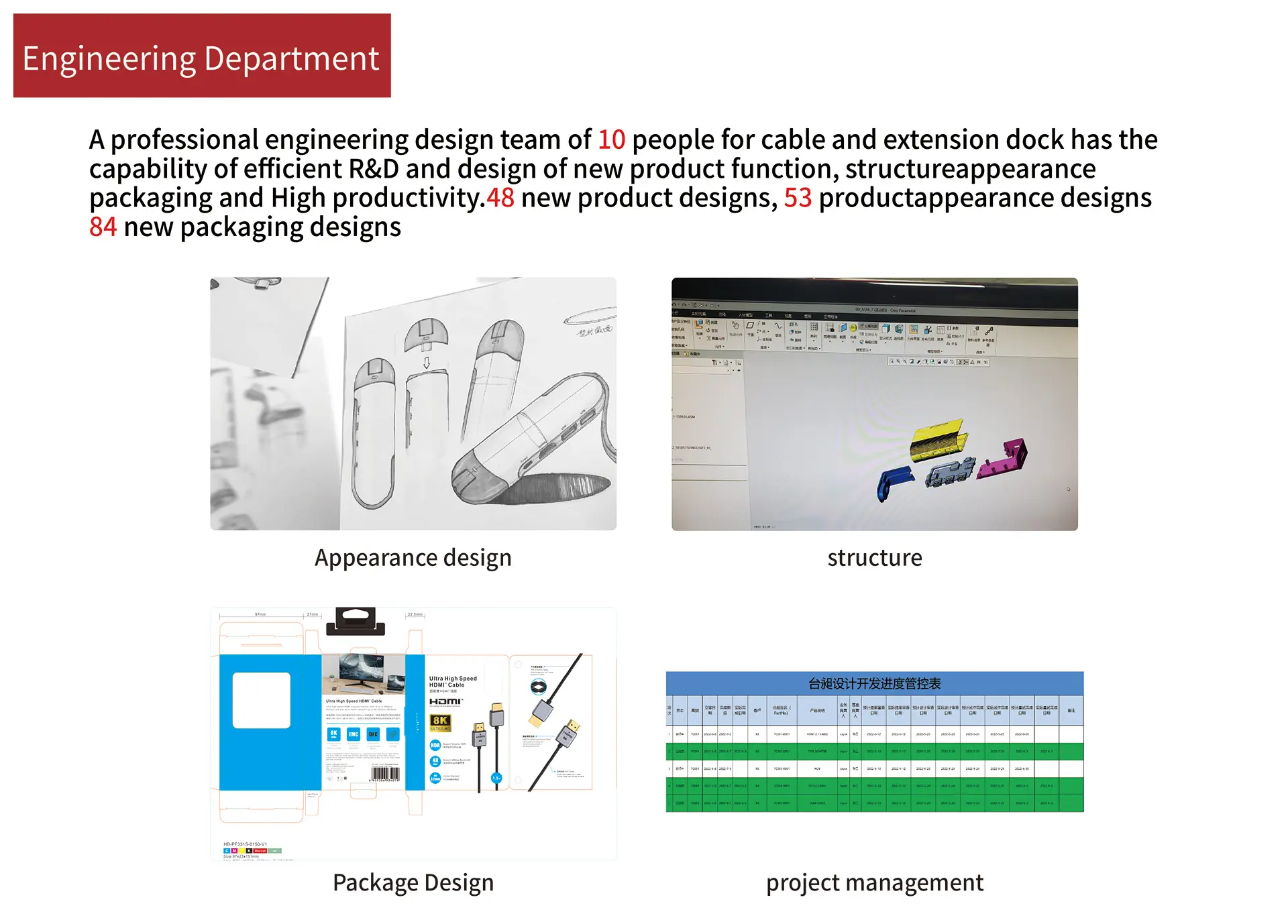
Inside our modern Engineering and Design Lab, Dalingshan Town, Dongguan City.

How global industries rely on physical Type-C networking components for seamless operational performance.
In automated factories, heavy equipment relies on Ethernet networks for real-time control. Modern control systems use Type-C ports for setup and diagnostic monitoring. Shielded RJ45-to-Type-C adaptors provide noise-isolated connections to configure PLCs on the shop floor without data drops.
Medical instruments generate high-resolution diagnostic images that require real-time transmission. USB-C to Gigabit Ethernet interfaces connect legacy ultrasound and radiography equipment directly to secure local hospital servers, ensuring fast data transmission while maintaining high patient privacy standards.
For outdoor live broadcasting, reliable bandwidth is essential. Field engineers use USB-C-equipped mobile units to transmit live video to satellite uplinks via high-speed Ethernet. This approach avoids latency, signal fade, and packet loss common to wireless signals.
In modern corporate workspaces, standardizing workstations with USB-C interfaces simplifies setup. By connecting a single Type-C cable, employees can link their thin laptops to high-speed corporate LANs, dual external monitors, and pass-through power docks. This streamlined design reduces cables, minimizes desktop clutter, and simplifies network access for remote teams.
Our R&D team continues to design advanced high-bandwidth solutions. We are focusing on adapting Multi-Gigabit networks (2.5Gbps and 5Gbps) into compact adapters to meet the demand of fast NAS storage setups and high-speed home offices.
We are also optimizing our designs to support USB4 and Thunderbolt 5 interfaces, allowing for high data transfer rates, advanced video outputs, and smart power management on a single platform.
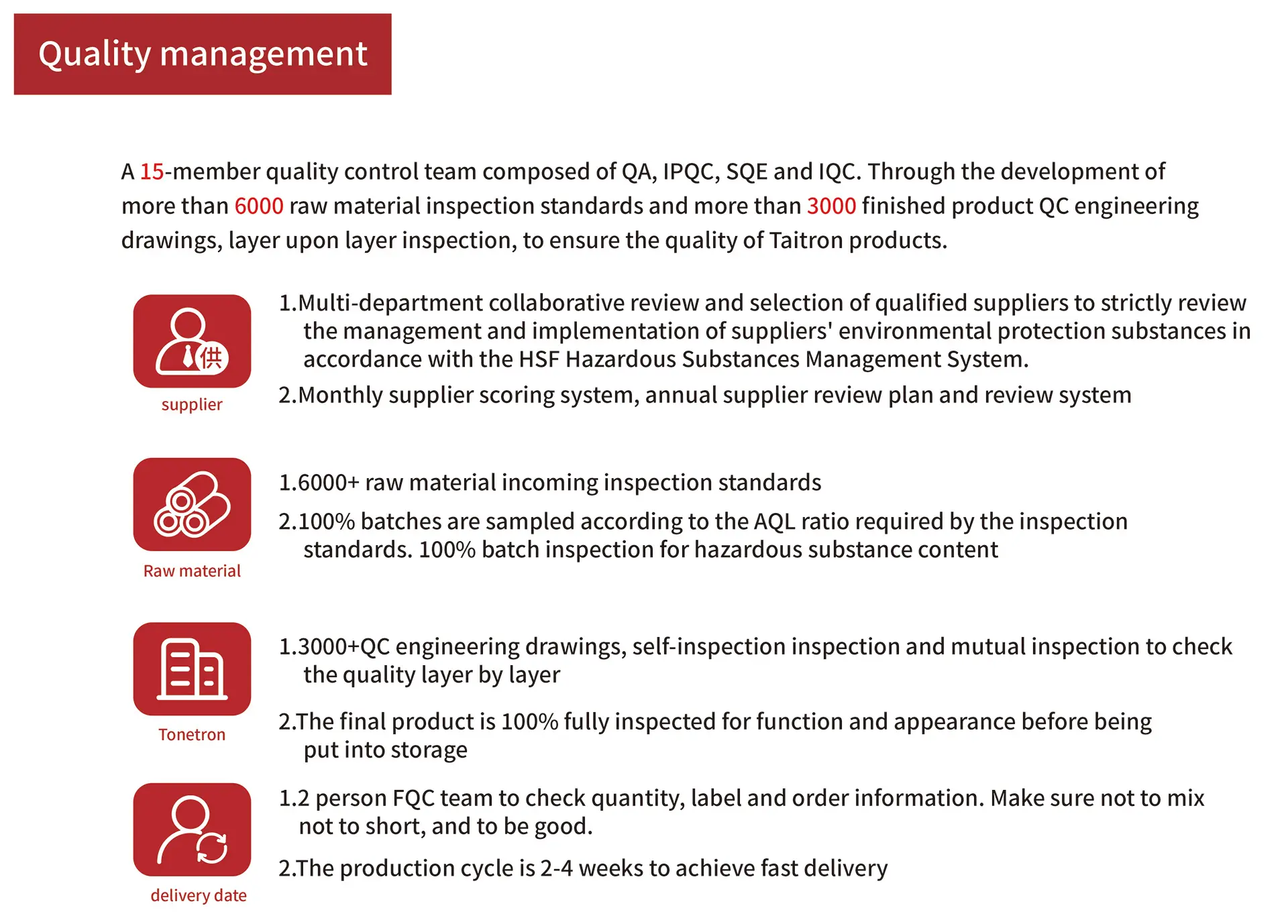
Operating a global supply chain requires strict adherence to international quality standards. Dongguan Taitron Electronics maintains ISO 9001 and ISO 14001 certifications across all manufacturing floors, and our items are tested for CE, FCC, RoHS, and REACH compliance.
Each production run undergoes rigorous electrical testing using network analyzers and physical stress tests. This ensures our adapters can withstand daily use in challenging industrial environments, providing reliable service long after deployment.
Get answers to common technical, manufacturing, and configuration questions about USB-C-to-Ethernet converters.
Explore our wider range of high-definition AV cables, multi-port docking hubs, and legacy audio interconnects designed for corporate and consumer systems.
 Taichang Electronic