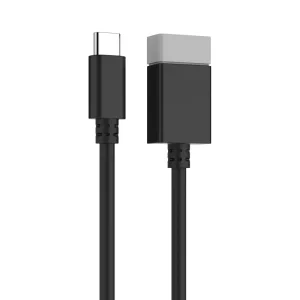
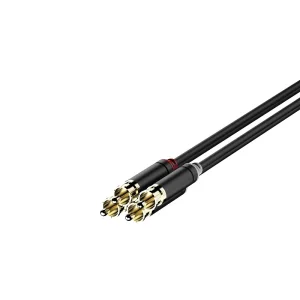
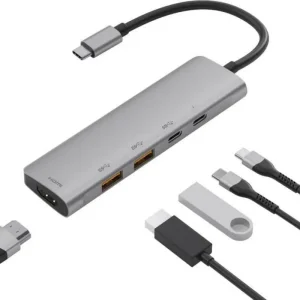
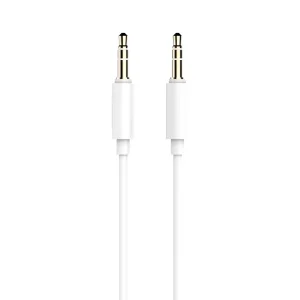
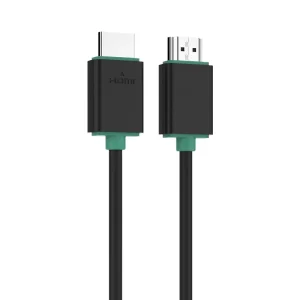
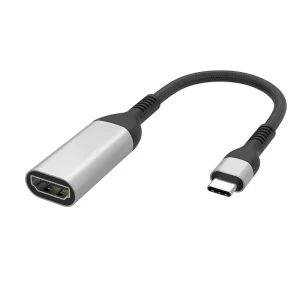
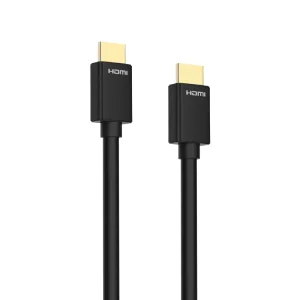
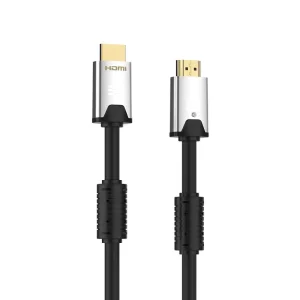
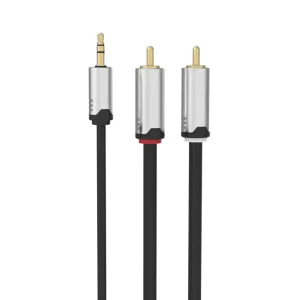
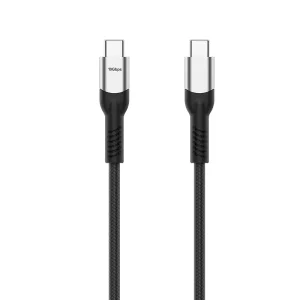
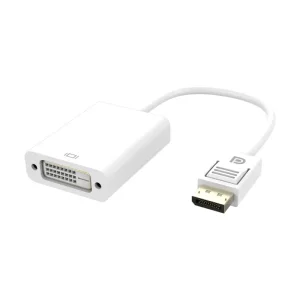
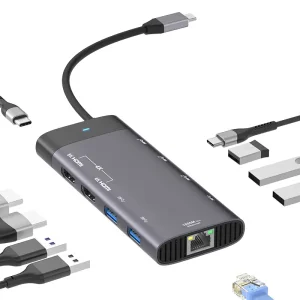
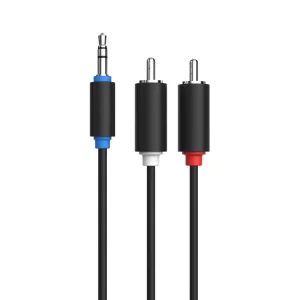
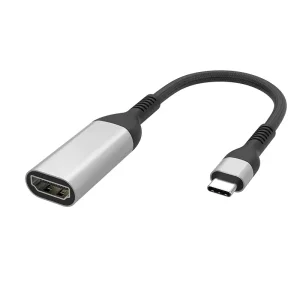
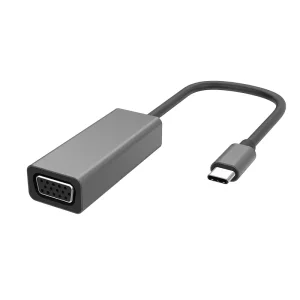
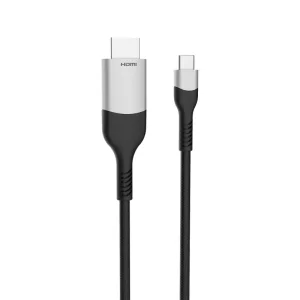
Explore our premium grade selection of engineering-certified cables, hubs, and adaptation products designed for ultra-high-definition ecosystems.
In 1984, Dongguan Taitron Electronics Limited., formerly known as Tonetron, was founded in Keelung, Taiwan. In 1993, it moved to the self-built independent production industrial park in Dalingshan Town, Dongguan City, China, and changed its name to Dongguan Taitron Electronics Limited.
38 years to pass professional video and audio peripheral eguipment connection line manufacturing as the foungation, Gradually develop to the high-end audio and video cable data cable such as HDMI2.1 cable, DP2.0 cable, USB4 data cable, USB-C 3.1Gen2 data cable, high-power USB charging cable, 8K HD conversion cable, multi-functional Type-C expansion dock and other products research and development and manufacturing.
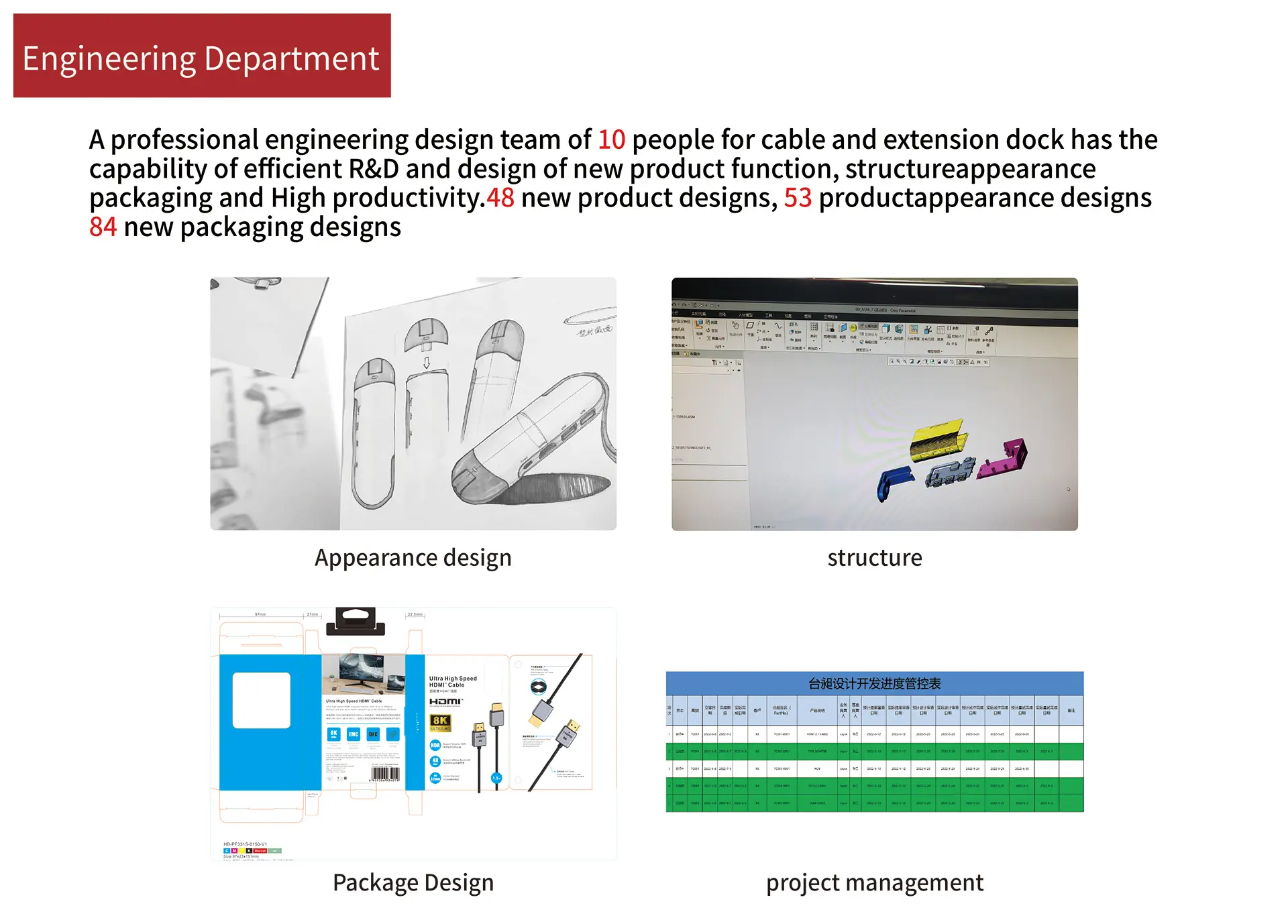
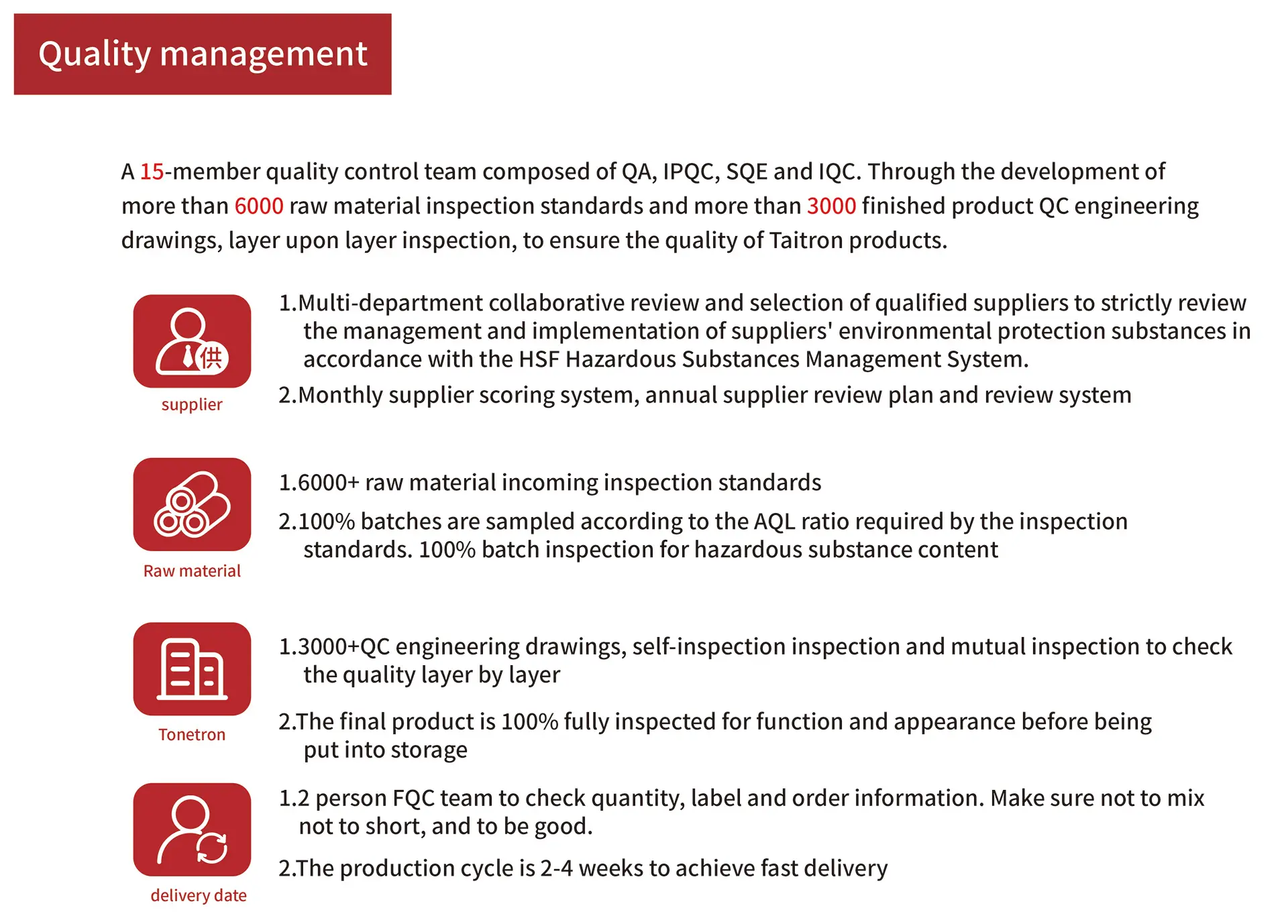
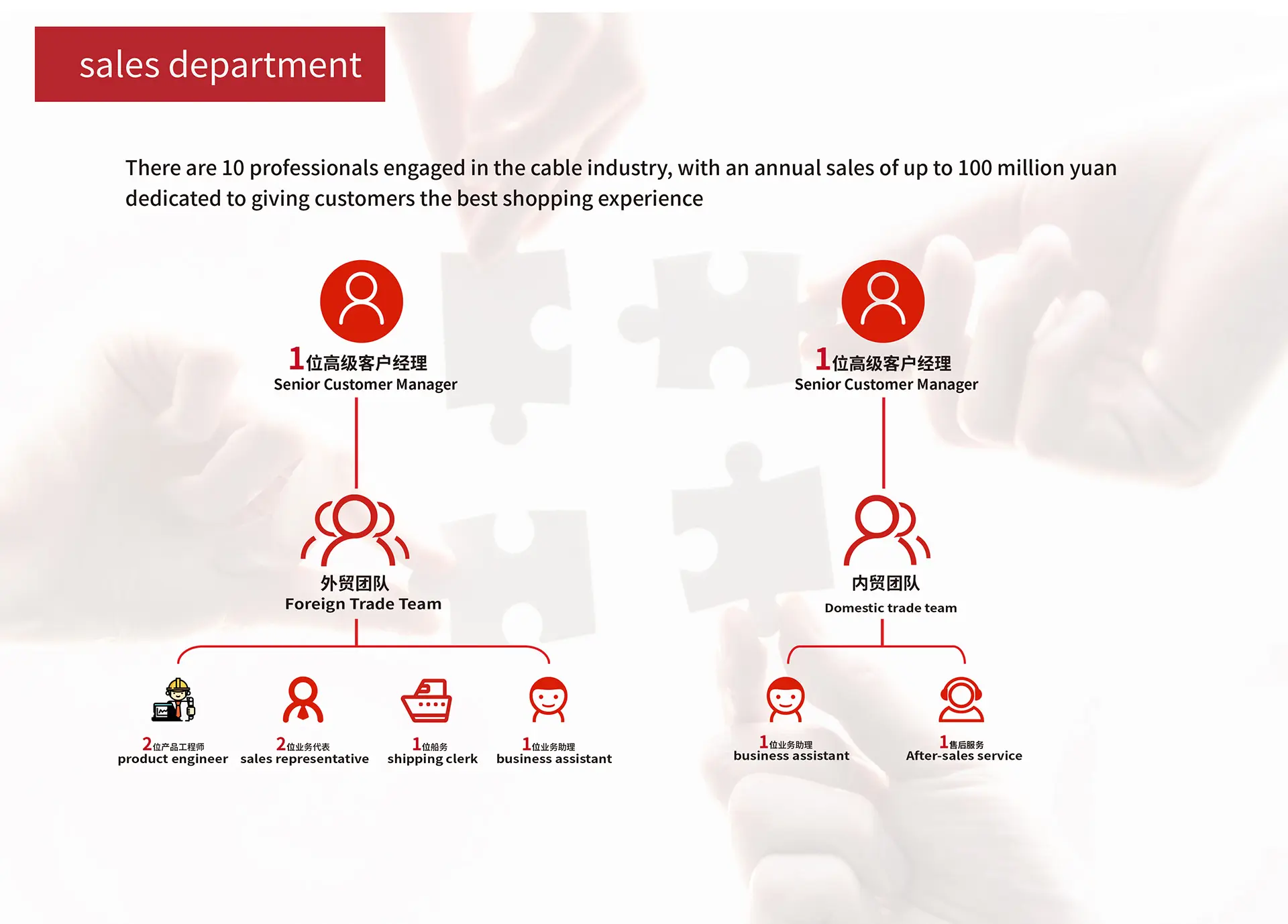
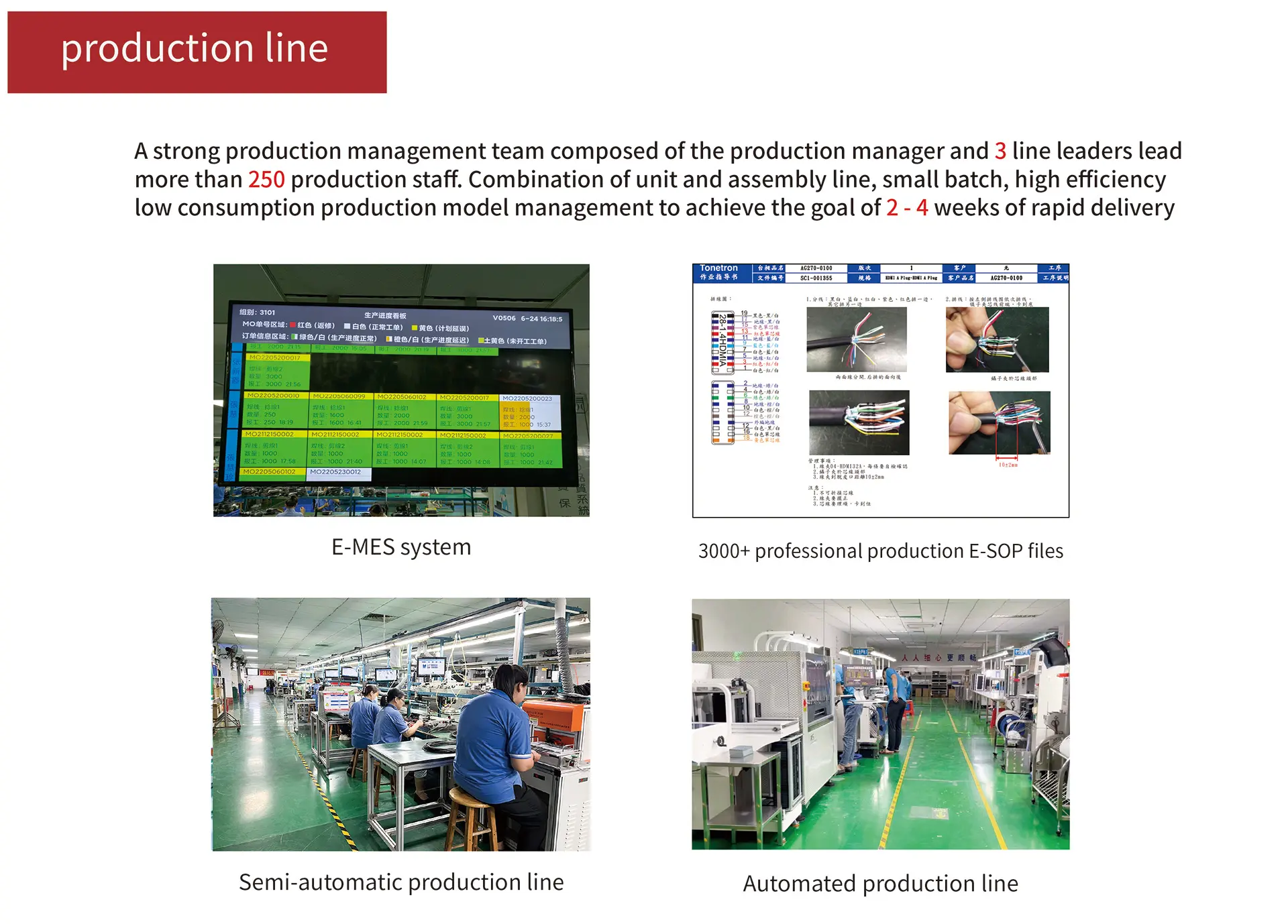
An in-depth structural analysis of manufacturing standards, signal integrity, and technology roadmaps governing premium HDMI products.
The global high-definition audio-visual interface market is undergoing a fundamental transformation. Driven by the mass adoption of UHD 4K Smart TVs, next-gen gaming consoles (PlayStation 5, Xbox Series X), professional broadcasting monitors, and massive commercial DOOH (Digital Out-of-Home) displays, the demand for HDMI 2.0 (4K 60Hz) and HDMI 2.1 (4K 120Hz/8K 60Hz) transmission systems has surged exponentially.
Traditional copper cable topologies face strict physical limitations when transmitting high-speed digital signals over distances exceeding 5 meters. At 18Gbps (HDMI 2.0) and 48Gbps (HDMI 2.1), high-frequency signal attenuation and electromagnetic interference (EMI) present severe challenges for engineering systems. As a result, Tier-1 manufacturing factories are investing heavily in advanced raw material processing, robotic precise soldering, and hybrid Active Optical Cable (AOC) technologies to guarantee zero-packet-loss transmissions.
99.99% pure OFC eliminates micro-voids between copper grains, drastically reducing electrical resistance and minimizing attenuation of high-frequency TMDS signals.
Applying structured aluminum mylar wrapping combined with high-density tinned copper braiding (over 85% coverage) to prevent external EMI/RFI noise from corrupting data packets.
Integrated electrical-to-optical (E/O) converters embed lasers directly inside the connector housing, unlocking lossless signal transmission up to 100 meters.
To source effectively, systems integrators and enterprise procurement directors must understand the strict delineation between cable specifications. Google Quality Rating guidelines value deep, non-obvious technical accuracy. Below is a raw comparative breakdown of standard industry specifications from legacy to future-proof configurations:
| Standard Specification | Max Bandwidth | Resolution Capabilities | Primary Encoding / Technology | Ideal Length (Copper) |
|---|---|---|---|---|
| HDMI 1.4 | 10.2 Gbps | 4K @ 30Hz / 1080p @ 120Hz | 8b/10b TMDS | Up to 15 Meters |
| HDMI 2.0 (High Speed) | 18.0 Gbps | 4K @ 60Hz / 1440p @ 144Hz | 8b/10b TMDS with HDR10 support | Up to 7.5 Meters |
| HDMI 2.1 (Ultra High Speed) | 48.0 Gbps | 4K @ 120Hz / 8K @ 60Hz / 10K | 16b/18b FRL (Fixed Rate Link) | Up to 3 Meters |
| DP 2.0 / 2.1 (DisplayPort) | 80.0 Gbps | 16K @ 60Hz (DSC) / Triple 4K @ 144Hz | 128b/132b PAM3 Encoding | Up to 1.2 Meters |
High-performance HDMI and USB-C conversion interfaces are not merely consumer accessories; they are vital nodes within infrastructure topologies. For example:
Corporate buyers and global importers must look beyond raw prices when screening factories in manufacturing hubs like Dongguan. The total cost of ownership (TCO) is influenced by raw structural quality, quality control, and international certifications. Leading manufacturers like Dongguan Taitron Electronics utilize 38+ years of engineering heritage to optimize supply chain stability, offering:
Complete your systemic visual and audio topologies with our certified adapter and accessory array.
 Taichang Electronic