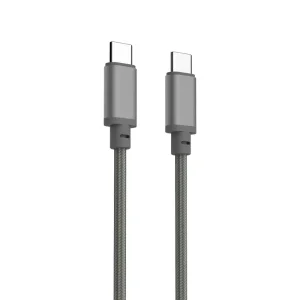
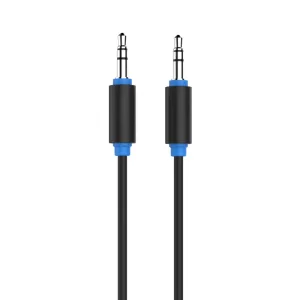
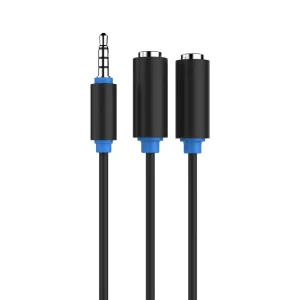
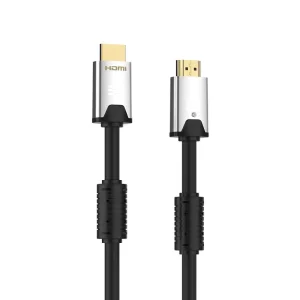
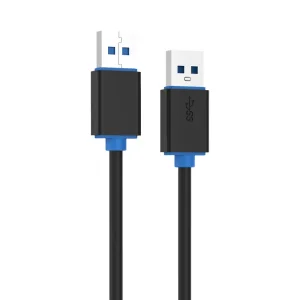
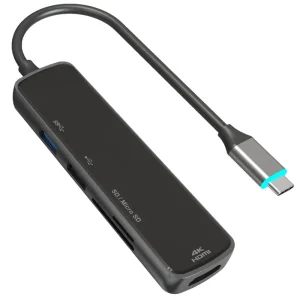
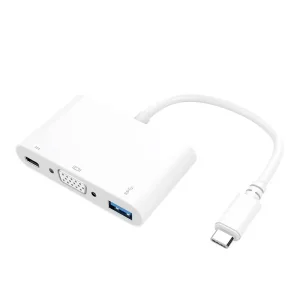
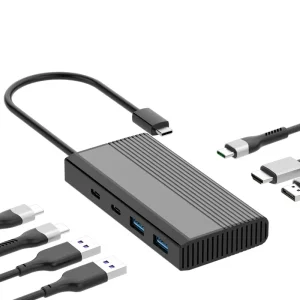
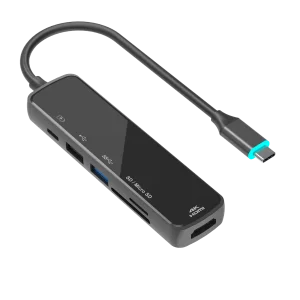
Explore our engineering-grade adapters and high-speed data links optimized for professional corporate, broadcasting, and consumer setups.
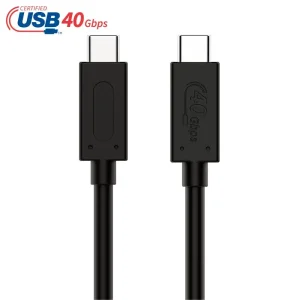
Understanding the architecture, bandwidth breakthroughs, and functional enhancements defining next-generation signal transmission.
In high-bandwidth digital data transmission, selecting between HDMI 2.0 and HDMI 2.1 determines display quality, latency capabilities, and system reliability. HDMI 2.0, released in late 2013, was designed for 4K video at a maximum frame rate of 60Hz. It processes signals through Transition Minimized Differential Signaling (TMDS), topping out at a bandwidth capacity of 18.0 Gbps. While this remains sufficient for basic office and high-definition streaming environments, modern visual technologies require far higher performance.
HDMI 2.1 represents a massive leap forward. Transitioning from TMDS to Fixed Rate Link (FRL) signaling, HDMI 2.1 supports a bandwidth limit of 48.0 Gbps. This expanded data highway allows uncompressed 8K video at 60Hz and 4K at 120Hz. Furthermore, HDMI 2.1 integrates Display Stream Compression (DSC) 1.2a, enabling signal transmissions up to 10K resolution. For enterprise buyers, choosing HDMI 2.1 is an investment in future-proofing visual architectures, ensuring compatibility with upcoming displays and high-frame-rate media sources.
| Technical Attribute | HDMI 2.0 Specification | HDMI 2.1 Specification | Operational Impact for Procurement |
|---|---|---|---|
| Maximum Bandwidth | 18.0 Gbps | 48.0 Gbps | Enables raw, uncompressed 8K imaging without frame drops. |
| Maximum Resolution | 4K at 60Hz | 8K at 60Hz / 4K at 120Hz (Up to 10K with DSC) | Crucial for high-end gaming setups, medical monitors, and VR. |
| Transmission Architecture | 3-Channel TMDS | 4-Channel FRL (Fixed Rate Link) | Optimized encoding protocol decreases EMI and packet errors. |
| Audio Return Channel | Standard ARC (1.0 Mbps) | eARC (37.0 Mbps) | Supports uncompressed Dolby Atmos and DTS:X audio setups. |
| High Dynamic Range (HDR) | Static HDR (HDR10) | Dynamic HDR (Dolby Vision / HDR10+) | Frame-by-frame color and brightness rendering. |
| Variable Refresh Rate (VRR) | Not Supported | Supported | Eliminates image tearing in high-frame-rate environments. |
| Auto Low Latency Mode (ALLM) | Not Supported | Supported | Automatic low-latency mode shifting for interactive displays. |
Leveraging 38 years of precision manufacturing heritage from Taiwan to China's leading electronic manufacturing cluster.
In 1984, Dongguan Taitron Electronics Limited., formerly known as Tonetron, was founded in Keelung, Taiwan. In 1993, the company moved to its self-built independent production industrial park in Dalingshan Town, Dongguan City, China, officially changing its name to Dongguan Taitron Electronics Limited.
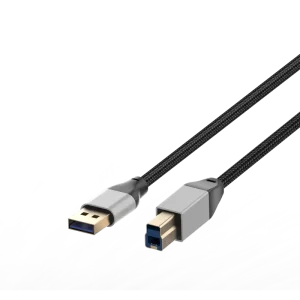
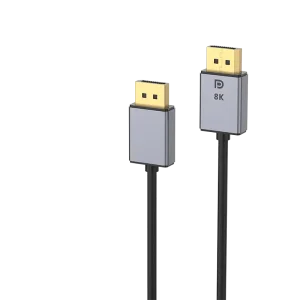
Over the past 38 years, our foundation in professional video and audio peripheral equipment connection line manufacturing has paved the way for advanced cable technology. We have systematically expanded our capabilities into premium audio-visual cables, data links, and conversion hubs—including HDMI 2.1 cables, DP 2.0 cables, USB4 cables, USB-C 3.1 Gen 2 lines, high-power USB charging cords, 8K ultra-HD conversion adapters, and multi-functional Type-C docking stations.
"Our 38-year legacy allows us to maintain deep relationships with core raw material suppliers, guaranteeing quality control from basic copper drawing and shielding extrusion to final connector assembly."
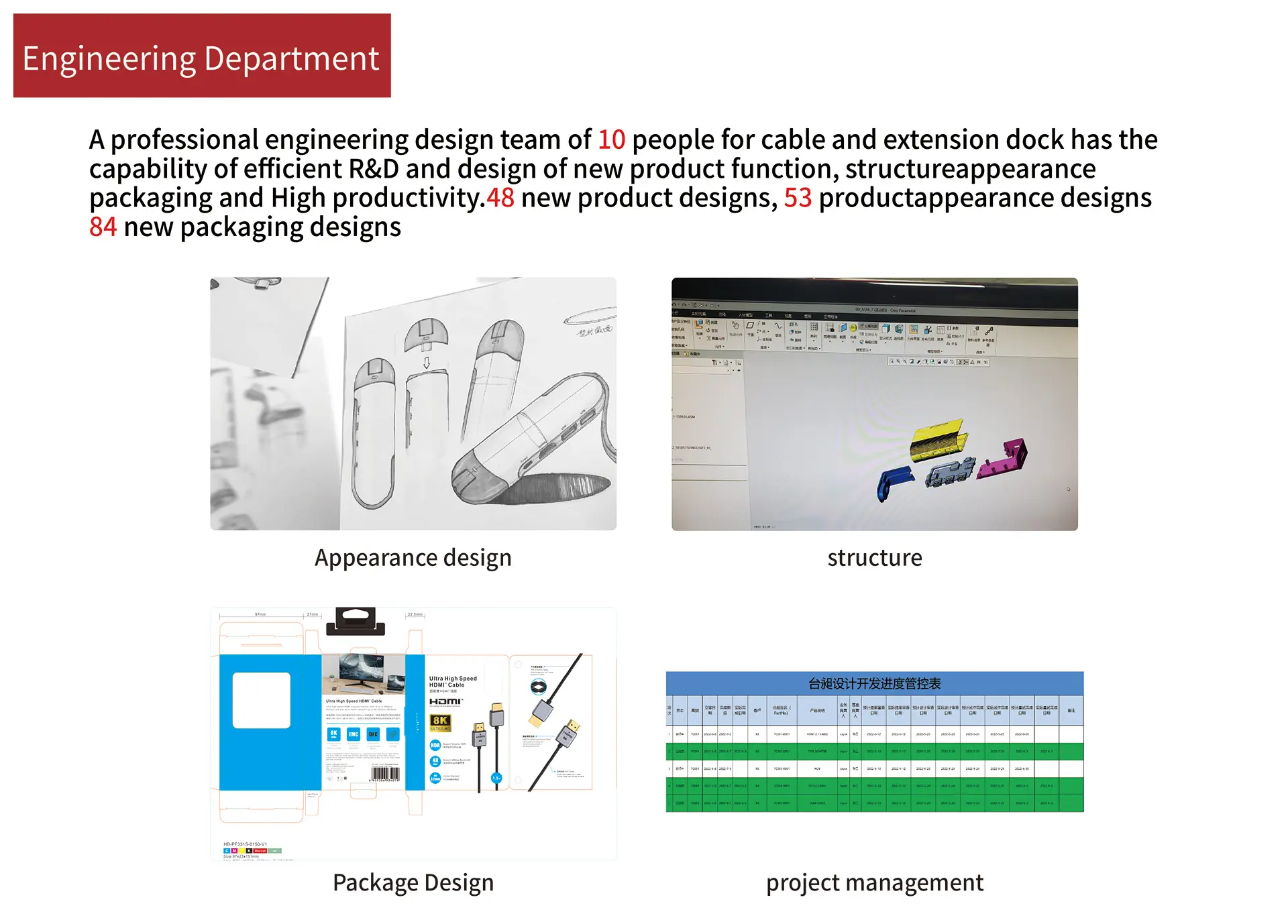
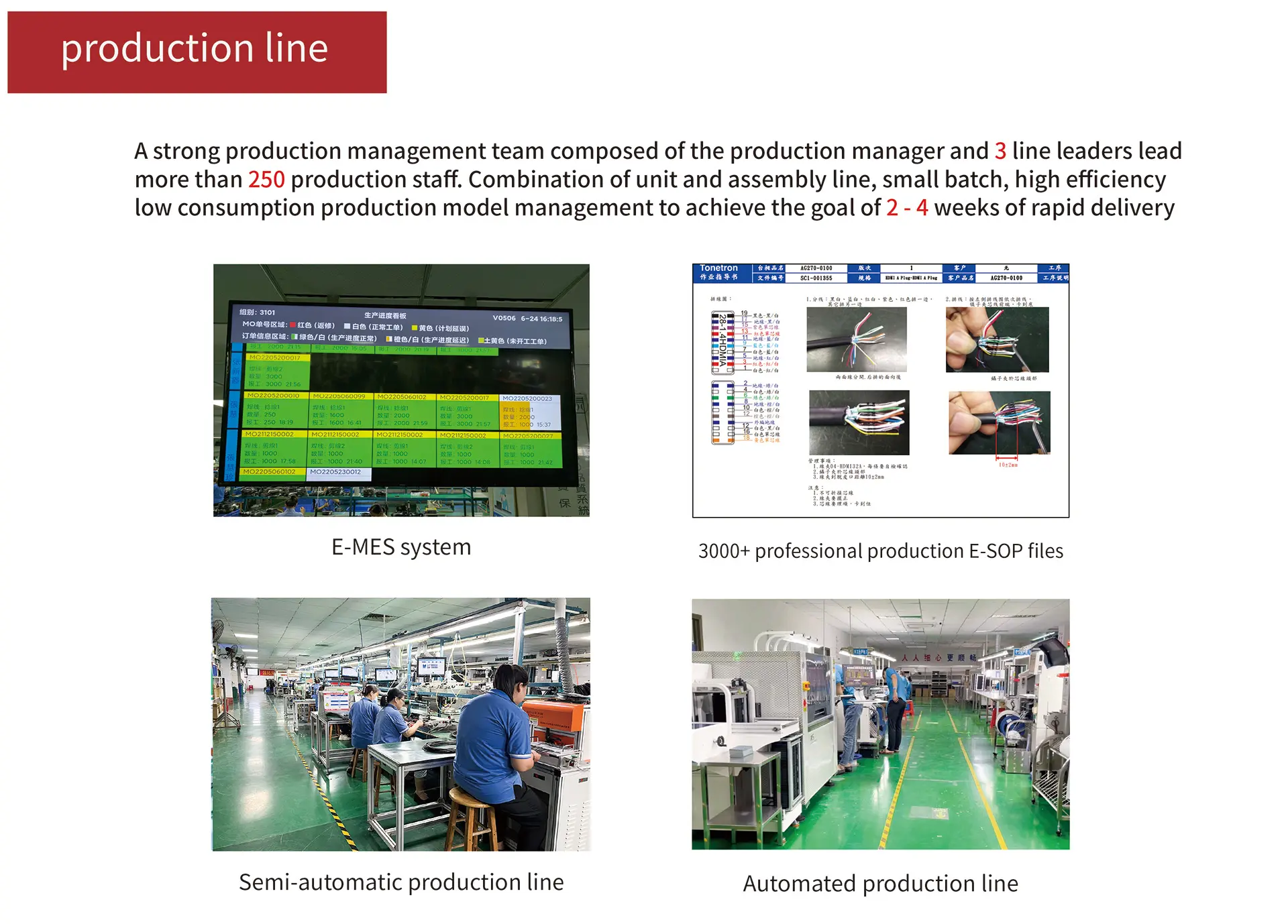
By controlling the entire production vertical within our self-built facility in Dongguan, we offer clients rapid prototyping, high-capacity manufacturing runs, and highly reliable quality assurances that meet international standards.
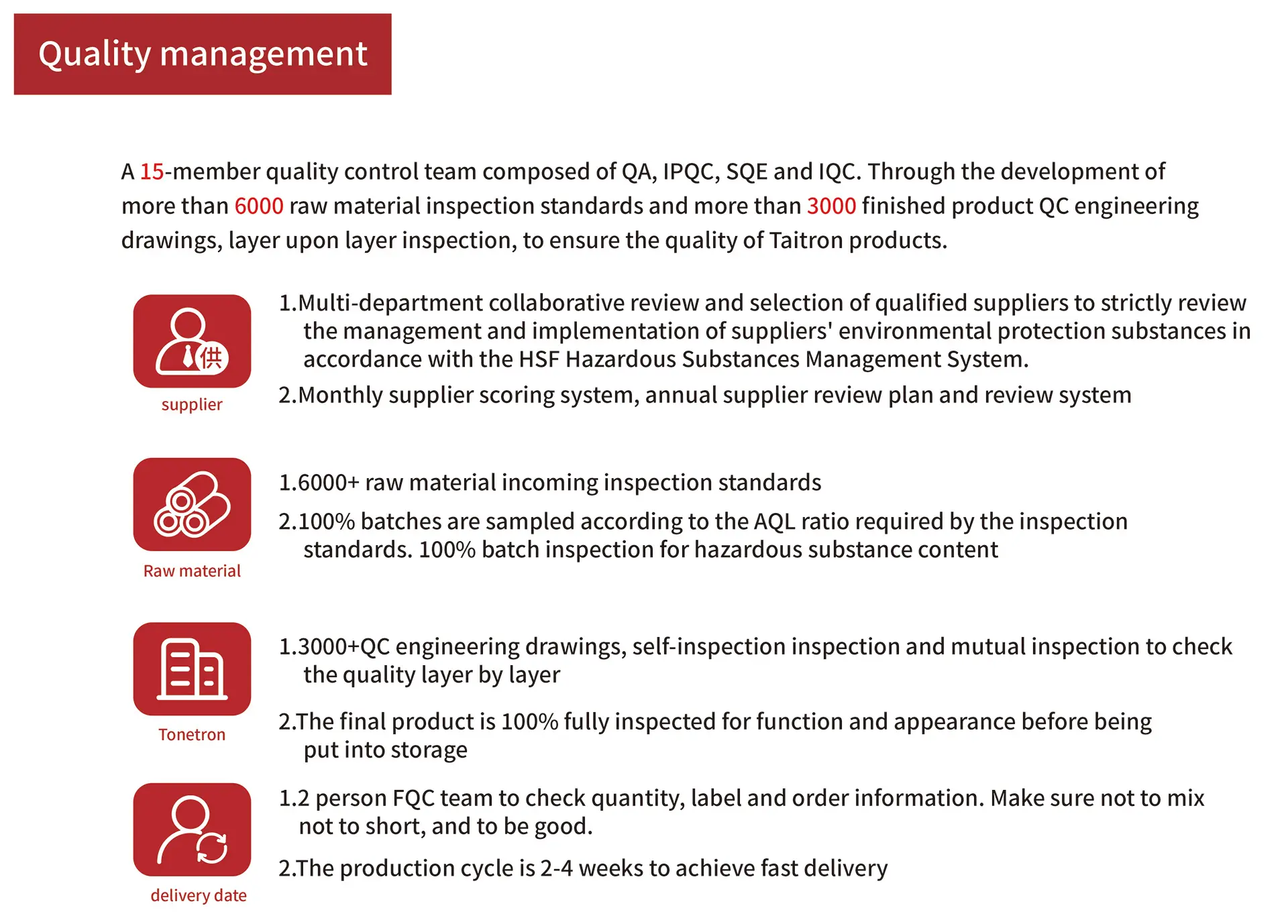

Ensuring regional compliance, strict quality checks, and regulatory authorization for seamless import and distribution.
Navigating global electrical and chemical safety mandates is crucial. Our systems comply with CE Directives, FCC emissions restrictions, RoHS restrictions on hazardous materials, and REACH registration requirements.
High-bandwidth cables are susceptible to electromagnetic interference. We build our cables with triple-layer shielding (aluminum-mylar foil and high-density copper braiding) to guarantee clear signals near wireless electronics.
Each production run undergoes comprehensive mechanical and digital testing, including eye-diagram tests, TDR impedance measurements, bending-cycle durability tests, and insertion/withdrawal life force evaluations.
For distributors and brand owners, importing non-compliant cabling hardware poses severe legal and financial risks, including customs seizures, retail recall actions, and copyright infringement claims from the HDMI Licensing Administrator (HDMI LA). Selecting a partner with verified HDMI Adopter status ensures that every production unit utilizes licensed IP, shielding your brand from unexpected legal actions. Furthermore, our environmental practices comply with the European Union's WEEE directive, offering sustainable electronic packaging and lead-free construction across all our product lines.
How HDMI 2.1 and ultra-high-speed adapters are changing integration across various professional settings.
Modern interconnect requirements have moved beyond basic office displays. High-speed cabling systems are central components in several specialized fields:
In competitive gaming, millisecond latency differences can decide outcomes. HDMI 2.1 cables support 4K resolution at 120Hz and 144Hz, working alongside technologies like Variable Refresh Rate (VRR) and Auto Low Latency Mode (ALLM). This minimizes image tearing and input lag, ensuring smooth gameplay on next-generation gaming consoles and high-performance PC configurations.
Operating rooms and radiology suites rely on ultra-high-definition imaging to display surgical endoscope feeds and high-resolution diagnostic scans. An HDMI 2.1 cable, with its 48Gbps bandwidth capability, provides uncompressed 8K HDR color rendering. This guarantees that medical professionals can view patient scans with accurate details and zero lag.
Corporate boardrooms are transitioning to multi-camera setups and high-resolution visual displays. The integration of high-bandwidth USB4 cables, Type-C multi-functional docking stations, and active optical HDMI cords allows companies to connect laptops, interactive whiteboards, and video-conferencing systems without signal degradation.
As display resolutions rise toward 8K and 10K, copper cables face physical transmission limits over long distances. High-frequency signals degrade over copper lines longer than 3 to 5 meters. The industry is rapidly adopting Active Optical Cables (AOC), which use fiber optics to transmit HDMI signals up to 100 meters without signal loss or electromagnetic interference. This transition is essential for large digital signs, stadium screens, and home theater installations.
Essential technical and business insights to assist procurement managers and systems integrators.
Explore our high-performance adapters, high-speed DisplayPort links, and high-power cables optimized for modern computing systems.
 Taichang Electronic