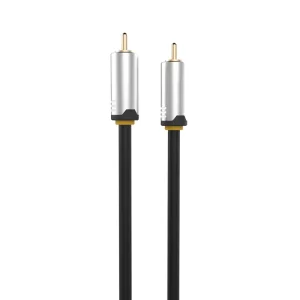
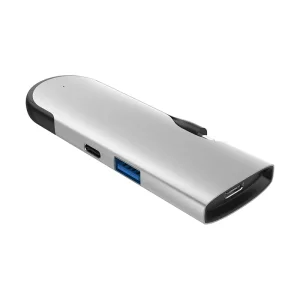
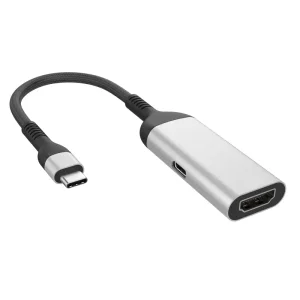
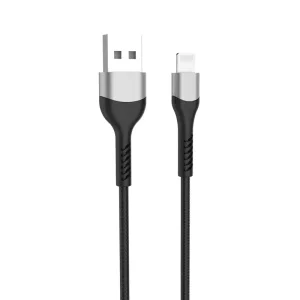
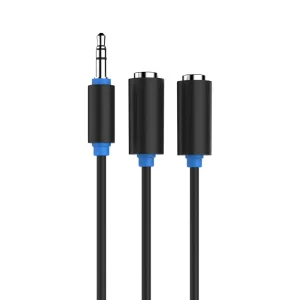
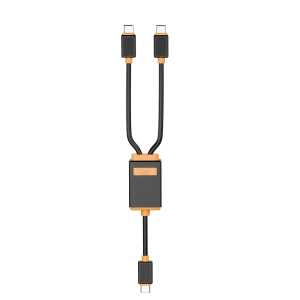
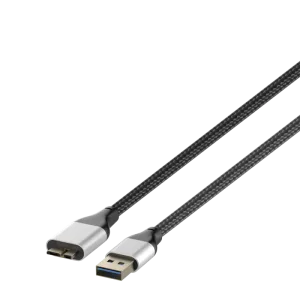
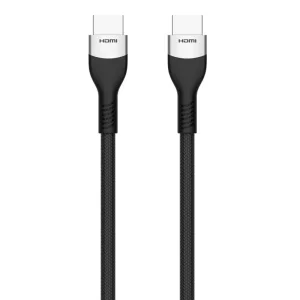
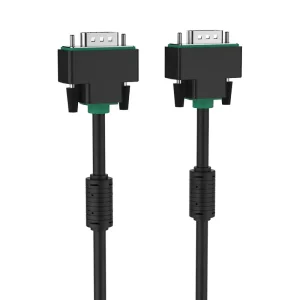
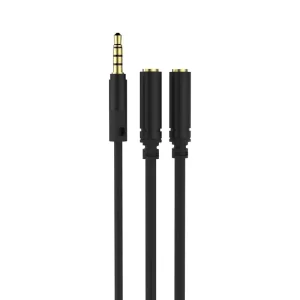
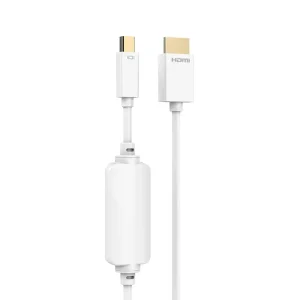
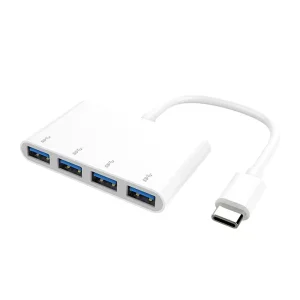
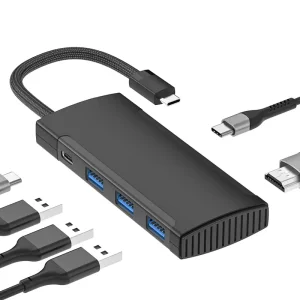
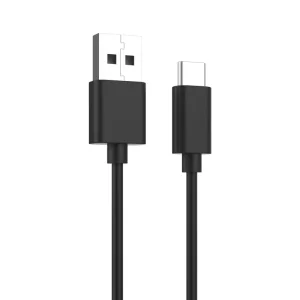
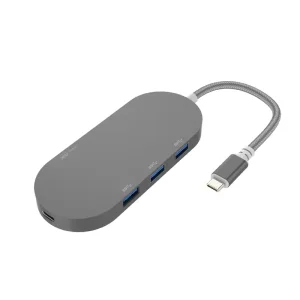
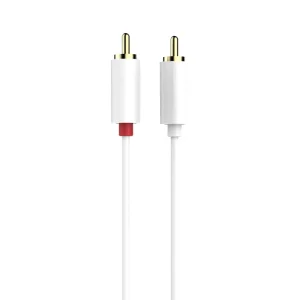
High-fidelity transmission interfaces certified to meet rigorous global standards, engineered for durability and ultimate hardware protection.
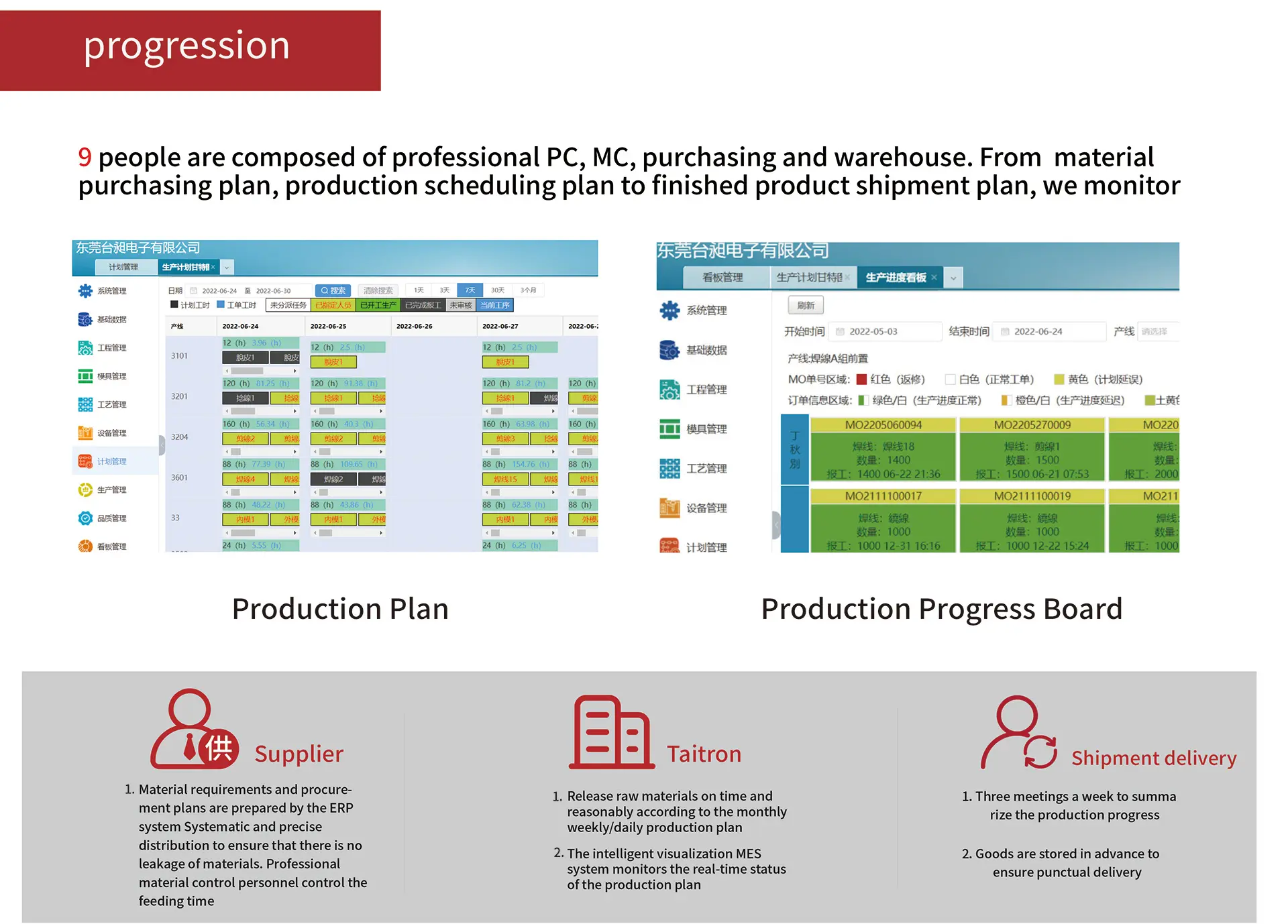
Founded in 1984 in Keelung, Taiwan, under the name Tonetron, we embarked on a journey dedicated to defining excellence in connection interfaces. By 1993, aligning with global electronic manufacturing shifts, we relocated to our self-built independent production industrial park in Dalingshan Town, Dongguan City, China, adopting the name Dongguan Taitron Electronics Limited.
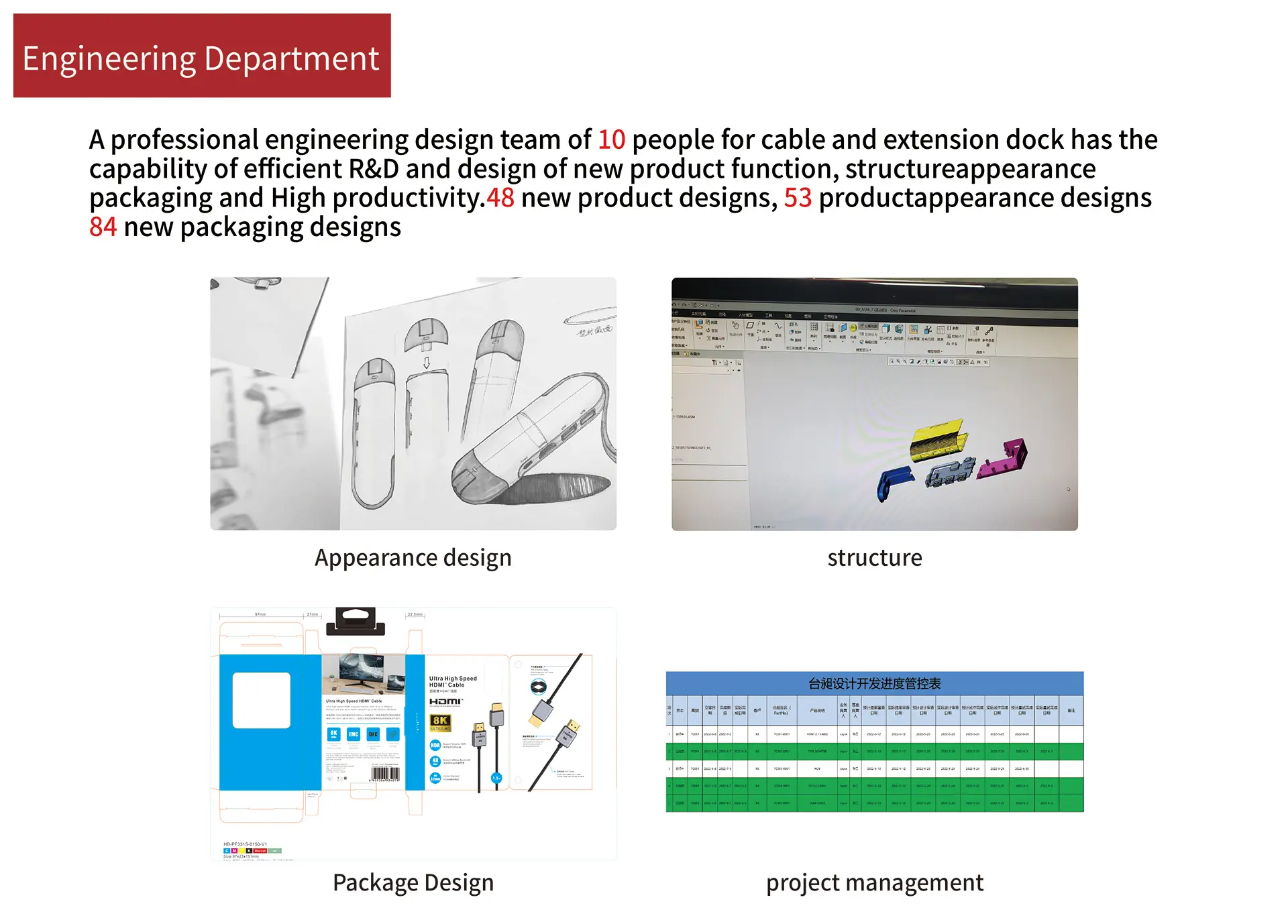
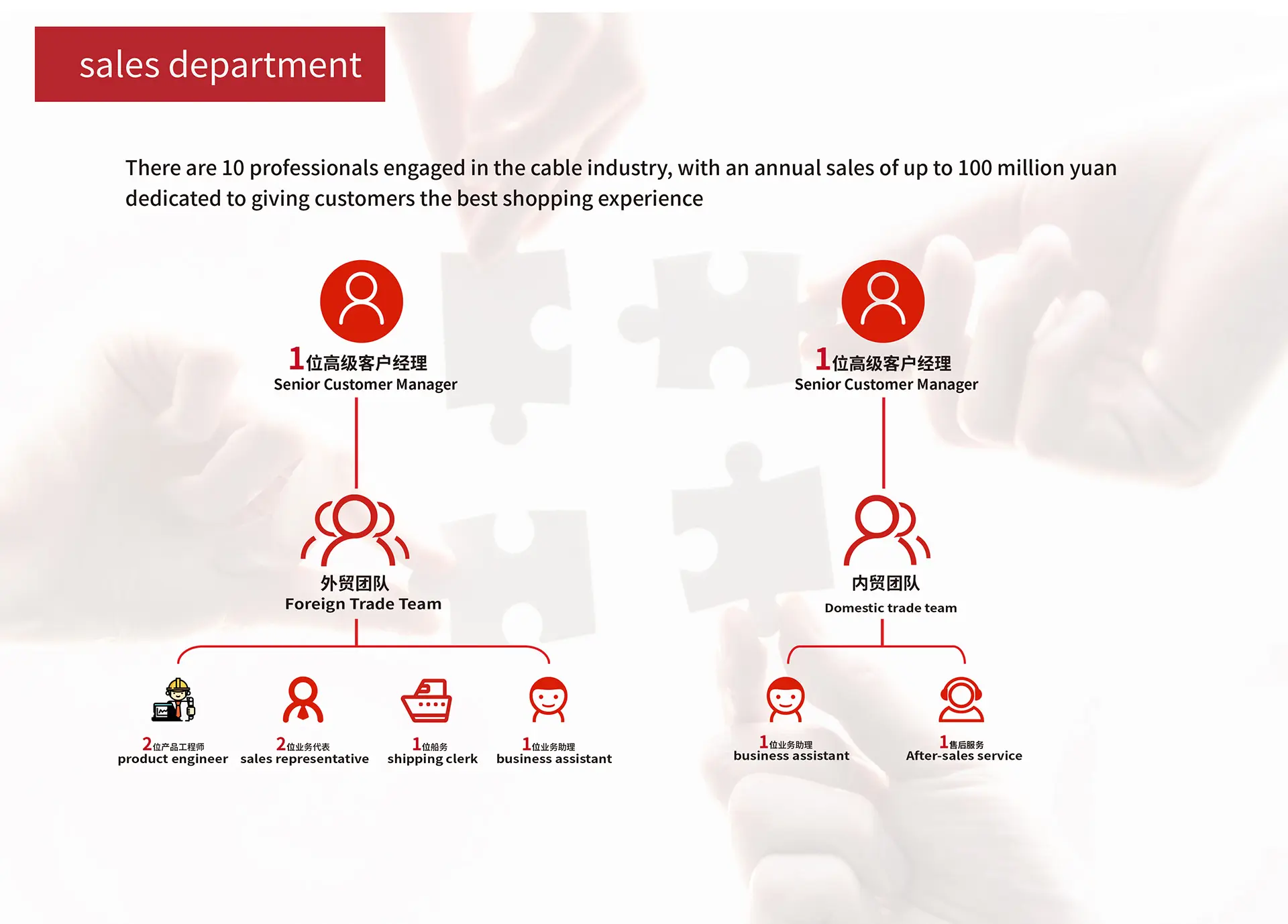
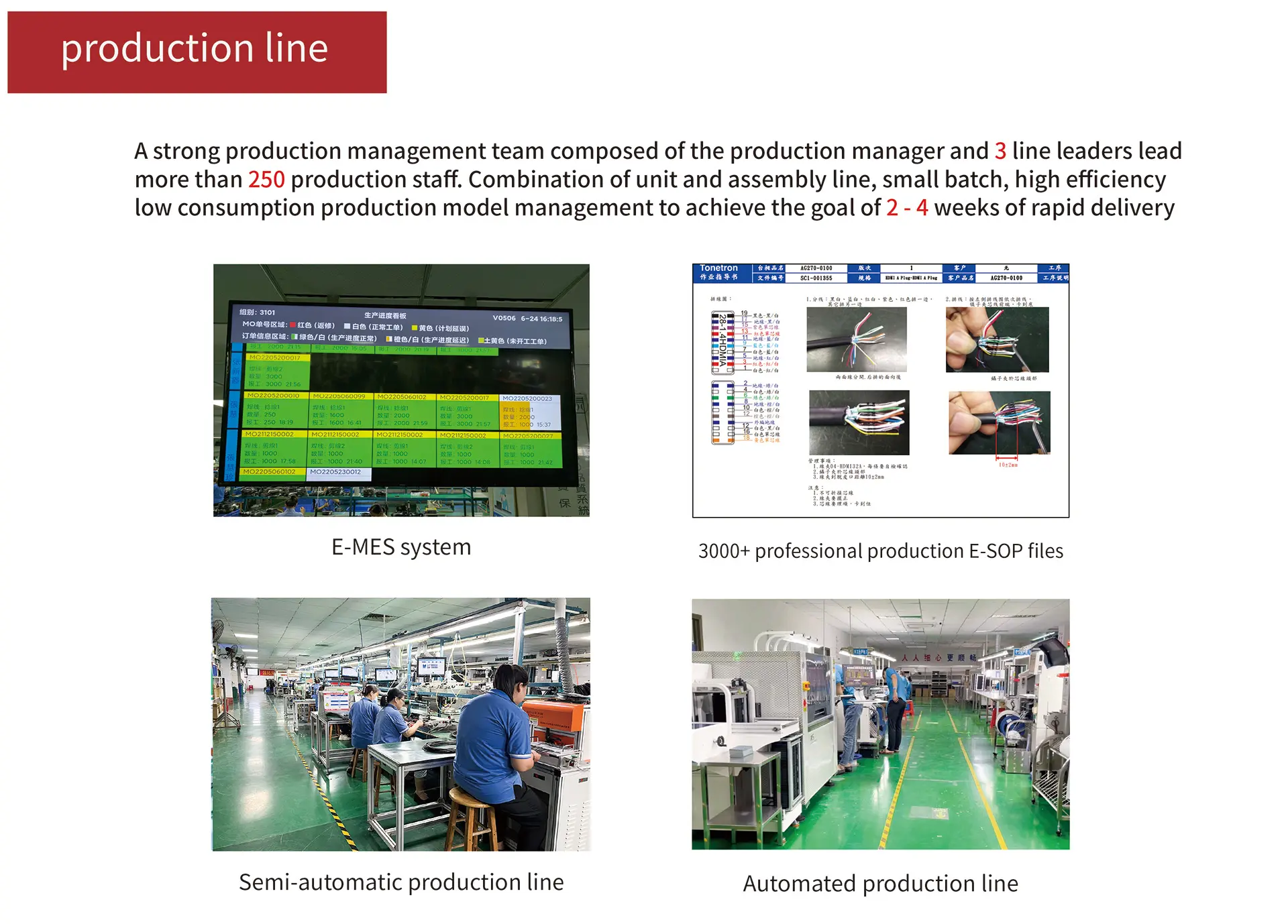
With over 38 years of professional heritage, our manufacturing foundations initially lay in premium video and audio peripheral equipment connection lines. We have systematically expanded and scaled into a high-end designer and manufacturer of advanced audio-visual and high-speed data transmission lines. Today, our engineering capacities span complex protocols including HDMI 2.1, DisplayPort 2.0, USB4, USB-C 3.1 Gen2, high-power USB charging systems, 8K HD conversion hardware, and multifunctional Type-C docking stations.
Years Experience
MFi & CE Compliant
Cables Produced Annually
Global Export Markets
The consumer and enterprise electronics sectors are witnessing an unprecedented convergence in signal transmission architectures. Historically, mobile interconnect systems were divided between proprietary standards (such as Apple's 8-pin Lightning connector) and open, cross-industry protocols (USB Implementers Forum's Type-C interface). With European Union directives and global ecological mandates steering device manufacturers toward standardized ports, the requirement for premium, high-integrity physical links has surged.
As an established iPhone cable manufacturer, Dongguan Taitron Electronics addresses this market transformation by engineering premium bridges between legacy Lightning requirements (incorporating original Apple MFi hardware, such as the C89 and C94 chipset variations) and state-of-the-art USB-C configurations. B2B procurement professionals must recognize that smartphone cables are no longer simple copper pathways. Modern cabling houses must act as technology companies—integrating embedded microprocessors, intelligent power delivery (PD) controllers, advanced EMI shielding profiles, and physical strain-relief matrices.
“The transition to USB-C across Apple's latest hardware lineup requires manufacturers to master both high-speed differential signal design and Extended Power Range (EPR) thermal control.”
High-performance iPhone charging and sync cables must endure extreme mechanical degradation while maintaining exact electrical performance. Standard low-tier cables experience high impedance drops and signal jitter due to poor conductor selection and substandard shielding. At Taitron, our physical architectures are designed to minimize attenuation and optimize transmission speeds.
We employ multi-layered shields composed of premium aluminum-mylar foils paired with tinned-copper braiding, protecting the inner high-purity oxygen-free copper (OFC) cores. High-tensile fibers (such as Dupont Kevlar) are integrated directly into the core bundles to absorb mechanical stresses and avoid micro-fracturing of internal conductors under high-stress bend environments.
| Performance Metrics | Standard Market Cable | Taitron OEM / Premium Cable | Industrial Advantage |
|---|---|---|---|
| Conductor Core Purity | Recycled Copper / CCA | 99.99% Oxygen-Free Copper (OFC) | Decreased resistance, minimal thermal output |
| Bending Resilience | ~3,000 - 5,000 Cycles | >25,000 Cycles (180° swing) | Extends product life cycle by 500% |
| Shielding Integrity | Single layer foil or unshielded | Tinned Copper Braid + Dual Al-Mylar | Zero EMI interference, optimized data throughput |
| Connector Shield Shell | Spot-welded tin-plate | Integrated laser-welded stainless steel | Structural robustness, survives high crush forces |
For system integrators, distributors, and global consumer brands, regulatory compliance is non-negotiable. Importing custom cabling products without proper international safety markings risks customs seizures, consumer liability, and brand degradation. Taitron maintains a rigorous regulatory defense matrix, ensuring every shipment complies with global import frameworks.
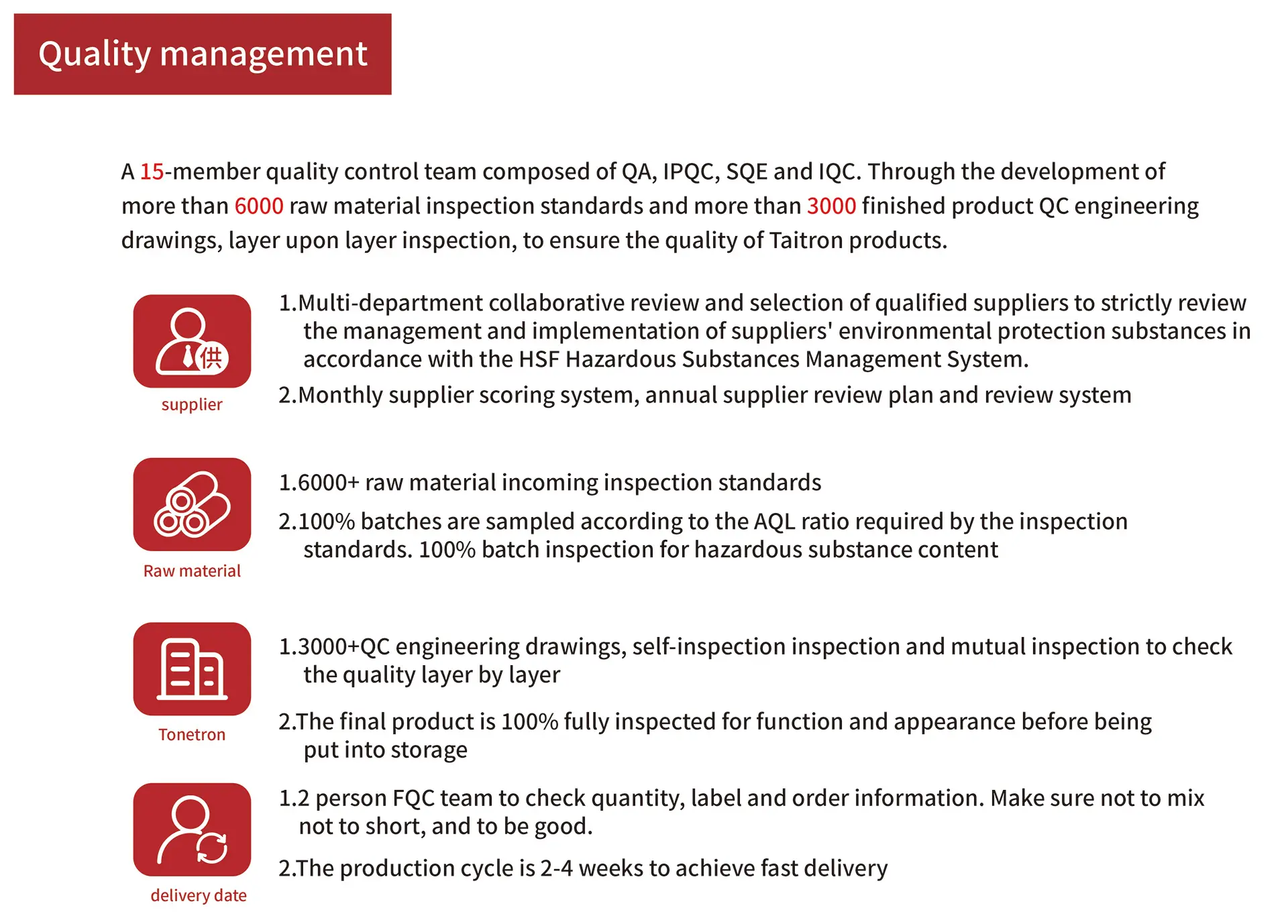
Our manufacturing facilities are fully compliant with RoHS, REACH, CE, and FCC standards. In addition, we undergo annual Apple MFi audits to guarantee compliance with the latest iOS hardware ecosystems. From a local perspective, we offer comprehensive compliance documentation, including certificates of conformity, full materials declarations (FMD), and custom packaging localization options to ease import pathways into North America, the European Union, and the Asia-Pacific region.
As mobile device interfaces evolve, the line between smartphone cables and high-performance computing connections continues to blur. With Apple's transition to USB-C on the iPhone 15 series and subsequent revisions, consumers can now leverage USB 3.2, USB4, and DisplayPort Alt Mode directly from their handheld devices.
At Taitron, our engineering department is already developing cables compatible with the latest USB4 and Thunderbolt protocols. These lines feature active E-marker microchips, supporting charging rates up to 240W (48V/5A Extended Power Range) and data speeds reaching 40Gbps. This high-frequency capability ensures that our products support advanced functionalities, such as connecting external storage pools, external GPU arrays, or real-time 8K uncompressed video feeds directly from an iPhone's USB-C controller.
Explore our legacy of audio, video, and docking station interfaces optimized for modern workspace integration.
Technical answers from our engineering and compliance teams regarding iPhone cables and connectivity hardware.
 Taichang Electronic