Advanced high-frequency cable assemblies and multi-functional adaptation modules built to precision standards.
Understanding the critical role of Mini DisplayPort (mDP) connections in high-reliability industrial and enterprise ecosystems.
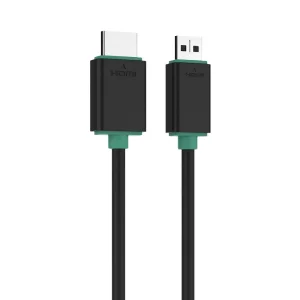
In modern industrial setups, hardware interoperability is critical. The Mini DisplayPort to Mini DisplayPort (mDP to mDP) cable remains an indispensable standard, serving as a primary link in specialized visualization environments. Originally introduced by Apple and standardized by VESA, Mini DisplayPort continues to power high-definition, low-latency, and high-bandwidth signals across demanding sectors.
Currently, the global demand for reliable Mini DisplayTo Mini Display Cable factories is driven by three main sectors:
Ultra-accurate diagnostics require displays with consistent grayscale tracking and high resolutions (5MP to 12MP displays). Hospitals and imaging centers rely on shielded Mini DisplayPort interfaces to ensure medical imaging systems run without EMI degradation.
Embedded systems, CNC machines, and factory floor monitoring displays utilize Mini DisplayPort for its secure, vibration-resistant physical profile. Standard cables easily detach under industrial vibrations, making robust construction from specialized factories highly sought after.
Many legacy and specialized hardware devices—including the Mac Pro, Surface Studio, Eizo CG Series monitors, and Matrox video walls—utilize multi-mDP layouts to achieve daisy-chaining (MST) across up to six external displays seamlessly.
The engineering blueprint behind zero-latency data transmission and robust physical endurance.
When sourcing cables from a famous Mini Display To Mini Display Cable factory, buyers must analyze specifications beyond basic exterior aesthetics. Factors like signal attenuation, trace layout control, and mechanical shielding design directly determine display stability.
To prevent EMI issues in high-frequency medical environments, reliable factories use a triple-shielding architecture:
A look inside the precision assembly processes, testing pipelines, and quality assurance workflows of leading manufacturers.
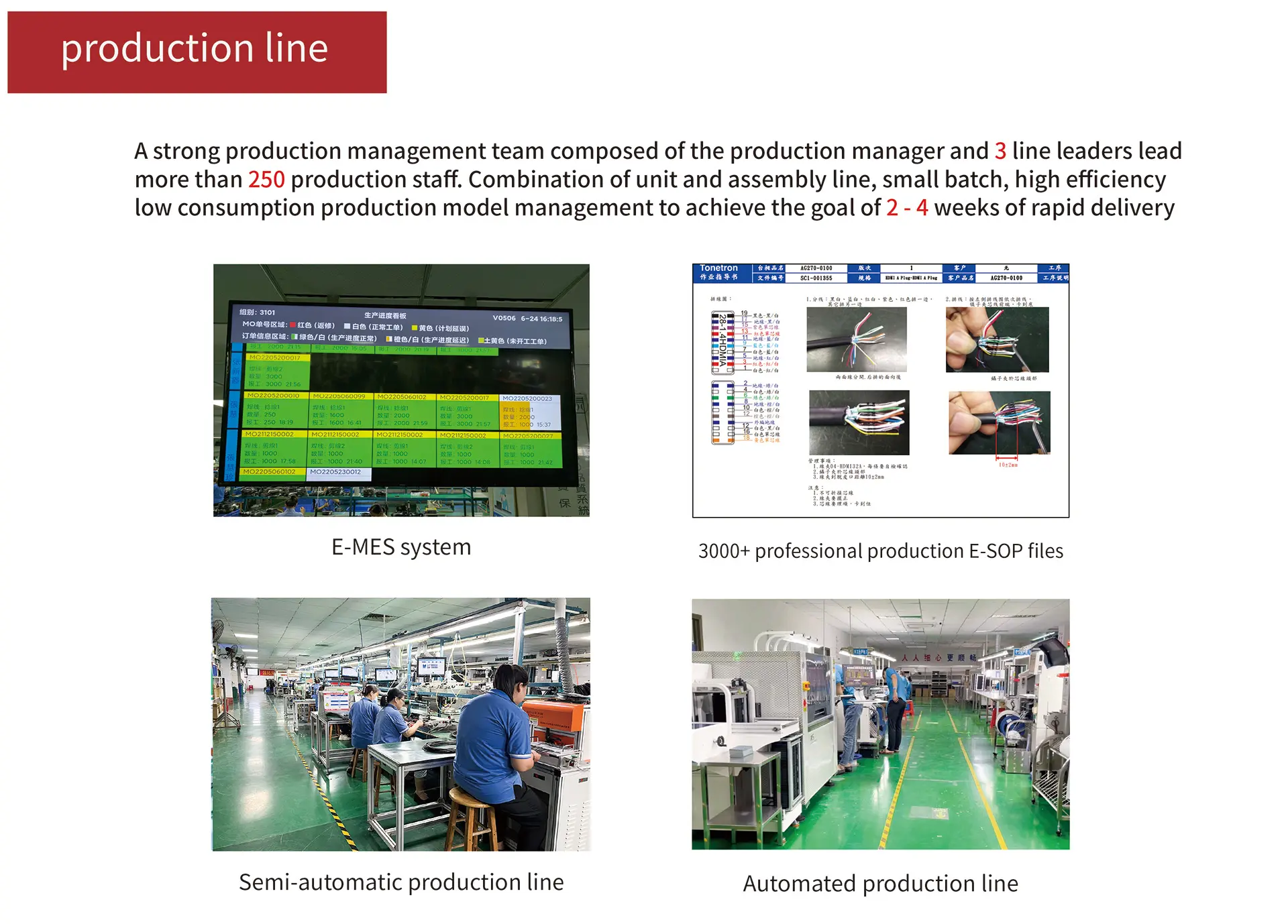
Manufacturing high-bandwidth cables requires advanced, automated equipment. Top-tier factories utilize automated terminal soldering and multi-cavity injection molding machines to eliminate human error during the assembly process.
Using pulse-heated automated soldering stations, the micro-pitch terminals of the Mini DisplayPort connector are soldered with micron-level precision, preventing dry joints and short-circuits.
Inner molds are injected with high-density PE to lock structural contacts in place. The outer mold features high-flexibility, eco-friendly PVC or TPE, providing integrated strain relief for everyday use.
Time Domain Reflectometry (TDR) instruments evaluate high-speed differential traces, identifying impedance shifts, signal mismatches, and structural flaws before bulk shipping.
In terms of verification, factories utilize Keysight network analyzers to capture real-time eye diagram data. High-quality cables display wide-open "eyes," indicating reliable high-frequency transmission margins and minimized jitter.
Formerly known as Tonetron, founded in 1984 in Keelung, Taiwan.
In 1993, the company relocated manufacturing operations to a self-built industrial production park in Dalingshan Town, Dongguan City, China, renaming the enterprise to Dongguan Taitron Electronics Limited.
Over the past 38 years, our production core has evolved from standard analog audio and video interconnects into high-performance digital cable systems. Today, Taitron designs and manufactures high-bandwidth components, including HDMI 2.1 cables, DP 2.0 cables, USB4 data cables, USB-C 3.1 Gen2 interfaces, high-power USB charging cables, 8K HD adapters, and multi-functional Type-C expansion docks.
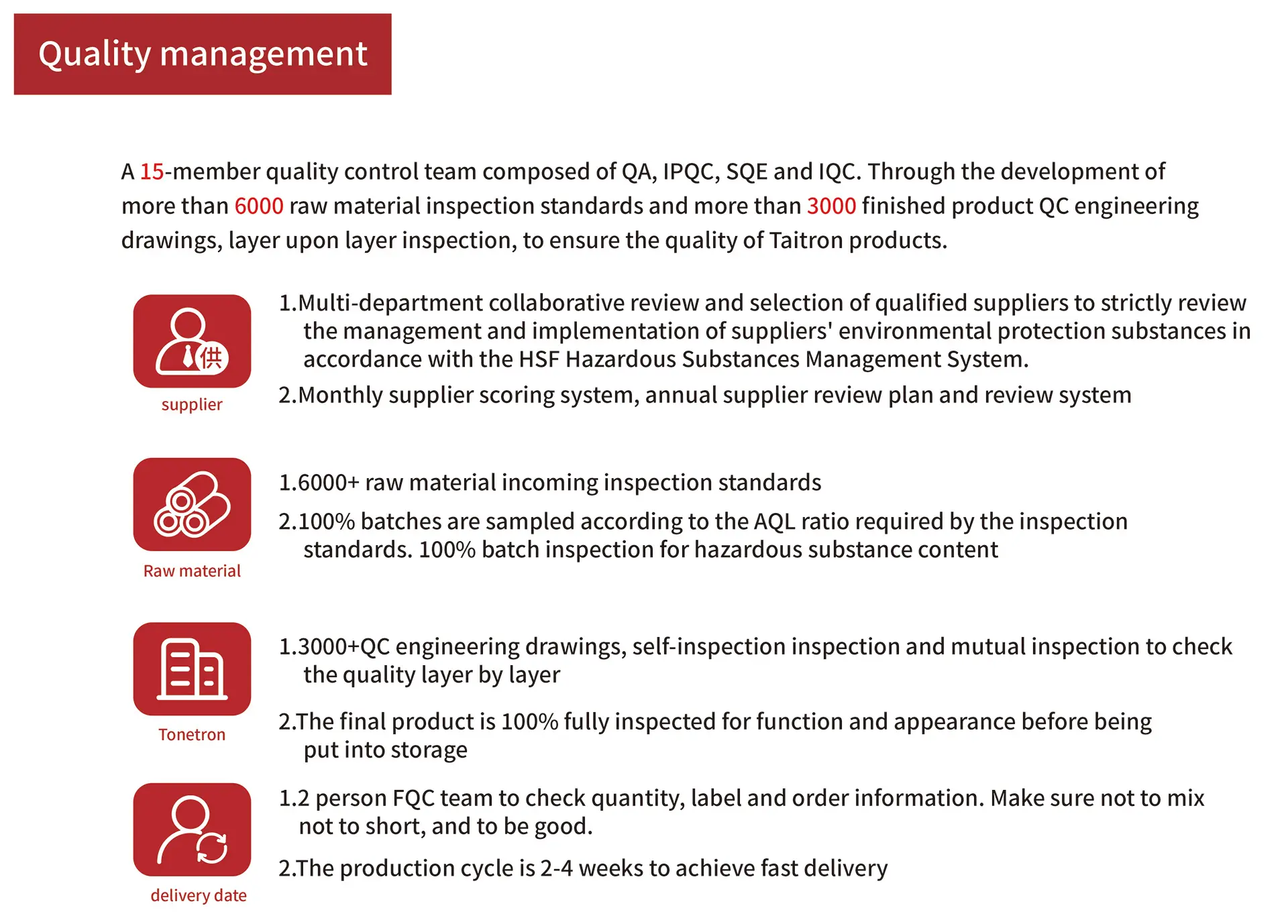
Our manufacturing operations are backed by strict quality control standards, state-of-the-art testing equipment, and an experienced engineering team dedicated to providing reliable connectivity solutions.
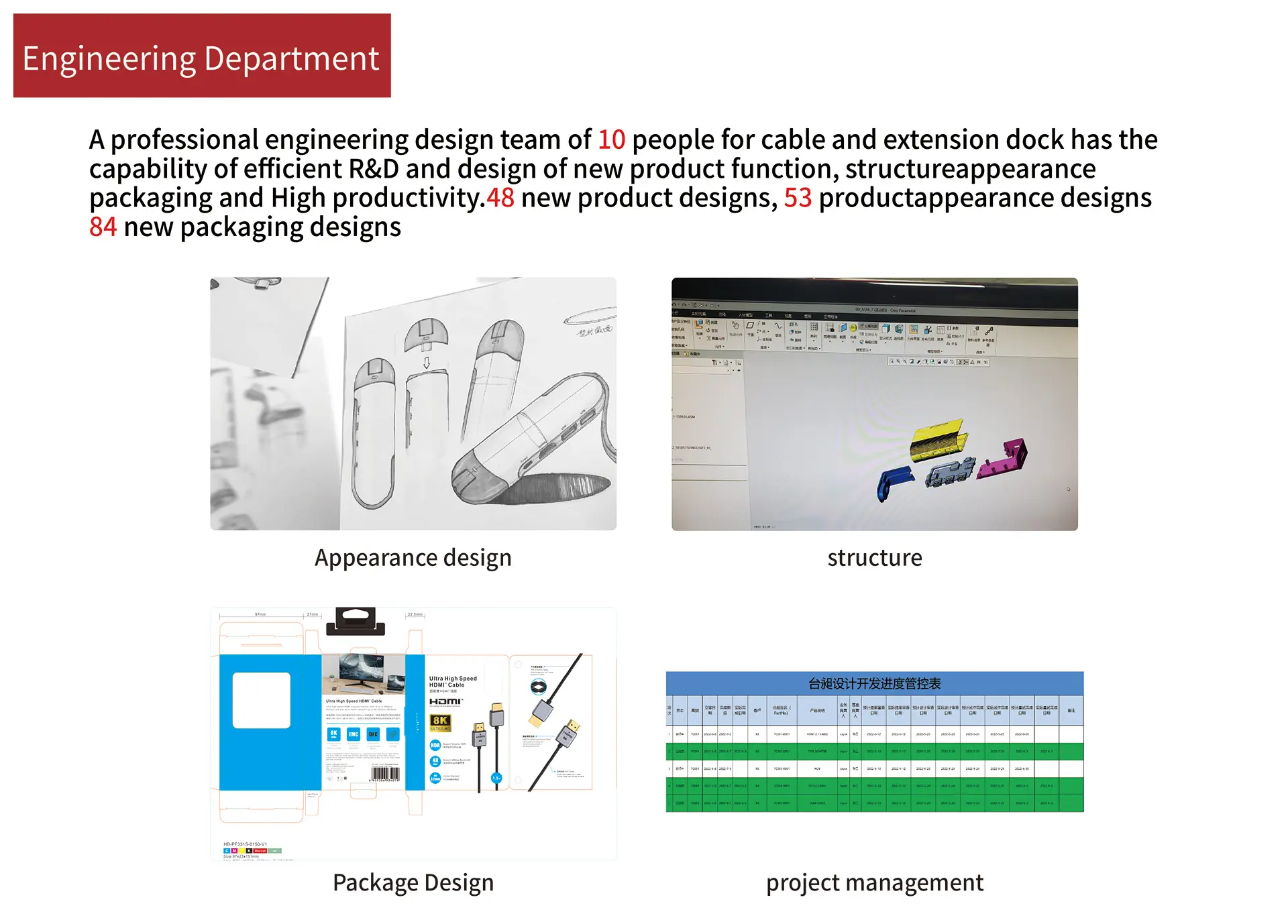

Analyzing protocol progression, alternative modes, and the integration of mDP with Type-C topologies.
As industrial display panels demand higher frame rates and deeper color spaces (like Rec.2020), connection pipelines must adapt. Modern research focuses on consolidating DisplayPort protocols over physical Type-C form factors while maintaining native Mini DisplayPort signal paths.
Integration with USB-C channels allows hardware to use legacy mDP signaling through space-efficient connections, reducing panel thickness.
Modern applications require flexible cables capable of tighter bend radii without signal degradation, useful for robotic arms and tight enclosures.
For cable runs exceeding 10 meters, hybrid fiber-optic mDP cables convert electrical signals to light pulses, eliminating EMI and RFI degradation.
Automotive and aerospace applications require customized physical locking brackets to prevent accidental disconnects in high-vibration environments.
Tailored manufacturing programs, custom lengths, and rugged packaging options designed for bulk distributors.
Taitron Electronics provides scalable connectivity solutions for system integrators, design engineers, and commercial buyers.
We supply custom cable lengths from 0.15m patch cords for server rack arrays up to 10m active copper lines, optimizing routing cleanups and preventing excess slack.
Every custom production batch complies with RoHS, REACH, CE, and FCC standards, meeting environmental regulations for EU and North American markets.
We offer specialized electrostatic discharge (ESD) shielding bags and customized barcode retail packaging, accelerating inventory receiving for global distributors.
Direct answers to common engineering questions regarding Mini DisplayPort cabling systems.
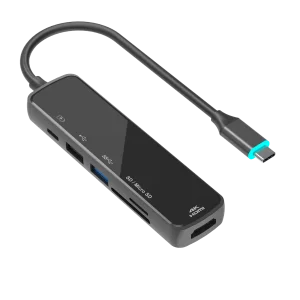
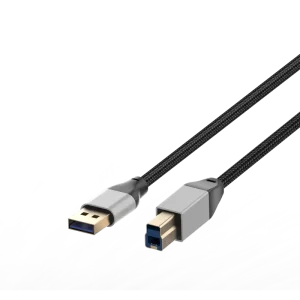
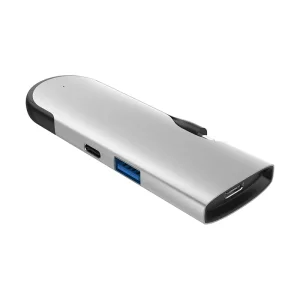
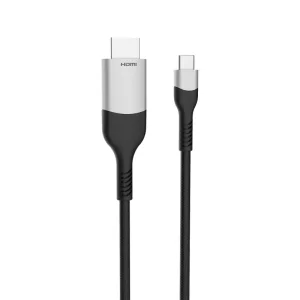
Complete your deployment layout with our thoroughly verified adaptation nodes and interface extensions.
 Taichang Electronic