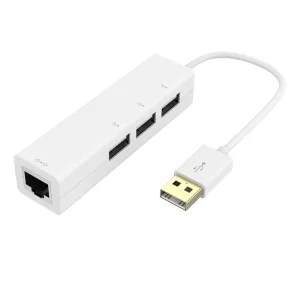
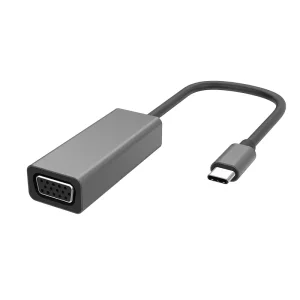
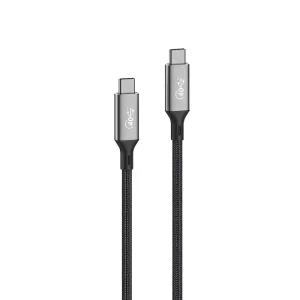
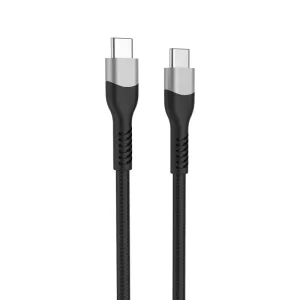
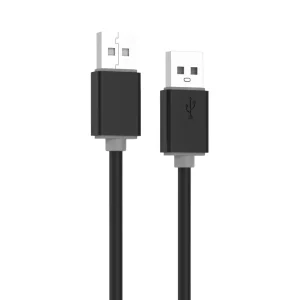
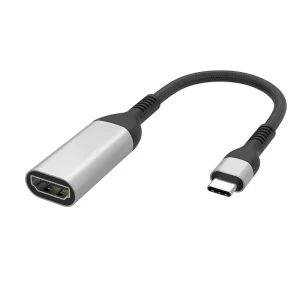
In the era of cloud computing, gigabit telecommunications, and industrial automation, the simple conversion from physical network protocols (Ethernet, RJ45) to modern USB interfaces (specifically USB-C and USB4) has evolved from a convenience accessory to an absolute operational imperative. Modern computing form factors are increasingly thin, dropping native RJ45 ports to maximize space. Meanwhile, heavy-duty industrial processing environments demand resilient, zero-latency physical network hookups for mission-critical robotics, PLCs, and factory network topologies.
Dongguan Taitron Electronics Limited stands at the absolute vanguard of this industrial connection evolution. With design roots laid back in 1984 in Keelung, Taiwan, and transition to our massive industrial manufacturing center in Dalingshan Town, Dongguan City, China in 1993, we have witnessed and spearheaded nearly four decades of media-conversion innovations. Over the past 38 years, our development has integrated advanced signal protection, shielding, and multi-protocol logic processing chips inside specialized cable converters to deliver seamless data pipelines worldwide.
Adapting standard copper network systems (such as Cat5e, Cat6, and Cat6A) to function seamlessly over standard USB bus configurations involves complex, highly specialized active chipset architectures. Unlike passive conversions, active network-to-USB cables integrate controller chips (ICs) directly inside the connector housing. These chipsets convert incoming Ethernet framing signals into packet configurations compliant with USB Bulk Transfer standards.
| Interface Protocol | Maximum Transfer Rate | Ideal Network Standard Compatibility | Key Applications |
|---|---|---|---|
| USB 2.0 Fast Ethernet | 480 Mbps (100Mbps Ethernet bottleneck) | Cat5 / Cat5e (10/100 BASE-T) | IoT nodes, older hardware integrations, simple PLC programming. |
| USB 3.1 Gen 1 / 3.0 | 5 Gbps (Capable of full 1G/2.5G/5G Ethernet) | Cat6 / Cat6A (1000/2500/5000 BASE-T) | Enterprise laptops, reliable industrial computer integrations. |
| USB 3.1 Gen 2 / USB4 | 10 Gbps - 40 Gbps (Supports Multi-Gig up to 10G) | Cat7 / Cat8 (10G BASE-T) | Data center server configuration, live 8K media broadcasting, testing setups. |
Taitron’s proprietary engineering focuses on optimizing these conversions by minimizing packet drops, reducing electromagnetic interference (EMI) through triple-layer shielding, and maximizing power conservation profiles. This ensures that when users run our converters, latency remains virtually indistinguishable from a native direct PCIe-to-Ethernet interface connection.
Within German and Asian smart manufacturing facilities, physical Ethernet configurations over USB-C allow field technicians to connect heavy machinery diagnostics instantly via rugged handheld devices without rebooting internal industrial control loops.
Modern hybrid offices rely heavily on USB Type-C hubs that integrate gigabit Ethernet conversion alongside dual 4K/60Hz monitor feeds. This consolidation allows team members to connect to secure corporate intranets and external screens through a single, reliable cable.
Engineers deploying telecom equipment in remote installations use network-to-USB adapters to configure core modules without dedicating native ports. This saves system resources and increases the deployment flexibility of network infrastructure.
Dongguan Taitron Electronics Limited, formerly known as Tonetron, was founded in Keelung, Taiwan in 1984. By 1993, to meet scaling global demand, we transitioned our operations to our custom-built independent production industrial park in Dalingshan Town, Dongguan City, China.
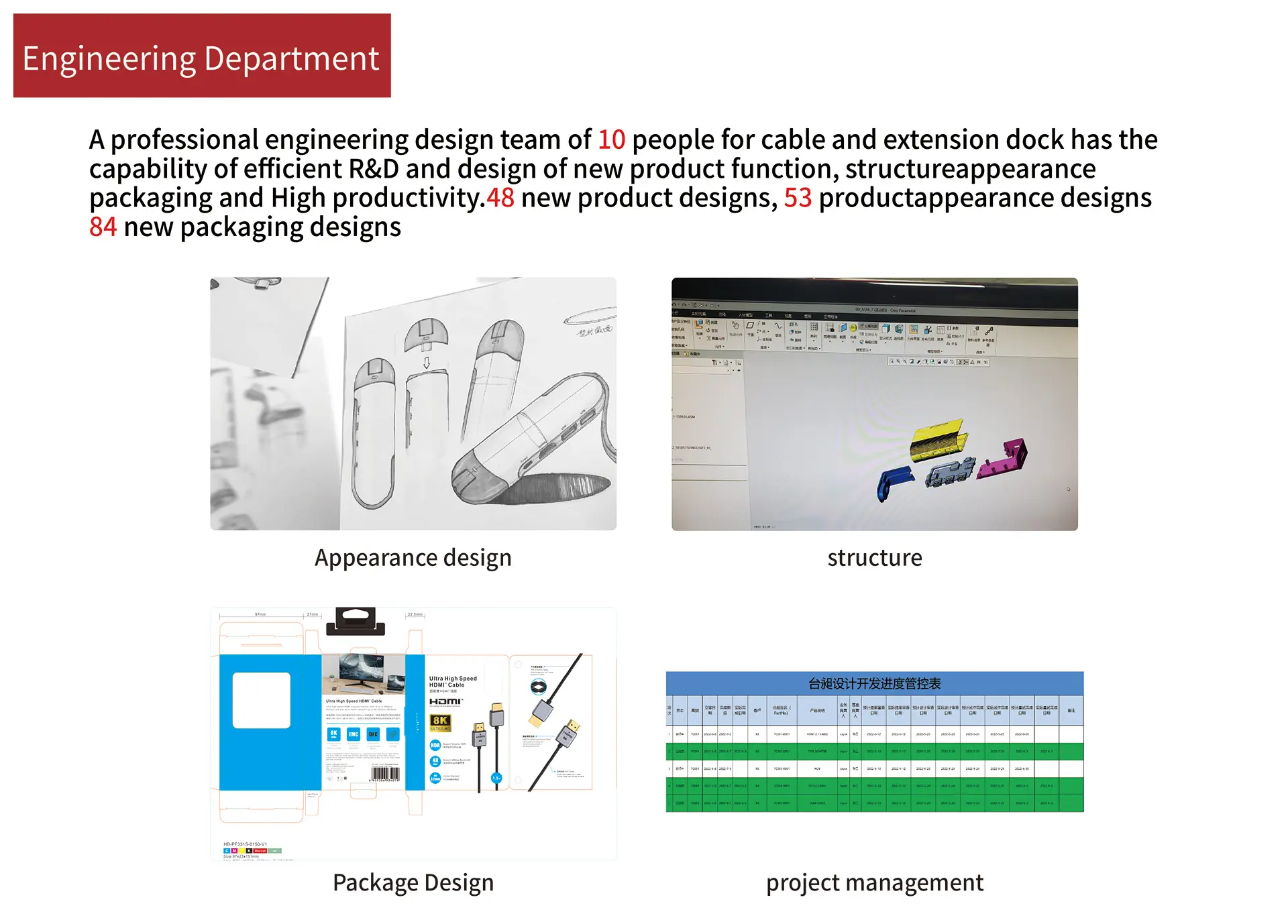
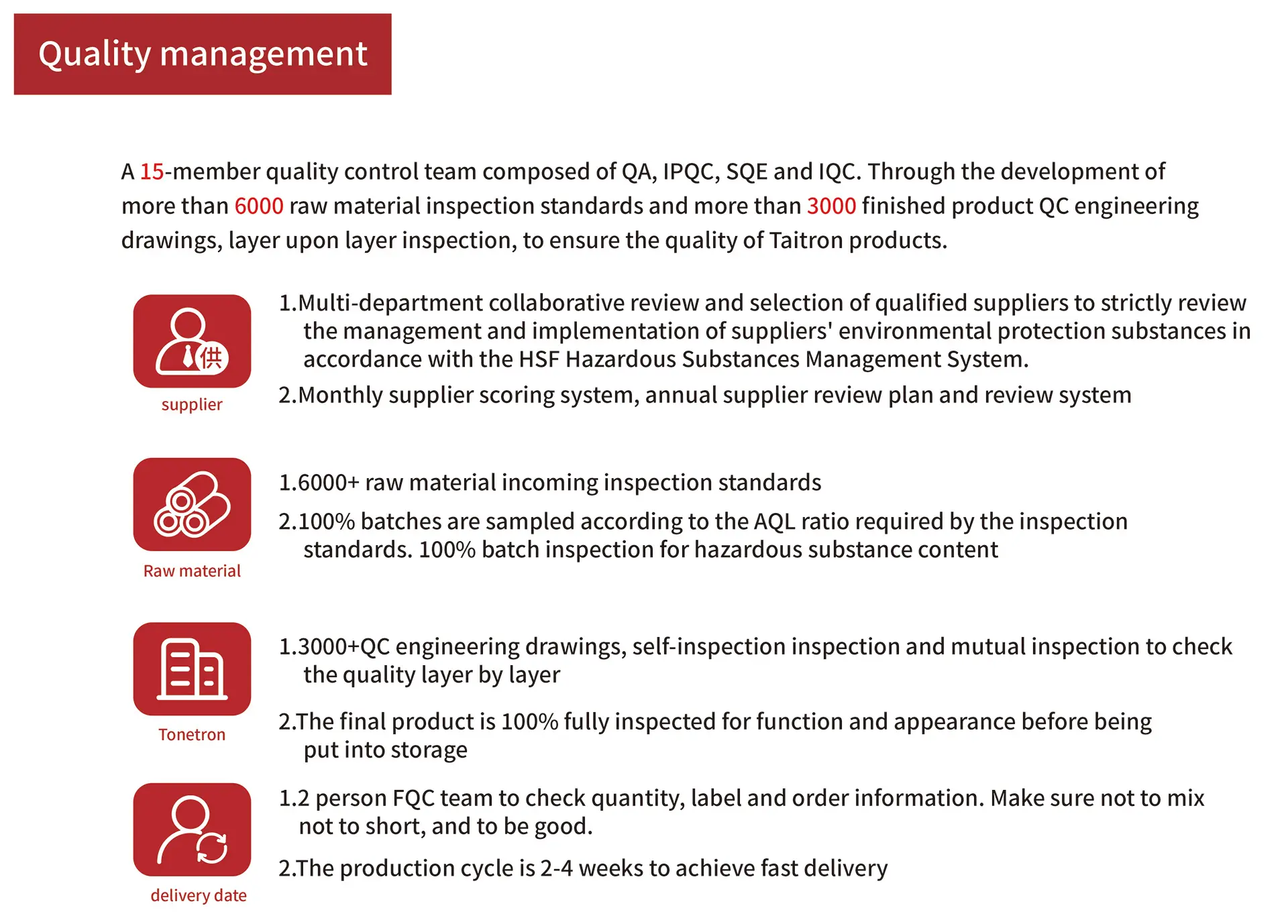
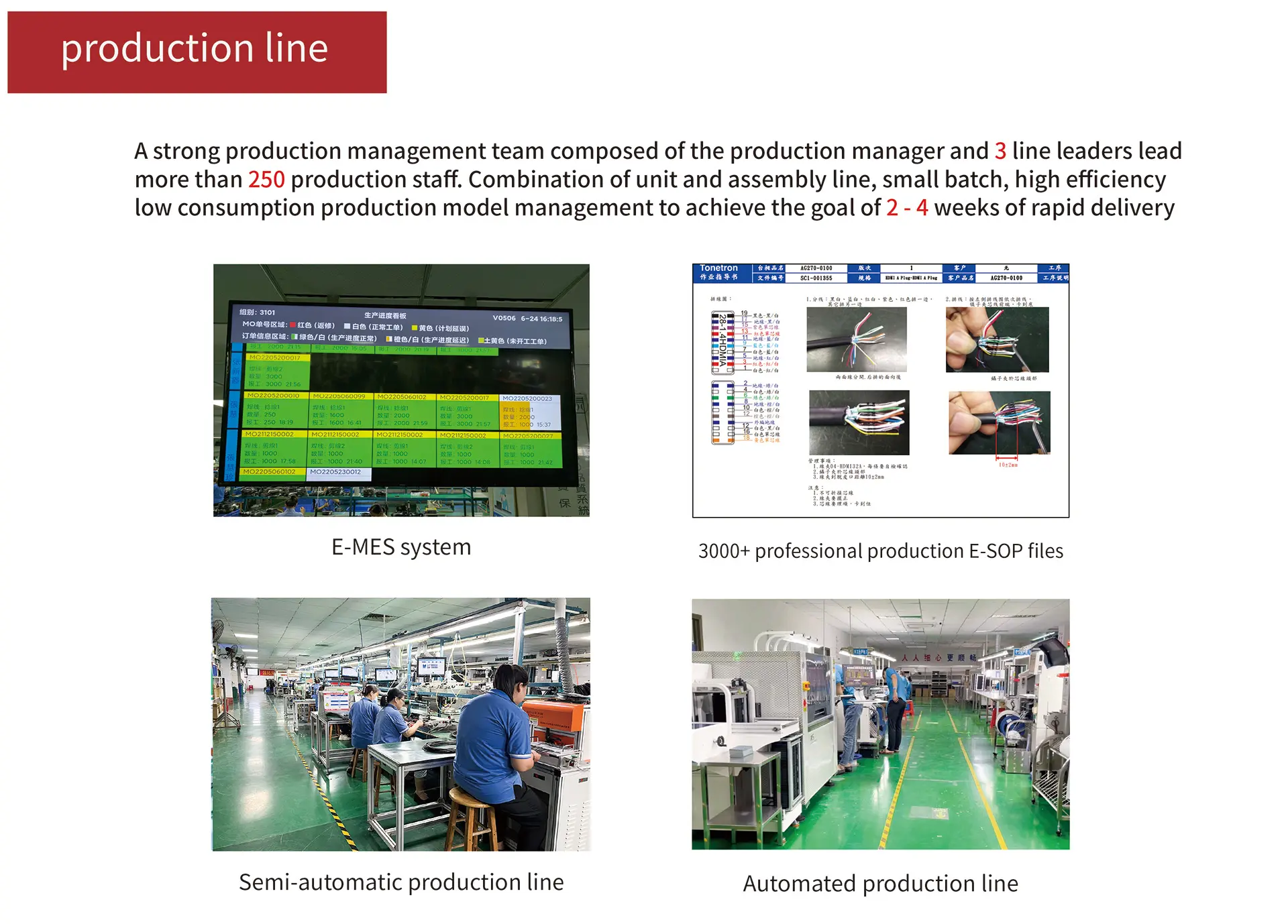
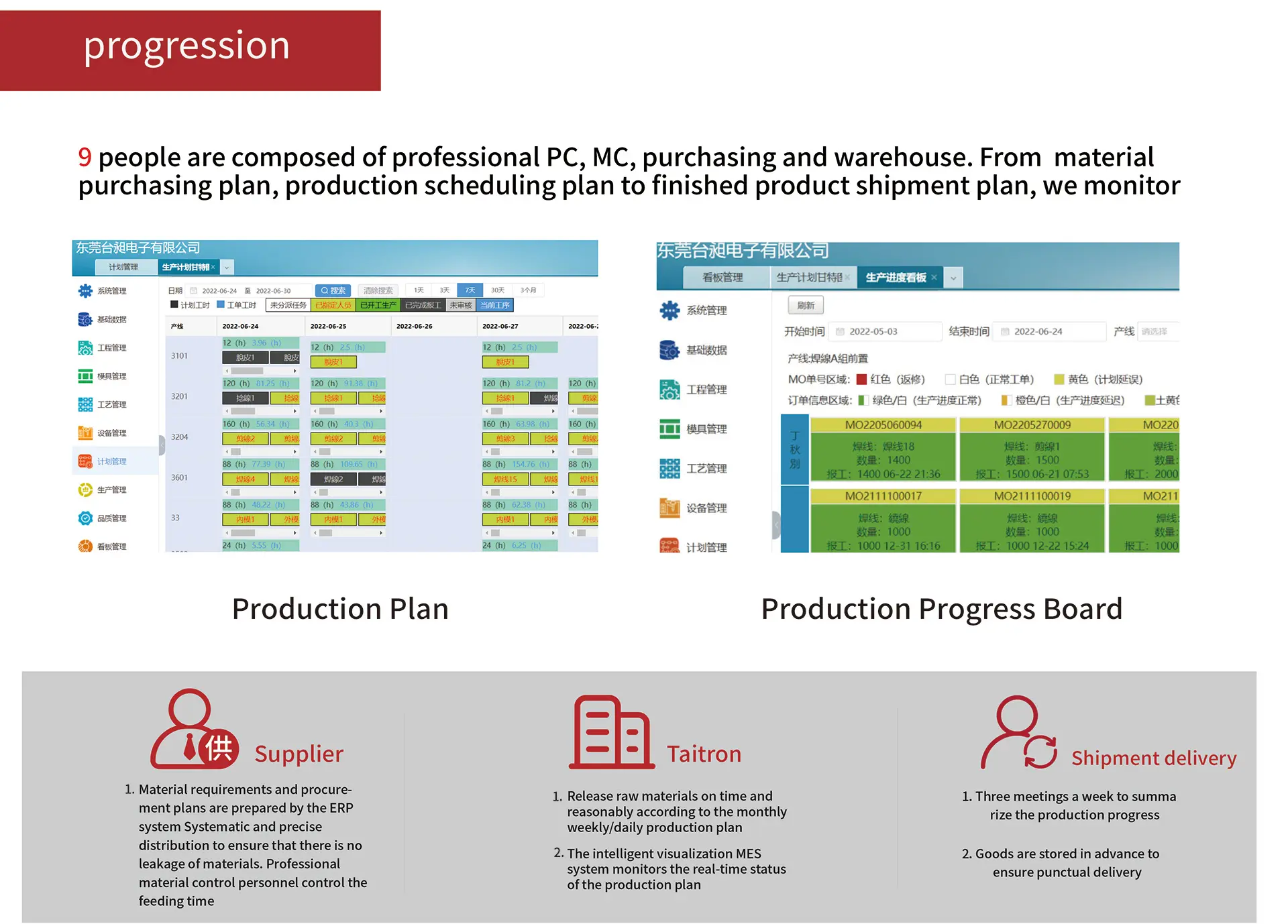
Over the decades, we have evolved from standard video and audio connection lines into a state-of-the-art manufacturing plant specializing in HDMI 2.1, DisplayPort 2.0, USB4, USB-C 3.1 Gen2, high-power USB Power Delivery (PD) charging cables, and multi-functional Type-C expansion docks. Our vertically integrated factory controls everything from precision conductor extrusion to automated soldering and comprehensive quality assurance testing.

As the market demands increasingly higher network speeds, the industry is transitioning away from standard Gigabit adapters towards 2.5Gbps, 5Gbps, and even 10Gbps Multi-Gigabit copper solutions. With USB4 now supporting up to 80Gbps and 120Gbps in newer iterations, the hardware bottleneck has shifted entirely from the USB bus interface to the transceiver processing chips and overall thermal performance.
Taitron’s R&D team is currently developing specialized active converters featuring high-efficiency heat dissipation casings. These casings prevent thermal throttling under continuous, heavy network data transfers. Additionally, our next-generation adapters will feature inline Power Delivery (PD) passthrough capabilities, allowing industrial host devices to receive up to 240W of power while maintaining a high-bandwidth, stable copper connection over a single USB port.
Active network-to-USB converters integrate a dedicated Ethernet controller chip (such as an ASIX or Realtek IC) that translates Ethernet protocol packages into USB-compliant data packets. A passive cable cannot bridge these two distinct communications layers without this active chipset processing the transition.
Most modern operating systems, including Windows 10/11, macOS, and major Linux distributions, have built-in drivers for standard USB network chipsets (NDIS/ECM/RNDIS). Our designs focus on plug-and-play operation for standard platforms, though legacy systems and specialized real-time operating systems (RTOS) may require custom driver integration, which we support.
We use S/FTP (Shielded Foiled Twisted Pair) cabling architectures alongside high-performance metal connector hoods. This setup provides dual protection against EMI and RFI (Radio Frequency Interference), ensuring stable, drop-free data transmissions even in noisy factory environments with heavy machinery.
We offer fully customizable configurations, including specific cable lengths, heavy-duty outer jackets (TPE, TPU, or braided nylon), custom chipset selections, unique shell molds, and tailored logo printing. Our engineering department can quickly prototype new configurations to meet tight system integration deadlines.
 Taichang Electronic