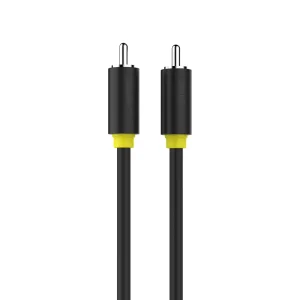
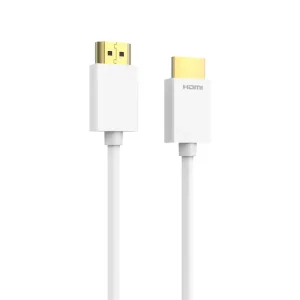
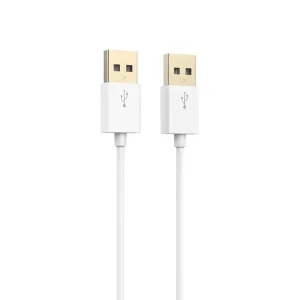
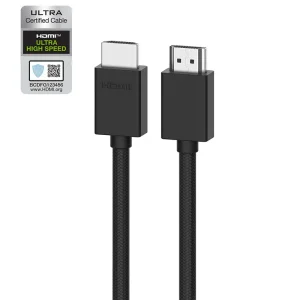
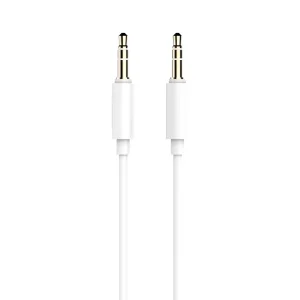
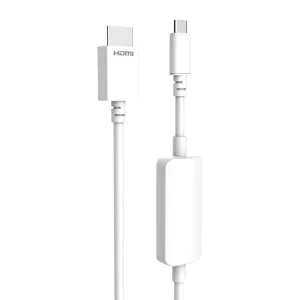
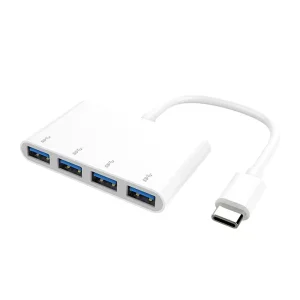
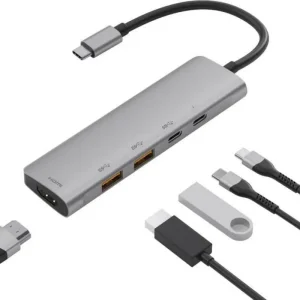
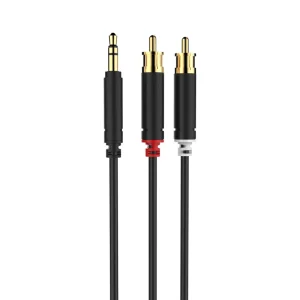
Engineered to international safety standards, utilizing high-quality conductive materials and durable designs for industrial and commercial environments.
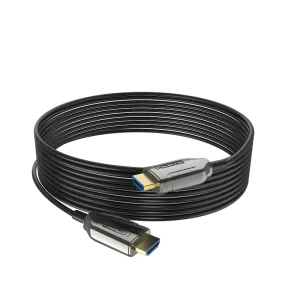
The global demand for high-efficiency charging accessories, recognized in Germany and Central Europe as Usb Ladegerät, is undergoing a profound paradigm shift. This change is driven by the universal standardization of USB-C (Type-C) connections across consumer electronics and industrial equipment, accelerated by legislative mandates such as the European Union Common Charger Directive.
Today, USB chargers are no longer simple power bricks; they are complex Power Delivery (PD) controllers that manage thermal profiles, step down high voltages safely, and optimize efficiency. Industrial and retail enterprises require suppliers capable of providing high energy density, multi-port capabilities, and compliance with local safety regulations. As premium exporters, we serve sectors ranging from large-scale corporate workspaces to high-reliability smart building hubs, ensuring that electricity is regulated and delivered without loss or degradation.
By leveraging advanced topology designs and semiconductor integration, modern chargers meet the rigorous efficiency targets set by regulatory boards worldwide, mitigating carbon impact while safeguarding sensitive battery chemistry in target devices.
How we are engineering the future of high-power densities, smart power allocation, and green-energy charging technologies.
Transitioning from traditional Silicon to GaN power ICs drastically reduces dimensions, cuts operating temperatures, and boosts power density, allowing 100W+ capacities in ultra-compact form factors.
Intelligent power allocation algorithms dynamically measure and distribute output across multiple ports based on device load requirements, preventing overloading and ensuring optimal thermal control.
Our technologies support up to 240W Extended Power Range (EPR) charging speeds, accompanied by smart E-Marker chip integration in companion cables to guarantee safe current limits.
In 1984, Dongguan Taitron Electronics Limited., formerly known as Tonetron, was founded in Keelung, Taiwan. Driven by a vision to power global communication pipelines, the company relocated in 1993 to a self-built, independent production industrial park in Dalingshan Town, Dongguan City, China, optimizing logistical hubs and scaling capacity under the name Dongguan Taitron Electronics Limited.
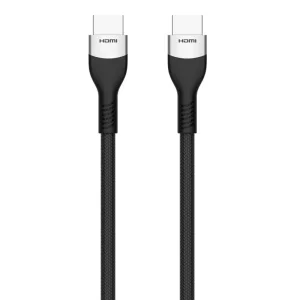
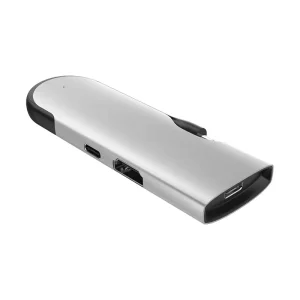
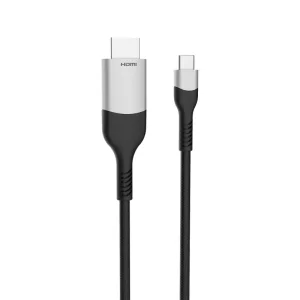
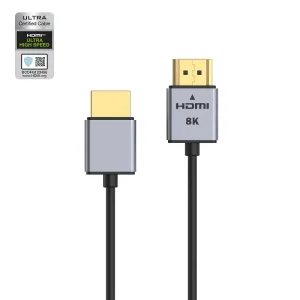
With 38 years of manufacturing expertise in professional video and audio peripheral equipment connection lines, the firm has continually evolved. Today, Taitron stands at the vanguard of high-end data infrastructure and power accessories, producing high-bandwidth HDMI 2.1 cables, DP 2.0 cables, USB4 data lines, USB-C 3.1 Gen2 high-power charging cables, 8K HD conversion equipment, and multifunctional Type-C docking stations.
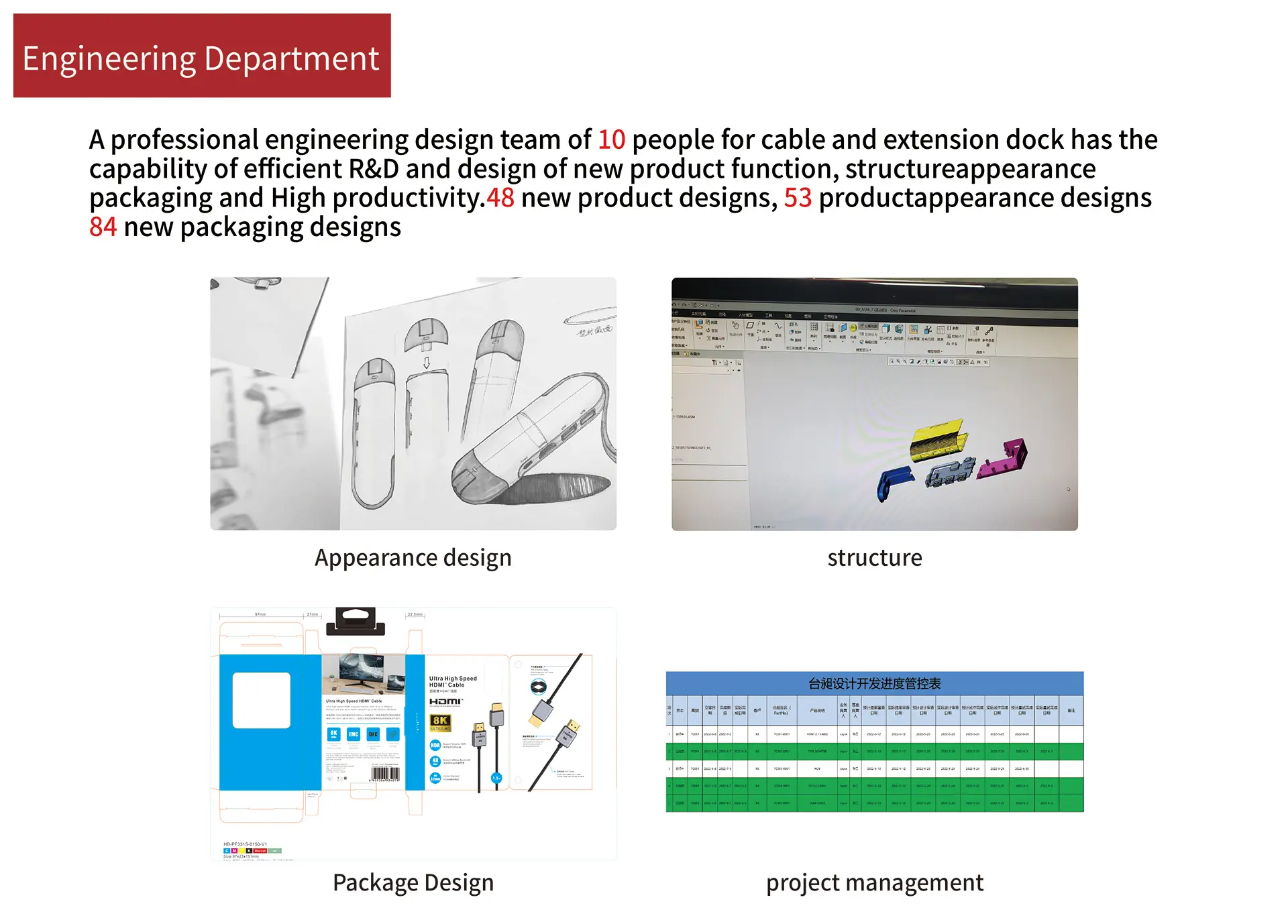
Our focus on vertical integration, strict quality control systems, and continuous R&D investments makes us a trusted business partner for OEM/ODM clients worldwide. Our infrastructure supports complex custom runs, offering end-to-end design, packaging, and regulatory alignment under one roof.

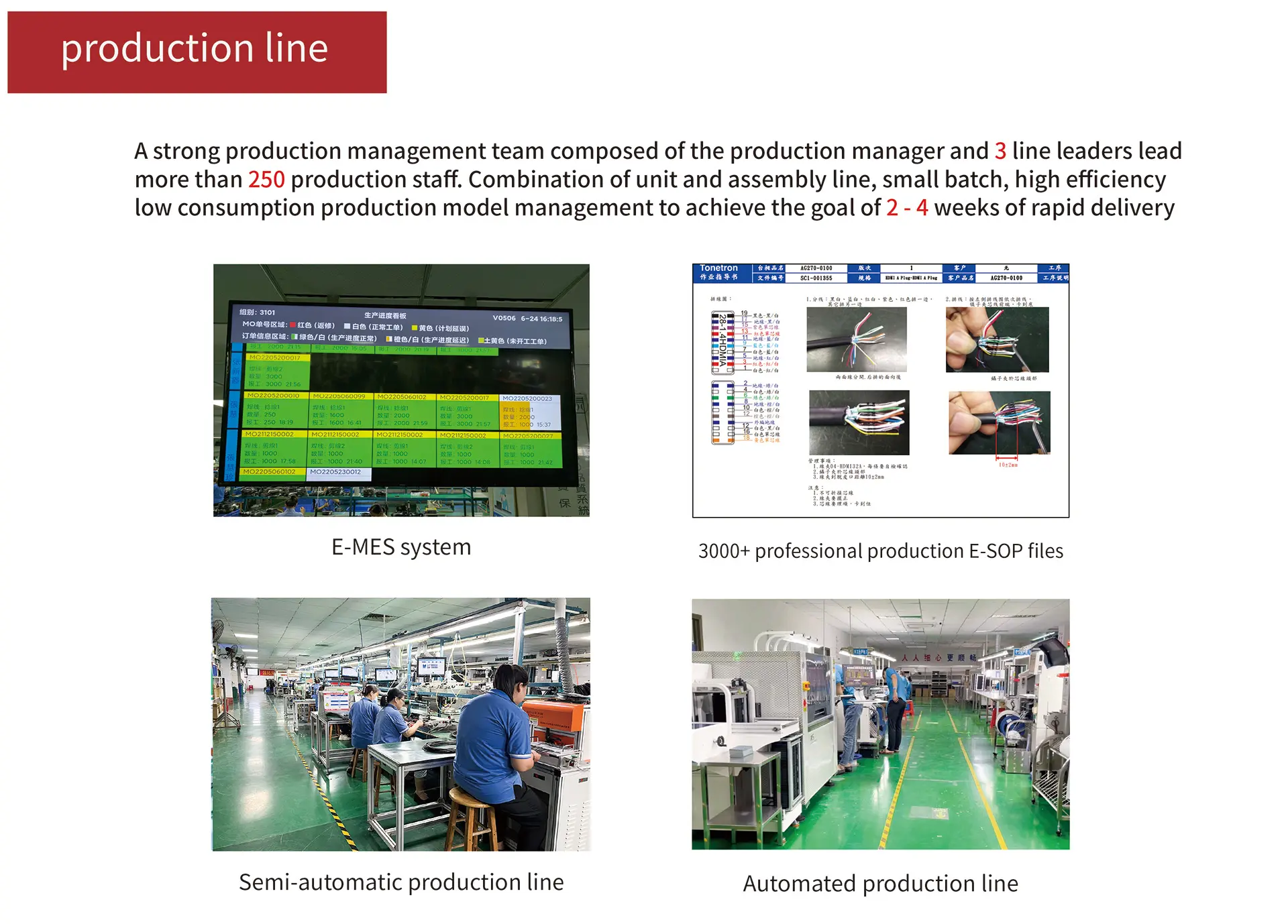
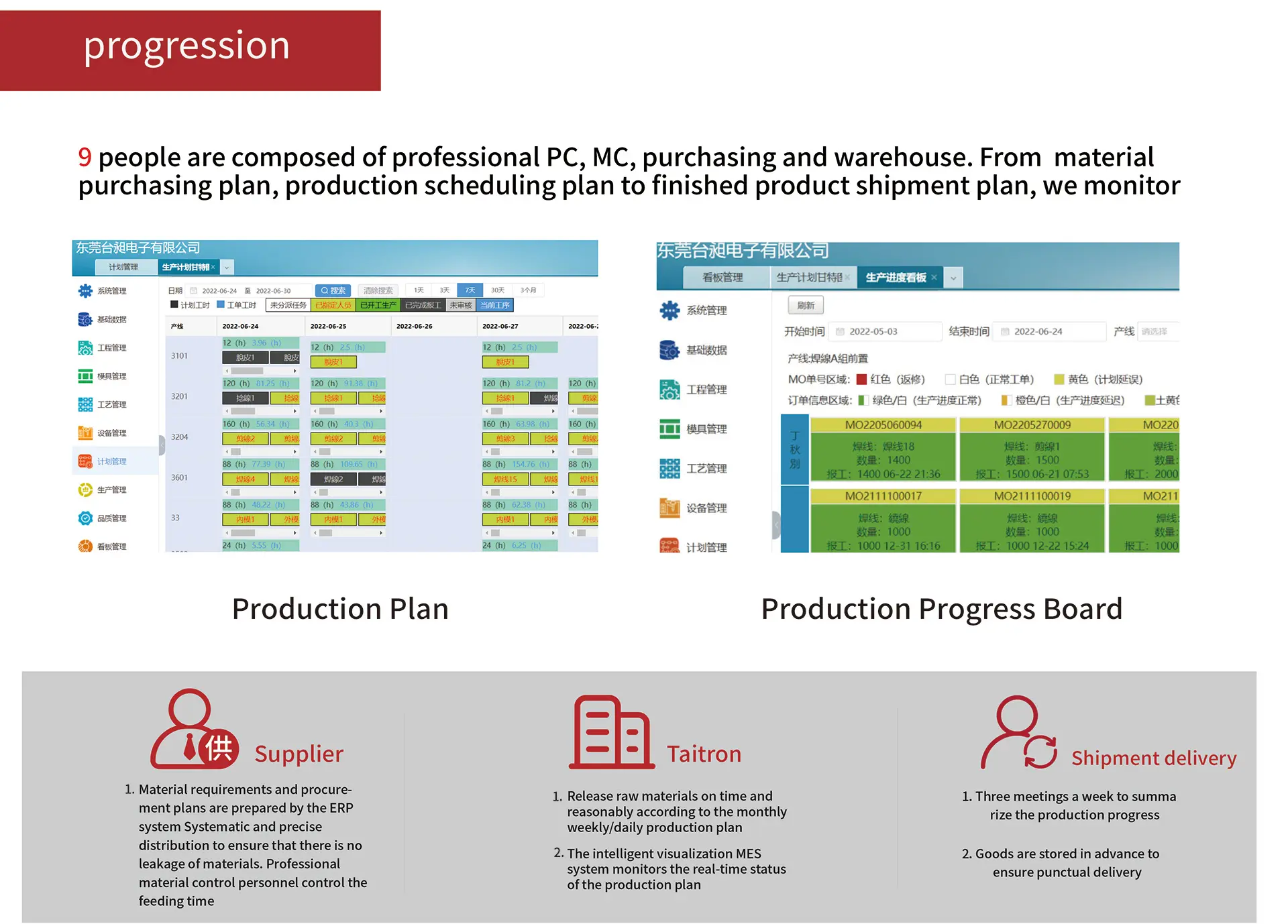
Operating out of Dongguan, the undisputed hub of global hardware manufacturing, gives Taitron unparalleled supply chain resilience. This geographical advantage enables direct access to raw materials, microcontrollers, high-purity copper, and specialized polymers. Our proximity to material markets eliminates shipping bottlenecks and optimizes our manufacturing lead times.
By integrating wire extrusion, connector shell stamping, automated laser welding, and high-performance injection molding within our own facilities, we mitigate third-party supply chain risks. This internal capabilities model shields clients from market price volatility, ensuring reliable production output and consistent shipping windows even during peak demand seasons.
Tailored technologies built to excel within specific regional infrastructure, safety protocols, and operational workflows.
Optimized for integration with Schuko-style wall plates and custom cable raceways. Designs conform to strict VDE standards, prioritizing safety, low standby-power leakage, and minimal heat emission within enclosed architectural spaces.
Robust, vibration-resistant USB charging hubs designed for train coaches, commercial transport fleets, and municipal stations, supporting wide-voltage fluctuations and offering short-circuit protection.
High-reliability adapters designed to supply continuous power to industrial human-machine interfaces (HMI), sensor hubs, and smart factory telemetry units, built to operate reliably in high-temperature environments.
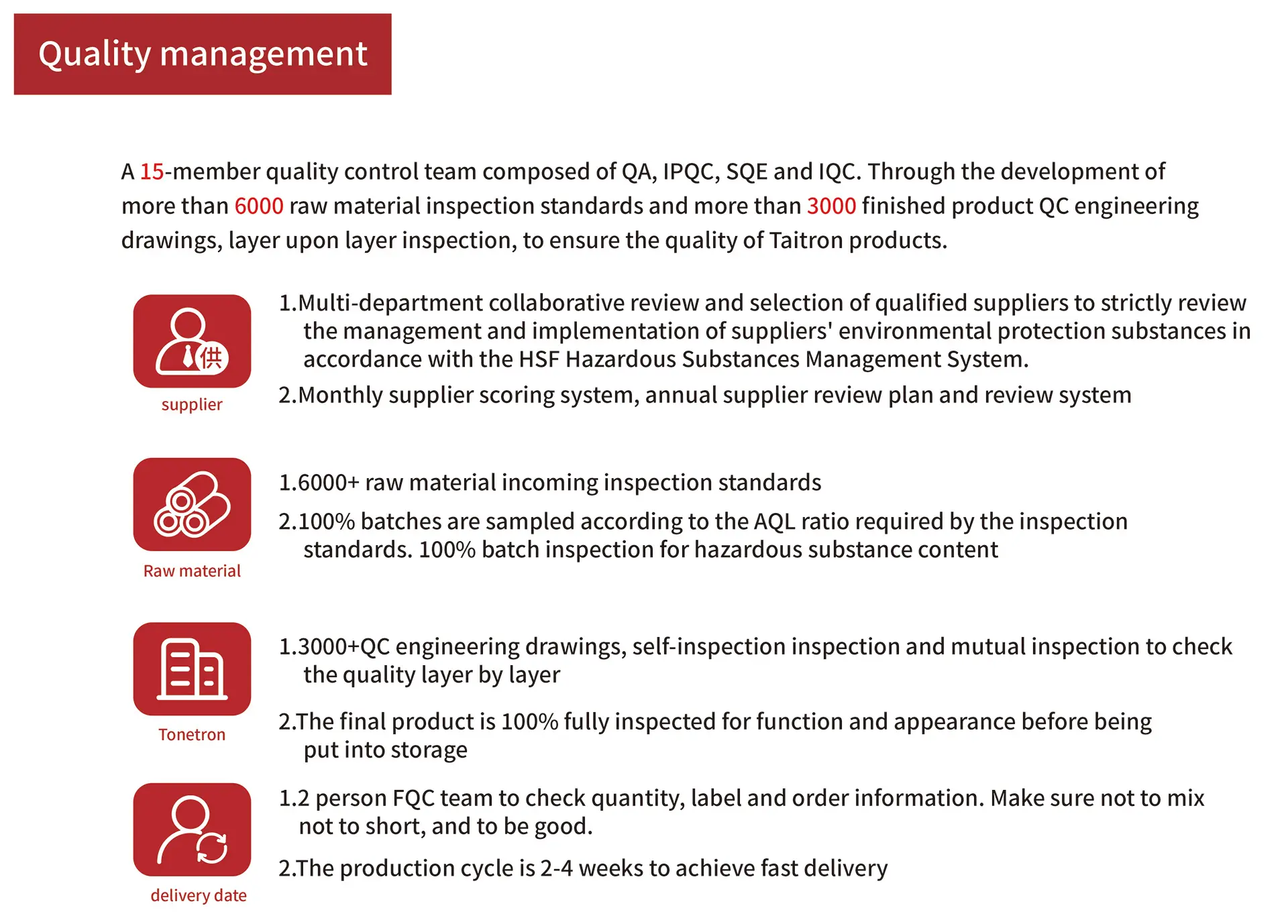
Exporting global charging equipment demands strict adherence to dynamic regional regulatory frameworks. We protect our partners by ensuring our manufacturing facilities and products meet safety directives across major international markets.
For European distribution (focusing on Germany, Austria, and Switzerland), our products carry the CE Mark, GS Certification, and comply with RoHS and REACH directives. This ensures all components are free of hazardous substances and verified for safe public use. Additionally, we register our imports under the WEEE (Waste Electrical and Electronic Equipment) directive, fulfilling local environmental and recycling requirements.
Insights from our engineering and export team on quality assurance, technical compliance, and customized development.
Explore our industrial-grade components, optical converters, USB hubs, and high-performance adapters designed to deliver reliable connectivity.
 Taichang Electronic