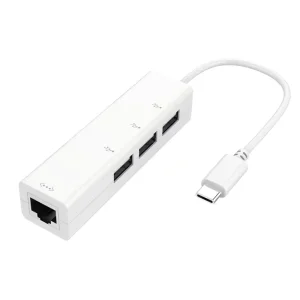
In the hyper-converged modern workplace, desktop peripherals are no longer simple pass-through extensions. They form the critical gateway of corporate workflows. As enterprises pivot toward flexible desks, remote offices, and high-performance computing, the requirements on USB-C hub connectivity have shifted from mere functional hardware compatibility to rigorous criteria: signal integrity, structural thermal management, maximum downstream power provisioning, and high-bandwidth cross-compatibility.
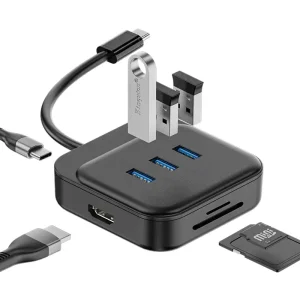
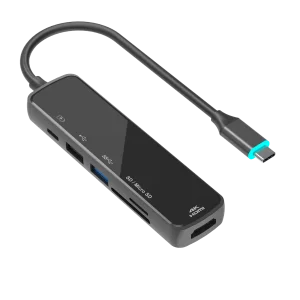
This document serves as an engineering whitepaper for systems integrators, hardware OEM procurement leads, and product managers. It breaks down the mechanical, electrical, and logical protocols that define our high-performance ODM 4K HD Resolution hubs, Docking Station 6-in-1 USB-C hubs, High-Speed Data Transfer hubs featuring USB-A 3.2 Gen1 ports, and PD 100W Pass-through charging hubs.
The hardware integration landscape is rapidly transitioning. We are tracking a steady convergence from legacy configurations to next-generation high-bandwidth standards. Our research and development lifecycle is structured to prepare enterprise procurement cycles for these tectonic shifts.
Current systems rely heavily on DP 1.4 over USB Type-C, which routes high-density audio-visual signals alongside data. Our roadmap integrates the implementation of DP 2.1 DisplayPort Alt Mode. This upcoming generation allows up to 80Gbps transmission bandwidth, supporting native 8K/10K configurations without heavy DSC (Display Stream Compression) overheads.
The consolidation of USB4 and PCIe tunneling offers a dynamic protocol-sharing mechanism. Our next-gen architectures implement dual-channel USB4 bridge controllers. This ensures that when a user connects high-speed NVMe enclosures, the hub dynamically throttles display-allocated bandwidth to protect downstream data throughput from degradation or dropping packets.
With the advent of USB-C Extended Power Range (EPR) elevating the ceiling to 240W, docking stations must manage higher currents safely. While 100W PD pass-through handles current-generation laptops, our future layouts feature integrated Smart Buck-Boost converter chips capable of dynamically scaling voltage levels (up to 28V/48V) based on device negotiation algorithms.
Every vertical industry requires specialized connectivity metrics. Our docking station models are optimized structurally and firmware-wise to match varying professional constraints:
Modern corporate workspaces depend on seamless hot-desking setups. A single-cable solution that offers 4K HDMI output, legacy USB-A 3.2 Gen1 for security keys or human interface devices (HIDs), and 100W PD charging simplifies desktop logistics, prevents hardware replacement cycles, and decreases internal IT support tickets.
In industrial automation and clinical diagnosis labs, electromagnetic interference (EMI) can ruin critical measurements. Our custom-designed shielding structure features dual-shielded internal PCB footprints and aluminum housings that filter high-frequency noise. This keeps high-speed data transmission pipelines free from crosstalk interference.
Visual professionals need pixel-perfect accuracy. Supporting 4K high-definition video over HDMI at low jitter rates guarantees stable video monitoring. Simultaneously, the 5Gbps USB-A 3.2 ports allow external SSD storage arrays to read and write high-resolution footage at full speed, reducing video editing lag.
Dongguan Taitron Electronics Limited (originally founded in 1984 in Keelung, Taiwan as Tonetron and subsequently relocated in 1993 to a self-built independent production industrial park in Dalingshan Town, Dongguan City, China) represents 38 years of advanced, vertically integrated manufacturing. We control the process from raw copper drawing to structural casing assembly, ensuring our supply chain remains resilient.
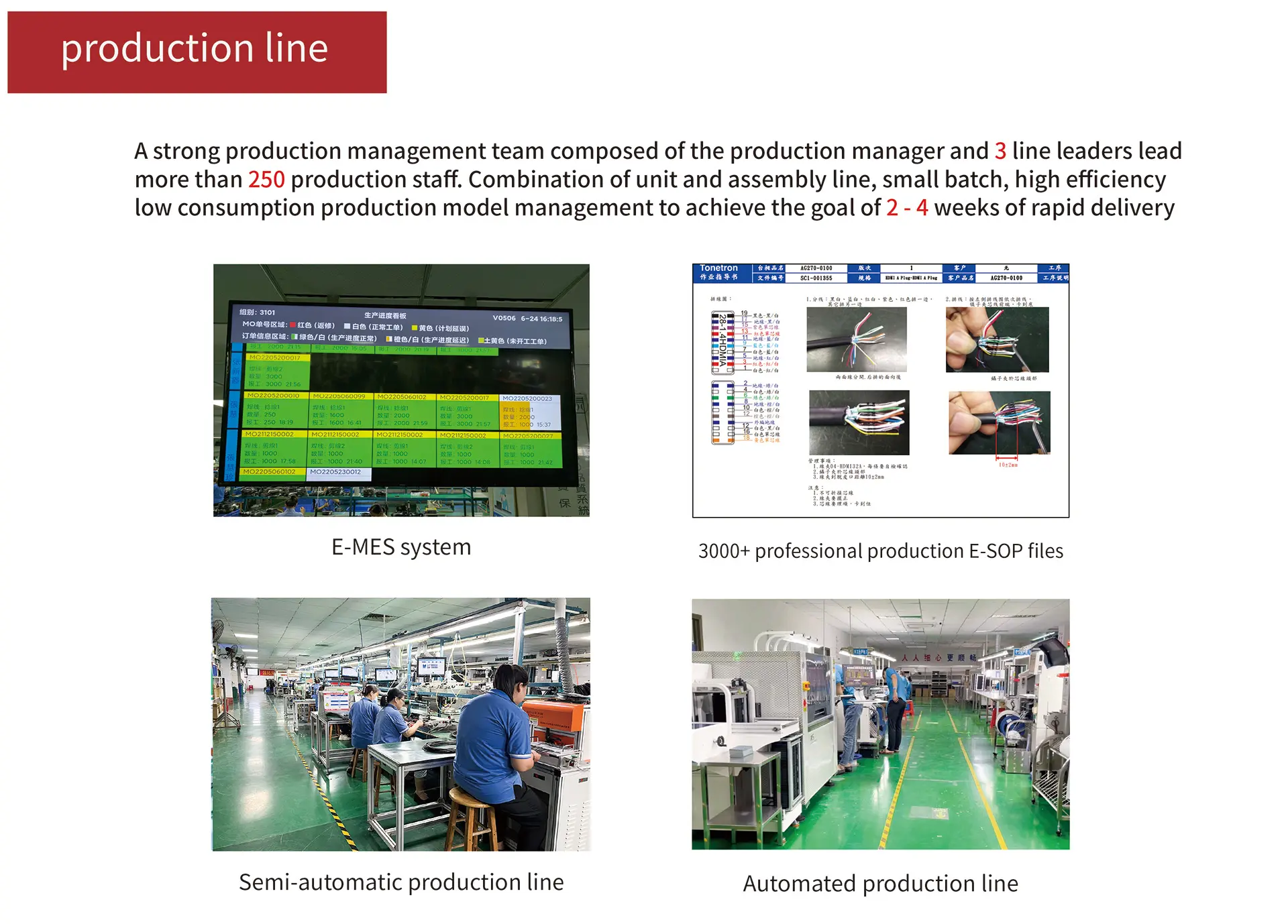
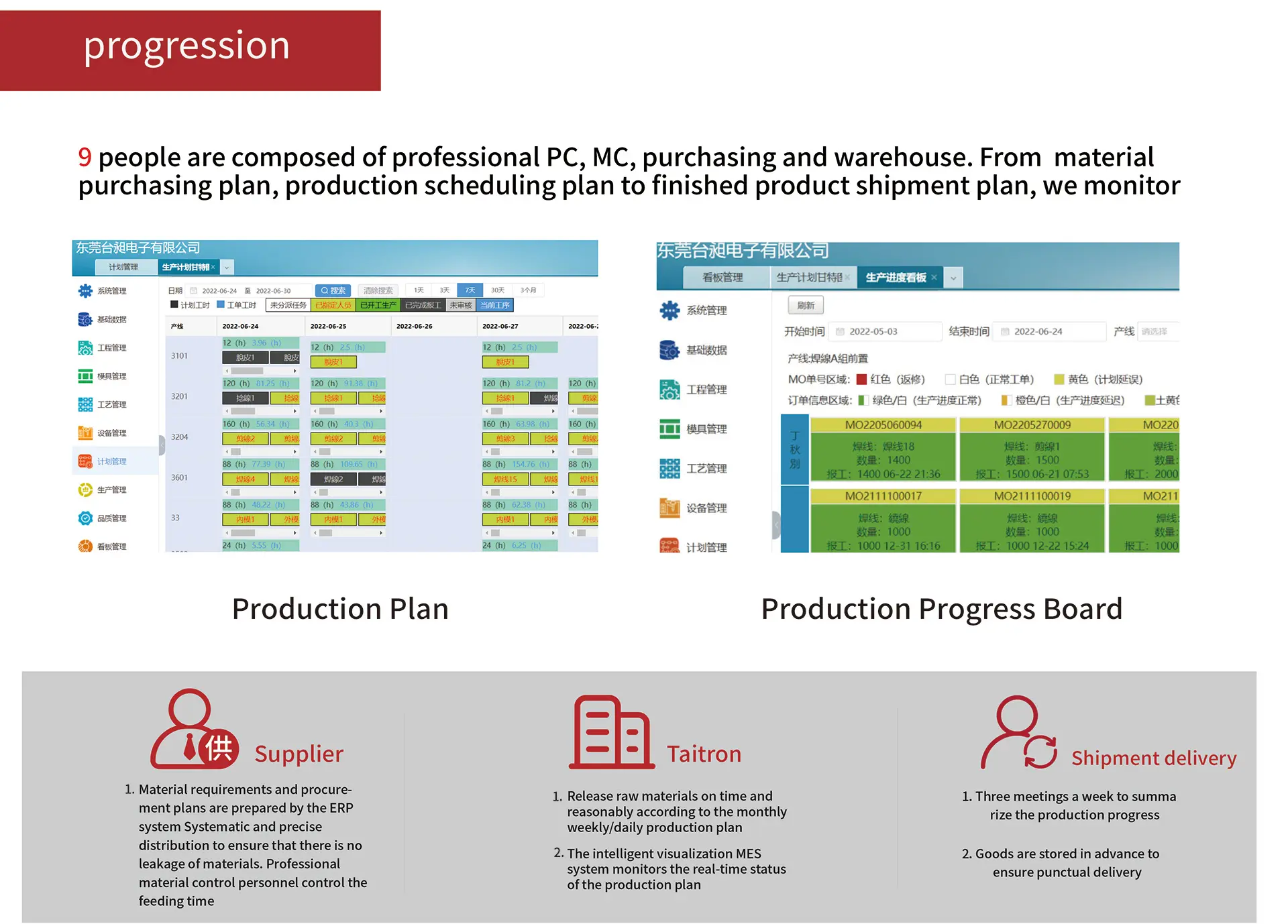
Our manufacturing facility operates under Industry 4.0 principles, ensuring high quality and throughput for multi-functional Type-C expansion docks:

Entering international consumer electronics markets requires strict adherence to regulatory standards. Importing uncertified peripherals can lead to border delays, fines, or recalls. Dongguan Taitron Electronics guarantees full regulatory compliance across our custom USB-C hub and docking station offerings.
Under EN/IEC 62368-1 standards, hardware containing 100W PD circuits must keep external case temperatures below safety thresholds under full load. Our custom enclosures are designed with internal thermal conduction pads that distribute heat across the aluminum shell, keeping operating temperatures within regulatory limits.
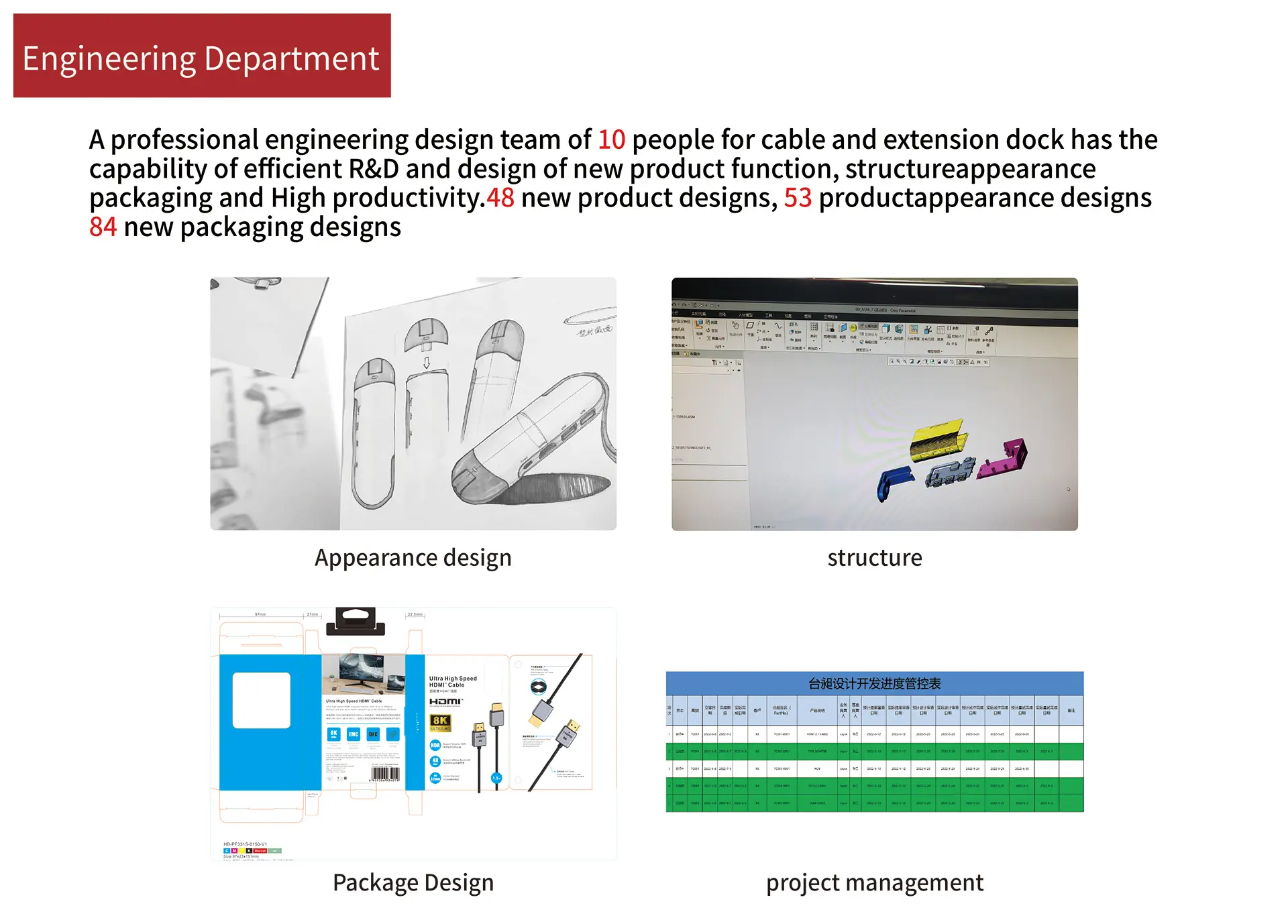
For enterprise buyers planning annual rolling hardware orders, assessing procurement risk is critical. We provide OEM/ODM services that streamline the process from early prototype development to manufacturing.
During Design for Manufacturability (DFM) review, our engineers modify the physical board configurations to fit custom industrial designs, ensuring proper layout for ports (HDMI, USB-C, USB-A) and optimized trace routing to reduce crosstalk.
Before tooling, we build 3D-printed case models and prototype PCBs to verify high-frequency signal integrity, power delivery profiles, and ESD compliance using specialized laboratory test equipment.
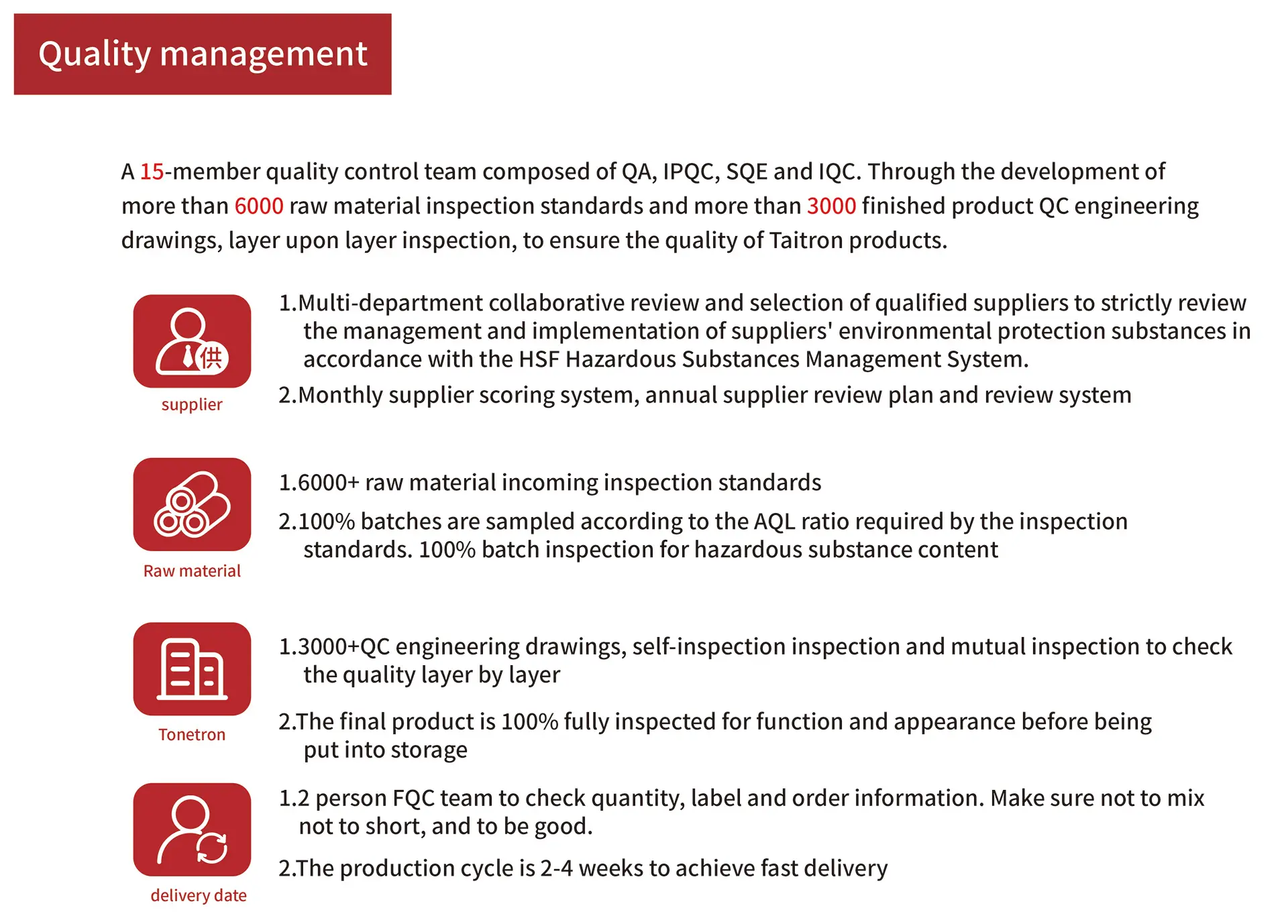
Our manufacturing facility follows ISO 9001:2015 quality standards. We conduct post-SMT automated optical inspections (AOI) and final functional tests to ensure low defect rates (DPPM levels).
Common technical queries addressed by our Senior Product Engineering Team to help select the right connectivity options for your business.
 Taichang Electronic