Years of Engineering Experience
Strict QA & EMI Isolation Testing
Next-Gen Ethernet Speeds
CE, FCC & RoHS Compliance
In the era of cloud-driven enterprise infrastructure, IoT integration, and hybrid working environments, stable and secure physical connections remain the backbone of organizational productivity. While wireless networks have evolved, they present structural challenges including latency fluctuations, susceptibility to RF interference, and security vulnerabilities. To address these limitations, USB to RJ45 Ethernet adapters serve as a critical bridge. They convert standard USB interfaces (USB-A and USB-C) into physical Gigabit Ethernet ports, facilitating high-speed, reliable local area network (LAN) access.
For enterprise network architects, hardware OEMs, and procurement agencies, selecting an ODM (Original Design Manufacturer) supplier is more than finding a simple hardware assembler. It requires evaluating deep engineering capabilities, chip validation procedures, signal integrity analysis, and the ability to customize features to meet strict environmental and electromagnetic requirements.
The performance of a USB to RJ45 adapter is primarily determined by its internal ethernet controller chip. As a professional manufacturer, we focus on verified silicon platforms to ensure stable data transmission, system compatibility, and low power consumption:
Optimized for USB 3.2 Gen 1 to 10/100/1000M Gigabit Ethernet conversion. Known for low host CPU overhead, robust driver support across Windows, macOS, Linux, and embedded operating systems.
The enterprise standard for compatibility, featuring Advanced Power Management (APM) and built-in features like Wake-on-LAN (WOL), PXE boot, and MAC Address Pass-Through.
Designed for next-generation network infrastructures. Offers 2.5 times the bandwidth of standard Gigabit Ethernet over existing Cat5e or Cat6 copper cables.
Dongguan is widely recognized as a major hub for global electronics manufacturing. Establishing an ODM partnership in this region offers key advantages:

Modern networks rely on physical Ethernet adapters across various specialized environments and hardware configurations:
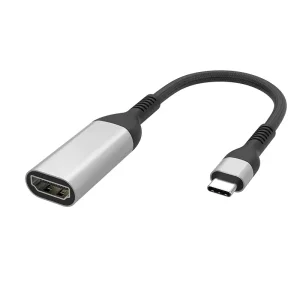
Modern thin-and-light laptops often omit the bulky RJ45 port to maintain slim profiles. For corporate networks that require physical connections for security audits, static IP configurations, or zero-latency video conferences, our USB-C to RJ45 adapters provide reliable connectivity. They support standard network features like MAC Address Pass-Through, PXE boot for remote OS deployment, and Wake-on-LAN for system maintenance.
In smart factory setups, field technicians connect diagnostic notebooks directly to PLCs, CNC machinery, and control networks. These environments present challenges like electrical noise, mechanical vibrations, and exposure to dust and oil. Our rugged ODM adapters feature shielded RJ45 ports, ESD protection circuits, and strain-relief cables to maintain stable data connections on the factory floor.
Medical imaging systems (such as portable ultrasound scanners) generate large files that must be quickly and securely transferred to Picture Archiving and Communication Systems (PACS). Wi-Fi connections can be slow and sensitive to patient data privacy issues. A dedicated USB to RJ45 adapter ensures secure, point-to-point data transfers, compliant with healthcare data transmission requirements.
System administrators and network engineers use portable adapters to connect field laptops directly to the console ports of switches, routers, and bare-metal servers. Consistent driver compatibility across multiple operating systems is essential for these configuration and diagnostic tasks.
With a manufacturing heritage dating back to 1984, Taitron has grown from a specialized audio/video cable producer into a leading OEM/ODM manufacturer of high-frequency data adapters and docking stations.
In 1984, Dongguan Taitron Electronics Limited., formerly known as Tonetron, was founded in Keelung, Taiwan. In 1993, to scale production and integrate with global supply chains, the company established a dedicated manufacturing park in Dalingshan Town, Dongguan City, China, changing its name to Dongguan Taitron Electronics Limited.
Over the past 38 years, Taitron has built a foundation in manufacturing professional video and audio peripheral equipment connection lines. We have expanded our product lines to include high-end, high-frequency audio, video, and data cables. This includes HDMI 2.1, DisplayPort 2.0, USB4, USB-C 3.1 Gen2, high-power USB charging cables, 8K HD conversion cables, and multi-functional Type-C docking stations.
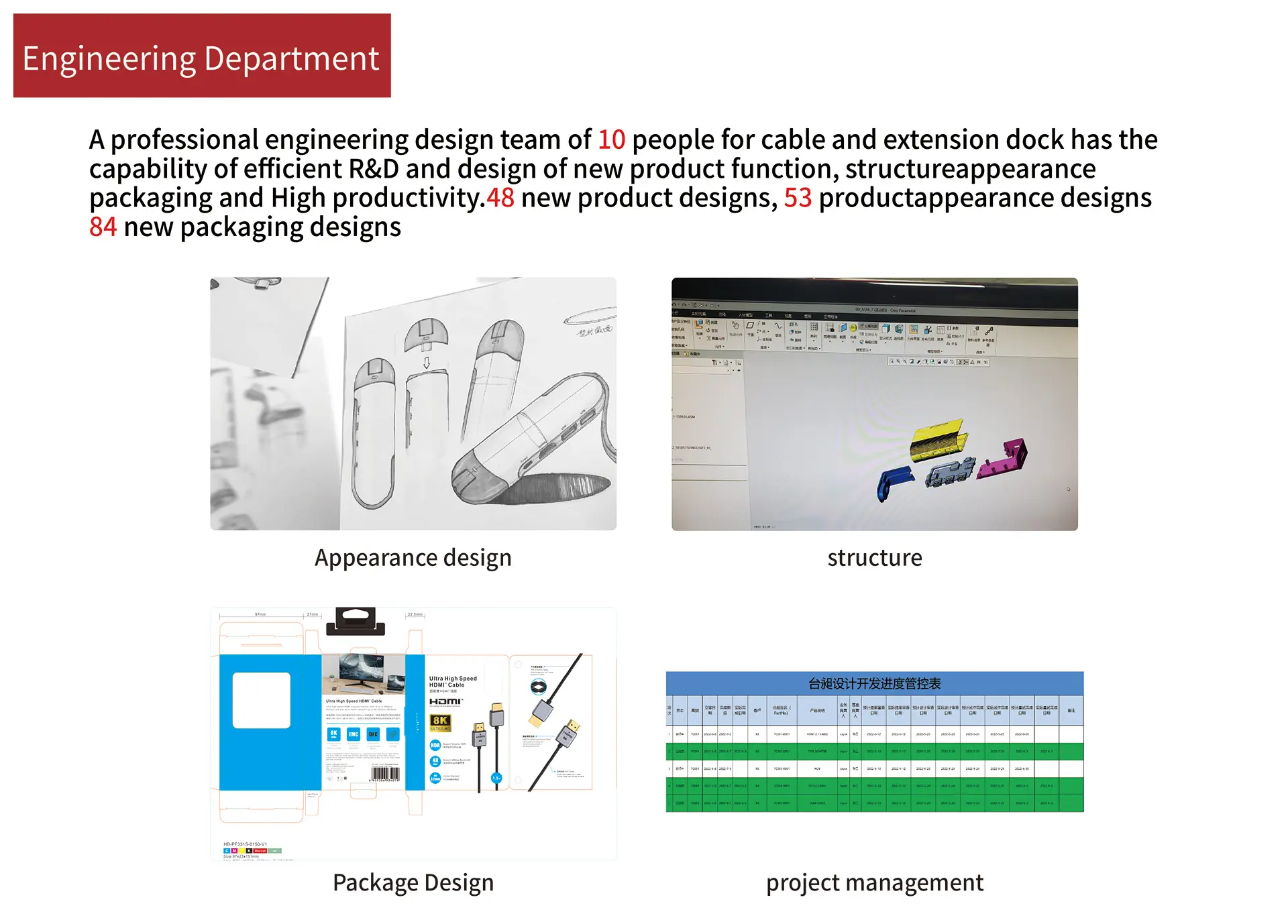
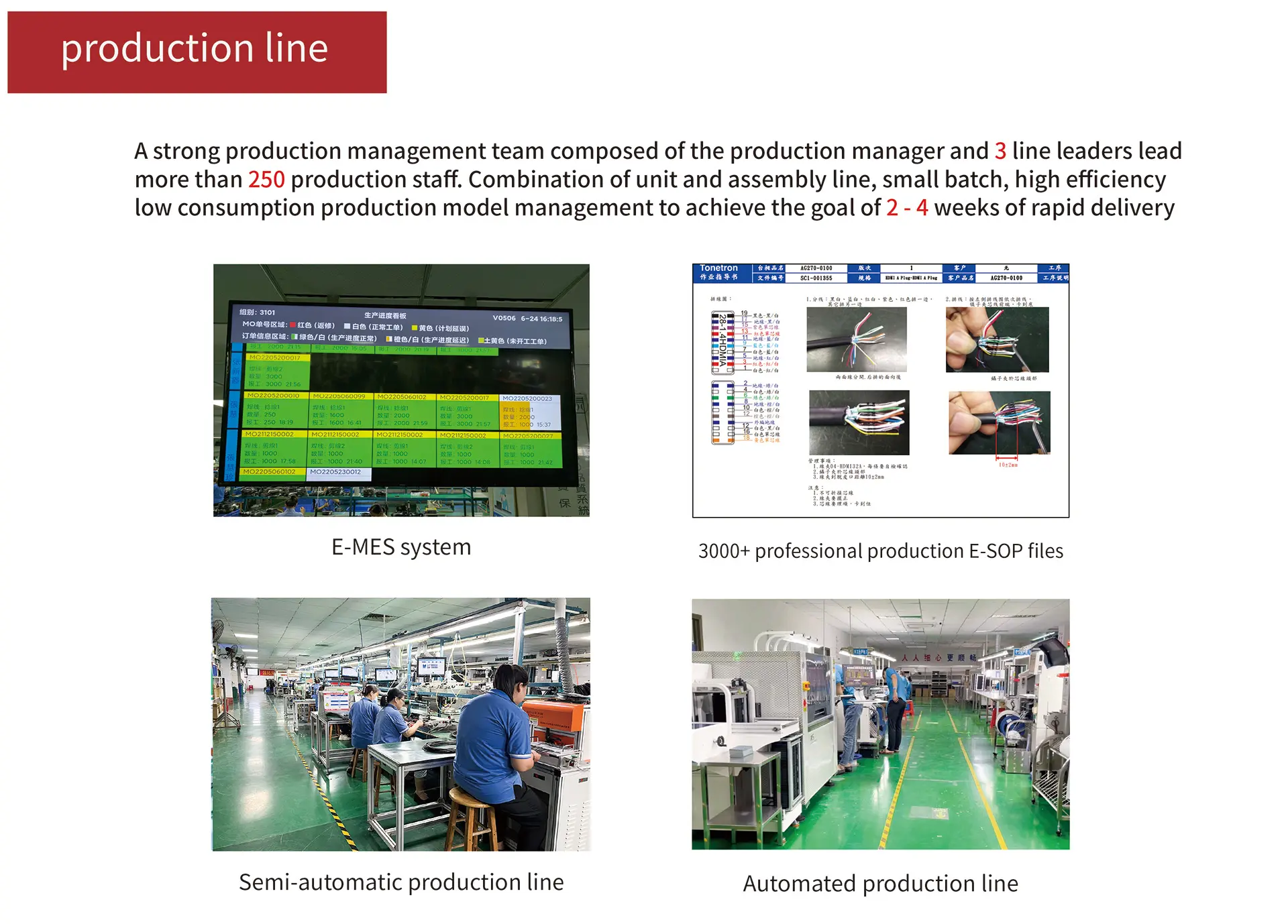
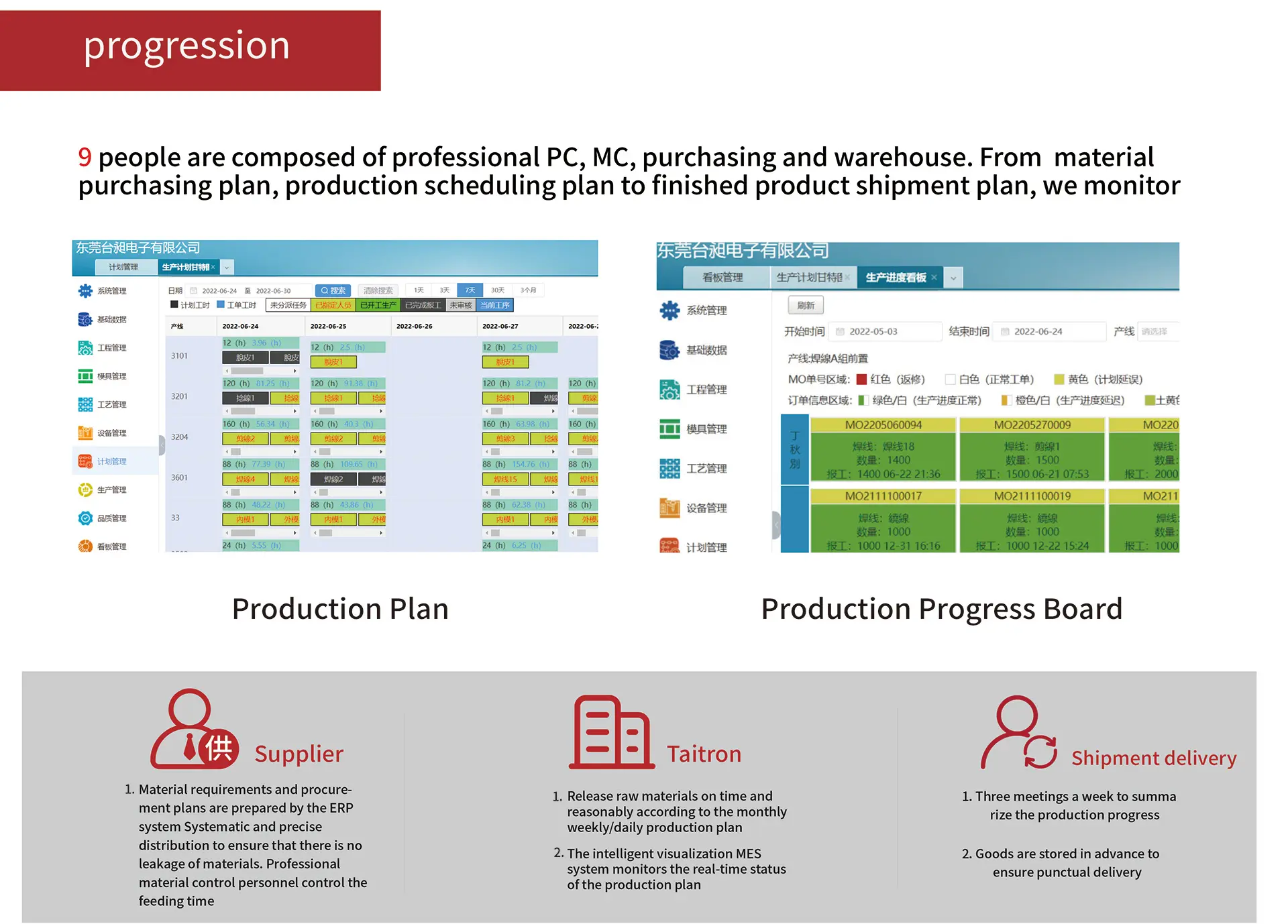
Our manufacturing facilities feature modern SMT lines, advanced injection molding machinery, clean assembly zones, and dedicated test laboratories. These labs handle essential testing, including high-frequency signal analysis, EMI shielding tests, salt spray resistance, and mechanical bending lifecycle evaluations.


Enterprise buyers and hardware brand owners must manage strict technical and regulatory compliance requirements when importing and distributing products globally. Our ODM processes are designed to align with these international standards:
The connectivity market is evolving toward higher speeds, smaller form factors, and multi-functional designs. The demand for 2.5Gbps Ethernet is increasing as Wi-Fi 6E/7 routers and modern NAS systems shift toward 2.5G network ports. Additionally, the industry is transitioning to Type-C interfaces, which support both data transfer and Power Delivery (PD) pass-through, allowing users to charge devices while using wired network connections.
Overheating can lead to dropped connections and reduced device lifespans. We address thermal management by using energy-efficient chipsets like the Realtek RTL8153B, which features low power draw, and by using aluminum alloy enclosures. We also include thermal pads inside the adapter housing to transfer heat away from the ethernet controller, ensuring stable performance during continuous high-load data transfers.
In most modern operating systems—including Windows 11/10, macOS (10.12 and higher), Chrome OS, and modern Linux kernels—the drivers are pre-installed, allowing for plug-and-play operation. For legacy systems, we provide digital driver packages or configure the adapter firmware with a virtual CD-ROM partition that lets users install drivers directly from the device.
We trace differential signal lines with matched impedance on our multi-layer PCBs to prevent signal degradation. Additionally, we use automated optical inspection (AOI) after SMT assembly and test high-frequency network performance with advanced network analyzers. This ensures that insertion loss and return loss remain within specified parameters.
Our ODM services include hardware and aesthetic customization. We can develop custom PCBA layouts, design metal or plastic enclosures, add laser-engraved logos, and design custom retail packaging. We also support firmware adjustments, such as modifying vendor and product IDs (VID/PID) and configuring custom MAC addresses.
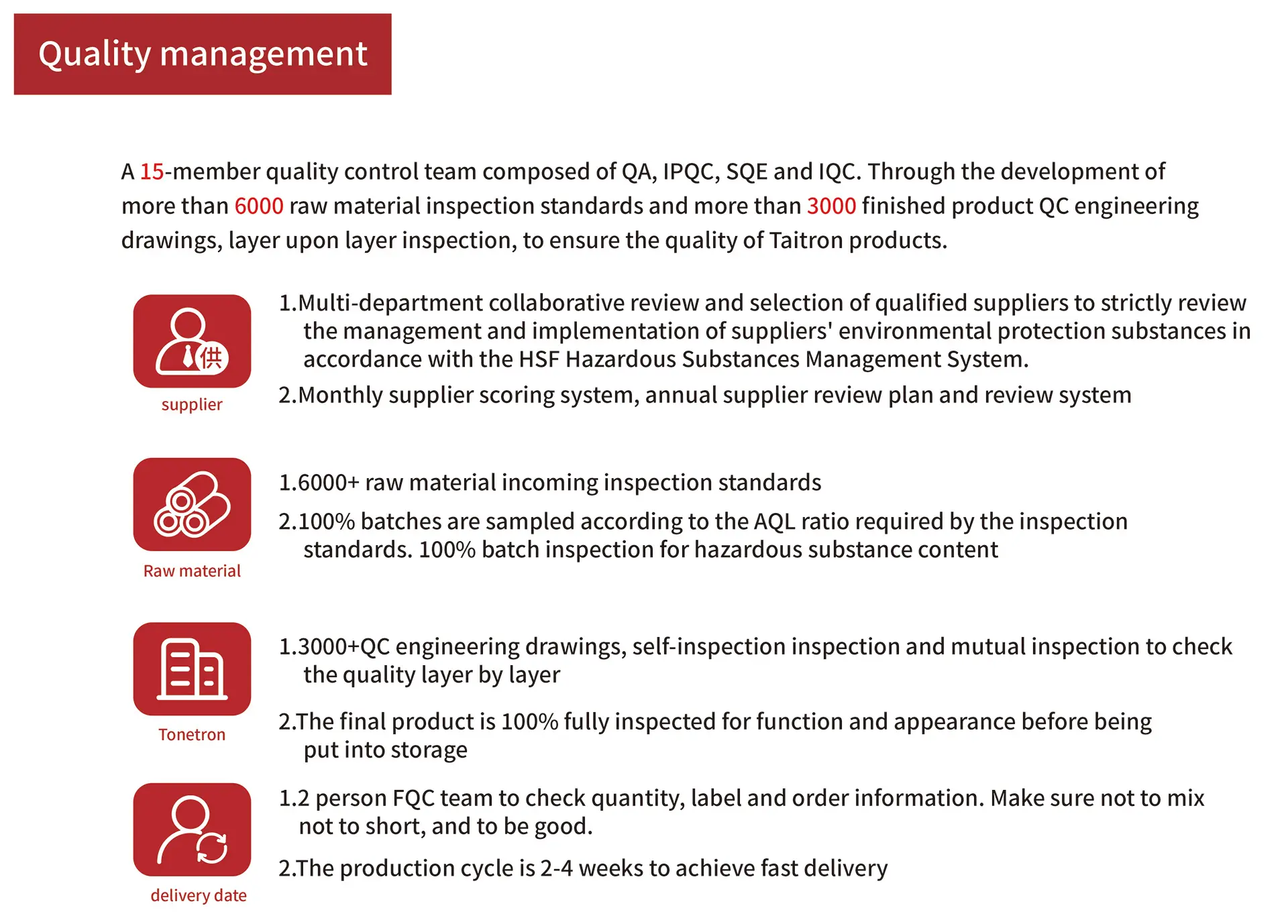
We follow a multi-stage quality assurance process: Incoming Quality Control (IQC) for components, In-Process Quality Control (IPQC) during manufacturing, and Outgoing Quality Control (OQC) before shipping. Every network adapter undergoes a 100% functional test, where it is connected to a network loop to verify data speeds and packet delivery under load.
 Taichang Electronic