High-fidelity AV converters, extension cords, and ultra-high-speed adapters built to rigorous global conformance standards.
Decoding signal physics, bandwidth metrics, and standard evolution in industrial and commercial high-resolution infrastructure.
In modern enterprise environments, the DisplayPort (DP) interface has transitioned from a standard PC peripheral port to the primary backbone of high-resolution digital display architectures. As organizations rapidly scale up their hardware requirements to accommodate 8K video feeds, real-time telemetry processing, and high-frequency multi-display environments, the demand for high-reliability, custom-engineered DisplayPort cords has reached unprecedented heights.
The progression of the VESA DisplayPort standard has been driven by the need for massive data throughput. Standard copper lines face serious physical limits at high data speeds. DisplayPort 1.4 introduced HBR3 (High Bit Rate 3), supporting speeds up to 32.4 Gbps, which allowed for 8K video output at 30Hz without compression. The move to DisplayPort 2.1 has changed the landscape by introducing Ultra High Bit Rate (UHBR) modes, pushing theoretical throughput limits up to 80 Gbps.
| DisplayPort Version | Maximum Bandwidth | Standard Modes | Maximum Uncompressed Resolution | Key Technological Feature |
|---|---|---|---|---|
| DisplayPort 1.2 | 21.6 Gbps | HBR2 | 4K @ 60Hz | Multi-Stream Transport (MST) support |
| DisplayPort 1.4 | 32.4 Gbps | HBR3 | 8K @ 30Hz (4K @ 120Hz) | Display Stream Compression (DSC 1.2), Forward Error Correction |
| DisplayPort 2.1 | 80.0 Gbps | UHBR 10 / 13.5 / 20 | 10K @ 60Hz (8K @ 120Hz) | Improved integration with USB4/Type-C, lower jitter tolerances |
To support these massive speeds, manufacturers must minimize signal loss and cross-talk. Standard off-the-shelf cords often fall short because they lack the shielding and structural consistency needed to handle these speeds over distances longer than one meter. High-end ODM manufacturing focuses on creating consistent, high-impedance channels that meet VESA's strict specifications for return loss and insertion loss.
Understanding supply chain compliance, certifications, and technical specifications required by global procurement officers.
Industrial, medical, and defense buyers need more than just functional performance. They require strict compliance with global safety and environmental rules. Standard requirements include CE, FCC, RoHS, and REACH compliance. Additionally, low-smoke zero-halogen (LSZH) jacketing is often specified for public installations, server rooms, and vehicles to prevent toxic gas release in case of fire.
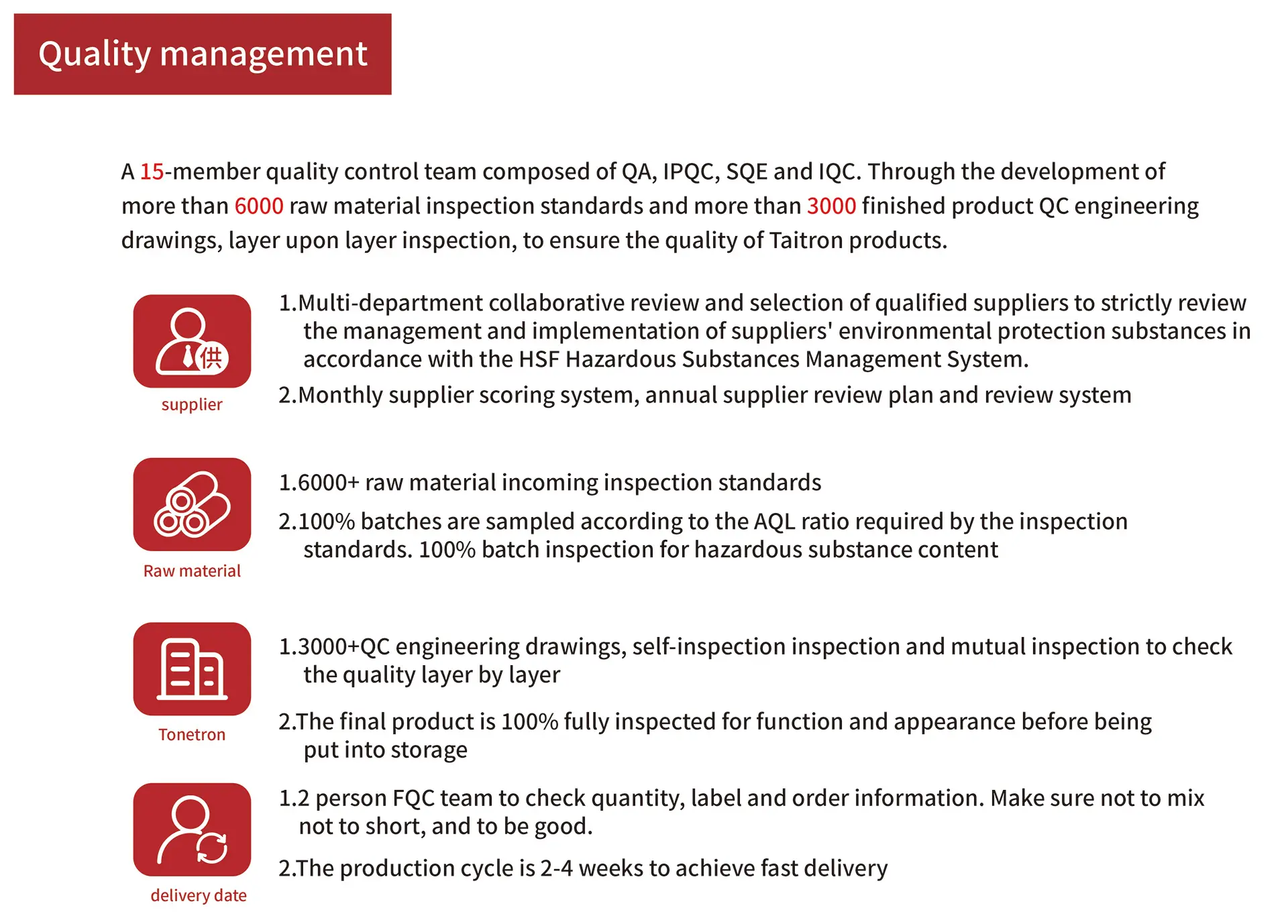
Our manufacturing processes use advanced inline raw material sorting and testing to guarantee that heavy metals, phthalates, and brominated flame retardants are kept below legal thresholds. This ensures smooth customs clearance and compliance when products enter strict regions like the European Union and North America.
With data lines carrying high gigabit frequencies, cables can act as antennas, radiating electromagnetic interference (EMI) or catching noise from nearby power lines. This requires multi-stage shielding: individual foil shielding on internal twisted pairs, an overall Al-Mylar foil shield, and a high-density tinned copper braid shield (often 85% to 95% coverage).
By using 34AWG to 28AWG oxygen-free copper (OFC) conductors, we maintain a stable 100-ohm impedance. This keeps the signal clear, prevents cross-talk, and lowers bit-error rates in mission-critical applications.
How Dongguan Taitron Electronics Limited blends automation, decades of experience, and geographic location to provide high-quality B2B manufacturing.
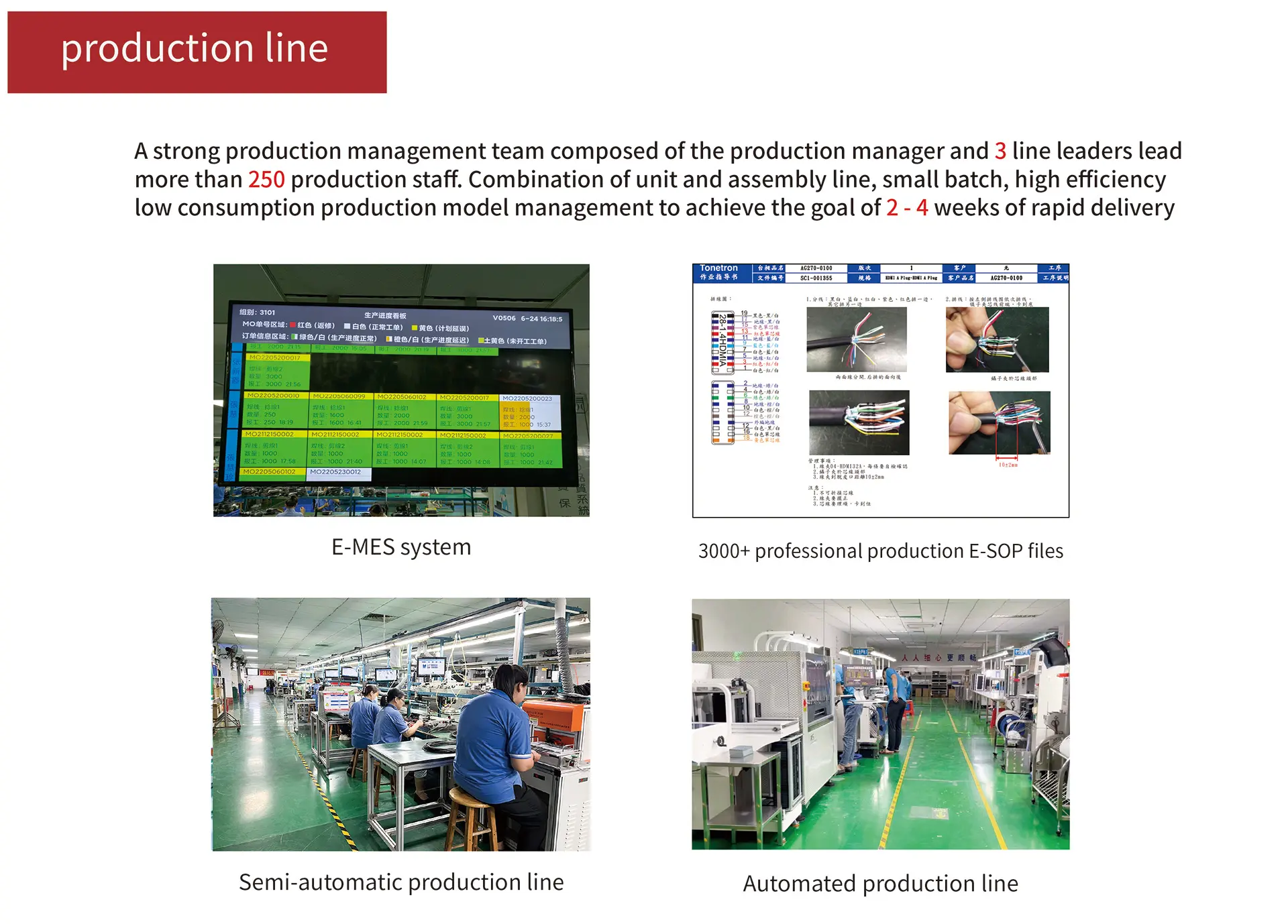
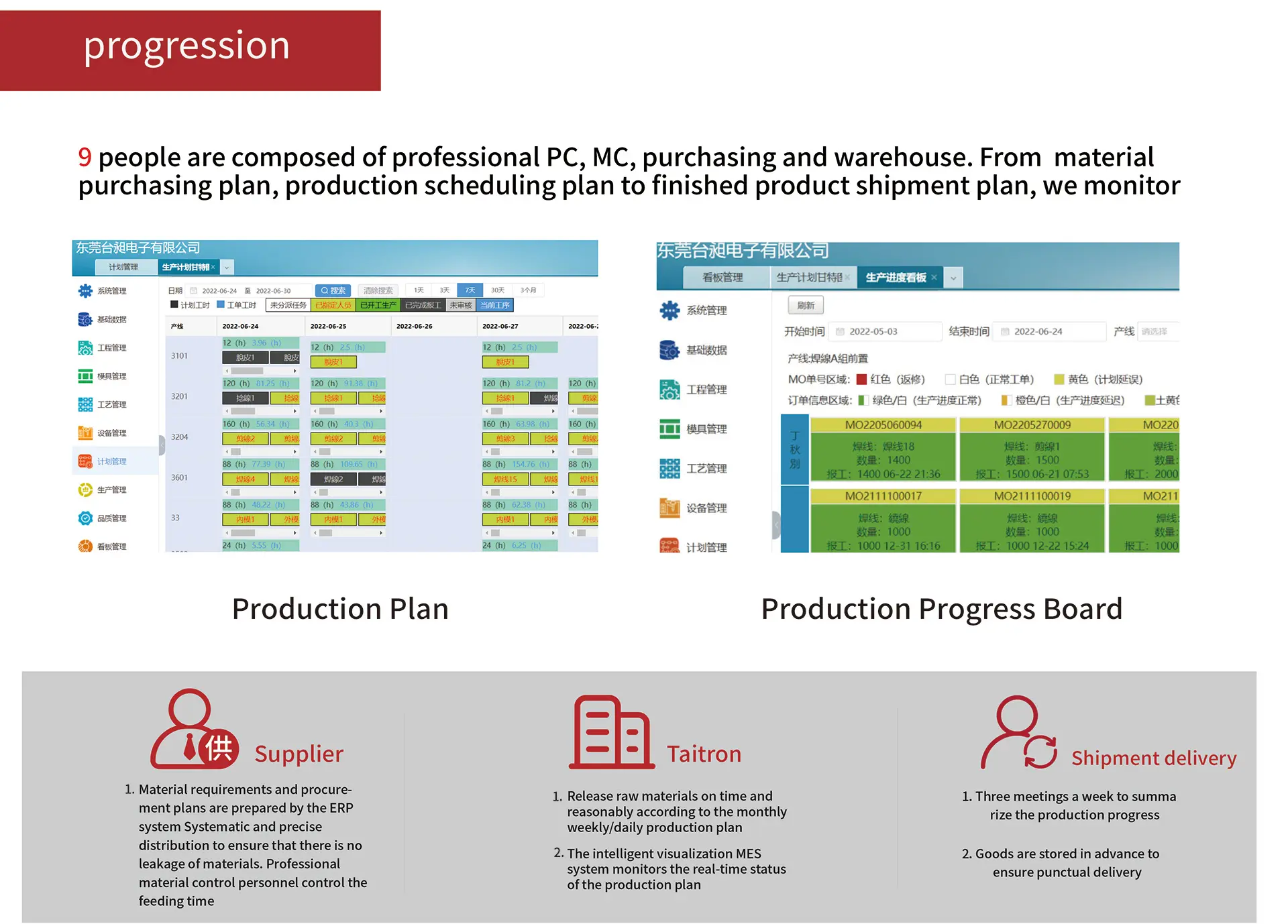
In today's unpredictable economic environment, supply chain stability is a key differentiator. Relying on inconsistent suppliers can lead to production delays and quality issues. The transition to Industry 4.0 requires modern, automated processes, rigorous quality control, and vertical integration of the supply chain.
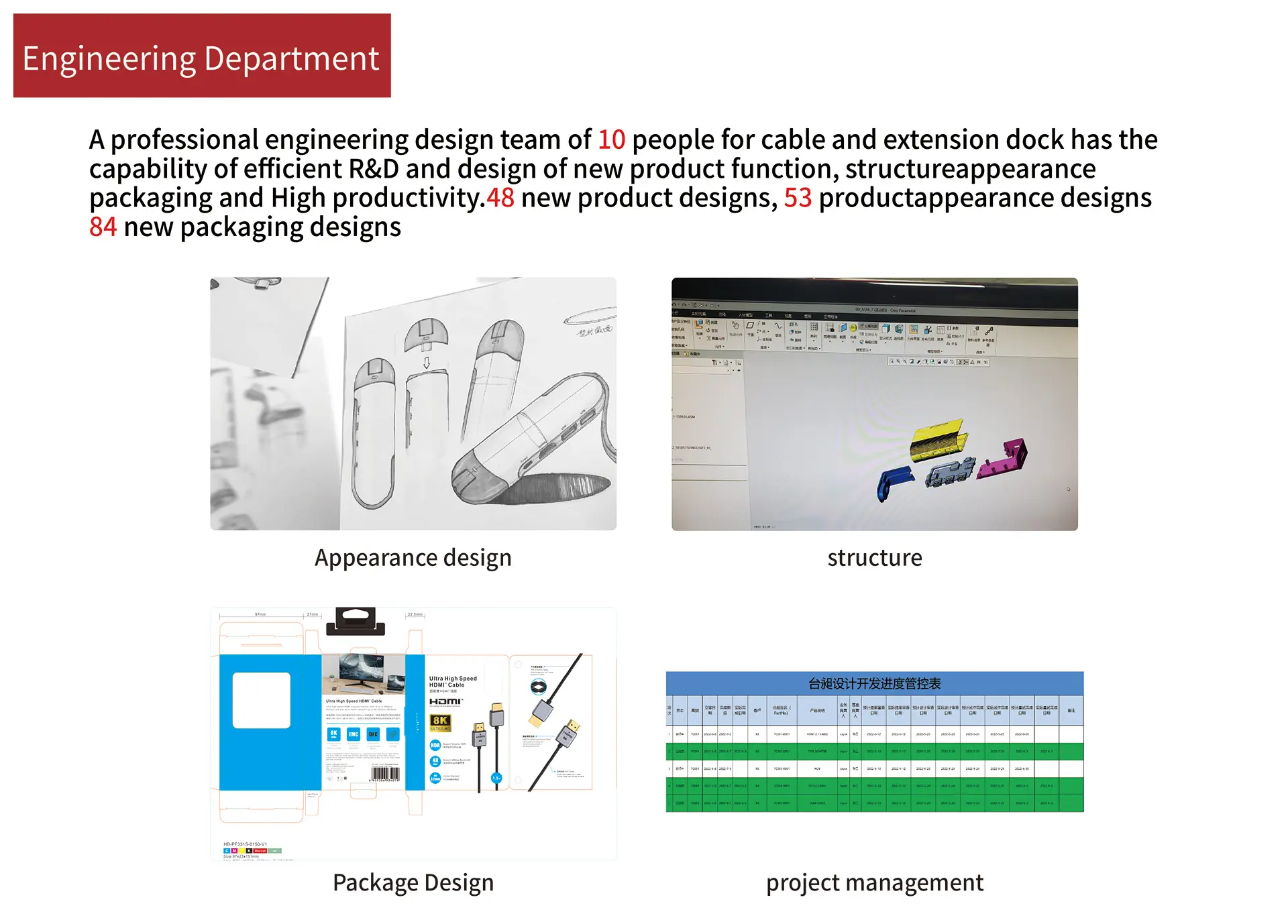
Taitron’s production facilities use high-speed automated soldering stations, vertical injection molding machines, and automated laser testing equipment. This setups ensures that every solder joint is consistent and free from weak spots. Our advanced physical testing lab performs extensive trials, including salt spray test chambers, high-frequency signal network analyzers, physical bending testers, and environmental chamber testing. This allows us to guarantee that our DisplayPort cords perform reliably even under tough industrial conditions.

How our custom-built DisplayPort cables solve real-world problems in challenging environments.
Diagnostic displays in MRI, CT, and X-ray rooms need extreme display accuracy and stable connection lines. Any dropped frames or digital noise could impact diagnostic results. Our double-shielded copper cords ensure that high-resolution scans are transmitted clearly and accurately to diagnostic monitors.
Command facilities monitor network status, traffic control, and infrastructure operations around the clock. By using high-performance DisplayPort multi-stream setups, engineers can run multiple screens from a single source computer, keeping the hardware compact and the cable routing clean.
High-vibration factory floors require secure connections that won't wiggle loose. Our DP cords feature lockable connector housing and high-flex jackets, designed to handle repeated movement and keep signals clean in challenging electrical environments.
A deep dive into materials, mechanics, and design features that prevent signal degradation.
Creating high-performance digital cables requires careful attention to materials science and mechanical design. At high frequencies, signals travel along the outer surface of the copper wire (the skin effect). This makes the purity and smoothness of the conductor critical for maintaining signal quality over longer runs.
Our cables are constructed with 99.99% oxygen-free copper (OFC), which minimizes electrical resistance and signal attenuation. For our premium high-frequency cables, we silver-coat the copper cores to improve signal performance at high bandwidths. We use physical-foamed polyethylene (FPE) as the dielectric layer around each twisted pair. This material has a very low dielectric constant, helping control impedance and prevent signal degradation.
The connector is often the weakest point in a cable run. Our DisplayPort plugs feature 24K gold-plated pins to resist oxidation and keep contact resistance low over years of use. An integrated latching mechanism locks the plug securely in the socket, preventing accidental disconnects on production lines, clean rooms, or mobile equipment carts.
In addition, our custom overmolding process includes an internal zinc alloy shell. This shields the delicate solder connections from physical strain and acts as a barrier against external radio interference (RFI) right at the connection point.
Get authoritative answers on DisplayPort manufacturing processes, customization parameters, and tech specs.
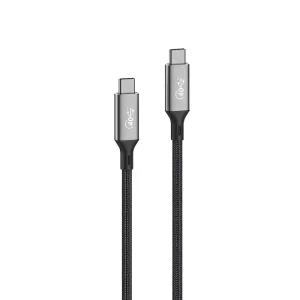
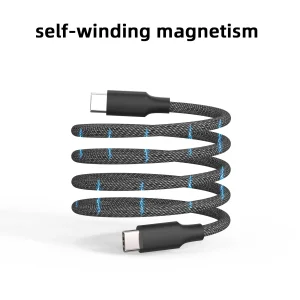
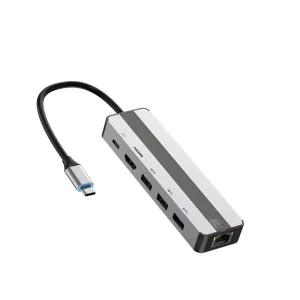
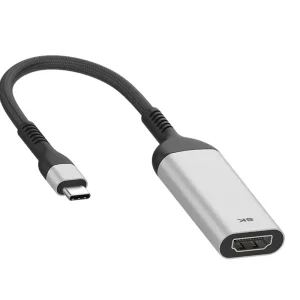
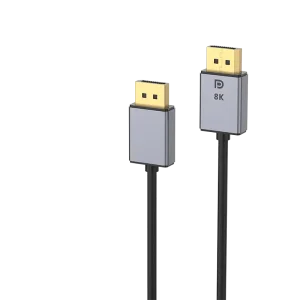
Ultra-performance USB-C links, 8K DP configurations, multiport docks, and hybrid AV cables.
 Taichang Electronic