Engineered to support global commercial specifications, certified high-speed data transmission pipelines, and enterprise-grade deployment stability.
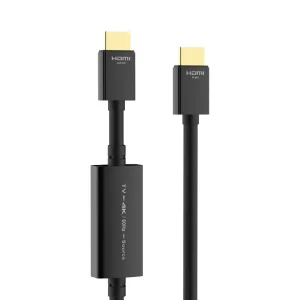
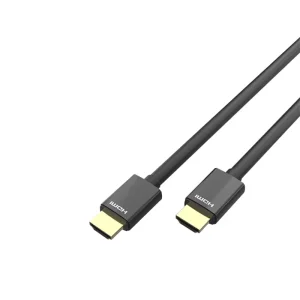
In the era of hyper-resolution displays, ultra-high-definition broadcasting, and real-time interactive systems, high-bandwidth signal integrity is no longer a luxury—it is a critical infrastructural requirement. The HDMI 2.1 protocol, which supports bandwidths up to 48 Gbps, has pushed standard copper-based cables beyond their physical performance boundaries. In traditional copper lines, signal attenuation and electromagnetic interference (EMI) severely limit optimal transmission range to less than three meters. For longer runs, signal degradation causes screen flicker, frame loss, and complete visual dropouts.
Active Optical Cable (AOC) technology solves this limitation. By integrating micro-optoelectronic transceivers at each connector, electrical signals are instantly converted to optical signals. These signals travel via multi-mode glass fibers (OM3 or OM4) at the speed of light, ensuring zero latency, zero attenuation over distances exceeding 100 meters, and total immunity to electromagnetic interference (EMI) or radiofrequency interference (RFI).
For custom AV installations, commercial integrators, and consumer electronic brands, standard off-the-shelf options are often insufficient. Global buyers rely on experienced ODM manufacturers to tailor structural designs for specialized conditions. Customization options include plenum-rated outer jackets, customized mechanical connectors, and active chipsets compatible with varied hardware ecosystems. Decoupled optical pathways require precise optical-to-electrical alignment, which can only be achieved at scale through specialized factories with advanced, automated micro-assembly lines.
Examining how high-speed display requirements drive systemic upgrades across industries worldwide.
Modern surgical suites require real-time 8K endoscope and surgical camera feeds. Traditional copper cables cannot transmit these huge video feeds without latency or interference from medical equipment. Fiber Optic HDMI 2.1 cables provide isolated, lag-free signal paths that help surgeons operate with high precision.
Control rooms in smart cities, transport hubs, and defense networks use large high-resolution video walls. HDMI 2.1 AOC cables allow centralized control systems to transmit 4K@120Hz or 8K@60Hz signals over long distances, ensuring continuous, reliable display performance.
TV stations, post-production houses, and virtual production stages (using LED volumes) need stable connections. Active optical cables ensure clean video delivery without compression artifacts or electromagnetic interference, even in environments with heavy power cabling.
The core of an ODM Fiber Optic HDMI 2.1 cable is the electro-optical conversion engine. The transmitter plug (Source) uses a high-performance Vertical-Cavity Surface-Emitting Laser (VCSEL) array to convert electrical data into light pulses. At the receiving end (Display), a high-speed Photo-Diode array converts the light back into an electrical signal. Because these components consume power, standard HDMI ports provide a 5V supply to run the internal chips. For long-distance systems, manufacturers often add an external USB power connector to ensure stable operation and prevent dropouts caused by low-power sources.
A history of engineering high-quality audio and video connection systems from 1984 to today.
In 1984, Dongguan Taitron Electronics Limited, originally known as Tonetron, was established in Keelung, Taiwan. To meet growing global demand and expand manufacturing capacity, the company moved to its self-built independent production industrial park in Dalingshan Town, Dongguan City, China, in 1993, officially renaming to Dongguan Taitron Electronics Limited.
For 38 years, our foundation has been built on manufacturing reliable professional video and audio connection systems. Over the years, we have continuously upgraded our R&D and production capabilities. We have expanded from basic wiring systems into advanced, high-speed audio and video data transmission products.
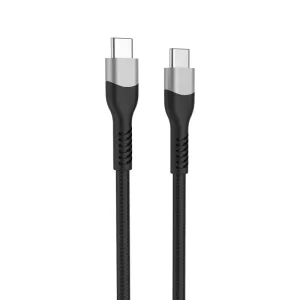
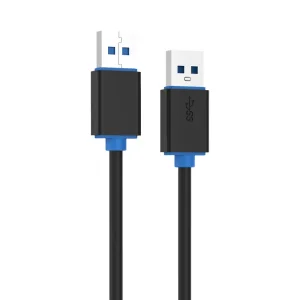
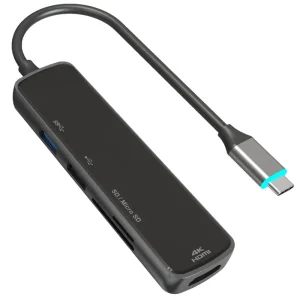
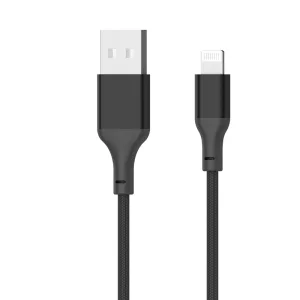
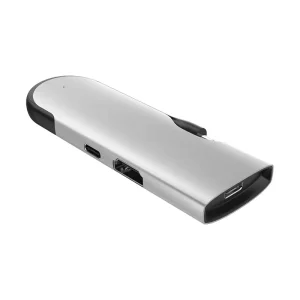
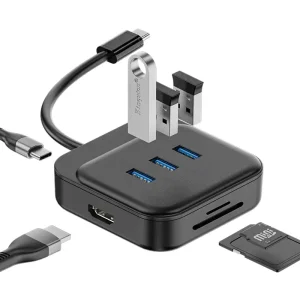
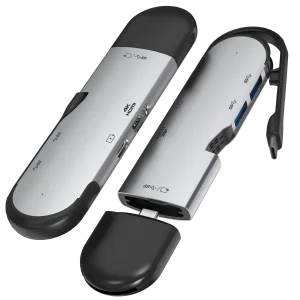
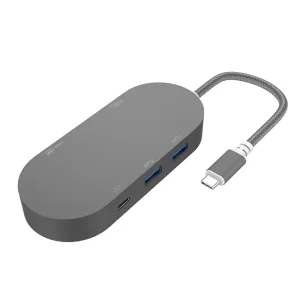
Our modern product line includes HDMI 2.1 cables, DP 2.0 cables, USB4 high-speed lines, USB-C 3.1 Gen 2 data cables, high-power USB charging cords, 8K HD adapter cables, and multifunctional Type-C docking stations.
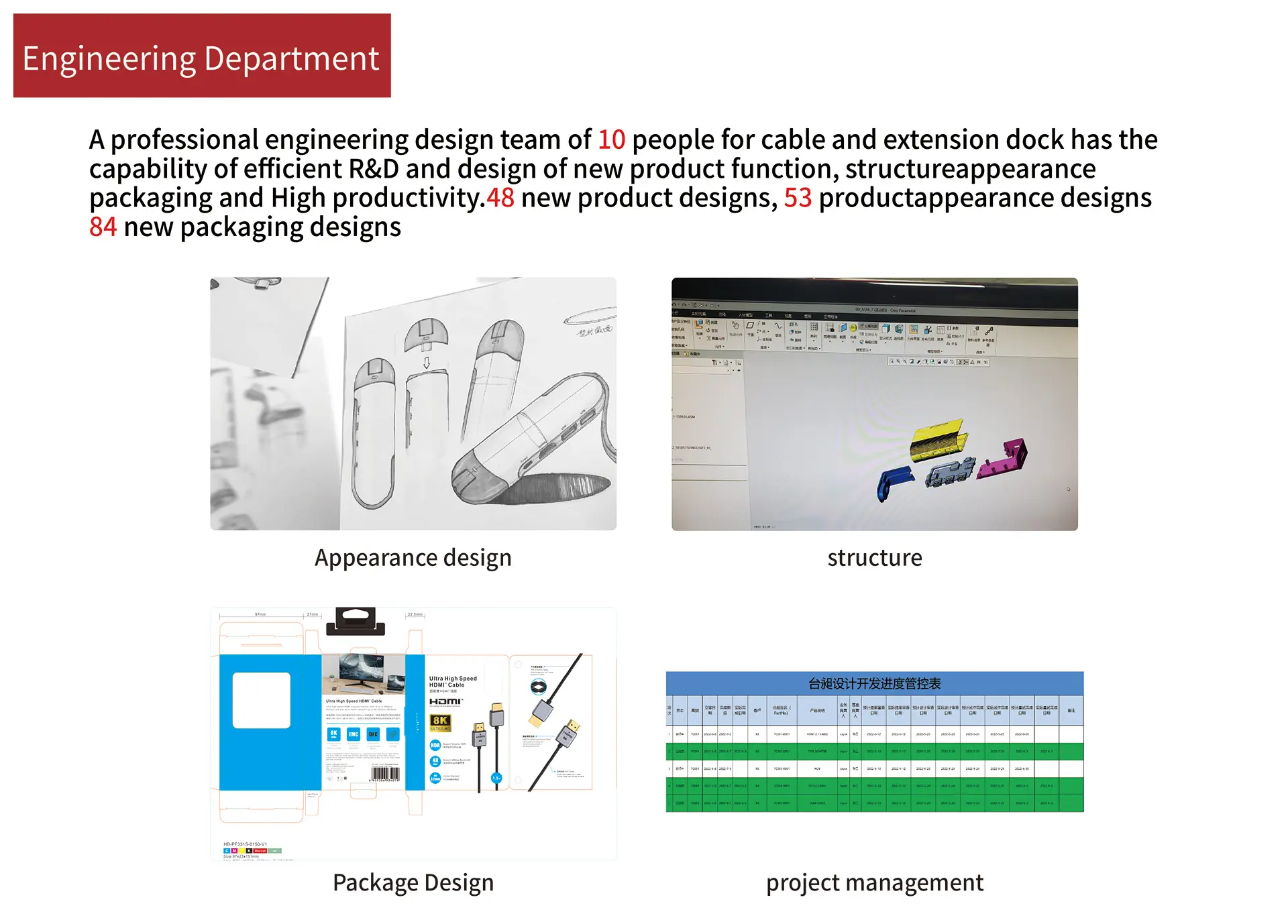
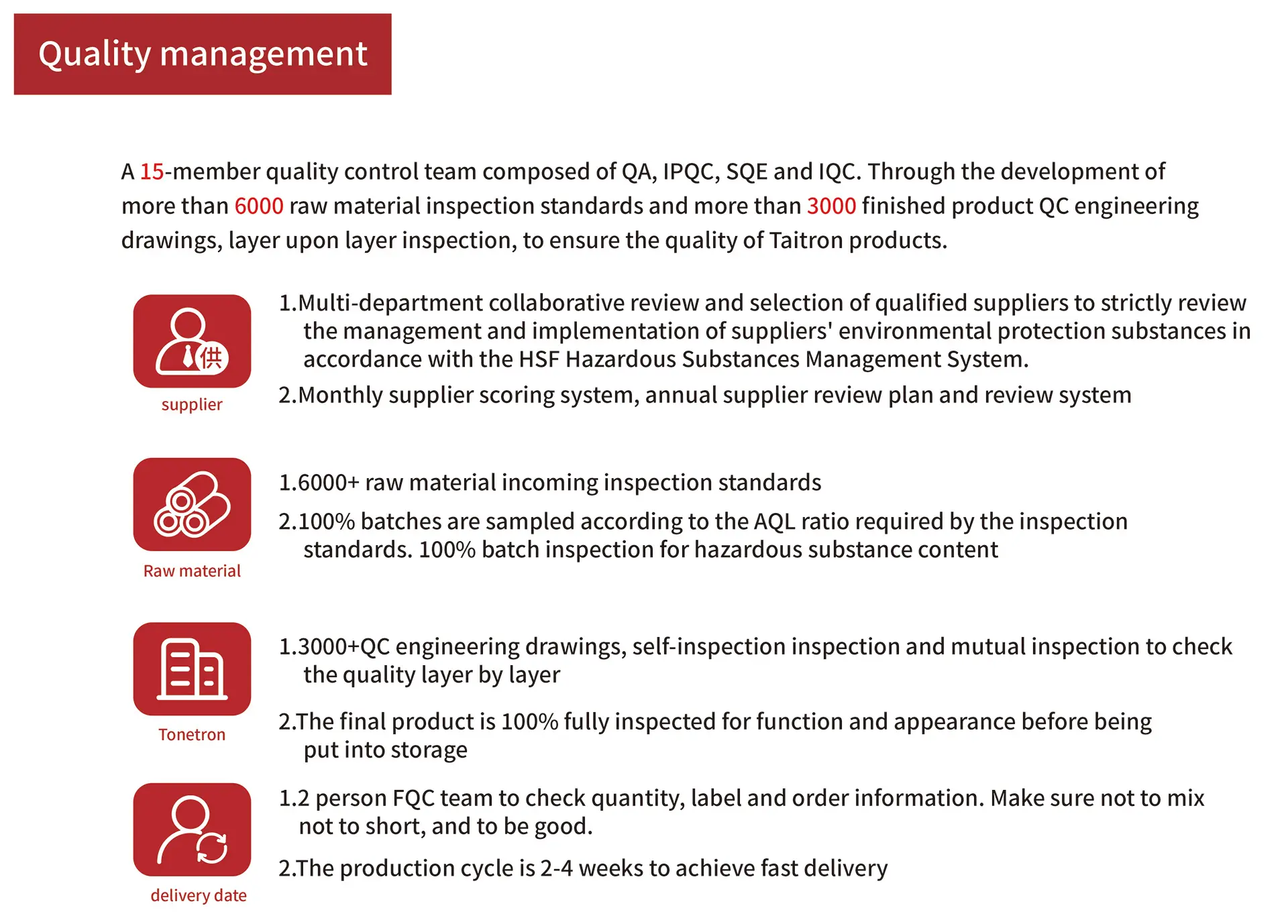
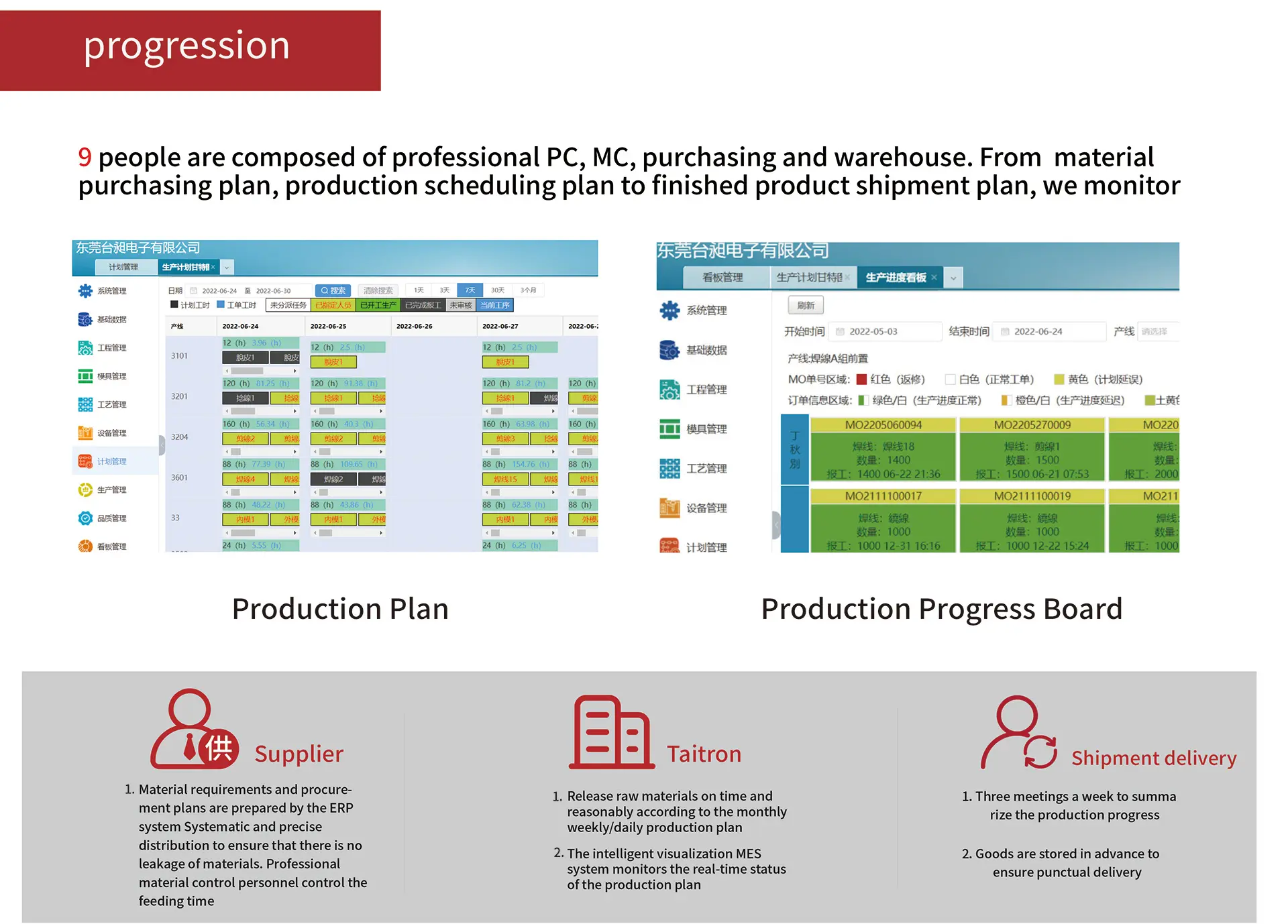
Operating from our modern production facility in Dongguan, our teams manage the entire manufacturing cycle. This comprehensive setup includes design, prototyping, plastic extrusion, connector assembly, automated soldering, and strict testing. By controlling every stage of production, we ensure our products meet international standards such as CE, FCC, RoHS, and REACH.

Global procurement teams often choose Chinese manufacturers for fiber optic cables because of the country's integrated supply chain ecosystem. Unlike isolated factories, manufacturers in manufacturing hubs like Dongguan operate within a comprehensive industrial cluster. The local supply chain provides instant access to raw glass preforms, active silicon chips, precision connector shells, and advanced packaging options. This close proximity reduces transport times and lowers the cost of sourcing components.
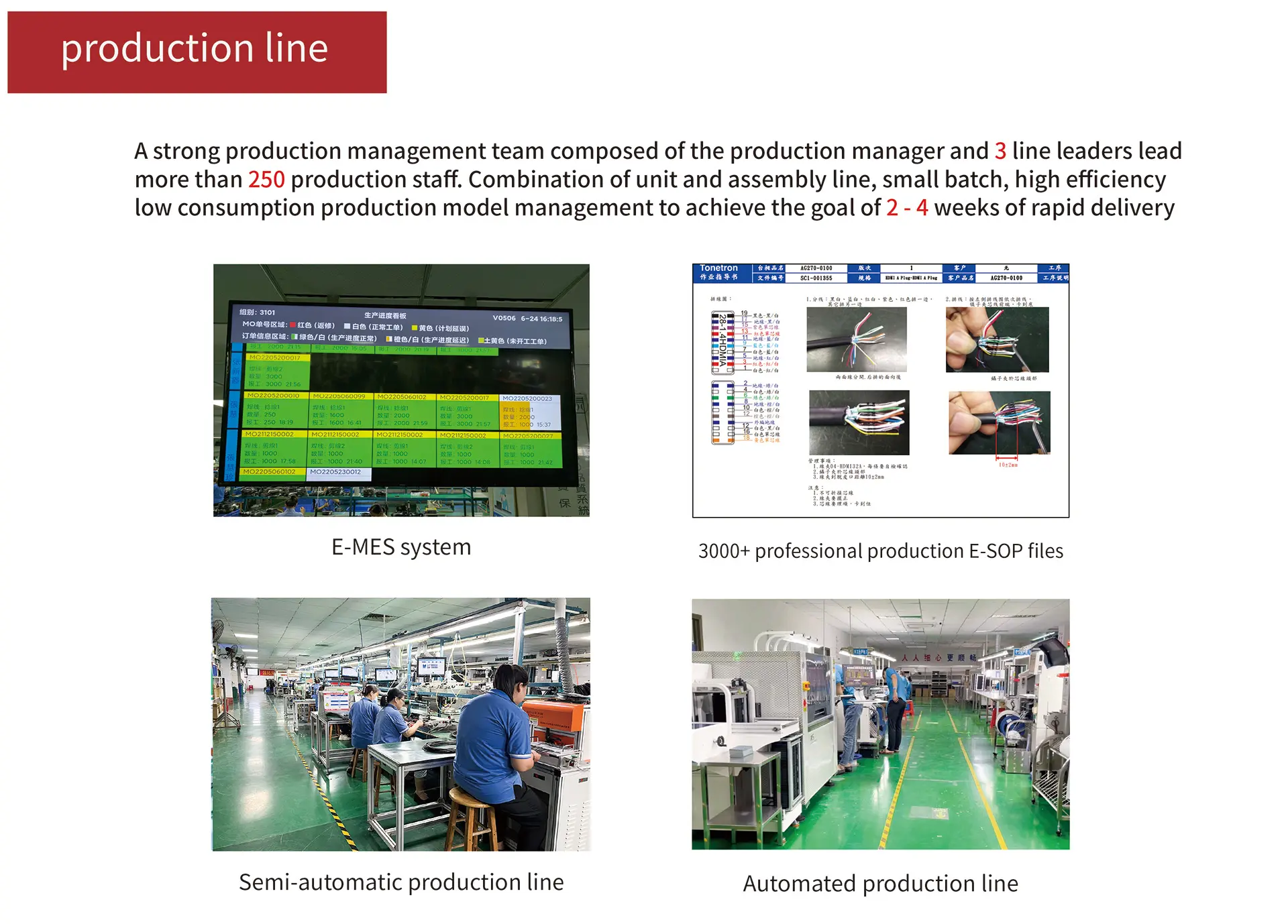
Additionally, modern Chinese factories have transitioned from manual labor to automated, high-precision manufacturing. High-speed SMT machines, automated laser welding, and robotic optical positioning tools assemble components with sub-micron precision. This automation increases output while maintaining consistent quality. As a result, global brands receive reliable, high-performance cables at competitive prices.
When selecting an ODM manufacturer for Active Optical Cables, purchasing managers should verify these key technical specifications:
Where high-bandwidth physical connections are heading in the next five years.
While 8K displays are still entering the mainstream market, professional industries are already planning for 10K and 16K systems. The HDMI 2.1 standard uses Display Stream Compression (DSC 1.2a) to support resolutions above 8K. Modern ODM manufacturing lines must prepare for these higher formats by optimizing their optoelectronic conversion circuits for clear, uncompressed signal delivery.
Installing cables through narrow walls, conduits, and office furniture can be difficult because HDMI heads are relatively large. To address this, manufacturers are designing hybrid cables with detachable heads. These designs allow installers to pull a small Micro-HDMI or USB-C connector through tight spaces before attaching the full-sized HDMI head.
Environmental standards like RoHS and REACH are becoming stricter worldwide. As a result, manufacturers are shifting toward eco-friendly materials. Modern ODM factories are replacing traditional PVC outer jackets with halogen-free, recyclable Thermoplastic Elastomers (TPE) and Low-Smoke Zero-Halogen (LSZH) compounds.
Clear, direct answers to common technical and commercial questions from B2B buyers and system integrators.
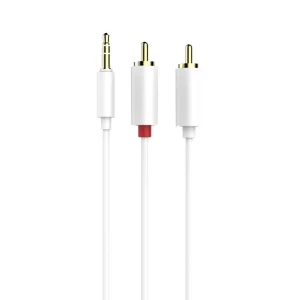
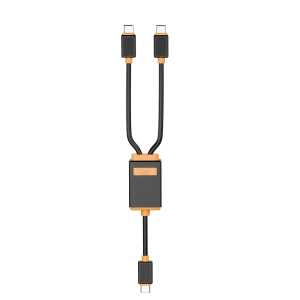
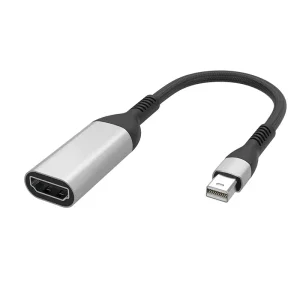
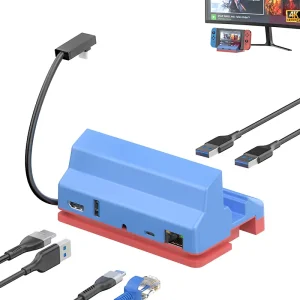
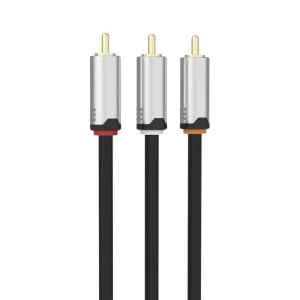
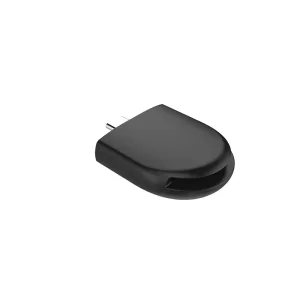
Explore our additional professional interconnect solutions designed for modern commercial, office, and entertainment setups.
 Taichang Electronic