Browse our certified technical components engineered for maximum signal integrity, power transmission efficiency, and long-cycle reliability.
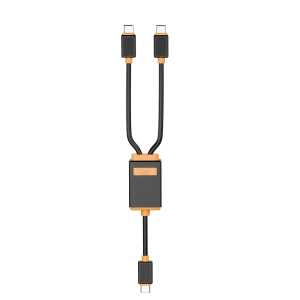
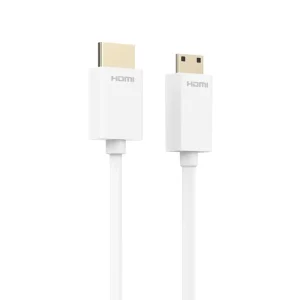
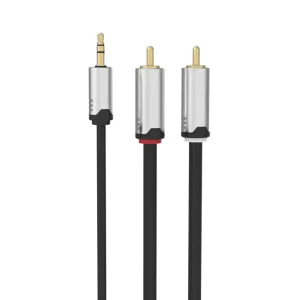
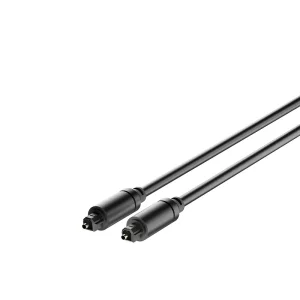
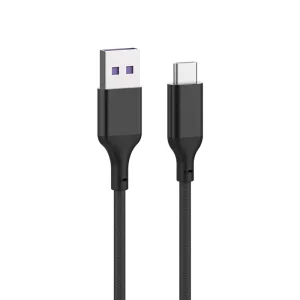
As industrial automation, modern data centers, and advanced consumer electronics scale up, the demands placed upon hardware interface protocols have hit unprecedented levels. USB 3.1, coupled with the classic, robust USB Type-A configuration, serves as a vital bridge between legacy systems and high-speed modern communication infrastructure. While newer, smaller configurations like Type-C command consumer focus, the engineering and operational realities of legacy enterprise infrastructure make USB-A ports a mainstay in heavy equipment, rugged industrial computing, and commercial vehicle installations.
From an OEM/ODM manufacturing perspective, sourcing reliable USB 3.1 architectures using a legacy USB-A physical layer requires a deep understanding of physical signal lines, crosstalk profiles, and EMI shielding. USB 3.1 (categorized as USB 3.1 Gen 1 at 5 Gbps, and Gen 2 at 10 Gbps) features specific architectural requirements, including additional differential line pairs for SuperSpeed data paths. By working with dedicated designers, enterprises ensure that their device interfaces meet rigorous testing tolerances without signal attenuation issues.
Delivering up to 10 Gbps via Gen 2 specs. Perfect for real-time high-definition camera feeds and machine vision applications.
Ensures flawless operation with USB 2.0 and USB 3.0 standards, securing investment life cycles of critical hardware installations.
Utilizes multi-layer braided shielding and high-density aluminum foil to isolate external high-frequency RF interference.
Engineers must optimize physical layers to maintain signal consistency across varied operating conditions. Here is a definitive technical comparison detailing performance vectors across protocols:
| Protocol Specification | Maximum Transfer Rate | Physical Pins Required | Encoding Scheme | Standard Cable Length Limits | Primary Industrial Use-Case |
|---|---|---|---|---|---|
| USB 3.0 | 5.0 Gbps | 9 Pin (Type A) | 8b/10b | Up to 3.0 Meters | Industrial Control Boards, HMIs |
| USB 3.1 Gen 1 | 5.0 Gbps (SuperSpeed) | 9 Pin (Type A) / Type C | 8b/10b | Up to 3.0 Meters | Medical Scanners, Basic Storage Arrays |
| USB 3.1 Gen 2 | 10.0 Gbps (SuperSpeed+) | 9 Pin (Type A) / Type C | 128b/132b | Up to 1.0 Meter | Machine Vision, High-Speed RAID Arrays |
| USB4 (Reference) | Up to 40.0 Gbps | Type C Only | Multi-level (PAM3) | 0.8 Meters | Next-gen Edge Compute Networks |
Under the USB 3.1 standards, maintaining signal integrity over copper wire becomes more challenging as speeds approach 10 Gbps. As the signaling frequency increases, insertion loss, return loss, and crosstalk scale non-linearly. To maintain the necessary signal-to-noise ratio (SNR), ODM manufacturers utilize specialized coaxial or high-performance twisted-pair wiring wrapped with Mylar shield foils. This protects the differential signaling channels (SSTX+/- and SSRX+/-) from electromagnetic interference (EMI) typical in factory environments.
Different markets present distinct engineering challenges, requiring tailored physical and technical solutions. Partnering with a flexible ODM provider allows businesses to customize physical dimensions, shell materials, raw wire AWG configurations, and certification requirements for specific end-use environments.
Automotive dash consoles and diagnostics platforms require rugged, lockable USB Type-A connectors. Custom overmolding prevents connection failures caused by engine vibration, while thermal-resistant jackets protect cables near engine bays.
Medical imaging systems, including ultrasound units and patient monitoring networks, depend on low-leakage, medical-grade shielded assemblies. High-speed USB 3.1 data transmission enables real-time high-resolution image rendering without interference.
Robotic arms, machine vision inspection arrays, and PLC lines rely on durable cabling designed to withstand repeated flexing. Heavy-duty TPU shielding protects against cuts, oil exposure, and extreme temperatures.
Taitron Electronics works closely with global engineering clients to design and deliver bespoke cabling components. With custom length optimization, impedance matching, and dynamic pin-out configurations, our engineering team ensures that your finished product integrates smoothly and functions reliably.
In 1984, Dongguan Taitron Electronics Limited, formerly known as Tonetron, was founded in Keelung, Taiwan. In 1993, to accommodate growing production demands, the business moved to a self-built independent production industrial park in Dalingshan Town, Dongguan City, China, and formally changed its name to Dongguan Taitron Electronics Limited.
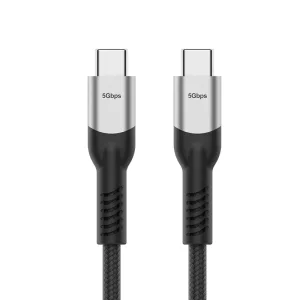
Over the last 38 years, our engineering team has built a strong foundation in professional video and audio peripheral equipment connection line manufacturing. We have gradually expanded our capabilities into high-end audio and video cables, data cables, and expansion docks. Today, our advanced product lines include HDMI 2.1 cables, DP 2.0 cables, USB4 data cables, USB-C 3.1 Gen 2 data cables, high-power USB charging cables, 8K HD conversion cables, and multi-functional Type-C docking stations.
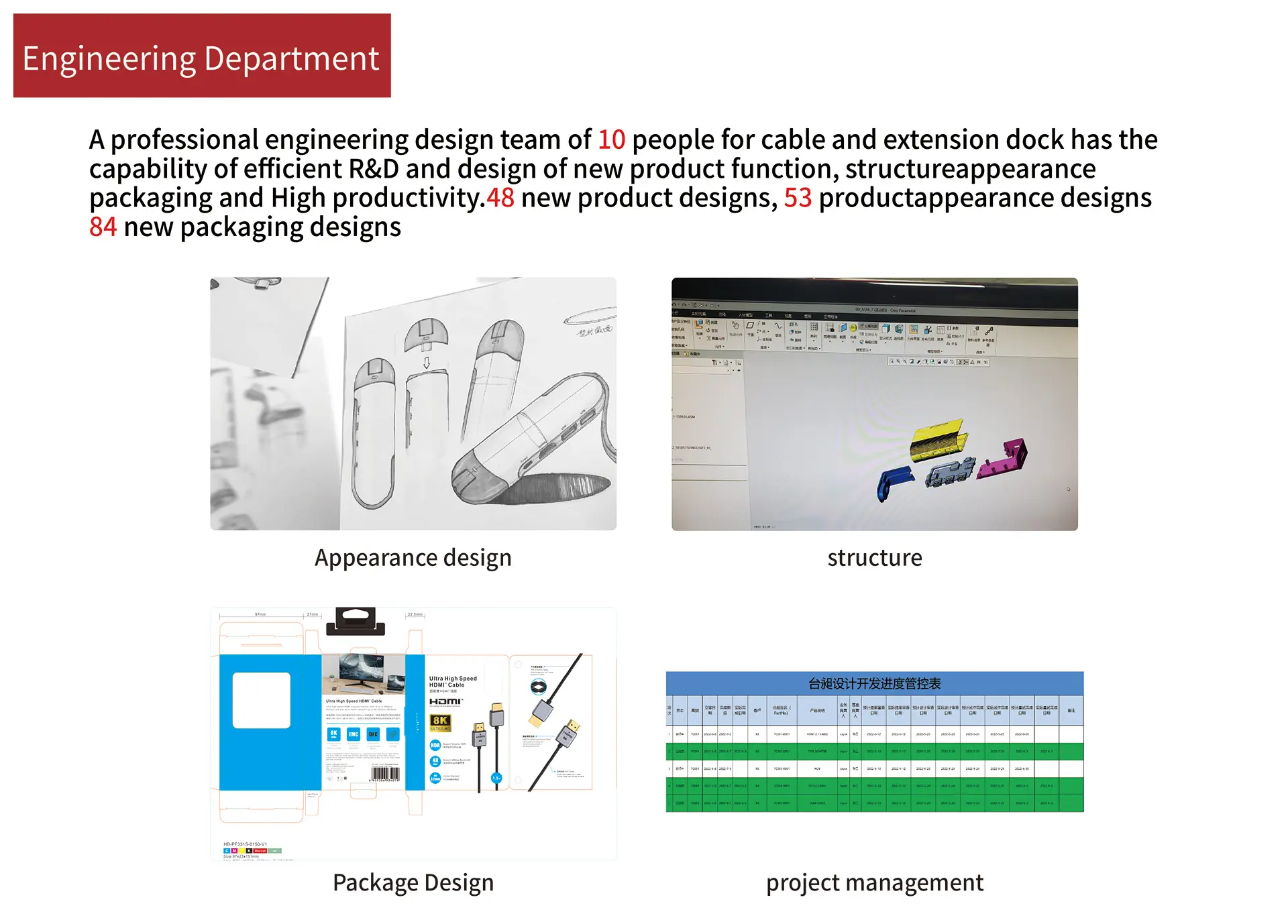
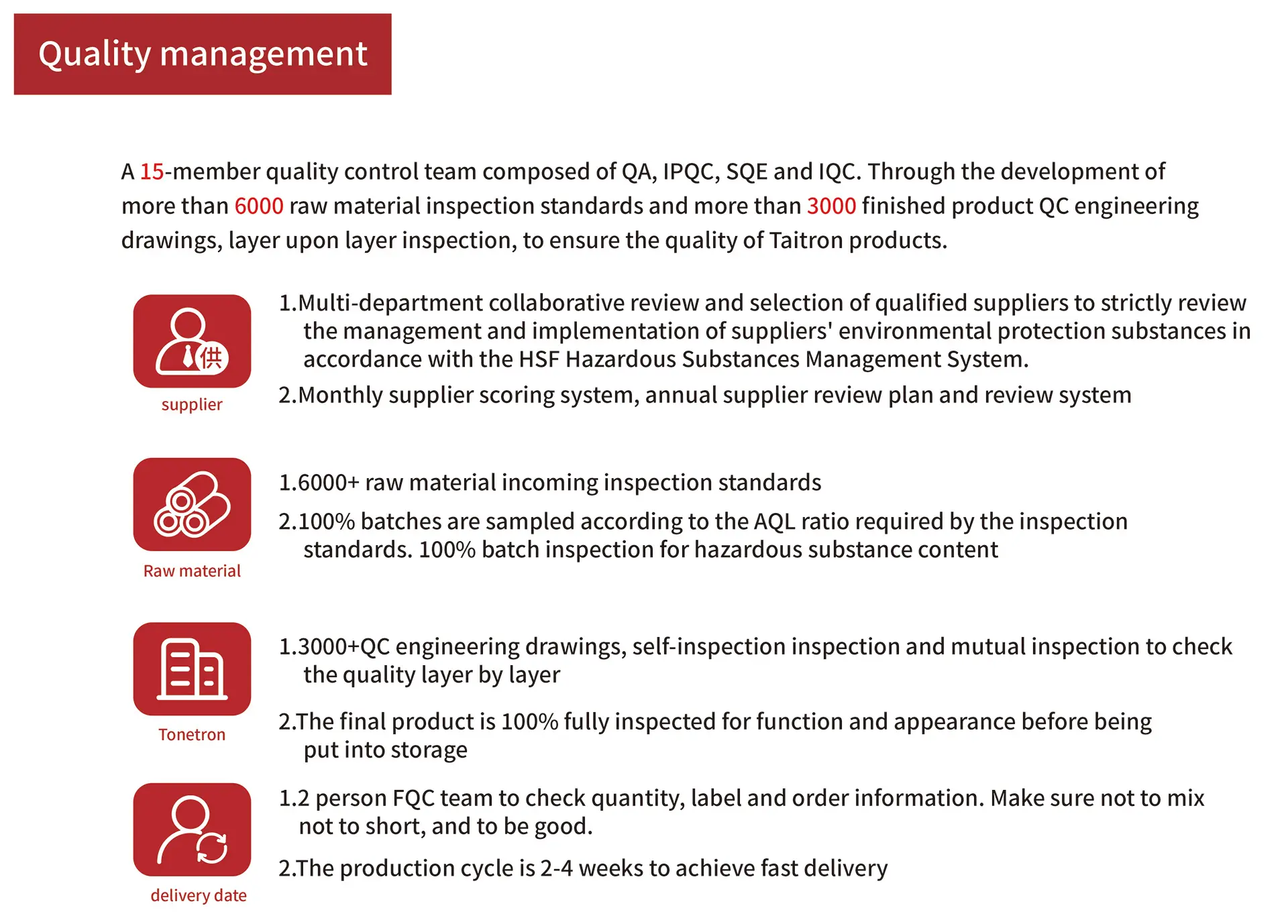
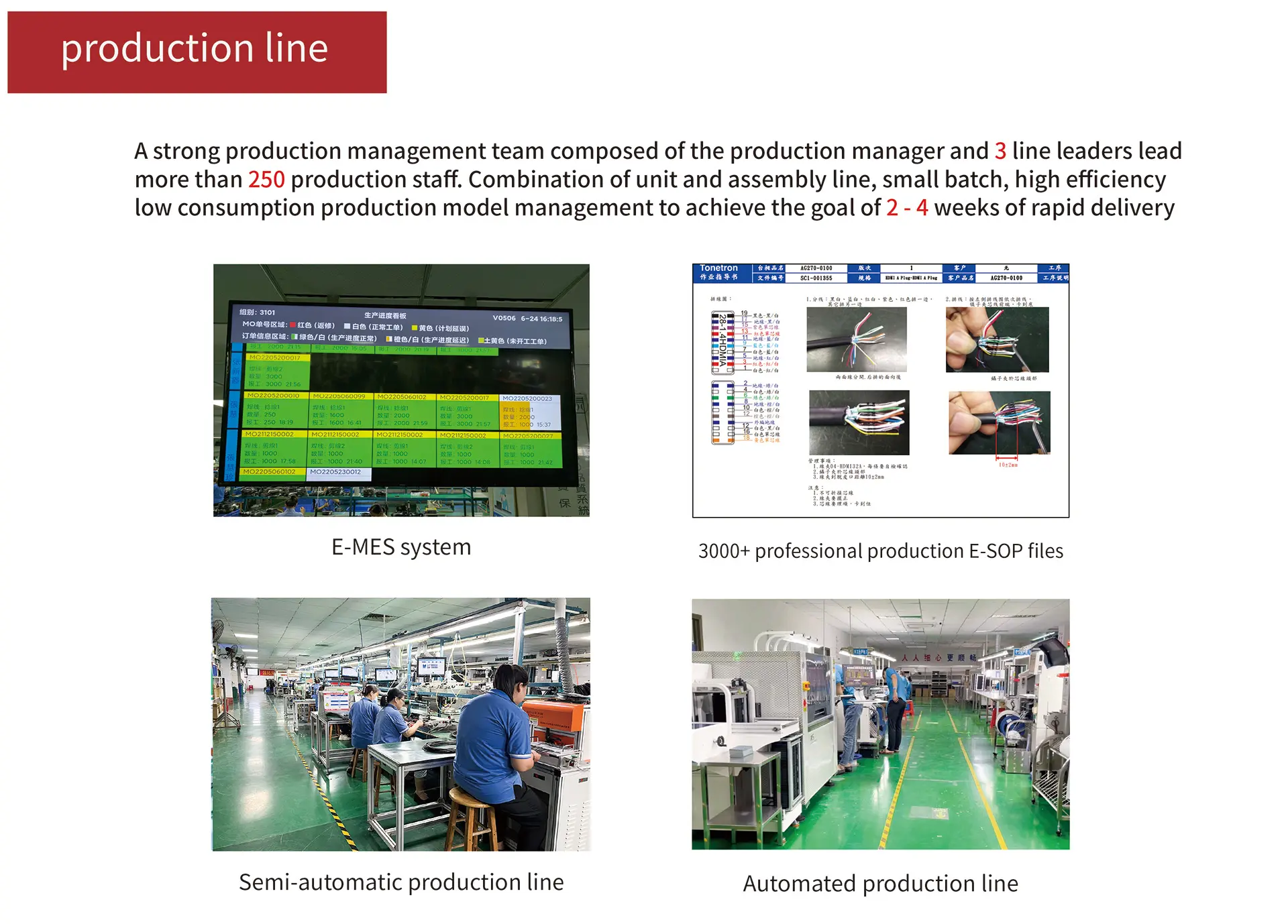
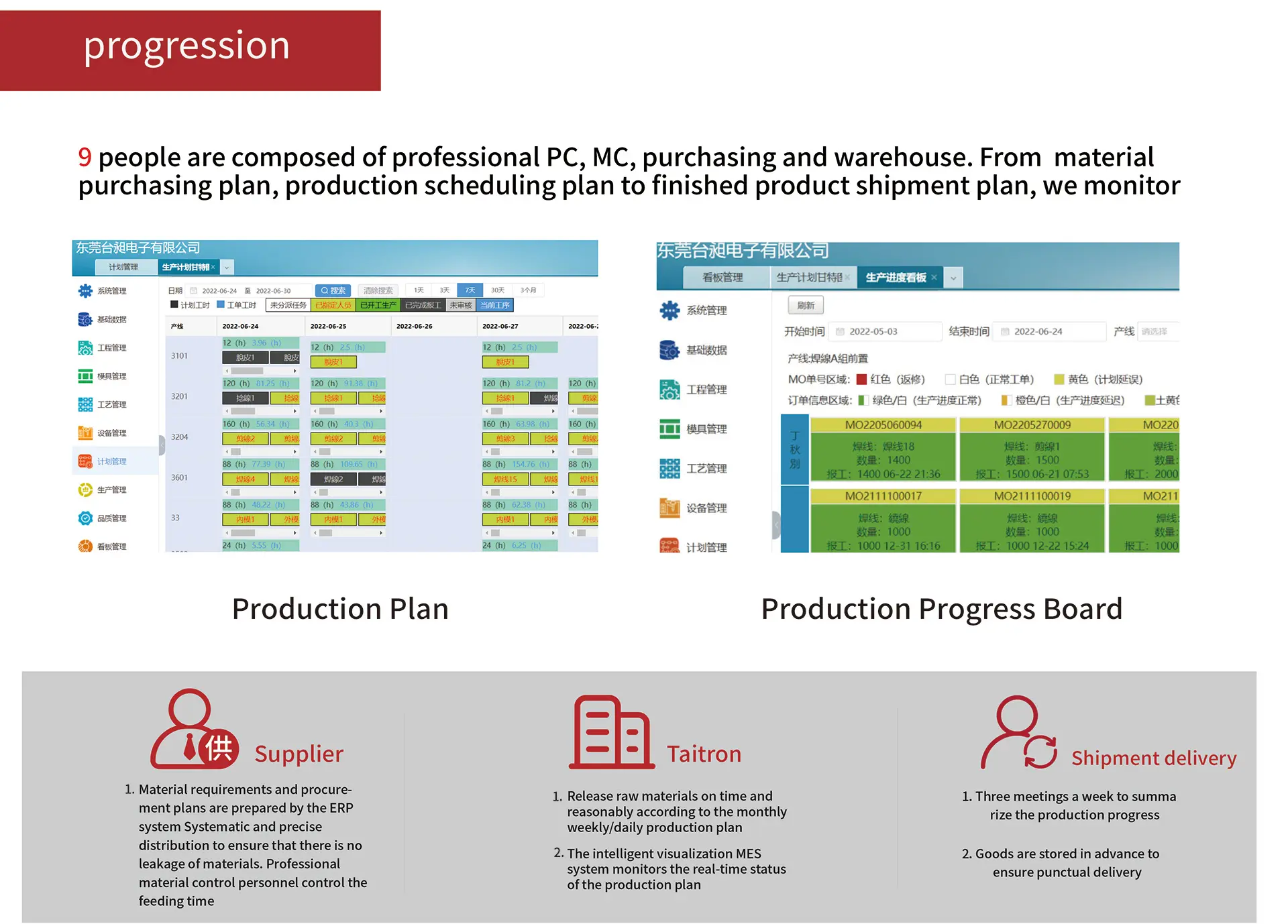
Our facility features modern assembly infrastructure, advanced electrical testing laboratories, and a dedicated team of engineers focused on high-frequency signal design. This combination of experience, capacity, and technical expertise allows us to provide end-to-end ODM/OEM support for demanding commercial projects worldwide.

As interface technology moves from USB 3.1 toward USB4 and next-generation PCIe-tunneling protocols, hardware designs must adapt. Although USB-A remains popular for its mechanical durability and widespread adoption in legacy hardware, the industry is increasingly moving toward USB Type-C physical connectors. This transition is driven by two main factors: the need for higher bandwidth and the demand for increased power delivery.
Taitron's engineering roadmap focuses on developing high-performance hybrid solutions. We design adapters, hubs, and breakout cables that combine the mechanical durability of legacy USB-A with the speed and power-delivery capabilities of USB-C. This approach allows legacy host systems to connect to newer peripherals, and newer hosts to support legacy devices. Additionally, our ongoing work with active signal redrivers helps extend cable lengths, allowing high-speed data transmission over distances that would normally cause signal degradation.
Find answers to common questions about technical specifications, ODM customizations, and manufacturing standards for high-speed USB assemblies.
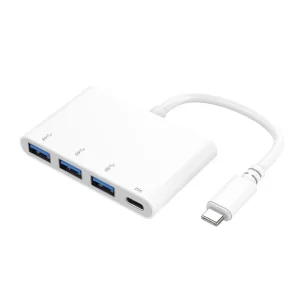
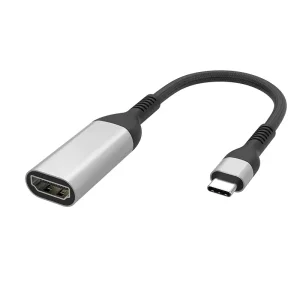
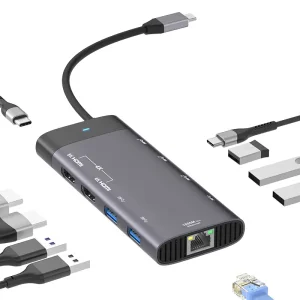
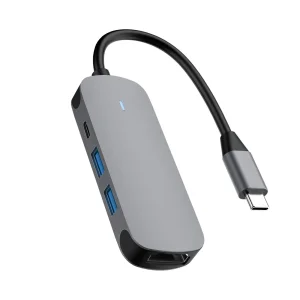
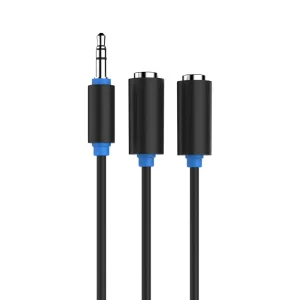
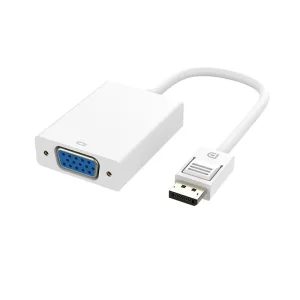
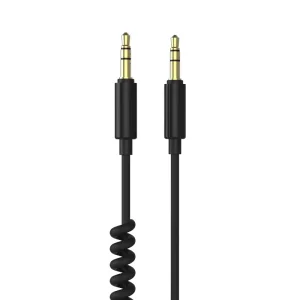
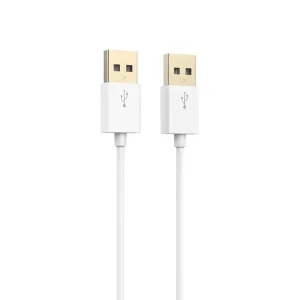
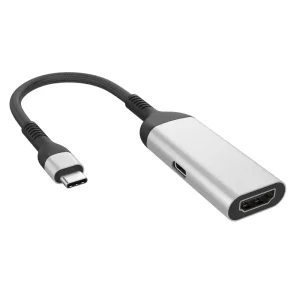
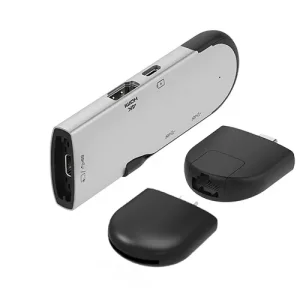
Explore more of our cabling solutions, including adapters, digital audio cables, and multi-functional expansion hubs designed to support diverse hardware integration needs.
 Taichang Electronic