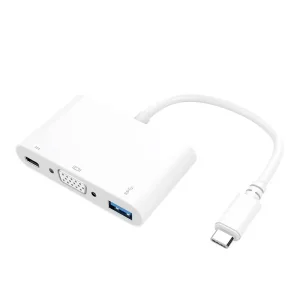
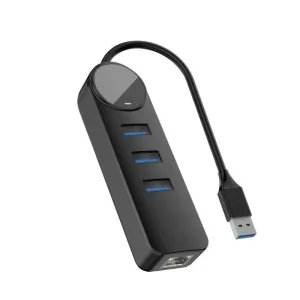
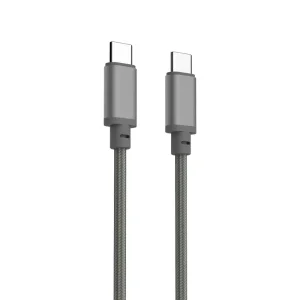
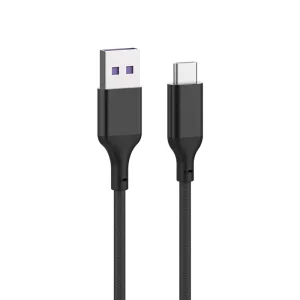
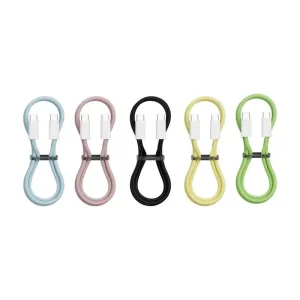
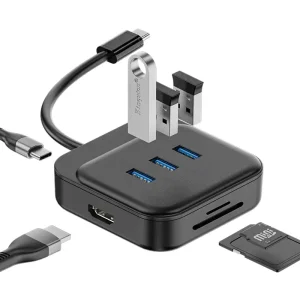
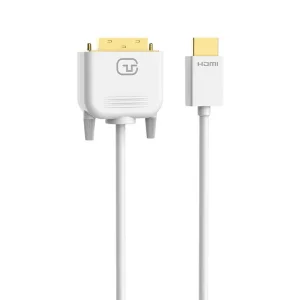
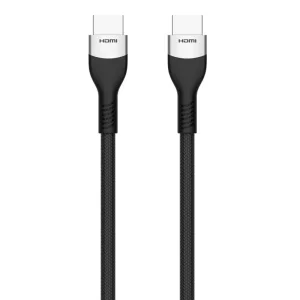
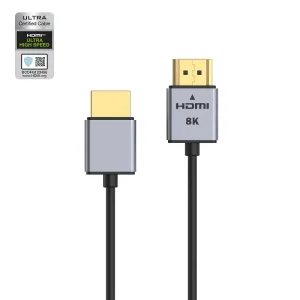
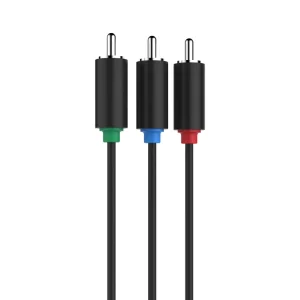
High-fidelity active conversion adapters, high-speed data cables, and docking stations optimized for corporate environments.
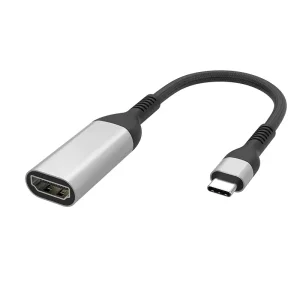
In modern enterprise environments, AV signals undergo a transition from traditional source architectures to integrated, multi-protocol solutions. The USB C to HDMI A 4K/60Hz cable is a critical link in this transition, connecting DisplayPort Alternate Mode (DP Alt Mode) protocols in modern laptops to HDMI 2.0 digital displays.
Unlike basic adapter dongles that introduce potential latency and failure points, an integrated ODM cable features a built-in active conversion chipset. This chip continuously converts differential packet-based DP signals to Transition Minimized Differential Signaling (TMDS) HDMI formats. This ensures reliable 18 Gbps bandwidth transmission without dropped frames, flickering, or handshake sync issues.
For custom ODM projects, understanding physical layout performance is essential for long-term stability:
Analysis of international logistics demand, lifecycle requirements, and quality controls for high-speed AV solutions.
Modern workplaces are shifting to thin laptops that lack HDMI and Ethernet ports. Corporate IT procurement relies on USB-C to HDMI adapters and multi-interface hubs to support conference rooms, desk setups, and shared spaces. Standardizing on 4K/60Hz prevents visual strain and compatibility issues for employees.
Schools and universities are installing 4K display panels and interactive projectors in classrooms. To handle the daily physical stress of classrooms, procurement teams need thick shielding, heavy-duty strain relief jackets (such as double-braided nylon), and gold-plated connectors that resist corrosion and wear.
Commercial displays require constant, uninterrupted operation. B2B importers look for active chipsets that manage EDID handshake signals continuously. This prevents black screens when displays switch inputs, reboot, or cycle power during off-hours.
How our connection systems support complex display, medical, and control room environments.
In medical imaging, precise visual detail is essential. High-resolution screens require stable color reproduction and zero interference. Taitron’s USB-C to HDMI conversion systems feature multi-layered aluminum-mylar shielding and copper braids. This design isolates data pathways from high-frequency medical equipment, preventing signal interference and maintaining image clarity.
Control rooms monitor real-time data feeds, transport hubs, and manufacturing lines 24/7. System downtime is not an option. Our active USB-C to HDMI adapters are built with advanced thermal management systems to handle continuous use. By dissipating heat away from the conversion chipset, they avoid thermal degradation and ensure long-term, stable performance.
Dongguan Taitron Electronics Limited (formerly Tonetron) – Over Three Decades of Engineering Excellence.
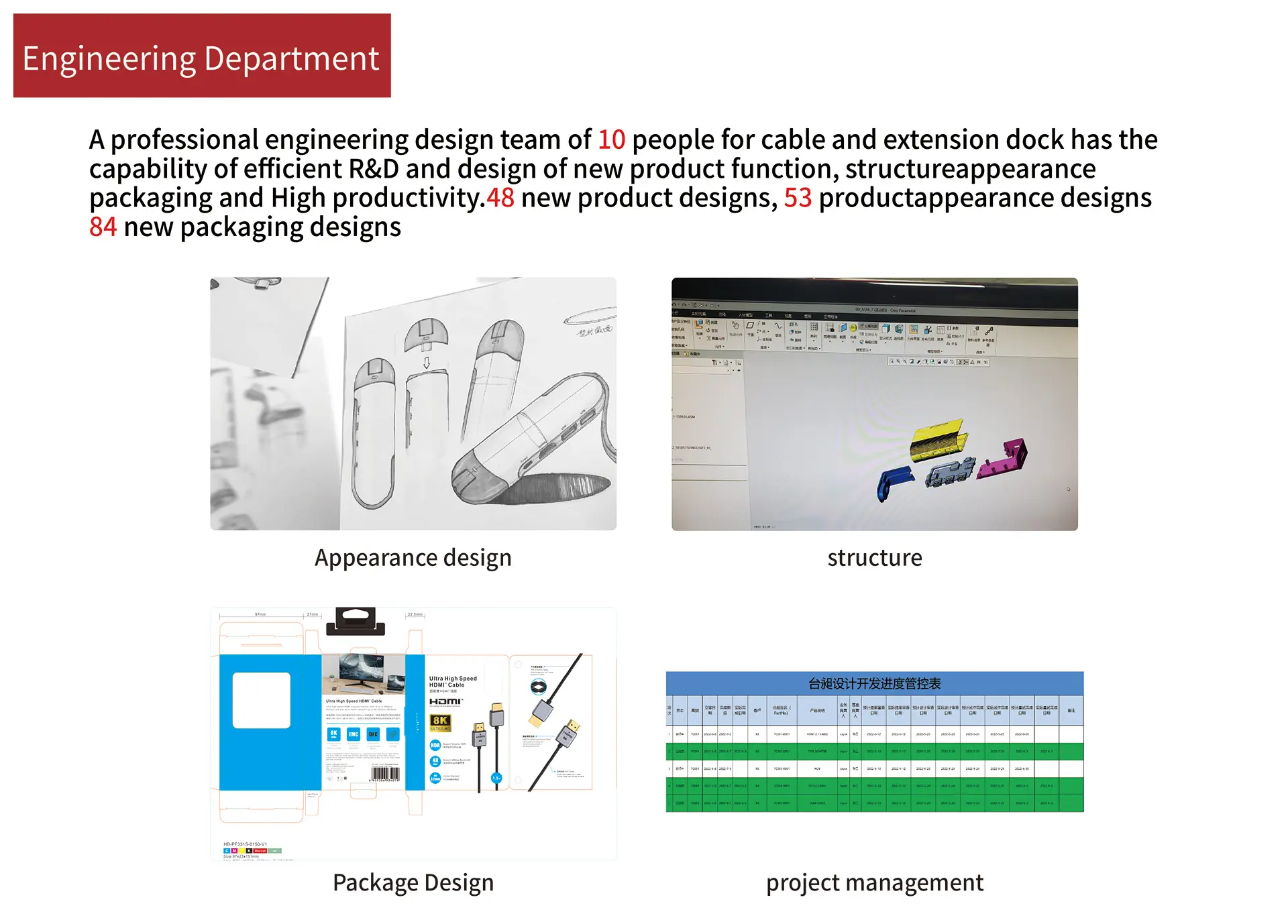
In 1984, Dongguan Taitron Electronics Limited., formerly known as Tonetron, was founded in Keelung, Taiwan. In 1993, it moved to the self-built independent production industrial park in Dalingshan Town, Dongguan City, China, and changed its name to Dongguan Taitron Electronics Limited.
With 38 years of experience, we have established a strong foundation in manufacturing professional video and audio peripheral equipment connection lines. Over time, we have expanded our capabilities into high-end audio and video cable and data cable production. Our product lineup includes HDMI 2.1 cables, DP 2.0 cables, USB4 data cables, USB-C 3.1 Gen2 data cables, high-power USB charging cables, 8K HD conversion cables, and multi-functional Type-C expansion docks.

Detailed physical and electrical parameters for design considerations and comparative evaluation.
| Feature Parameter | Standard Core (4K/30Hz) | High-Spec Core (4K/60Hz) | Next-Gen Pro Core (8K/60Hz - 4K/120Hz) |
|---|---|---|---|
| Supported Bandwidth | 10.2 Gbps | 18.0 Gbps | 48.0 Gbps (FRL Mode) |
| Interface Standard | DP 1.1 / HDMI 1.4 | DP 1.2 / HDMI 2.0 | DP 1.4 or USB4 / HDMI 2.1 |
| Chroma Coding | YCbCr 4:2:0 | YCbCr 4:4:4 / RGB 8-bit | YCbCr 4:4:4 / RGB 10-bit Deep Color |
| Typical Shielding | Double Shield (Foil + Braid) | Triple Shield (Al-Mylar + Core Shield + Braid) | High-Density Shielding with Metal Housing |
| Typical Chipsets | Passive Level Shifter | Active Converters (Parade / Realtek) | High-Speed Protocol Translators |
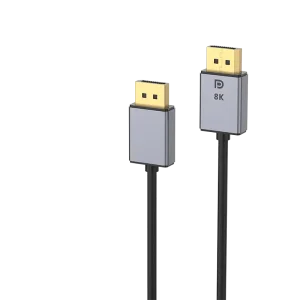
As display resolutions move to 8K and refresh rates reach 144Hz for VR and high-end gaming, traditional copper wiring faces physical limitations due to signal attenuation. Taitron's research team is developing active optical cables (AOC) that integrate optical engines inside the connector shell. These cables convert electrical signals to light pulses, enabling long-distance, high-bandwidth transmissions without signal loss or EMI issues.
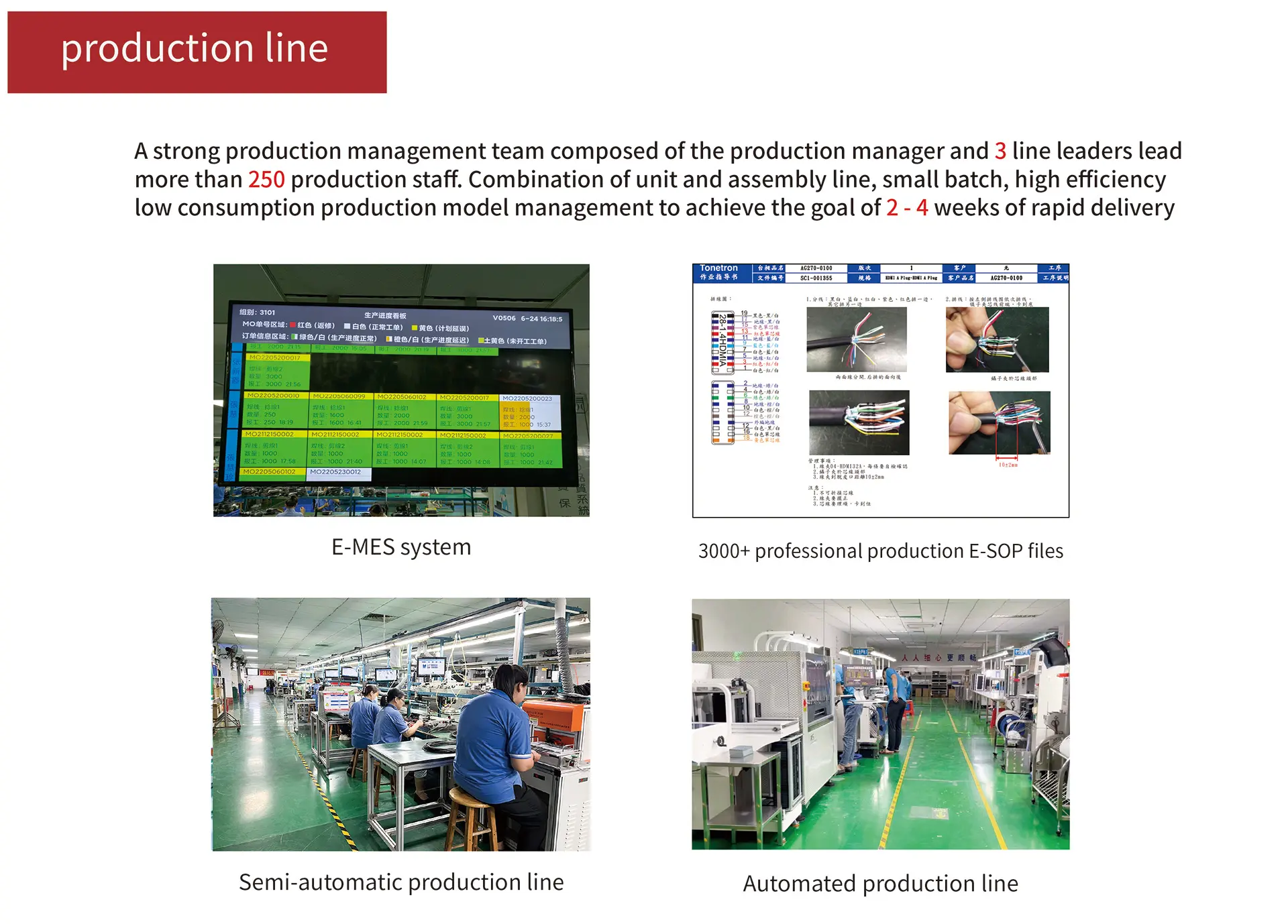
When designing custom AV cables, managing signal attenuation and power delivery are common challenges. Simply adapting pins is not enough. The cable must draw power from the USB-C source to run the internal converter chip while maintaining stable signal transmission. Taitron resolves these issues using high-efficiency power management chips, premium 34AWG to 28AWG coaxial wires, and strict automated soldering processes.
Compliance is critical when exporting to highly regulated global markets.
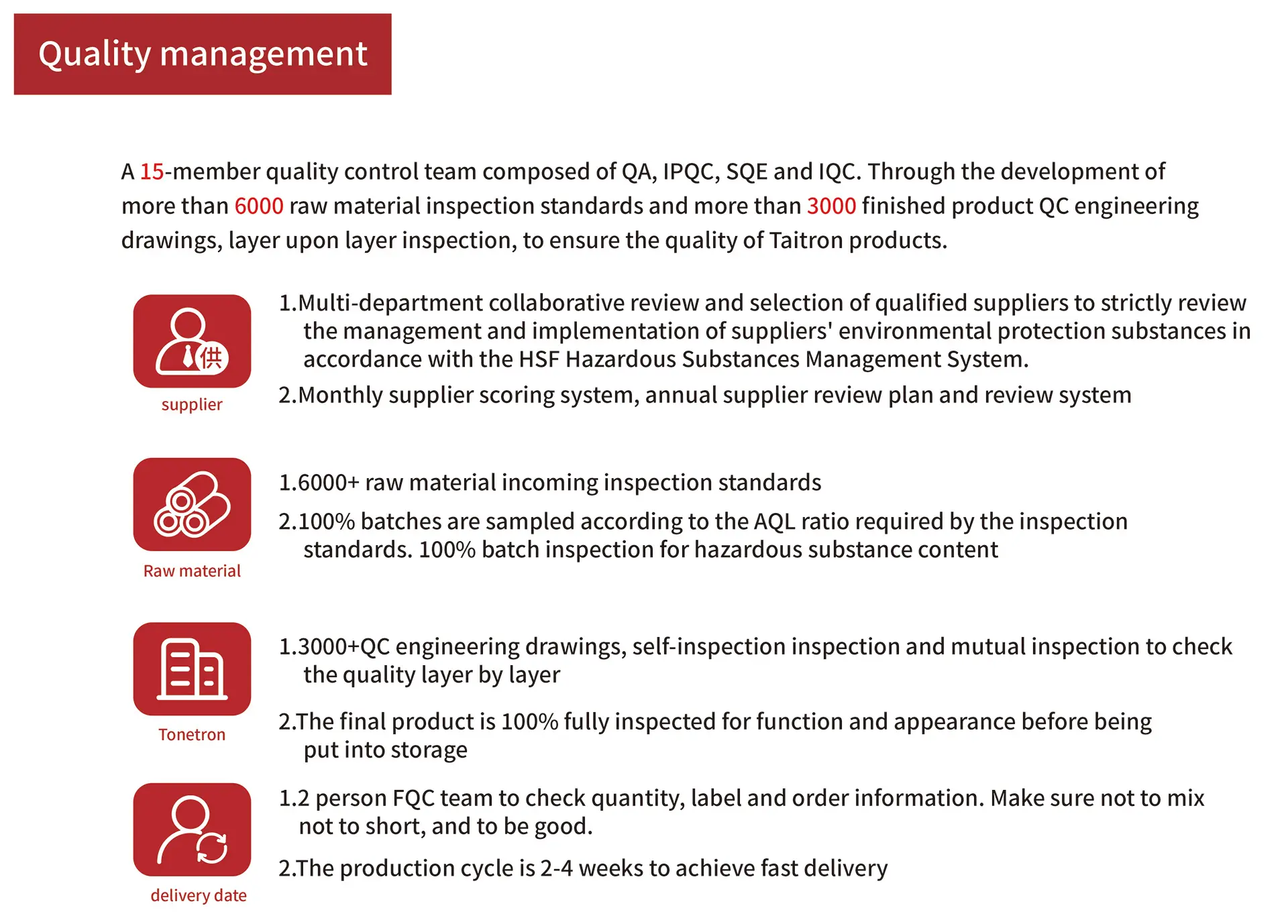
Every cable run is compliant with international environmental directives. We strictly monitor materials to ensure they meet RoHS, REACH, and California Proposition 65 limits on heavy metals and hazardous chemicals.
Active conversion cables generate high-frequency signals that can create RF interference. Our structural designs pass FCC Part 15 and CE EMC testing, ensuring they do not disrupt nearby wireless equipment or network signals.
We work within the legal frameworks of HDMI Licensing Administrator and the USB Implementers Forum (USB-IF). Using certified, compliant hardware protects our clients from customs holds and intellectual property disputes.
Answers to common technical, logistics, and engineering questions for importers and distributors.
Premium high-speed HDMI, DisplayPort, RGB, and audio cables engineered for professional applications.
 Taichang Electronic