Explore our high-performance line of adapters, digital transmission cables, and high-frequency interconnect hardware designed to exceed compliance certifications.
An engineering-level blueprint for high-frequency video transmission, EMI shielding, and global procurement strategies.
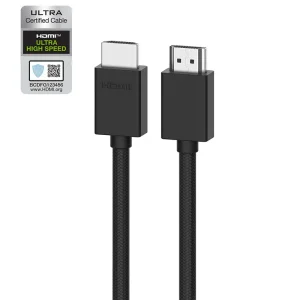
In modern ultra-high-definition audio-visual systems, the 4K Kabel HDMI (High-Definition Multimedia Interface) serves as a critical foundation for digital signal integrity. As displays transition to higher refresh rates (4K@60Hz, 4K@120Hz) and advanced color depth matrices (such as HDR10, Dolby Vision, and 4:4:4 Chroma subsampling), standard cabling architectures fail. The physics of signal propagation at these frequencies demand exceptional attention to characteristic impedance matching, raw conductor purity, and geometric uniformity during production.
For international sourcing directors and hardware engineers, locating an experienced OEM/ODM partner is more than a commercial decision—it is a technical safeguard against attenuation, packet loss, and electro-magnetic compatibility (EMC) failures in consumer, automotive, and industrial products. Signal deterioration due to suboptimal dielectrics or improper shielding can disrupt entire product rollouts. This document addresses the core variables of high-speed HDMI manufacturing, comparing structural copper properties, manufacturing standards, and localized deployment models worldwide.
Understanding bandwidth scaling is vital for hardware procurement. HDMI 2.0 specifications established a 18Gbps ceiling to accommodate 4K video streams at 60 frames per second using TMDS (Transition Minimized Differential Signaling) encoding. However, as medical displays, immersive simulation environments, and next-generation consoles push frame rates to 4K@120Hz or raw resolution targets to 8K@60Hz, the system bandwidth requirement jumps to 48Gbps. This requires a transition to FRL (Fixed Rate Link) technology.
Our manufacturing facility supports the full spectrum of high-speed standards. We construct specialized cables utilizing ultra-precise twisted pair configurations, low-density polyethylene (LDPE) skin-foam-skin insulation, and robust triple-layer shielding. This design minimizes intra-pair and inter-pair skew—the primary cause of pixelation and black-screen dropouts in long-distance runs.
A heritage rooted in precision electronics manufacturing since 1984, adapting to high-frequency and multi-gigabit data demands.
Established in 1984 in Keelung, Taiwan under the name Tonetron, our enterprise laid its foundations during the early rise of microcomputer and audio-visual technologies. In 1993, responding to global demand and the necessity for integrated, high-capacity production facilities, the company relocated to a self-built industrial manufacturing park in Dalingshan Town, Dongguan City, Guangdong Province, China. Here, we officially established Dongguan Taitron Electronics Limited.
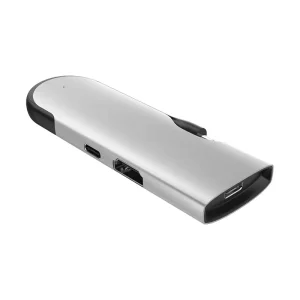
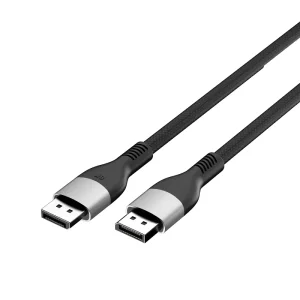
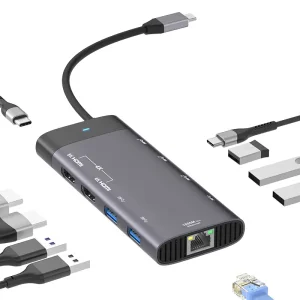
For over 38 years, our core focus has remained centered on the engineering and manufacturing of professional-grade audio and video peripheral connection lines. We have systematically transitioned our infrastructure from analog cable assemblies to multi-gigabit digital transmission lines, including HDMI 2.1 cables, DP 2.0 cables, USB4 data channels, USB-C 3.1 Gen2 interfaces, high-power PD charging cables, 8K ultra-HD conversion elements, and multi-functional Type-C docking hubs.
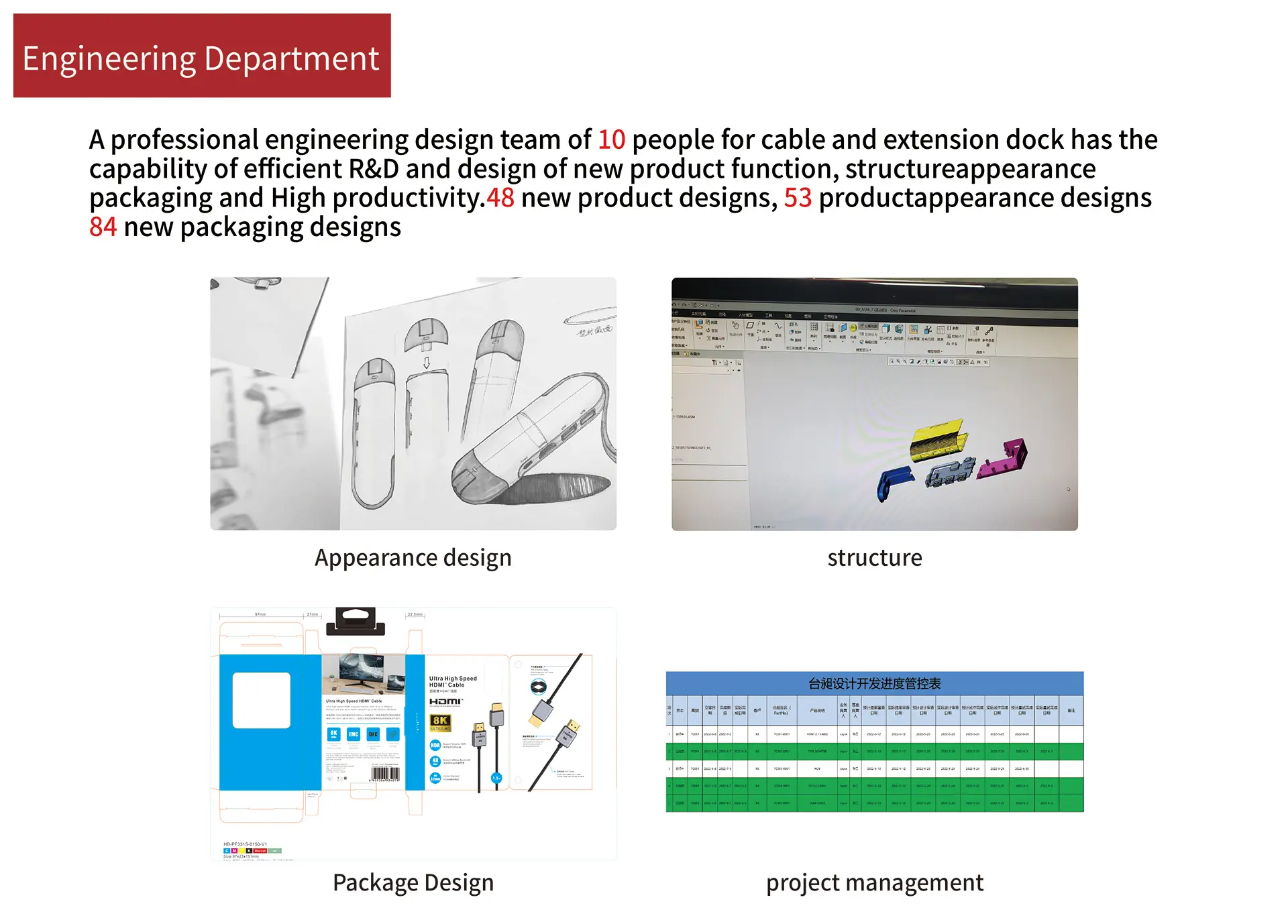
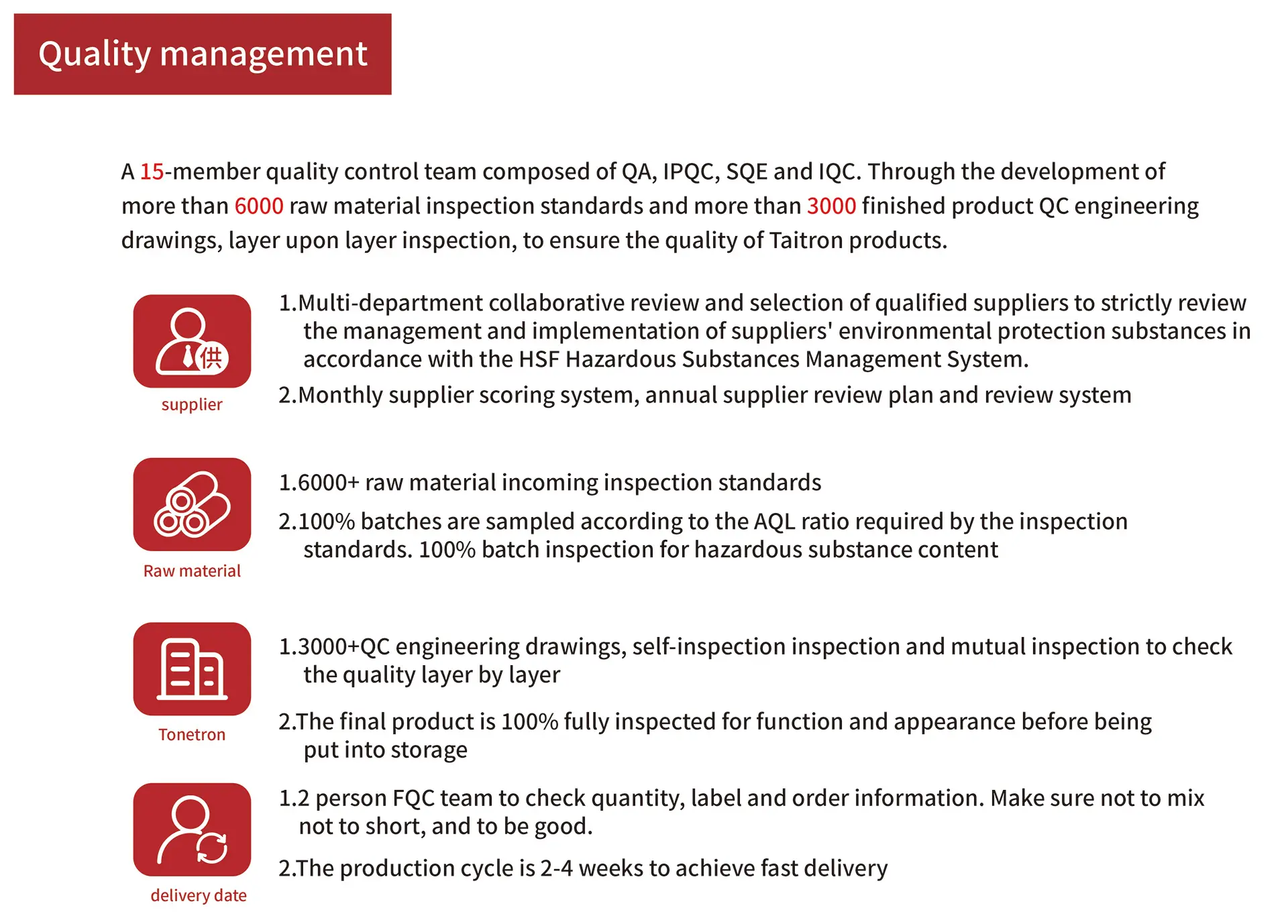

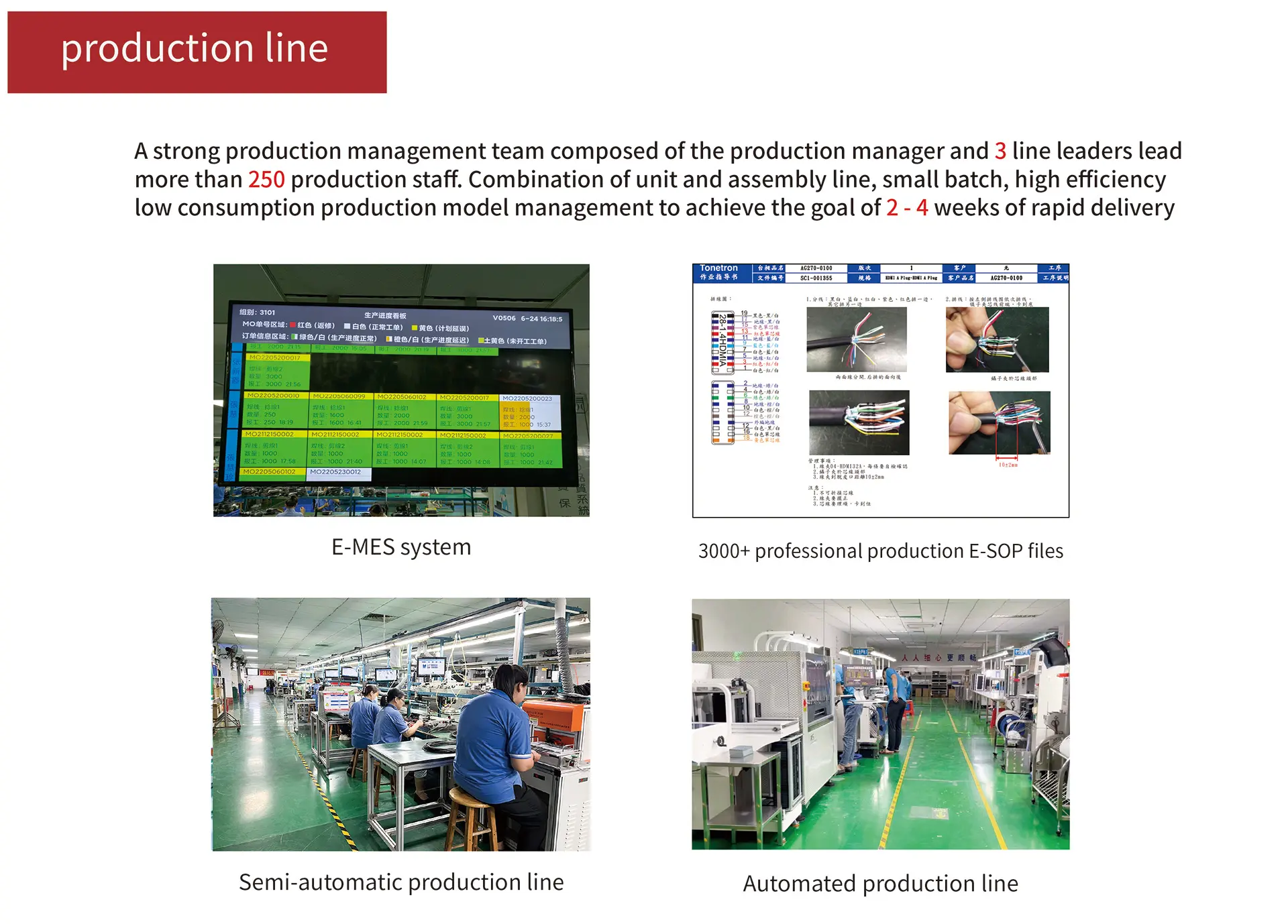
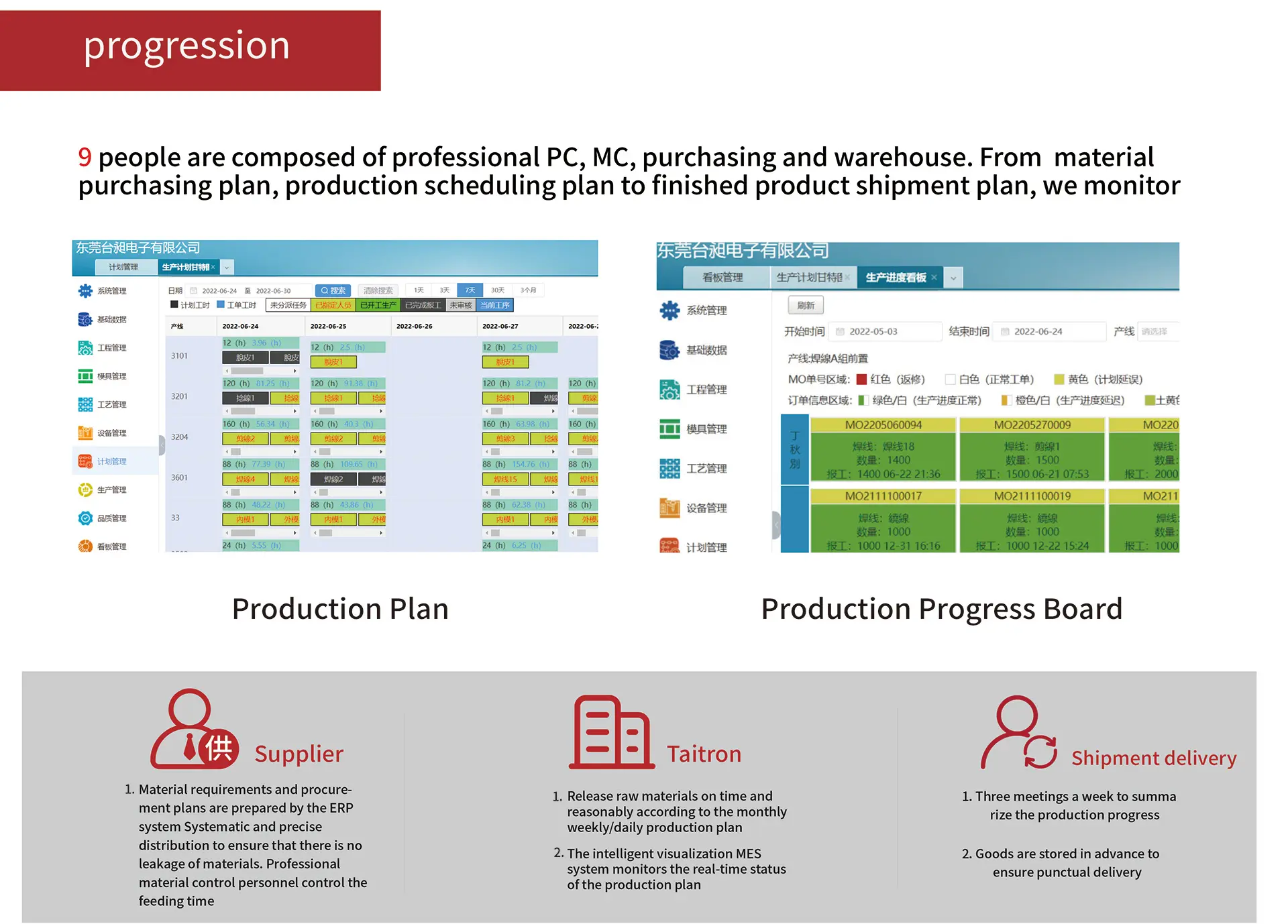
Unlike assembly-only contractors, Taitron maintains strict vertical control over every phase of production. Inside our Dalingshan facility, our engineering department controls copper drawing, precision conductor twisting, shielding application, jacket extrusion, and connector termination. By maintaining in-house copper extrusion, we can guarantee that our 4K HDMI conductors achieve 99.99% Oxygen-Free Copper (OFC) purity levels. This significantly reduces signal loss over long distances, making our products highly reliable for industrial installations.
A closer look at raw conductor physics, dielectric insulation, and multi-layered electromagnetic protection.
The electrical pathway of a 4K HDMI cable requires balancing impedance parameters to prevent signal reflection. According to standard specifications, the nominal differential impedance must be maintained at 100Ω ± 10Ω. Deviations outside this range cause attenuation and high-frequency jitter, which degrades the eye-diagram open-area parameters. The image below outlines our physical engineering stackup designed to optimize high-frequency signals.
| Engineering Parameter | OEM Standard Spec (Taitron) | Industrial Advantage |
|---|---|---|
| Conductor Core Purity | 99.99% Oxygen-Free Copper (OFC) / Silver-Plated Copper | Reduces skin-effect losses at high frequencies. |
| Insulation Type | Physical Foamed PE (Skin-Foam-Skin) | Ensures stable capacitance and low dielectric losses. |
| Shielding Coverage | Al-Mylar Foil (125%) + Braid (85%-95% AL/Copper braid) | Provides high immunity to external EMI and cross-talk. |
| Characteristic Impedance | 100Ω ± 5Ω (Strict tolerance) | Minimizes signal reflections for cleaner transitions. |
| Flame Ratings | CL2, CL3, CM, LSZH (Low Smoke Zero Halogen) | Meets strict building codes for commercial and in-wall routing. |
High-speed data pathways act as antennas for nearby electromagnetic fields. If unshielded, high-speed signals can emit EMI that interferes with local Wi-Fi, wireless machinery, and nearby sensitive industrial sensors. Our design wraps each of the main differential signal pairs (Clock, Data 0, Data 1, Data 2) in individual aluminum-mylar foil shields with dedicated drain wires. The entire inner bundle is then encased in a high-density, woven metallic braid shield, providing robust protection against both high-frequency and low-frequency noise.
How specialized OEM/ODM HDMI solutions meet demanding requirements in professional and industrial fields.
Hardware requirements differ across global markets. North American markets focus heavily on structural safety certifications, calling for UL-listed, CL2/CL3 in-wall rated materials. In contrast, European Union projects prioritize environmental standards, requiring Low Smoke Zero Halogen (LSZH) construction and strict RoHS compliance. APAC and Japanese electronics brands emphasize mechanical design, preferring slim outer diameters (OD) and highly flexible connectors. Taitron is equipped to manufacture to these specific regional standards.
Inside our testing labs: Time-Domain Reflectometry, Eye-Diagram analysis, and future-ready interfaces.
Maintaining high yield rates requires testing protocols at every stage of production. At Dongguan Taitron, our quality assurance systems verify that all 4K HDMI assemblies go through physical and electrical testing.
Every production run is evaluated with Time Domain Reflectometry (TDR) to identify impedance mismatches down to the millimeter. This is followed by Eye-Diagram analyses on high-speed sampling oscilloscopes to confirm that signal margins remain clear of jitter boundaries. Physical testing includes multi-axis flex tests, vertical load strain testing, and salt-spray corrosion tests to ensure the long-term reliability of our connector plating.
As display resolutions push beyond standard 4K setups, Taitron continues to invest in high-performance connectivity. Our technical roadmap highlights our focus on optical engine integration and next-generation HDMI 2.1 and DisplayPort 2.0 architectures.
Clear answers to common questions on impedance, gauge selection, shielding, and OEM production capabilities.
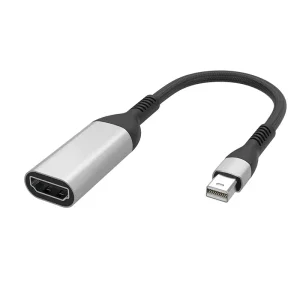
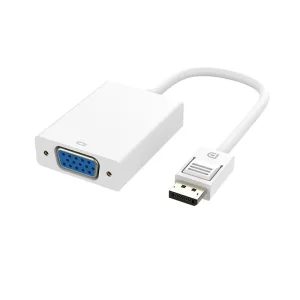
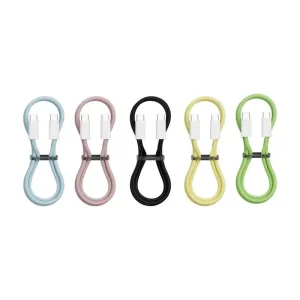
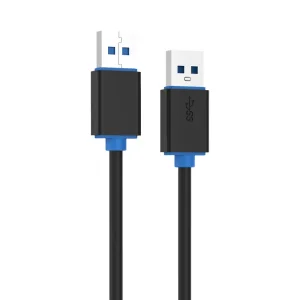
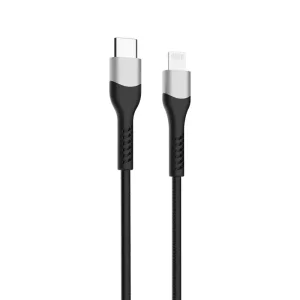
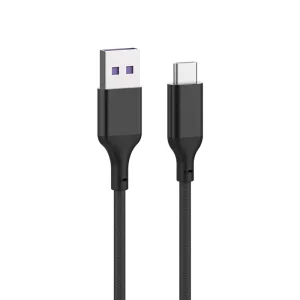
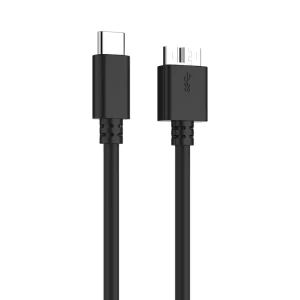
Complete your deployment configurations with our high-bandwidth conversion solutions, adapters, and peripheral cables.
 Taichang Electronic