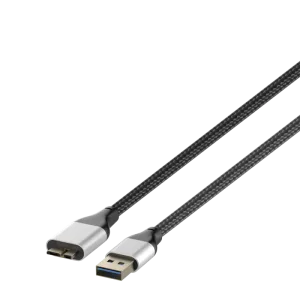
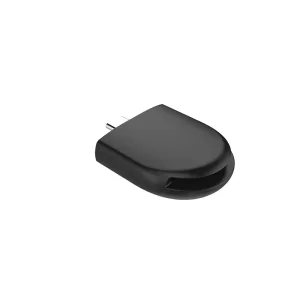
Engineered for signal integrity, robust shielding, and low latency across global IT infrastructure.
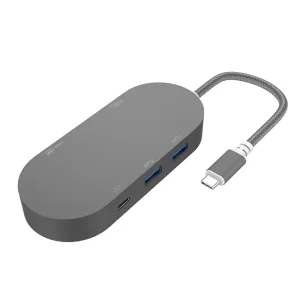
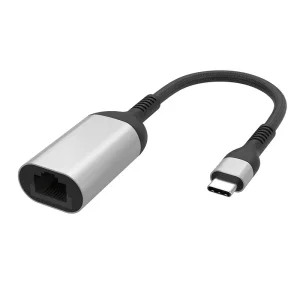
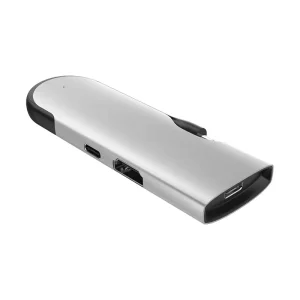
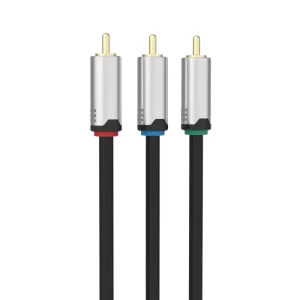
Analyzing signal attenuation, high-bandwidth architecture, and transceiver integrity in multi-port hardware design.
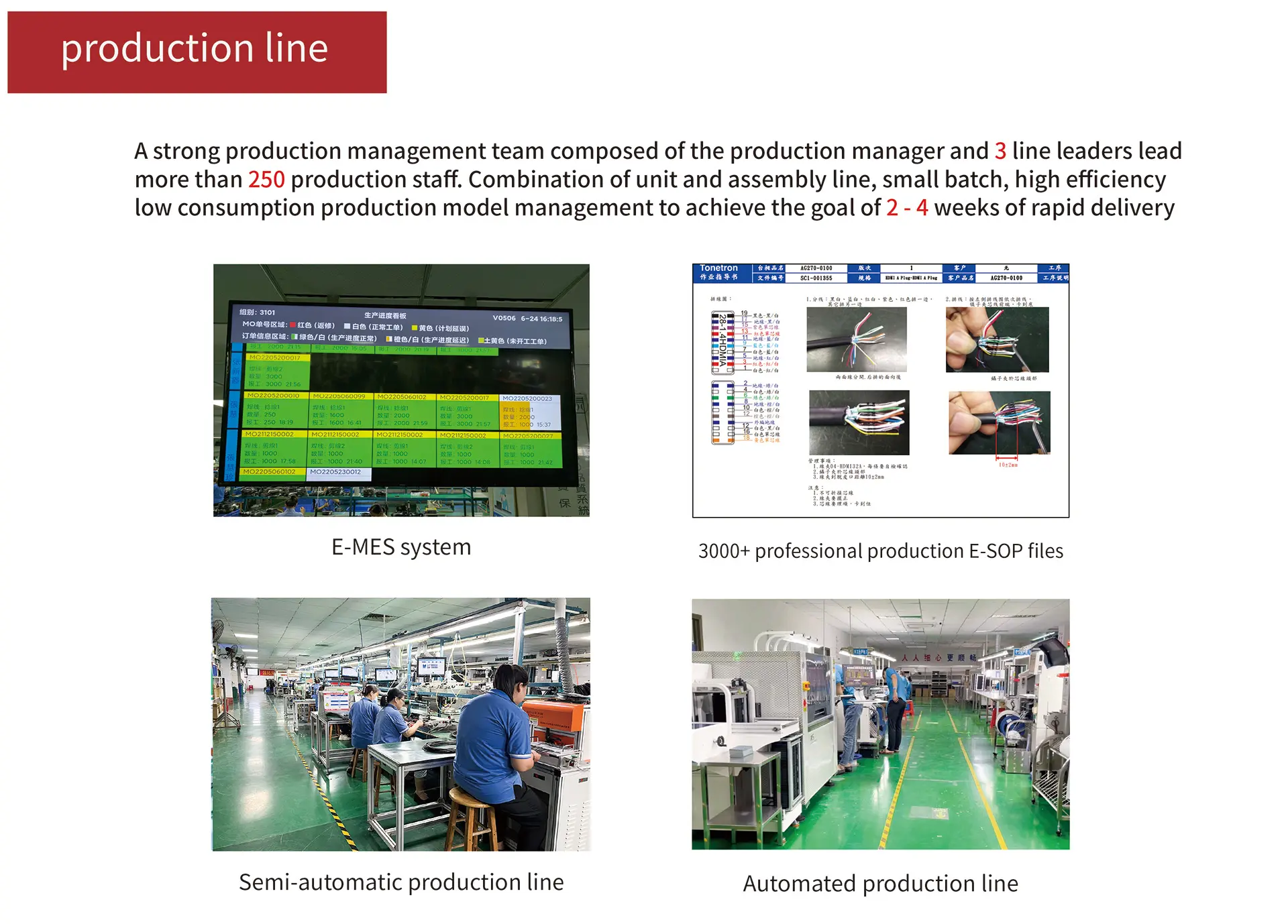
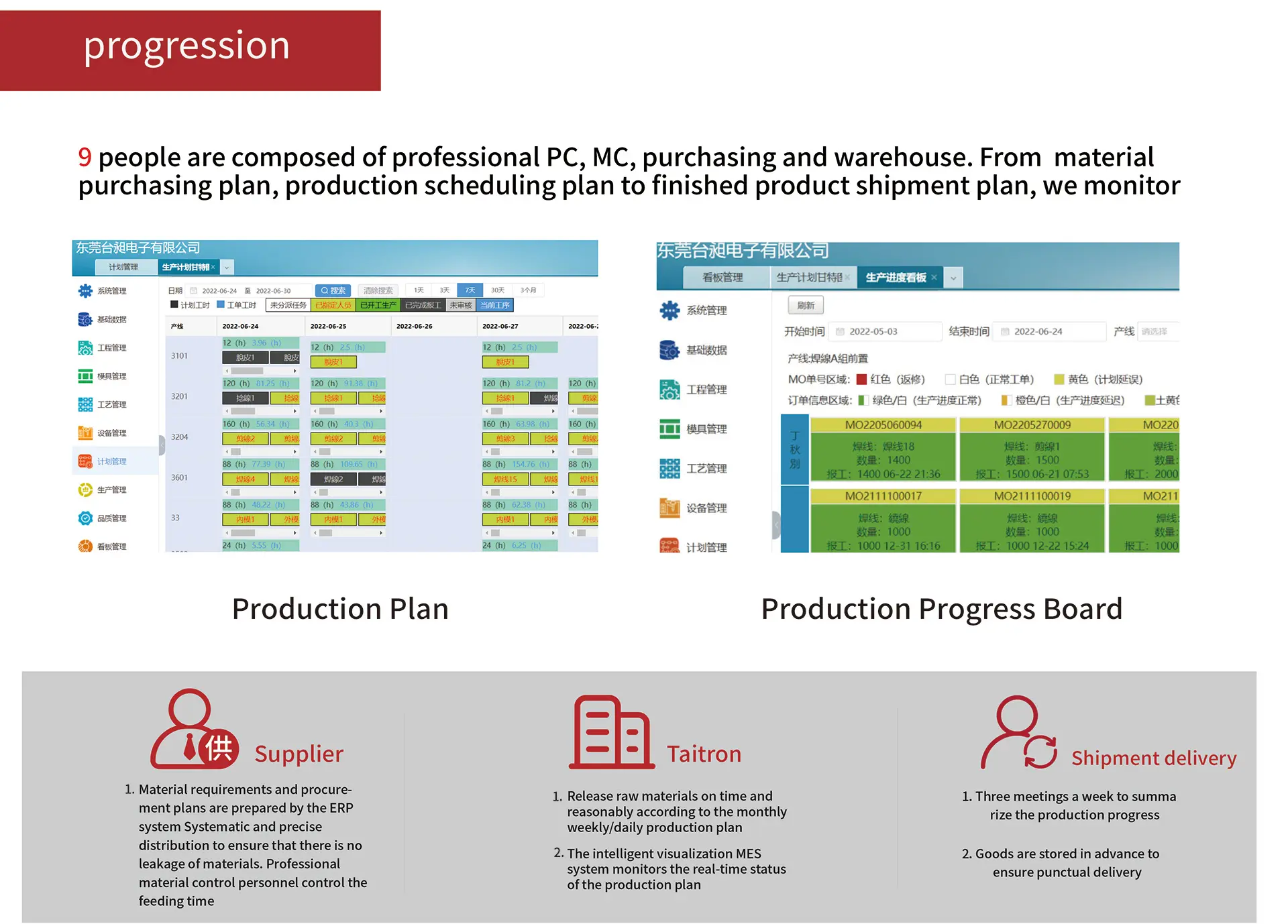
Our OEM docking stations utilize a unified USB-A & USB-C dual-input transceiver interface. By managing dynamic multiplexing at the physical layer (PHY), this architecture switches seamlessly between legacy USB 3.0 hosts and modern USB Type-C protocols without packet loss or signal mismatch.
Operating at a 5 Gbps baseline transfer speed, the USBA 3.2 Gen1 ports are structured with differential trace routing and impedance matching (90 ohm target). This reduces crosstalk and electro-magnetic interference (EMI) when external hard drives and high-resolution webcams are active simultaneously.
Equipped with a native PCIe-to-Ethernet bridge controller, the RJ45 Interface Hub provides raw 10/100/1000 Mbps bandwidth. It integrates hardware-based IP checksum offloads, IPv4/IPv6 TCP/UDP check engine, and supports PXE boot along with Wake-on-LAN (WOL) protocols.
Our true Plug & Play Hub features built-in USB Billboard class controllers and custom OS descriptors. This guarantees zero driver dependencies on major distributions of Windows, macOS, Linux, and ChromeOS, allowing hot-plugging without host reset latency.
Deploying high-speed 4-in-1 docking stations across global commercial and enterprise landscapes.
Modern hybrid workspaces demand instant hot-desking options. The 4-in-1 hub provides high-speed peripherals and wired networks via one interface, preventing Wi-Fi congestion and connection drops in dense corporate offices.
In manufacturing assembly lines, the USB-A to Type-C converter links programmable logic controllers (PLCs) to host terminals. The RJ45 port guarantees direct, noise-shielded, low-latency telemetry transmission back to the SCADA control nodes.
Smart cash registers and kiosk terminals use the docking station to integrate receipt printers, barcode scanners, card terminals, and local local area networks (LANs). Active circuit protection prevents electrostatic damage from constant plug cycles.
Established in 1984 - Deep manufacturing heritage in professional video, audio, and data connection peripherals.
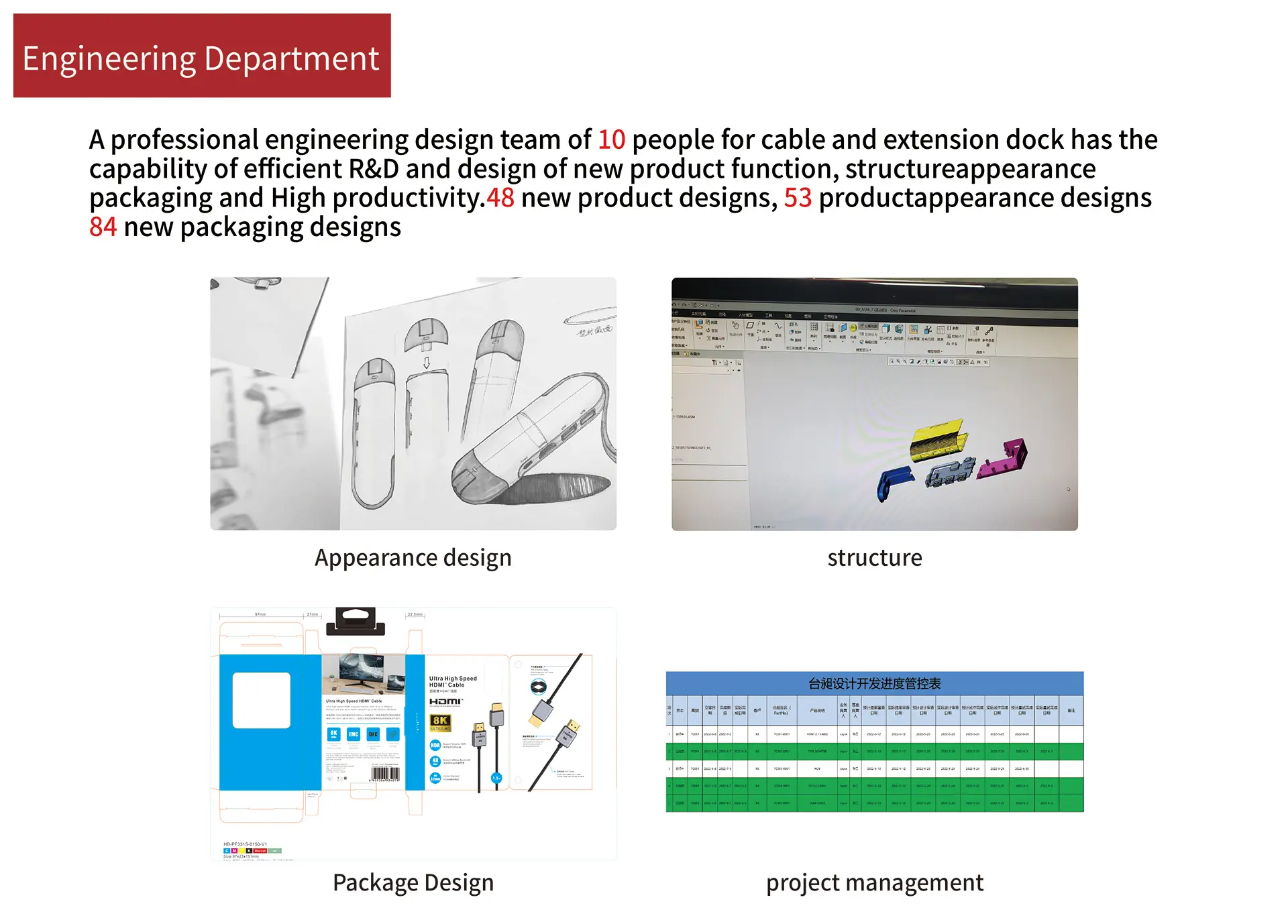
In 1984, Dongguan Taitron Electronics Limited., formerly known as Tonetron, was founded in Keelung, Taiwan. In 1993, it moved to the self-built independent production industrial park in Dalingshan Town, Dongguan City, China, and changed its name to Dongguan Taitron Electronics Limited.
With over 38 years of experience, Taitron began with a foundation in professional video and audio peripheral equipment connection line manufacturing. We have gradually developed into high-end audio and video cable data cables, including HDMI2.1 cables, DP2.0 cables, USB4 data cables, USB-C 3.1 Gen2 data cables, high-power USB charging cables, 8K HD conversion cables, and multi-functional Type-C expansion docks through continuous research, development, and manufacturing.

Meeting stringent global regulatory specifications for hassle-free custom clearing and import operations.
Every batch of our 4-in-1 docking stations is fully certified with CE, FCC, RoHS, and REACH. This ensures compliance with EU import regulations and FCC standards for electromagnetic radiation limits.
We provide custom product labeling, regional user manuals, and customized bulk packaging. Our engineers offer localized support, adapting physical characteristics to regional environmental standards (temperature, humidity, ESD tolerances).
Our OEM/ODM tier structures are designed for distributors and B2B buyers. We offer direct pricing plans based on annual volume commitments, customized plastic/alloy tooling, and specific chipset selections.
Aligning development with next-generation high-bandwidth protocols and power delivery mechanisms.
As host controllers shift to USB4 and Thunderbolt 5 architectures, the demand for high-speed multi-port adapters is increasing. Taitron's next-generation product roadmap includes:
Get technical answers to common integration, hardware protocol, and network compatibility questions.
Yes. USB 3.2 Gen1 provides 5 Gbps of total bandwidth. A Gigabit Ethernet link requires approximately 1 Gbps (1000 Mbps) under peak duplex workloads. This leaves 4 Gbps of headroom for external storage media and peripheral routing, preventing packet loss or data transfer lag.
Our Plug & Play docking stations use standard USB class drivers (like UASP for storage and CDC-ECM for Ethernet) built directly into the operating system kernel. This means older legacy hosts with USB-A ports can run the hub without installing third-party drivers.
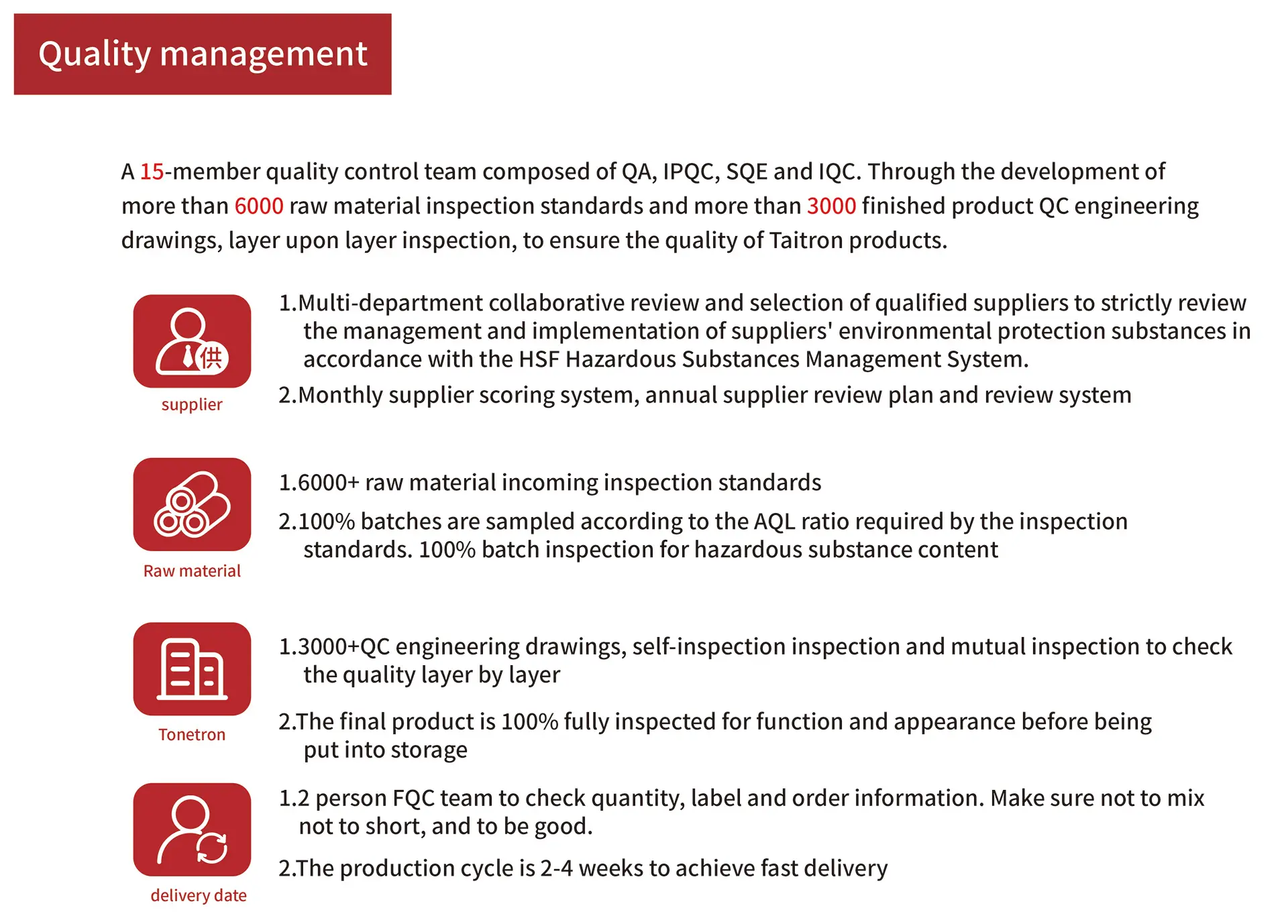
We perform complete Time Domain Reflectometry (TDR) testing to measure trace impedance, eye-diagram validation to verify signal quality, and EMI/EMC scans in our dedicated QA testing facility. This helps ensure compliance with USB-IF standards.
We design using reliable B2B controllers like the Realtek RTL8153 or ASIX AX88179. These components are selected for their excellent heat management, energy-saving features, and reliable driver support across enterprise networks.
Yes, our hub is fully backward compatible with legacy USB 2.0/1.1 protocols. The USB 3.2 ports feature dual physical data paths to handle both high-speed SuperSpeed lines and legacy differential signals.
Standard OEM packaging custom runs typically take 25 to 30 days once sample layouts are approved. We offer custom laser engraving directly on the aluminum housings during the assembly process.
Our products feature premium aluminum alloy shells that act as passive heat sinks. Thermal pads link the internal chips directly to the housing, keeping operating temperatures under 45°C even under full workload conditions.
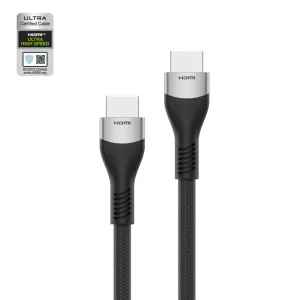
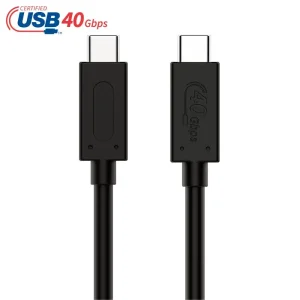
High-speed adapters, certified digital cables, and specialized interface expansion converters.
 Taichang Electronic