High-durability OEM audio, video, and hub adapters optimized for corporate deployments.
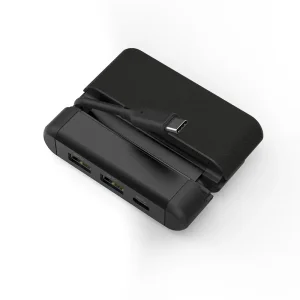
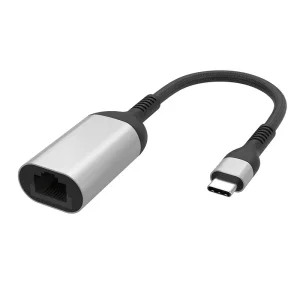
In the rapid transformation of enterprise IT architectures, maintaining connection continuity between modernized host systems and legacy displays remains a core operational challenge. The DisplayPort (DP) interface has become the native standard on almost all modern business laptops, graphics processing units (GPUs), and workstation systems. However, millions of legacy display monitors, digital signage stations, and industrial control consoles utilizing the Digital Visual Interface (DVI) remain fully operational and cost-effective. Throwing away functional displays represents not only a massive waste of resources but also runs counter to corporate ESG (Environmental, Social, and Governance) targets.
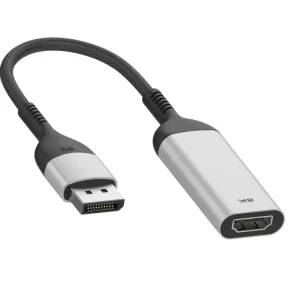
This is where the OEM DP to DVI 1080P Adapter plays a key role. It bridges the generational protocol gap, allowing system administrators to prolong hardware lifespans, preserve investments, and reduce capital expenditure. Yet, sourcing these converters on a global B2B scale requires understanding the subtle engineering elements, certification frameworks, and raw materials that differentiate a high-performance converter from cheap consumer-grade adapters that fail prematurely under heavy usage.
To ensure a reliable system, a DisplayPort to DVI adapter must handle complex protocol conversion and signal level shifting. DisplayPort uses an AC-coupled, packet-based differential signaling system that routes data over high-bandwidth main lanes. DVI, however, utilizes DC-coupled Transition Minimized Differential Signaling (TMDS) lanes operating at different voltage levels.
| Engineering Parameters | Standard Specifications | Premium OEM Specifications |
|---|---|---|
| Max Output Resolution | 1920x1080 @ 60Hz (1080P) | 1920x1200 @ 60Hz / 1080P @ 120Hz |
| Conversion Type | Passive (DP++ Required) | Active (Independent Level Shifter IC) |
| IC Chipset Solution | Generic Tier-3 Silicon | Parade PS8121E / NXP PTN3361B |
| Shielding Configuration | Single Foil Wrap | Triple Shielding (Al-Mylar Foil + Braiding + Metal Case Shielding) |
| Connector Plating | Flash Gold Plated | 15μ" Heavy Gold Plated (Min. 5000 Cycles) |
| Jacket Durability | Standard PVC (90P) | TPE / Premium High-Elastic PVC (Reach Compliant) |
For large-scale enterprise deployments, understanding the difference between passive and active adapters is crucial. A passive adapter relies on the source system to support DisplayPort Dual-Mode (DP++), which allows the GPU to output DVI/HDMI signals directly through the DP connector. Active adapters, on the other hand, incorporate an onboard chipset that dynamically converts the incoming DP protocol streams into DVI-compatible TMDS signals. This makes active adapters highly recommended for setups involving multi-monitor workstation setups, AMD Eyefinity arrays, and setups using older systems that lack native DP++ ports.
B2B procurement departments looking for wholesale pricing and detailed cost structures need to weigh several factors. Pricing is rarely a fixed number; it varies based on build quality, chipset choices, and shielding options. Enterprise-level RFQs (Requests for Quote) typically evaluate several core pricing components:
“Pro-Tip for Sourcing Managers: When evaluating price lists, always request the specific model number of the internal chipset. Low-cost quotes often hide the use of discontinued or refurbished chips, leading to higher return rates and compatibility issues in the field.”
DisplayPort to DVI converters are widely used in a variety of commercial and industrial applications. Some of the most common implementation scenarios include:
When organizations upgrade their corporate desktop computers, the new workstations almost always come with modern DP and USB-C outputs, but the existing 1080p DVI desktop monitors are often still in perfect condition. Rather than purchasing new screens, using OEM DP-to-DVI adapters allows companies to extend the service life of their displays, helping to control hardware upgrade costs.
Industrial machinery consoles and medical diagnostic equipment are designed to operate for up to 15 years. The display units used in these systems are often highly specialized DVI hardware. When the main computers in these setups are upgraded, custom OEM adapters with secure screw-locking DVI connectors are necessary to guarantee reliable, uninterrupted signal transmission in critical work environments.
Digital signage systems in retail stores and transport hubs often run long DVI cable runs. DP to DVI adapters allow modern digital signage players to send signals over these older cable routes, preventing the need for expensive rewiring projects.
Delivering robust manufacturing and reliable high-performance adapter solutions since 1984.
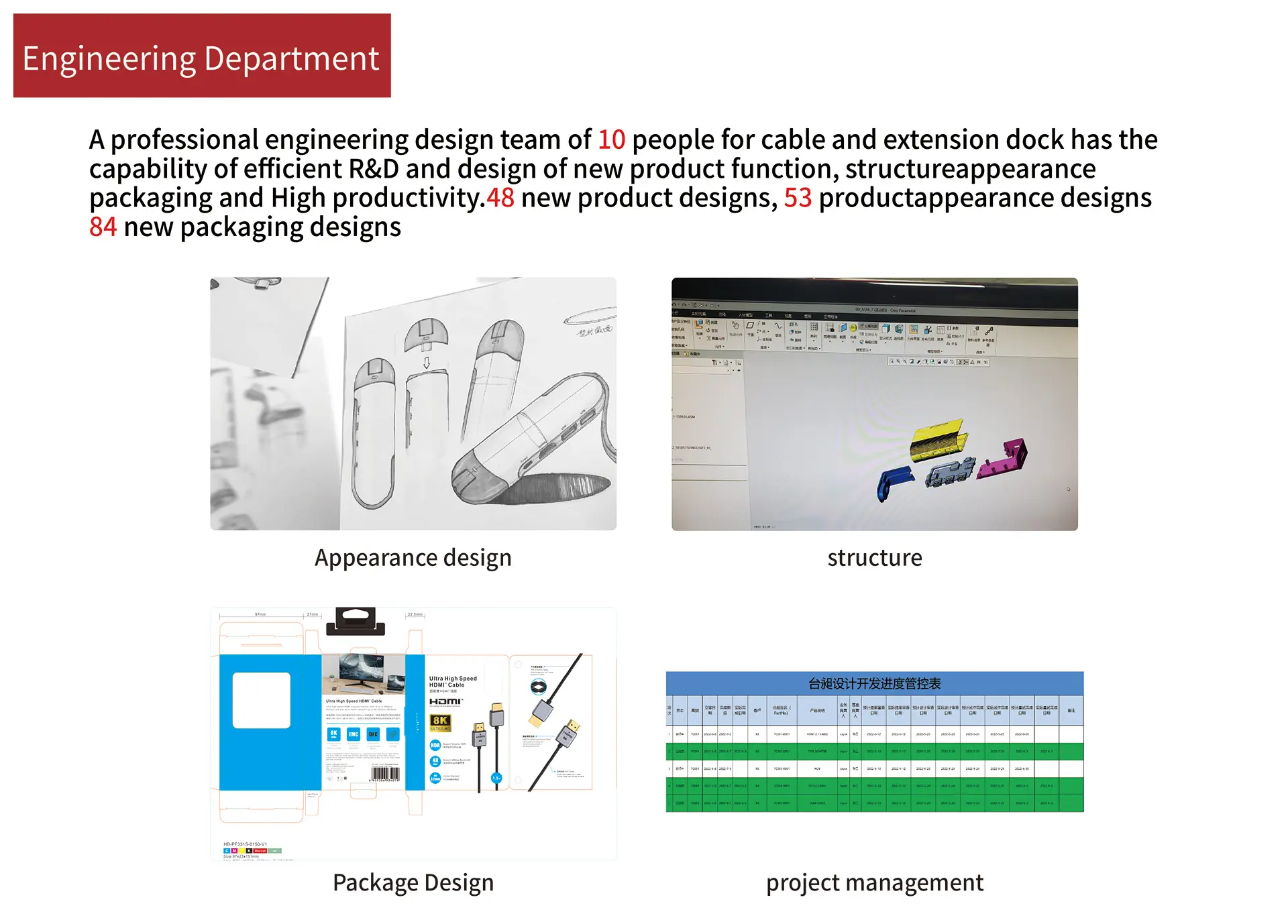
In 1984, Dongguan Taitron Electronics Limited., formerly known as Tonetron, was founded in Keelung, Taiwan. In 1993, it moved to the self-built independent production industrial park in Dalingshan Town, Dongguan City, China, and changed its name to Dongguan Taitron Electronics Limited.
38 years to pass professional video and audio peripheral eguipment connection line manufacturing as the foungation, Gradually develop to the high-end audio and video cable data cable such as HDMI2.1 cable, DP2.0 cable, USB4 data cable, USB-C 3.1Gen2 data cable, high-power USB charging cable, 8K HD conversion cable, multi-functional Type-C expansion dock and other products research and development and manufacturing.
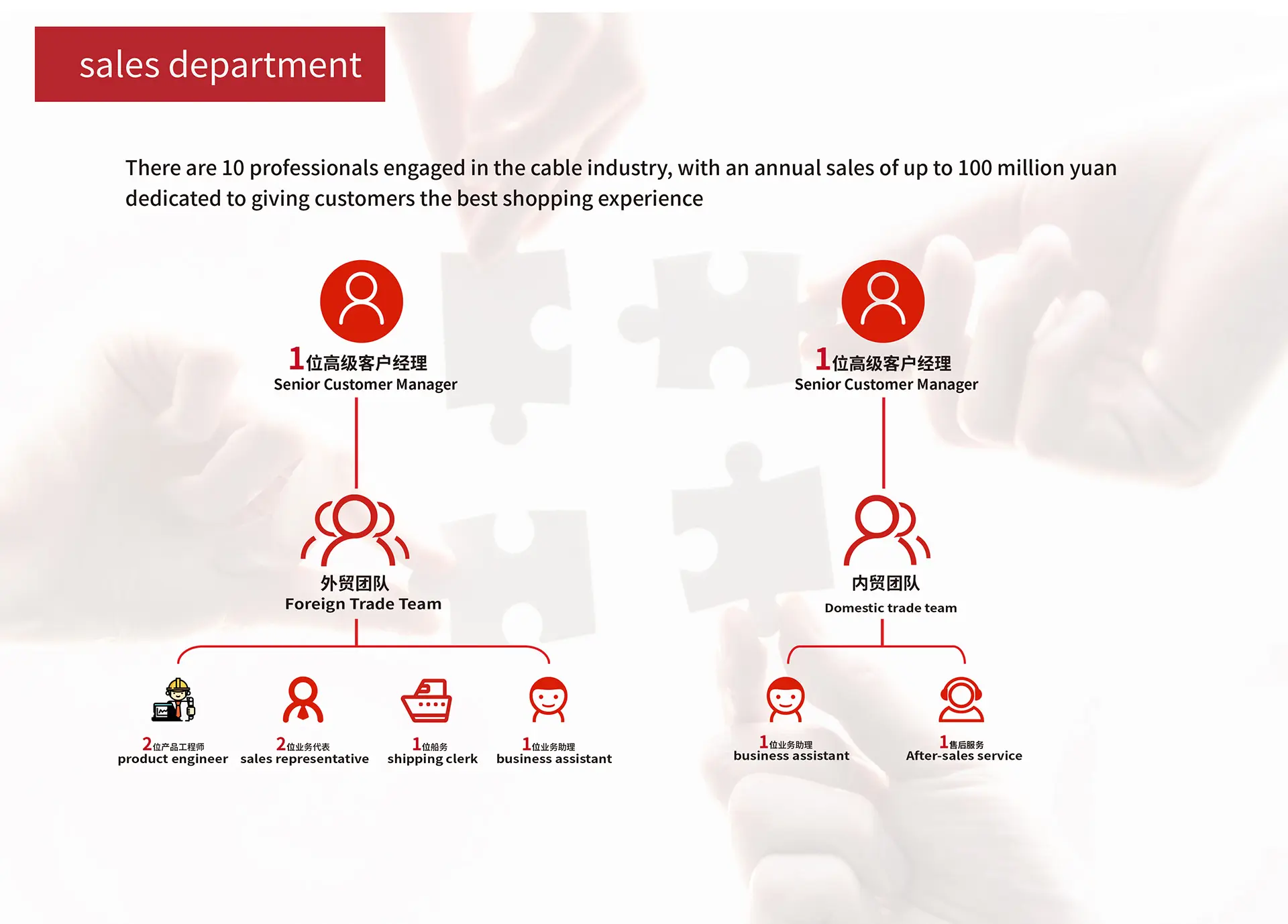
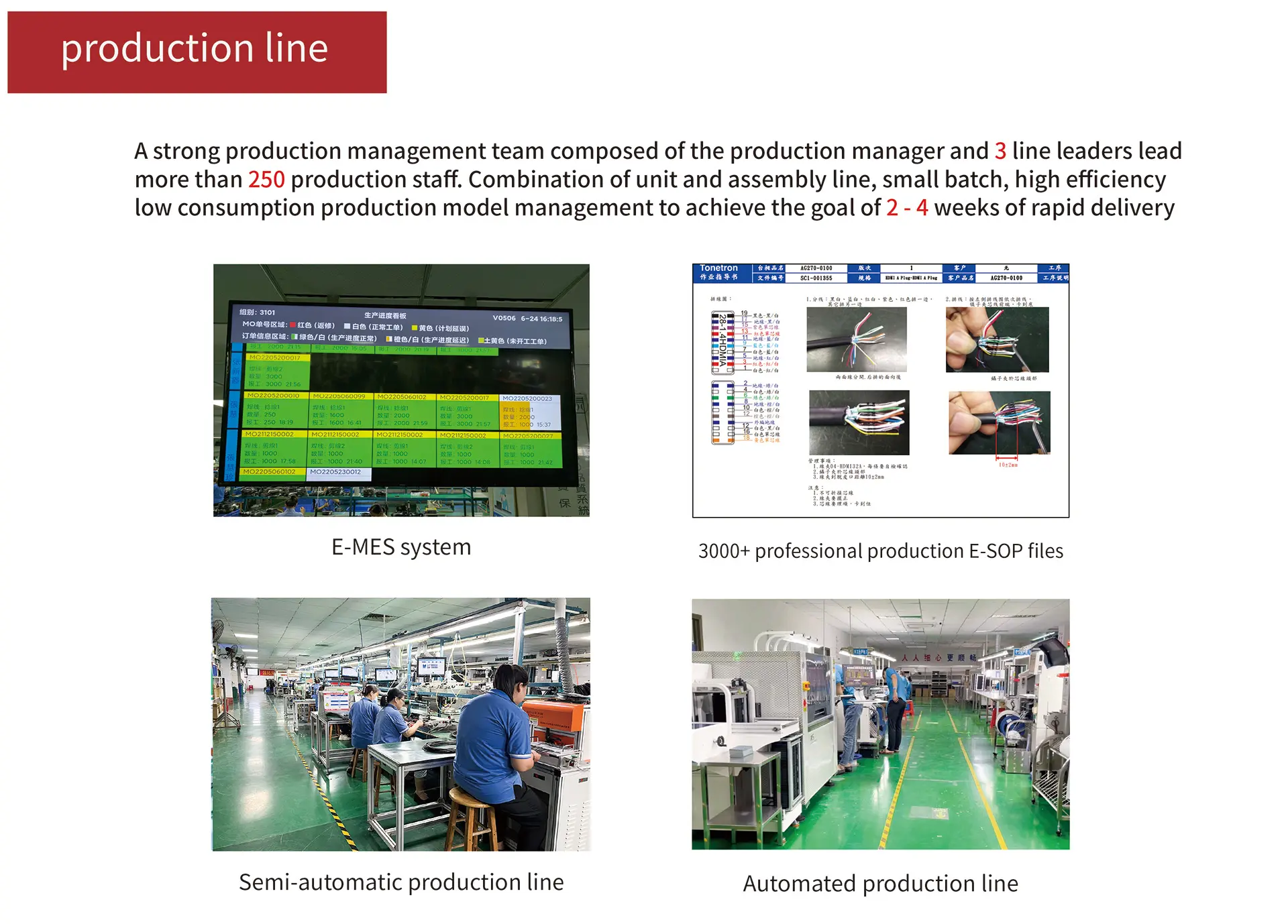
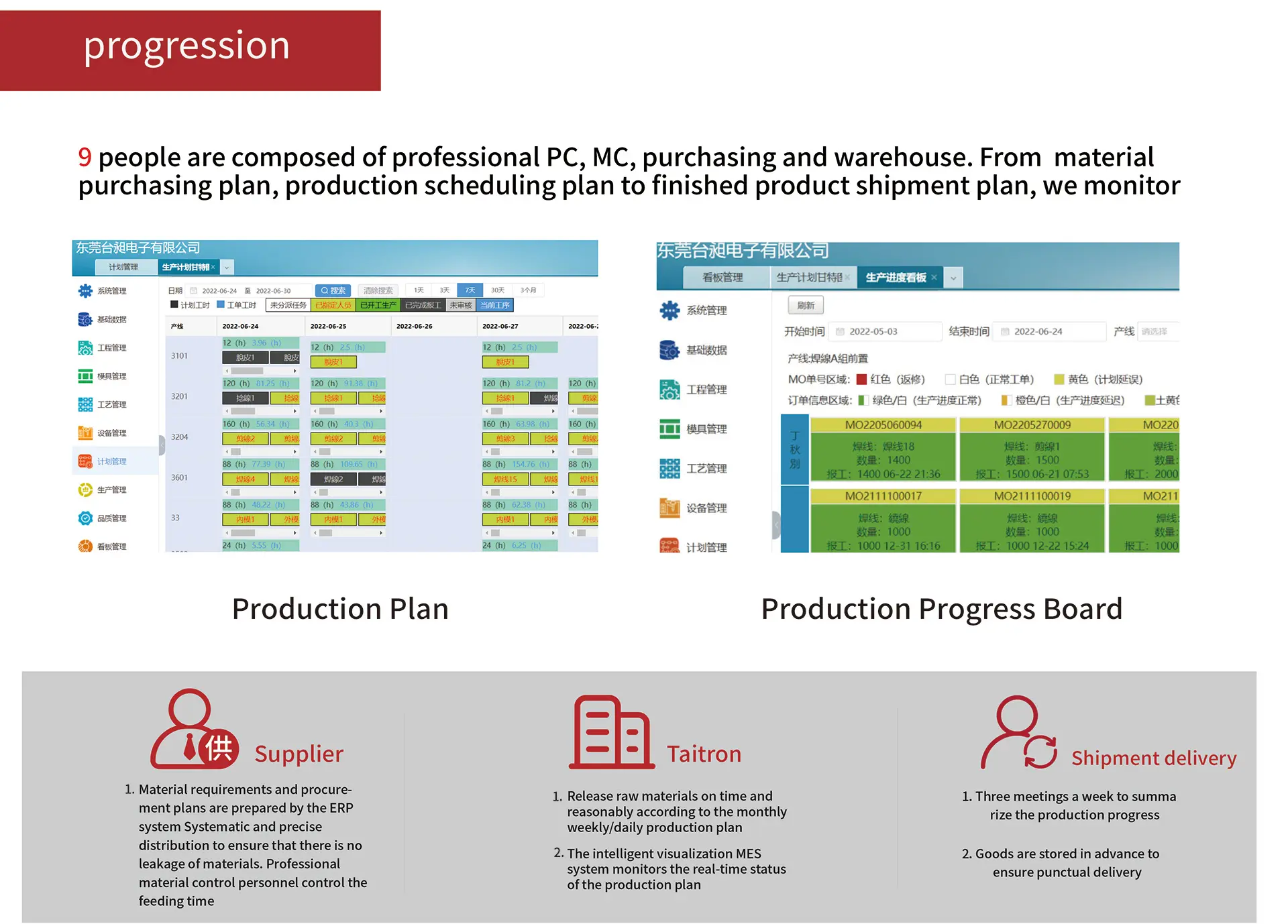
Meeting stringent global regulatory requirements for seamless market entry and reliable performance.
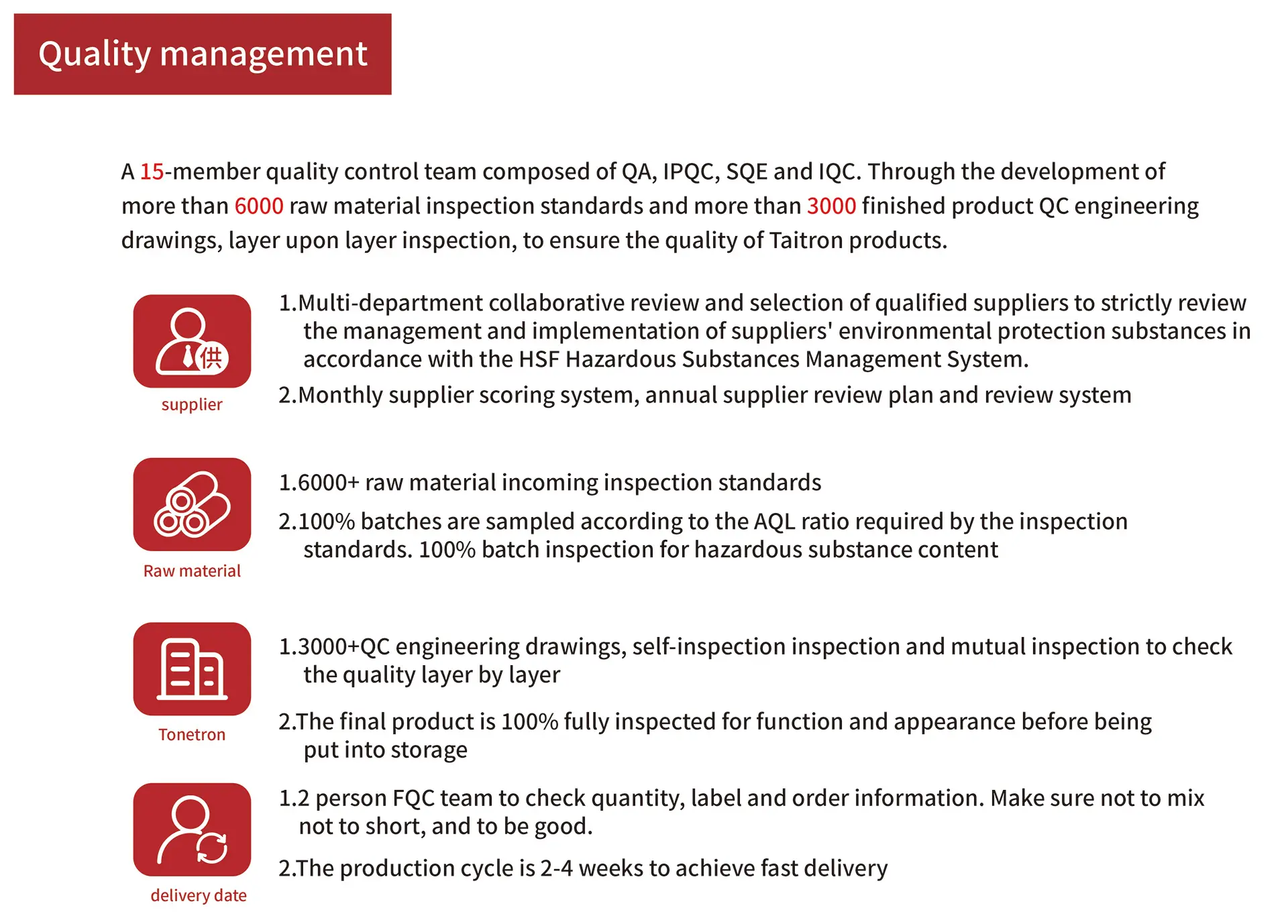
Our manufacturing facility and products comply with RoHS, REACH, CE, and FCC standards. We provide full compliance documentation with every order, easing customs clearance and ensuring hassle-free imports.
Every single DP to DVI unit undergoes a 100% dynamic signal test, physical pressure check, and pin continuity assessment on our assembly lines. We use advanced digital testers to eliminate early product failures.
We work with international logistics providers to offer DDP, FOB, and CIF shipping options. Dedicated account managers are assigned to each major region, ensuring clear communication and prompt customer support.
While 1080P remains the primary resolution for DVI interfaces, display interfaces continue to evolve. DisplayPort 2.1 and the widespread adoption of USB-C Alt Mode are driving the development of newer, multi-purpose adapter designs. As a forward-thinking OEM manufacturer, Dongguan Taitron is continuously expanding our technical roadmap to address these changing requirements:
Answers to common B2B technical, pricing, and volume purchasing questions.
Our standard Minimum Order Quantity (MOQ) for custom logo printing and retail packaging is 1,000 units. For standard, non-branded configurations, we can often accommodate lower trial volumes. Please contact our sales team to discuss your specific requirements.
DVI is a video-only connection standard and does not support audio signals. If audio transmission is required, we offer active converters with integrated 3.5mm analog audio outputs, or you can run separate audio cables from the host system.
We maintain an ISO 9001 certified manufacturing workflow. Every batch undergoes sampling inspections according to AQL standards. In the rare event that defective units are found, we offer replacement credits or refunds as outlined in our service agreement.
No, standard single-link DVI adapters are limited to 1920x1080 @ 60Hz. Supporting high refresh rates like 144Hz requires a dual-link DVI configuration, which involves a larger active adapter design with additional power requirements.
Yes, all of our products, including PVC jackets, copper wires, and internal solder joints, are fully compliant with RoHS and REACH standards. We can provide testing reports from independent certified laboratories upon request.
Yes. We can customize adapter length, choose from colors like black, white, or silver, and offer alternative jacket materials like nylon braiding or TPE to match your specifications.
For standard configurations, production lead times are typically 25 to 30 days once design approvals are finalized and the deposit is received. Custom custom-tooled adapters may require additional time for prototyping and verification testing.
Please send an email to our B2B sales department detailing your required quantity, target specifications, and destination port. We will prepare a customized quote and can arrange evaluation samples within 5-7 business days.
Explore our wider catalog of premium connection options, high-speed audio, and video adapters.
 Taichang Electronic