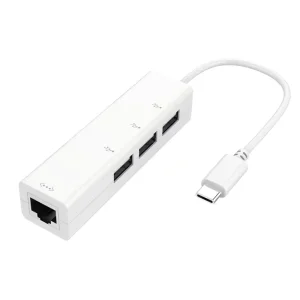
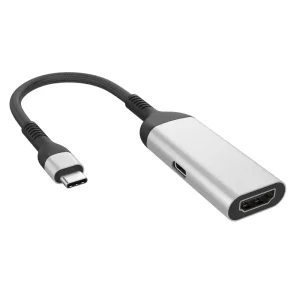
Engineered to guarantee signal integrity, high-speed data transmission, and compliance with the most rigorous global industrial testing standards.
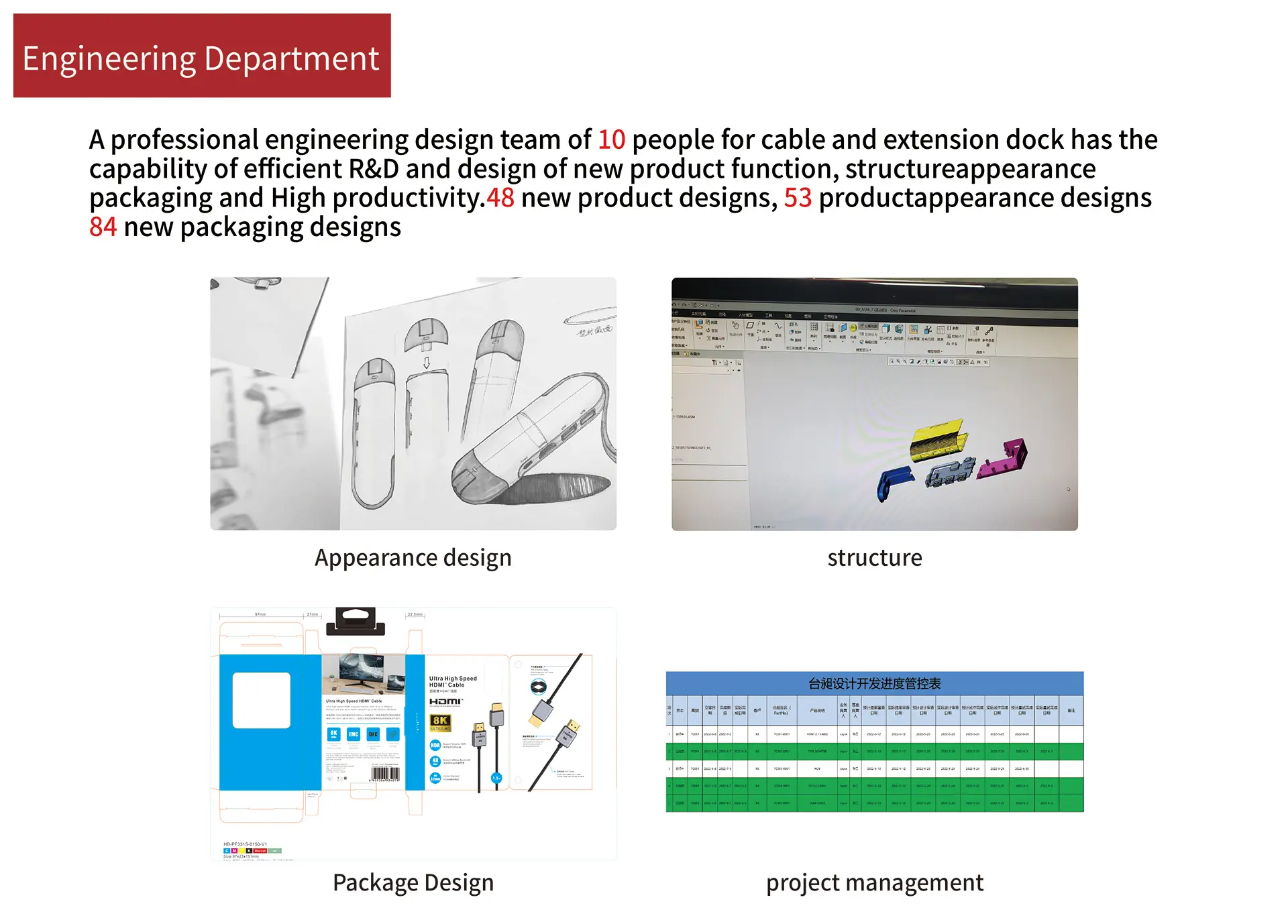
Founded in 1984 in Keelung, Taiwan, as Tonetron, our journey began with a core commitment to high-fidelity audio-visual signal transmission. In 1993, to accommodate expanding manufacturing capacities and scale up technology integration, the operation relocated to a self-built independent production industrial park in Dalingshan Town, Dongguan City, China, transitioning to Dongguan Taitron Electronics Limited.
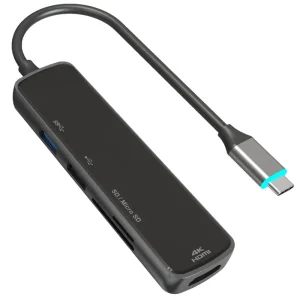
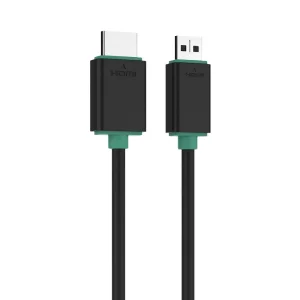
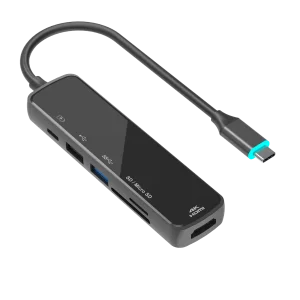
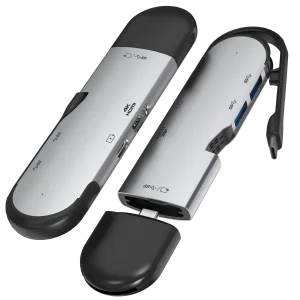
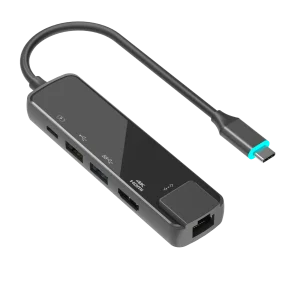
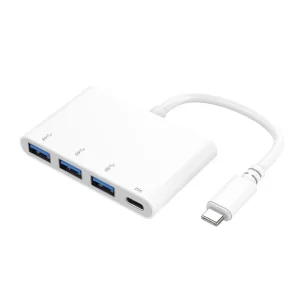
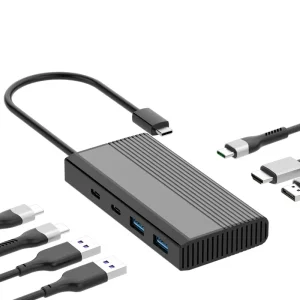
Over 38 years of research, design, and precision manufacturing, we have evolved from traditional video and audio peripheral connection lines into a global titan of high-end consumer and industrial connectivity. Our core R&D portfolio now delivers cutting-edge specifications including HDMI 2.1 cables, DP 2.0 adapters, USB4 high-speed pipelines, multi-functional Type-C expansion docks, and ultra-high-definition active optical conversions.

Understanding the macroeconomic factors, hardware transformations, and standard adoptions driving global demand for HDMI adapters.
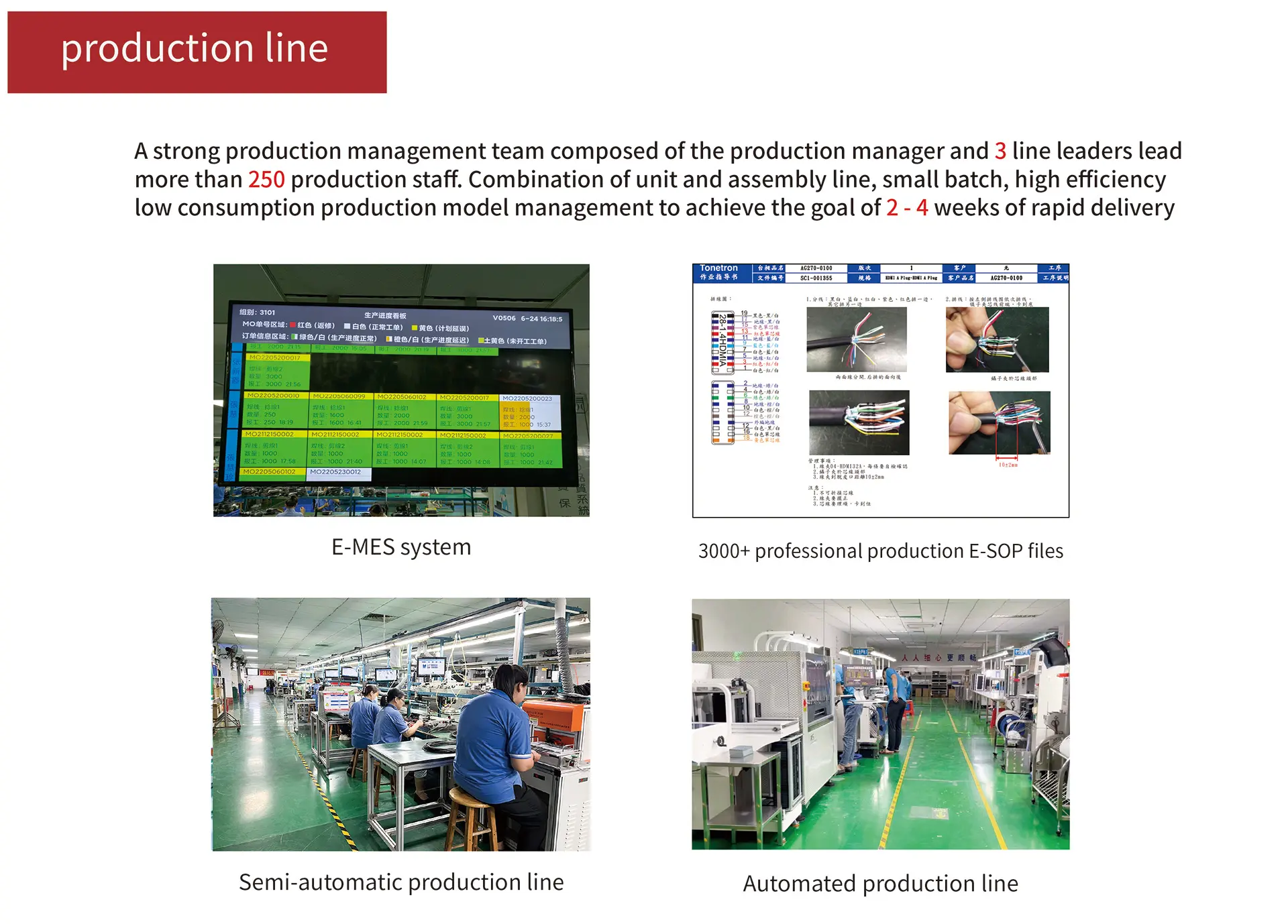
B2B procurement protocols are moving beyond single-source pipelines. Importers seek vertically integrated suppliers capable of executing everything from raw wire drawing and injection molding to automated PCB assembly (SMT) and validation testing under one roof.
With corporate meeting spaces, command centers, and medical monitoring systems upgrading to native 4K and 8K configurations, passive conversion technology faces signal degradation challenges. This driving shift necessitates advanced active chipset converters.
Industrial electronics must withstand rigorous EMI/RFI shielding requirements. Importers in the EU and NA markets now demand HDMI products that strictly satisfy CE, FCC, RoHS, and WEEE directives to mitigate customs risk and operational liabilities.
How Dongguan Taitron engineers adapters to survive real-world EMI interference and maintain bit-perfect display quality.
Designing modern HDMI adapters requires balancing strict impedance tolerances, crosstalk prevention, and mechanical endurance. High-bandwidth digital streams like HDMI 2.1 (supporting up to 48 Gbps) suffer significantly from attenuation and reflection over standard connectors. Our R&D division focuses on neutralizing these issues through several core innovations:
All converters utilize multi-layer PCBs with precisely controlled trace geometry, limiting impedance variance to within ±5 ohms to prevent digital packet loss.
Using premium aluminum-foil Mylar wrapping combined with a high-density tinned-copper braid, our adapters achieve >90dB shielding effectiveness, isolating signals from background ambient noise (Wi-Fi, Bluetooth, 5G).
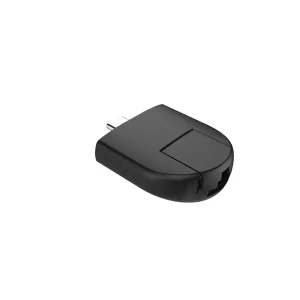
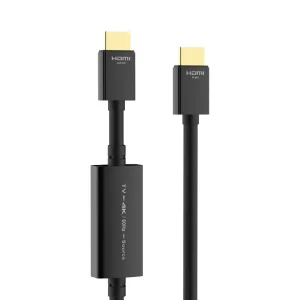
For long-distance or small-form-factor adapters, we integrate active chipsets (such as Parade, Parade Technologies, or Analogix) to boost weak inputs and clean up jitter before the data reaches the sink display.
Understanding performance variables between hardware generations helps purchasing departments calculate correct specifications.
| Feature / Spec | HDMI 1.4 | HDMI 2.0 | HDMI 2.1 |
|---|---|---|---|
| Max Bandwidth | 10.2 Gbps | 18.0 Gbps | 48.0 Gbps |
| Max Resolution | 4K @ 30Hz | 4K @ 60Hz | 8K @ 60Hz / 4K @ 120Hz |
| Color Depth | 8-bit | 10/12-bit | Up to 16-bit Dynamic HDR |
| Audio Return | ARC | ARC | eARC (Hi-Res Object Audio) |
Bespoke visual solutions built to address specific challenges faced by regional businesses and operations teams.
Modern commercial workspaces rely heavily on multi-protocol docking solutions. By converting native USB-C inputs to legacy HDMI structures, our adapters enable clean, hot-swappable dual-display stations, eliminating connectivity delays for staff.
Vehicle dashboards and commercial cockpits demand high mechanical durability and resistance to vibration. Dongguan Taitron's premium adapters feature locking mechanism options, preventing physical connector backing-out under high-G environments.
In operating rooms and radiological clinics, screen flicker or signal dropping is not an option. Our gold-plated contact pins and customized copper shielding maintain pristine, artifact-free medical display connections under continuous workloads.
How raw materials, validation tests, and tooling parameters influence global B2B procurement cost estimates.
Understanding cost structures is critical for procurement managers constructing yearly product roadmaps. Raw material cost fluctuations (LME Copper index), active converter chipset availability, casing choices, and tooling complexities define wholesale prices. Below is our transparent pricing and customization framework:
Explore our catalog of modular adapters, high-speed multi-port docks, and specialized audio-visual conversion lines.
Answering high-intent commercial questions regarding production cycles, compatibility, and quality control.
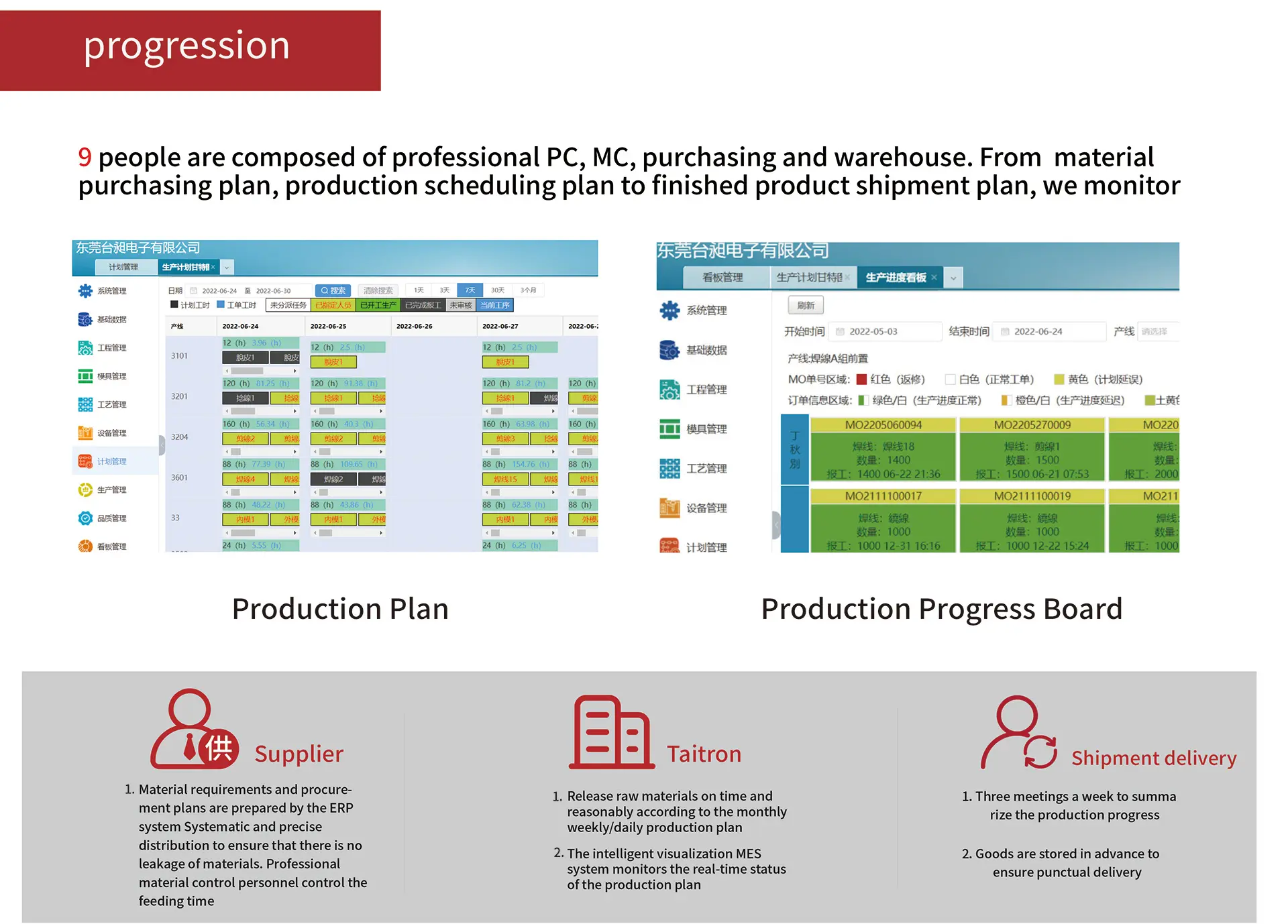
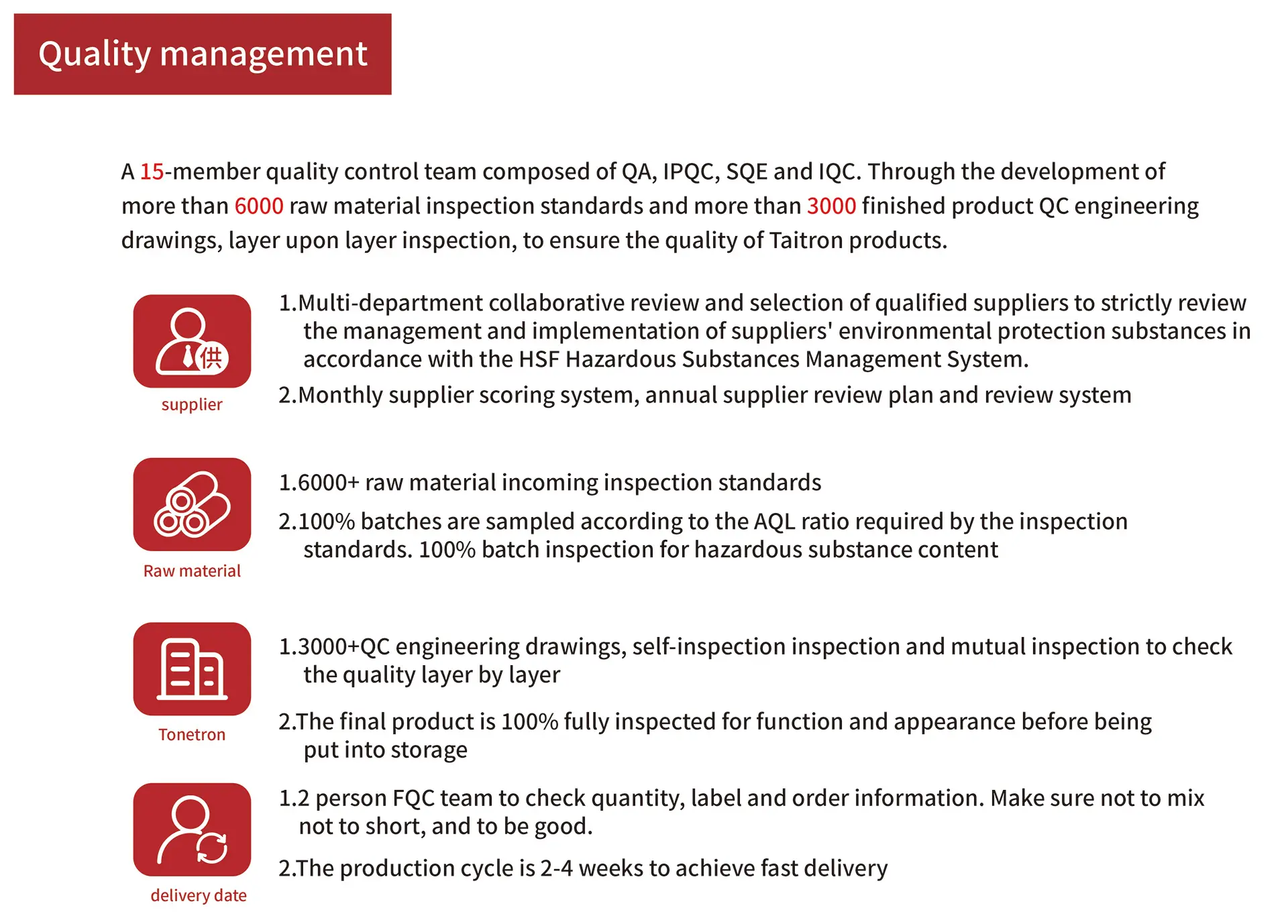
Typically, our standard tooling and manufacturing cycle takes 25 to 35 business days. Once the engineering designs and golden samples are formally validated by your internal engineering team, the scheduling is locked into our ERP system for rapid assembly and testing.
Every product batch is subjected to comprehensive eye-diagram tests, high-frequency network analyzer evaluations, and real-world compliance checking with certified source and display environments. This guarantees zero bit errors and consistent EDID handshake communication.
Yes. We design customized PCB trace routing configurations and use double-shielded metal hoods inside our adapter shells. This ensures our medical-grade AV components conform to local electromagnetic compatibility (EMC) regulations.
Absolutely. We manufacture following authorized HDMI Adopter parameters. All of our high-speed adapters comply with HDCP 2.2/2.3 copy protection, eARC audio returns, and VRR gaming latency parameters where specified.
 Taichang Electronic