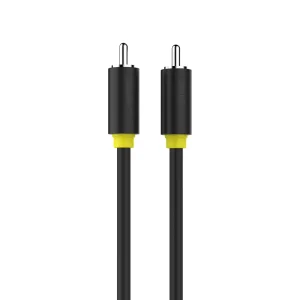
 China RCA cable - PB263 Manufacturer, Products
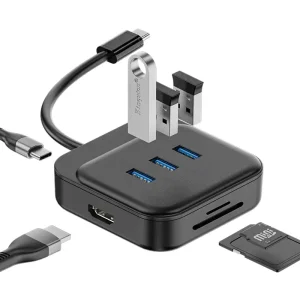 China Square Docking Station, 6 in 1 USB Hub Quotes, Pricelist
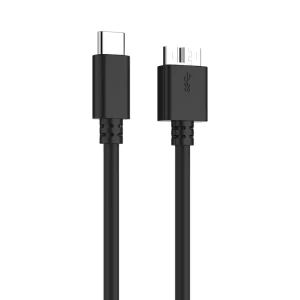 Cheap USB Type C - MicroUSB 3.0 cable - PB484 Manufacturer, Pricelist
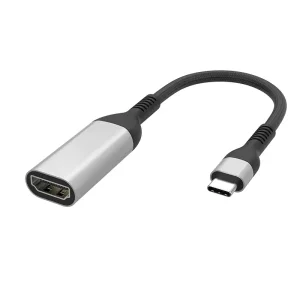 Famous USB C to HDMI Adapter (4K@30Hz), USB C to HDMI Adapter 4K Cable, Type-C to HDMI Adapter for Thunderbolt 3,Portable High-Speed USB C Adapter,Compatible with MacBook Pro/Air,Surface Book,Pixelbook,Dell XPS,Samsung Galaxy and More Product, Factories
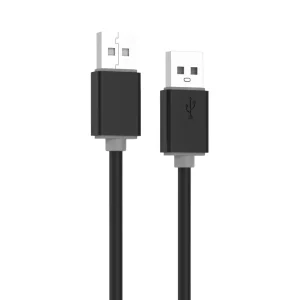 Wholesale USB Type A 2.0 cable - PB469 Products, Exporter
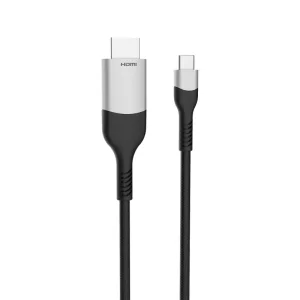 Best USB C to HDMI A 4K/60 Cable - PF307 Manufacturers, Factory
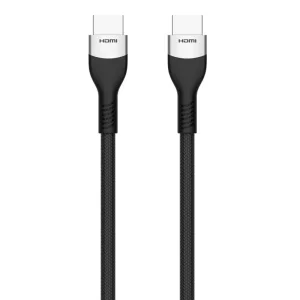 Wholesale Factory Supply Premium High Speed HDMI Cable, HDMI2.0 M to M Cable 18Gpbps 4K@60Hz with Aluminum Alloy Shell, Nickel Plated Connectors and Nylon Braided Jacket, 0.5-5M Factories, Suppliers
A technical reference manual for enterprise-level B2B sourcing, signal integrity evaluation, and global OEM/ODM deployment strategies.
In the era of ultra-high-definition displays, complex visual setups, and high-frequency digital communications, the reliability of signal transmission infrastructure dictates system uptime and user experience. As specialized consumer electronics design parameters push boundaries, enterprise purchasing agents face distinct challenges when selecting an OEM HDMI and HDMI 2.0 manufacturer. Minimizing signal attenuation, preventing electromagnetic interference (EMI), and ensuring complete structural durability under rigorous cycles are non-negotiable parameters for high-performance applications.
This industry-level whitepaper highlights the critical elements of selecting an HDMI 2.0 manufacturing partner. By analyzing structural specifications, engineering protocols, global standardization rules, and structural testing procedures, we provide procurement directors and hardware designers with the semantic clarity required to optimize their electronic supply chains.
High-fidelity data structures, pin assignments, and structural shielding guidelines designed to control transmission loss.
HDMI 2.0 upgrades system limits to 18Gbps, enabling seamless 4K transmission at 60Hz with 21:9 ultra-wide video aspect ratio support.
Supports static HDR formats, allowing wider color gamuts (BT.2020) and 10/12-bit depth for deep color renderings.
Al-Mylar foil, high-density copper braiding, and integrated drain wires secure structural impedance and block crosstalk.
Complete multi-channel support including up to 32 audio channels, 1536 kHz audio sample frequency, and ARC compliance.
Enterprise procurement teams must understand the physical and operational variances between standard digital interconnect interfaces. Standardizing on HDMI 2.0 avoids issues with downstream equipment compatibility, ensuring system readiness for modern UHD networks.
| Feature Parameter | HDMI 1.4 Standard Specification | HDMI 2.0 High-Speed Specification | Operational Impact |
|---|---|---|---|
| Maximum Bandwidth | 10.2 Gbps | 18.0 Gbps | Higher data throughput prevents frame drops at high resolutions. |
| 4K Resolution Support | 4K @ 30Hz | 4K @ 60Hz | Smooth rendering without motion blur in gaming and digital signage. |
| Chroma Subsampling | Up to YCbCr 4:2:2 | YCbCr 4:4:4 / 4:2:0 support | Crisp text and pixel-perfect rendering for professional displays. |
| Audio Channels | 8 Channels | 32 Channels | Supports high-fidelity spatial audio environments. |
| Color Gamut | Standard RGB / sRGB | Deep Color, BT.2020 compatible | Vivid, true-to-life color representation across panels. |
Analyzing the geographic and systemic benefits of sourcing digital infrastructure from Dalingshan Town, Dongguan, China.
In the commercial electronics sector, raw assembly does not equal component engineering. Partnering with a vertically integrated OEM manufacturer in China’s premier electronics cluster—Dongguan—offers strategic advantages beyond lower unit prices. This region provides an established supply network covering raw materials, precision copper extruders, automated soldering stations, and specialized lab validation setups.
Our production facilities benefit from localized copper drawing systems, PVC/TPE formulation houses, and alloy plating experts. Access to local high-purity oxygen-free copper (OFC) minimizes raw material transport costs and limits material oxidation, ensuring signal integrity across our entire inventory.
Custom cable assemblies, overmolds, and specialized PCB layouts inside modern hubs require rapid prototyping. With regional mold design experts, tool modifications that would take months elsewhere are executed in days, allowing our clients to meet tight market launch windows.
From automated wire cutting and stripping to mechanical tin soldering and automated terminal checks, our manufacturing flow leverages high-performance machinery. Automating these steps ensures consistency in electrical performance, preventing the standard deviations common to manual assembly processes.
Mitigating customs clearance hold-ups, structural failures, and liability risks via audited quality protocols.
Enterprise buyers sourcing components for critical systems require high quality control, backed by certified manufacturing logs. A single failure at customs due to a missing certification can stall product rollouts, costing organizations time and money. Our OEM services prioritize local market compatibility and documentation.
Our cable assemblies undergo structured material assays to confirm safety compliance. This includes RoHS and REACH certifications, which verify the absence of hazardous substances in our polymers and alloys. Additionally, we provide CE and FCC markings, certifying compliance with EU and US emissions and immunity standards.
We work in line with Authorized Testing Center (ATC) guidelines to ensure every production run meets the HDMI Adopter standard. Using high-frequency Time-Domain Reflectometry (TDR) testing and network analyzers, we confirm characteristic impedance, checking that values hover around 100 ohms (+/-10%) to prevent signal reflection issues.
How high-speed copper and multi-functional interconnects perform in professional environments.
Reliable transmission of detailed diagnostic imagery with minimal latency and high shielding against hospital EMI fields.
Long-run installations in airports, office lobbies, and stadiums that require consistent signal integrity and robust physical jackets.
Reinforced connectivity systems designed to resist continuous vehicle vibration and varying thermal environments.
Modern displays require versatile connection options. Today’s commercial monitors, thin-client terminals, and meeting spaces combine high-speed HDMI feeds with multi-functional Type-C docks. Our product lines support this integration, offering stable connections between high-resolution sources, legacy VGA monitors, and local peripheral hubs.
Over three decades of precision manufacturing for premium video, audio, and data networks.
In 1984, Dongguan Taitron Electronics Limited., formerly known as Tonetron, was founded in Keelung, Taiwan. In 1993, the company moved to a self-built, independent production industrial park in Dalingshan Town, Dongguan City, China, changing its name to Dongguan Taitron Electronics Limited to reflect its expanding operations.
With 38 years of experience in manufacturing professional video and audio peripheral equipment connection lines as its foundation, the company has evolved to produce high-end audio, video, and data cables. Our modern capabilities include the research, development, and manufacturing of HDMI 2.1 cables, DP 2.0 cables, USB4 data cables, USB-C 3.1 Gen2 data cables, high-power USB charging cables, 8K HD conversion cables, and multi-functional Type-C expansion docks.
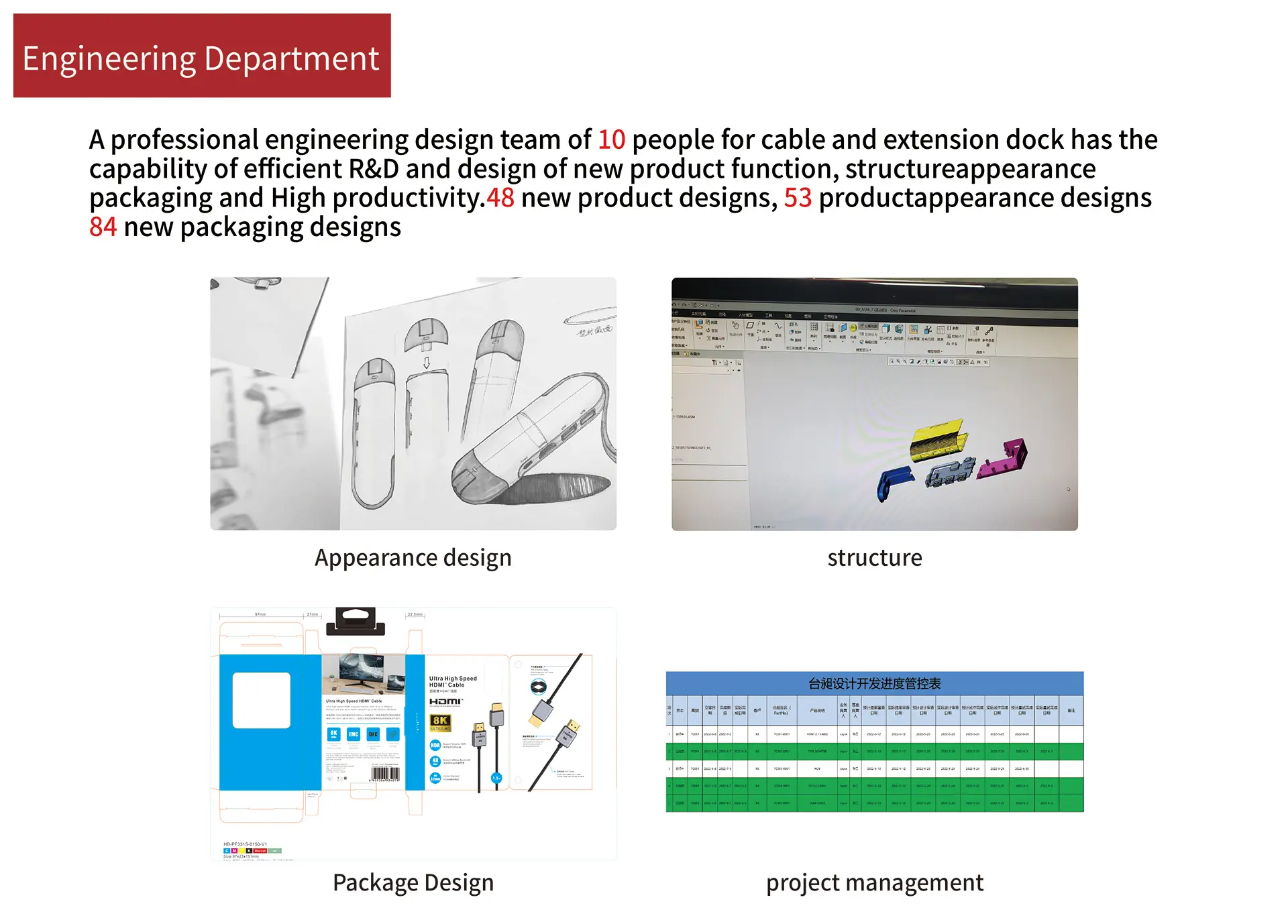
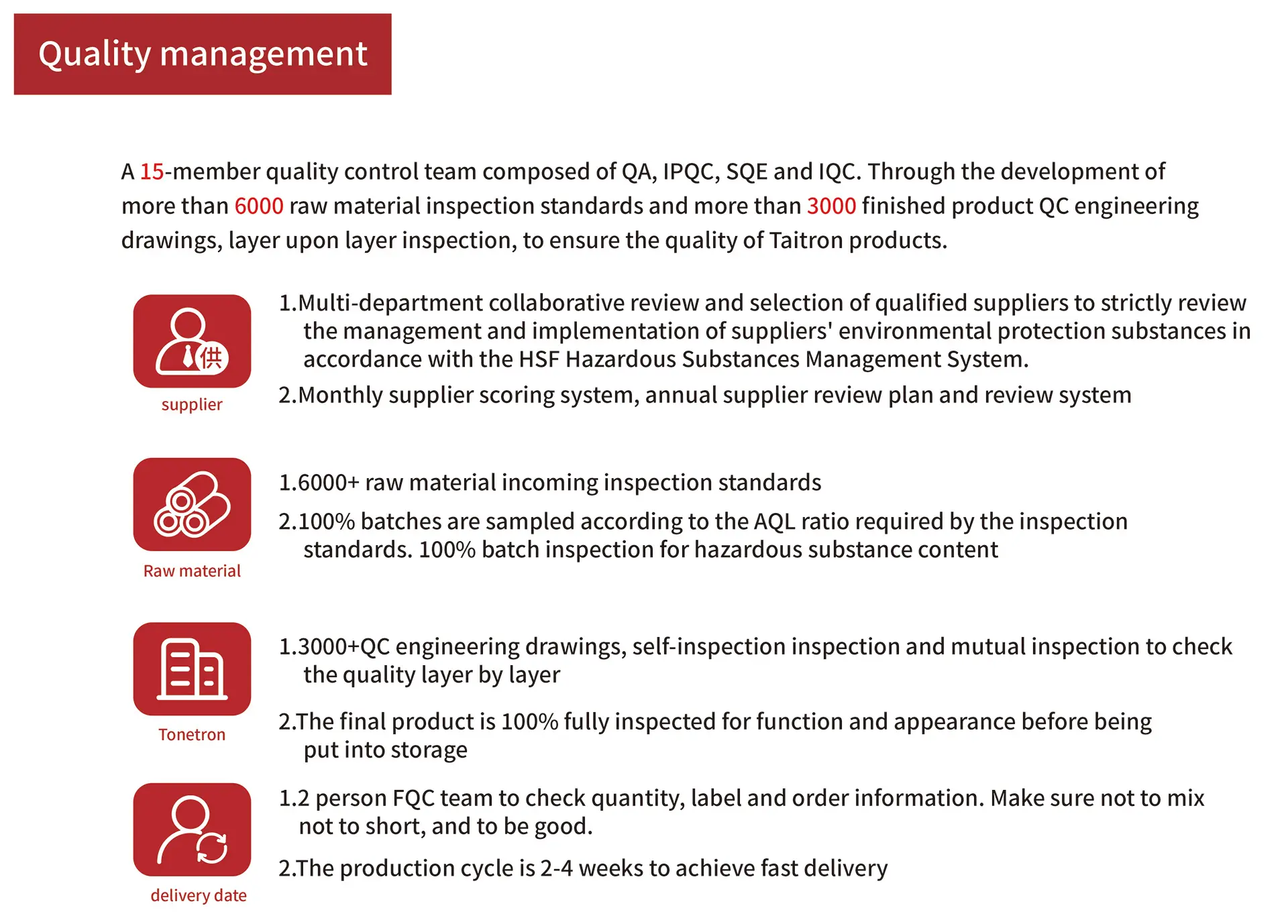

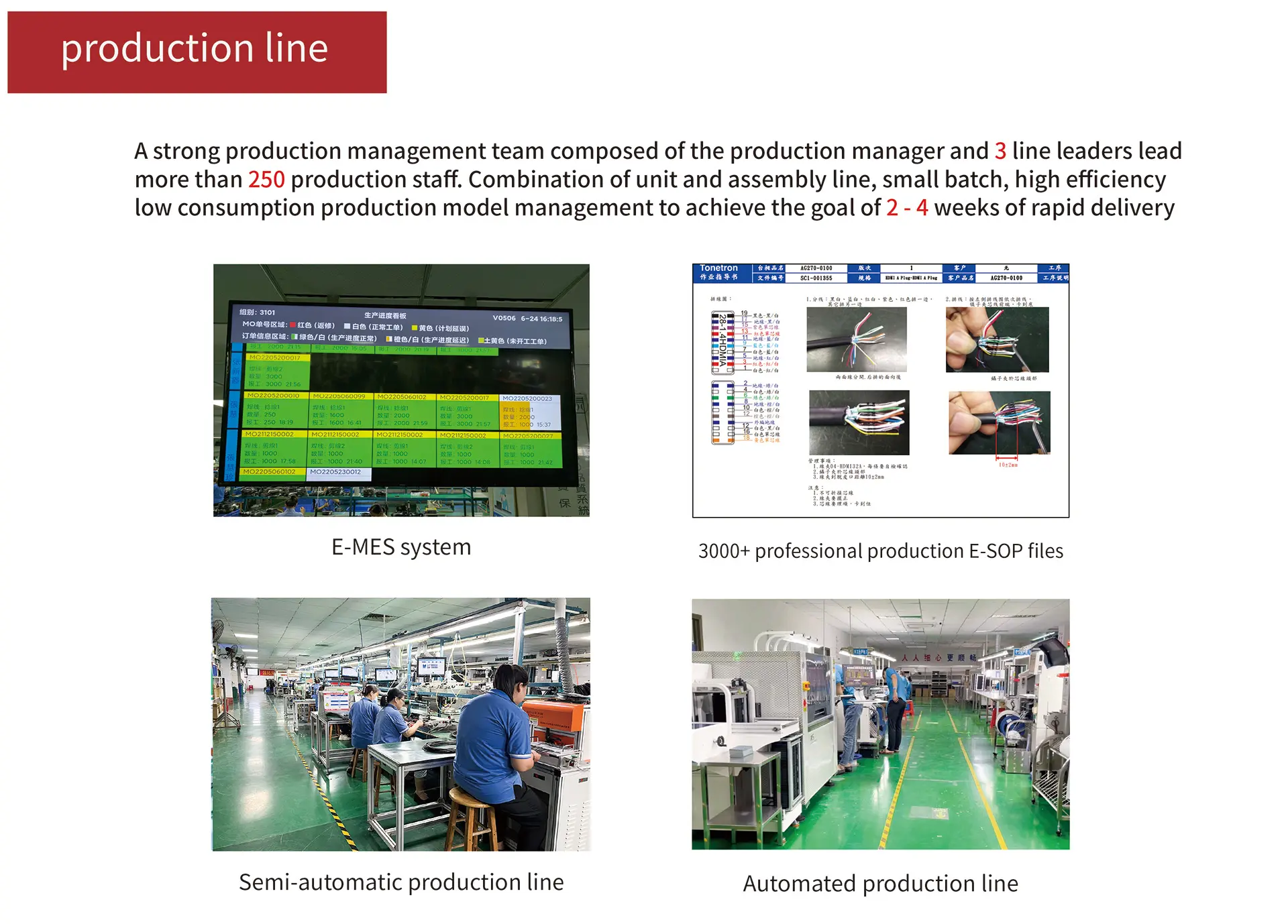
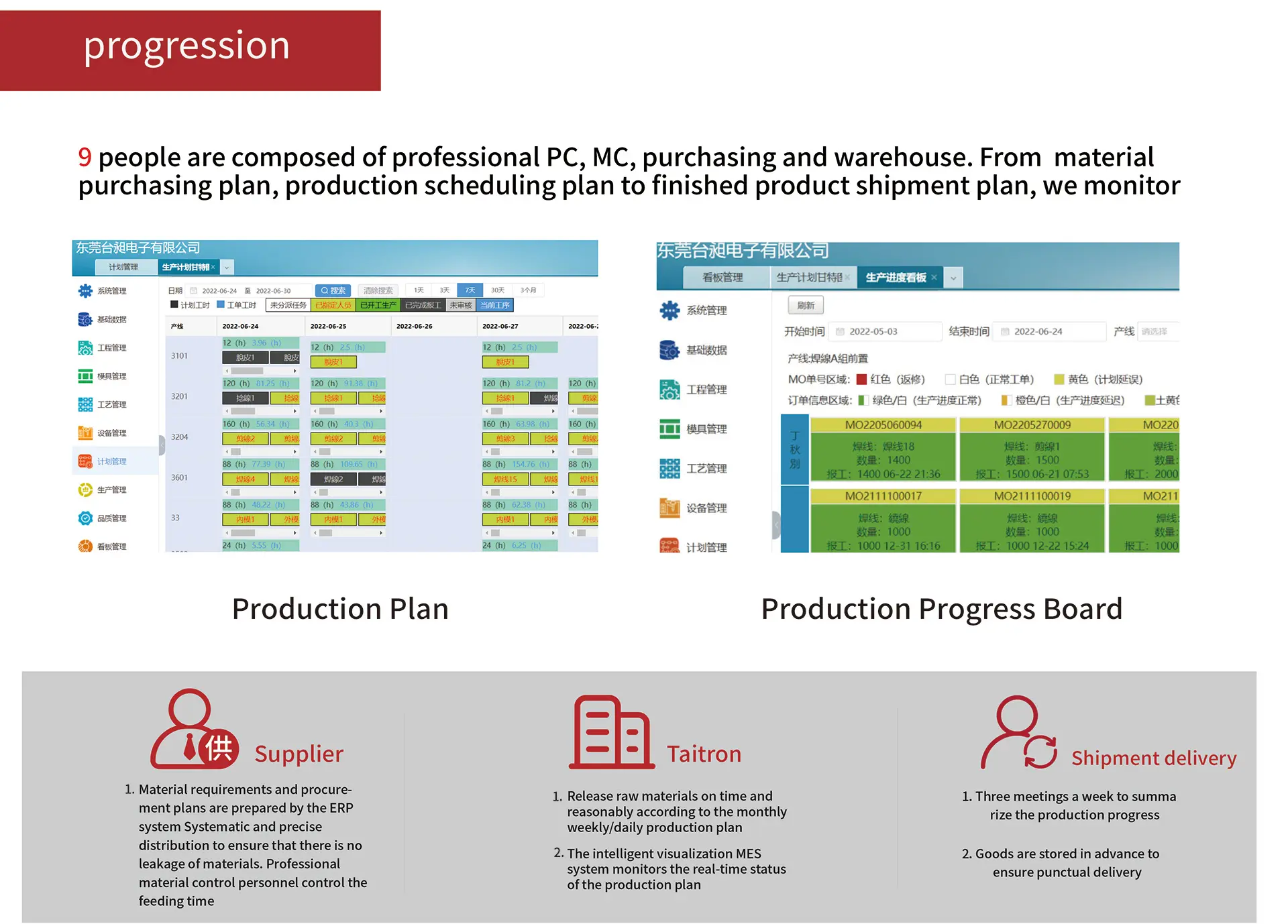
Operating out of a modern manufacturing facility, we manage all production stages, including raw wire extrusion, inner shielding assembly, overmolding, contact plating, and quality control. This vertical integration allows us to offer custom design solutions, flexible packaging options, and reliable shipment scheduling to meet the demands of global distributors and brand owners.
Addressing the common questions raised by enterprise procurement managers and product development engineers.
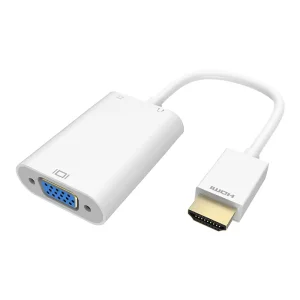 Buy HDMI to VGA Adapter (1080P) - MP299A Company, Exporter
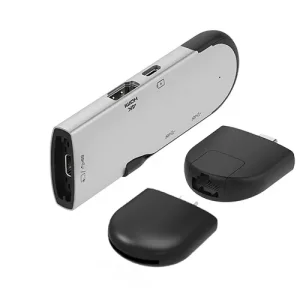 Custom USB C 7 in 1 Modular Adapter - PF434A Manufacturers, Quotes
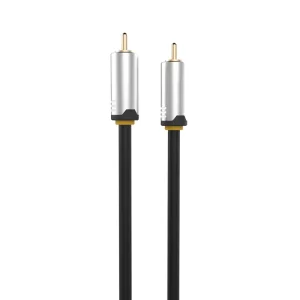 CE Certification RCA cable - HMC263 Product, Supplier
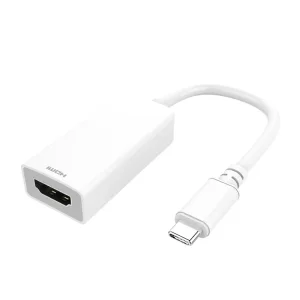 Discount USB C to HDMI 4K/30Hz Adapter - MP403 Product, Companies
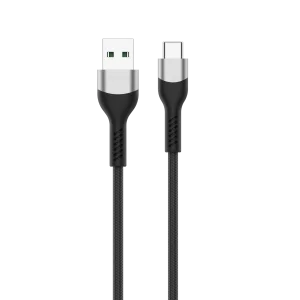 CE Certification USB Type A to C 2.0 6A Cable - PF496 Products, Exporter
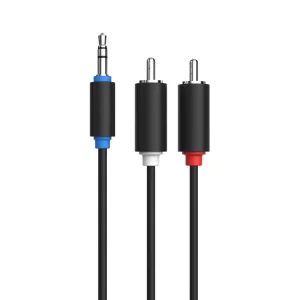 ODM 3.5mm - 2 x RCA Audio cable - PB103 Product, Pricelist
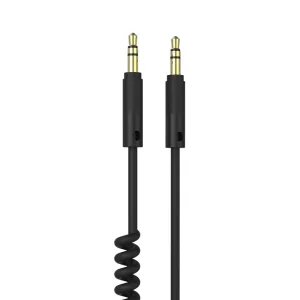 Cheap 3.5mm Audio cable - HMM105S Products, Product
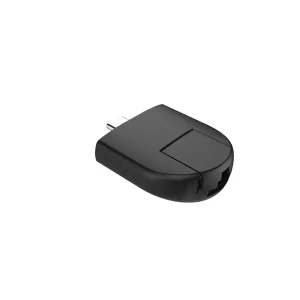 Wholesale USB C to RJ45 1000Mbps Adapter - PF047 Factories, Factory
 Taichang Electronic