🧬 INDUSTRY WHITE PAPER
⚡ HDMI 2.1b & 8K SPECIFICATION
🛡️ ISO 9001:2015 CERTIFIED
🌐 GLOBAL SUPPLY CHAIN
Comprehensive Analysis of Premium HDMI Cable Engineering, Metallurgy, and Manufacturing Excellence
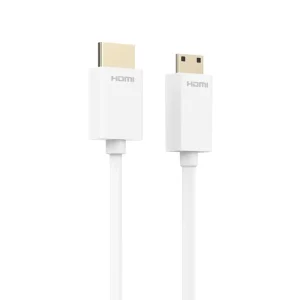
This technical brief outlines the core principles of high-fidelity signal transmission within modern HDMI topologies. It details parameters that define premium, reliable production for global OEMs, ODM procurement offices, and system architects who require robust, long-term performance.
8K/10K
Resolution Capability
High-Definition Multimedia Interface (HDMI) protocol has evolved from handling basic high-definition video at 4.95 Gbps to transmitting 48 Gbps under the Ultra High Speed HDMI (HDMI 2.1b) standard. This step-change requires factories to implement precise manufacturing tolerances to manage electromagnetic interference (EMI), return loss, and crosstalk.
- TMDS & FRL Architectures: While HDMI 1.4/2.0 uses Transition Minimized Differential Signaling (TMDS) with 3 data channels and 1 clock channel, HDMI 2.1 introduces Fixed Rate Link (FRL) technology. FRL removes the dedicated clock channel, converting it to a fourth data lane. It operates with 16b/18b encoding to provide higher data efficiency.
- Attenuation & Dielectric Control: As high-frequency signals pass through copper conductors, skin effect losses increase. To minimize attenuation, we use foamed polyethylene (PE) insulation injected with gaseous nitrogen. This lowers the dielectric constant to under 1.5, preserving signal amplitude over distance.
- Skew Mitigation: Differential delay (skew)—both intra-pair (between positive and negative wires of a differential pair) and inter-pair (between different channels)—is a primary cause of packet errors. Premium OEM manufacturing guarantees intra-pair skew limits below 112 picoseconds via specialized twisting machinery.
| HDMI Specification |
Max Bandwidth |
Maximum Video Resolution |
Transmission Protocol |
Core Metallurgy Requirements |
| HDMI 1.4 |
10.2 Gbps |
4K @ 30Hz / 1080p @ 120Hz |
TMDS (8b/10b) |
OFC (Oxygen-Free Copper) 30-28 AWG |
| HDMI 2.0 a/b |
18.0 Gbps |
4K @ 60Hz / 1440p @ 144Hz |
TMDS (8b/10b) |
OFC or Silver-Plated Copper 30-26 AWG |
| HDMI 2.1b |
48.0 Gbps |
8K @ 60Hz / 4K @ 120Hz / 10K |
FRL (16b/18b) |
Ultra-Pure Copper / Silver-Coated 30-24 AWG or AOC |
A reliable HDMI cable relies on high-grade metallurgy and physical shielding. Premium factories use specific material designs to prevent EMI issues in complex installations.
Conductor Purity: We source Oxygen-Free Copper (OFC) with a minimum purity rating of 99.99% (4N OFC). For high-frequency, long-distance cables, we apply a electroplated silver layer (1.25% to 2.5% thickness). Because high-frequency electrical signals travel near the conductor surface (skin effect), the silver layer reduces resistance at these frequencies.
Triple-Layer Shielding (EMI Protection): To block RF interference from modern office, home, and industrial wireless environments, we apply a triple-layer shielding design:
- Individual Pair Shielding: Each of the main differential signal pairs is wrapped in an aluminum-Mylar foil wrap with 25% overlap.
- Overall Foil Shielding: A secondary aluminum-polyester tape wrap wraps the entire core assembly to block high-frequency noise.
- Braided Shielding: An outer tinned copper or aluminum-magnesium alloy braid (typically 65% to 95% coverage density) grounds low-frequency magnetic fields. This design provides structural support and maintains the cable's shape during installation.
The global electronics supply chain relies heavily on South China's manufacturing clusters, particularly within the Pearl River Delta (Dongguan, Shenzhen, and Huizhou). The region's integrated manufacturing system offers significant logistical and cost advantages:
🔌 Raw Material Access
Direct supply networks for PVC compounds, copper drawing plants, precision tooling, and plating facilities ensure quick production setup and material traceability.
⚡ Automated Production
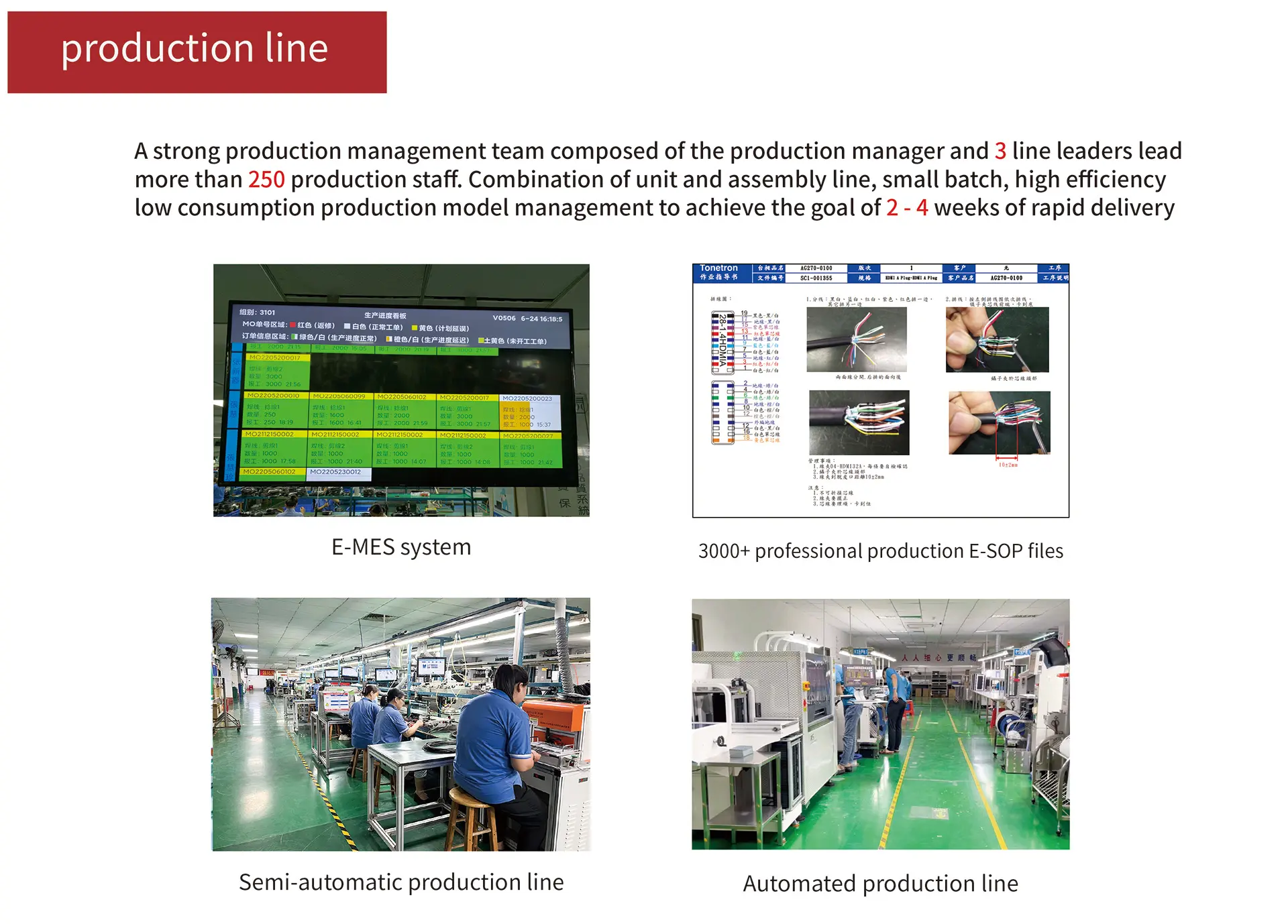
Advanced high-speed extrusion lines, automated soldering machines, and computerized testing fixtures lower unit costs and improve consistency.
🛡️ Technical Expertise
The local ecosystem is supported by specialized testing labs and engineers skilled in high-frequency signal design, which accelerates product development.
With nearly four decades of manufacturing history, Dongguan Taitron Electronics Limited provides reliable high-speed data and AV cables for demanding OEM and ODM clients worldwide.
Foundational History: Established in Keelung, Taiwan in 1984 as Tonetron, the company relocated to a self-built industrial park in Dalingshan Town, Dongguan City, mainland China in 1993, changing its name to Dongguan Taitron Electronics Limited.
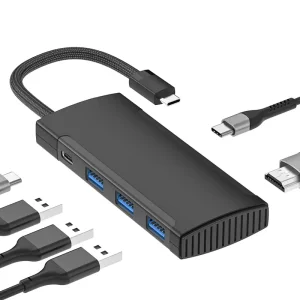
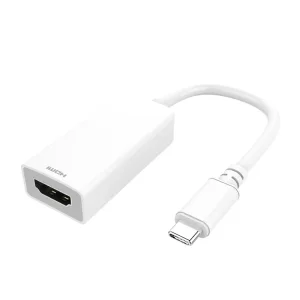
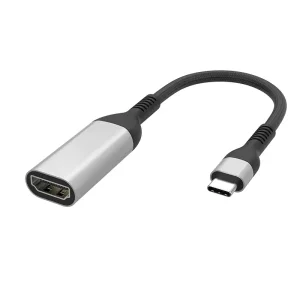
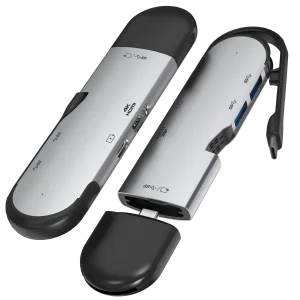
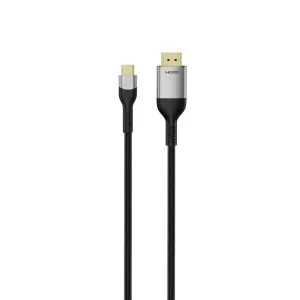
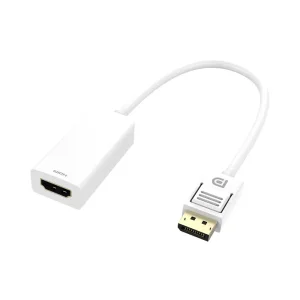
Product Focus: Building on 38 years of experience in audio and video connectivity, our research and production has expanded into high-end standards. This includes HDMI 2.1, DisplayPort (DP 2.0), USB4, USB-C 3.1 Gen 2, high-power USB-C power delivery (PD) cables, 8K active optical converter cables, and multi-functional Type-C docking stations.
Different industries require specific properties in their high-definition interconnect designs. We configure cable jackets, shielding, and connectors to fit these usage profiles:
- Enterprise Conference Rooms & Custom Integrations: Requires plenum-rated (CMP) or non-plenum in-wall (CL2/CL3) jackets. For runs over 10 meters, we construct active optical fibers (AOC) to avoid signal dropouts or ground loop issues.
- Gaming & Interactive Media: Optimized for HDMI 2.1b features, including Variable Refresh Rate (VRR), Auto Low Latency Mode (ALLM), and Quick Frame Transport (QFT). These settings require strict impedance matching (100 ohms ± 10 ohms) to prevent screen tearing and input lag.
- Medical Diagnostics & Imaging: High-resolution scanners (MRI, CT, 4K Endoscopy) require low-smoke zero-halogen (LSZH) jackets and specialized shielding to prevent electromagnetic interference with sensitive hospital equipment.
- Industrial & Control Center Displays: High-vibration environments demand physical locking connectors (screw-lock or friction-lock HDMI heads) along with highly flexible TPE jackets to handle constant routing adjustments.
What is the difference between Passive Copper and Active Optical (AOC) HDMI cables?
Passive copper cables use copper conductors to transmit signals. Over long distances (typically 5 to 7.5 meters for HDMI 2.1), signal loss limits bandwidth. Active Optical Cables (AOC) convert the electrical signal into light pulses, transmitting high-bandwidth HDMI signals over fiber optic strands up to 100 meters without loss, and they are immune to electromagnetic interference (EMI).
How does Dongguan Taitron handle quality control during mass production?
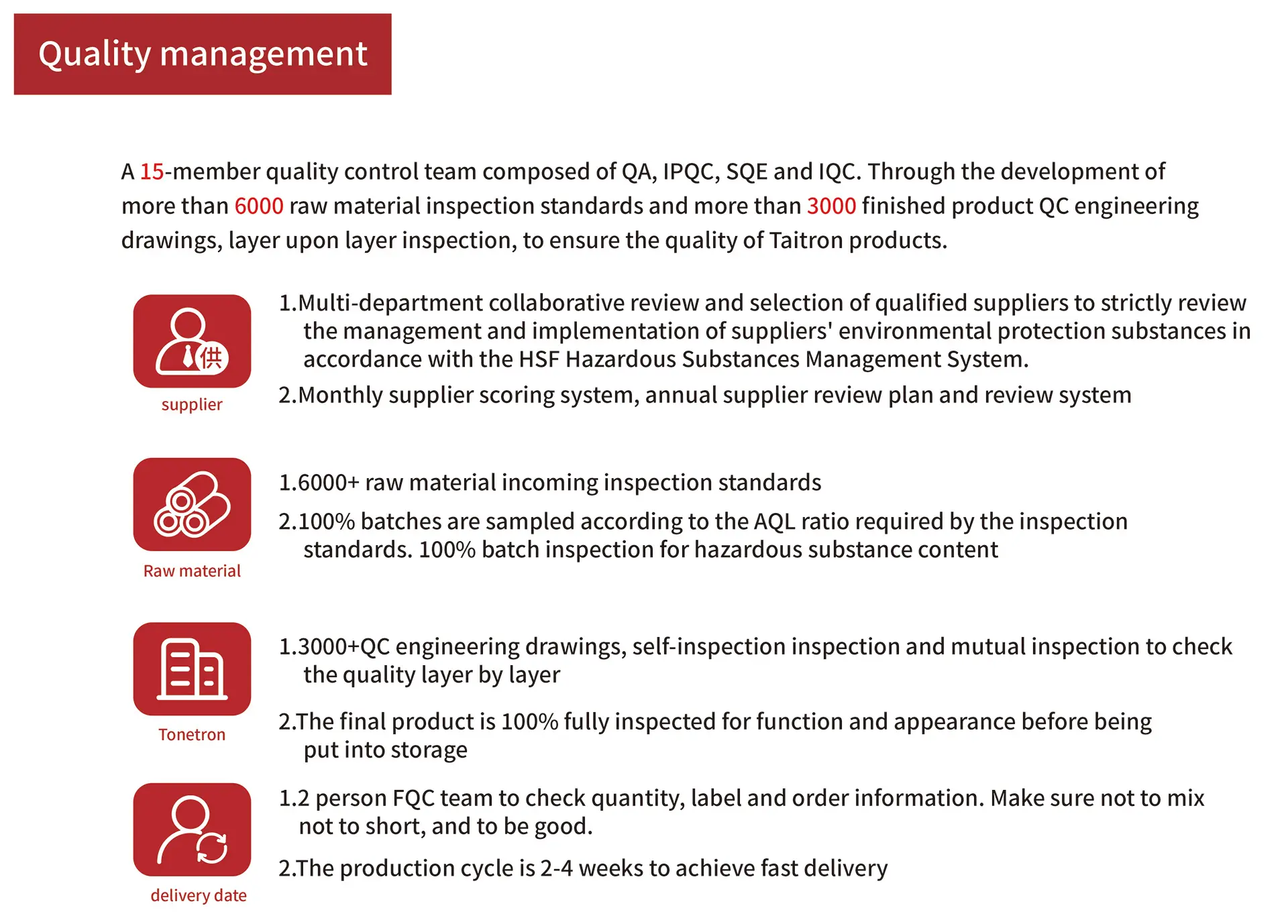
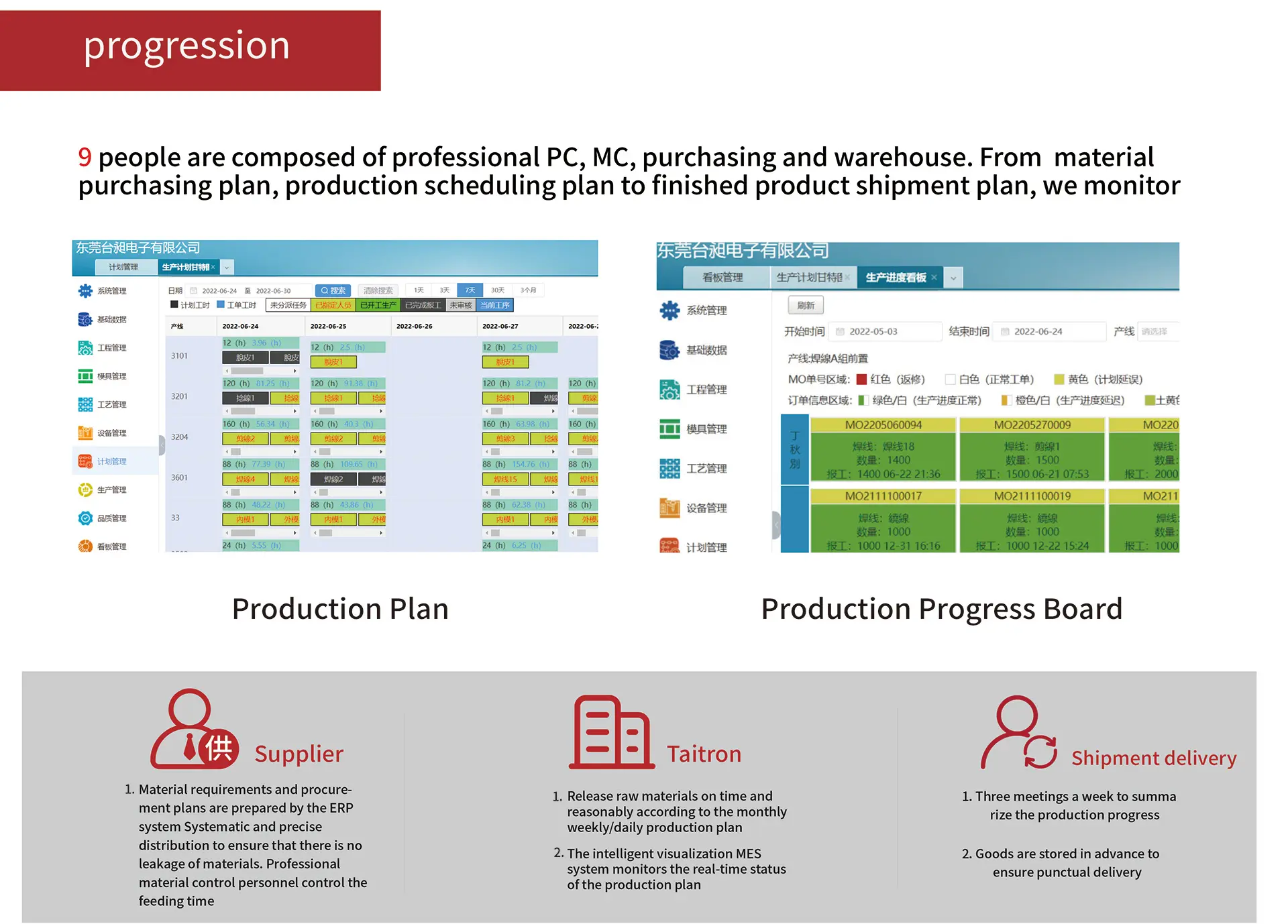
We apply quality control checks at every stage: incoming raw materials verification, electrical testing during extrusion, automated welding inspection, and 100% final testing using high-frequency network analyzers (including Time Domain Reflectometry for characteristic impedance, attenuation, and skew limits) before packaging.
What customization options (OEM/ODM) are available for clients?
We offer comprehensive customization options, including custom outer jackets (braided nylon, PVC, TPE, LSZH), custom shell designs (zinc alloy, aluminum, ABS plastic), connector plating specifications (nickel, flash gold, 15u-50u heavy gold plating), and custom wiring arrangements to support specific functions.
Are the cables compliant with international safety and environmental regulations?
Yes, all materials and production processes comply with global environmental directives, including RoHS, REACH, and California Proposition 65. Our plant also supplies safety-certified constructions (CE, FCC, and UL/cUL in-wall ratings).
What is the standard lead time for OEM cable production?
Lead times vary depending on the complexity of the custom tooling and batch sizes. Typically, first-run custom production ranges from 30 to 45 days. Re-orders are processed within 25 to 30 days, supported by raw material stocking programs for regular clients.
 Taichang Electronic