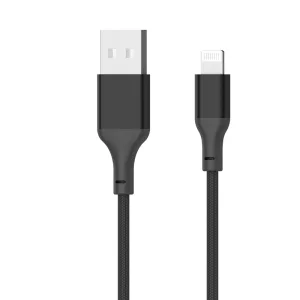
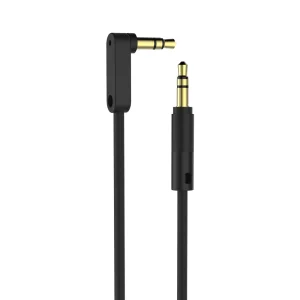
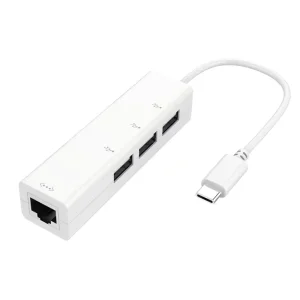
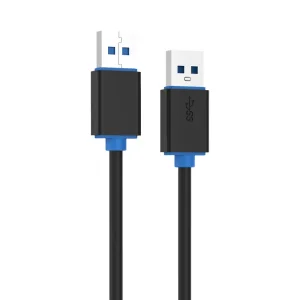
Engineered for durability, seamless driver integration, and high data integrity under heavy workloads.
In today's hyper-connected industrial and commercial ecosystems, the interface between physical local area networks (LAN) and host processing units has undergone a major paradigm shift. The widespread adoption of ultra-thin laptops, embedded industrial PCs, and compact edge-computing hardware has led to the phased removal of native RJ45 ports. Consequently, the reliance on high-quality RJ45 to USB adapters has transitioned from a basic convenience to a critical infrastructure requirement.
From modern enterprise office buildings deploying thousands of thin clients to industrial manufacturing floors relying on legacy PLCs, reliable Ethernet connectivity is vital. Industry statistics show that wired connections still account for over 70% of mission-critical business systems due to their superior stability, low latency, and immunity to radio frequency interference (RFI). Global supply chains now demand highly robust OEM solutions that offer not only physical durability but also seamless software integration across various operating systems, including Windows, macOS, Linux, and specialized real-time kernels.
Furthermore, the evolution of the USB standard—from Type-A USB 2.0 to Type-C USB 3.2 Gen 2 and USB4—has enabled significant bandwidth capabilities. While standard USB 2.0 adapters bottleneck connection speeds to a theoretical maximum of 480 Mbps, modern USB-C interfaces easily handle 1 Gbps, 2.5 Gbps, and even 10 Gbps Ethernet pipelines. Global procurement professionals must navigate these specifications carefully to ensure their connectivity components match their exact performance and budget requirements.
How our custom engineering solves common connectivity bottlenecks in enterprise systems.
Utilizing industry-leading Realtek and ASIX controller chipsets for native driver support, low power draw, and PXE Boot capabilities.
Multi-layer PCB layout with dedicated metal shielding cans protects the signal from electromagnetic interference in dense server racks.
Aluminum alloy enclosures with integrated thermal dissipation pads prevent thermal throttling during continuous full-duplex transfers.
Supports up to 100W USB PD passthrough, enabling simultaneous host charging and gigabit network access over a single port.
Automatically detects and configures crossover cables, ensuring full compatibility with various network topology designs.
Reinforced cable-to-connector joints tested up to 10,000 bending cycles to withstand demanding field usage.
Our manufacturing history reflects the evolution of modern electronics. In 1984, Dongguan Taitron Electronics Limited., formerly known as Tonetron, was founded in Keelung, Taiwan. In 1993, recognizing the industrial potential of the Pearl River Delta, the company established an independent production park in Dalingshan Town, Dongguan City, Guangdong Province, China. This facility has driven our manufacturing innovation for nearly four decades.
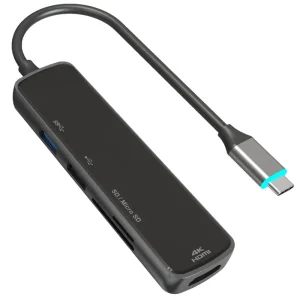
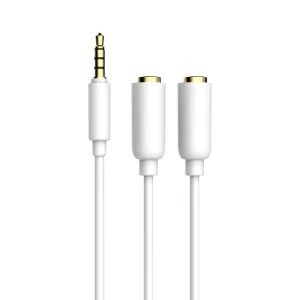
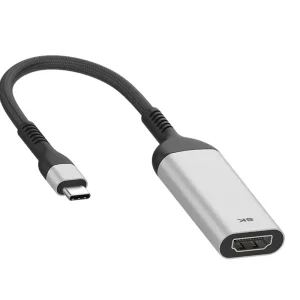
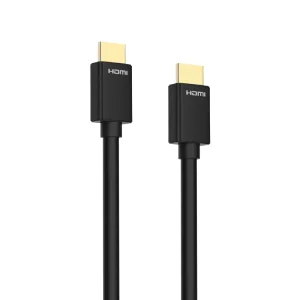
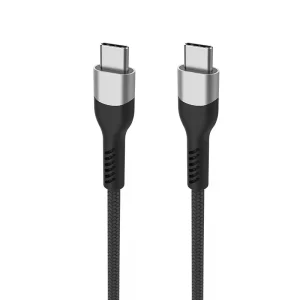
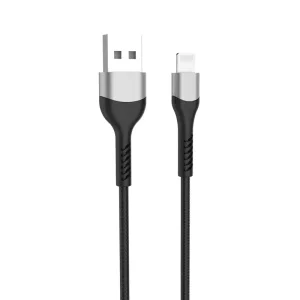
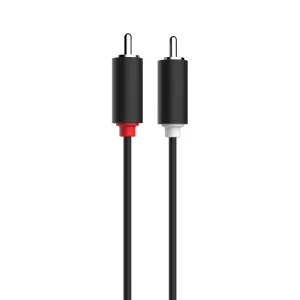
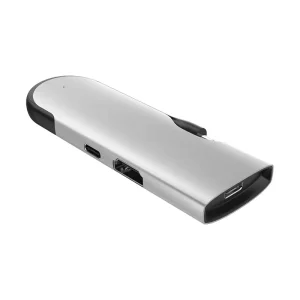
Over 38 years, Taitron has evolved its manufacturing capabilities from basic consumer audio and video connection lines to high-end, high-performance connectivity solutions. Today, our research and development programs cover advanced standards, including HDMI 2.1 cables, DP 2.0 cables, USB4 data cables, USB-C 3.1 Gen 2 adapters, high-power USB charging cables, 8K HD conversion cables, and multi-functional Type-C expansion docks.
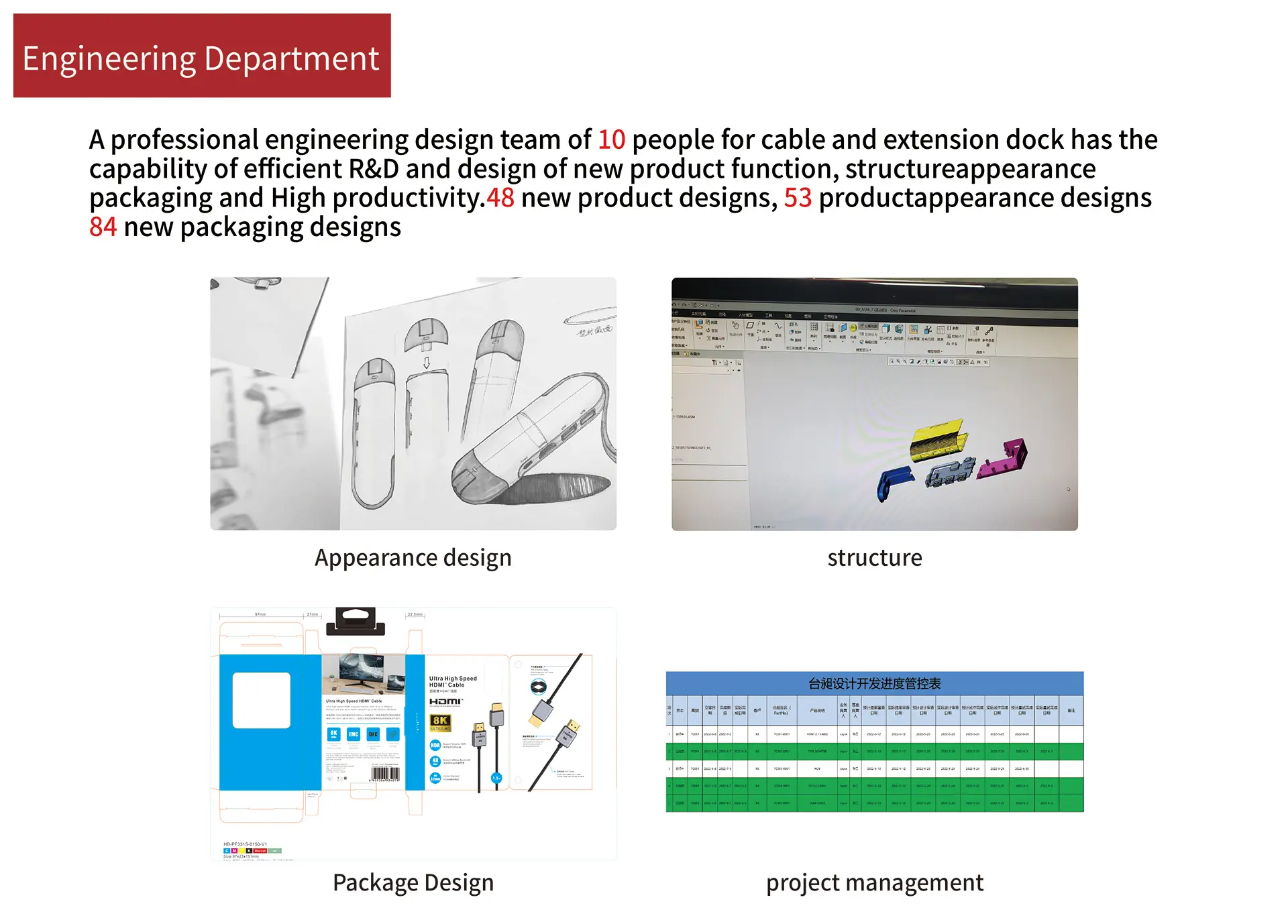
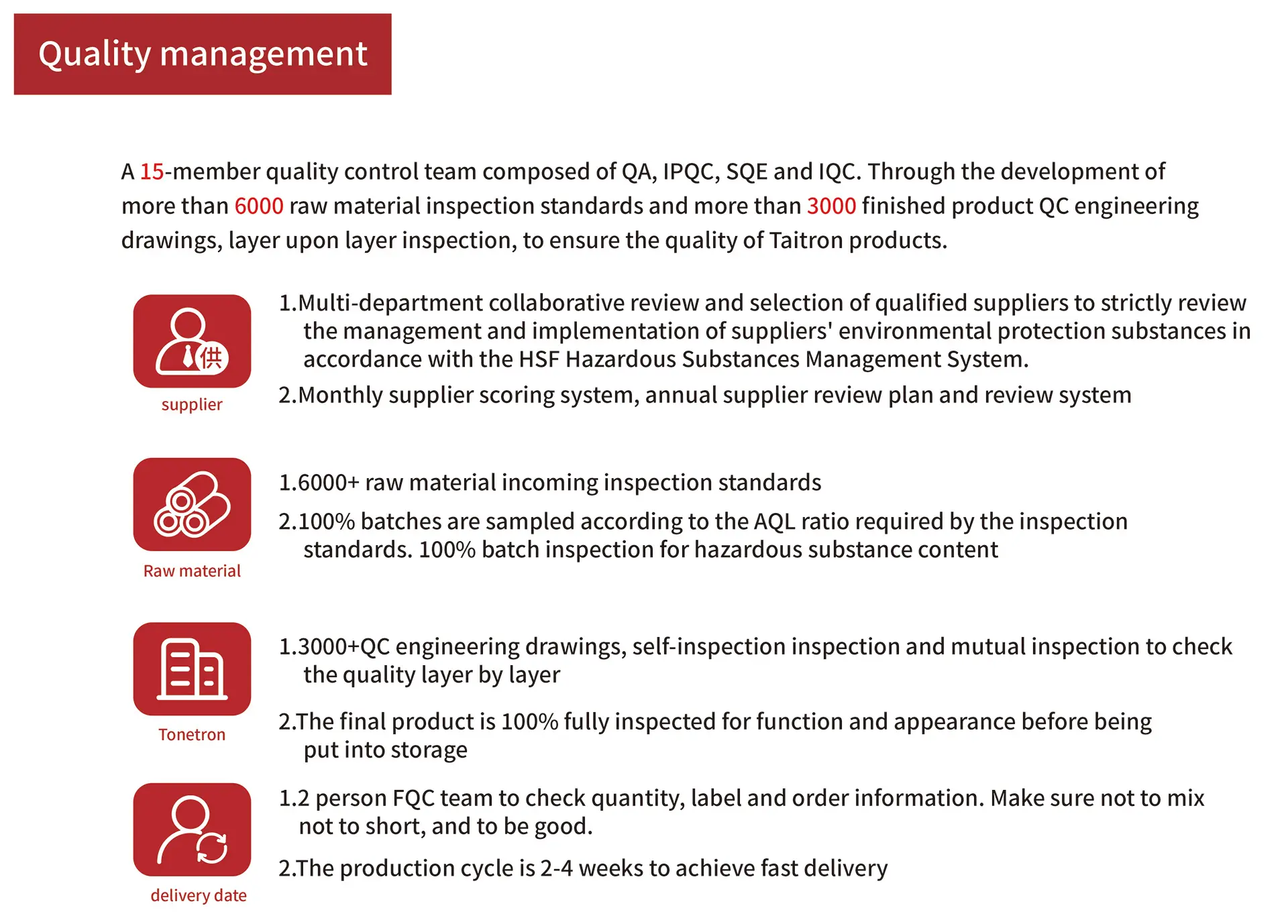

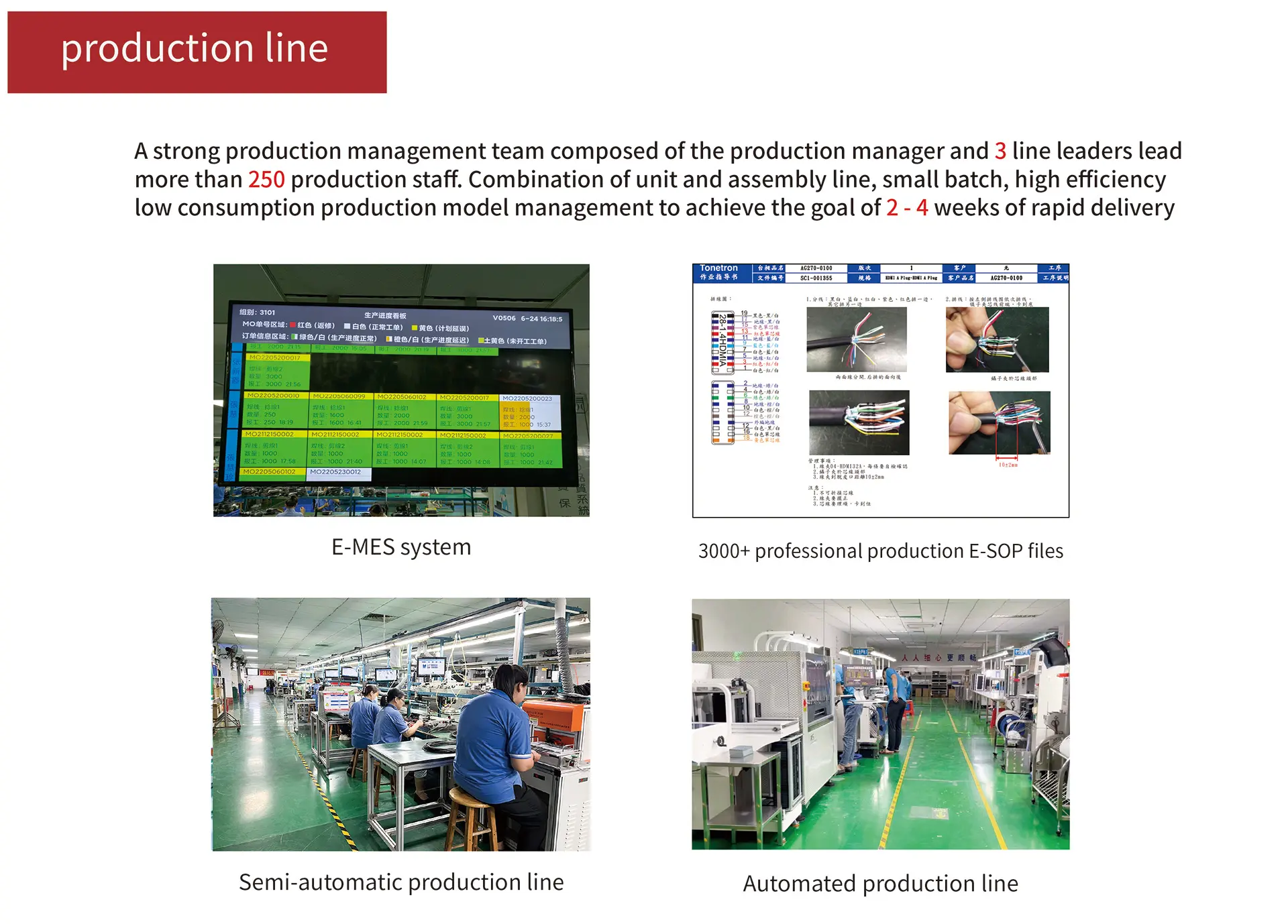
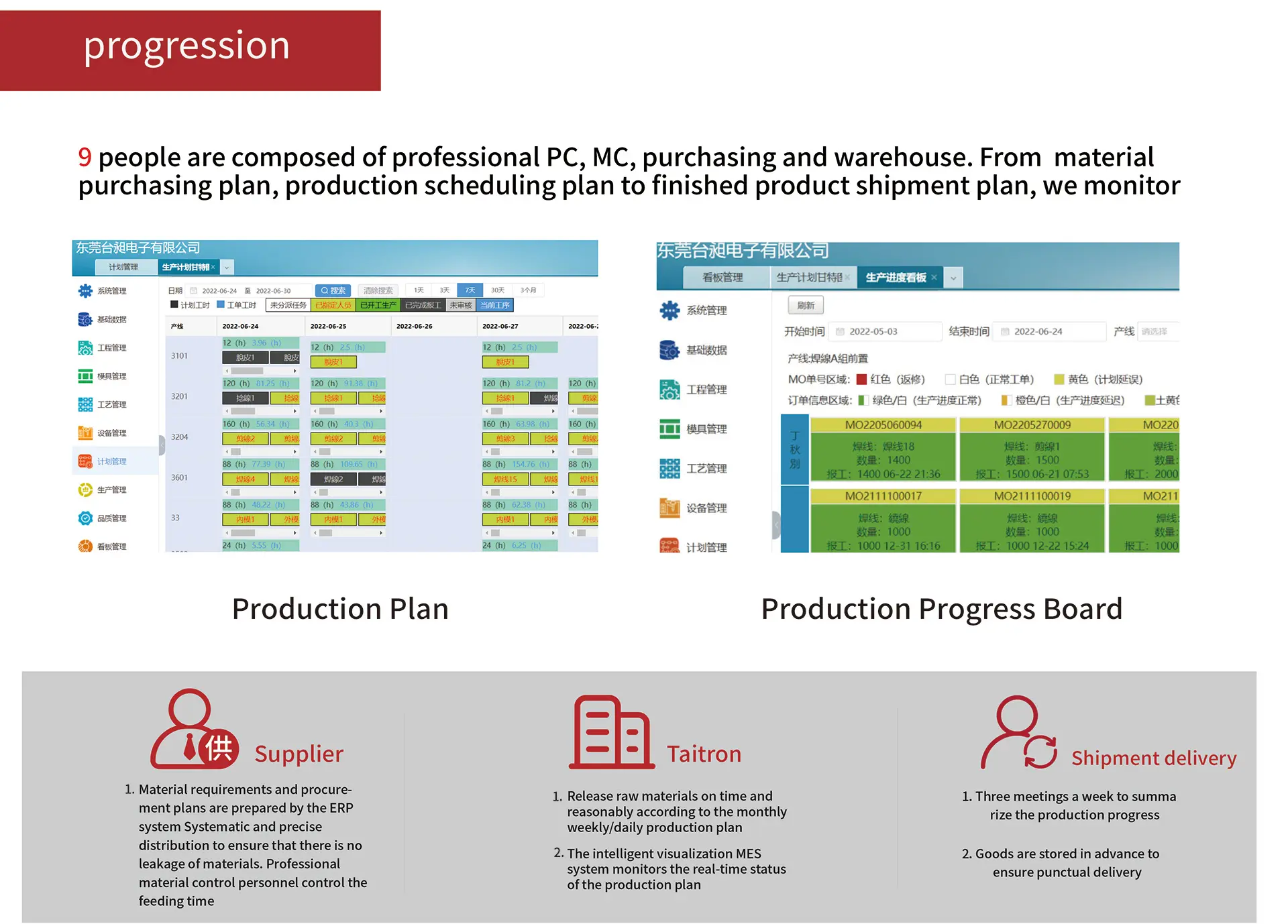
Operating a self-built industrial park in Dongguan allows us to utilize regional supply chain clusters. Raw materials, chipsets, metal shells, and precision molding are sourced from local suppliers, helping to minimize production lead times. By integrating our engineering expertise with strict quality assurance, we ensure that every adapter leaving our production lines meets global quality standards.
RJ45 to USB conversion solutions are deployed across various demanding environments, each requiring unique design and engineering approaches:
Modern open offices frequently employ shared desks with thin clients or ultra-lightweight laptops. Native Wi-Fi networks in these environments can experience significant packet loss and connection drops. Standardizing on USB-C to RJ45 adapters allows companies to provide steady gigabit-speed connections to every employee, improving productivity for video conferencing, large database management, and cloud access.
In smart factories, technicians connect diagnostic laptops to programmable logic controllers (PLCs) and industrial drives via USB ports to perform updates and maintenance. Since factory floors contain high levels of EMI from motors and machinery, standard consumer adapters can suffer from packet loss. Our industrial-grade adapters feature integrated galvanic isolation and shielded RJ45 ports to ensure stable communication during critical maintenance procedures.
Network engineers working in data centers require direct console and Ethernet access to servers, routers, and switches. An OEM USB-to-Ethernet adapter with support for PXE (Preboot Execution Environment) and Wake-on-LAN (WoL) allows IT administrators to boot servers remotely and install operating systems over the network, simplifying data center management.
Compare technical configurations across different B2B product tiers.
| Parameter | Entry-Level Office | High-Speed Professional | Heavy Industrial / Server |
|---|---|---|---|
| Host Interface | USB 2.0 / USB 3.0 Type-A | USB 3.1 Gen 1 / Type-C | USB4 / USB 3.2 Type-C |
| Ethernet Speed | 10/100 Mbps (Fast Ethernet) | 10/100/1000 Mbps (Gigabit) | 10/100/1000/2500/5000 Mbps |
| Primary Chipset | ASIX AX88772C | Realtek RTL8153 | Realtek RTL8156B / AQC111U |
| Enclosure Material | ABS Plastic / PVC | Anodized Aluminum Alloy | Zinc Alloy / Heavy Steel Shielding |
| Operating Temp. | 0°C to 40°C | -10°C to 60°C | -40°C to 85°C (Extended Range) |
| Advanced Features | Basic Plug-and-Play | WoL, PXE Boot, VLAN Tagging | Jumbo Frames 9K, IEEE 802.3az, PD 100W |
Key information on purchasing cycles, quality certifications, and custom options.
Browse our broader range of custom and wholesale connection components.
 Taichang Electronic