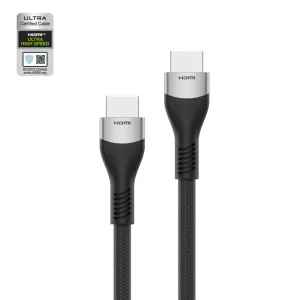
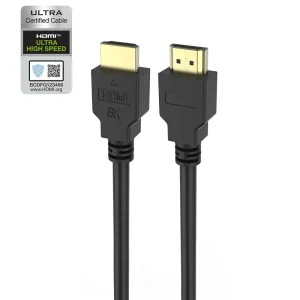
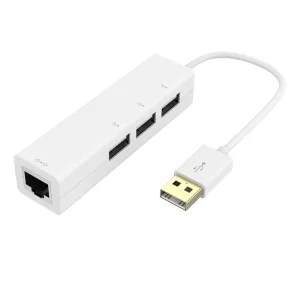
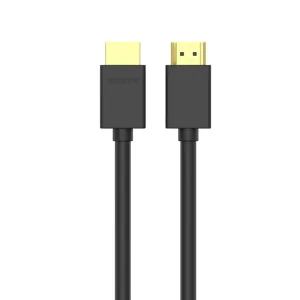
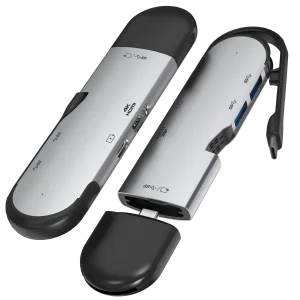
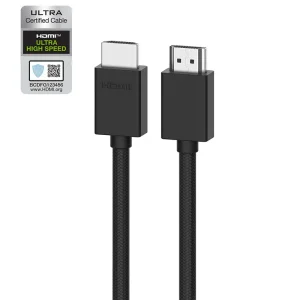
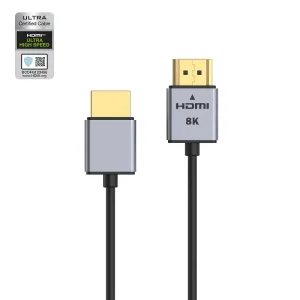
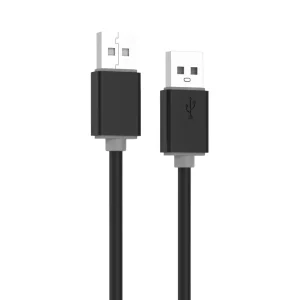
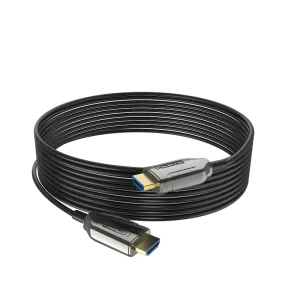
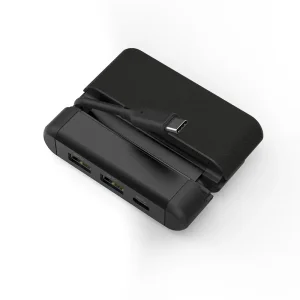
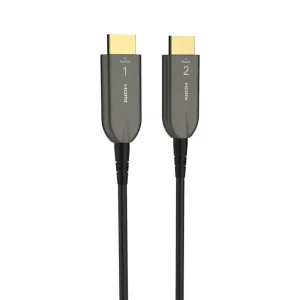
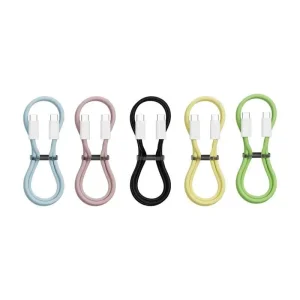
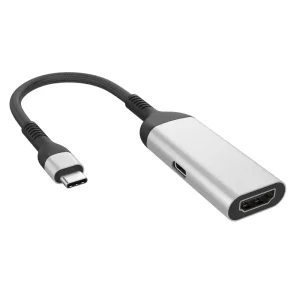
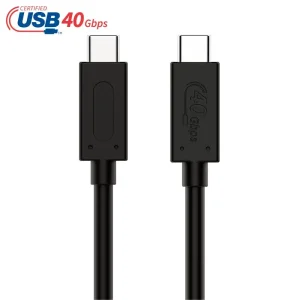
Examine our top industrial-grade connectivity configurations. Request customized pricing tiers on volume OEM manufacturing runs.
In an era defined by ultra-dense office deployments, secure network topologies, and high-throughput industrial automation, physical wired interfaces remain irreplaceable.
As corporate work environments transform into zero-trust spaces, wireless connectivity (Wi-Fi 6E/7) frequently faces physical limitations, spectrum congestion, and critical vulnerabilities. This transition has led to a major rise in demand for B2B USB 3.0 to Gigabit Ethernet adapters. By leveraging the 5Gbps pipeline of the USB 3.2 Gen 1 (formerly USB 3.0) protocol, these devices enable computing terminals—such as ultrabooks, thin clients, medical monitors, and industrial panels—to maintain stable, line-rate 10/100/1000Mbps connectivity.
Global procurement teams must navigate complex choices between performance reliability, thermal endurance, and unit costs. Choosing an OEM USB 3.0 to Ethernet adapter requires analyzing technical factors, chipset lifecycles, and component-level assembly standards to build a resilient, long-term IT infrastructure.
The reliability of a USB-to-Ethernet bridge depends heavily on its underlying controller. We focus on premium chipsets to ensure cross-platform compatibility and efficient performance.
The standard choice for modern enterprise environments. Features ultra-low power consumption and natively supports energy-efficient standards like IEEE 802.3az. Includes integrated in-house drivers for Windows, macOS, and Linux to simplify deployment.
Favored in embedded systems, POS machines, and complex industrial systems. Provides deep hardware-level customization and maintains steady packet transfer rates in environments with high electromagnetic interference.
Features 4-layer PCB configurations that keep the high-frequency USB 3.0 lines separate from the analog network signals. This minimizes interference and maintains stable throughput, even over extended operational cycles.
| Chipset Model | Host Protocol | Supported LAN Speeds | Power Draw (Typical) | Special Functionality |
|---|---|---|---|---|
| Realtek RTL8153B | USB 3.0 / USB-C | 10 / 100 / 1000 Mbps | < 150 mW | PXE Boot, WoL (Wake-on-LAN), Auto-Negotiation, MAC Address Pass-Through |
| ASIX AX88179 | USB 3.0 / Type-C | 10 / 100 / 1000 Mbps | < 220 mW | IPv4/IPv6 checksum offload engine, Crossover Detection |
| Realtek RTL8156B (Next-Gen) | USB 3.1 Gen 2 / Type-C | 10/100/1000/2500 Mbps | < 380 mW | 2.5G Ultra-Broadband, Jumbo Frame Support up to 9KB |
B2B procurement requires transparent pricing and an understanding of the bill-of-materials (BOM) to plan investments effectively.
OEM costs for USB 3.0 to Ethernet adapters depend on key physical and electronic components. Understanding this cost breakdown helps purchasing managers optimize their orders for the best value.
Anodized aluminum alloy enclosures improve passive heat dissipation, protecting internal chipsets from thermal throttling. This design is highly recommended for continuous, high-performance environments. Molded plastic options (ABS+PC) offer a lightweight, cost-effective alternative for high-volume consumer distribution.
We offer USB Type-A or Type-C connectors, nickel-plated for cost savings or gold-plated for maximum corrosion resistance. Gold plating ensures optimal connectivity in humid, industrial, or coastal regions.
Our premium assemblies use tinned copper conductors, shielded by AL-Mylar foil and high-density copper braiding. This design prevents cross-talk and preserves USB 3.0 super-speed signals even in crowded wiring setups.
We provide comprehensive branding support, including customized master cartons, retail-ready blister packs, and eco-friendly paper boxes. Products can be personalized with custom silk-screened logos, laser engravings, and tailored documentation.
Building on a 38-year legacy in high-end data cable and peripheral manufacturing, we deliver reliable, high-volume production with strict quality control.
Founded in 1984 as Tonetron in Keelung, Taiwan, our company relocated in 1993 to a self-built industrial park in Dalingshan Town, Dongguan City, China, renaming to Dongguan Taitron Electronics Limited. Over nearly four decades, we have transitioned from standard audio/video cables to high-performance data interfaces. Our current catalog includes HDMI 2.1, DP 2.0, USB4, USB 3.1 Gen 2, and multi-functional Type-C expansion docks.
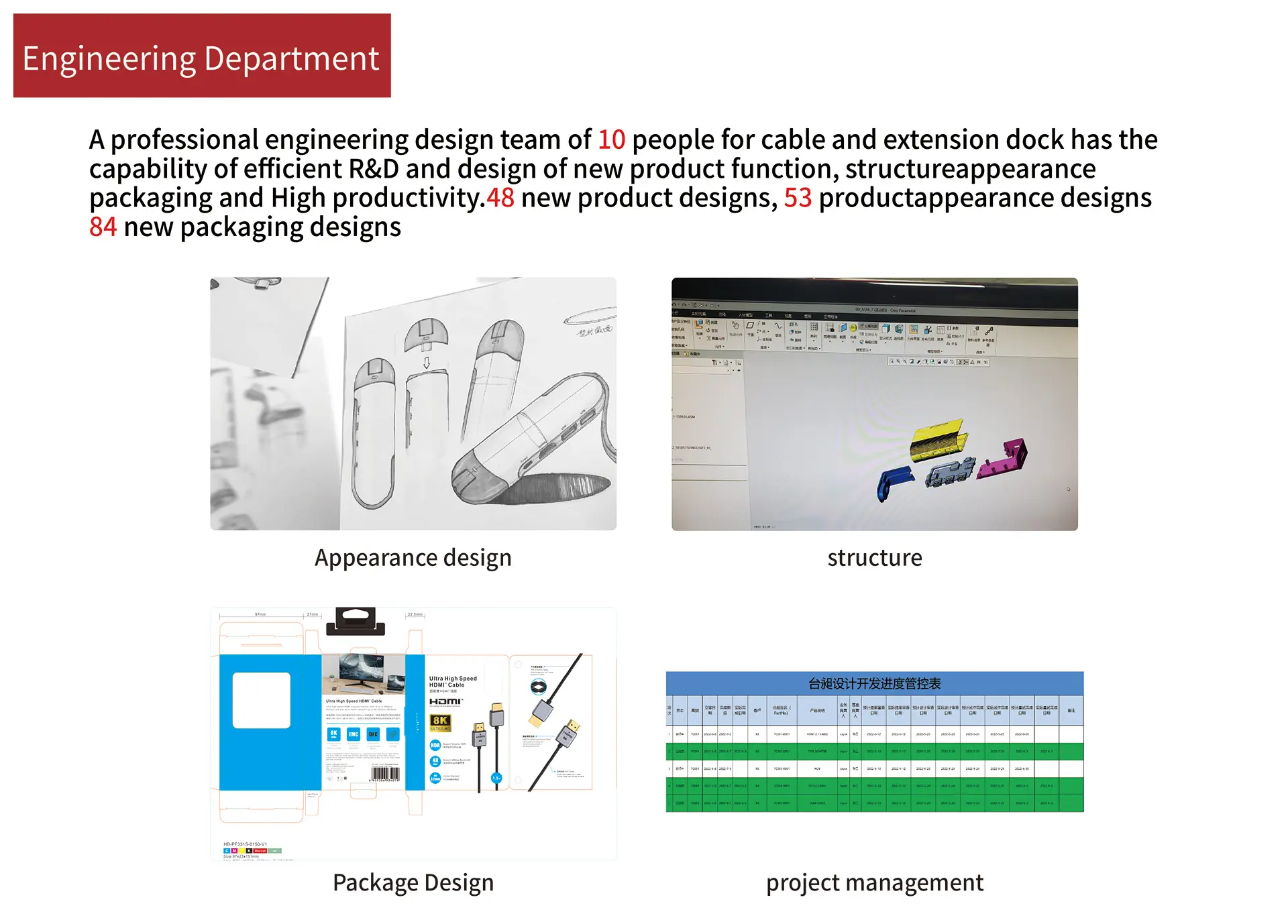
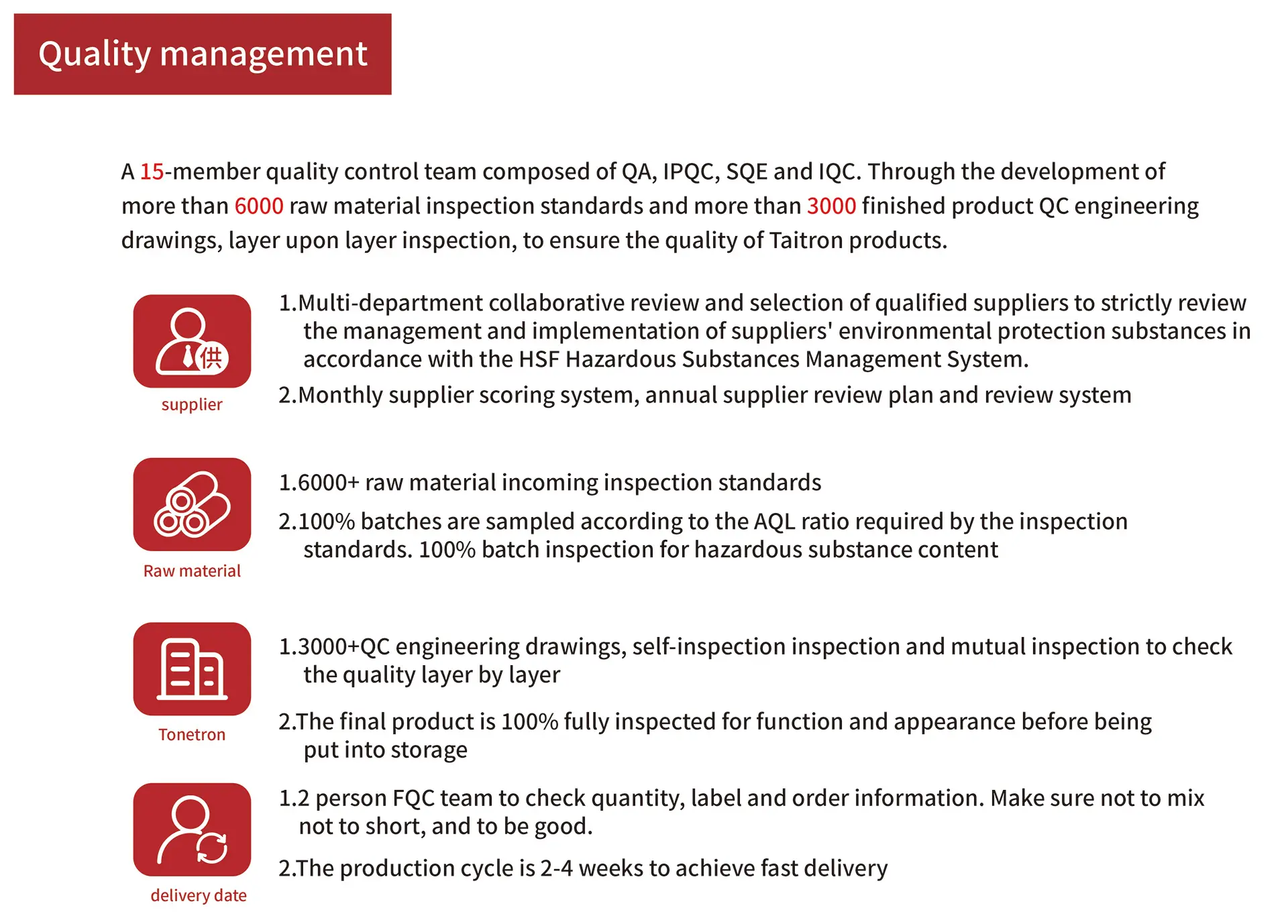
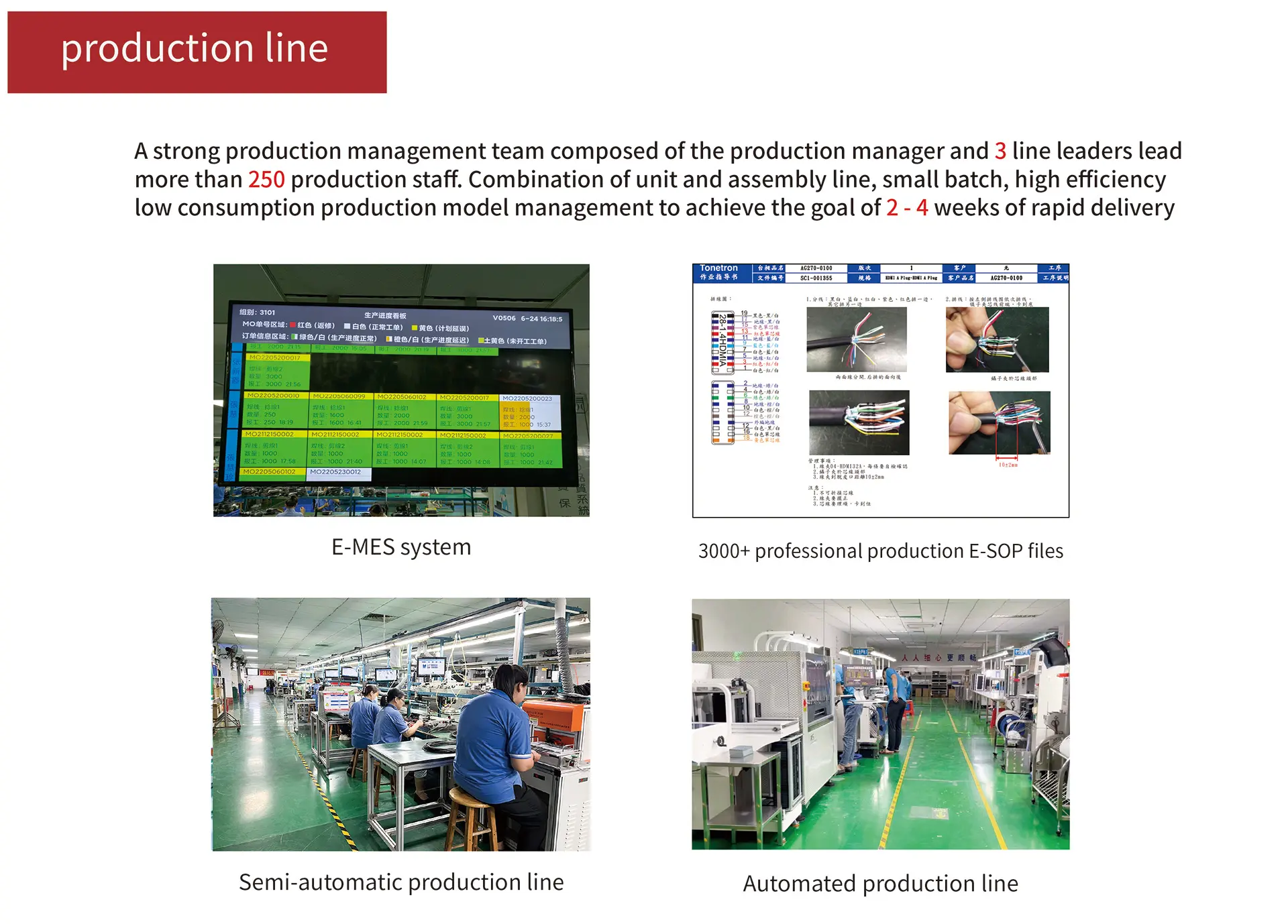
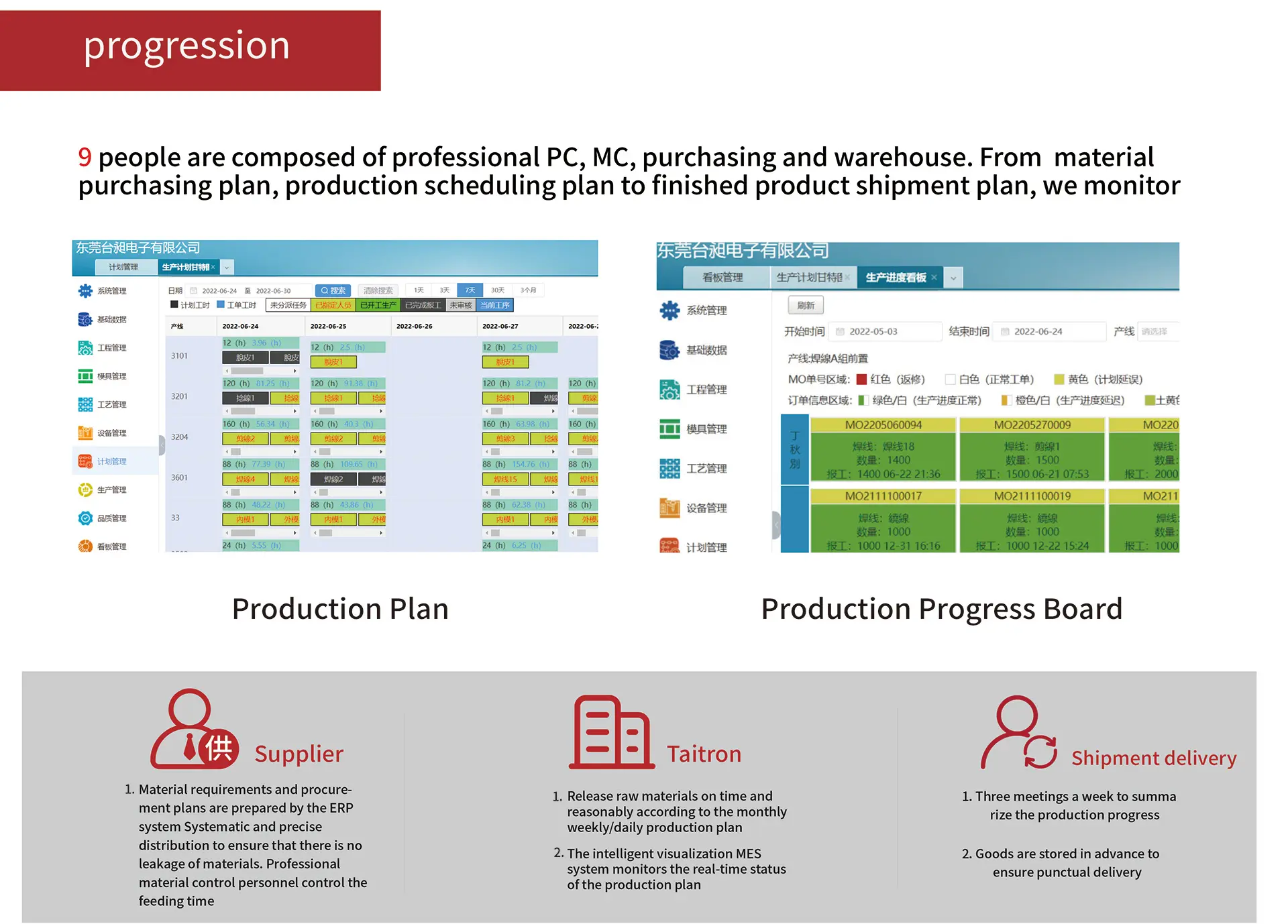
With fully integrated design, SMT, and testing facilities in Dalingshan, we maintain full quality control from design to delivery. Our factory utilizes high-precision automated SMT equipment, computerized testing fixtures, and advanced environmental chambers to ensure each adapter meets international standards.

As global networks adapt to higher data requirements, USB network adapters are scaling to meet changing infrastructure demands.
Modern hot-desking setups rely on USB-C and USB 3.0 Ethernet adapters to provide gigabit-level connections for ultrabooks lacking built-in RJ45 ports. This setup ensures stable video conferencing, high-speed database access, and secure local file transfers.
Automated manufacturing environments, POS systems, and medical imaging devices use USB-to-Ethernet adapters to add network interfaces without replacing existing system boards. This provides a cost-effective path to modernize older hardware.
The transition to 2.5G and 5G network speeds is shifting design focus toward USB 3.1 Gen 2 and Type-C interfaces. Our development pipeline includes integrates PD (Power Delivery) pass-through and multi-gigabit capabilities to support next-generation enterprise and industrial demands.
Common inquiries from wholesale buyers, network engineers, and distribution partners.
Below are our specialized optical cables, high-power adapters, and multi-functional USB devices designed to meet diverse connectivity needs.
 Taichang Electronic