In today's hyper-connected global economy, reliable and secure wired networking remains the backbone of enterprise operations, industrial automation, and professional cloud-based workflows. As thin-and-light laptop designs continue to omit physical Ethernet ports to save space, the demand for USB to RJ45 Gigabit Ethernet adapters has scaled exponentially. Enterprise buyers, hardware distributors, and computer peripheral brands require robust, reliable, and high-performance converters to meet this crucial bridge in modern network connectivity.
This whitepaper analyzes the current commercial landscape, technical architectures, manufacturing developments, and global procurement paradigms for OEM USB to RJ45 converter manufacturers. We explore how physical network interfaces adapt to advanced protocols (such as USB 3.1 Gen2, USB4, and Type-C) to deliver ultra-low latency, driverless compatibility, and reliable throughput. By evaluating manufacturing hubs like Dongguan, China, global businesses can make informed decisions to optimize their supply chain and ensure zero-fault networking performance.
Founded in 1984 in Keelung, Taiwan under the name Tonetron, our organization has dedicated nearly four decades to developing connection solutions. In 1993, to accommodate expanding global demands and leverage industrial cluster efficiencies, the company established an independent manufacturing campus in Dalingshan Town, Dongguan City, Guangdong Province, China, renaming the enterprise to Dongguan Taitron Electronics Limited.
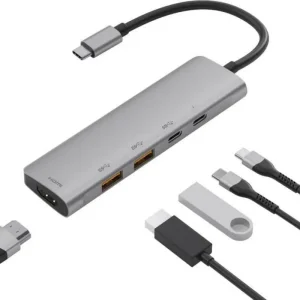
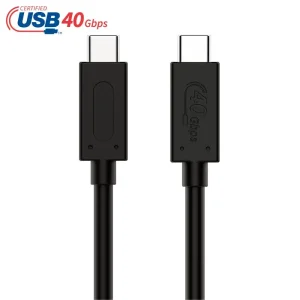
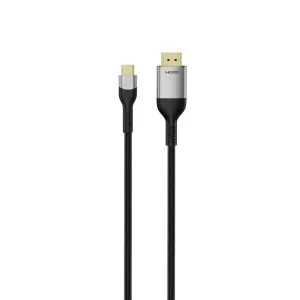
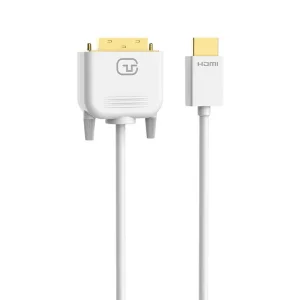
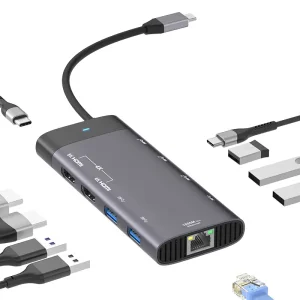
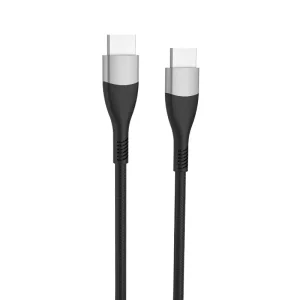
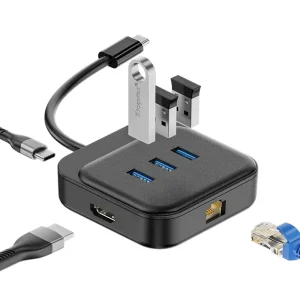
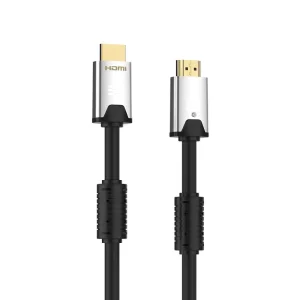
Over our 38-year history, we have transitioned from traditional video and audio peripheral connections to high-speed data transmission interfaces. Today, our advanced research and production facility focuses on high-end audio/video cables and data cables, including HDMI 2.1, DisplayPort 2.0, USB4, USB-C 3.1 Gen2 100W PD charging systems, 8K adapters, and multifunctional Type-C docking stations featuring integrated Gigabit RJ45 Ethernet ports.
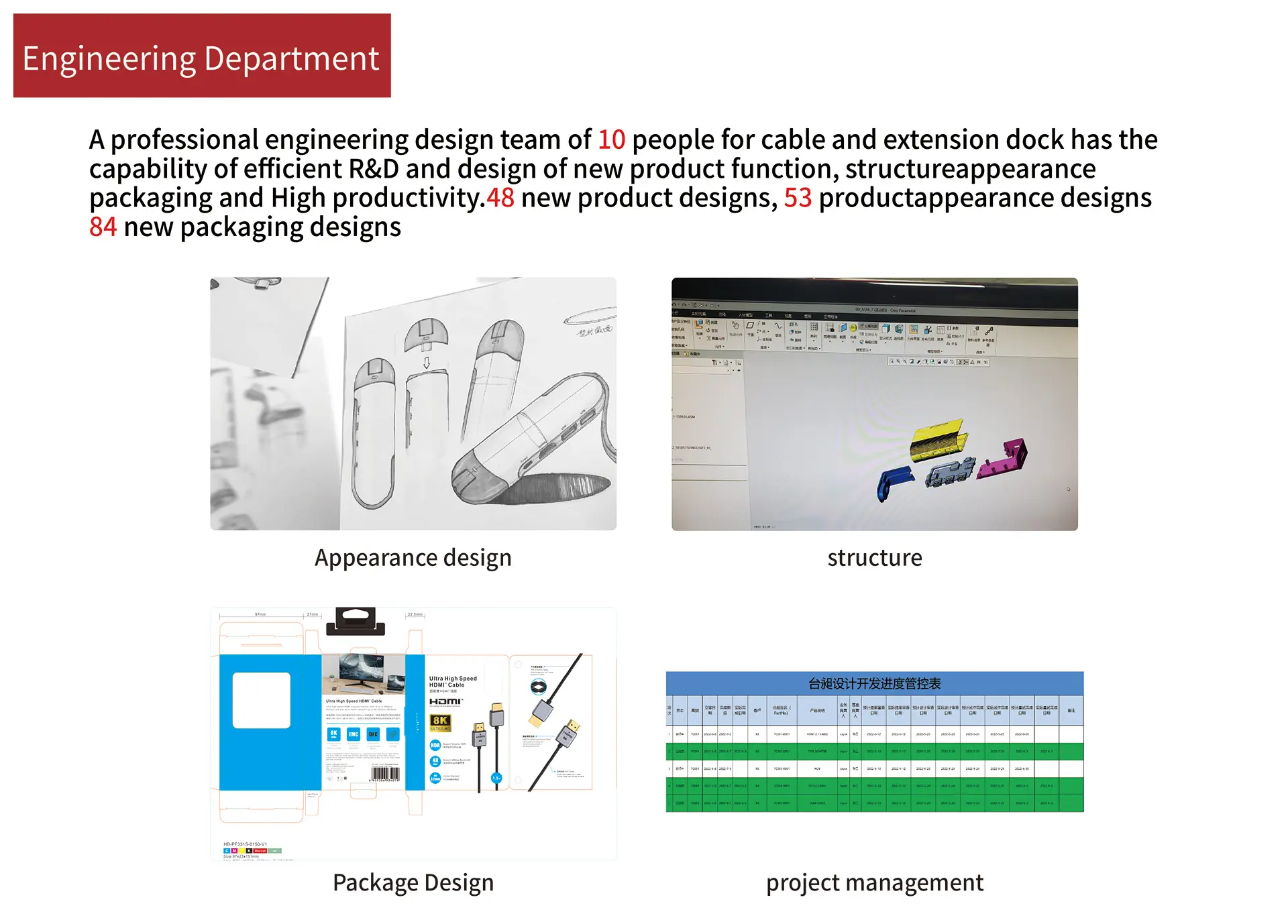
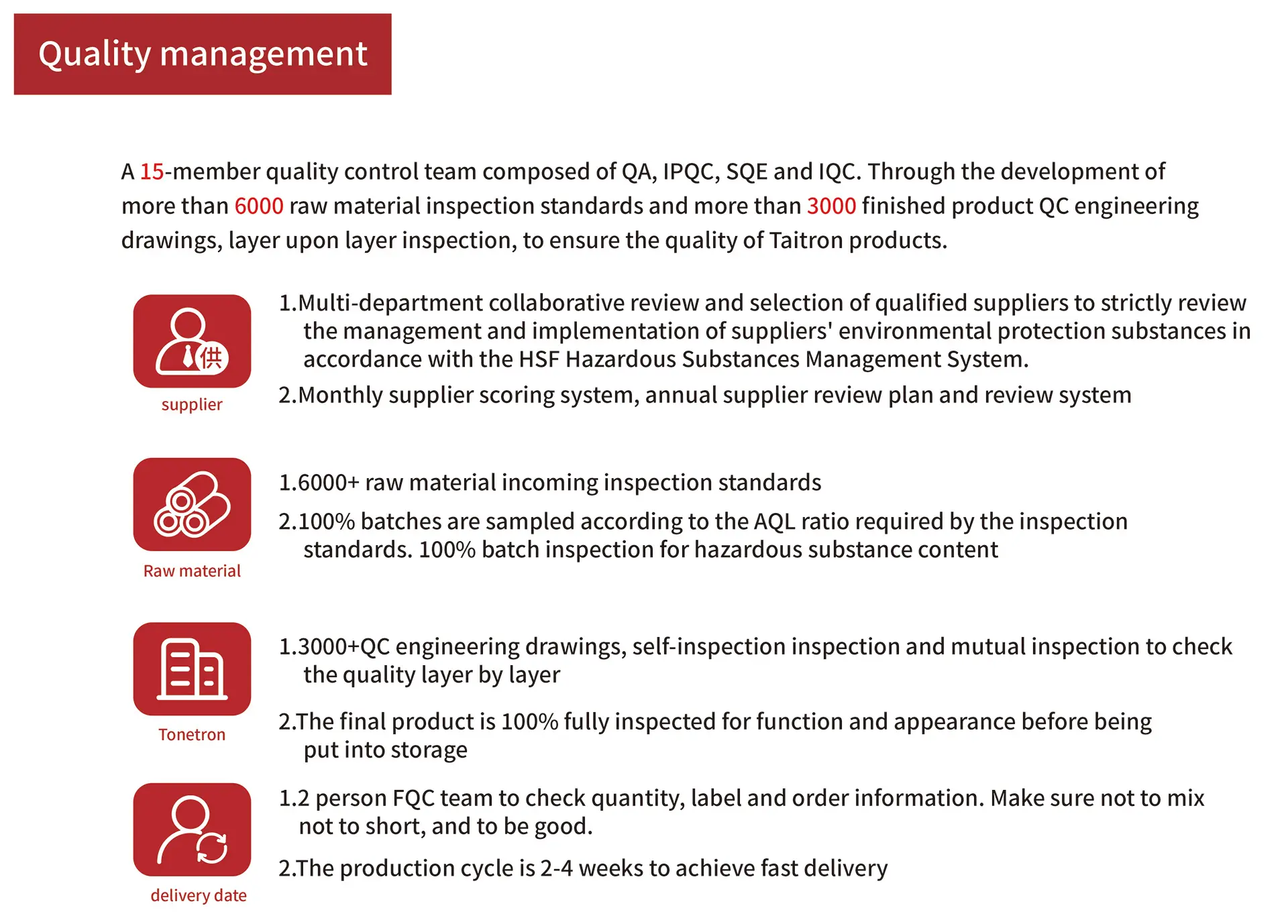

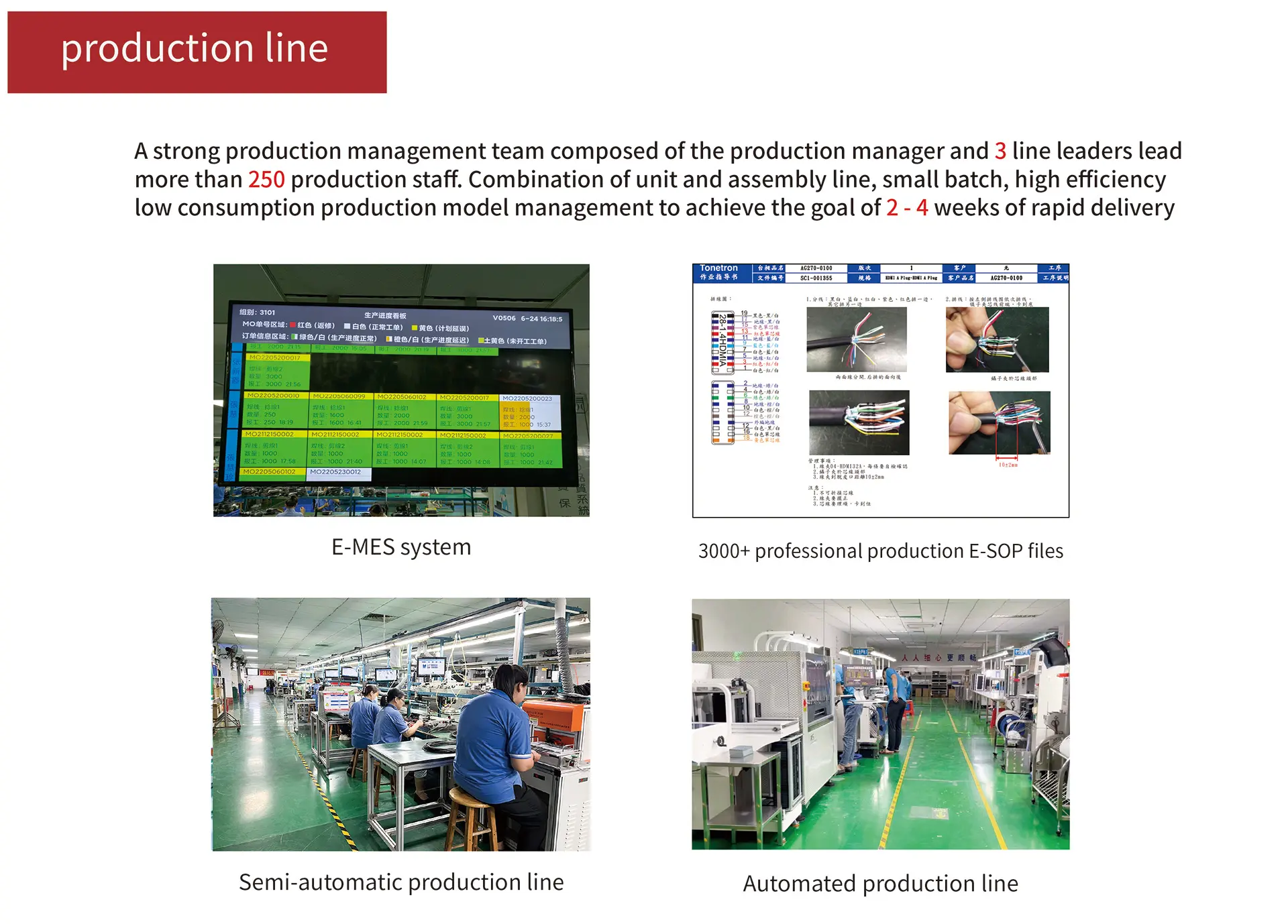
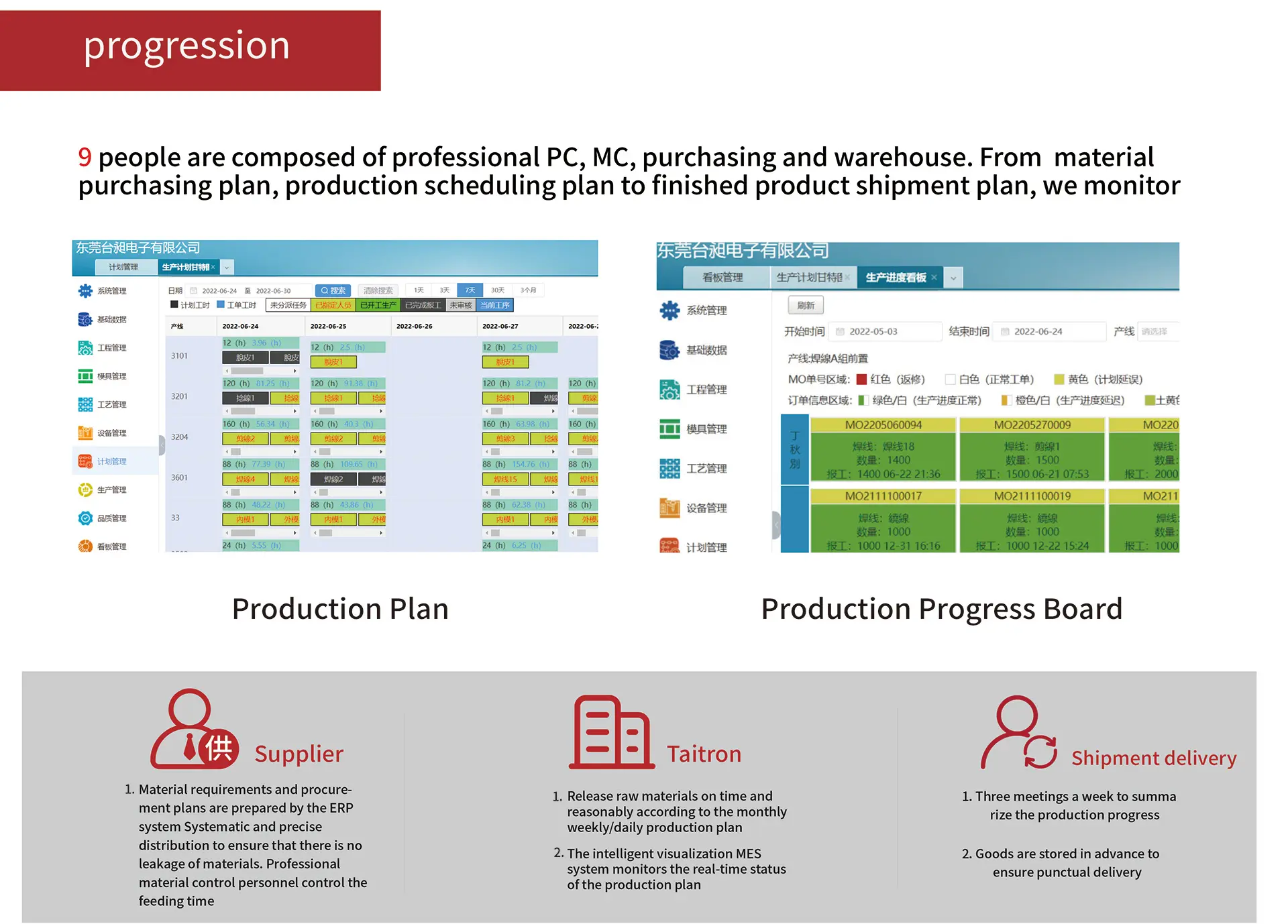
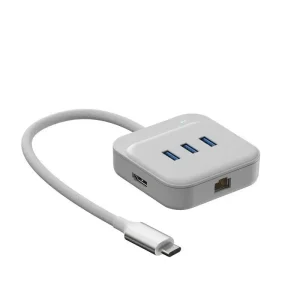
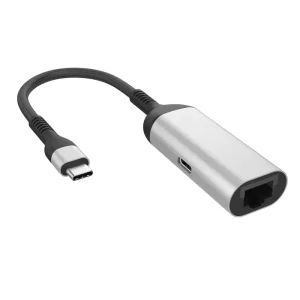
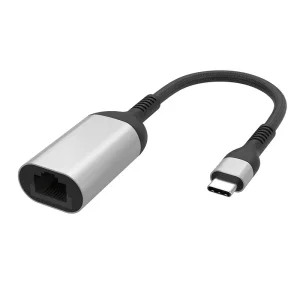
USB to RJ45 converters act as external Network Interface Cards (NICs). When connected to a host device's USB-A or USB-C port, the adapter converts high-speed USB packet data into IEEE 802.3 Ethernet frame standard protocols. The overall performance, stability, heat management, and driver configuration depend on three critical design layers:
| Technical Layer | Standard Specifications | OEM Target & Performance Focus |
|---|---|---|
| Main Controller (Chipsets) | Realtek RTL8153, RTL8156 (2.5G), ASIX AX88179A | Low-latency packet routing, cross-platform driverless compatibility. |
| Interface Protocols | USB 3.0 / USB 3.1 Gen1 / USB-C / USB4 | 5Gbps–40Gbps bandwidth, supporting 10/100/1000Mbps Ethernet links. |
| PCBA & Safety Design | Multi-layer PCB, ESD Protection, TVS Diodes | Shielding against electromagnetic interference (EMI); prevents voltage surges. |
| Casing & Heat Dissipation | Aluminum Alloy, High-thermal ABS | Continuous heat dissipation during large file transfers or gaming. |
High-quality OEM designs utilize multi-layer PCB boards that isolate high-speed differential signal lines from noise. The inclusion of decoupling capacitors and dedicated power regulators stabilizes voltage levels, preventing connection dropouts during high-throughput network tasks.
While consumer markets focus heavily on Wi-Fi connection, industrial environments rely on physical connection for latency minimization and secure data routing. USB to RJ45 converters are commonly deployed in the following environments:
Manufacturing USB to RJ45 adapters requires access to component suppliers, plastic molders, metal extruders, and logistics networks. Dongguan, China has developed into a central hub for electronics manufacturing, offering distinct supply chain advantages:
Dongguan Taitron Electronics utilizes these local resources to manage the entire manufacturing cycle, from prototype development through volume production, maintaining consistent build quality for global clients.
Procurement professionals and product managers should evaluate several critical factors when auditing potential OEM suppliers for USB to RJ45 converters:
As computing power scales and data needs grow, the hardware accessory market continues to evolve. Key trends shaping next-generation USB networking converters include:
As high-speed broadband and Wi-Fi 6/7 routers become standard, users require 2.5G and 5G network speeds, shifting baseline expectations beyond standard Gigabit adapters.
Next-generation adapters leverage USB4's wider bandwidth to support concurrent 2.5G Ethernet connections, 8K video output, and Power Delivery passthrough over a single interface.
Global brands increasingly mandate Post-Consumer Recycled (PCR) plastics and plastic-free packaging to align with environmental and corporate sustainability targets.
 Taichang Electronic