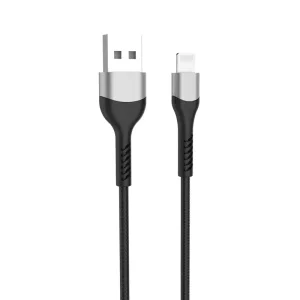
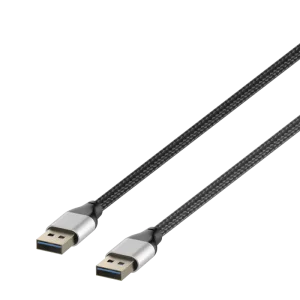
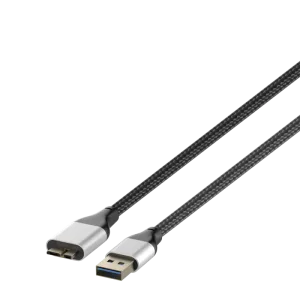
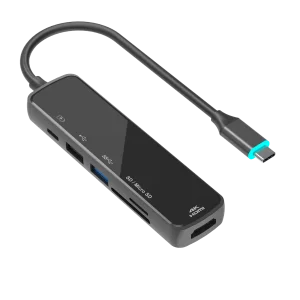
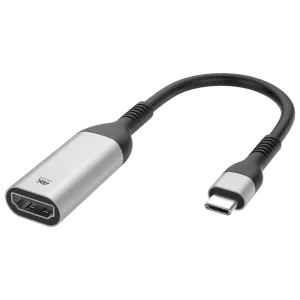
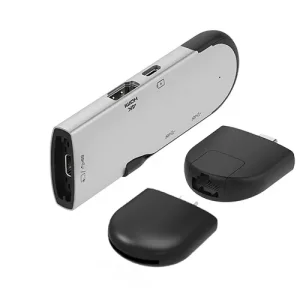
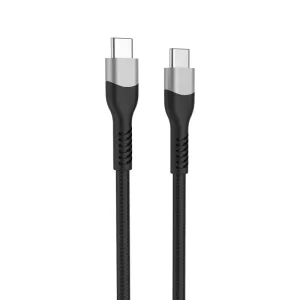
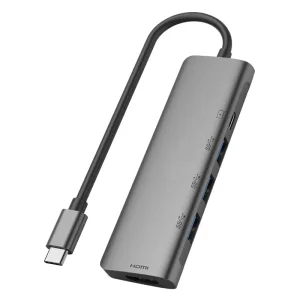
Explore our certified batch production inventory including active converters, high-speed data links, and interface adapters built for commercial integration.
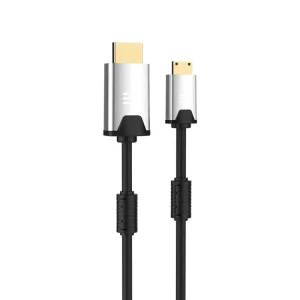
In the rapidly evolving landscape of professional visual displays and high-speed data transmission systems, the DisplayPort (DP) 1.2 specification remains a foundational technology for critical hardware infrastructures worldwide. Introduced by the Video Electronics Standards Association (VESA), DisplayPort 1.2 remains widely utilized due to its reliability, balanced bandwidth, and cost-effective system integration. While newer standards like DP 1.4 and DP 2.1 cater to ultra-high-resolution consumer setups, DP 1.2 serves as the primary standard for industrial displays, medical consoles, multi-monitor enterprise workstations, and legacy-integrated systems.
The value proposition of DisplayPort 1.2 lies in its capability to support a total bandwidth of 21.6 Gbps over a four-lane link, with a maximum data rate of 17.28 Gbps (referred to as High Bit Rate 2 or HBR2). This performance profile enables native resolutions of up to 3840×2160 pixels (4K) at a 60 Hz refresh rate, or 2560×1600 pixels (WQXGA) at 120 Hz with 30-bit deep color. For multi-display setups, DP 1.2 introduces native support for Multi-Stream Transport (MST), allowing multiple display signals to run through a single physical connector via daisy-chaining.
Total Link Bandwidth
Ultra HD Native Support
Maximum Raw Data Rate
Max Daisy-Chained (MST)
Understanding where DisplayPort 1.2 fits relative to newer and competing interface protocols helps systems engineers make informed procurement decisions based on bandwidth limits, resolution requirements, and compatibility.
| Specification Parameter | DisplayPort 1.2 (HBR2) | DisplayPort 1.4 (HBR3) | HDMI 2.0 | USB4 / DP Alt Mode |
|---|---|---|---|---|
| Max Bandwidth | 21.6 Gbps | 32.4 Gbps | 18.0 Gbps | Up to 40.0 Gbps |
| Max Data Rate | 17.28 Gbps | 25.92 Gbps | 14.4 Gbps | Multi-protocol Tunneling |
| Resolution/Refresh | 4K @ 60Hz / 1080p @ 240Hz | 8K @ 30Hz / 4K @ 120Hz (DSC) | 4K @ 60Hz | 8K @ 60Hz / 4K @ 120Hz |
| Multi-Stream (MST) | Yes (Daisy-Chain Support) | Yes (Improved Compression) | No | Yes (Via hub architectures) |
| Display Stream Compression | Not Supported | DSC 1.2 (Supported) | Not Supported | Supported (Through protocol) |
| Audio Channels | 8-ch LPCM, 192 kHz, 24-bit | 32-ch LPCM, 1536 kHz, 24-bit | 32-ch, ARC/eARC Support | Custom Protocol Dependent |
Industrial and institutional procurement of DisplayPort 1.2 cables, connectors, and active adapters differs significantly from consumer retail purchasing. B2B sourcing requires strict adherence to physical, electrical, and regulatory specifications to ensure long-term stability in harsh environments, continuous operation cycles, and minimal signal decay.
High-density tinned copper braiding combined with multi-layer aluminum-mylar foil shields internal differential pairs, preventing electromagnetic interference (EMI) in dense industrial settings.
Unlike standard HDMI interfaces, DisplayPort 1.2 specifies latched connectors that prevent accidental disconnects in dynamic environments, such as digital signage arrays and medical diagnostic carts.
Enterprise configurations demand 99.99% high-purity Oxygen-Free Copper (OFC) conductor cores. Long-distance cables require active equalization IC chipsets to maintain HBR2 eye diagram compliance.
DisplayPort 1.2 technology supports a wide range of industrial display architectures:
Over three decades of precision engineering in cable manufacturing, active electronics assembly, and compliance verification.
Founded in Keelung, Taiwan in 1984 as Tonetron, Dongguan Taitron Electronics Limited relocated its production facilities in 1993 to a self-built industrial park in Dalingshan Town, Dongguan, Guangdong Province, China. This transition allowed for increased production capacity and technical capabilities to support high-end OEM/ODM operations.
For over 38 years, our core focus has been the engineering and high-volume manufacture of professional audio-visual interconnects. Our capabilities have expanded from standard analog lines to high-speed digital cables, including HDMI 2.1, DP 2.0, USB4, USB-C 3.1 Gen 2, high-power USB-C charging links, 8K adapters, and multi-functional Type-C docking stations.
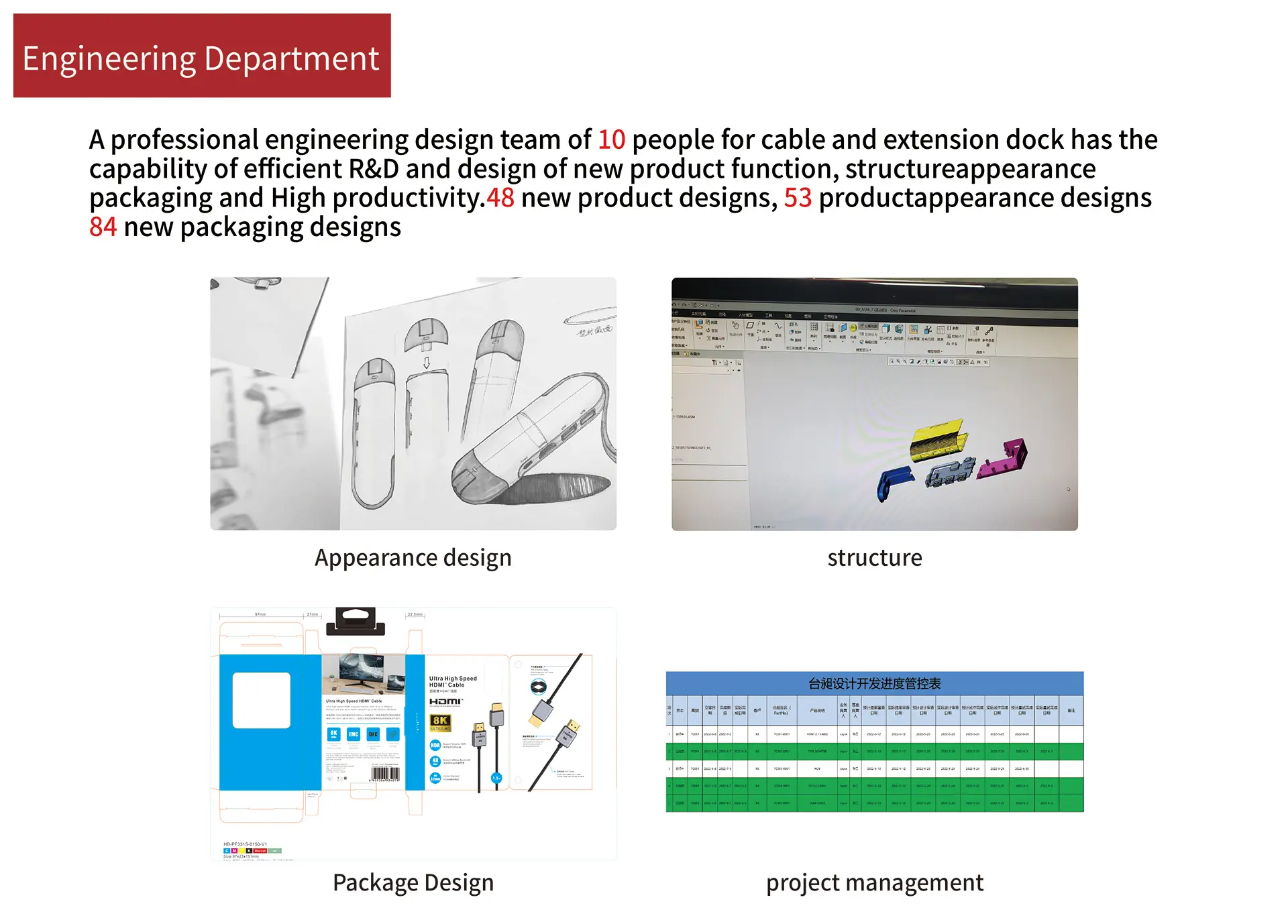
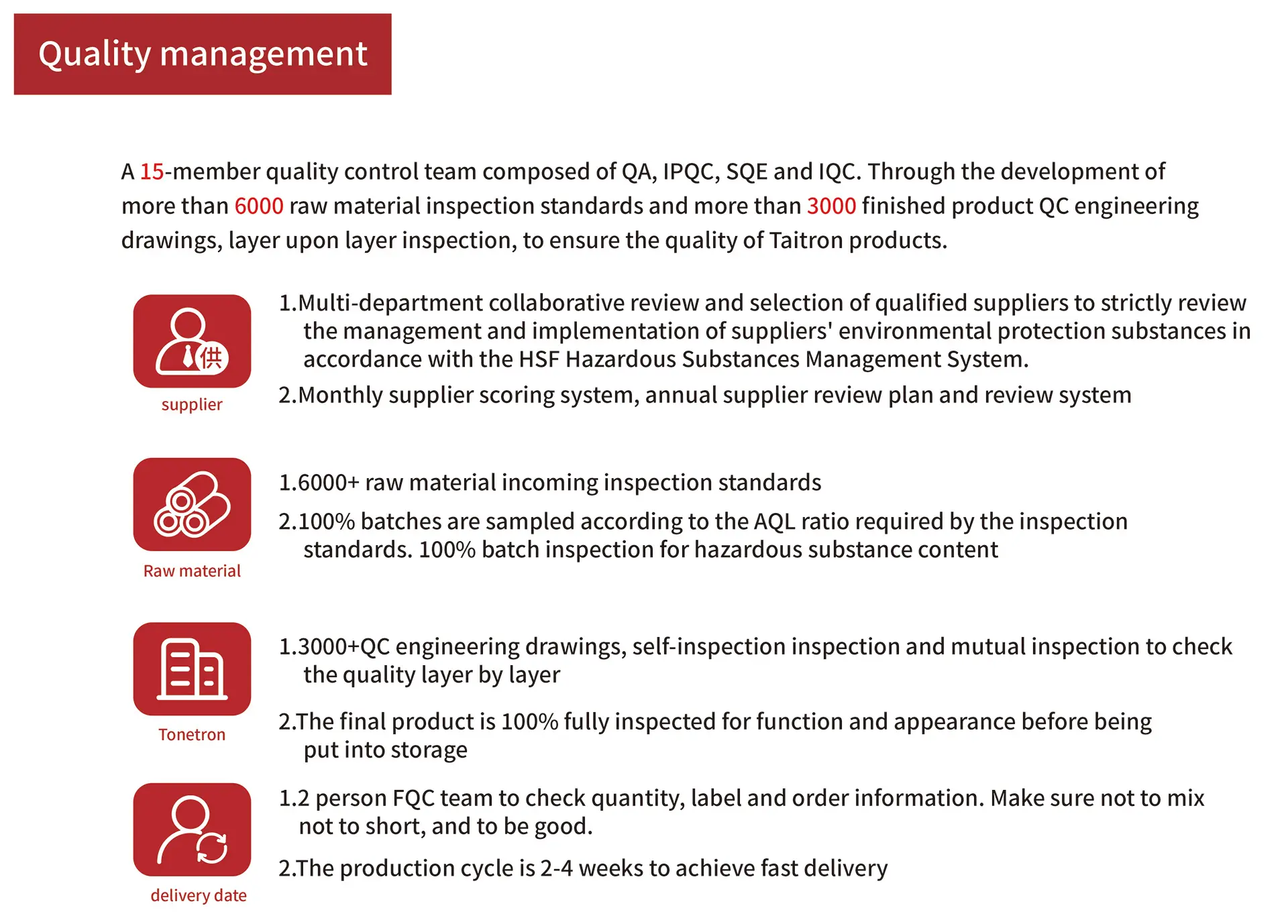

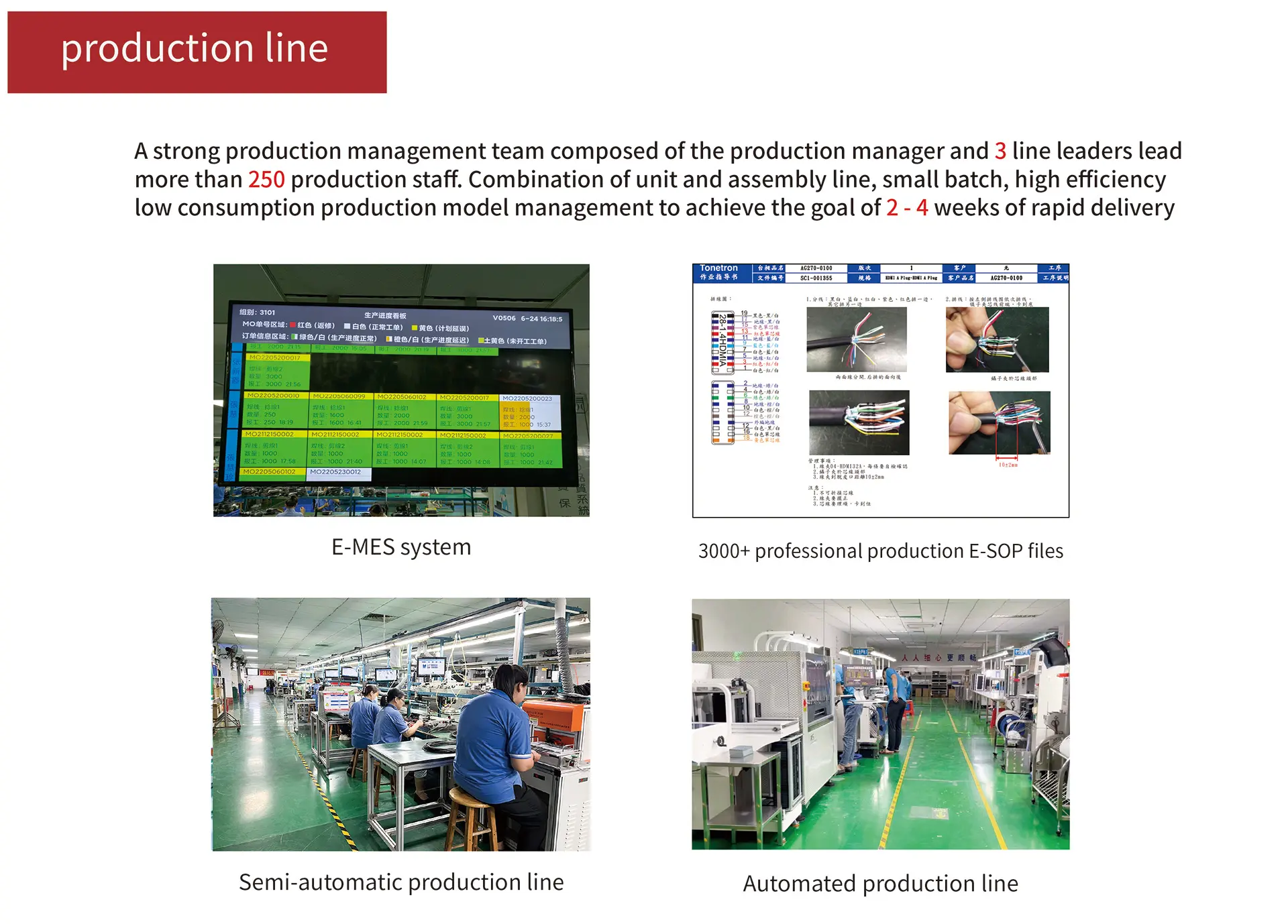
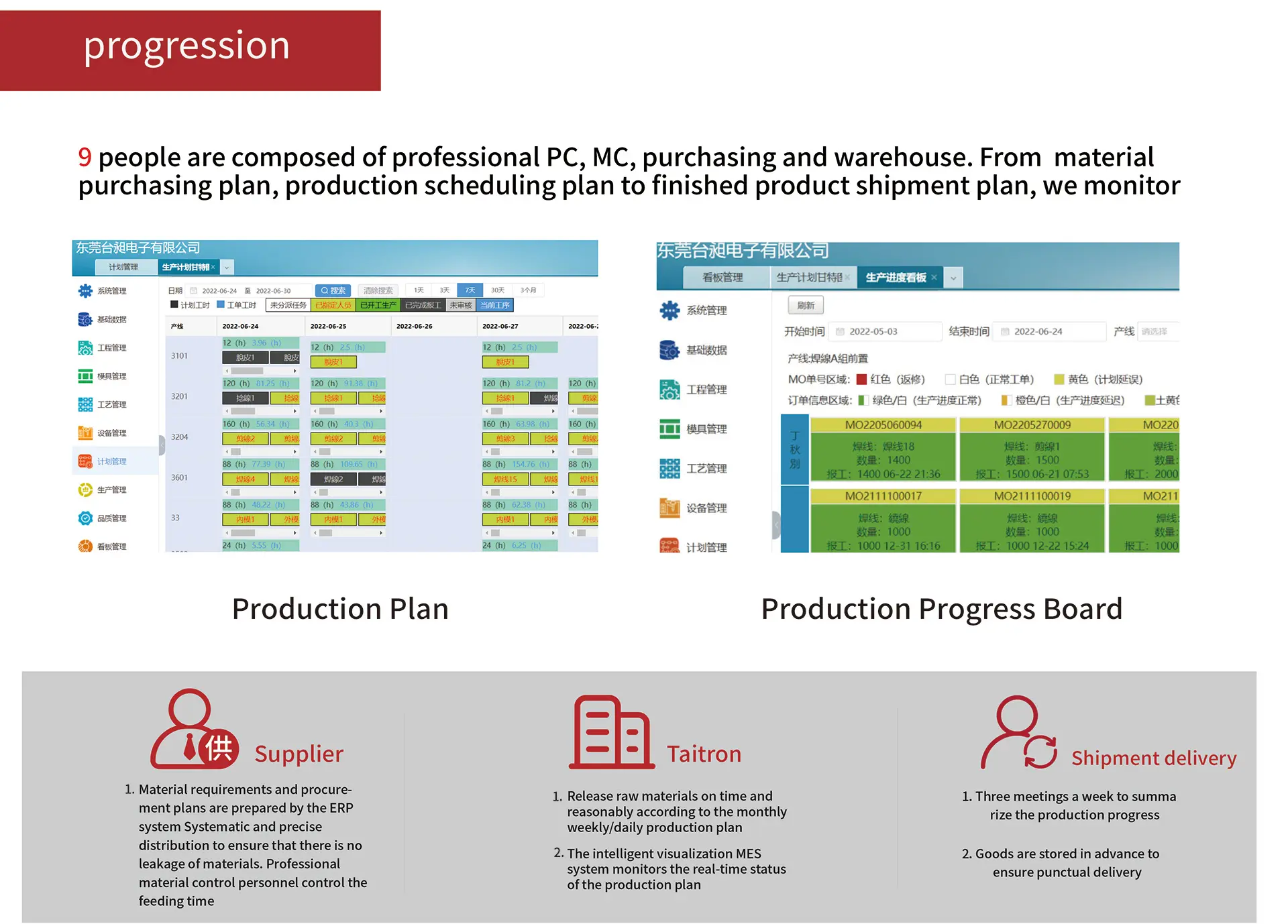
At Taitron, our engineering laboratory tests all high-speed production batches to maintain signal integrity and compliance. Standard tests include:
The AV industry is transitioning towards consolidated Type-C connection systems, DisplayPort Alternate Mode, and high-bandwidth protocols like DP 2.1 and HDMI 2.1. However, legacy DisplayPort 1.2 infrastructure remains widely deployed. As a result, active adapters and converters are essential tools for maintaining compatibility between old and new systems.
Our technical roadmap focuses on developing active conversion chips that convert DisplayPort 1.2 signals to HDMI, VGA, and USB-C. This allows enterprise buyers to transition their systems gradually, avoiding the high cost of complete equipment replacement. Our engineering team design solutions with compatibility in mind, ensuring that new devices can interface with older systems without signal loss.
Addressing common sourcing challenges, performance considerations, and technical aspects of DisplayPort 1.2 integrations.
Q1 What is the maximum recommended cable length for passive DisplayPort 1.2 cables?
For passive copper DisplayPort 1.2 cables, the standard supports full 21.6 Gbps bandwidth (HBR2) up to 3 meters (approx. 10 feet). Beyond 3 meters, attenuation can cause signal degradation. For longer distances, active copper cables or fiber-optic display port extenders are recommended to prevent display flicker and loss of synchronization.
Q2 How does Multi-Stream Transport (MST) daisy-chaining function under DP 1.2?
MST allows a single DisplayPort 1.2 output to feed multiple independent monitors. This is achieved by dividing the total 17.28 Gbps data rate among the connected displays. For example, a single DP 1.2 port can drive two 1080p monitors at 120Hz, three 1080p monitors at 60Hz, or one 4K monitor at 60Hz. To use this feature, monitors must support DP 1.2 daisy-chaining with both input and output ports, or use an external MST hub.
Q3 What is the significance of the "Pin 20" connection issue in wholesale DP cables?
Pin 20 on a standard DisplayPort connector carries 3.3V DC power. This pin is designed to power active adapters and adapters that convert signals. However, connecting Pin 20 in a standard male-to-male DP cable between a computer and a monitor can create a short circuit that can damage the graphics card or display. Taitron's DP-to-DP cables strictly follow VESA specifications, keeping Pin 20 isolated and safe.
Q4 Can DisplayPort 1.2 carry high-definition audio formats?
Yes, the DisplayPort 1.2 specification supports high-definition digital audio formats, including 8-channel LPCM at 192 kHz and 24-bit depth. It also supports compressed audio formats like Dolby Digital, DTS, and Dolby TrueHD, making it suitable for audio-visual installations.
Q5 How does Taitron ensure environmental compliance for global markets?
All our manufacturing processes in our Dongguan facility comply with RoHS (Restriction of Hazardous Substances) and REACH directives. We use lead-free soldering and non-toxic PVC or halogen-free (LSZH) compound jackets to meet environmental regulations in North America, Europe, and Asia.
Explore our wider catalog, containing audio interfaces, high-capacity conversion hardware, and legacy display adapters.
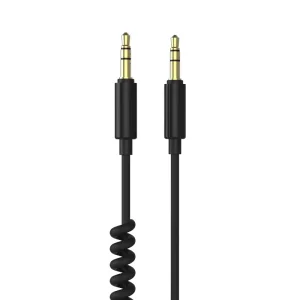
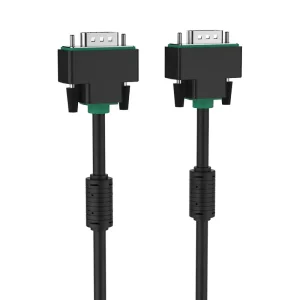
 Taichang Electronic