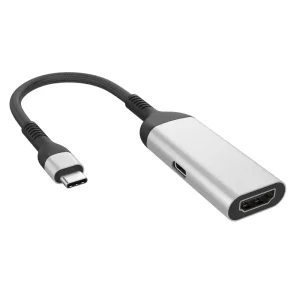
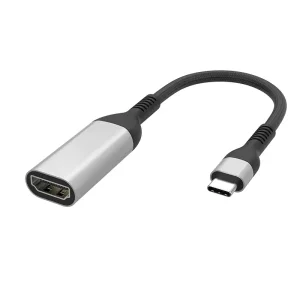
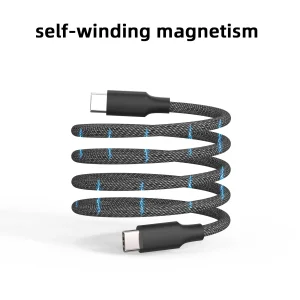
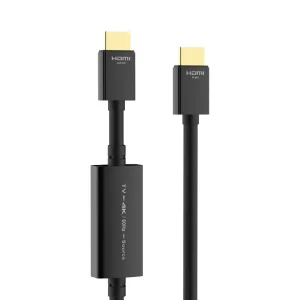
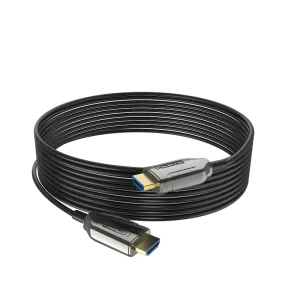
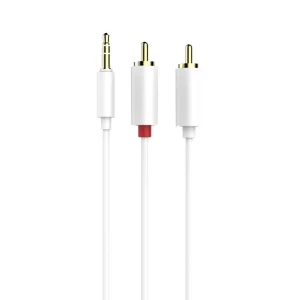
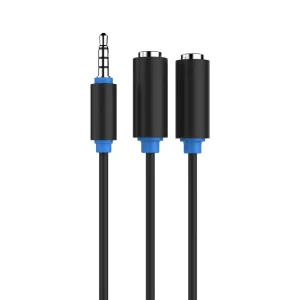
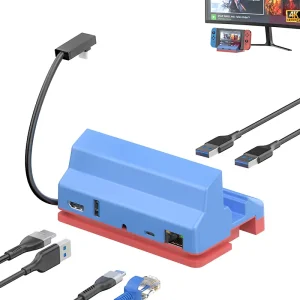
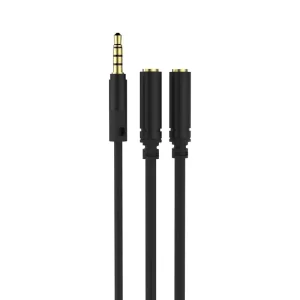
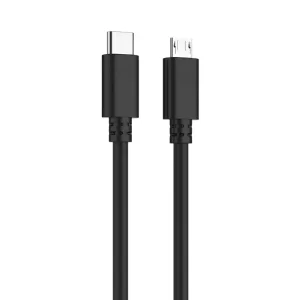
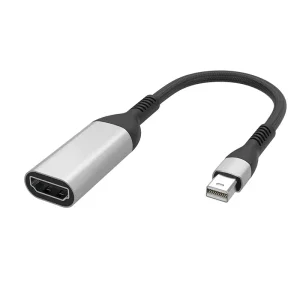
Explore our leading product interfaces engineered for low latency, structural durability, and high thermal efficiency.
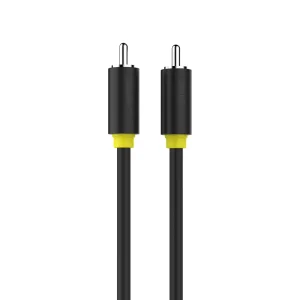
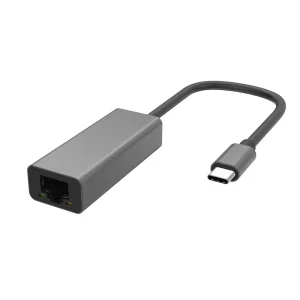
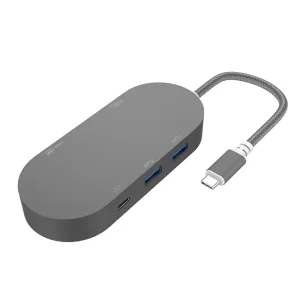
Understanding the vital role of Ethernet Port Converters in the transition towards Industry 4.0, IoT, and Cloud Infrastructure.
The global market for Ethernet converters is undergoing a fundamental transformation. With the exponential rise of IoT devices, Edge Computing, and automated manufacturing systems, legacy hardware and modern processing systems require reliable data bridges. An Ethernet Port Converter acts as this critical bridge, translating protocols such as USB, USB-C, PCIe, and Fiber into standard copper or optical RJ45 networks.
Our research indicates that the demand for high-reliability converters has increased significantly within the automotive assembly, shipping hubs, and cleanroom semiconductor plants. In these environments, simple Wi-Fi signals are too unstable or highly prone to electromagnetic interference (EMI). Therefore, direct physical connections using specialized converter chipsets (such as Realtek or ASIX) are crucial to ensure zero packet loss and minimal latency.
For B2B distributors and system integrators, obtaining accurate wholesale Ethernet port converter quotes involves navigating complex parameters. Factors such as dynamic IC (Integrated Circuit) component pricing, localized compliance regulations (FCC, CE, RoHS), and manufacturing throughput are crucial.
By establishing long-term partnerships directly with primary factories, businesses bypass traditional supply-chain layers. This direct integration guarantees reliable hardware design, raw material consistency, and flexible options for custom brand printing, shielding configurations, and customized firmware settings.
Additionally, modern enterprise offices adopting hot-desking configurations require high-density USB-C adapters to supply stable gigabit ethernet backbones to thin laptops. This convergence of consumer tech and commercial reliability demands rigorous QA pipelines at the factory level.
Translating decades of industrial manufacturing expertise into verifiable metrics.
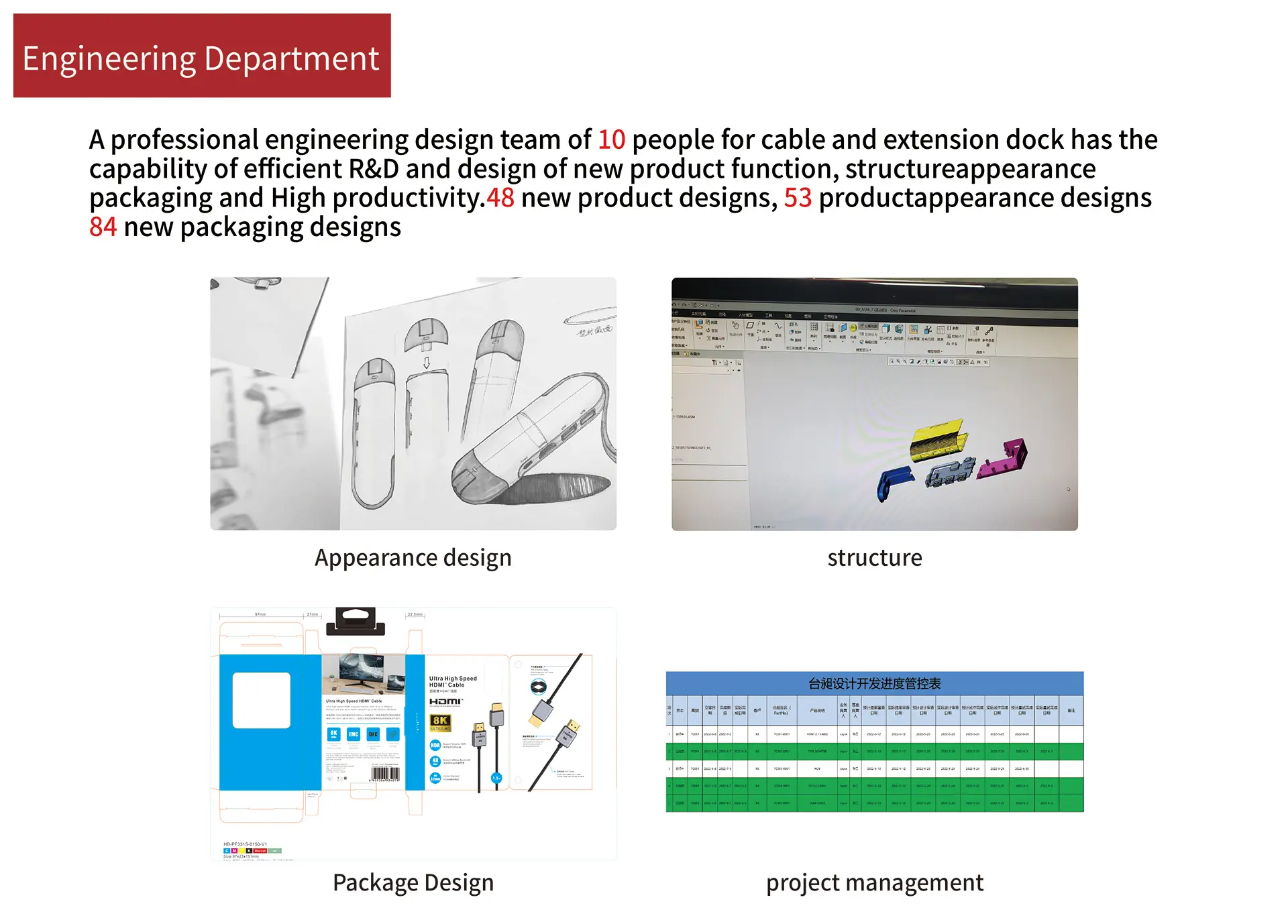
An engineering breakdown of how we design next-generation conversion hardware for maximum signal integrity.
Explore how different industries implement our Ethernet conversions to maintain constant productivity.
As modern enterprises deploy thin notebooks (such as MacBook Air, Dell XPS, or Lenovo Carbon Series), physical ports are often omitted to maintain sleek designs. However, enterprise security policies and IT compliance frequently prohibit wireless connections for high-clearance data processing. Our high-speed USB-C to Ethernet adapters serve as a critical bridge. Integrated into corporate docking stations, they provide instantaneous, secure, and reliable gigabit LAN connectivity upon connection.
On the modern factory floor, PLCs (Programmable Logic Controllers) and CNC machinery must transmit real-time telemetry back to central execution systems (MES). Integrating our heavy-shielded Ethernet port converters into control cabinets ensures that signal lines remain clean, isolated from high-voltage motor crosstalk, and run continuously in high-temperature environments.
In secure networks (such as military sites, banking datacenters, and medical records offices), wireless signals present severe security vectors that are vulnerable to external exploitation. Physical cabling combined with dedicated conversion equipment ensures strict port control. Advanced MAC address binding supported by our converter chipsets adds an extra layer of perimeter security, ensuring only authorized host devices connect to the local network.
Telecom installations at remote cell tower towers require simple conversion paths to relay local sensor readings. Our micro-form factor conversion boards are designed to fit directly within third-party enclosure kits, providing cost-effective telemetry solutions that endure wide temperature ranges (-40°C to +85°C) and remote deployment conditions.
Combining Taiwanese design heritage with advanced mainland China manufacturing capacity since 1984.
In 1984, Dongguan Taitron Electronics Limited., formerly known as Tonetron, was founded in Keelung, Taiwan. In 1993, it moved to the self-built independent production industrial park in Dalingshan Town, Dongguan City, China, and changed its name to Dongguan Taitron Electronics Limited.
With 38 years of experience, professional video and audio peripheral equipment connection line manufacturing serves as our foundation. We have gradually developed into a leader in high-end audio and video cables, data cables (such as HDMI 2.1 cables, DP 2.0 cables, USB4 data cables, USB-C 3.1 Gen2 data cables, high-power USB charging cables, 8K HD conversion cables), multi-functional Type-C expansion docks, and other advanced products through dedicated research, development, and manufacturing.
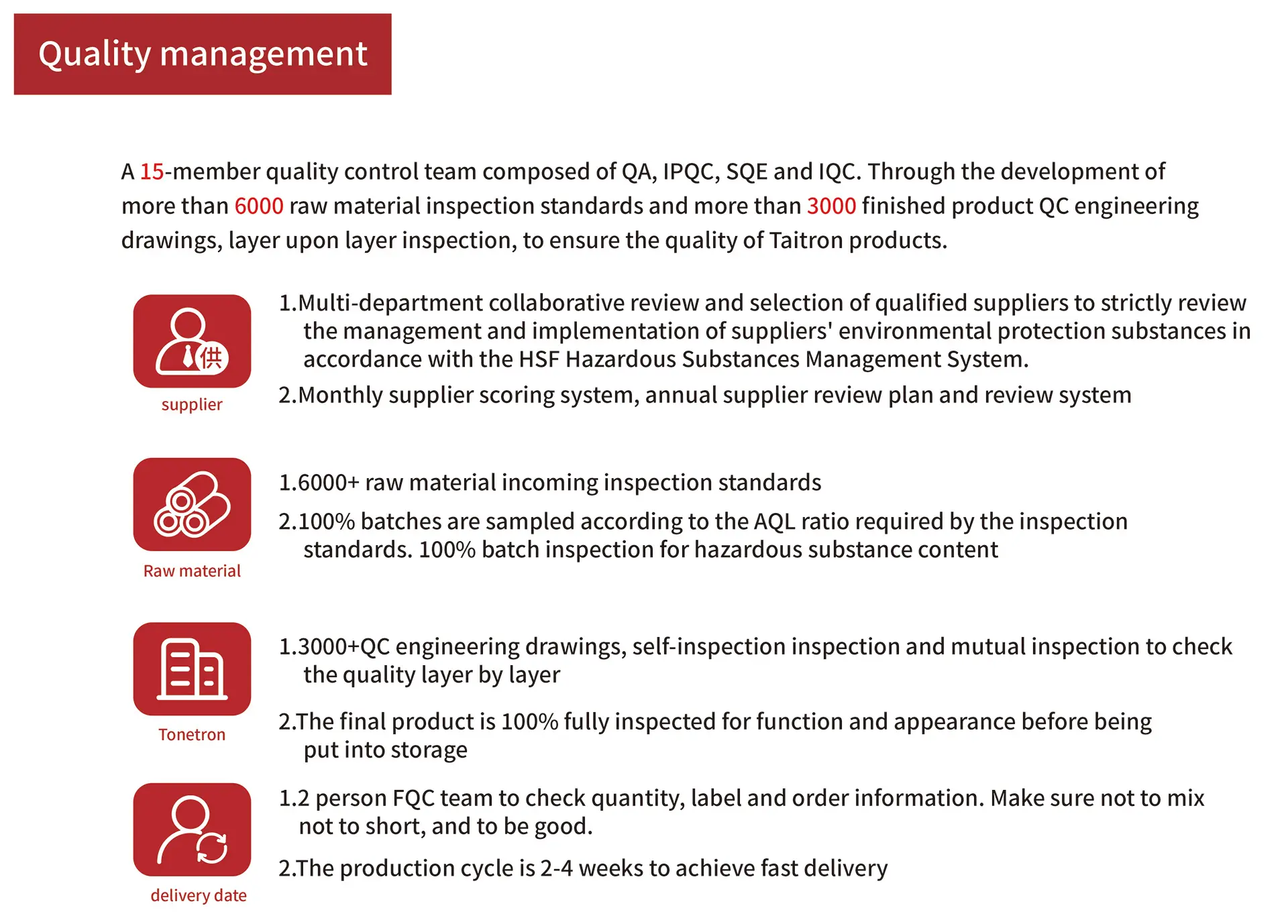
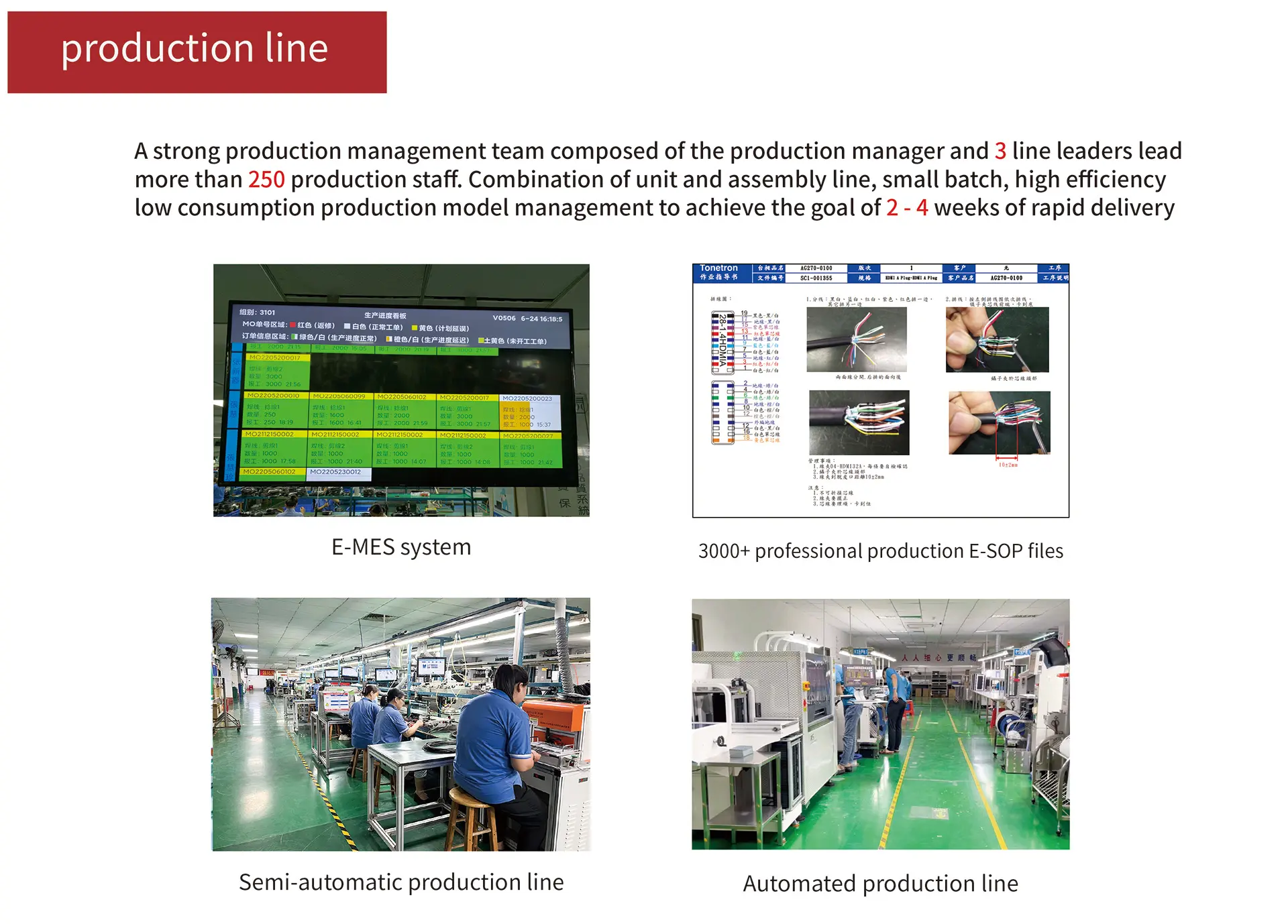
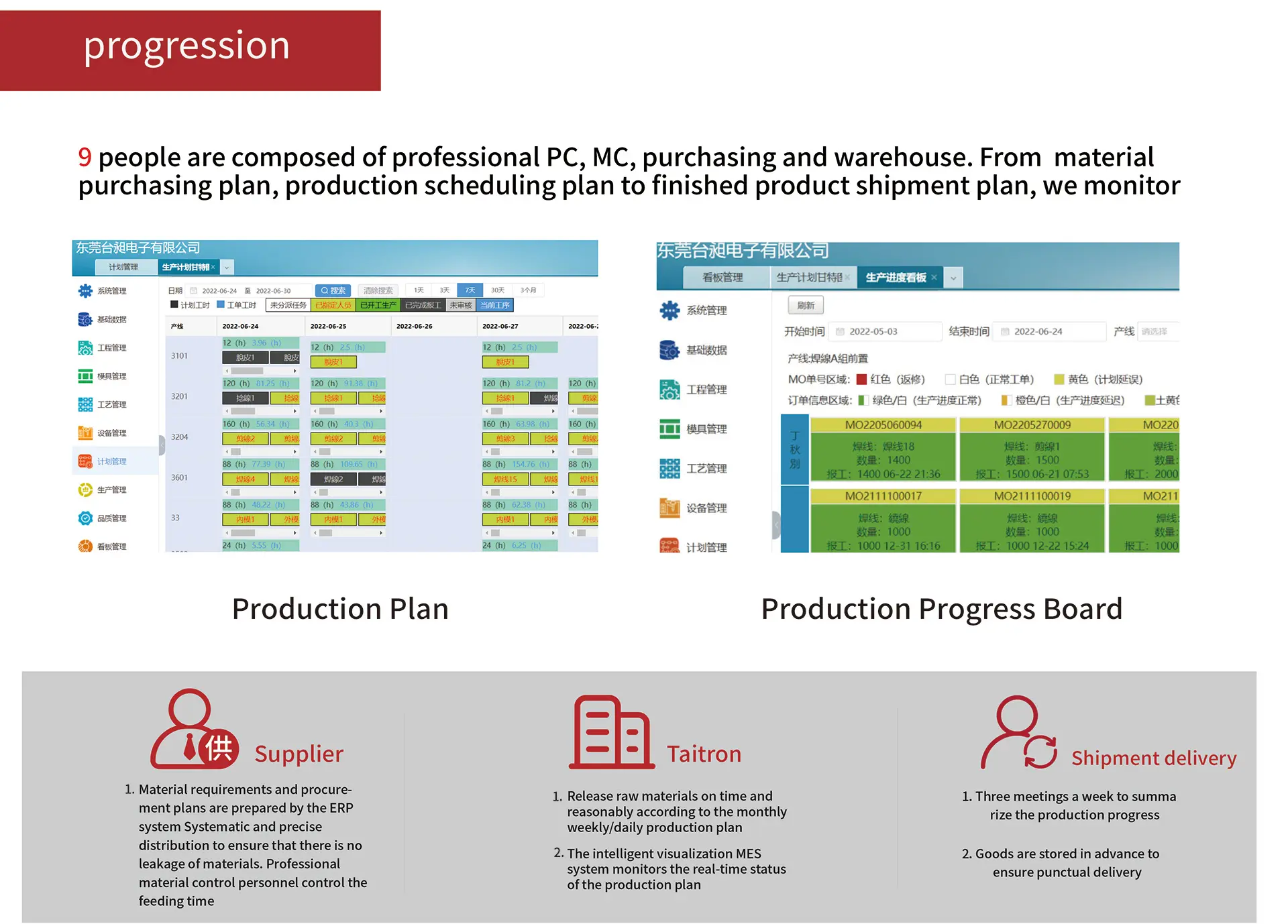
By leveraging an engineering-first culture, we maintain full control over the production pipeline. This includes in-house wire extrusion, precise SMT components placement, automated soldering, and strict multi-phase quality testing. We ensure every unit shipped to our clients meets performance benchmarks.

Addressing the common questions raised by procurement officers, hardware engineers, and wholesale buyers.
The primary controller chipset accounts for a significant portion of the converter's bill of materials (BOM). Premium chipsets (like Realtek RTL8153 or ASIX AX88179A) guarantee plug-and-play driver support across macOS, Windows, Linux, and ChromeOS, along with features like IPv4/IPv6 checksum offloading. Cheaper alternative chipsets may lower the unit cost but often require manual driver installations, exhibit higher latency, and result in higher return rates.
High-speed Ethernet protocol translation generates heat within the IC controller. Aluminum casings function as passive heat sinks, dispersing heat efficiently and maintaining peak throughput under heavy network usage. In addition, aluminum offers superior electromagnetic shielding (EMI), preventing network transmission failure caused by surrounding machinery in dense office or industrial environments.
A reliable factory partner must possess complete vertical integration. This includes in-house PCB design, SMT placement machines, plastic injection molding, and automatic cable extrusion. Look for ISO9001 certifications, environmental compliances like RoHS, and a comprehensive quality control department that performs eye-diagram and network analysis tests on every production run.
Yes, we provide full ODM and OEM services. This includes designing custom injection molds, modifying internal PCB layouts, creating multi-port hub configurations, and flashing customized MAC address ranges or VID/PID values directly into the controller's EEPROM to meet specific enterprise security requirements.
Standard wholesale orders utilizing existing injection molds and component stock typically ship within 30 to 45 days, depending on production queues. Fully custom ODM designs requiring tool creation, PCB prototyping, and certification compliance testing generally require 60 to 90 days. We recommend contacting our sales engineers early with target delivery schedules.
Explore our complete audio, video, and fiber cabling solutions to complete your high-speed setup.
 Taichang Electronic