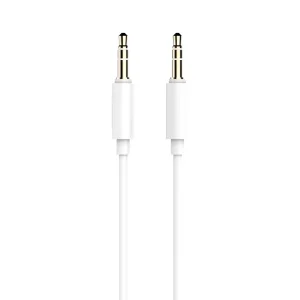
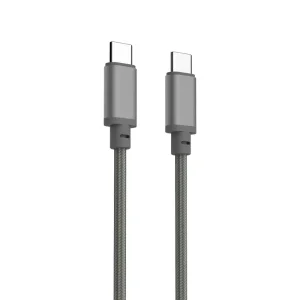
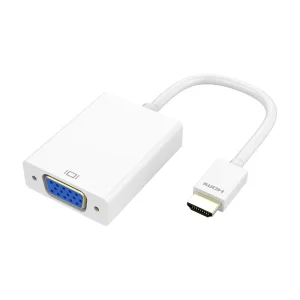
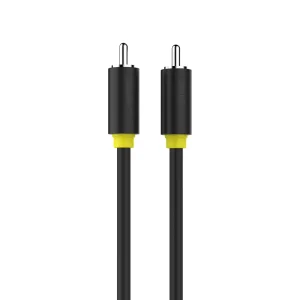
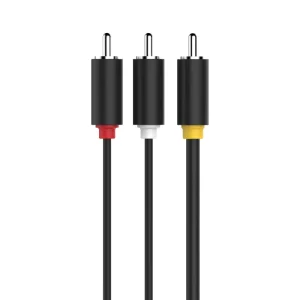
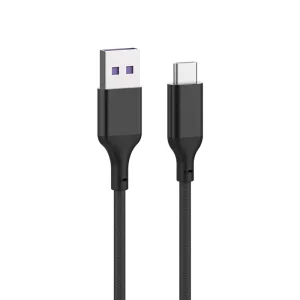
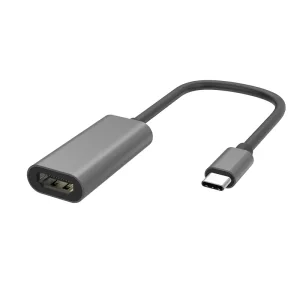
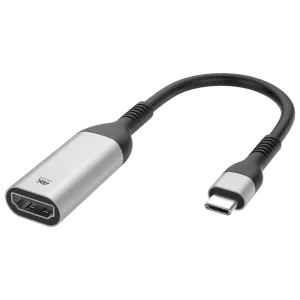
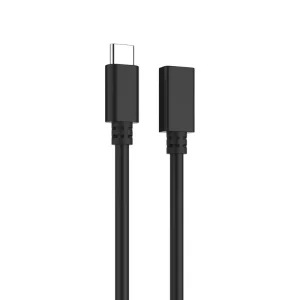
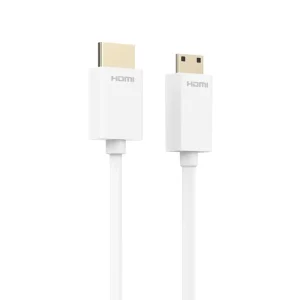
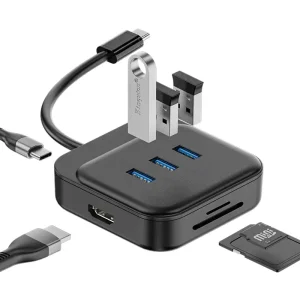
Explore our state-of-the-art catalog of professional-grade dongles, custom converters, and data links engineered for modern business operations.
In our increasingly cloud-dependent digital economy, high-speed wired internet connection remains the bedrock of operational reliability. The universal move towards ultra-thin laptops, high-efficiency tablets, and integrated compact devices has resulted in the elimination of the native, physical RJ45 Ethernet port. This structural shift has elevated the demand for high-performance
Global industrial facilities, medical labs, banking institutions, and smart campus networks require constant, interference-free internet pipelines. Where wireless networks fail due to structural congestion, metal shielding, or bandwidth saturation, a wired copper or optical fiber LAN connection connected via USB-A or USB-C (Thunderbolt 3/4 compatible) offers unparalleled stability, minimal packet loss, and low latency. This has created a massive global sourcing demand for certified wholesale manufacturers capable of supplying high-reliability, long-lifecycle adapters at scale.
A premium LAN to USB adapter does not merely bridge physically distinct ports; it converts asynchronous USB data packets into synchronous Ethernet frames. Under the hood, this requires a specialized System-on-Chip (SoC) transceiver—commonly designed by industry leaders like Realtek (e.g., RTL8153/RTL8156) or ASIX (e.g., AX88179A). As a leading LAN cable to USB manufacturer, we prioritize these high-grade controller chipsets, ensuring native driverless integration across all major operating systems including Windows, macOS, Linux, and ChromeOS.
Signal integrity is another critical factor. Without proper electromagnetic interference (EMI) shielding, high-frequency USB 3.0/3.1 signals can generate noise that directly degrades nearby 2.4GHz wireless devices and cellular bands. Our advanced production processes incorporate multi-layered aluminum foil shielding, dense tinned copper braiding, and premium metal connector shells (using aluminum alloy or zinc alloy) to seal RF emissions and guarantee reliable data transfers under tough industrial conditions.
How our integrated supply chain delivers unmatched precision, premium materials, and cost efficiency for B2B procurement departments.
Our Dongguan-based factories deploy Japanese SMT assembly lines capable of mounting micro-passives with extreme precision. We engineer custom tooling and PCB layouts in-house to optimize heat dissipation and prevent thermal throttling during long hours of gigabit data transmission.
From initial copper drawing, wire extrusion, internal shielding wraps, to the final injection molding and CNC aluminum casing, we control the entire processing path. By keeping every step in-house, we eliminate external markups and enforce strict quality control standards.
Each batch of our LAN to USB adapters goes through strict physical and functional tests. This includes TDR (Time Domain Reflectometry) impedance measurements, Fluke DSX-8000 network analysis, environmental thermal cycling, and high-frequency insertion loss evaluations.
As networks evolve, USB-to-LAN technologies are adjusting to support multi-gigabit speeds. The classic 1Gbps (Gigabit) adapter remains the primary standard for general office computing, point-of-sale (POS) systems, and network testing. However, the rise of Wi-Fi 6/6E/7 access points, NAS devices, and high-resolution video streaming has fueled the demand for 2.5Gbps (2.5G BASE-T) adapters, which work over existing Cat5e and Cat6 cabling without requiring rewires.
Allows modern ultrabooks and thin-and-light laptops to join secure, high-bandwidth corporate intranets without relying on unstable Wi-Fi connections, keeping file transfers fast and VoIP calls smooth.
Connects legacy industrial machines, PLCs, and monitoring equipment to central control servers via robust, shielded USB-to-RJ45 adapters that resist factory floor electrical noise.
Provides a stable, latency-free network connection for outdoor broadcast vehicles, live event streaming rigs, and mobile workstations handling high-bitrate video feeds.
Over 38 Years of Proven Excellence in High-Performance Audio, Video, and Data Cable Manufacturing
In 1984, Dongguan Taitron Electronics Limited., formerly known as Tonetron, was founded in Keelung, Taiwan. In 1993, the company moved to its self-built independent production industrial park in Dalingshan Town, Dongguan City, China, changing its name to Dongguan Taitron Electronics Limited.
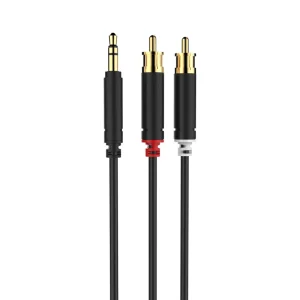
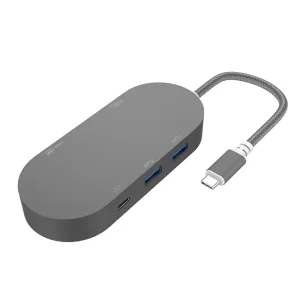
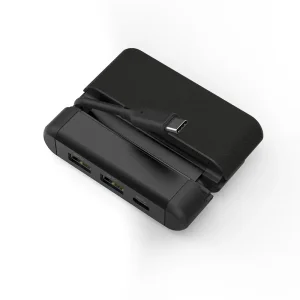
For over 38 years, our manufacturing foundation has been built on professional audio and video connection lines. Over the decades, we have continuously innovated, expanding our product lines to include high-end data cables, active transceivers, and adapters. Today, our advanced catalog features HDMI 2.1 cables, DP 2.0 cables, USB4 data links, USB-C 3.1 Gen2 connections, high-power USB charging cables, 8K video adapters, and multi-functional Type-C expansion docking stations.
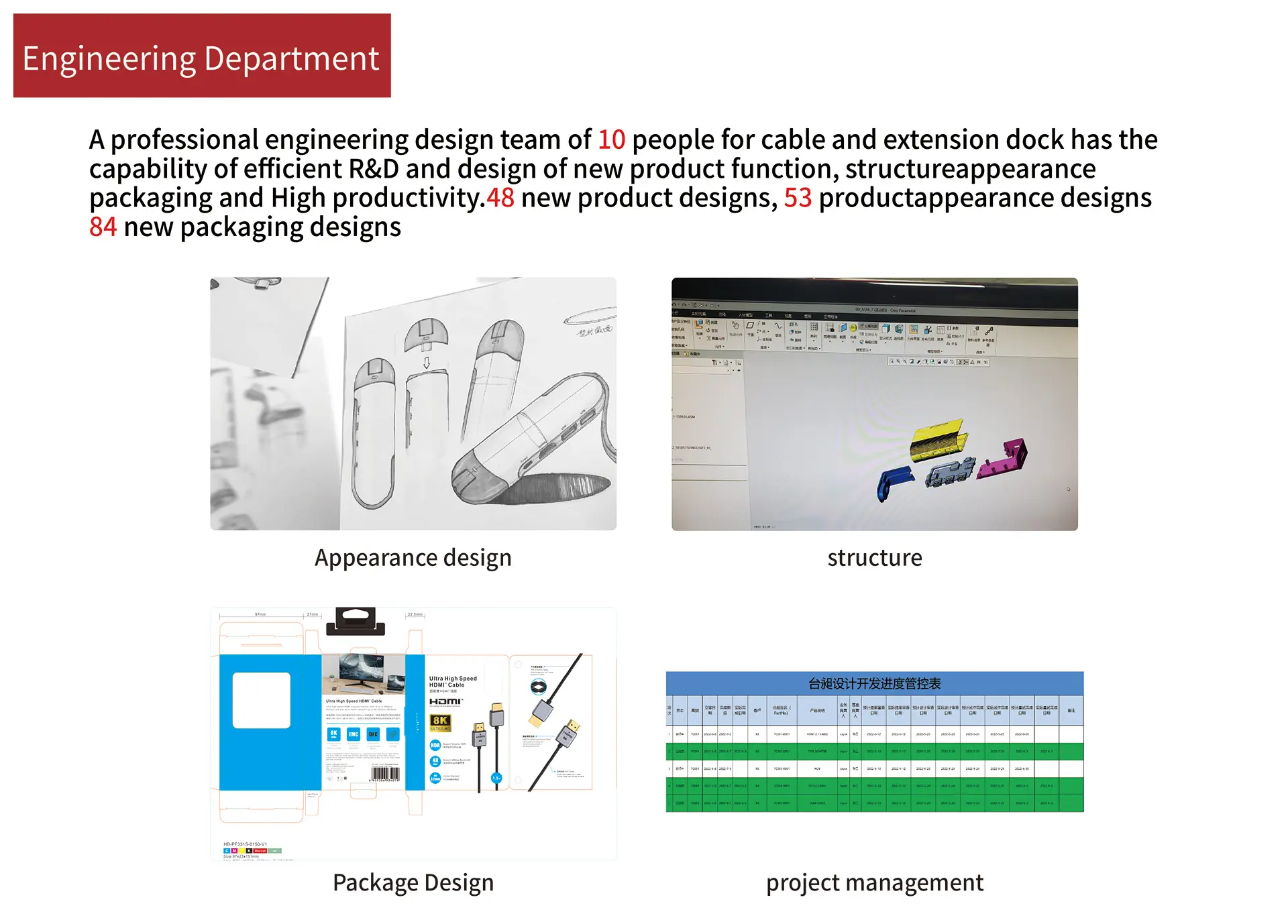
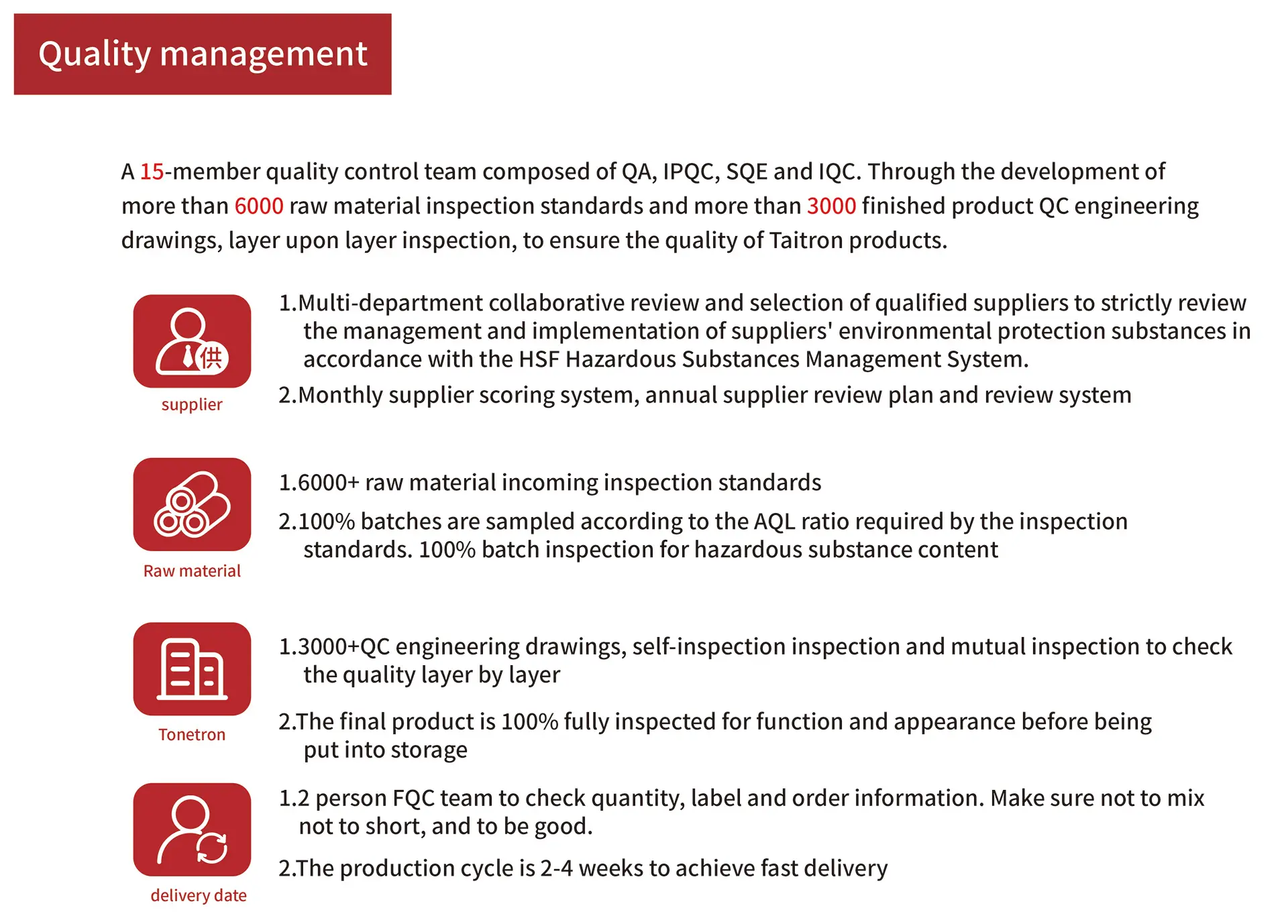
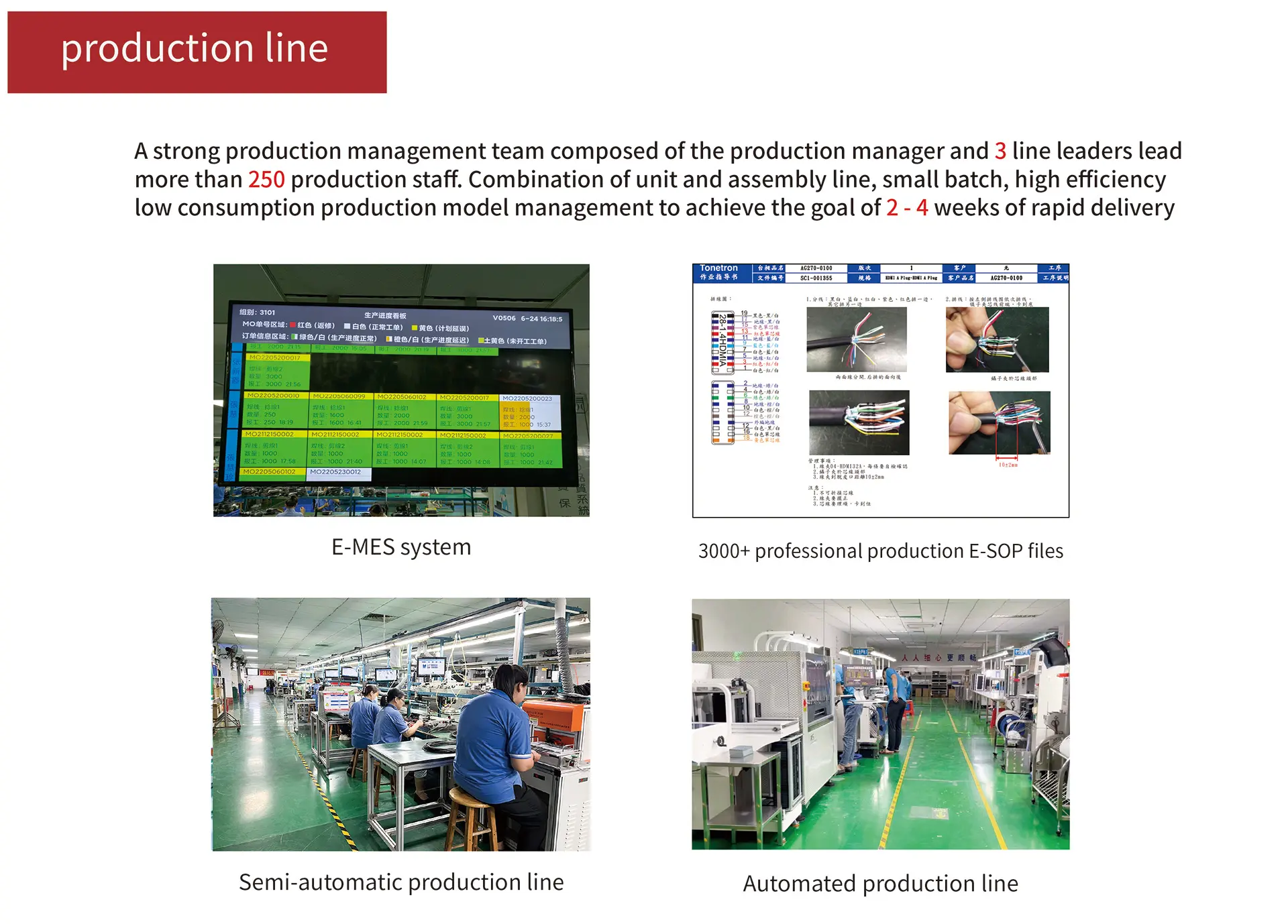
Our facilities are equipped with automated manufacturing systems, advanced SMT lines, and specialized laboratory testing chambers. This enables us to maintain tight control over product quality and provide dependable, long-term OEM/ODM production runs for some of the world's most demanding technology brands.
When sourcing LAN to USB adapters for industrial installations, wholesale supply networks, or large-scale office setups, choosing a supplier based on unit price alone can lead to high defect rates and performance issues. Global buyers should evaluate several key performance indicators (KPIs) to ensure a reliable partnership:
Ensure your supplier uses authentic Realtek, ASIX, or Intel controller chips. Counterfeit or low-grade chips often cause frequent disconnects, slow transfer speeds, and compatibility issues after OS updates.
Verify that all products carry clear certifications for CE, FCC, RoHS, and REACH. This ensures the hardware meets international safety standards and can be legally imported and sold across global markets.
Partner with manufacturers that offer flexible OEM/ODM options, such as custom laser-etched branding, tailored cord lengths, specialized cable jackets (PVC, TPE, or braided nylon), and custom packaging styles.
Technical Answers to Common Questions About LAN to USB Hardware and Manufacturing Processes
USB 2.0 has a maximum bus speed of 480 Mbps, which limits the Ethernet port to a theoretical maximum of 100 Mbps (Fast Ethernet). In contrast, USB 3.0 (USB 3.1 Gen 1) supports speeds up to 5 Gbps, allowing the adapter to easily deliver full 1 Gbps (1000 Mbps) or 2.5 Gbps Ethernet bandwidth without any bottlenecking.
No. Our adapters are designed using premium chipsets from Realtek and ASIX that support "Plug and Play" (driverless installation) across major operating systems, including Windows 10/11, macOS, Linux, iPadOS, and Android.
We use multi-layer shielding inside our cables, consisting of high-density aluminum foil and tinned copper braiding. Additionally, the internal PCBs are housed in metal shields within the outer casing, which isolates high-frequency signal noise and prevents interference with nearby Wi-Fi or Bluetooth devices.
Yes, we provide full OEM/ODM services. We can laser-etch your logo on aluminum casings, mold custom logos directly into PVC/TPE connectors, and design retail boxes or eco-friendly bulk packaging tailored to your brand's specifications.
Our standard MOQ varies depending on the specific item and customization requirements (typically ranging from 1,000 to 3,000 units). Please contact our B2B sales team with your project details, and we will work to provide a flexible solution.
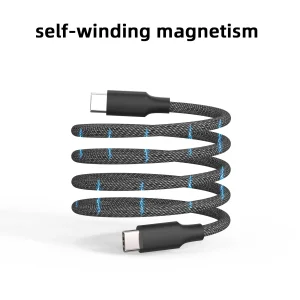
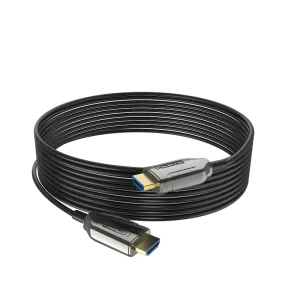
From optical high-definition links to magnetic charging cables, we provide robust, high-performance connectivity solutions for global markets.
 Taichang Electronic