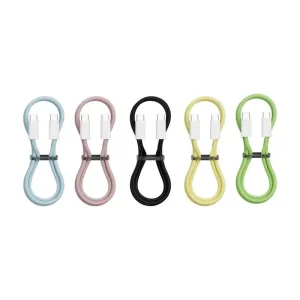
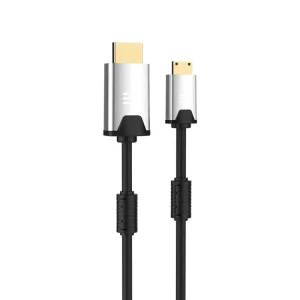
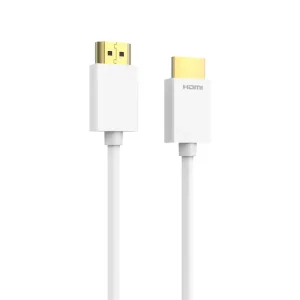
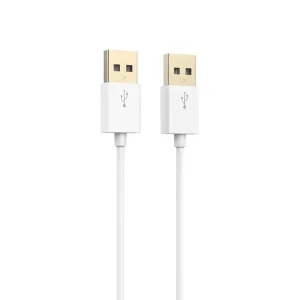
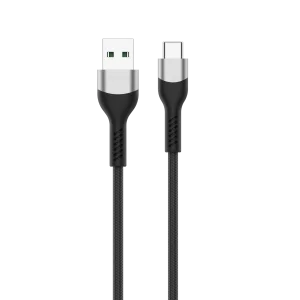
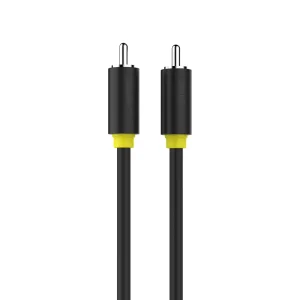
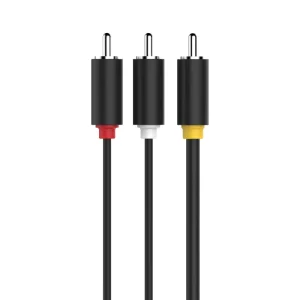
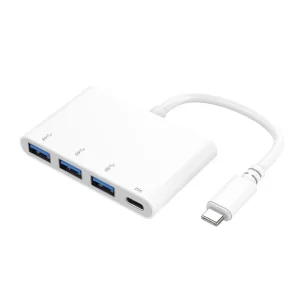
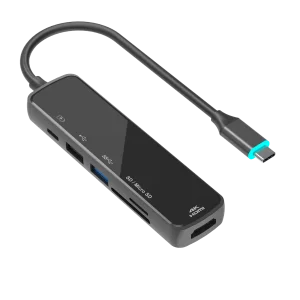
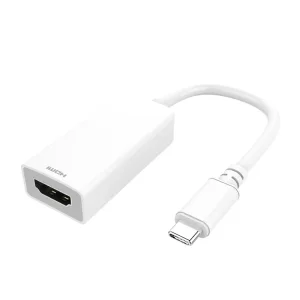
High-performance audio, video, data cables, and network converters manufactured under ISO 9001 and CE certifications.
In the contemporary landscape of high-bandwidth networking dominated by USB 4, Thunderbolt 4, and 10-Gigabit optical connections, the sustained global demand for USB 2.0 to Ethernet adapters stands as a fascinating case of technological pragmatism. While end-consumer markets constantly chase maximum throughput, the industrial, commercial, and embedded computing sectors prioritize a completely different set of metrics: physical space optimization, energy efficiency, cross-platform driver compatibility, and deterministic reliability. A professional Wholesale USB 2 Ethernet Adapter Manufacturer does not merely provide a legacy transition tool; they deliver a critical link that integrates modern software suites with standard 10/100 Mbps RJ45 infrastructure.
The USB 2.0 protocol, operating at a maximum raw signaling rate of 480 Mbps, is structurally ideal for 10/100 Fast Ethernet transmission. Because the theoretical ceiling of Fast Ethernet is 100 Mbps, the USB 2.0 interface offers ample headroom, eliminating packet contention at the bus level. Furthermore, in contrast to USB 3.0 controller chips, which require significant power (often exceeding 900mA) and emit high-frequency electromagnetic interference (EMI) that can disrupt nearby 2.4GHz wireless bands, USB 2.0 chipsets function reliably with less than 150mA of current draw. This low thermal and power profile makes it the go-to interface for IoT gateways, medical devices, diagnostic tools, and legacy thin clients where power conservation and heat dissipation are critical design parameters.
Across the globe, businesses are upgrading old facilities to meet industry 4.0 standards. In this phase, connecting legacy machine tools, smart vending machines, point-of-sale (POS) systems, and remote terminals to local servers is vital. An Ethernet connection is always preferred over Wi-Fi due to the susceptibility of wireless links to physical obstructions and signal interference from heavy machinery.
Our global commercial analysis identifies several key sectors driving B2B procurement for these adapters:
Modern cash registers and automated checkout terminals require stable internet lines to authorize transactions. USB 2.0 to Ethernet chips fit seamlessly inside compact POS housings, utilizing minimal power while ensuring uninterrupted uptime.
Programmable Logic Controllers (PLCs) and single-board computers (like Raspberry Pi or industrial counterparts) often lack built-in RJ45 ports. A ruggedized USB 2.0 Fast Ethernet converter solves this limitation cost-effectively.
Patient monitors and imaging devices must isolate network communication lines from high-voltage components. USB Ethernet adapters constructed with high galvanic isolation properties serve this exact niche.
B2B procurement departments in North America, Western Europe, and Japan look for partners that guarantee stable product designs. If a factory swaps chipsets without giving notice, it can cause driver mismatches and stall critical systems. A reliable manufacturer must control the supply chain to ensure product consistency.
To understand how high-grade network peripherals are manufactured at scale, we must look at the industrial clusters in China. Dongguan stands as the global center for electronic accessory manufacturing, hosting an integrated ecosystem that spans copper refining, plastic molding, precise SMT placing, and automatic testing.
Our journey represents this evolution:
Established to focus on professional video and audio peripheral equipment connection lines, setting high-quality manufacturing standards from day one.
Relocated to a self-built independent production industrial park in Dalingshan Town, Dongguan City, China. This transition allowed for massive capacity expansion and vertically integrated production lines.
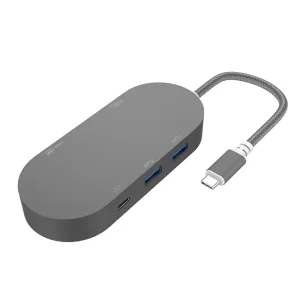
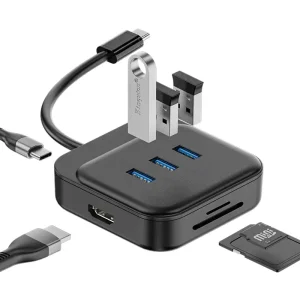
Gradually expanded from audio and video cables to cutting-edge tech products, including HDMI 2.1, DP 2.0, USB4, USB-C 3.1 Gen2, high-power charging cables, 8K HD conversion cables, and multi-functional Type-C docking stations.
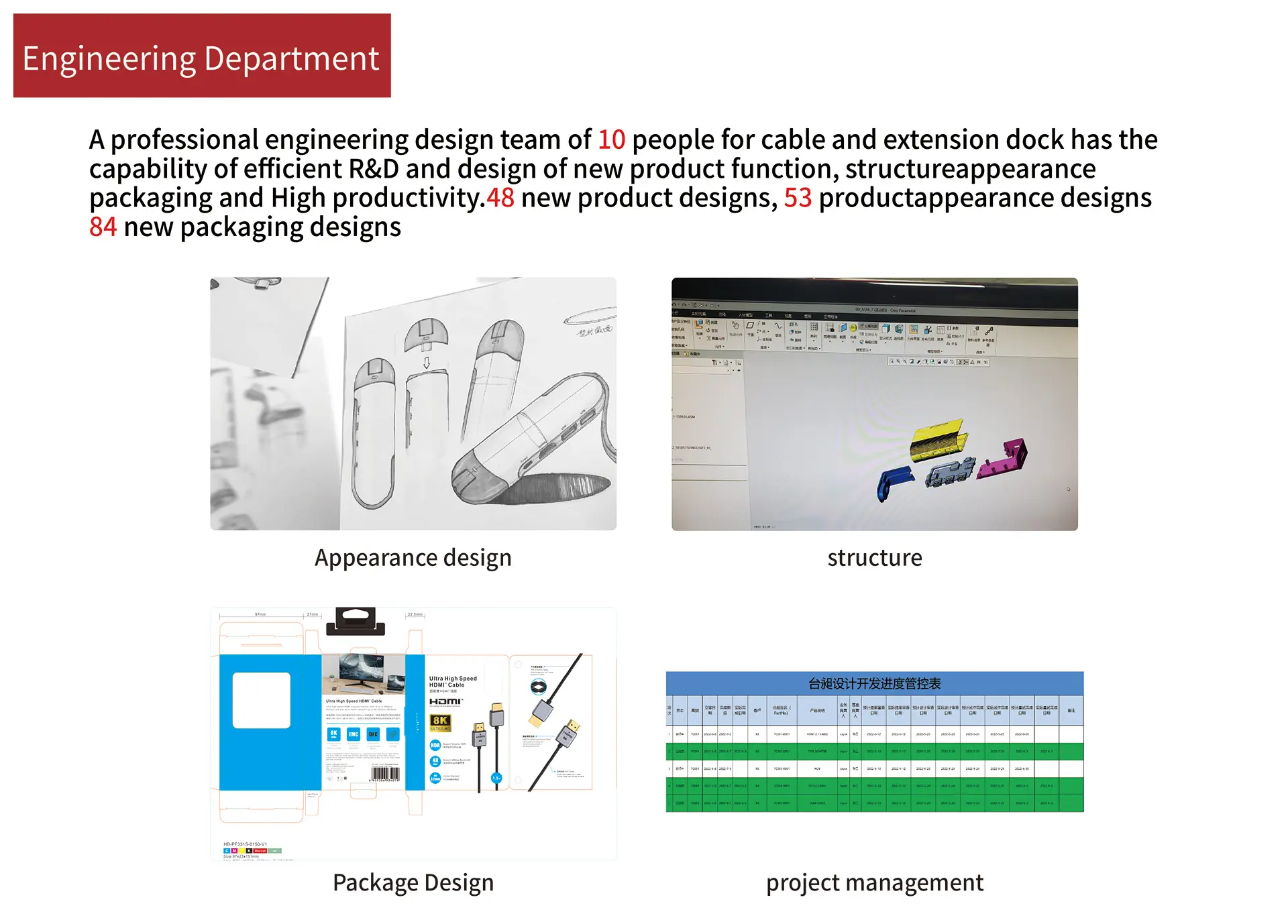
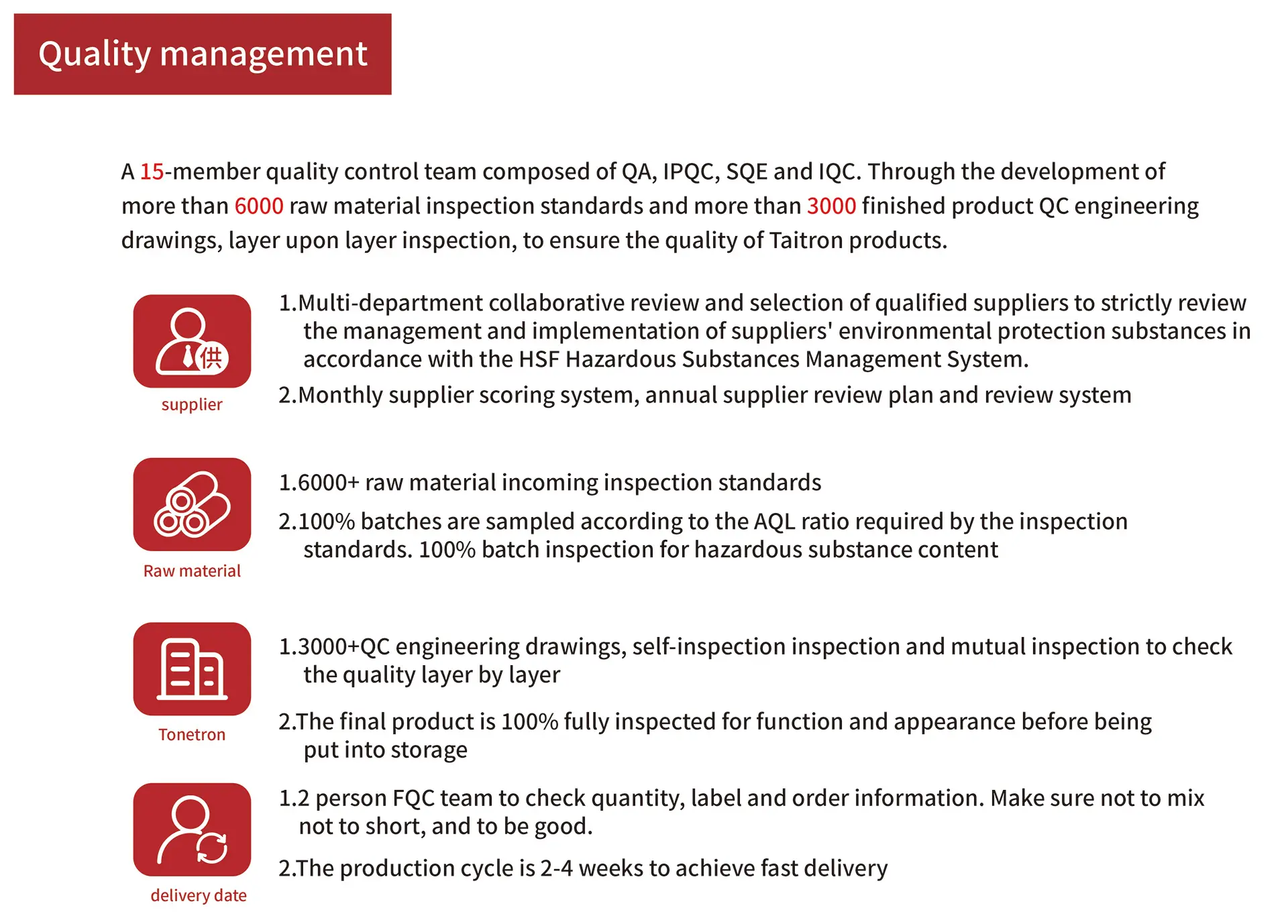

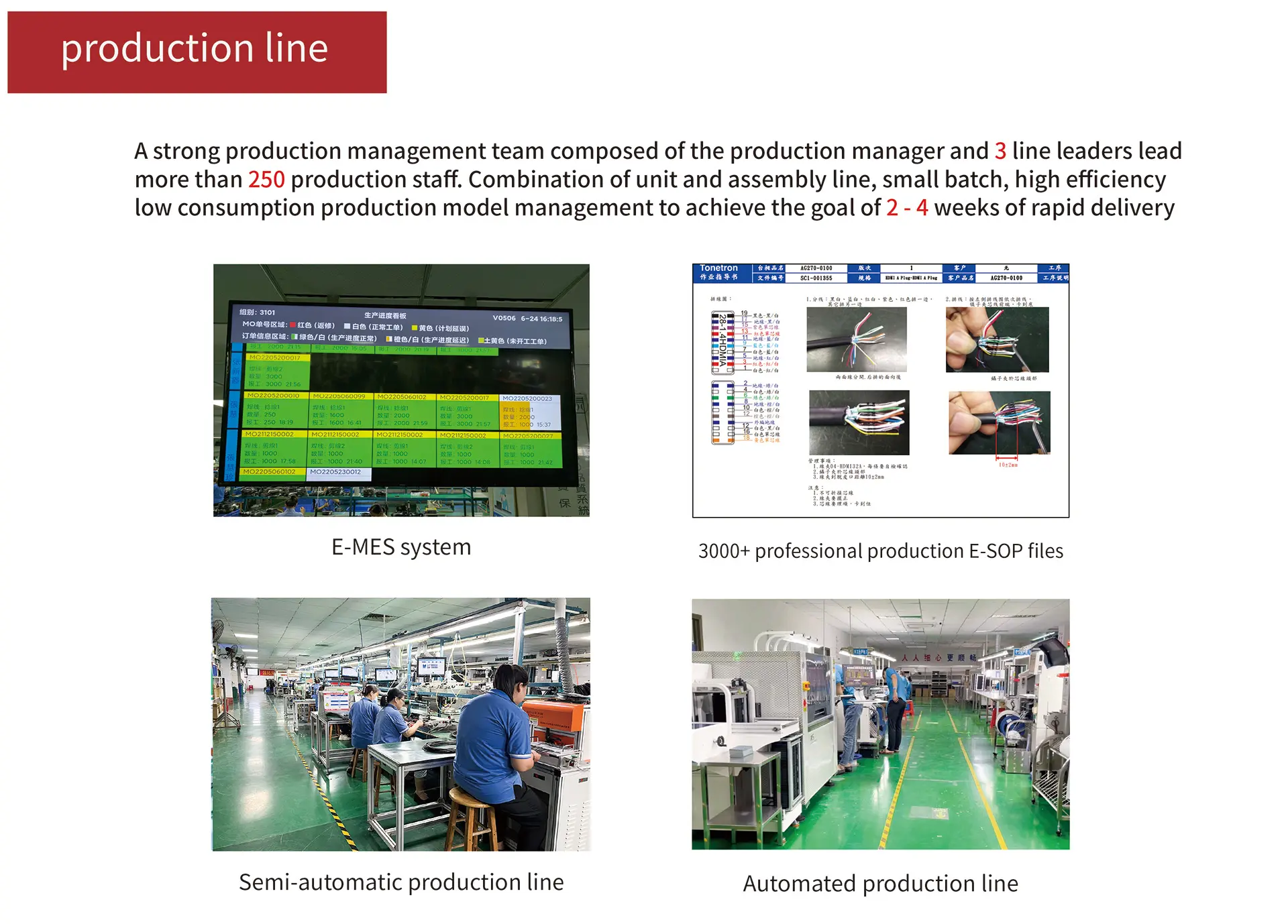
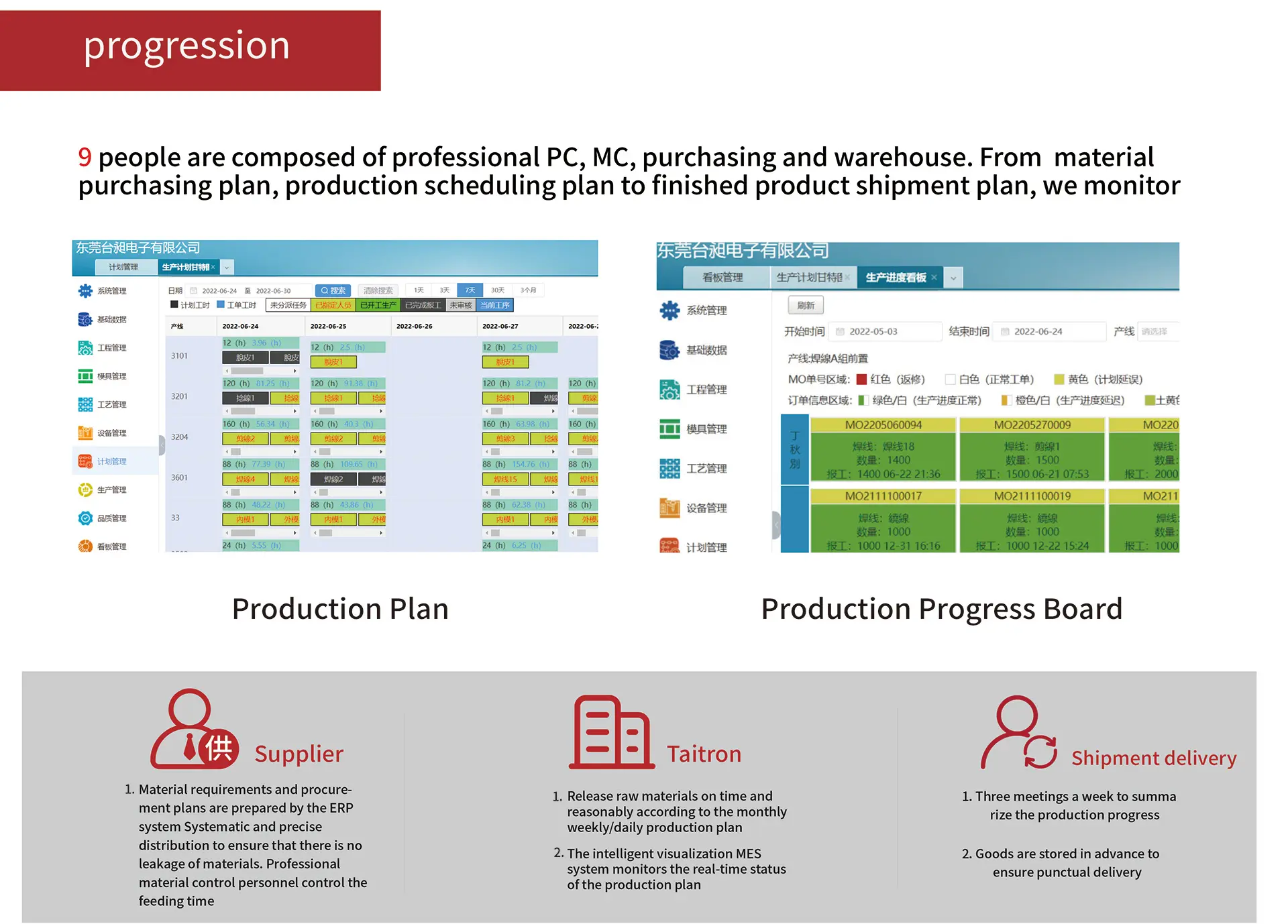
Operating a self-built industrial park allows Dongguan Taitron Electronics to control the entire manufacturing process. From raw wire extrusion and copper braiding to final housing injection and PCBA assembly, everything is managed in-house. This level of vertical integration ensures that our custom USB 2.0 and USB C conversion adapters meet strict international standards, including CE, FCC, RoHS, and REACH. This setup enables us to support global B2B clients with reliable lead times and consistent product quality.
For B2B buyers and system designers, selecting the appropriate interface standard requires balancing performance, cost, and physical requirements. Below is an engineering-grade comparison of USB 2.0 Fast Ethernet against USB 3.0 Gigabit alternatives:
| Feature Parameter | USB 2.0 Fast Ethernet Adapter (10/100 Mbps) | USB 3.0 Gigabit Ethernet Adapter (10/100/1000 Mbps) |
|---|---|---|
| Theoretical Bandwidth | 480 Mbps (USB Interface) / 100 Mbps (Ethernet) | 5.0 Gbps (USB Interface) / 1000 Mbps (Ethernet) |
| Typical Power Consumption | < 150 mA (ideal for low-power IoT gateways) | > 450 mA to 900 mA (requires robust host power) |
| Thermal Footprint | Minimal. Operating temp rise < 10°C above ambient | Moderate to High. Requires metal heatsink or ventilation |
| EMI/RFI Emissions | Negligible. Safe around 2.4 GHz antennas | High. Needs heavy shielding to protect nearby wireless devices |
| Driver Integration | Native drivers in Linux, Windows, macOS, Android | Often requires driver package installations in older OS |
| Cost Profile (B2B Volume) | Cost-effective. Best for large-scale enterprise rollouts | Premium pricing. Best for high-speed workstations |
Building high-quality network adapters requires precise engineering. At Dongguan Taitron Electronics, we use a multi-step production system to ensure every device is built to last:
Enterprise procurement professionals require flexible manufacturing options to meet their specific system needs. As an OEM and ODM supplier, Dongguan Taitron Electronics offers several customization options:
1. Cable Configuration: We can adjust the cable length to suit different applications, from short 10cm pigtails for compact cabinets to 2m integrated cables. We also offer options for PVC, TPE, or braided outer jackets.
2. Interface Adaptations: In addition to the standard USB Type-A interface, we design and manufacture USB Type-C to RJ45 Fast Ethernet adapters. This allows businesses to support modern tablets, thin laptops, and smart devices without sacrificing the stability of a physical connection.
3. Firmware and Branding: For large-scale integration projects, we can flash custom VID/PID configurations directly into the EEPROM of the controller chips. This ensures seamless integration with custom enterprise operating systems and hardware platforms.
As networks expand, the demand for reliable connectivity remains strong. The rise of industrial automation and smart infrastructure highlights the need for stable, physical connections. While wireless technologies like Wi-Fi 6E and 5G offer speed, they often lack the consistent reliability required in high-interference settings. USB 2.0 to Ethernet converters remain a cost-effective, durable solution for integrating devices into local area networks, and they are expected to play a key role in system setups for years to come.
Explore our expanded product line, including high-end docking hubs, audio converters, and specialized data sync cables.
 Taichang Electronic