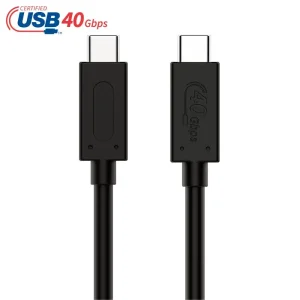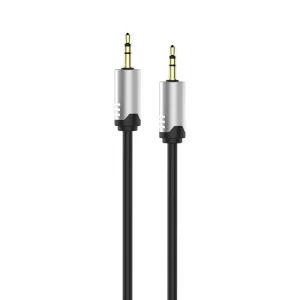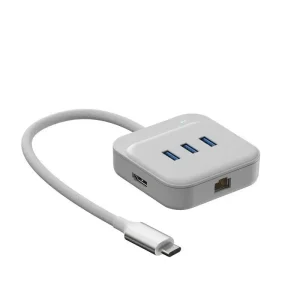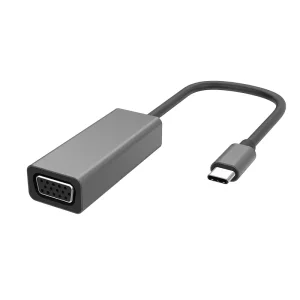
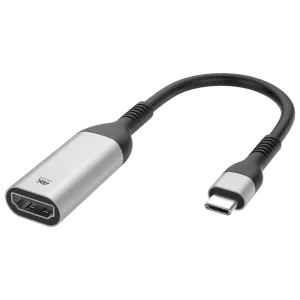
The global interconnect industry is undergoing a monumental transition as enterprise infrastructure converges toward unified Type-C connectivity. The rollout of the USB4 specification marks a paradigm shift in data transmission architectures. No longer confined to consumer laptops, USB4 is rapidly becoming the benchmark protocol for high-performance industrial imaging, automotive ethernet bypass systems, edge AI processing clusters, and mission-critical medical diagnostics.
Unlike previous USB protocols that allocated static bandwidth configurations, USB4 leverages PCIe tunneling, DisplayPort Alt Mode, and USB3 data allocation dynamically across active copper or optical fibers. Sourcing teams prioritize USB4 for setups requiring simultaneous multi-display routing and PCIe-backed local NVMe storage arrays.
Supported by Extended Power Range (EPR) up to 240W (48V at 5A), industrial applications can now power heavy-duty industrial cameras, instrumentation modules, and medical displays directly through a single, robustly shielded USB4 link, reducing factory floor cable clutter.
For B2B buyers and hardware procurers, selecting verified factories with in-house signal-integrity testing labs is vital. High-frequency 40Gbps channels require strict adherence to crosstalk reduction and insertion loss envelopes, demanding experienced OEM/ODM partners.
Years of Engineering Experience
Max Data Transmission Rates
USB PD Power Delivery Capacity
Signal Integrity Verified Lab Testing
Founded in 1984 under the name Tonetron in Keelung, Taiwan, our company established a solid foundation as a specialist in video and audio peripheral equipment connection lines. Recognizing the shifting dynamics of global electronics manufacturing, we relocated in 1993 to a self-built, independent production industrial park in Dalingshan Town, Dongguan City, Guangdong Province, China, officially rebranding as Dongguan Taitron Electronics Limited.
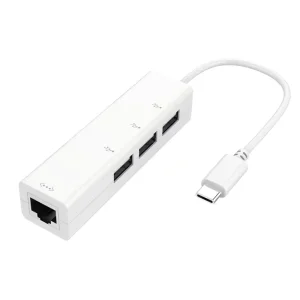
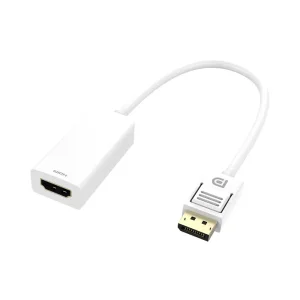
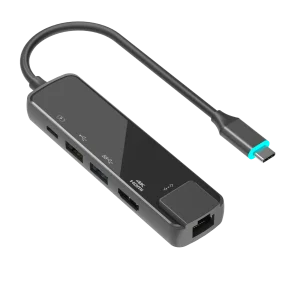
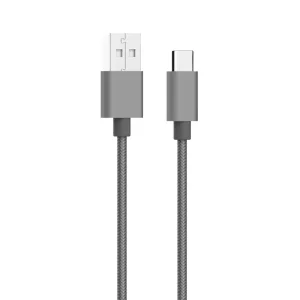
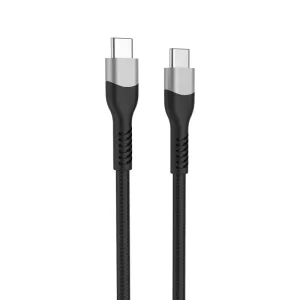
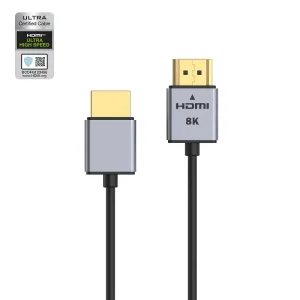
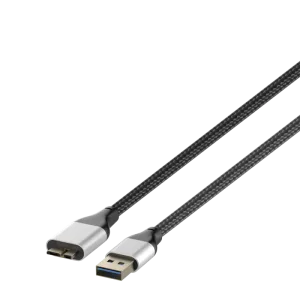
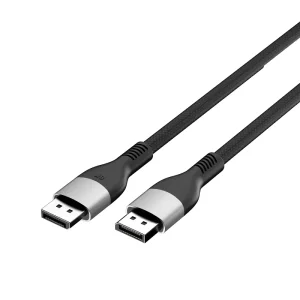
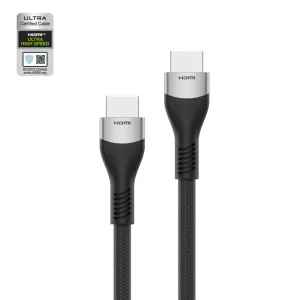
Over our 38-year history, we have continuously evolved from manufacturing conventional connection lines to driving the research, development, and high-volume manufacture of high-frequency digital interconnects. Today, our advanced production portfolio includes certified HDMI 2.1 cables, DisplayPort (DP) 2.0 / 2.1 cables, USB4 data cables, USB-C 3.1 Gen 2 cables, high-power USB-PD charging cables, 8K ultra-high-definition conversion cables, and multi-functional Type-C docking stations.
By keeping all processes—from wire extrusion and internal shielding braid layout to final connector shell overmolding—within our controlled industrial park, we maintain rigorous quality standards that meet international certifications including CE, RoHS, and FCC.
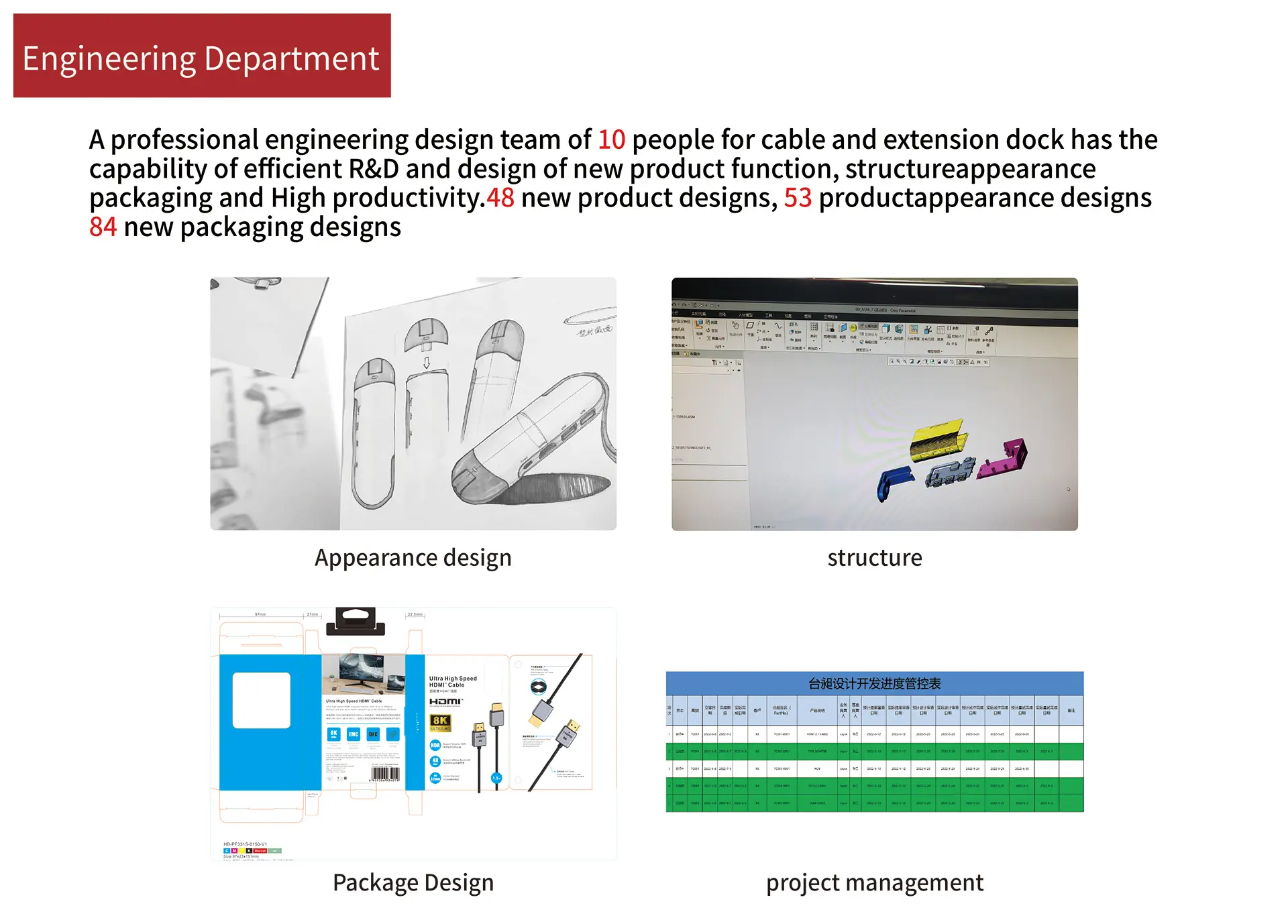
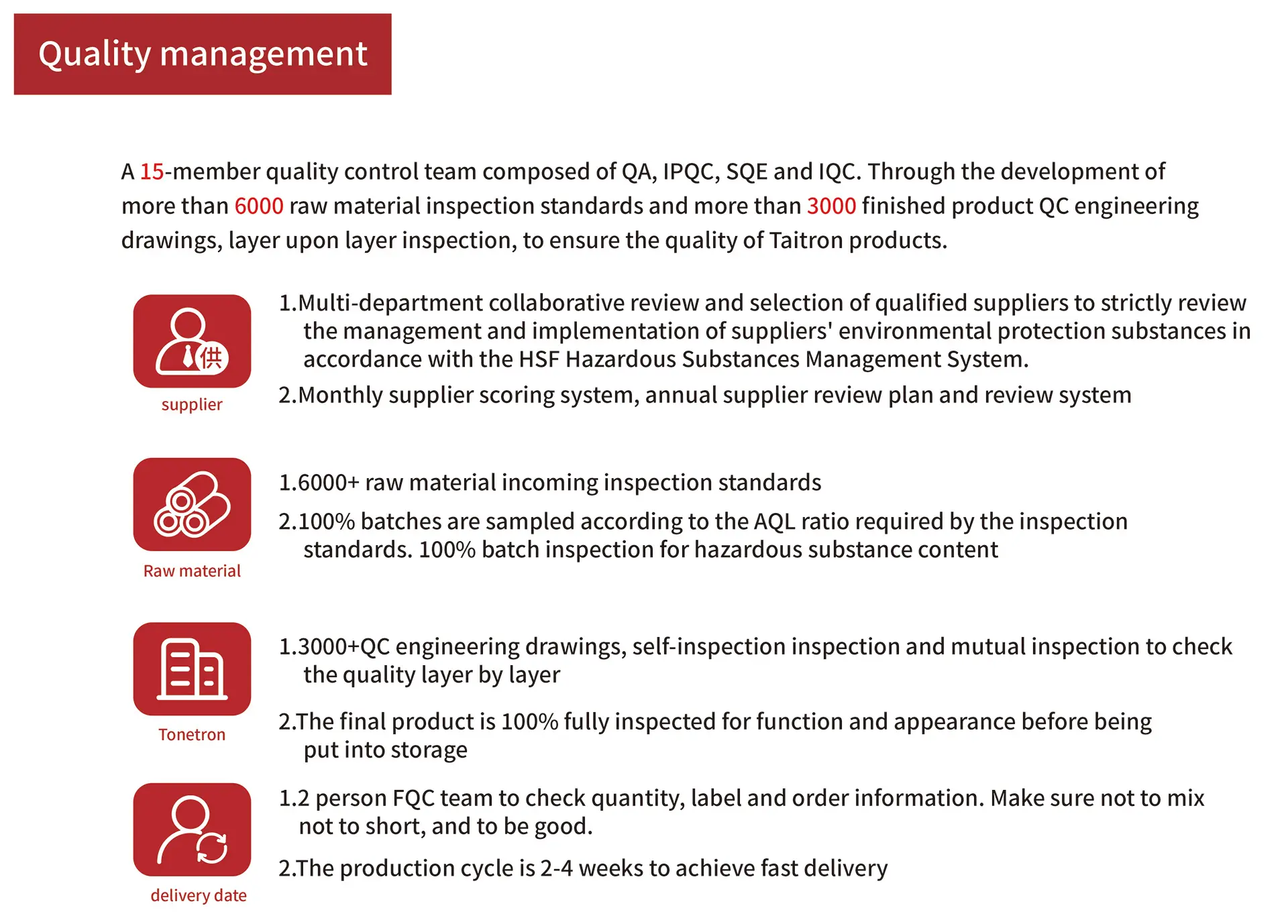

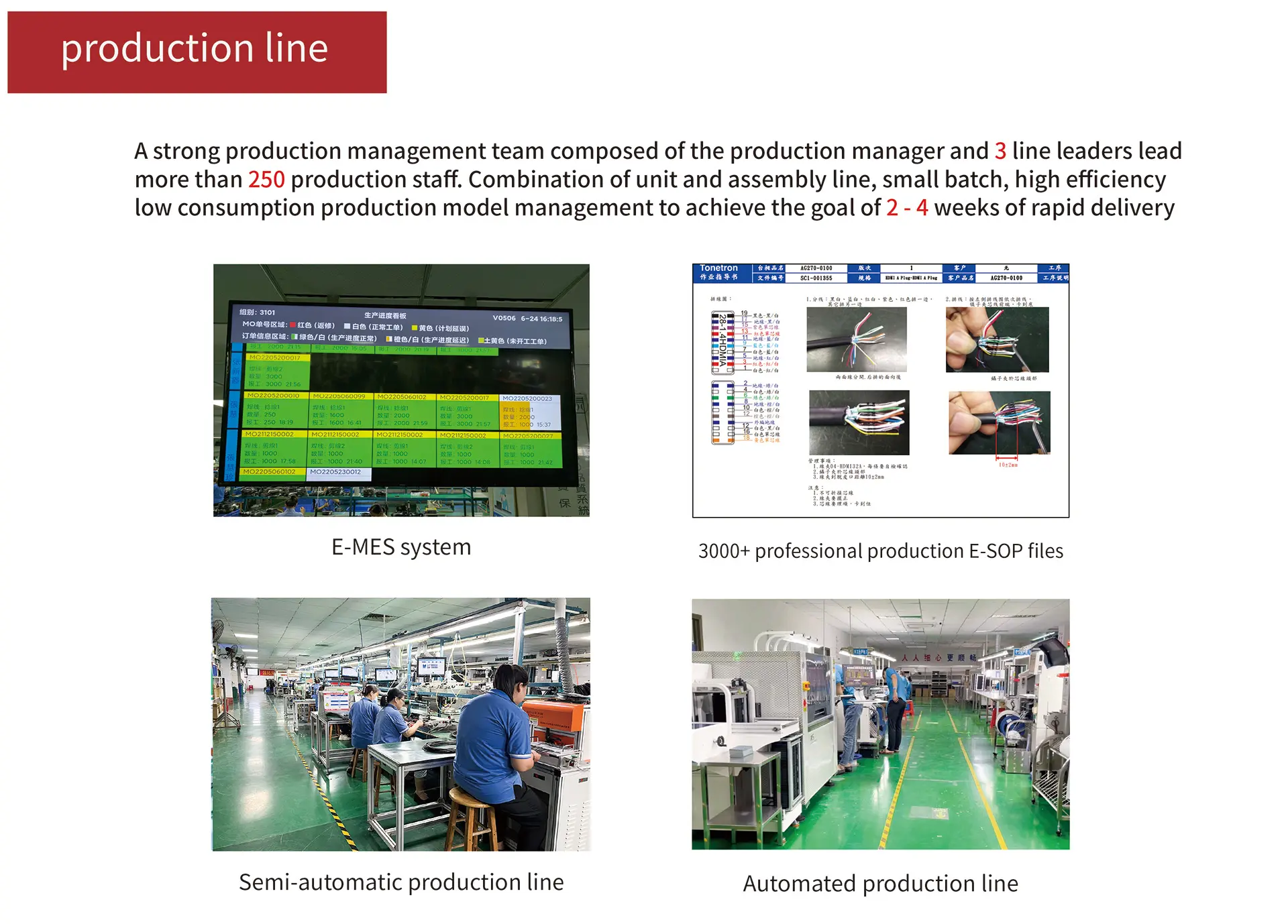
The application of high-bandwidth USB4 cables goes far beyond desktop peripherals. Because of the extremely low latency and immense data throughput, these interconnects solve critical bottlenecks across several core industrial settings.
Real-time high-resolution endoscopes and ultrasound scanners transmit raw digital streams to host systems. USB4 cables support latency-free video tunneling along with control command feeds, allowing operators to diagnose with sub-millisecond tactile precision.
In virtual studios using LED backdrops (such as Unreal Engine volume stages), raw camera feeds and synchronization signals demand massive bandwidth. Using robust OEM USB4 cables allows direct connection from high-definition capture cards to master rendering nodes.
Automobile control computers rely on extensive simulation and log capture. Sourced USB4 channels allow developmental test equipment to offload multi-gigabyte log files in seconds, shortening the debugging cycle for Advanced Driver Assistance Systems (ADAS).
The progression of the USB Implementers Forum (USB-IF) specifications shows a rapid upward trajectory in high-speed interconnect requirements. As data rates climb from 40Gbps to the newly introduced USB4 Version 2.0 (80Gbps and up to 120Gbps asymmetric routing), physical material science and mechanical construction are pushed to their physical limits.
Transitioning from standard NRZ (Non-Return-to-Zero) to PAM3 (Pulse Amplitude Modulation 3-level) encoding allows the transmission of three voltage states instead of two, doubling payload efficiency without requiring proportional rises in frequency bands.
To overcome signal degradation past 0.8 meters, active optical fiber (AOC) and integrated re-timer chips are embedded directly inside the connector housing, boosting and cleaning high-frequency data waveforms.
With massive data frequencies comes high susceptibility to EMI (Electro-Magnetic Interference). Advanced factories utilize customized multi-layered coaxial designs wrapped in silver-plated copper braiding to maintain high signal reliability.
Modern commercial infrastructure demands cross-compatibility. Correctly engineered USB4 channels seamlessly tunnel USB 3.2, DisplayPort 1.4a/2.0, and PCIe protocols, resolving cross-hardware compatibility issues.
Sourcing high-performance digital cables requires more than comparing unit costs. For bulk purchases and custom OEM orders, buyers must evaluate critical technical factors to prevent signal failure, high return rates, and compliance issues.
Always verify if your manufacturing partner implements automated TDR (Time Domain Reflectometry) testing. This ensures correct characteristic impedance (85Ω ± 5Ω for USB4) and minimizes signal attenuation over high-volume production batches.
For custom engineering projects, choose partners who offer tailored design choices. This includes options for different braiding densities, zinc alloy or aluminum shell finishes, and varying cable lengths (0.8m passive up to longer active optical options) to fit specific layouts.
Regulatory compliance is vital for global distribution. Working with ISO 9001 certified factories that guarantee products comply with CE, FCC, RoHS, and REACH guidelines helps prevent import clearance issues and guarantees product reliability in the field.
USB4 uses dynamic bandwidth allocation and protocol tunneling to combine PCIe, DisplayPort, and USB data over a single connection, supporting speeds up to 40Gbps. In contrast, USB 3.2 Gen 2x2 operates on static data lanes with a maximum capability of 20Gbps, lacking the ability to dynamically route display and PCIe signals.
Yes, USB4 is fully backward compatible. Properly certified USB4 cables can connect to USB 3.2, USB 2.0, Thunderbolt 3, and Thunderbolt 4 host ports. This makes them highly versatile for enterprise-wide deployments where older devices are still in use.
Passive copper USB4 cables are typically limited to 0.8 meters to maintain full 40Gbps speeds and meet signal integrity standards. For longer distances, active cables with built-in re-timer chips or active optical fibers (AOC) are required to boost signal strength and prevent data loss.
We offer comprehensive OEM/ODM customization, including custom outer jackets (such as double-shielded nylon braiding or flexible PVC), customized aluminum or zinc alloy connector shells, laser-engraved branding, custom cable lengths, and tailored packaging configurations designed to meet specific market requirements.
Our quality control team uses specialized high-frequency testing equipment, such as network analyzers, to evaluate Insertion Loss, Return Loss, Near-End Crosstalk (NEXT), and Far-End Crosstalk (FEXT) on every production run. We also perform mechanical reliability tests, including bending resistance and connector mating cycles, to ensure long-term durability.
 Taichang Electronic