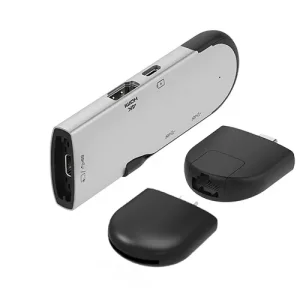
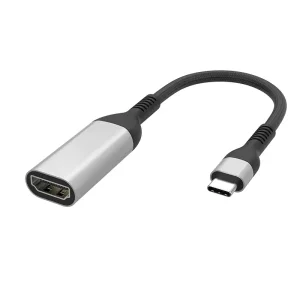
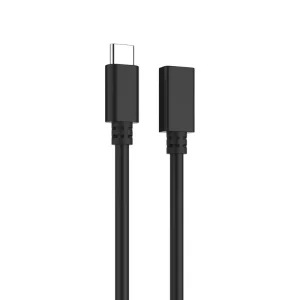
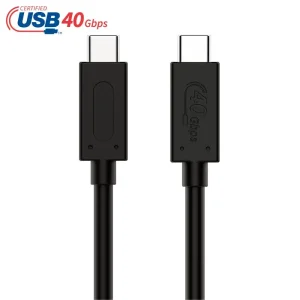
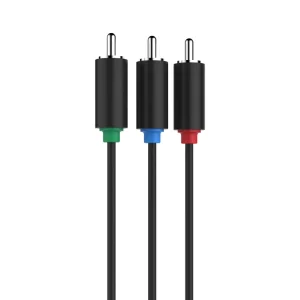
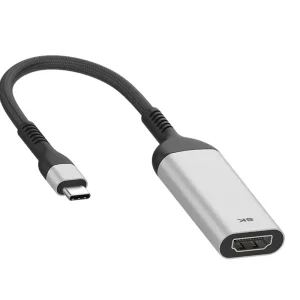
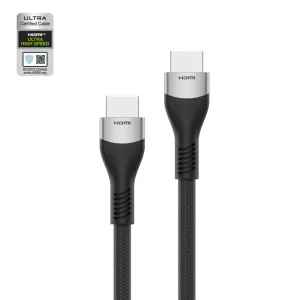
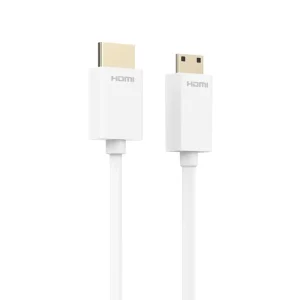
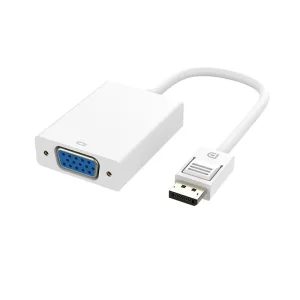
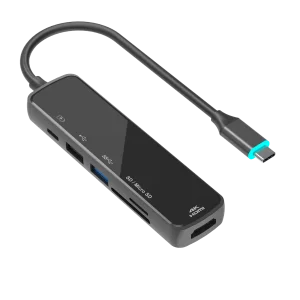
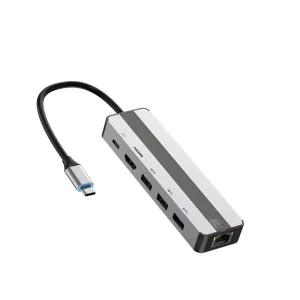
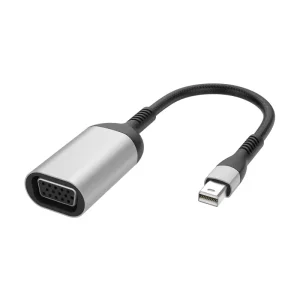
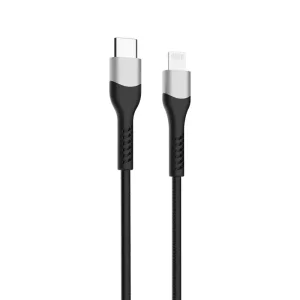
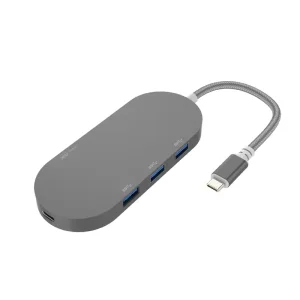
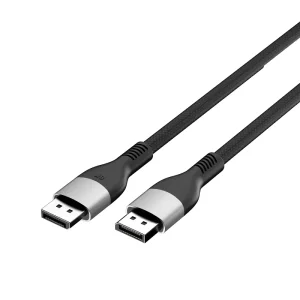
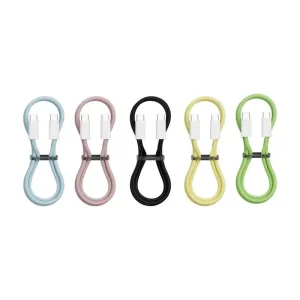
Select from our premium wholesale catalog of engineered interface adapters and cables optimized for high-bandwidth networks.
Established in 1984, Dongguan Taitron Electronics Limited (formerly known as Tonetron) traces its roots to Keelung, Taiwan. In 1993, driven by scaling demands and manufacturing optimization, the enterprise established a dedicated, self-built industrial manufacturing park in Dalingshan Town, Dongguan City, Guangdong Province, China.
For over 38 years, our development has been grounded in manufacturing high-precision video, audio, and signal peripheral connector lines. We have systematically transitioned into an industry-leading OEM/ODM hub focusing on state-of-the-art consumer and commercial network-media conversion solutions. This includes HDMI 2.1 configurations, DisplayPort 2.0 assemblies, USB4 data interfaces, USB-C 3.1 Gen 2 high-speed data cords, fast charging protocols, 8K ultra-HD signal converters, and multi-functional Type-C expansion docks featuring integrated Gigabit and Multi-Gigabit LAN network ports.
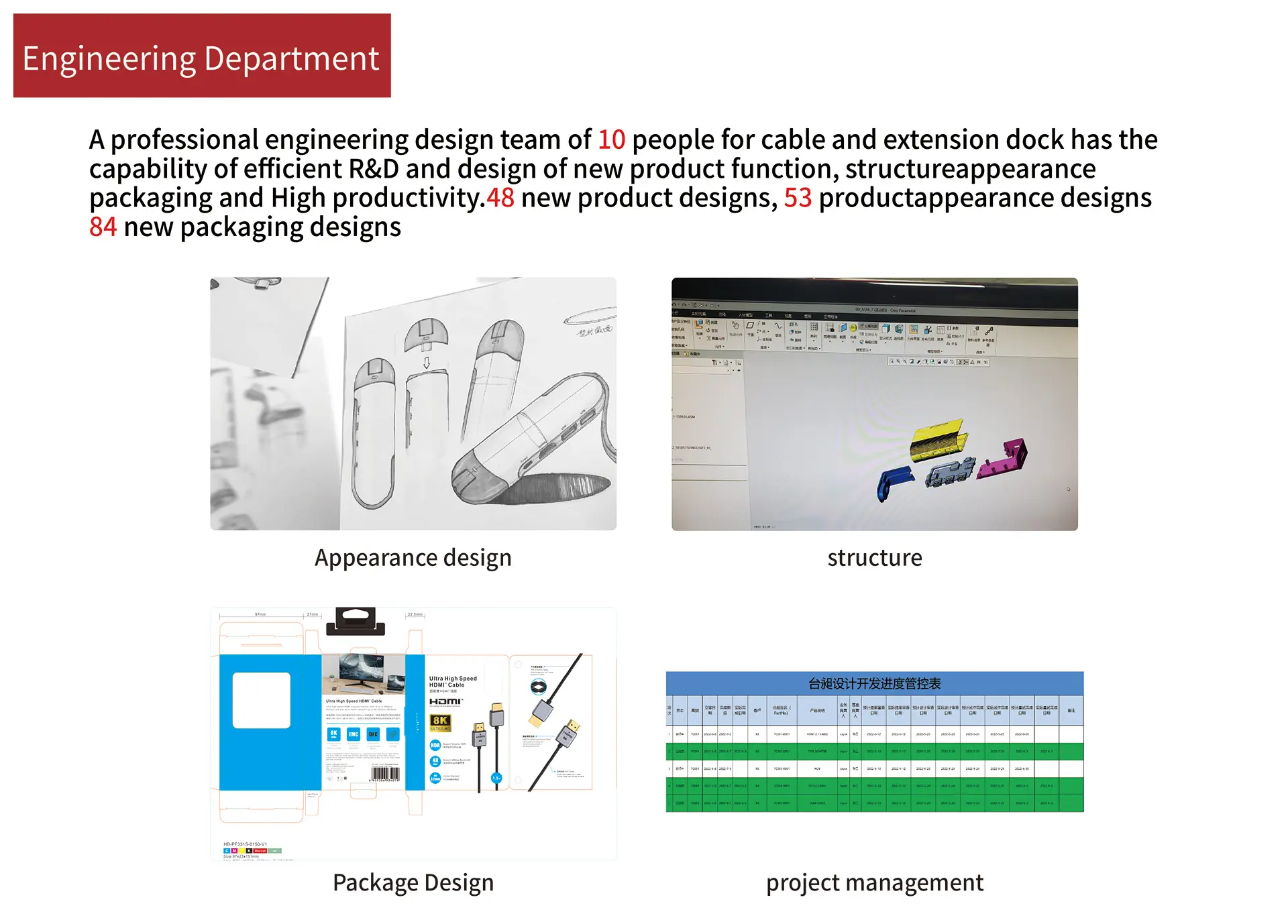
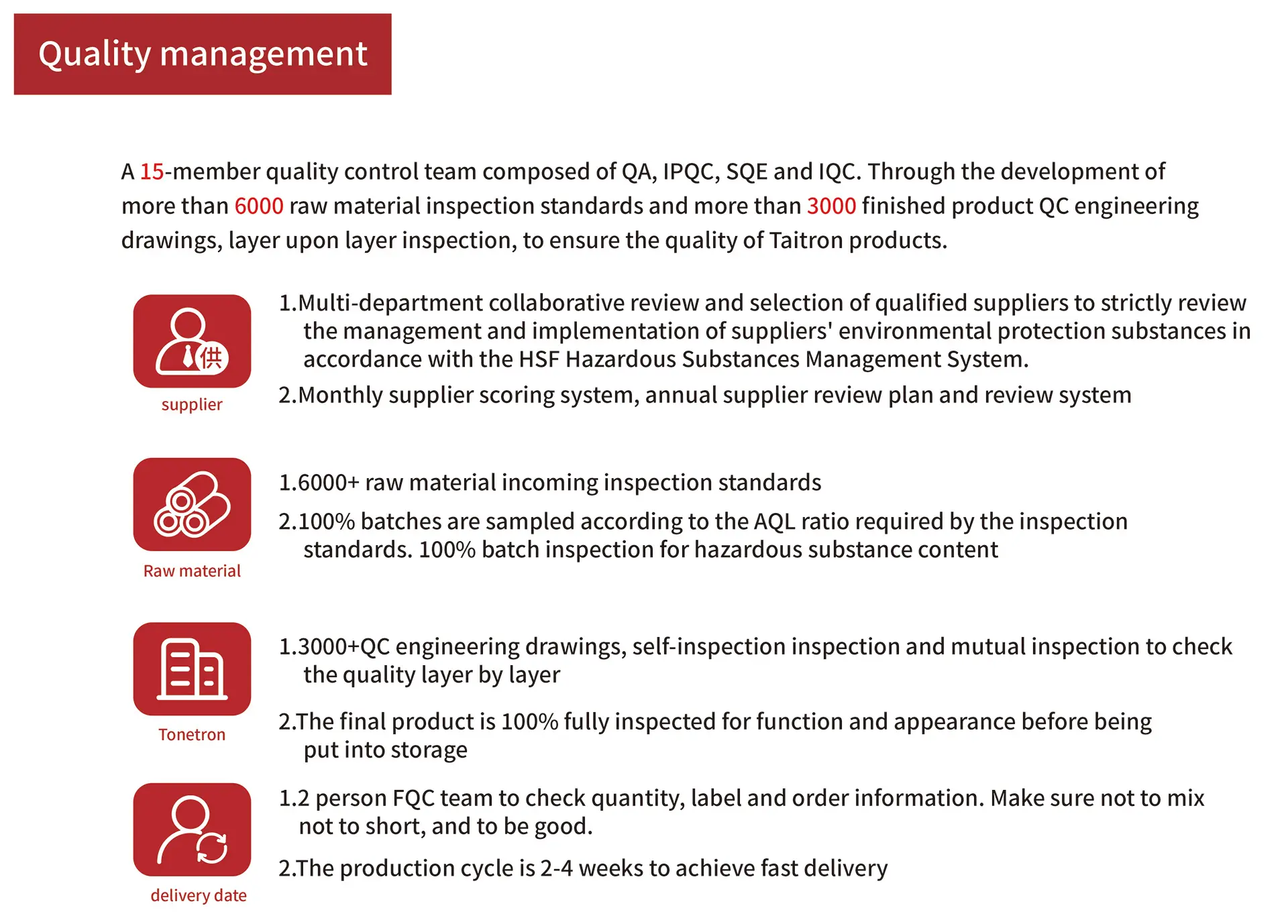

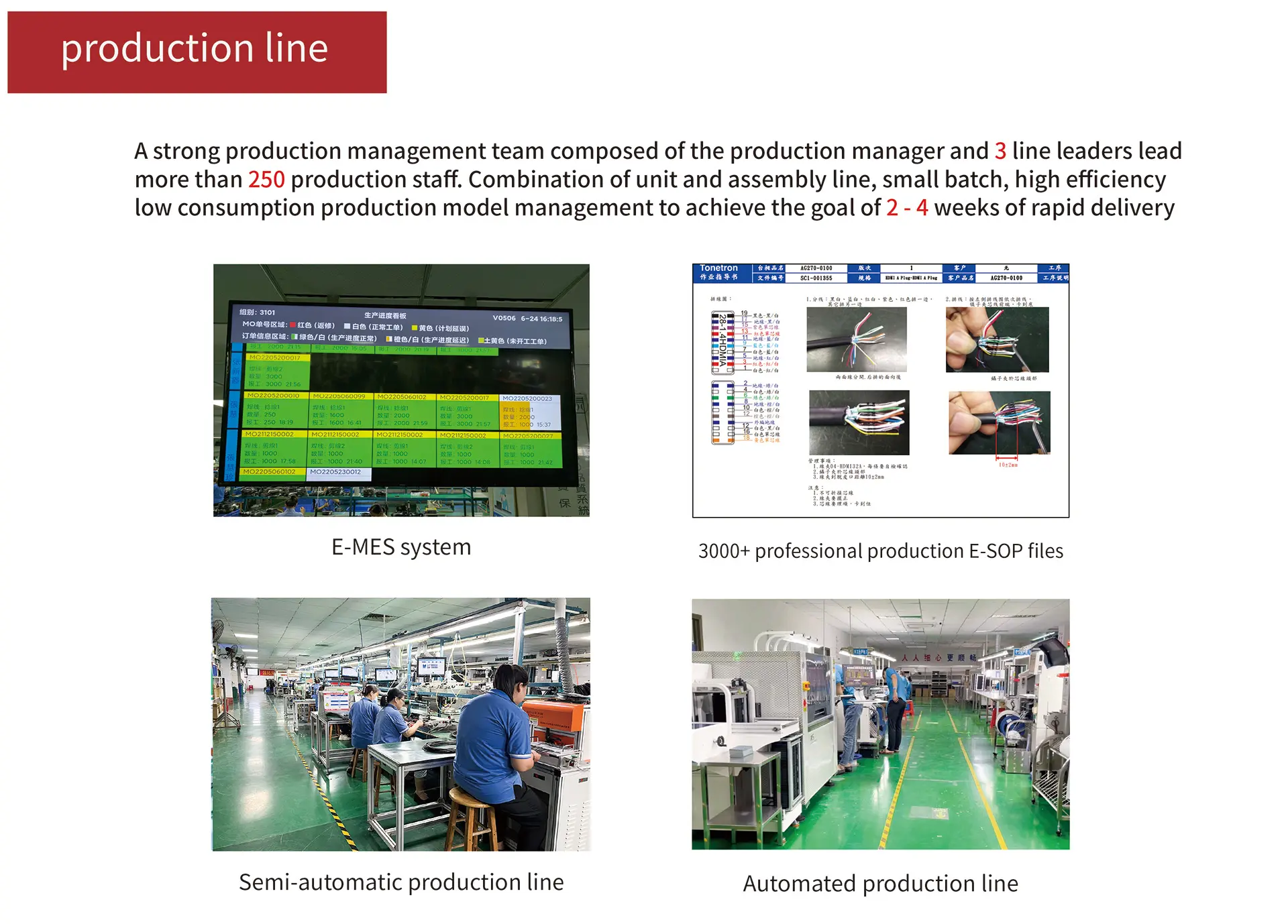
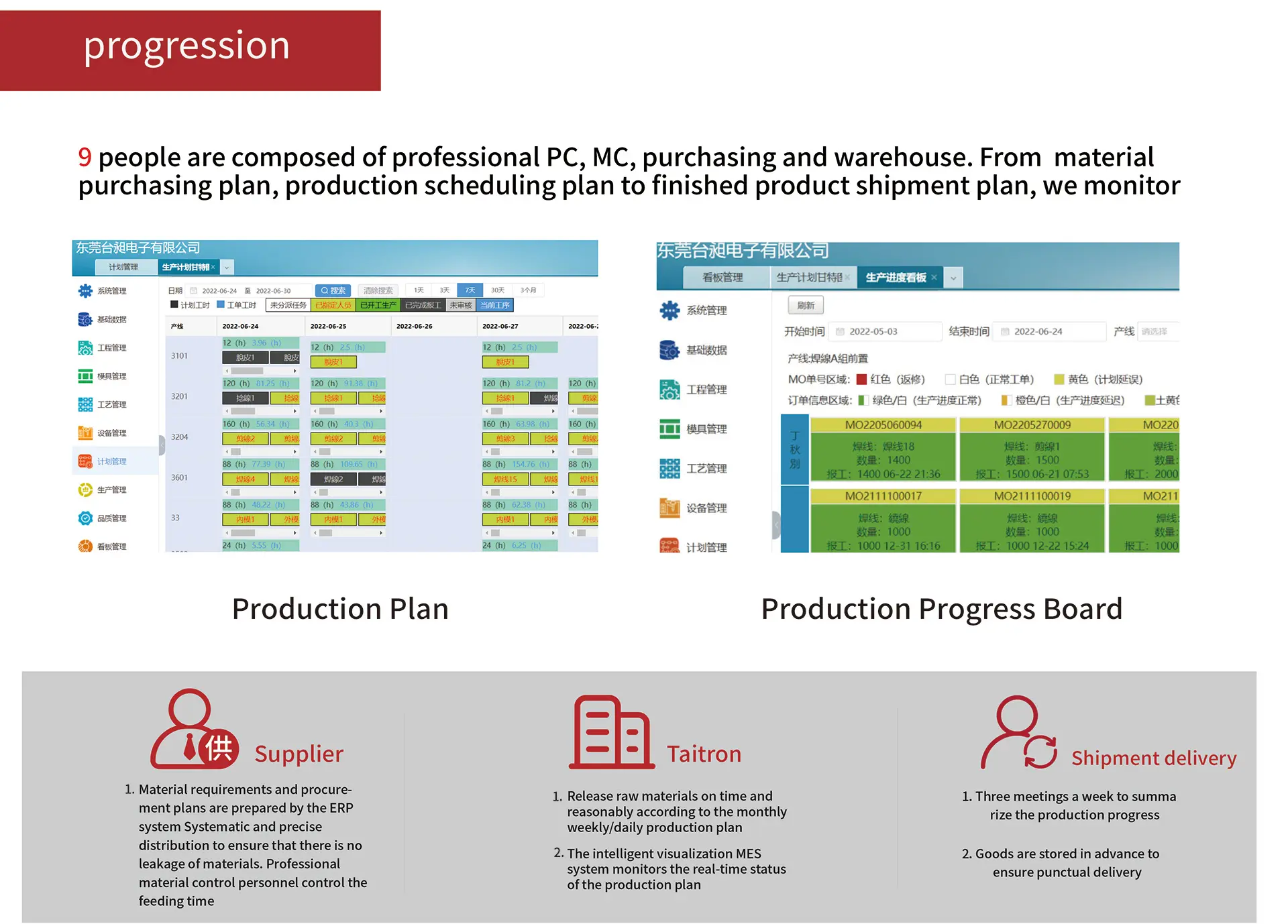
Understanding the commercial demand shift in modern IT environments
Ultra-thin enterprise notebooks (e.g., MacBook Air, Dell XPS, Lenovo ThinkPad Carbon) have phased out the RJ45 physical port. Enterprise IT fleets require reliable, high-volume plug-and-play USB-C to RJ45 converters to guarantee secure, wired corporate LAN connectivity.
Modern workflows involving massive database operations, real-time audio/video processing, and cloud environment collaboration mandate speeds and stability that standard Wi-Fi cannot guarantee. Physical network connections with 1Gbps and 2.5Gbps bandwidth are vital.
Government, medical, banking, and security-centric developers strictly prohibit wireless networking due to interception vulnerabilities. Hardwired connections using secure USB to LAN adapters with unique, trackable MAC addresses are required for workspace endpoints.
The transition from legacy Fast Ethernet to Next-Generation Multi-Gigabit USB Architectures
Historically built using USB Type-A connections, these devices were constrained by the 480 Mbps bus bandwidth limitation of USB 2.0. Commonly deployed using ASIX AX88772 controllers, these designs are now relegated to legacy industrial machinery, IoT devices, and smart TVs requiring only minimal data throughput.
Utilizing USB 3.1 Gen 1 interfaces, this standard provides a bus speed of up to 5 Gbps, comfortably enabling actual, uninhibited 1 Gbps (1000 Mbps) full-duplex Ethernet throughput. Engineering focuses on active power management (IEEE 802.3az Energy Efficient Ethernet), Wake-on-LAN (WoL), and hardware-level IPv4/IPv6 checksum offload engines to optimize CPU performance.
Driven by the introduction of standard 2.5G switches in modern office environments, USB-C 2.5G adapters utilizing Realtek RTL8156 series chips are taking over the high-performance tier. These controllers optimize bandwidth for Network Attached Storage (NAS) operations and localized media editing networks while operating on standard Cat5e cables.
Moving toward ultra-speed networking, upcoming designs utilize Aquantia or Marvell controllers. Operating under USB4 pipelines, these high-end adapters necessitate specialized thermal dissipation frameworks (extruded aluminum alloys, silicon thermal pads) to mitigate heat spikes generated by continuous 10Gbps data transport cycles.
Customized networking solutions engineered for specialized operating domains
Our custom USB-C hubs with integrated LAN support PXE Boot (Preboot Execution Environment), enabling IT administrators to push bulk firmware upgrades and clean OS images across thousands of laptop workstations remotely. Specialized MAC Address Pass-Through support ensures the physical host's network signature is maintained for security auditing.
In smart classrooms and university computer labs, continuous connectivity is vital. Our heavy-duty aluminum chassis adapters are reinforced with strain-relief SR (Strain Relief) boots to withstand mechanical stress from repeated plug-unplug cycles by student users, ensuring stable internet access for digital learning systems.
For smart factories and automation panels, we manufacture custom adapters containing EMI-shielded inner steel casings. This blocks electromagnetic noise generated by heavy-voltage motors and robotic equipment, preventing packet loss and ensuring reliable data transmission back to centralized PLCs.
Securing compliance, reliability, and stable performance for global trade compliance
As a professional wholesale manufacturer, Dongguan Taitron Electronics guarantees structural and electronic stability. Our components must pass a sequence of laboratory assessments prior to shipment:
EU Conformity Verified
US Interference Shielding
Hazard-Free Materials
International Production Standards
Addressing professional questions from OEM/ODM distributors and purchasing managers
Explore more conversion tools, DisplayPort dongles, HDMI interfaces, and USB cabling options designed by Taitron.
 Taichang Electronic