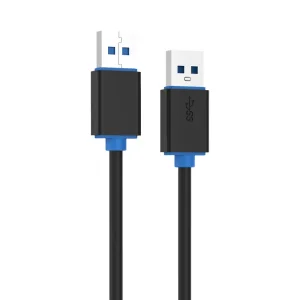
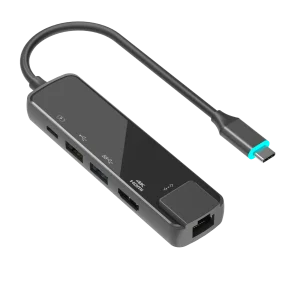
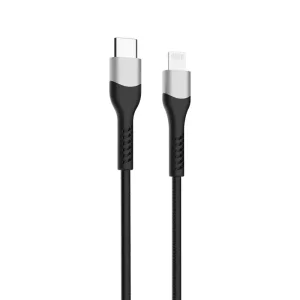
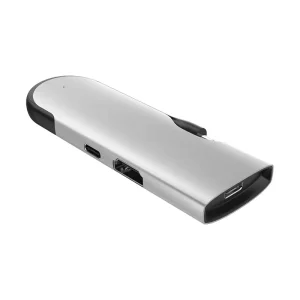
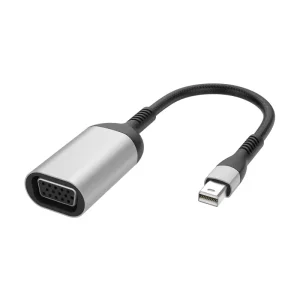
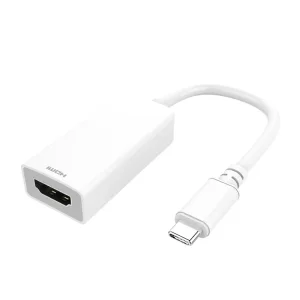
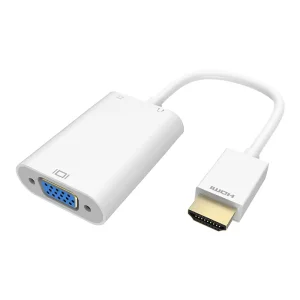
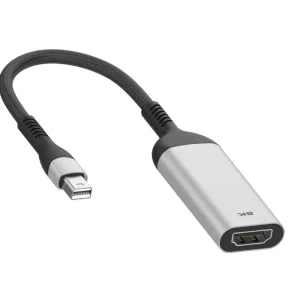
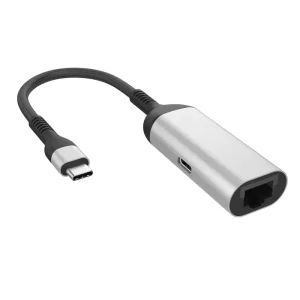
As enterprise IT architecture trends toward ultra-thin laptops, edge devices, and dynamic IoT architectures, the omission of physical RJ45 Ethernet ports has become a universal challenge. Corporate security protocols, real-time data acquisition systems, and stable local-network requirements demand high-bandwidth, latency-sensitive gigabit connections. The USB to Ethernet adapter bridges this infrastructure gap.
However, hardware deployment is only half of the equation. Seamless operating system integration, driver compatibility, firmware stability, and physical resilience are critical variables that differentiate commercial-grade solutions from consumer-grade dongles. For large-scale system integrators and distributors, choosing a manufacturing partner that understands the intricate coupling of hardware controllers and software drivers is essential for preventing fleet-wide deployment failures.
Achieving line-rate Gigabit or Multi-Gigabit speeds over a USB bus requires optimized controller silicon. As a leading manufacturer, we develop hardware designs using industry-standard ASIX and Realtek chipsets, carefully tuning their microcode to maximize reliability.
We leverage hardware controllers such as the ASIX AX88179A and Realtek RTL8153B, ensuring native physical-layer (PHY) power-saving transitions, energy-efficient Ethernet (IEEE 802.3az), and optimized buffer handling for minimal CPU overhead.
Our engineering division secures Windows Hardware Quality Labs (WHQL) certification and Apple Developer signatures for custom driver setups, avoiding security pop-ups and facilitating silent enterprise deployments via SCCM or MDM systems.
System deployment workflows depend heavily on Preboot Execution Environment (PXE) support. Our customized controller firmware integrates with OEM BIOS overlays to allow MAC address cloning, securing internal endpoint authentication.
The network interface market is undergoing a significant transition. Fast Ethernet is largely obsolete, Gigabit Ethernet remains the baseline, and Multi-Gigabit (2.5G/5G) copper infrastructure is rapidly expanding into mainstream business spaces. Our technology roadmap addresses this shifting landscape.
Over the next 24 months, our product lineup is shifting toward 2.5G BASE-T interfaces powered by RTL8156BG chipsets. These operate efficiently over standard Cat5e wiring while running on Type-C USB 3.2 Gen 1 ports. Looking further ahead, our development labs are prototyping 10G USB4-to-Ethernet adapters. These rely on Thunderbolt 3/4 bus protocols, designed for real-time edge processing, high-definition broadcast feeds, and heavy local server access.
Adapters are often deployed in challenging settings that require specialized hardware optimizations. Below are the key verticals we serve:
Medical carts and surgical tablets rely on constant network links without RF interference from Wi-Fi. Our medical-grade adapters feature integrated galvanic isolation (up to 4kV) to shield delicate diagnostic equipment from power surges, paired with durable, medical-grade housings that withstand chemical sanitation.
Factory floors present significant electromagnetic interference (EMI) challenges. Our industrial adapters utilize multi-layered aluminum shielding, securely locked USB-C connectors, and custom ASIX Linux kernel configurations. This maintains communication with PLC hardware under wide temperature ranges (-40°C to +85°C).
For large-scale office setups, IT departments require consistent, stable dock interfaces. Our solutions combine USB power delivery (up to 100W PD passthrough), dual display lines, and a dedicated Realtek Gigabit interface. This setup guarantees that modern notebooks stay charged and connected to the corporate LAN via a single USB-C connection.
Global electronics procurement demands compliance with local regulatory frameworks. Selling adapters worldwide requires meeting strict standards for environmental impact, signal radiation, and device safety.
Every batch of USB-to-Ethernet adapters leaving our factory floor carries certification compliance tags, including CE, FCC, RoHS, REACH, and WEEE. In highly regulated regions like the European Union, we supply comprehensive compliance portfolios that trace raw material supplies to ensure conflict-free manufacturing. For enterprise software deployments, we provide localized driver installation packages in 12 major languages, allowing IT teams worldwide to roll out updates without user-facing language barriers.
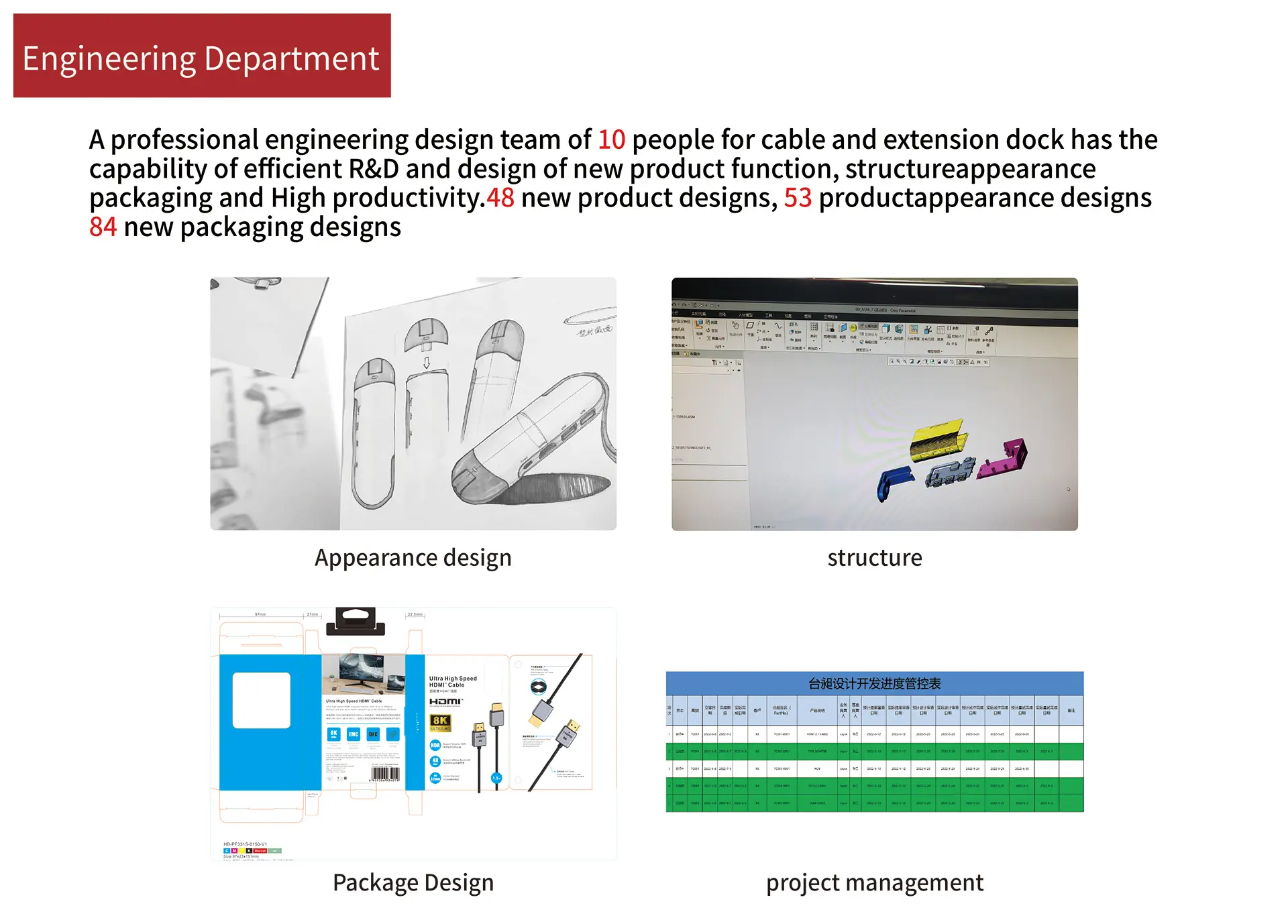
Our production capabilities are grounded in decades of manufacturing expertise. In 1984, Dongguan Taitron Electronics Limited (formerly known as Tonetron) was founded in Keelung, Taiwan. In 1993, we moved to our self-built, independent production industrial park in Dalingshan Town, Dongguan City, China, renaming the company to Dongguan Taitron Electronics Limited.
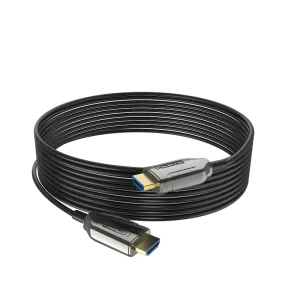
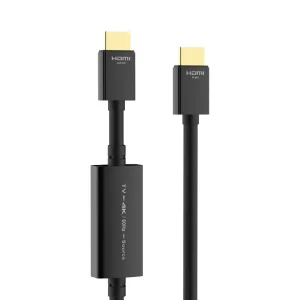
For 38 years, our foundation has rested on professional video, audio, and peripheral network connection manufacturing. Over time, we have expanded into high-end audio/video cables and data connections, including HDMI 2.1 cables, DP 2.0 cables, USB4 data cables, USB-C 3.1 Gen2 data cables, high-power USB charging cables, 8K HD conversion cables, and multi-functional Type-C expansion docks.
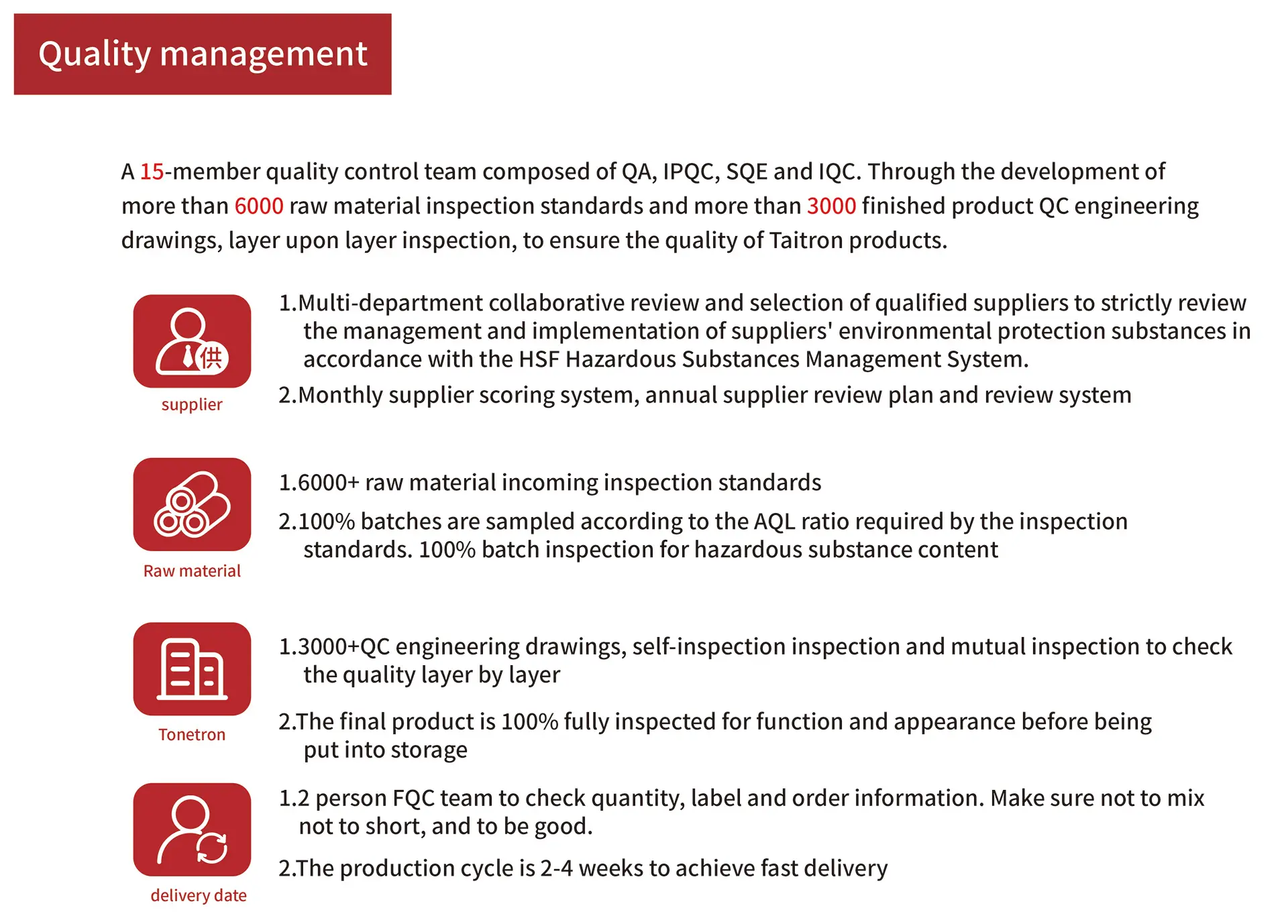
Our Dalingshan manufacturing base utilizes Smart Factory 4.0 standards. We employ automated surface mount technology (SMT) for controller boards, computerized high-frequency cable soldering, and strict multi-stage testing. This ensures that every adapter maintains signal integrity over its operational lifetime.

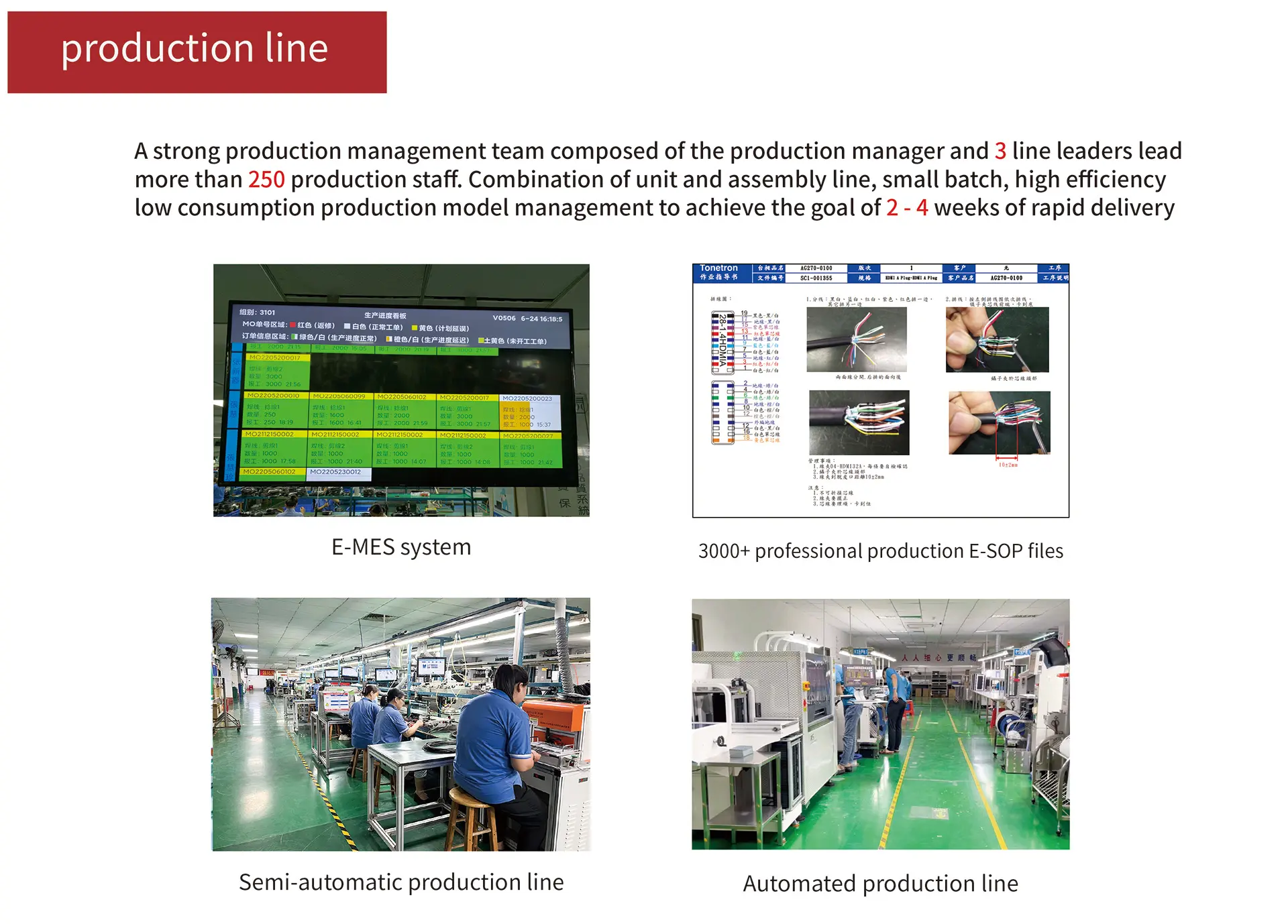
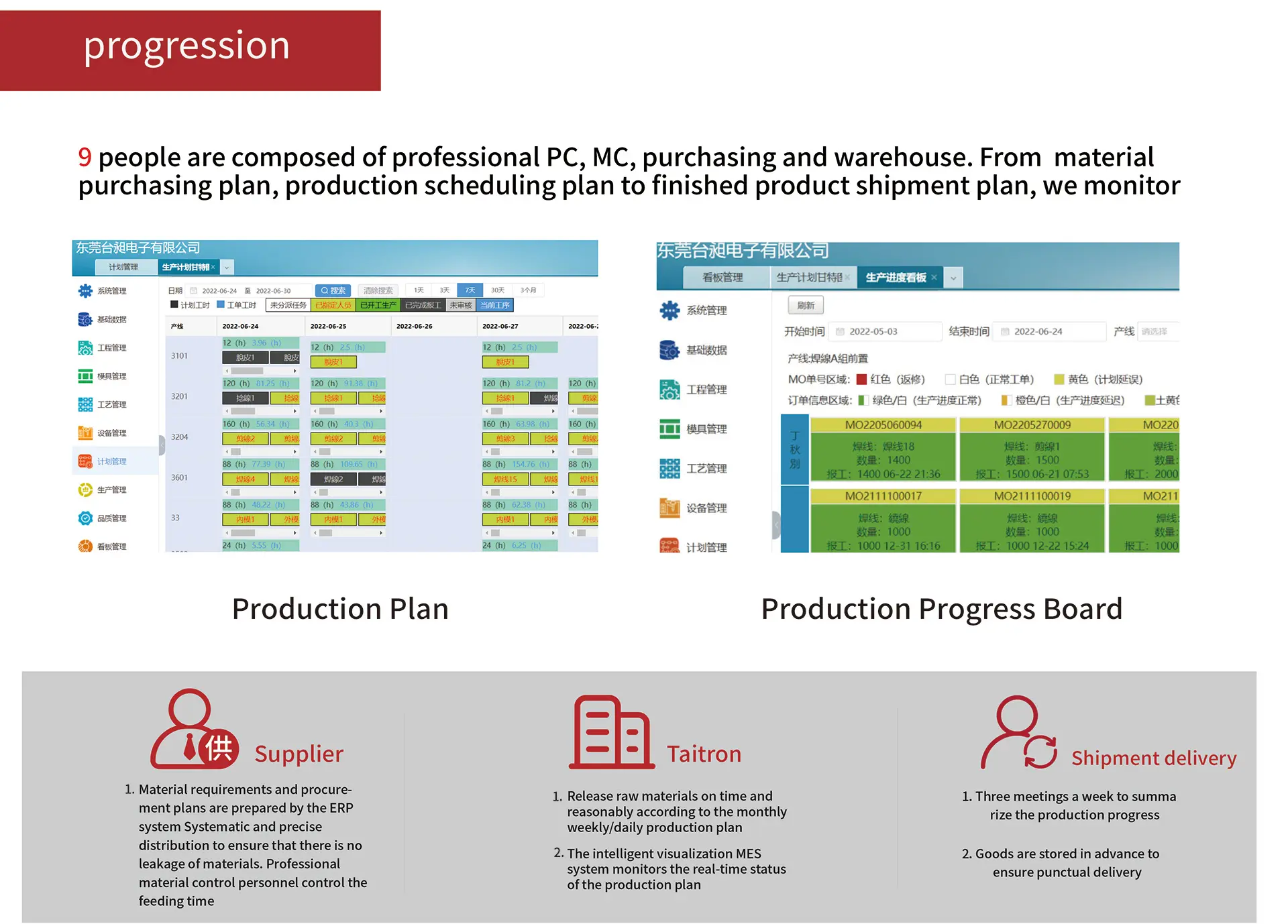
We offer global enterprise procurement channels with flexible customization options, allowing you to tailor hardware features to your project requirements:
For large enterprise fleets, we customize the Vendor ID (VID) and Product ID (PID) at the firmware level. This ensures smooth system integration and prevents unauthorized USB peripheral connections.
Choose from space-gray sandblasted aluminum enclosures for premium office environments, or durable, impact-resistant polycarbonate housings for industrial and warehouse applications.
We offer customized cable configurations, ranging from ultra-short 10cm designs for neat travel kits to reinforced, braided 1m cables built for heavy-duty setups.
 Taichang Electronic