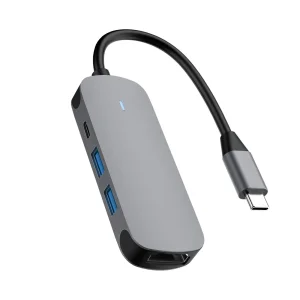
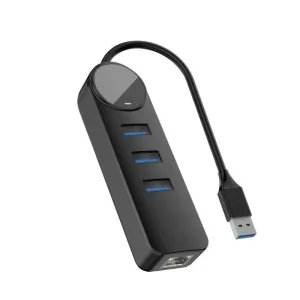
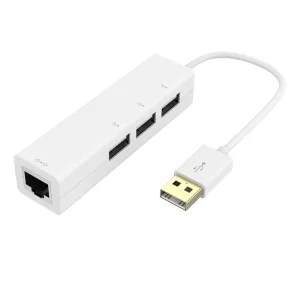
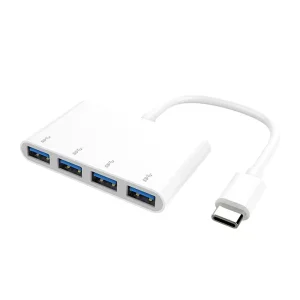
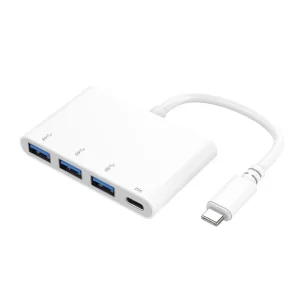
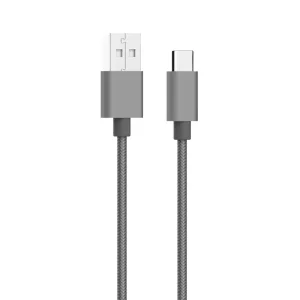
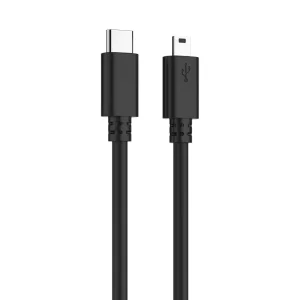
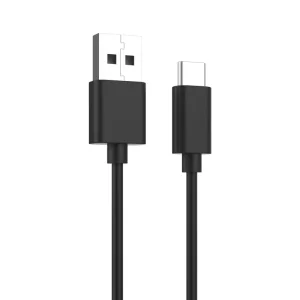
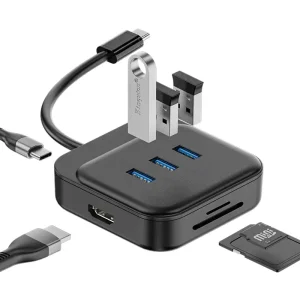
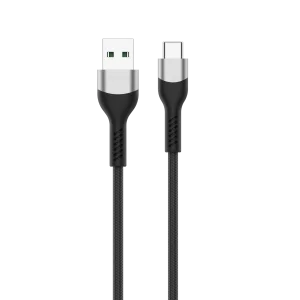
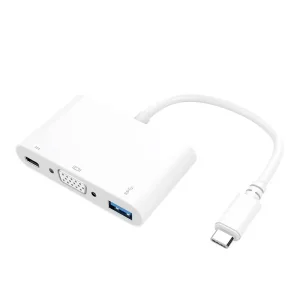
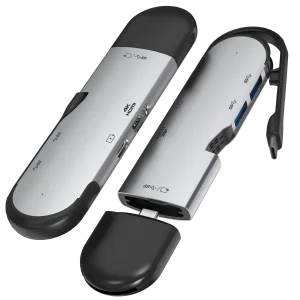
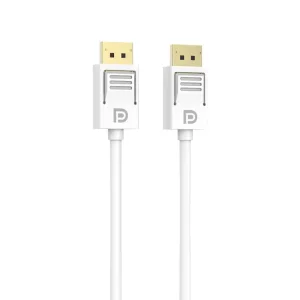
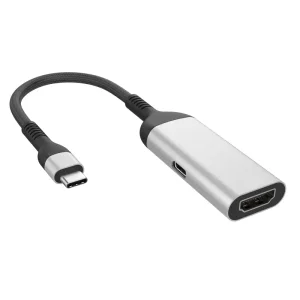
Engineered for extreme performance and rugged durability. These four top-tier docking stations represent our prime offerings for Southeast Asian sourcing projects.
Over the past decade, the global consumer electronics and connectivity peripherals supply chains have experienced unprecedented structural shifts. As multinationals seek risk mitigation through the "China+1" diversification model, Vietnam has emerged as the premier manufacturing frontier in Southeast Asia. This transition is not merely about relocation; it represents a significant upgrade in regional capabilities. High-precision manufacturing, once concentrated strictly in Eastern China hubs like Shenzhen and Dongguan, is transitioning rapidly to Vietnam's specialized economic zones (SEZs).
Within this ecosystem, the demand for 4-in-1 docking stations and USB hubs has skyrocketed. These compact devices serve as the essential physical interface for modern hybrid workstations, combining power delivery, high-resolution display outputs, and high-speed data transmission in a single enclosure. This whitepaper analyzes the manufacturing dynamics of these products in Vietnam, comparing localized operations with established Chinese production bases, detailing technical benchmarks, and exploring compliance and logistics infrastructures critical to global procurement officers.
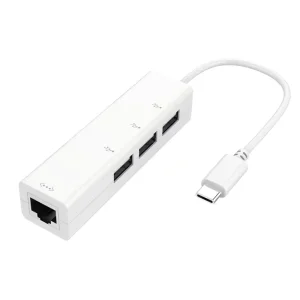
The standard "4-in-1" hub configuration typically includes: 1x USB-C (Power Delivery input), 1x HDMI port (4K output), and 2x USB-A (high-speed data ports), or alternatively, integrating a gigabit ethernet (RJ45) port for office-centric environments. Achieving stable signal integrity across these contrasting protocols requires sophisticated PCB design and premium chipset integration.
To avoid cross-talk between USB 3.0 (which operates on a 5GHz fundamental frequency, notoriously causing interference with 2.4GHz Wi-Fi signals) and high-definition audio/video paths, factories must utilize 4-layer or 6-layer PCBs. Proper grounding schemes, controlled impedance lines (90 ohms differential for USB, 100 ohms for HDMI), and dedicated shielding cages around the controller chipsets are essential manufacturing protocols.
Always verify the chipset supplier during procurement. Premium suppliers integrate chips from Realtek, Parade Technologies, or Genesys Logic, ensuring high compatibility with macOS, Windows, and iPadOS devices. Cheaper alternatives risk frequent display dropouts when fast charging is actively engaged.
The Vietnamese electronics manufacturing landscape is geographically clustered to maximize logistics and supply chain efficiencies:
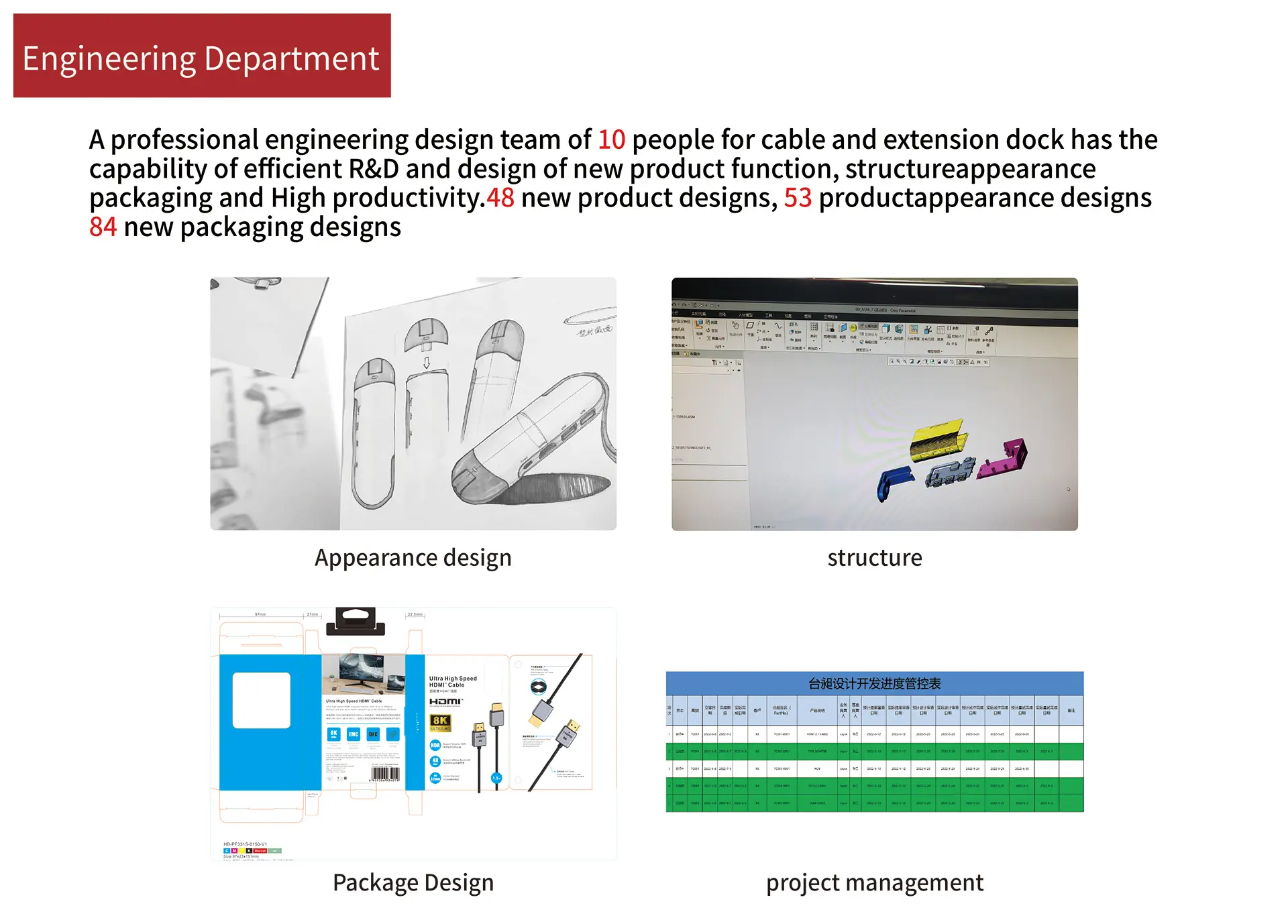
Despite the fast growth of local stamping and tooling facilities in Binh Duong and Bac Giang, critical semiconductor elements and precision structural designs still require integrated technology transfers. This is where cross-border manufacturing organizations bridge the gap. Our corporate entity leverages decades of engineering precision developed in Taiwan and Dongguan, integrating it with Vietnam’s local assembly advantages to deliver high-quality, export-ready connectivity solutions.
The following technical table provides an objective performance comparison across common hub architectures sourced for enterprise distribution.
| Feature / Spec | Value-Focused 4-in-1 Hub | Enterprise Gigabit Hub | Industrial Dual-Display Dock |
|---|---|---|---|
| Video Resolution | HDMI 1.4 (4K @ 30Hz) | HDMI 2.0 (4K @ 60Hz) | Dual HDMI 2.0 (Dual 4K @ 30Hz) |
| Data Upstream | USB-C 3.1 Gen 1 (5Gbps) | USB-C 3.2 Gen 2 (10Gbps) | Thunderbolt 3 / USB4 Compatible |
| Power Delivery Input | PD 2.0 (Max 60W input) | PD 3.0 (Max 100W input) | PD 3.0 (100W with Smart Allocator) |
| Housing Material | Anodized Aluminum Alloy | CNC Precision Aluminum + Abs | Rugged Zinc-Alloy with Heat Dissipation Fin |
| Network Interface | None | RJ45 (10/100/1000 Mbps) | RJ45 (2.5 Gbps Realtek RTL8156) |
Navigating the global regulatory landscape requires a strict compliance framework. Sourcing products from a factory without proper certification can lead to customs seizures, heavy regulatory fines, and reputational damage. When sourcing 4-in-1 adapters, global buyers must audit suppliers based on the following standards:
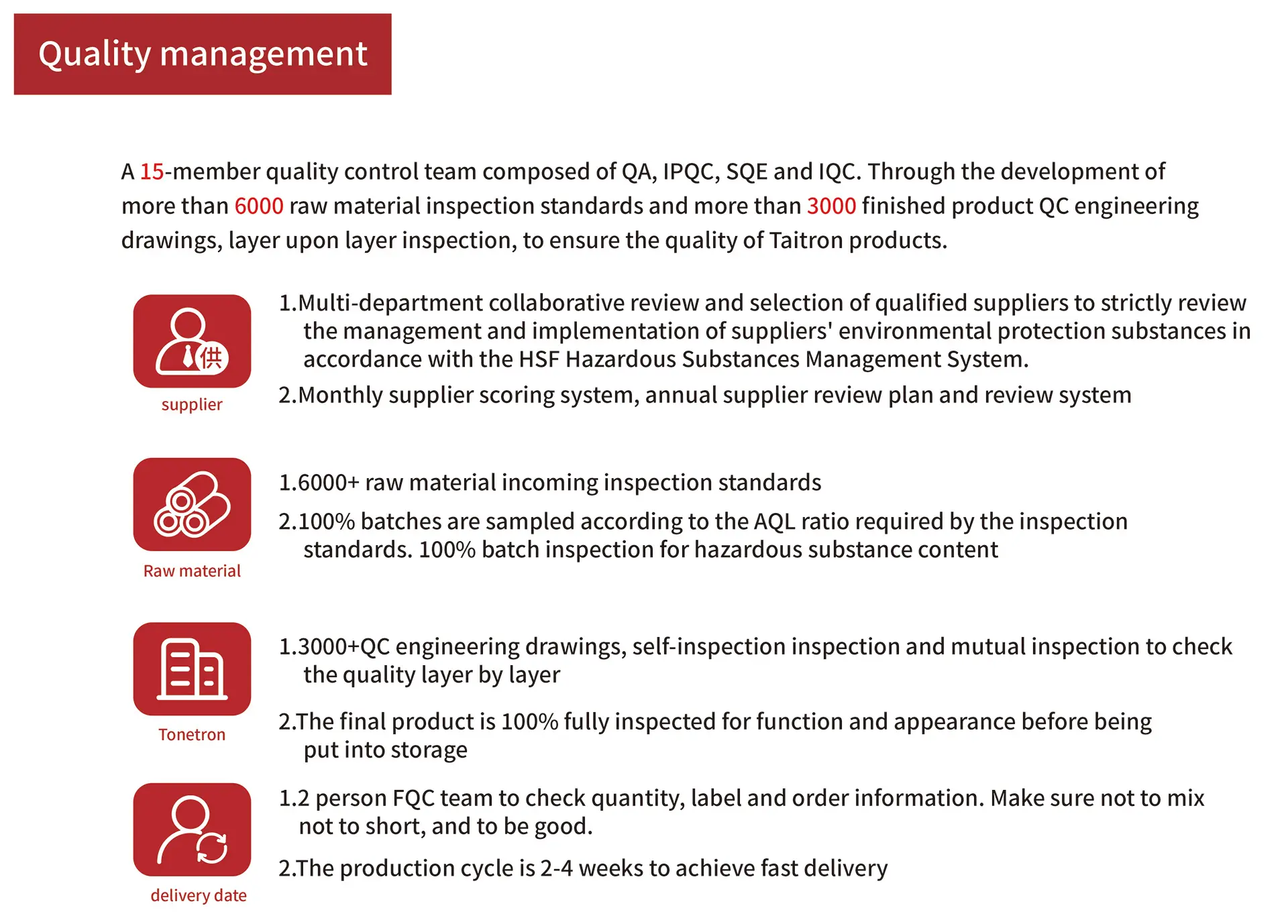
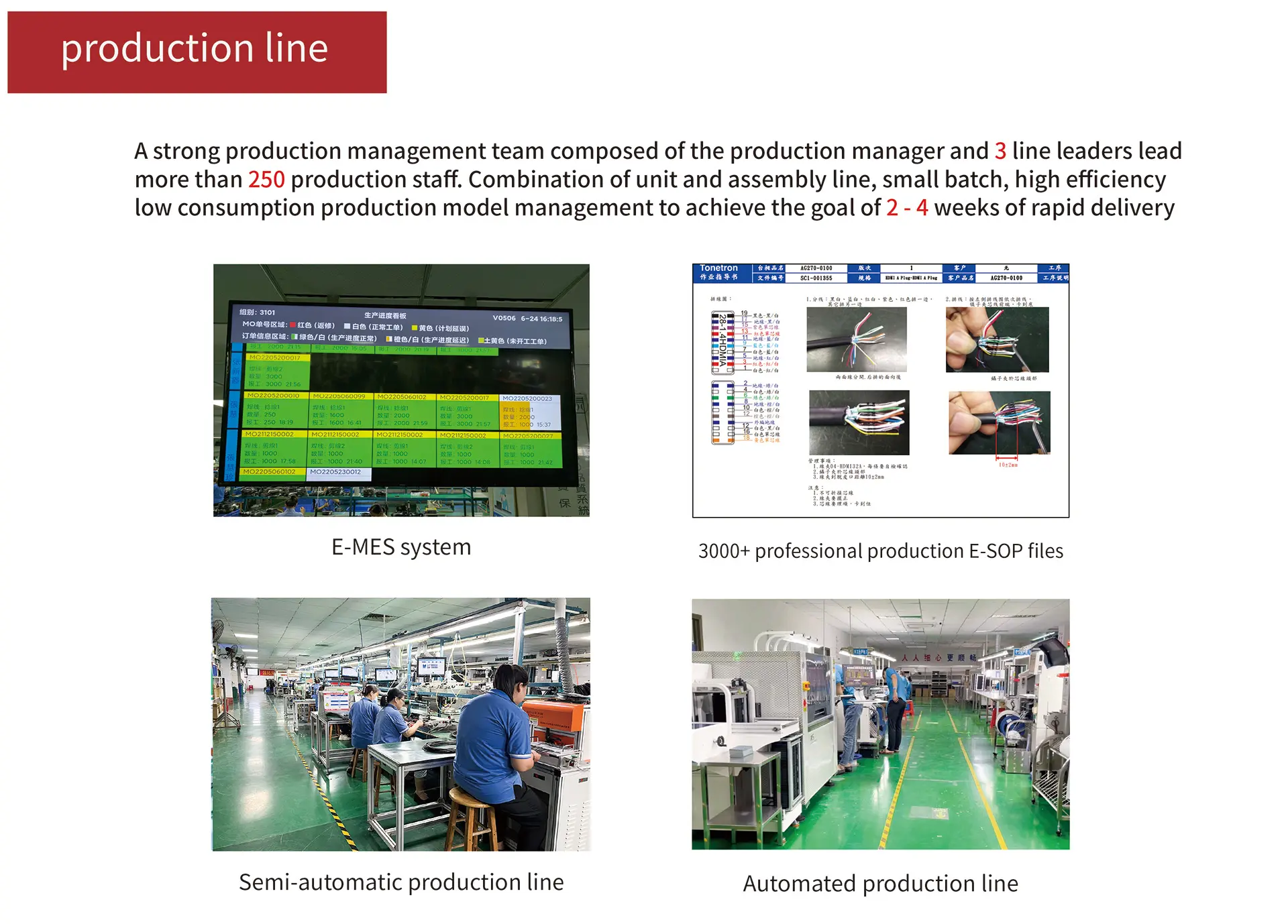
Reliable suppliers must operate under certified management systems. Look for ISO 9001:2015 (Quality Management), ISO 14001 (Environmental Management), and social responsibility certifications such as BSCI (Business Social Compliance Initiative) or RBA (Responsible Business Alliance) codes of conduct. These audits guarantee stable quality control across production runs and ethical labor standards.
In 1984, Dongguan Taitron Electronics Limited, formerly known as Tonetron, was founded in Keelung, Taiwan. Armed with a vision of precision engineering and reliable electronics manufacturing, the company established its reputation early as a premium developer of audio/video connectivity lines.
In 1993, anticipating the rapid growth of the global tech manufacturing industry, the corporation relocated to a self-built independent production industrial park in Dalingshan Town, Dongguan City, China, updating its operational entity to Dongguan Taitron Electronics Limited.
Over the last 38 years, the company has built on its foundation of professional video and audio peripheral equipment connection line manufacturing. We have systematically scaled our research, development, and manufacturing capacity to cover high-end audio and video data cables, including HDMI 2.1, DisplayPort 2.0, USB4, USB-C 3.1 Gen2, high-power USB charging cables, 8K HD conversion cables, and multi-functional Type-C docking stations.
By leveraging our deep engineering heritage alongside strategic regional hubs, we support the manufacturing needs of global brands sourcing products for the broader Southeast Asian and Vietnam markets.

As workspace bandwidth requirements surge, interface technologies are evolving beyond traditional standards. The standard USB-C 3.2 interface is transitioning toward USB4 (40Gbps), which leverages dynamic bandwidth allocation to run high-speed data and display protocols concurrently over a single link.
Moreover, the integration of Thunderbolt 4 and Thunderbolt 5 specifications introduces strict requirements for jitter control, power management, and insertion loss. Our R&D department is actively testing optical hybrid copper-fiber cables for long-distance connectivity. These cables eliminate electromagnetic interference (EMI) and signal degradation over extended lengths, making them ideal for modern production studios and high-end industrial control rooms.
Explore our full line of connectivity accessories, designed for global markets and optimized for the high demands of modern enterprise computing.
Optimize your consumer electronics supply chain with reliable 4-in-1 docking stations, USB-C adapters, and high-frequency cables. Contact our engineering team today to review technical drawings, request reference samples, or schedule a factory audit.
Send Inquiry Now Taichang Electronic