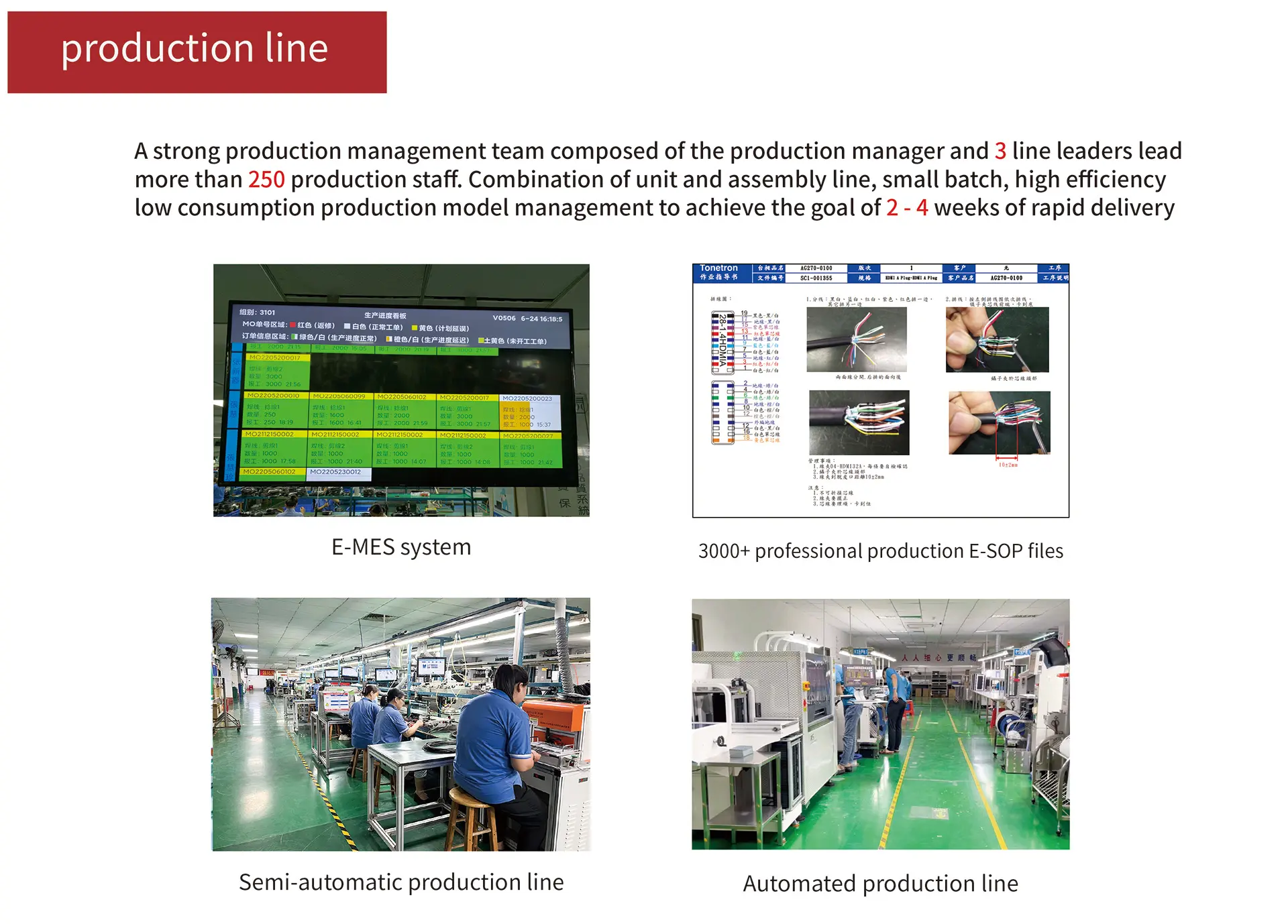
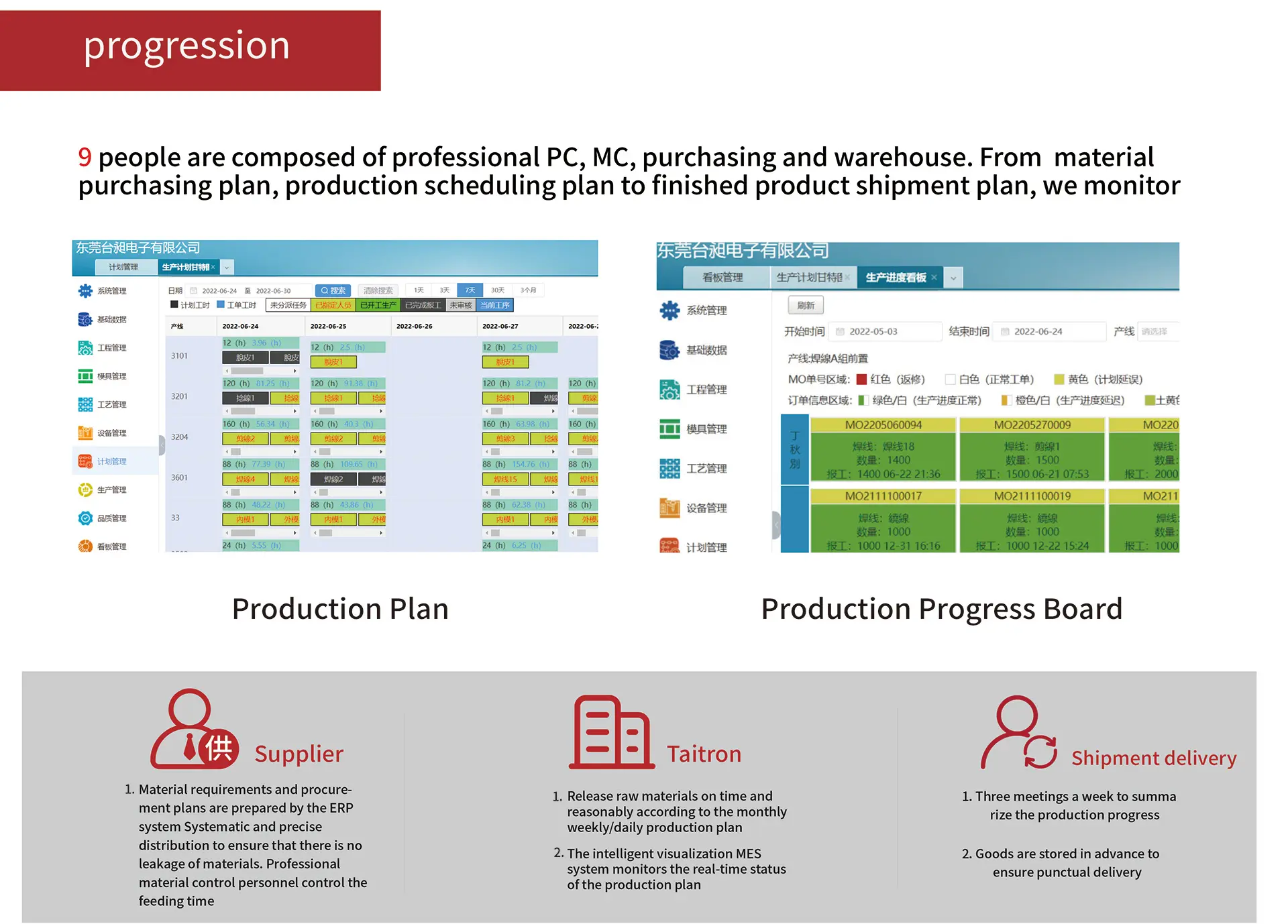
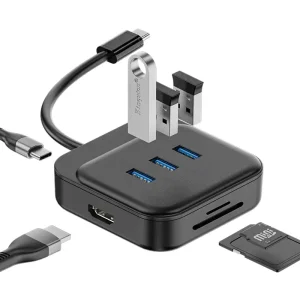
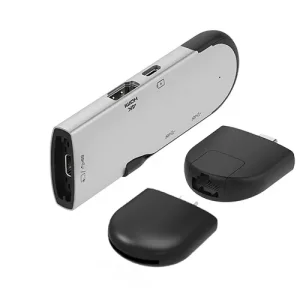
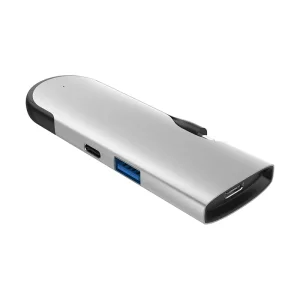
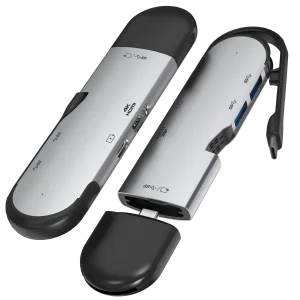
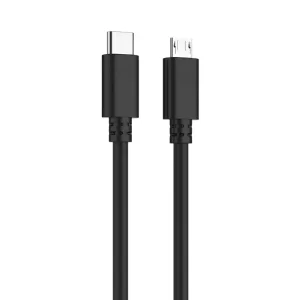
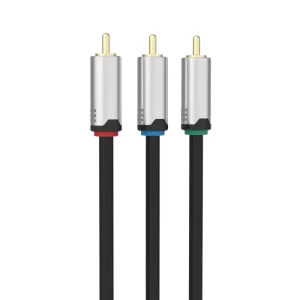
7 in 1 Multiport Connectivity & Hardware Solutions

High-Density Data Hubs, Cabling Architectures, and Procurement Quotes Customized for Berlin's Technical and Industrial Markets

Berlin's Industrial & Commercial Connectivity Paradigm

An in-depth whitepaper tracking architectural needs, technological specifications, and economic efficiency within Germany’s primary tech and startup ecosystems.

Executive Summary: As Berlin cements its position as "Silicon Allee" and a vital node in European industrial technology, corporate workspaces demand hardware standardization. High-density, multi-protocol dongles like the "7 in 1" interface serve as critical adapters, bridging legacy visual systems with high-power Type-C laptop standards. This paper explores the hardware constraints, economic opportunities, and supply chains defining Berlin's technology adoption.

1. Localized Market Dynamics: Berlin's Commercial and Industrial Needs

Berlin's digital infrastructure is structured around distinct ecosystems: the creative tech clusters in Kreuzberg and Friedrichshain-Kreuzberg, the corporate headquarters along Potsdamer Platz, and the research hubs located within the Adlershof Science and Technology Park. Each district demands high-level technical interfaces configured to match specific use cases:

  • Co-working & Flex Space Environments: High-density workspaces (such as Mindspace, Factory Berlin, and WeWork locations throughout Mitte) rely on plug-and-play adaptability. The 7-in-1 USB-C docking station format minimizes physical setup latency for freelancers and rotating engineering teams, consolidating video, high-speed networking, and charging into one reliable downstream port.
  • Research and Development (Adlershof): Hardware prototyping requires stable, high-fidelity data feeds. High-speed USB 3.0 channels, Gigabit Ethernet, and secure SD/TF card bus architectures prevent signal dropouts, facilitating precise telemetry data extraction from localized lab equipment.
  • Government and Public Sector Digitization: With Germany’s OZG (Online Access Act) requirements, public administration and education spaces are upgrading to modernized workstations. The inclusion of Gigabit Ethernet alongside legacy digital video interfaces ensures backward compatibility with municipal networks while modernizing local desktop displays.

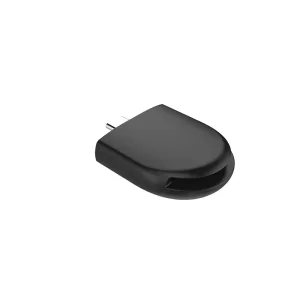
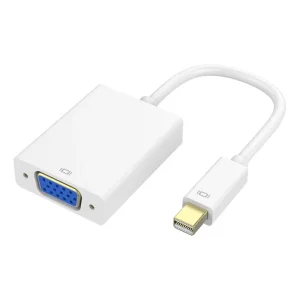
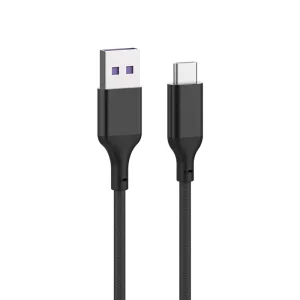
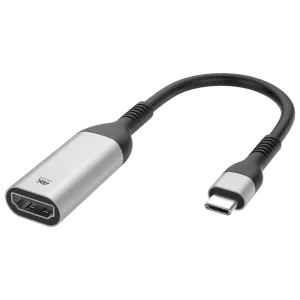
Modular Adapters & Protocol Readers

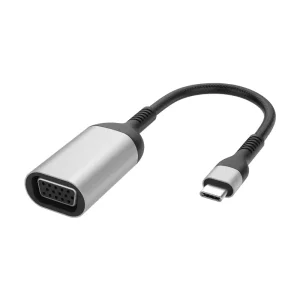
Essential adapters designed to bridge next-generation USB-C platforms with specialized diagnostic, media storage, and legacy VGA display infrastructure.

2. Technical Deep-Dive: Chipsets, Protocols, and Thermal Management

The performance of a multiport adapter depends heavily on the silicon components inside. Our 7-in-1 architectures are designed to prevent the performance drops that often affect low-grade alternatives when operating at full capacity. Below is an engineering breakdown of our standard product line:

Integrated Chipset Architecture: By decoupling the primary high-speed data lanes from visual output control loops, we achieve stable data flow even when drawing maximum power through the USB-PD bypass line.

  • Display Conversion: Converts native DP Alt Mode signals to HDMI 4K @ 30Hz/60Hz via high-end Parade Technologies or Realtek converters, preventing pixel jitter and latency in high-resolution CAD and software development environments.
  • Network Controller: Uses Realtek RTL8153 Gigabit Ethernet controllers to support Full Duplex flow control, IPv4/IPv6 checksum offload, and wake-on-LAN configurations standard in corporate Berlin offices.
  • Power Delivery (PD 3.0): Dedicated power path controllers handle up to 100W of power routing. Our circuit layouts include temperature-sensing auto-throttling to protect connected devices during peak power draw.

Thermal management is key when choosing between ABS (Acrylonitrile Butadiene Styrene) and Aluminum Alloy casings. While ABS is highly impact-resistant, cost-effective, and ideal for standard school or field use, aluminum enclosures act as heat sinks. Aluminum quickly dissipates the heat generated by simultaneous 100W power delivery and continuous 4K video processing, keeping internal temperatures within stable operating ranges (below 45°C) even during heavy workloads.

3. Global and Local Supply Chain Resilience: From Taiwan to Berlin

To understand the reliability of Dongguan Taitron Electronics connection technologies, it is important to trace our history of manufacturing excellence and infrastructure design. Founded in Keelung, Taiwan in 1984, the company laid its groundwork in professional video and audio peripheral manufacturing. In 1993, to scale production capacity and leverage vertical supply integration, we established our modern manufacturing facility in Dalingshan Town, Dongguan City, China.

This long-standing manufacturing footprint offers clear strategic advantages for global procurement managers:

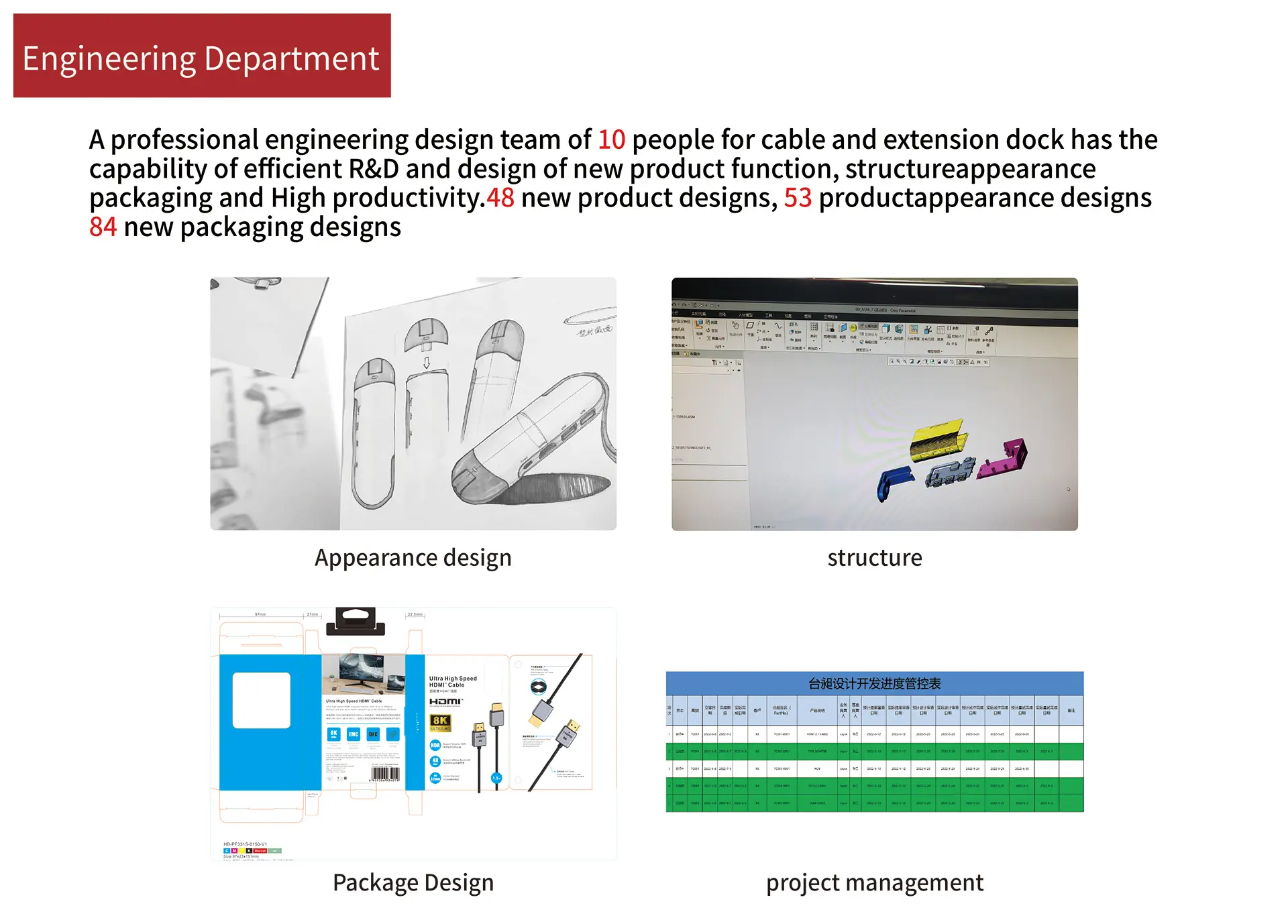
  • Vertical Integration: From raw copper wire drawing and high-density shielding braiding to precision automatic terminal soldering and overmolding, our production processes are controlled under one roof. This minimizes variations and ensures consistent product quality.
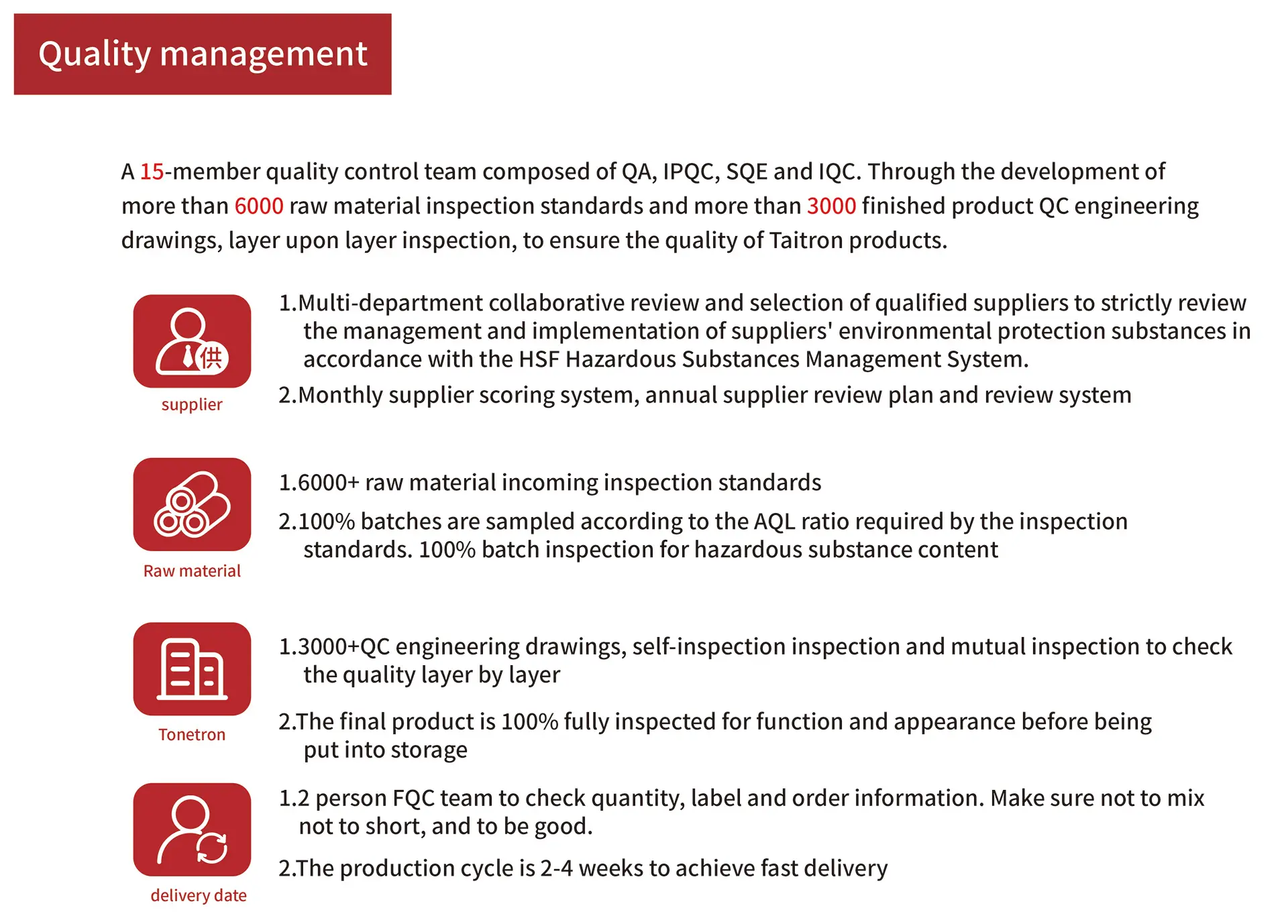
  • Strict Testing Standards: Every batch undergoes strict testing, including high-frequency signal integrity analysis, flex-life tests, salt spray resistance tests, and comprehensive electrical parameter verification, ensuring long-term reliability.
  • Efficient Shipping to Berlin: Using direct freight networks—including the China-Europe Railway Express (New Silk Road) and direct air freight routes from Shenzhen to Frankfurt/Berlin Brandenburg Airport (BER)—we ensure steady, predictable delivery schedules for bulk corporate orders.

Dongguan Taitron Electronics at a Glance

Decades of manufacturing expertise, strict international certifications, and global export capacity designed to support large-scale enterprise deployments.

1984
Founded in Taiwan
38+
Years Industry Experience
100%
CE / RoHS Compliant
Millions
Annual Unit Output

4. Local Compliance, Standards, and German Market Import Safeguards

For Berlin-based technology buyers, meeting local regulations is critical. Our products are fully certified and compliant with European Union directives and German national standards, ensuring hassle-free imports and compliance with public-sector tenders:
  • CE Mark: Indicates complete conformity with safety, health, and environmental protection standards within the European Economic Area.
  • RoHS & REACH Compliance: Guarantees that our cables, connectors, and housings do not contain hazardous levels of restricted substances, including lead, mercury, cadmium, and hexavalent chromium. This supports eco-friendly procurement and green building standards.
  • WEEE (ElektroG in Germany): Our registration and disposal procedures align with local recycling regulations, preventing waste management liability for your distribution channels.
  • VerpackG Compliance: All shipping materials and product retail packaging comply with German packaging laws, ensuring participation in dual recycling systems.

5. Future-Proofing: USB4, DisplayPort 2.1, and the Next Era of Workspace Connectivity

The office technology landscape is evolving rapidly. With the rise of USB4 and Thunderbolt 5, raw data bandwidth is scaling past 40Gbps and 80Gbps. This shift allows workspace hubs to deliver higher resolution, faster data transfers, and more power through a single connection. For procurement managers, choosing connection hubs that support these upcoming interface standards is key to keeping workspaces relevant for years to come:

  • Multi-Display Advancements: Modern workflows rely on multiple high-resolution displays. Transitioning to DP 2.1 and HDMI 2.1 allows docking solutions to drive triple 4K monitors or dual 8K systems at higher refresh rates, improving visual clarity for designers and developers alike.
  • Next-Generation Power Delivery: The latest PD 3.1 standard extends USB power delivery up to 240W, letting hubs power high-performance workstations, desktop GPUs, and dual monitor arrays through a single primary port.
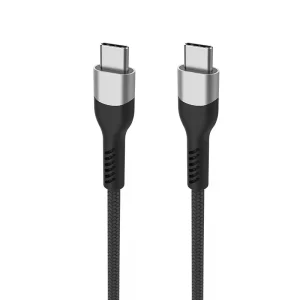
  • Extended Lifecycle Design: Investing in durable, high-bandwidth cabling—such as braided sleeves, strain-relief boots, and gold-plated connectors—reduces equipment downtime and ongoing maintenance costs.

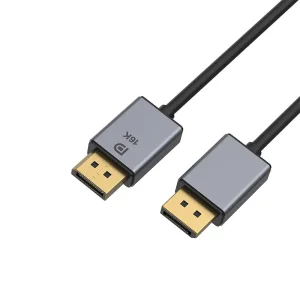
Dongguan Taitron Electronics keeps pace with these technological developments. By upgrading our assembly lines to handle high-frequency manufacturing standards like 16K DisplayPort 2.0, USB4, and Ultra-HD active optical conversion lines, we ensure our global partners can secure advanced hardware solutions that are built to last.

Frequently Asked Questions (FAQ)

Answers to common questions regarding technical features, compliance, shipping, and custom manufacturing options for the Berlin and broader European markets.
What is the standard lead time for bulk delivery to Berlin, Germany?
For volume orders, production typically ranges from 25 to 35 days, depending on custom branding and tooling requirements. Shipping via air freight to Berlin Brandenburg Airport (BER) or Frankfurt takes 7 to 10 days, while the China-Europe Railway Express offers a cost-effective rail option with a transit time of roughly 18 to 22 days.
How does the 7-in-1 docking station manage heat during 100W Power Delivery bypass?
Our 7-in-1 hubs feature built-in thermal management. The aluminum shell models act as physical heat sinks, keeping internal chip temperatures below 45°C. For ABS shell models, the circuit design separates the power delivery lines from the main USB controller chips, reducing concentrated heat buildup and preventing thermal throttling.
Are your USB-C multiport hubs compliant with Germany's WEEE and VerpackG regulations?
Yes, our products and packaging are fully compliant with EU environmental directives. We provide WEEE registration support and ensure all shipping materials match German VerpackG packaging law guidelines, helping importers avoid local compliance issues.
Can we request custom silkscreen branding and custom packaging?
Absolutely. We offer complete OEM/ODM options, including laser-etched logos, custom casing colors, and specialized packaging boxes designed to fit your corporate identity or retail standards. Detailed quotes for custom orders can be requested directly from our sales team.
What testing procedures are used to verify high-frequency signal integrity?
Our quality control labs use eye-diagram testing, time-domain reflectometry (TDR), and high-frequency network analysis. These tests check signal attenuation and crosstalk, ensuring our DP, HDMI, and USB-C lines deliver stable data transfer rates at maximum bandwidth.