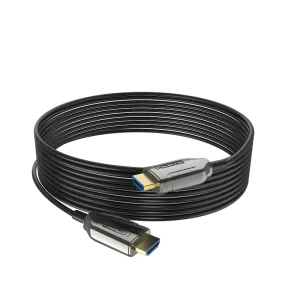
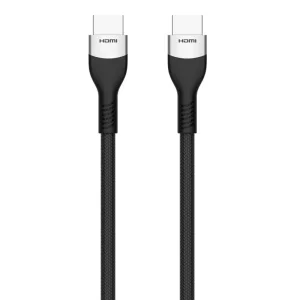
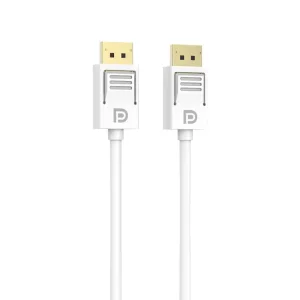
Engineered for extreme reliability, low signal attenuation, and comprehensive compatibility across modern industrial platforms.
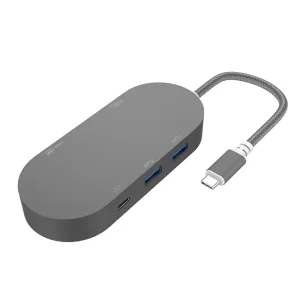
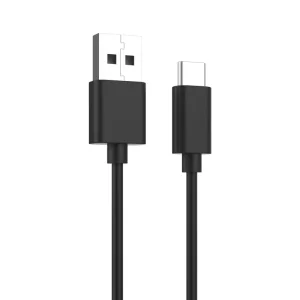
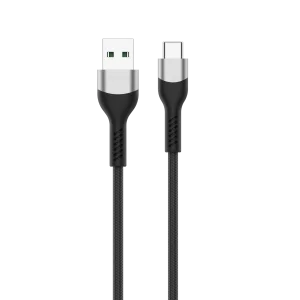
In recent years, Poland has emerged as a cornerstone of the European electronics manufacturing services (EMS) sector. With major clusters in the Lower Silesian (Wrocław), Pomeranian (Gdańsk), and Silesian (Katowice) metropolitan areas, the demand for highly reliable adapter, hub, and cabling systems has escalated. High-tech assembly plants, automotive factories, and aerospace facilities require data transmission hardware that conforms not only to strict EU electromagnetic compatibility standards but also offers mechanical endurance in demanding conditions.
This industrial transition is heavily supported by the EU's NextGenerationEU recovery plan, which subsidizes structural digitalization. Factories are implementing robotic machinery, automated warehouse units, and visual inspect systems that rely on real-time data feeds, demanding structural cables like 8K Active Optical Fiber HDMI cables and High-Power USB-C PD adapters.
A primary challenge for Polish industrial procurement departments is retrofitting legacy machinery. Standard communication ports on legacy tooling, typically relying on USB Type-A or standard analog audio-visual connectors, must interface seamlessly with contemporary ERP terminal servers that use USB Type-C and high-definition digital interfaces. Here, ruggedized multi-port adapters and certified conversion cables act as key system brokers.
Furthermore, local nearshoring strategies implemented by multinational automotive and electronics OEMs require a stable, verified supply chain capable of producing thousands of custom assemblies on tight lead times. The emphasis has shifted from cheap commodity cables to robust connectivity solutions with predictable signal attenuation margins and thermal tolerances.
Any connectivity hardware deployed in Polish commercial networks or consumer channels must adhere to stringent European safety guidelines:
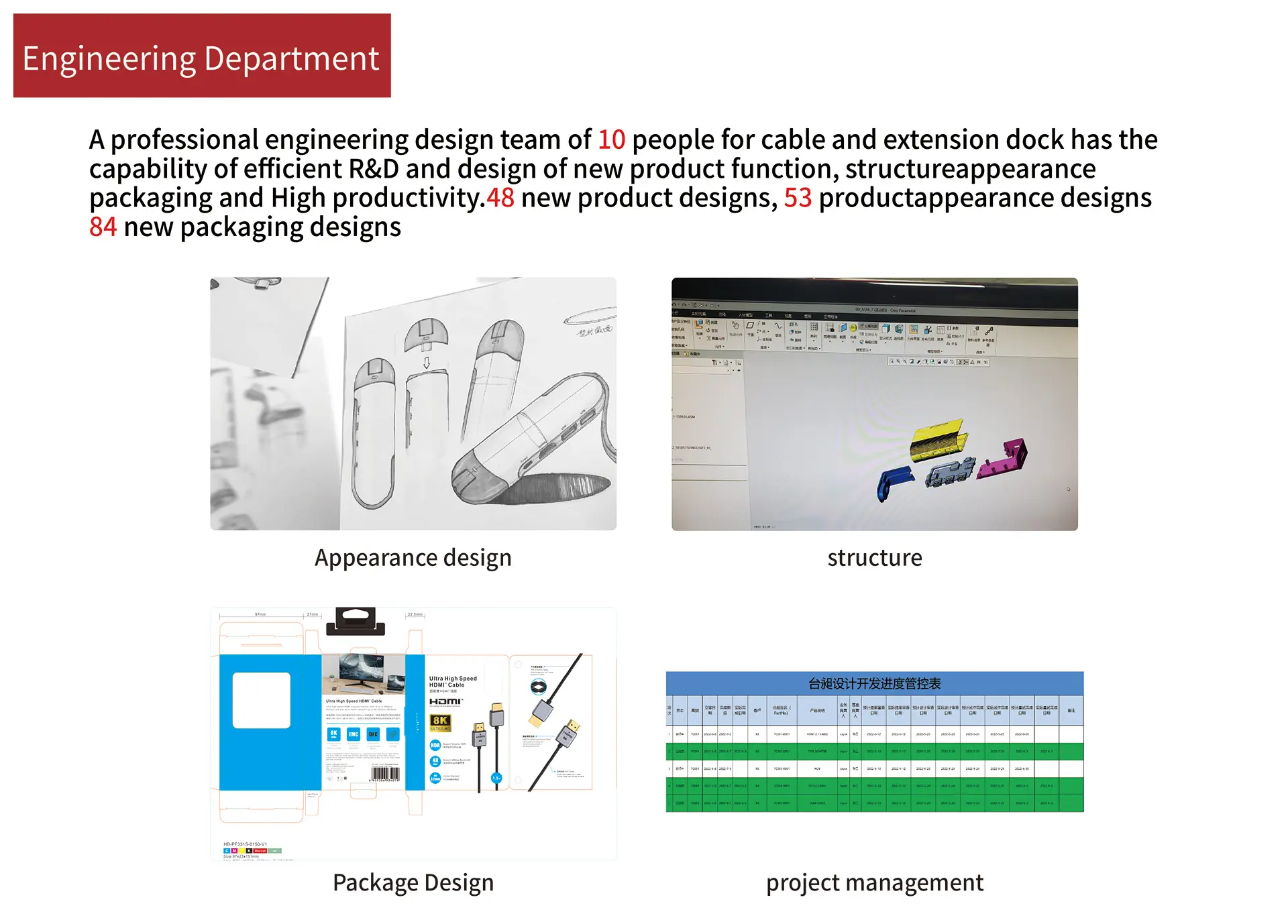
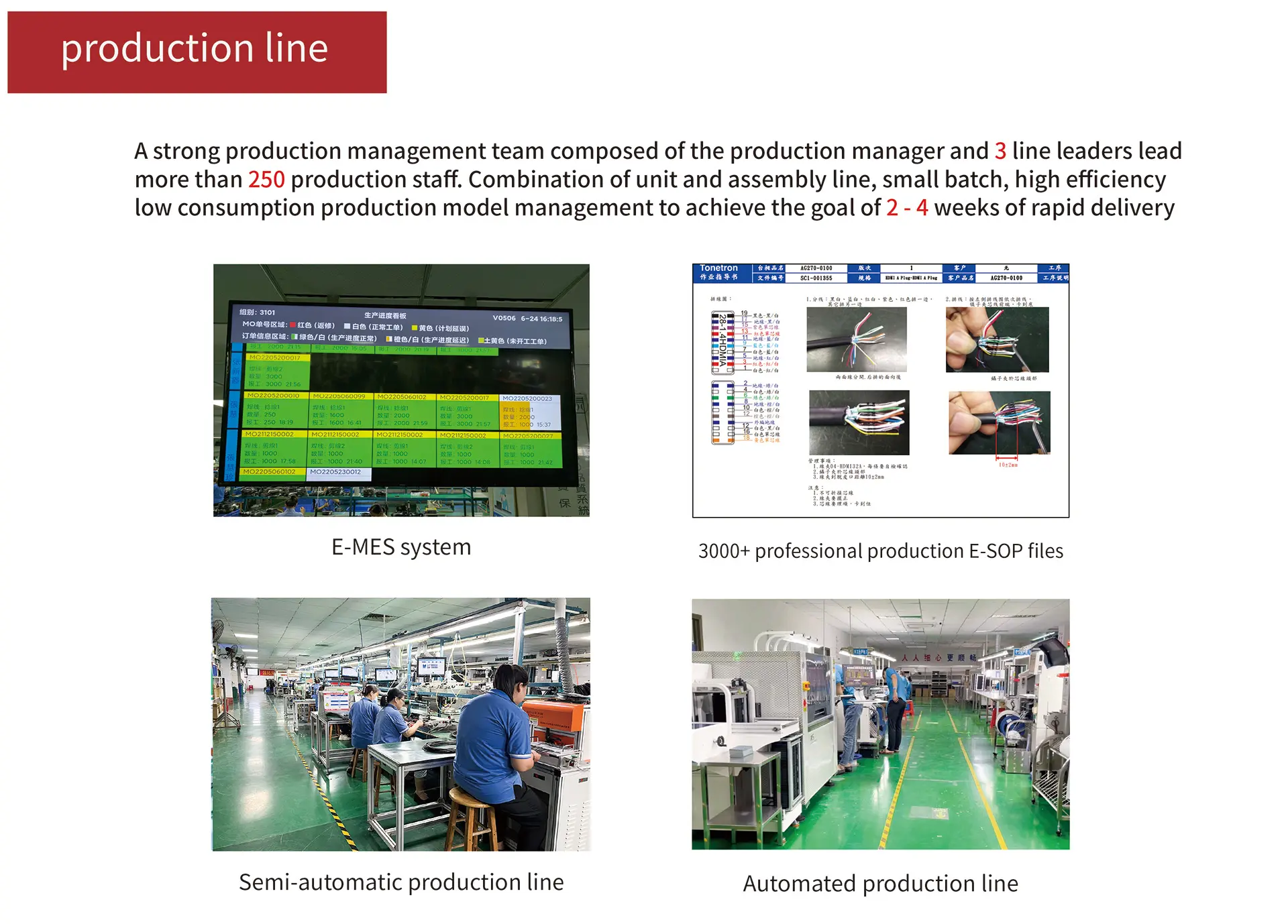
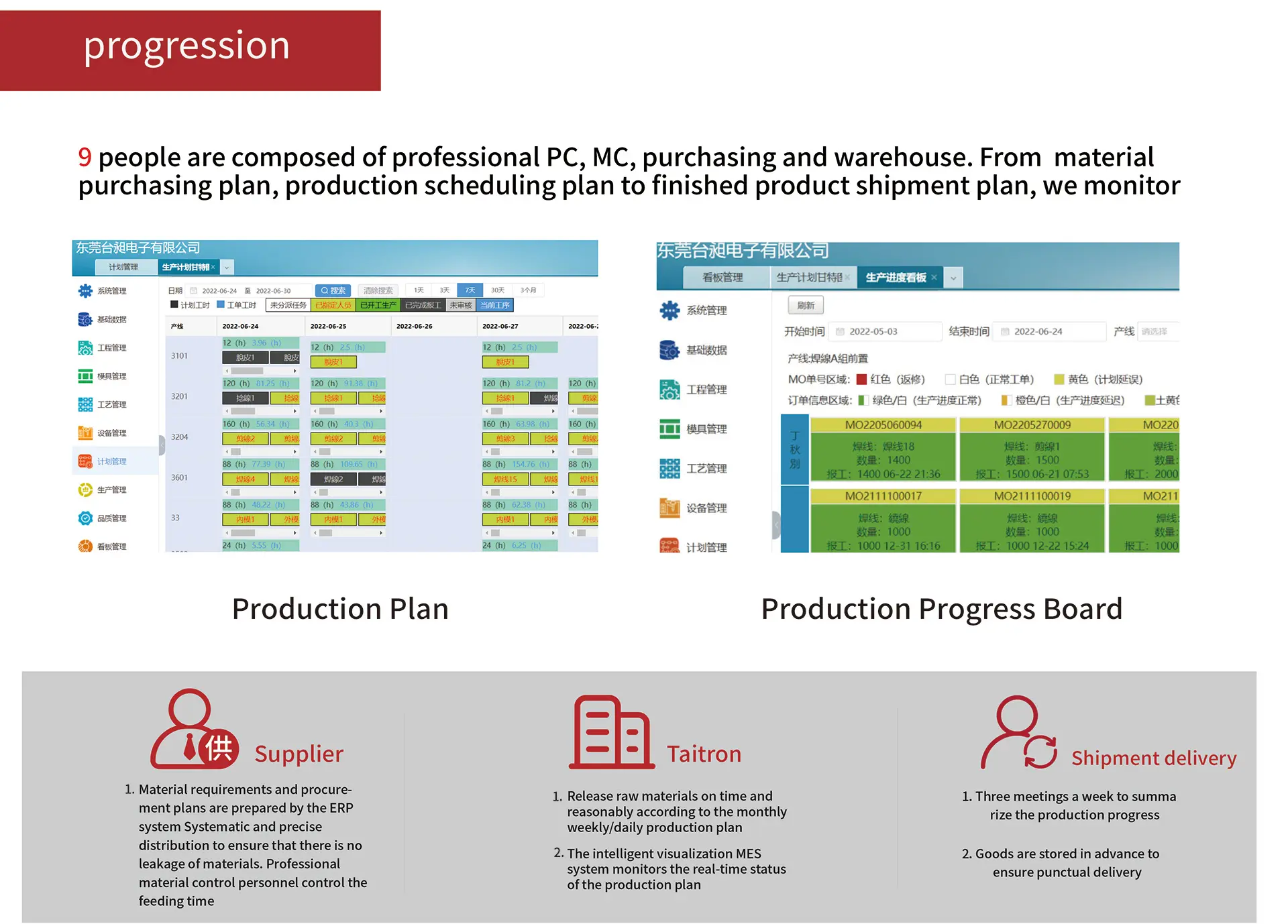
Founded in 1984 in Keelung, Taiwan, as Tonetron, our organization has established a 38-year legacy of manufacturing excellence. In 1993, we moved production to a self-built industrial park in Dalingshan Town, Dongguan City, China, scaling up to match the global demand for state-of-the-art consumer and industrial audio-visual and data cables.
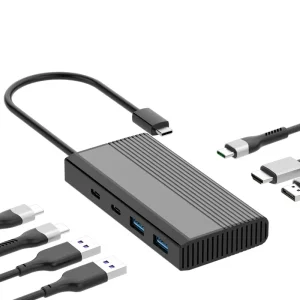
Our core capabilities involve the research, development, and high-frequency automated assembly of premium connection technologies. This includes HDMI 2.1 cables, DP 2.0 infrastructure, USB4 data hubs, and multifunction docking stations. By bridging veteran engineering with robust industrial machinery, we offer European enterprises a reliable ODM/OEM partnership model.
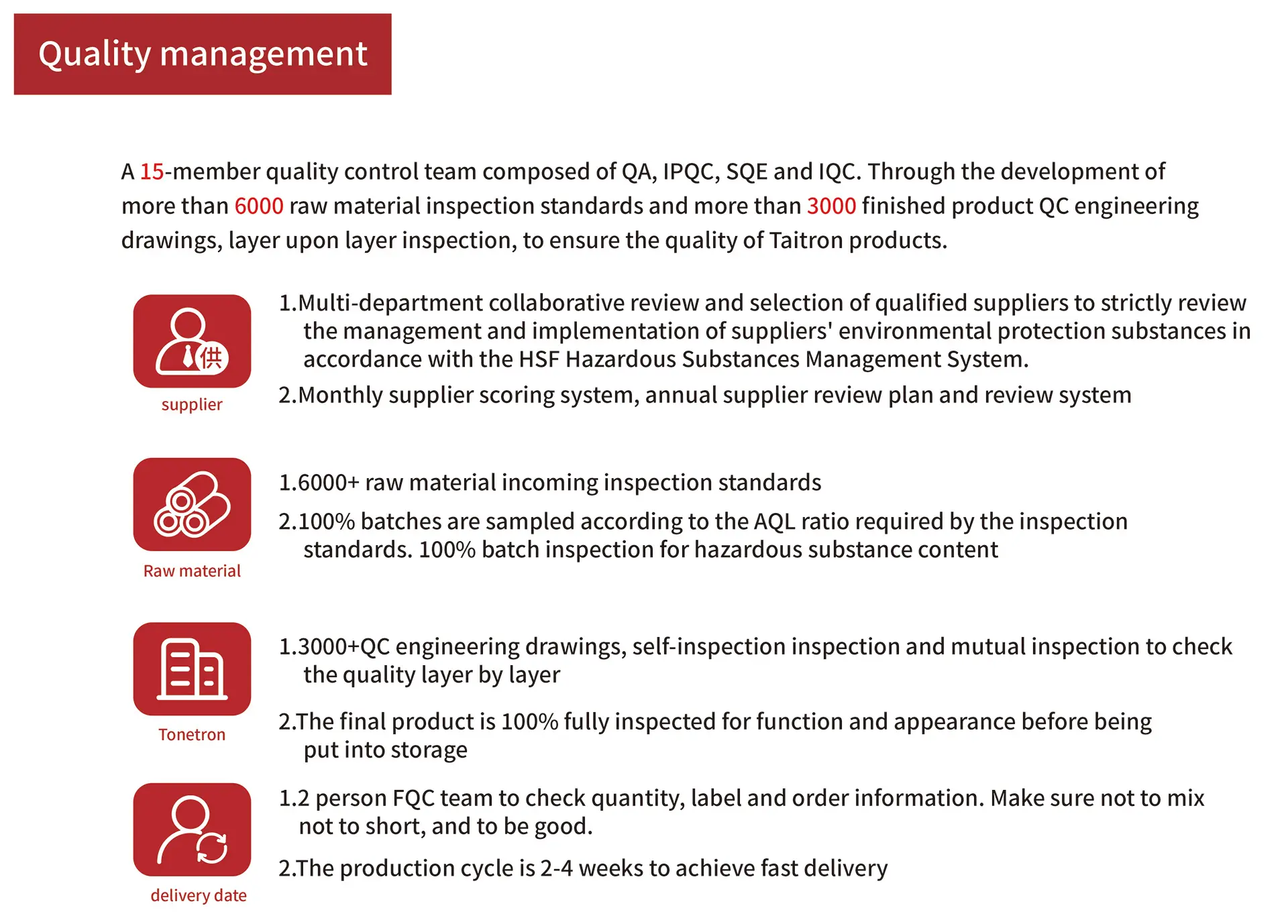
Our Quality Management division operates with advanced diagnostic systems like Time-Domain Reflectometry (TDR) and physical stress testing to guarantee 100% functional integrity prior to shipment. For Polish distributors and system integrators, we provide custom configurations, localized packaging support, and comprehensive regulatory guarantees.

When selecting bulk adapter hardware, electrical parameters cannot be overlooked. The increase in clock frequencies used by protocols such as USB4 (80Gbps) and DisplayPort 2.0 requires precise insulation impedance controls to prevent inter-symbol interference (ISI). Cable construction plays a key role:
| Technology Standard | Maximum Bandwidth | Physical Media Material | Recommended Application in Poland |
|---|---|---|---|
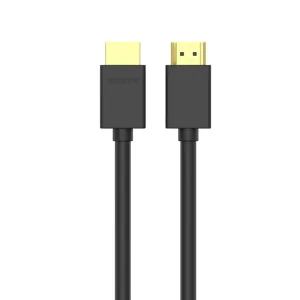
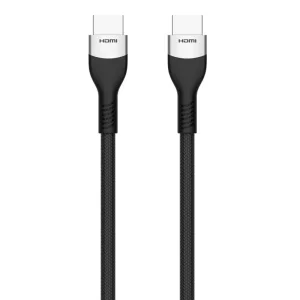
| HDMI 2.1 AOC | 48 Gbps | Active Optical Fiber / Hybrid OM3 | Smart Factory Displays & Visual Inspection Control Rooms |
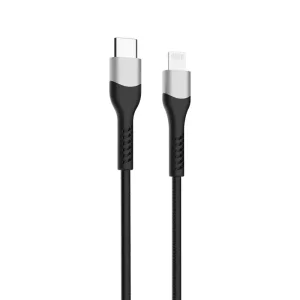
| USB Type-C (Gen 2) | 10 - 20 Gbps | Oxygen-Free Copper (OFC) + Coaxial Shielding | Data terminals & High-speed commercial networking |
| DisplayPort 1.2 | 21.6 Gbps | Multi-shielded Copper | Industrial HMI displays & CNC controller readouts |
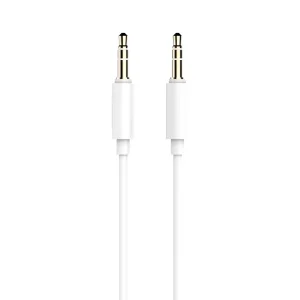
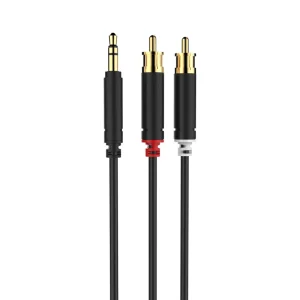
| RCA Stereo | Analog Audio | 99.99% pure Copper + Gold-plated connectors | Commercial broadcast systems & PA setups |
The industry is rapidly shifting toward two clear technical directions: the transition of digital video to optical fiber to overcome transmission length limits without loss, and the incorporation of Gallium Nitride (GaN) microchips directly into USB-C hub adapters to supply fast charging capabilities alongside raw data pipelines. By investing in these future topologies, Polish sourcing directors can protect their enterprise hardware deployments against immediate technological obsolescence.
The complete manufacturing assortment supporting corporate, industrial, and consumer interface standards.
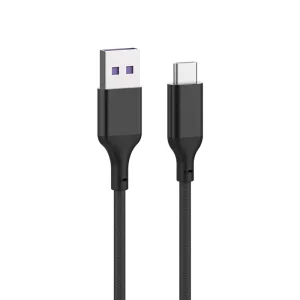
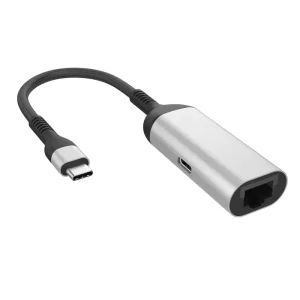
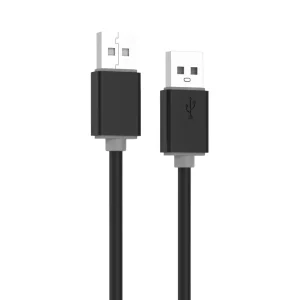
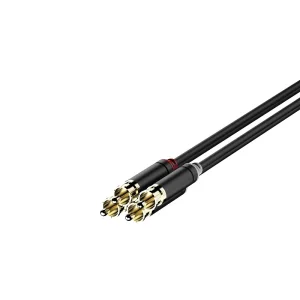
Addressing common technical, legal, and logistic inquiries for industrial hardware sourcing managers in the CEE region.
 Taichang Electronic