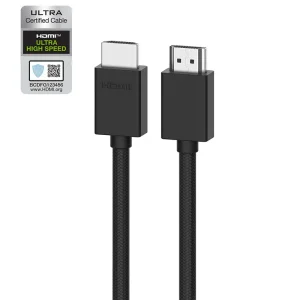
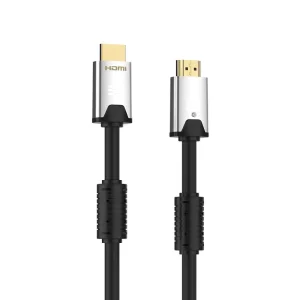
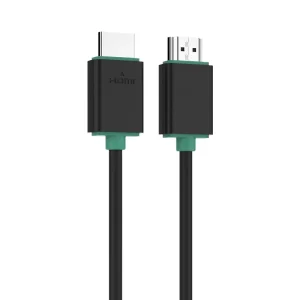
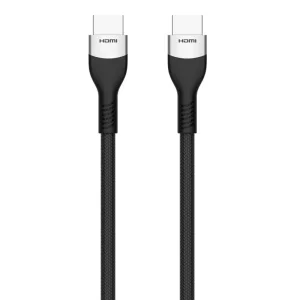
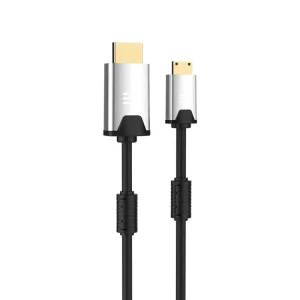
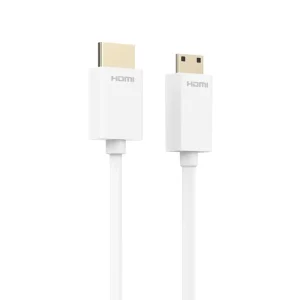
Engineered for low-latency transmission, high-frequency shielding, and absolute fidelity in demanding environments.
Analyzing the demand signals, production realities, and specialized cable requirements of America's entertainment capital.
Los Angeles is globally recognized as the epicenter of motion pictures, television production, live broadcasting, and corporate media integration. From the historical studios of Burbank and Hollywood to the emerging technological powerhouses in Silicon Beach (Venice, Santa Monica, and Playa Vista), the demand for uninterrupted, high-bandwidth data transmission has never been more critical. As video resolutions escalate from standard 4K to ultra-definition 8K and virtual reality environments, the cables connecting cameras, processing units, encoders, and monitors form the absolute baseline of production integrity.
"In professional environment deployment, a single frames drop or latency mismatch can derail millions of dollars in production workflows. The shift toward HDMI 2.1 and Active Optical Cable (AOC) technologies is no longer an optional upgrade; it is an industrial necessity for LA’s modern sound stages."
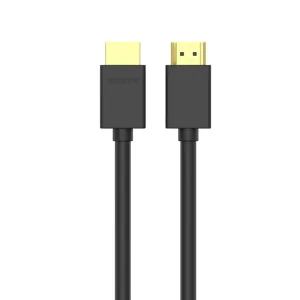
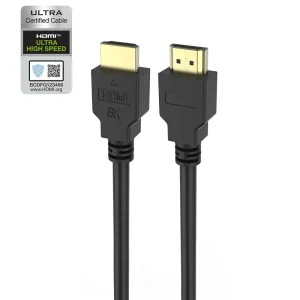
Traditional green screens are rapidly being replaced by LED Volumes—massive arrays of high-refresh-rate LED panels displaying real-time 3D rendered environments via software like Unreal Engine. These setups require rendering systems to sync perfectly with digital cameras. The link between the media servers and the LED controller processors depends on high-spec HDMI 2.1 systems running at 48Gbps. Any drop in bandwidth, EMI noise from lighting grids, or poor termination leads to visual artifacts, timing discrepancies, and costly shoot delays. Local AV integrators in Los Angeles look for HDMI products that carry certified shielding protocols to counter environmental radio-frequency and electromagnetic interferences.
While the product architectures, system designs, and user experience requirements are formulated in the engineering boardrooms of Los Angeles, California, the manufacturing ecosystem requires deep industrial scaling. Chinese manufacturing hubs, specifically in regions like Dongguan, provide unmatched capability for scale, raw material sourcing, and precision automation. For wholesale distributors, AV contractors, and hardware brands across North America, sourcing direct from a vertically integrated factory ensures that the cables maintain stringent quality standards—such as CE, FCC, RoHS, and HDMI Forum certifications—while driving down the unit cost of high-demand items like 8K Active Optical HDMI cables and custom Type-C adapters.
Exploring materials science, shielding processes, and active optoelectronic chipsets that define high-performance signal routes.
In standard copper cables, high-frequency signals attenuate quickly over long distances. To combat this limitation, structural engineering must integrate hybrid optoelectronic designs. Active Optical Cables (AOC) utilize optical fibers to transmit TMDS or FRL high-speed video data, while copper elements handle handshakes like DDC, EDID, and HDCP key negotiations. By converting electrical video signals into light via laser diodes, signal integrity is maintained over runs up to 100 meters (328 feet), free from signal latency and environmental distortion.
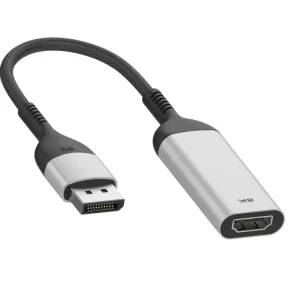
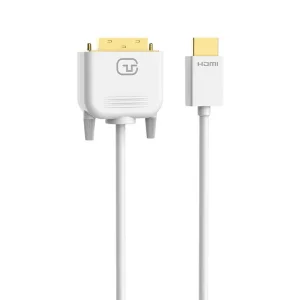
For standard copper HDMI lines (such as 4K high-speed versions and custom DP/DVI adaptors), structural shielding is the principal factor in performance longevity. High-purity Oxygen-Free Copper (OFC) ensures maximum conductivity and minimizes impedance. Multiple layers of shielding—specifically combining aluminum-mylar foil wraps with high-density tinned copper braiding—prevent cross-talk between high-speed internal twisted pairs. This robust isolation guarantees that adjacent power supplies, wireless routers, and studio lighting ballasts do not disrupt the digital signal transmission.
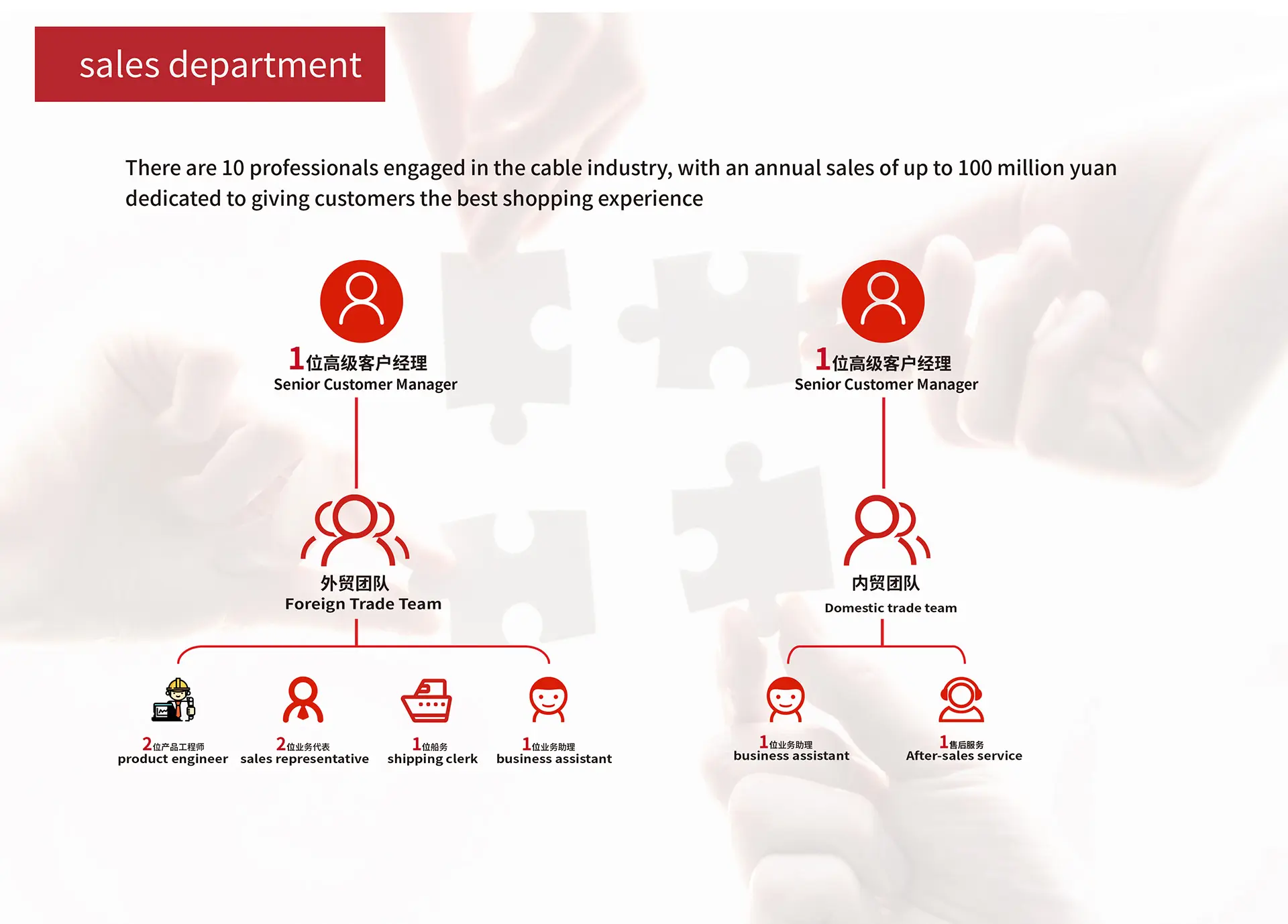
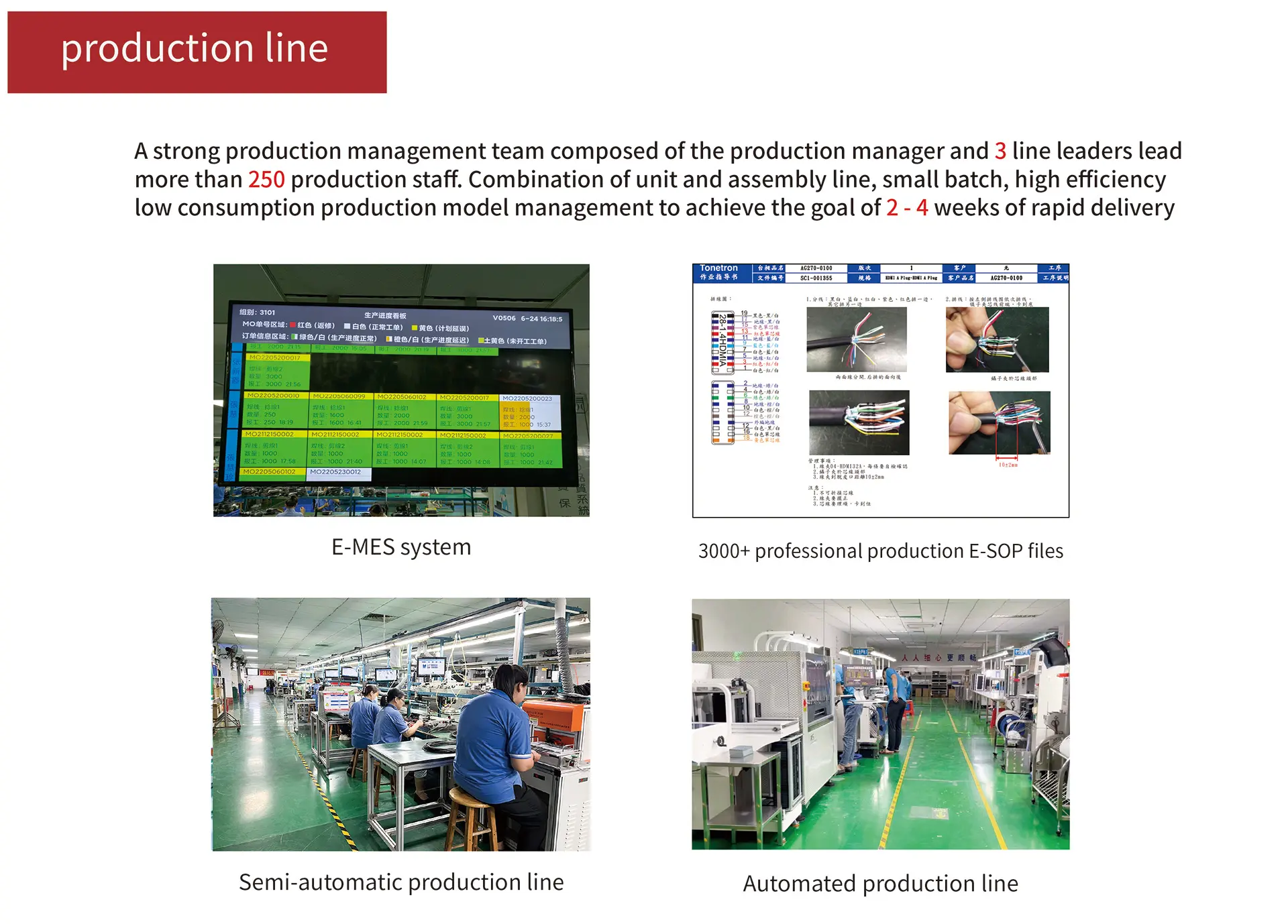
Establishing stable sourcing connections with a specialized manufacturer eliminates intermediary markups and guarantees strict control over raw material composition. Dongguan Taitron Electronics Limited stands at this intersection, utilizing 38 years of specialized engineering to manufacture top-tier video and audio interfaces. By controlling the entire manufacturing pipeline—from wire extrusion and connector SMT placement to final automated testing cycles—Taitron produces certified HDMI components that meet and exceed American and European enterprise compliance criteria, providing local Los Angeles distributors with a distinct margin and quality advantage.
For nearly four decades, Taitron Electronics has defined precision manufacturing processes in the audio-visual connection industry.
In 1984, Dongguan Taitron Electronics Limited., formerly known as Tonetron, was founded in Keelung, Taiwan. In 1993, it moved to the self-built independent production industrial park in Dalingshan Town, Dongguan City, China, and changed its name to Dongguan Taitron Electronics Limited.
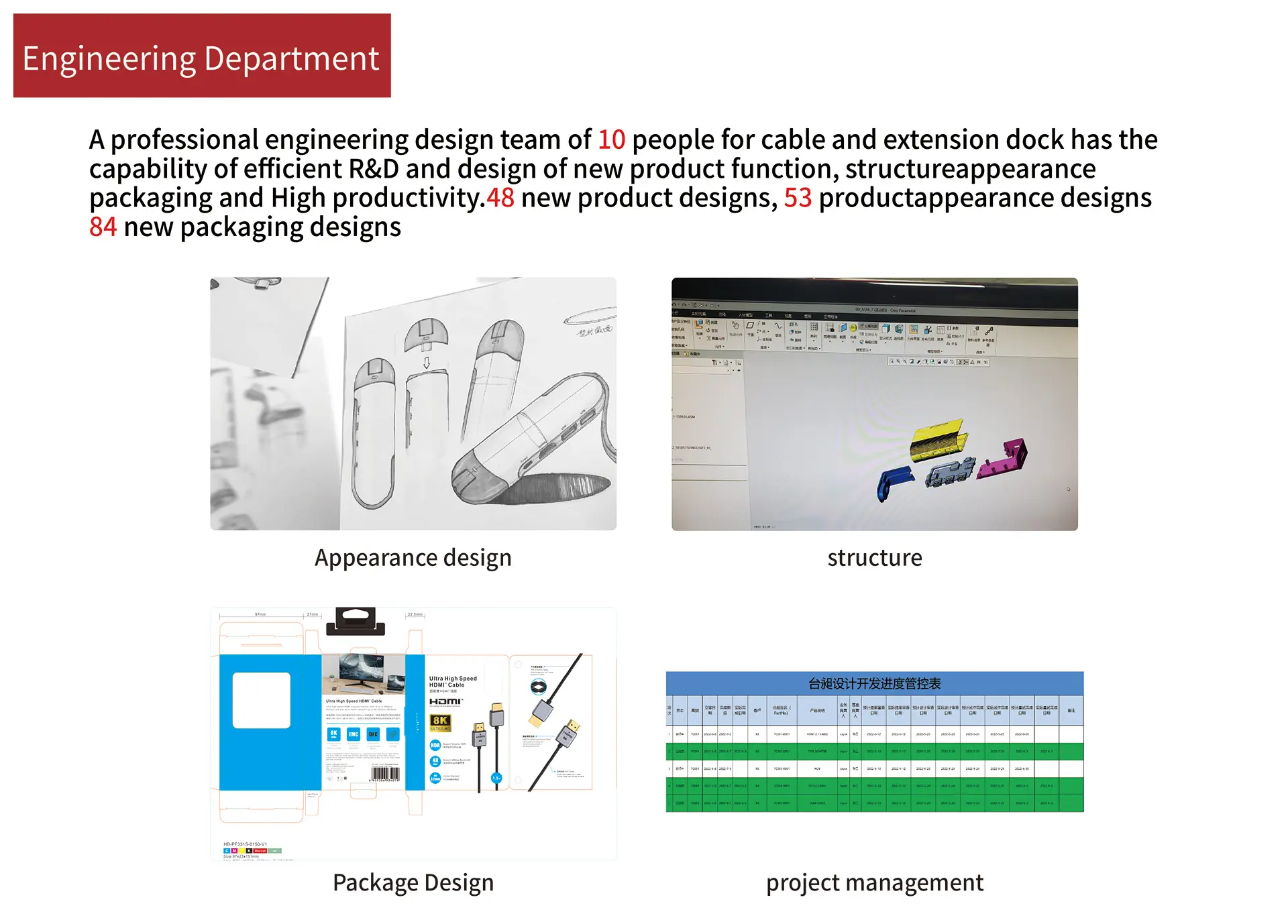
With 38 years of experience in the professional video and audio peripheral equipment connection line manufacturing industry as our foundation, we have systematically developed high-end audio and video cable data cables. Our research, development, and manufacturing portfolio includes HDMI 2.1 cables, DP 2.0 cables, USB4 data cables, USB-C 3.1Gen2 data cables, high-power USB charging cables, 8K HD conversion cables, multi-functional Type-C expansion docks, and various custom structural assemblies.
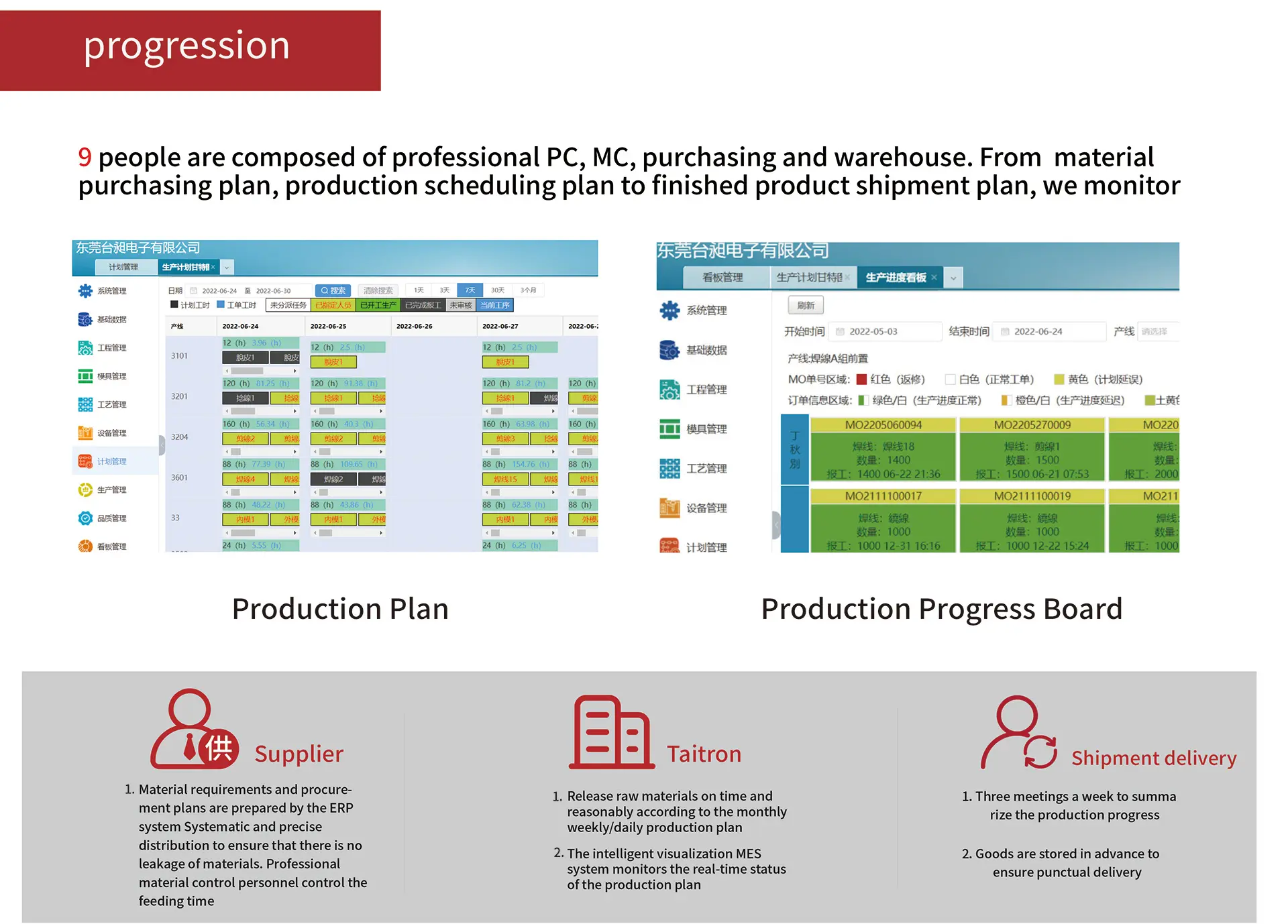
Critical checkpoints for supply chain managers, hardware product owners, and purchasing departments in North America.
For B2B buyers procuring HDMI cables for commercial integrations, office spaces, or consumer brands in Southern California, checking key specifications prevents deployment failures. When looking at potential partners, sourcing managers focus on several crucial parameters:
Integrators must confirm that raw cables meet fire safety protocols. For commercial in-wall routing (e.g., meeting rooms or control rooms), cables must carry CL2 or CL3 ratings, or even Plenum (CMP) jackets to comply with building safety codes in California. For consumer accessories, jackets made from flexible PVC or TPE are favored for durability and compliance with REACH and RoHS standards.
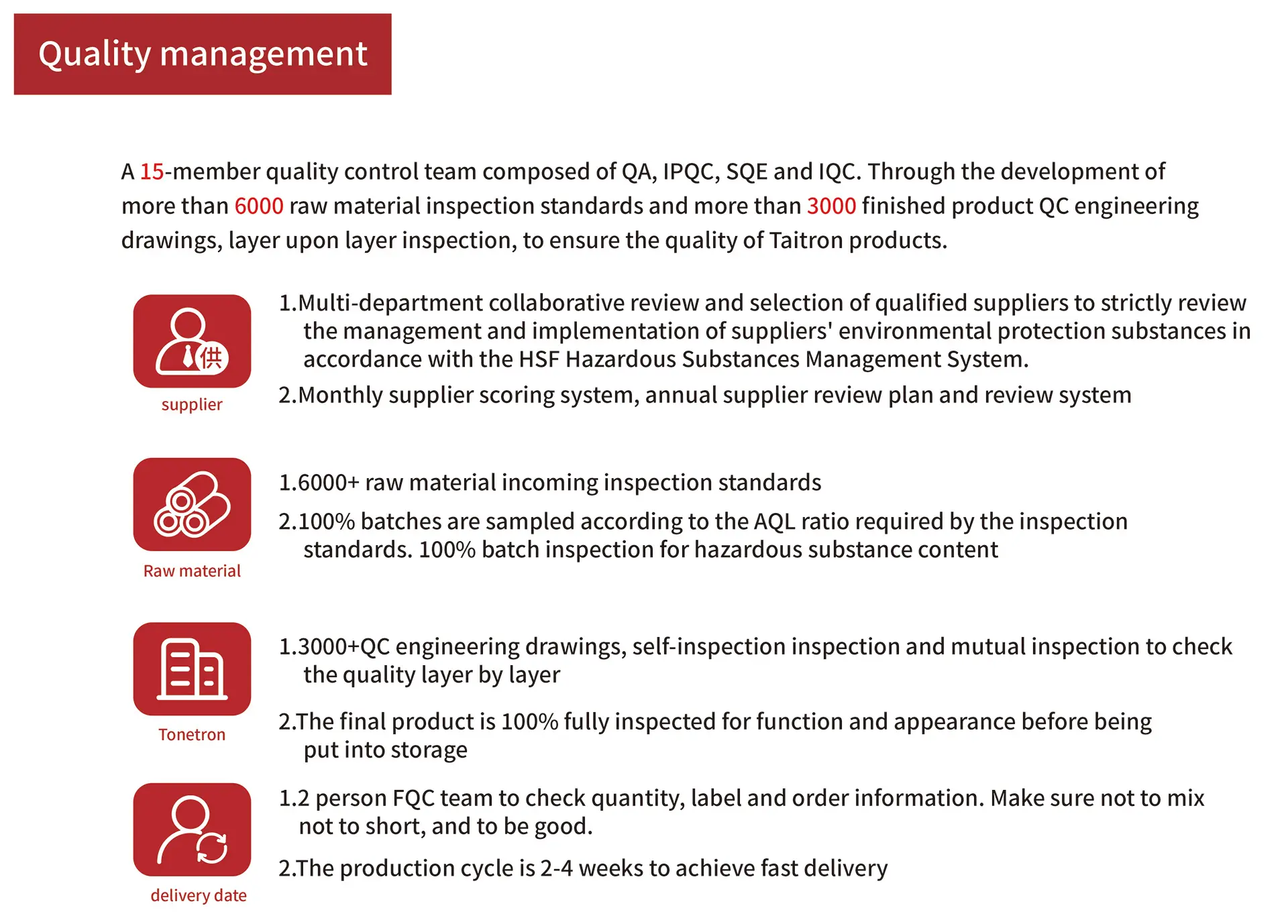
A reliable factory must perform automated structural testing, including TDR (Time Domain Reflectometry) to find impedance issues, network analyzer sweeps for signal attenuation, and environmental tests like thermal aging and salt-spray chamber testing to verify connector plating durability.
B2B markets require flexibility. Sourcing teams look for manufacturing partners that can provide custom lengths, custom color coding, tailored packaging styles, and custom molding configurations, while maintaining competitive MOQ terms to optimize inventory turnover.
Answers to technical, logistics, and manufacturing questions for commercial buyers in Los Angeles and globally.
Explore our high-performance HDMI and connection products engineered for corporate offices, distribution networks, and production houses.
Partner with Taitron Electronics for certified OEM/ODM HDMI connections. Get direct-from-factory pricing, customized specs, and reliable batch quality for your projects in Los Angeles and worldwide.
Send Inquiry Now Taichang Electronic