In the rapidly evolving landscape of consumer electronics and enterprise AV design, signal integrity is the single most critical differentiator. Standard copper-based cabling faces severe physical limitations, particularly when deployed in dense, electromagnetically noisy municipal zones like Mumbai. This whitepaper analyzes why Toslink (Toshiba Link) optical connections remain the gold standard for high-fidelity audio transmission and how sourcing them from highly specialized, 38-year industry veterans ensures unmatched electrical isolation and durability.
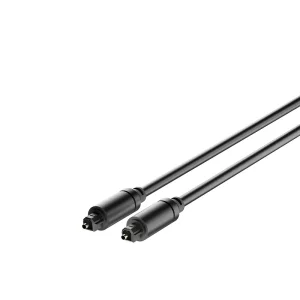
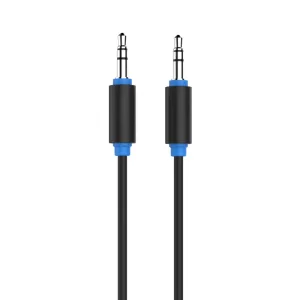
Toslink utilizes PMMA (Polymethyl Methacrylate) plastic optical fiber (POF) or silica glass fibers to transmit digital audio data as pulses of red light (using LEDs operating at a wavelength of approximately 650 nm). Unlike coaxial copper cables (S/PDIF over RCA), which transmit electrical current, optical fibers are completely immune to electromagnetic interference (EMI) and radio frequency interference (RFI).
In commercial AV frameworks, ground loops represent a major source of audio hum, buzz, and hardware deterioration. Ground loops happen when two pieces of connected equipment are plugged into outlets with different ground potentials. Since a Toslink cable represents a non-conductive, purely optical pathway, it breaks the ground connection entirely. This guarantees an absolute noise floor of zero, preserving the original dynamic range of Dolby Digital, DTS, and uncompressed PCM stereo audio signals without signal degradation.
When planning commercial audio architectures, procurement teams must evaluate multiple interface standards. Below is an engineering comparison designed to guide procurement engineers in Mumbai:
| Interface Type | Transmission Medium | Max Bandwidth Capability | Ground Loop Risk | EMI/RFI Immunity | Best Use Cases |
|---|---|---|---|---|---|
| Toslink (Optical) | PMMA Optical Fiber | Up to 125 Mbps (S/PDIF Protocol) | Zero Risk (Non-Conductive) | Absolute (100% Resistant) | Hi-Fi Systems, Noise-Heavy Commercial AV, Soundbars |
| Coaxial S/PDIF | Coaxial Copper (RCA) | Up to 125 Mbps (S/PDIF Protocol) | High Risk | Low-Medium Resistance | Legacy Audiophile Audio D/A Converters |
| HDMI eARC | Shielded Twisted Copper Pairs | Up to 37 Mbps (Dedicated Audio Channel) | Medium Risk | Medium Resistance (Depends on Shielding) | Object-based Formats (Dolby Atmos, DTS:X) |
As the financial and entertainment capital of India, Mumbai’s requirement for high-end audio-visual components is growing at an exponential rate. From the production studios of Bollywood in Andheri West and Goregaon to the massive corporate headquarters in the Bandra Kurla Complex (BKC) and the luxury residential developments of South Mumbai, optical and high-speed digital adapters have become essential infrastructure components.
Mumbai’s massive film industry relies on zero-latency, noise-free monitoring environments. Any signal interference in mixing rooms degrades workflow and audio fidelity. Toslink optical cables isolate playback components from high-power console systems, eliminating systemic ground noise.
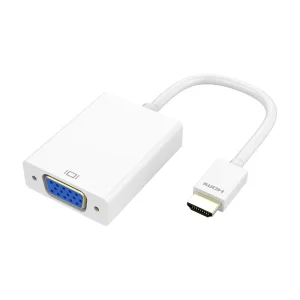
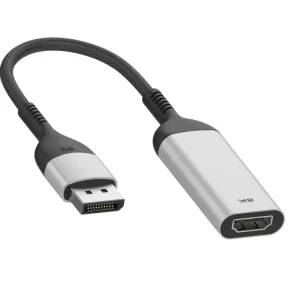
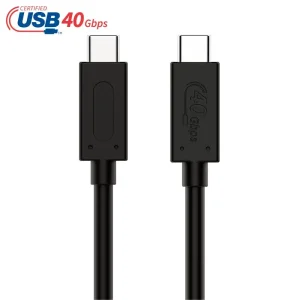
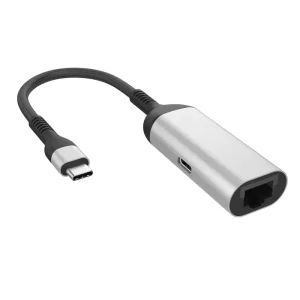
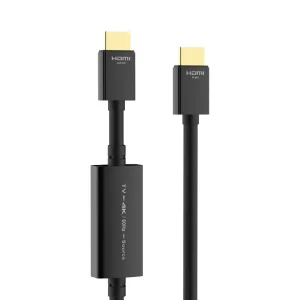
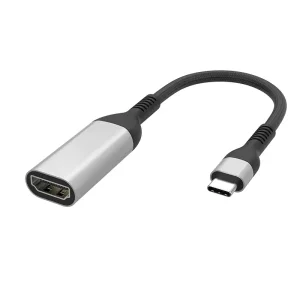
Multi-national banks and consulting firms require reliable video conferencing and projection installations. Integrations involving DP to HDMI and Type-C adapters enable zero-failure meetings, keeping commercial presentation environments functioning smoothly.
High-end real estate developments across South Mumbai incorporate home theaters and distributed audio. Integrating durable, gold-plated optical interconnects inside the wall conduits ensures lasting signal transfer over years of continuous operation.
However, procurement specialists in Mumbai face systemic issues. Local electronics markets in Lamington Road and Lohar Chawl offer a wide selection, but these products often lack consistent quality standards. Bulk buyers are increasingly sourcing direct from certified global manufacturing plants to secure consistent quality, certifications (such as UL, CE, RoHS, and HDMI Forum), and direct pricing benefits.
In 1984, Dongguan Taitron Electronics Limited., formerly known as Tonetron, was founded in Keelung, Taiwan. In 1993, the company moved to its self-built independent production industrial park in Dalingshan Town, Dongguan City, China, changing its name to Dongguan Taitron Electronics Limited.
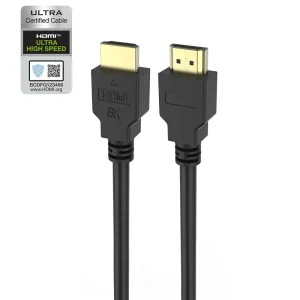
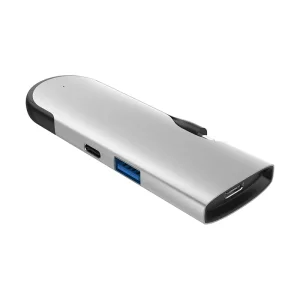
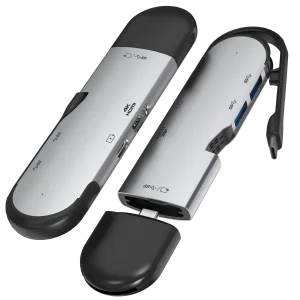
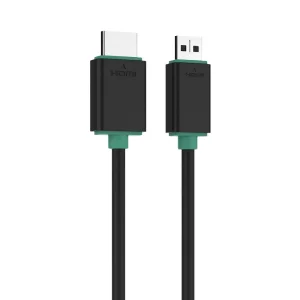
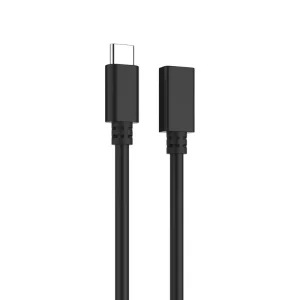
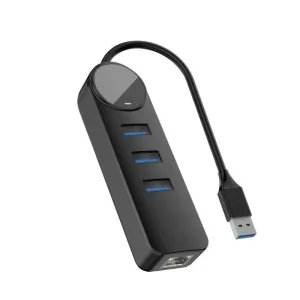
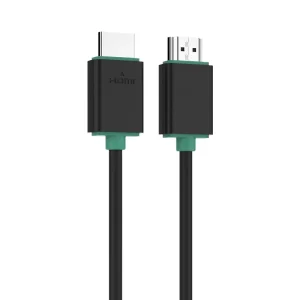
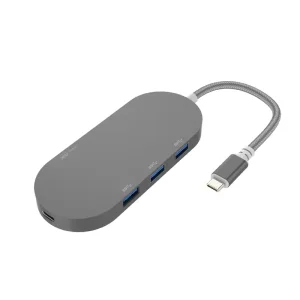
Over 38 years, our manufacturing operation has expanded its foundations in professional video and audio peripheral equipment connection lines. We have systematically developed high-end audio and video cable solutions, including HDMI 2.1 cables, DP 2.0 cables, USB4 data cables, USB-C 3.1 Gen2 data cables, high-power USB charging cables, 8K HD conversion cables, and multi-functional Type-C expansion docks.
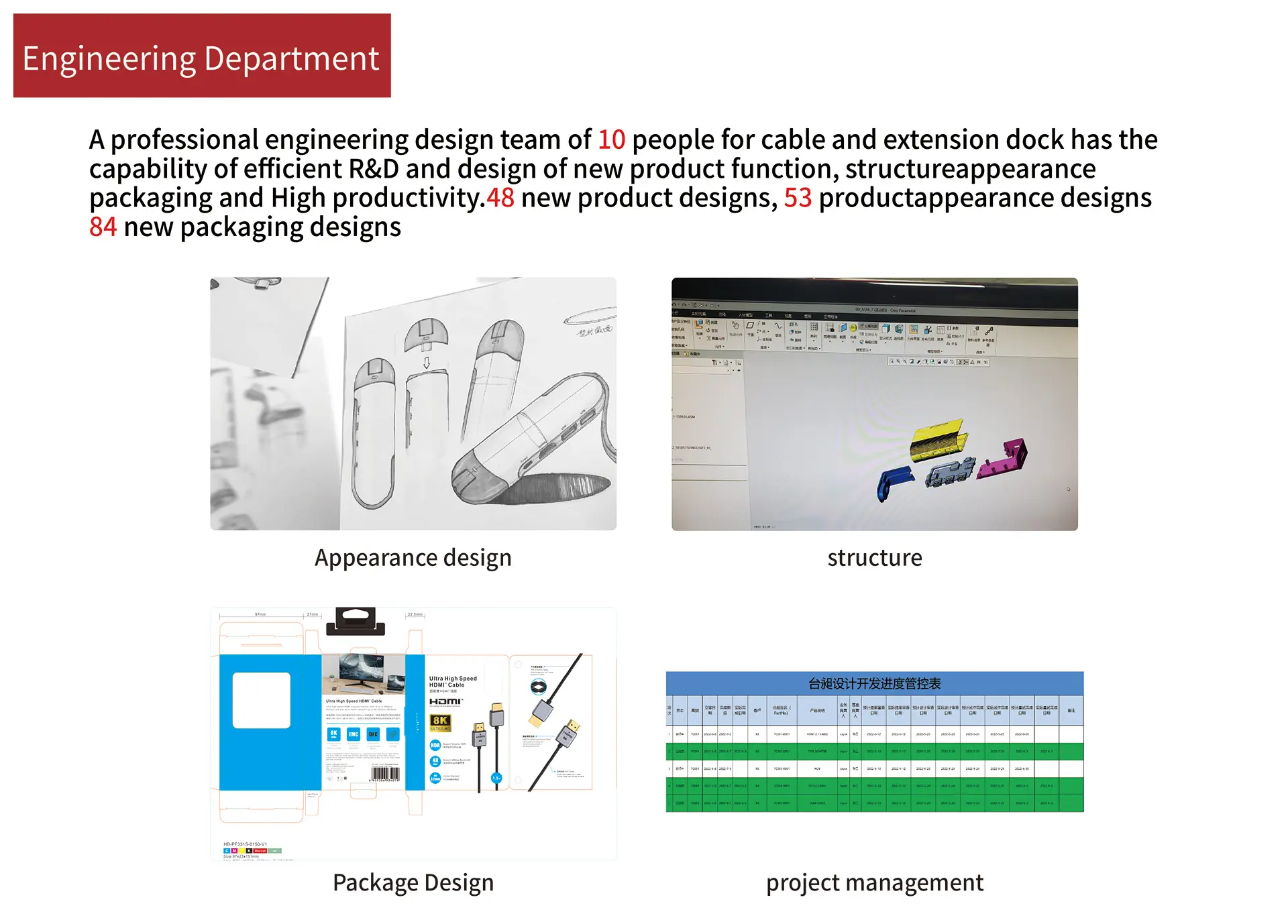
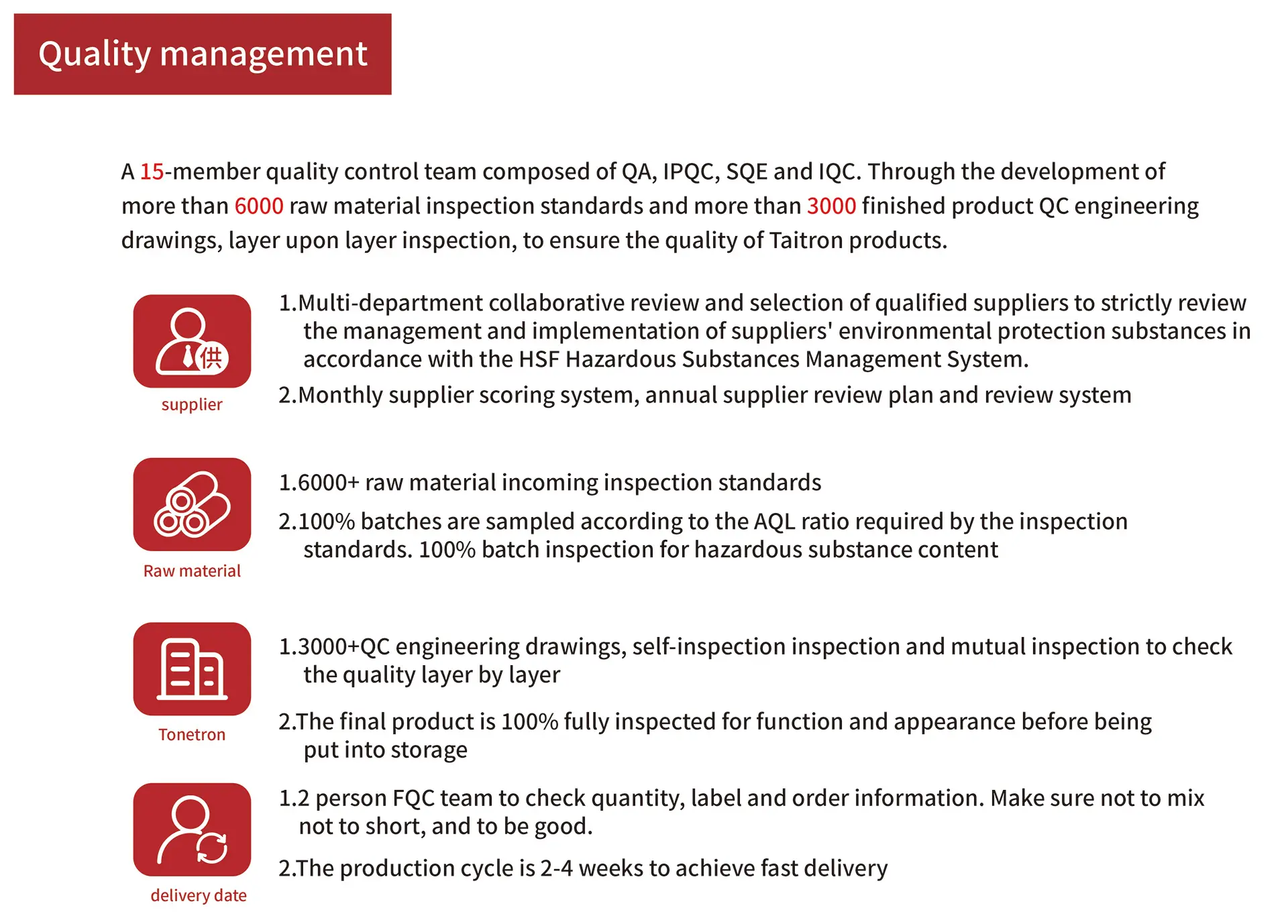

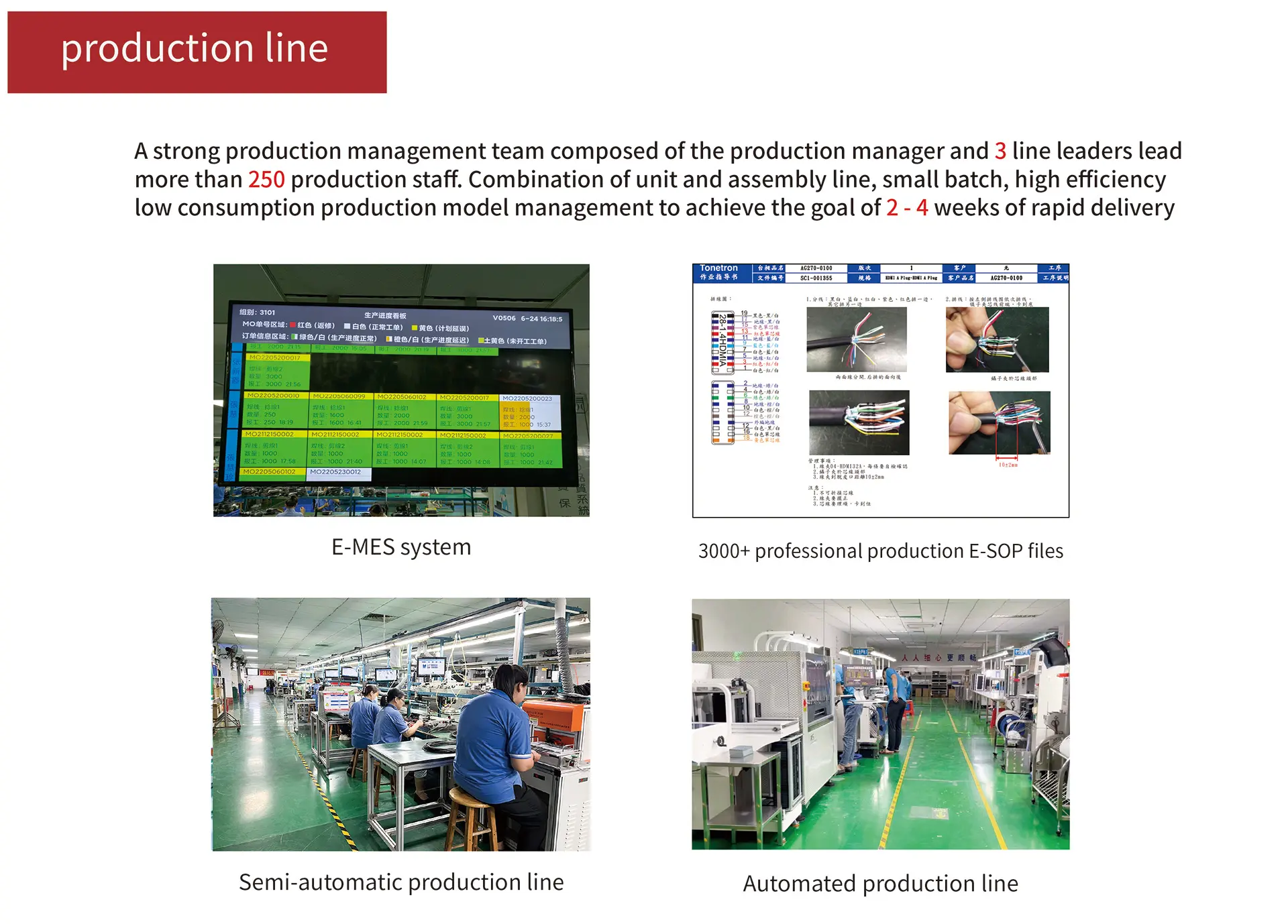
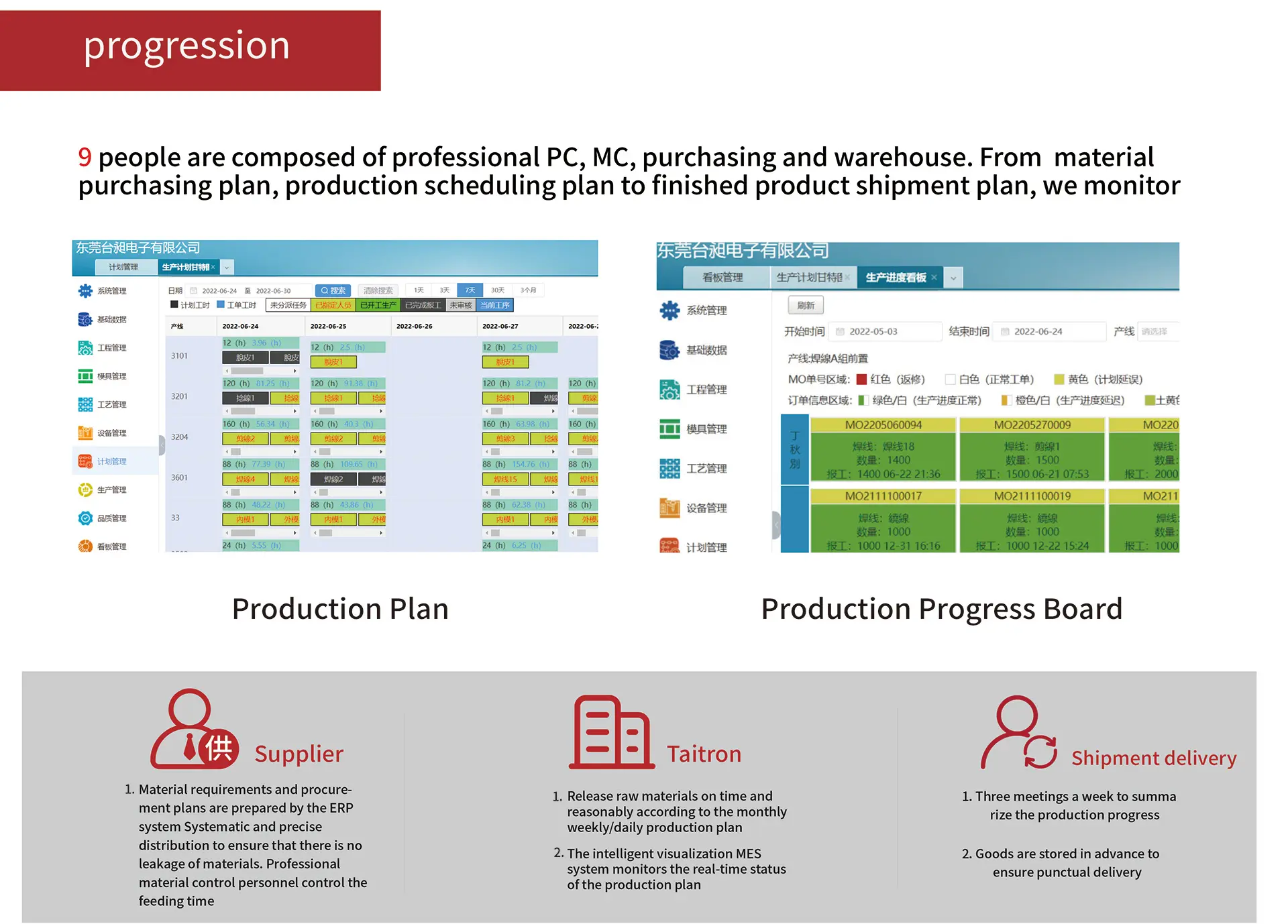
Procuring directly from our high-volume facilities in Dongguan offers substantial technical and financial benefits to Mumbai’s integration and distribution companies:
Not all optical fiber cables are manufactured to the same standard. Low-cost alternatives often suffer from high signal attenuation, poor connector tolerances, and fragile outer jackets. Procurement agents in Mumbai should evaluate the following structural specifications during their sourcing processes:
Cheap fiber cores can contain impurities that scatter light, leading to data loss and signal jitter over distances exceeding 3 meters. High-grade PMMA cores feature superior optical transparency, keeping attenuation below 0.18 dB per meter for clean signal transfer.
Our high-end optical cables feature polished, convex lenses at the fiber termination points. This focuses the light beam precisely into the receiving photodetector, minimizing dispersion and alignment loss.
While the optical signal is immune to oxidation, the physical connector housing is not. High-quality connectors utilize gold-plated metal ferrules and rugged aluminum shells to ensure secure connections and protect the delicate fiber tip from dust and impact.
In-wall installation environments require heavy-duty double-braided nylon or flame-retardant PVC jackets. This protects the internal fiber from pinching, kinks, and micro-fractures during cable routing.
Explore our complete catalog of certified connectivity products, engineered for enterprise deployments, corporate office upgrades, and local consumer distributions across Mumbai.
Connect with our R&D team today to discuss volume pricing, custom cable length variations, electrical specifications, and fast logistics to Mumbai.
 Taichang Electronic