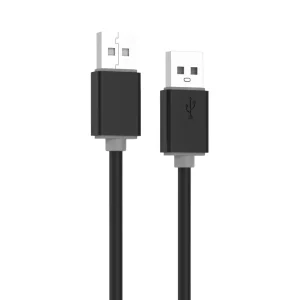
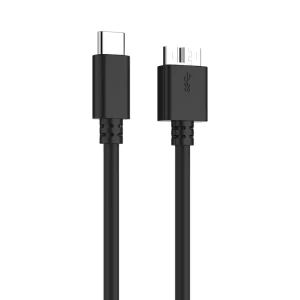
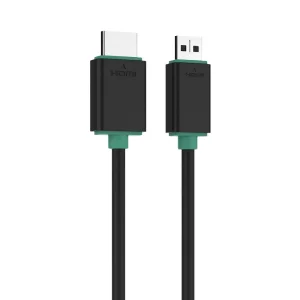
Premium USB interfaces and adapter configurations optimized for South Africa's enterprise networks and retail ecosystems.
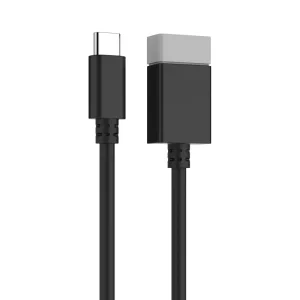
As the second-largest economy in Africa, South Africa stands as the digital gateway for the Southern African Development Community (SADC). Driven by rapid urbanization in cities like Johannesburg, Cape Town, and Durban, the demand for robust information and communications technology (ICT) infrastructure has reached an unprecedented scale. Commercial enterprises, industrial mining operations, and public sector operations are shifting heavily toward digitalization. At the core of this hardware transition lies the requirement for high-reliability data link components, notably USB and display adapter interfaces.
An unique driver within the South African market is the persistence of power-grid loadshedding. This energy challenge has catalyzed a massive surge in alternative power systems, such as solar micro-grids, uninterruptible power supplies (UPS), and high-capacity portable power stations. Consequently, the commercial demand for heavy-duty USB charging cables with Power Delivery (PD) protocols (such as 60W, 100W, and the newer 240W configurations) has risen dramatically. These cables serve as the life support system for corporate continuity, connecting critical networking gear, endpoint devices, and portable backup power sources.
Moreover, South Africa's telecommunications infrastructure is experiencing an intense transformation. With the rollout of extensive 5G networks by major cellular operators, the volume of high-speed data transmission at local edge facilities has compounded. Legacy cabling interfaces are rapidly being replaced by high-performance USB-C to HDMI, MiniDP to HDMI, and OTG links that can support bandwidths up to 40Gbps and 8K display configurations, minimizing latency and signaling errors.
"For commercial importers and telecom procurement teams in Gauteng and the Western Cape, reliability isn't a premium option—it is a baseline necessity. Cable attenuation and connection failure at the mining face or the trading desk can cost millions of ZAR per minute."
Aligning manufacturing capabilities with global performance requirements and localized application scenarios.
On a global scale, the connectivity industry is experiencing a profound consolidation toward the USB-C standard. Under the guidance of the USB Implementers Forum (USB-IF), newer specifications like USB4 Gen 3x2 and USB-PD 3.1 are rewriting the rules of device interaction. Single cable solutions can now carry uncompressed video data to high-resolution displays, supply heavy wattage to power laptops, and simultaneously synchronize gigabit networks.
For the South African market, this global standardization presents massive opportunities for systems integration. Legacy systems, however, remain prevalent across major mining sectors in Limpopo and the North West, where older machinery still relies on robust Mini-USB and Micro-USB connections. Importers and wholesalers must therefore source from suppliers capable of delivering a hybrid product line: state-of-the-art high-bandwidth adapters alongside ruggedized, high-durability legacy cables.
Our export focus is engineered specifically to address this dual-demand dynamic. By using premium oxygen-free copper (OFC) cores, dense tinned-copper braiding shields, and robust PVC/TPE outer jackets, our cables are protected against both high-frequency interference and mechanical wear. This makes them ideal for South African environments that face dust, high temperatures, and electrical noise from auxiliary generators during grid outages.
Get tailored OEM/ODM quotes, bulk wholesale pricing structures, and comprehensive technical compliance specifications for the South African commercial market.
Send Inquiry NowA look into our 38-year legacy of engineering, quality validation, and supply chain maturity.
In 1984, Dongguan Taitron Electronics Limited., formerly known as Tonetron, was founded in Keelung, Taiwan. Driven by the vision of providing high-performance signal transmission interfaces, the company laid down its technical foundations in Taiwan. In 1993, to meet scaling global demand and leverage superior industrial ecosystems, the company relocated to a self-built, independent production industrial park in Dalingshan Town, Dongguan City, China, changing its name to Dongguan Taitron Electronics Limited.
For over 38 years, our manufacturing philosophy has evolved around professional audio and video peripheral connection line engineering. Starting with standard connection cables, we have progressively scaled our operations to support cutting-edge connectivity protocols. Today, our product range includes HDMI 2.1 cables, DP 2.0 cables, USB4 high-frequency data lines, USB-C 3.1 Gen 2 cables, high-power USB charging cords, 8K HD conversion adapters, and multi-functional Type-C expansion docks.
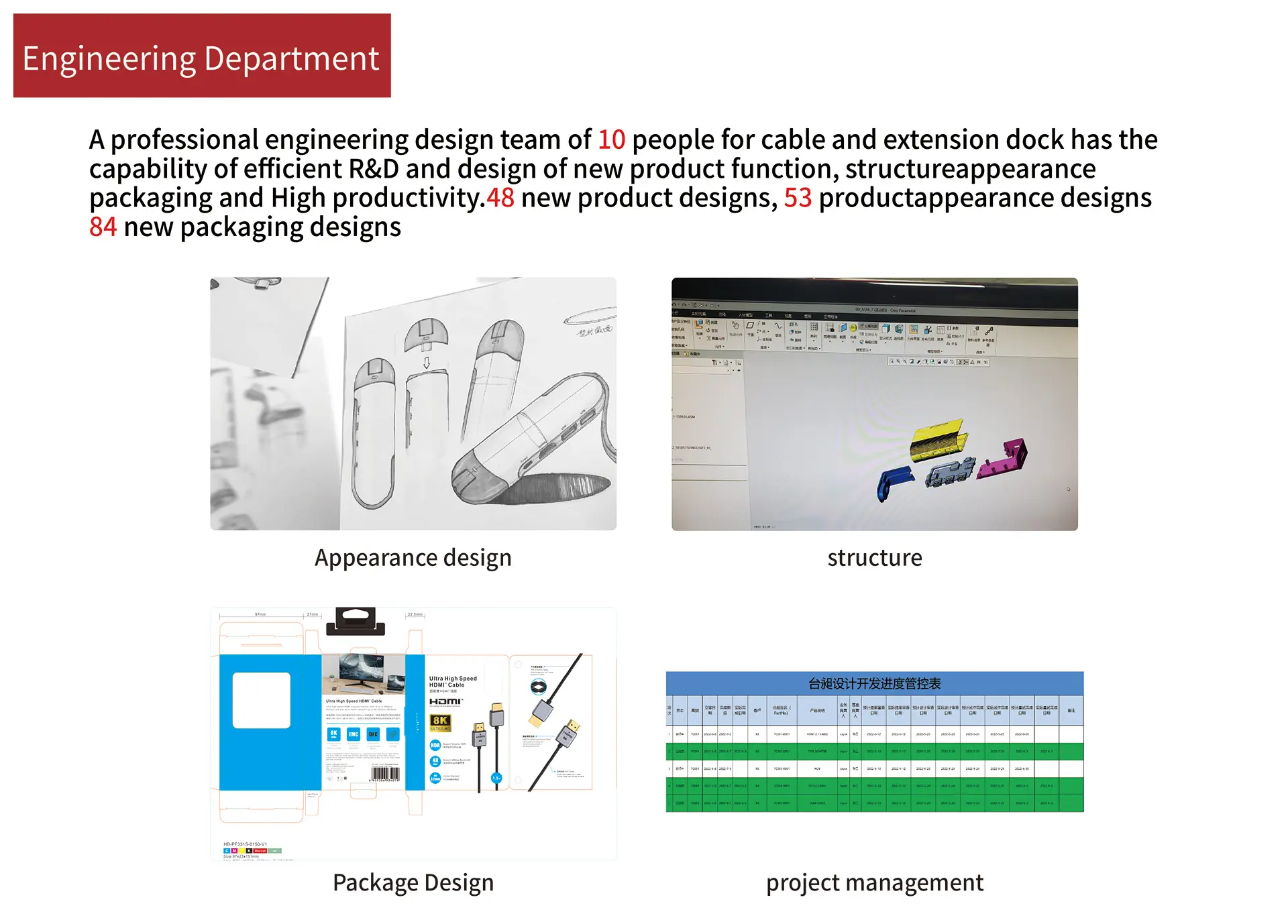
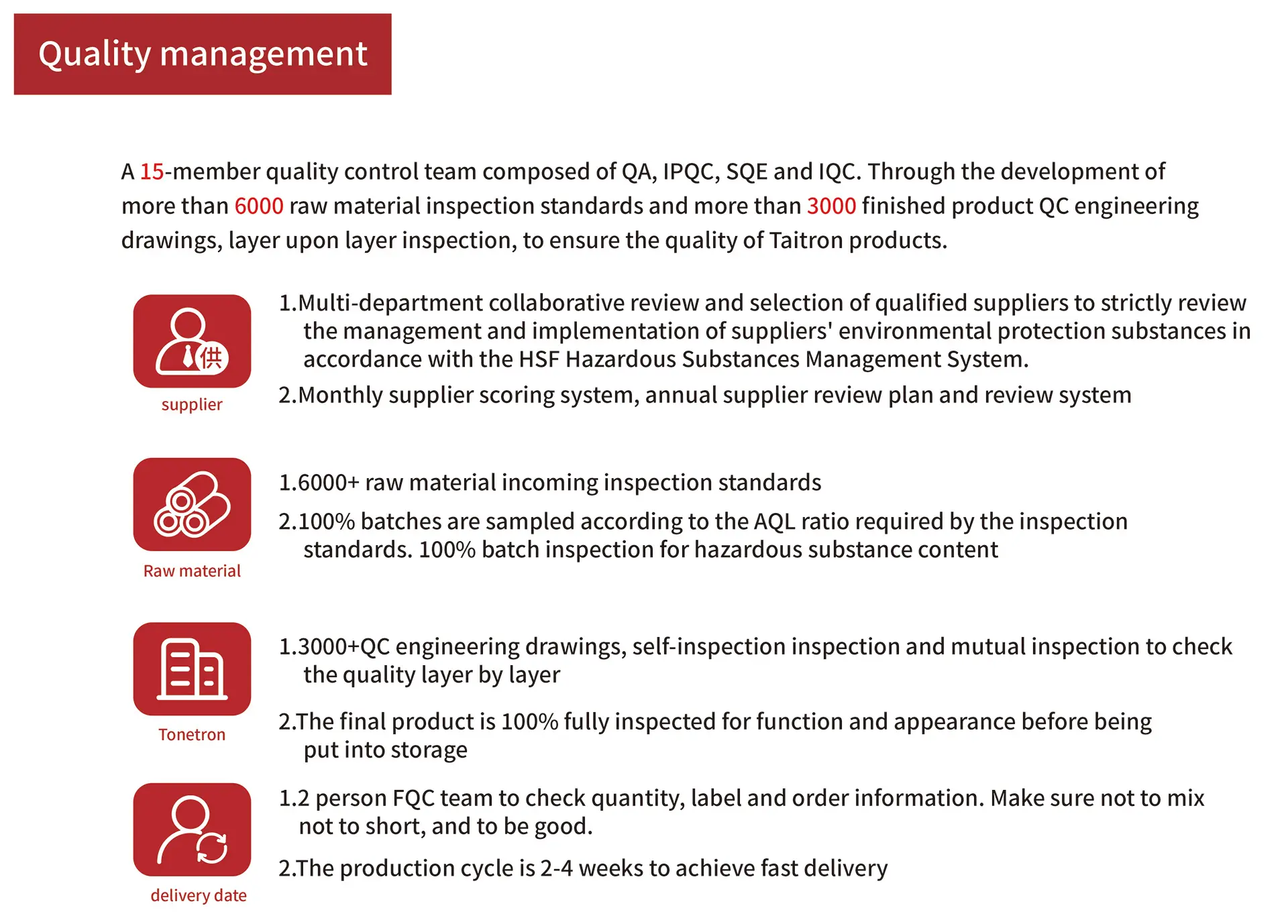
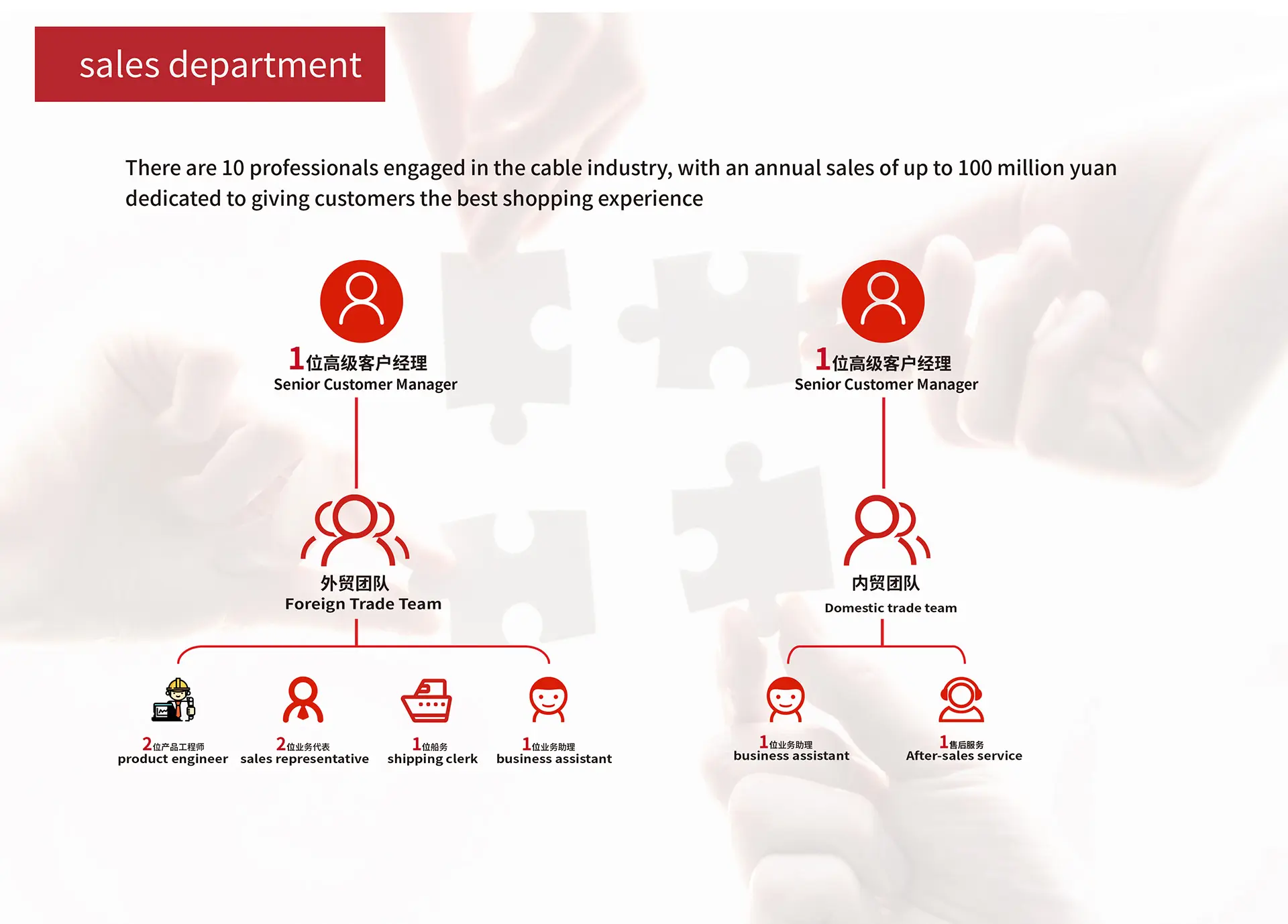
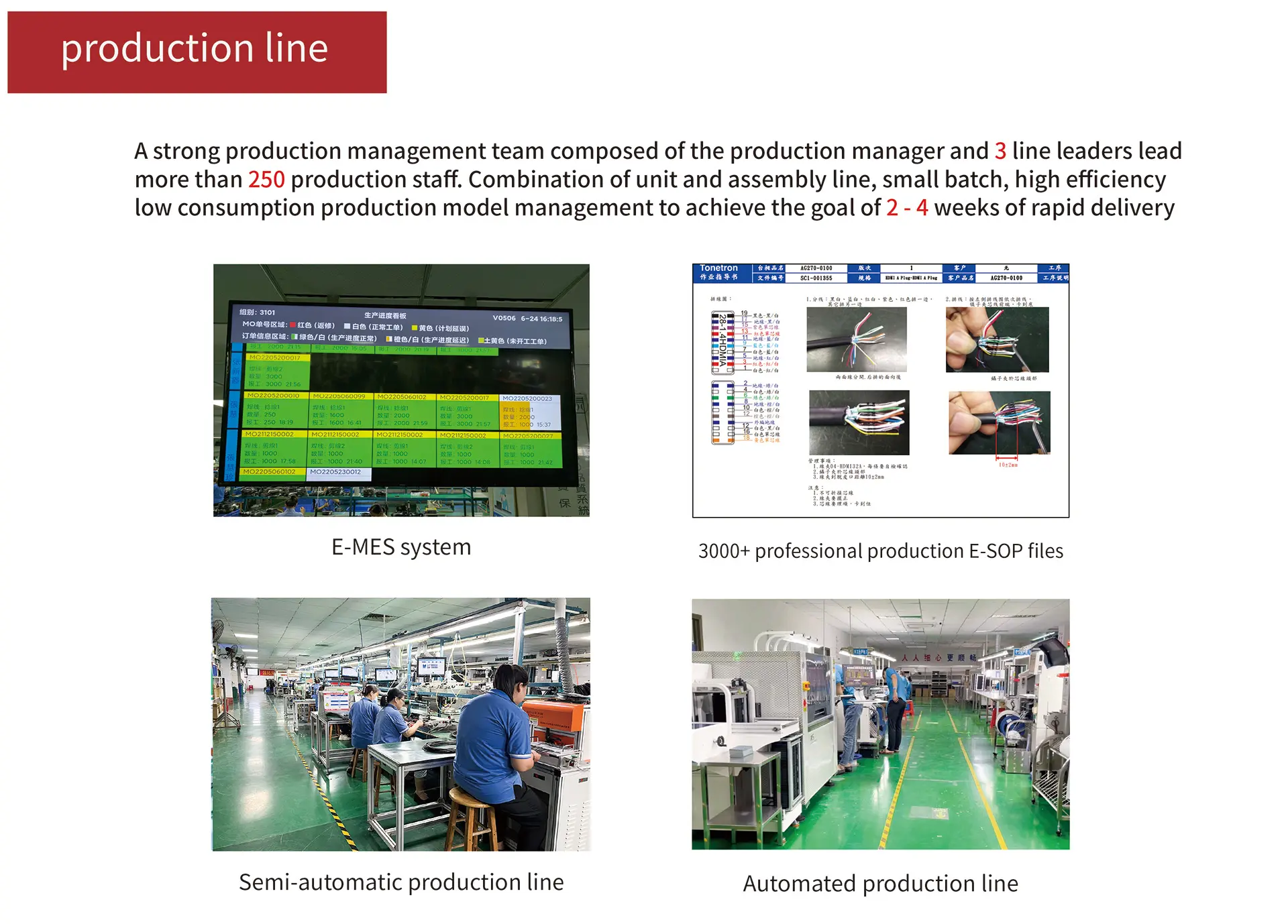
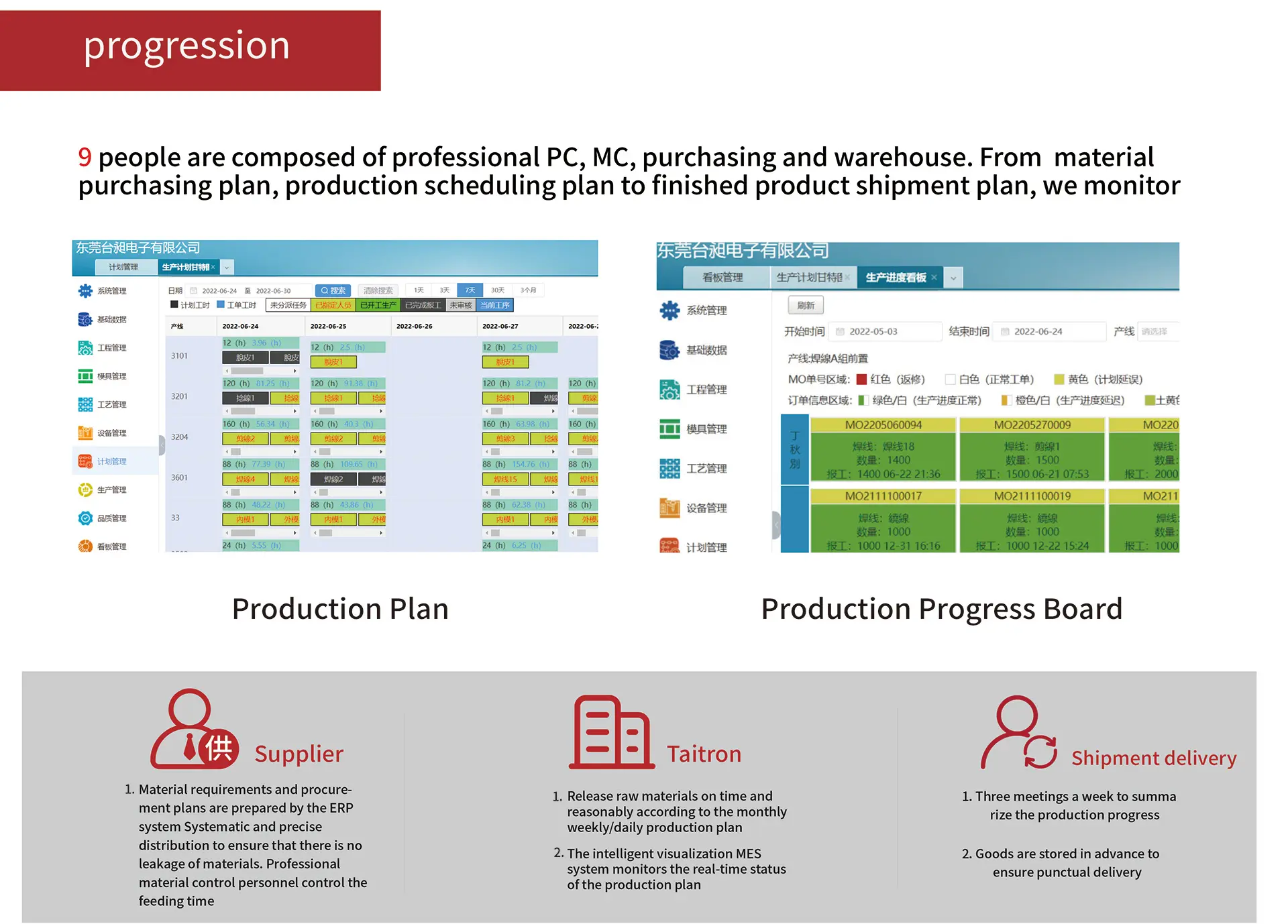
Operating out of Dalingshan Town, Dongguan, places our manufacturing facility at the epicentre of the world's most dense electronics supply chain. This proximity enables us to source raw materials, specialized chipsets (such as E-marker ICs, parade retimers, and conversion chipsets), and advanced packaging materials with minimal lead times. For South African buyers, this vertical integration translates directly into pricing competitiveness and rapid production turnarounds.
Our factory features automated soldering machines, high-speed wire extrusion lines, and specialized plastic injection molding machinery. By limiting manual labor in critical termination phases, we drastically minimize contact resistance and ensure high signal integrity across thousands of units. Every production batch of high-frequency cables (such as HDMI 2.1 or USB4) undergoes rigorous network analyzer sweeps, ensuring return loss and insertion loss stay well within international standards.
Furthermore, our quality control protocols align with global standards. With CE and MFi audits embedded in our standard operating procedures, we guarantee that all exported batches comply with South African regulatory standards (NRCS and SABS), facilitating seamless import customs clearance at ports in Durban, Cape Town, and Port Elizabeth.
| Testing Protocol | Standard Parameter | Quality Guarantee |
|---|---|---|
| Tensile Strength Test | > 100N pull force | Zero conductor breakage |
| Insertion Lifecycle | 10,000 mating cycles | < 0.2Ω contact resistance change |
| Salt Spray Resistance | 48 Hours minimum | Corrosion-free metal connector shells |
| Shielding Effectiveness | 85% coverage minimum | EMI / RFI attenuation protection |
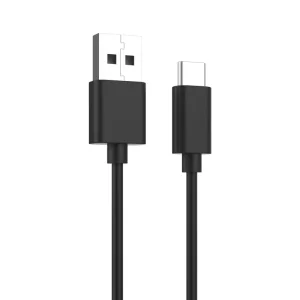
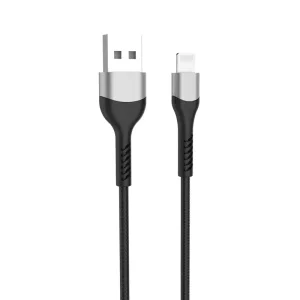
Explore our main product portfolio featuring high-speed charging, interface conversion, and standard display lines.
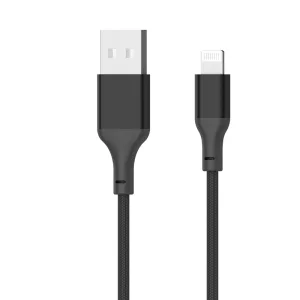
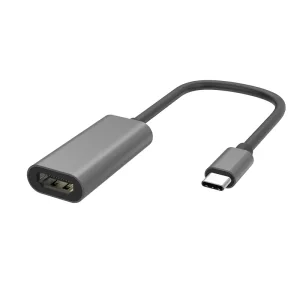
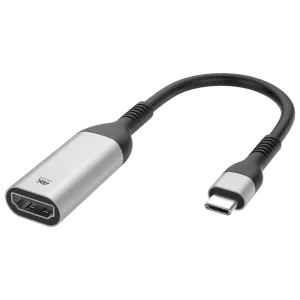
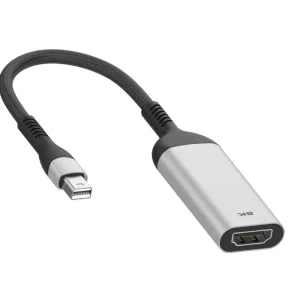
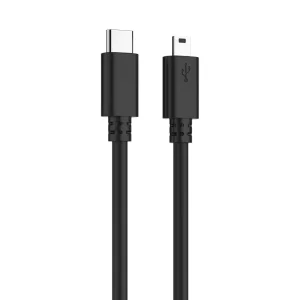
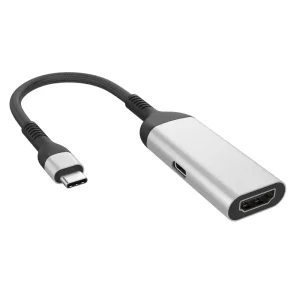
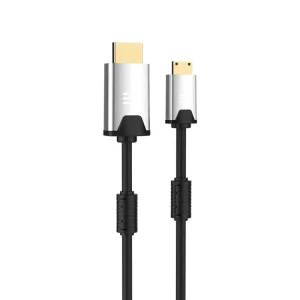
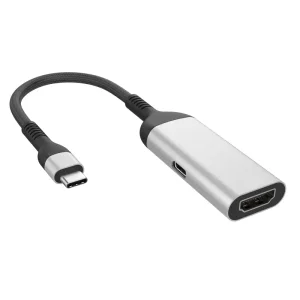
A technical guide for industrial buyers on checking structural parameters during import processes.
When managing high-volume cable imports through the Port of Durban, structural issues can lead to expensive product recalls or field failures. High-speed USB-C interfaces are highly sensitive to transmission loss. For instance, impedance mismatch along the solder joint of a USB Type-C connector can cause signal reflection, which drops connection speeds or interrupts power supply.
To prevent these faults, B2B procurement managers should evaluate the following hardware specifications:
Our factory addresses these issues by using high-purity copper core materials and automated termination methods. As an exporter with close to four decades of experience, we provide detailed test reports for impedance, insertion loss, and mechanical durability with every shipment.
Furthermore, we offer customized OEM/ODM options to match your brand requirements. This includes custom molded relief components, specific color braiding options, custom packaging configurations, and custom printing on cable connectors.
Tracking the integration of new standards within global supply chains and South Africa's evolving infrastructure.
As USB power delivery moves beyond 60W up to 240W (via EPR specifications), cables must integrate dynamic E-Marker chipsets. These chips communicate directly with power supplies and devices, monitoring temperature and voltage to adjust power transmission. This safeguard is crucial in South African grids, where voltage stability fluctuates between load-shedding cycles.
For longer transmissions (over 3 meters), copper lines experience significant attenuation at bandwidths exceeding 10Gbps. The next decade will see a major push toward Active Optical Cables (AOC), which combine fiber optic cores with copper conductors. This setup enables long-distance USB4 and HDMI 2.1 transmissions without losing signal quality, serving as a reliable backbone for large offices and smart mining facilities.
Global environmental guidelines are shifting product design toward green manufacturing. Major brands are replacing standard PVC jackets with halogen-free TPE (Thermoplastic Elastomers) or bio-based braiding materials. Our production facility is actively working to incorporate recycled plastics into our outer jacket extrusion processes, helping partners meet local environmental targets.
By shifting your product range toward USB-PD compatible options and smart adapters early, you can capture premium margins. This strategy positions your business as a preferred hardware supplier as South African companies upgrade their infrastructure to meet the demands of modern cloud environments and backup systems.
Find answers to common questions regarding logistics, quality assurance, and product specifications for the South African market.
 Taichang Electronic