Explore our top-recommended high-performance connectivity designs, certified for stability and industrial resistance under demanding Pakistani power networks.
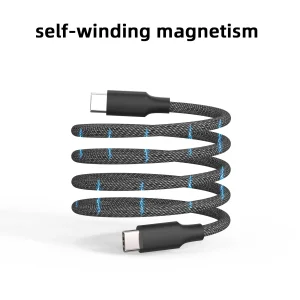
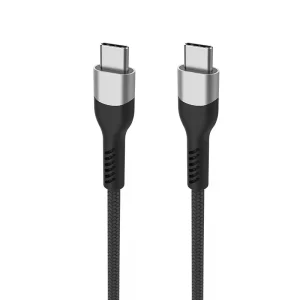
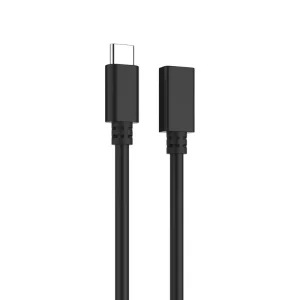
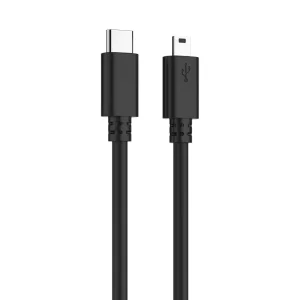
The economic dynamics of Pakistan are experiencing a rapid structural transition. As the China-Pakistan Economic Corridor (CPEC) continues to bridge infrastructure voids, local manufacturing hubs in Karachi, Lahore, Faisalabad, and Gujranwala are upgrading legacy facilities into digitalized systems. Concurrently, the growth of the Special Technology Zones Authority (STZA) is incubating software houses, consumer electronics assembly lines, and high-tech startups requiring robust data transmission infrastructures.
While high-speed fiber-optics and wireless networks claim headlines, the physical hardware interconnects—specifically the reliable, ubiquitous USB 2.0 standard—remain the bedrock of modern telemetry, localized control systems, and interface connections. In Pakistan, where extreme climatic variations demand hardware durability, importing sub-standard cabling leads to costly machine down-time, packet drops in essential telemetry, and thermal degradation in charging circuits. Our engineering team addresses these challenges by custom-tailoring shielding, gauge selections, and alloy coatings to withstand regional atmospheric pressures and power inconsistencies.
From retail barcode scanners in Metro Cash & Carry stores to specialized diagnostic interfaces in Shaukat Khanum Memorial Hospital's machinery, the reliance on high-quality USB 2.0 lines is undeniable. Despite the emergence of newer protocol variations, the legacy standard maintains an optimal balance of cost-effectiveness, design simplicity, and backwards compatibility. As a leading manufacturer, we provide direct wholesale distribution pipelines from our state-of-the-art Chinese facility to major dry ports in Lahore, Karachi, and Islamabad, guaranteeing compliance and reducing middlemen overheads.
Globally, the electronic interconnect landscape is seeing a dual trend: the rapid standardisation of the Type-C form factor, alongside the persistent operational dominance of the USB 2.0 data protocol (480 Mbps). This combination is highly logical. High-frequency USB 3.1/3.2/4 protocols require heavy shielding, thick cable diameters, and short maximum run lengths, increasing raw material costs. Conversely, USB 2.0 signaling uses simpler, durable physical layouts, allowing longer cable lengths without signal drop-off, lower power overheads, and significantly reduced unit production costs.
USB 2.0 profiles are widely integrated into Pakistan's smart electricity grids (KE, LESCO) and industrial telemetry nodes where low-power long-term data acquisition is critical.
Pakistani mobile device assembly lines (Xiaomi, Infinix, Tecno) rely on heavy bulk imports of USB-C to USB-A/Type-C cables supporting reliable 3A to 6A charging cycles.
Maximizing information gain per dollar spent. USB 2.0 provides standard 480 Mbps transfer rates, sufficient for over 90% of industrial peripherals.
By utilizing advanced engineering techniques, we ensure our USB 2.0 product lines combine modern form factors—such as the reversible Type-C connection—with high-efficiency copper conductors. This satisfies the power needs of modern fast charging protocols (up to 240W via Power Delivery schemes) while maintaining the cost benefits of USB 2.0 data lines.
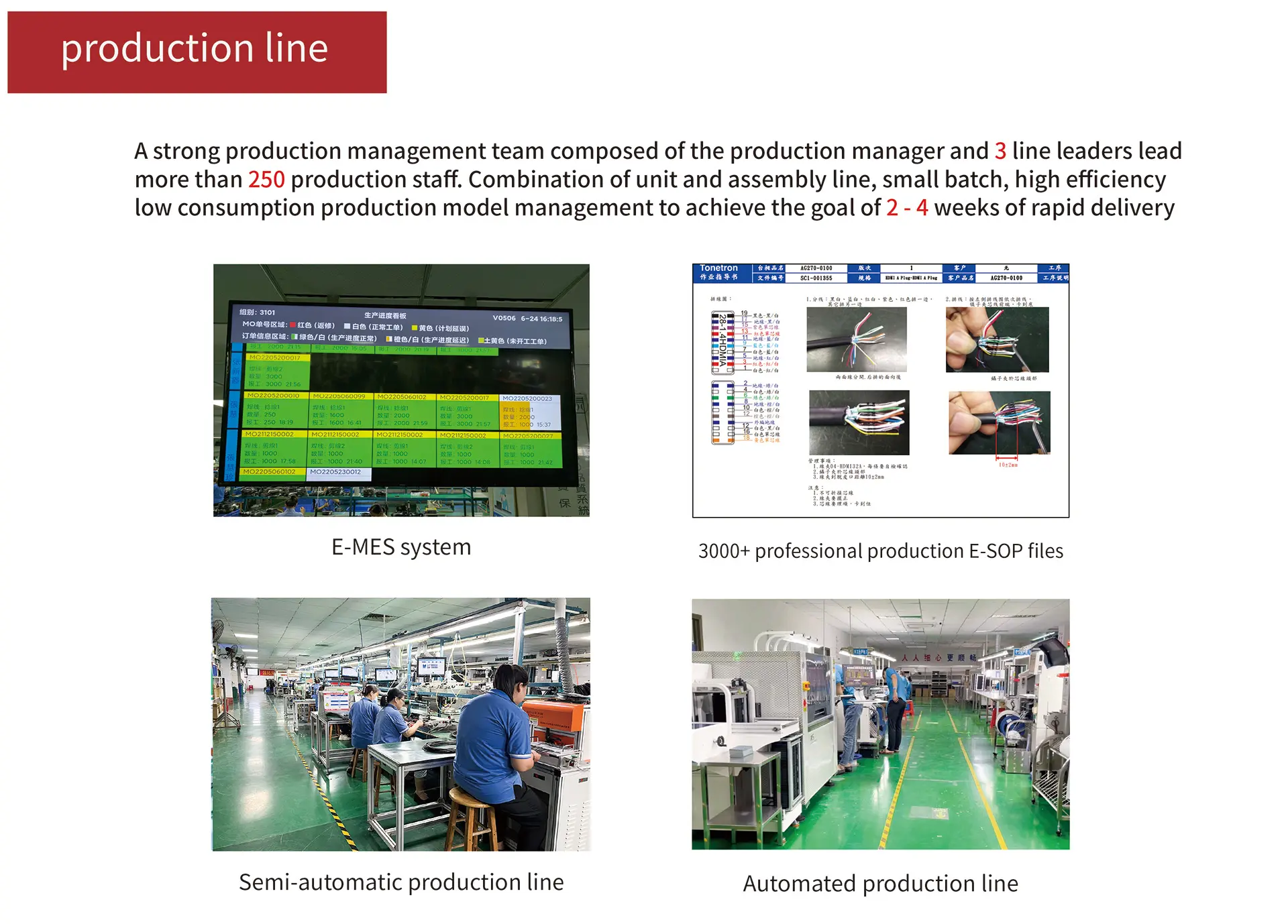
Operating out of Dongguan—the global hardware capital—our production lines leverage automated wire extrusion, high-precision laser welding, and automated multi-stage test equipment. This allows us to achieve output scales that local manufacturing setups in South Asia cannot match. By maintaining deep integrations with primary copper refineries and raw plastic compounders, we secure high-grade raw materials at competitive rates. This enables us to pass significant cost savings to our Pakistani importers.
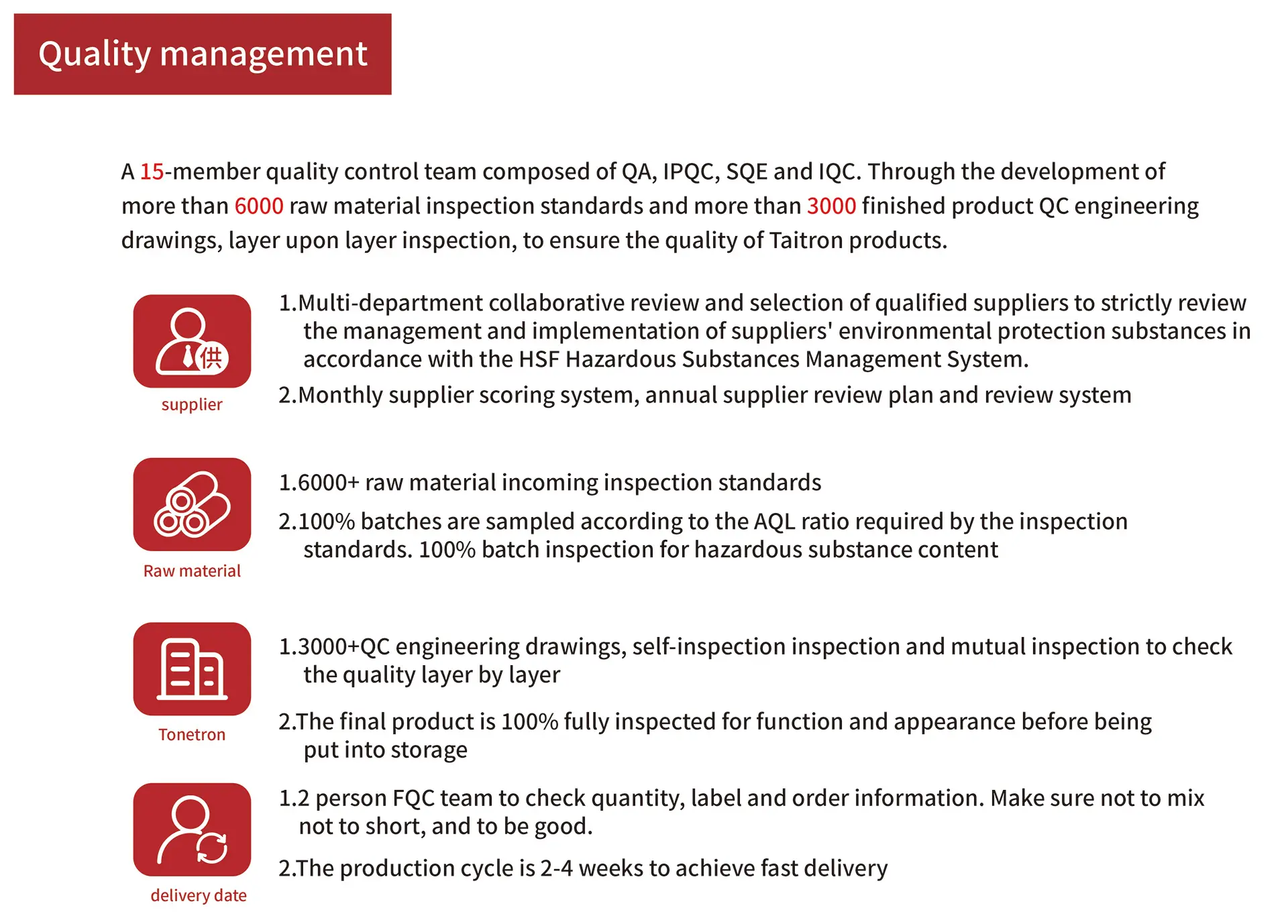
Every production batch undergoes comprehensive validation protocols: electrical continuity testing, resistance analysis, strain relief tensile strength tests, and salt spray exposure tests. Our adherence to ISO 9001 and environmental RoHS criteria guarantees that our products satisfy international import standards, ensuring hassle-free custom clearances at Pakistan dry ports.
With established trade relations in South Asia, we offer optimized logistics setups to Pakistan. Through sea freight routes departing from Shenzhen/Guangzhou ports to Karachi Port or Port Qasim, or overland paths crossing the Khunjerab Pass via the CPEC highway network, our logistics desk manages complex customs documentation. This guarantees compliance with Pakistan Customs regulations (using precise HS codes such as 8544.42) for prompt delivery.
In 1984, Dongguan Taitron Electronics Limited., formerly known as Tonetron, was founded in Keelung, Taiwan. In 1993, it moved to the self-built independent production industrial park in Dalingshan Town, Dongguan City, China, and changed its name to Dongguan Taitron Electronics Limited.
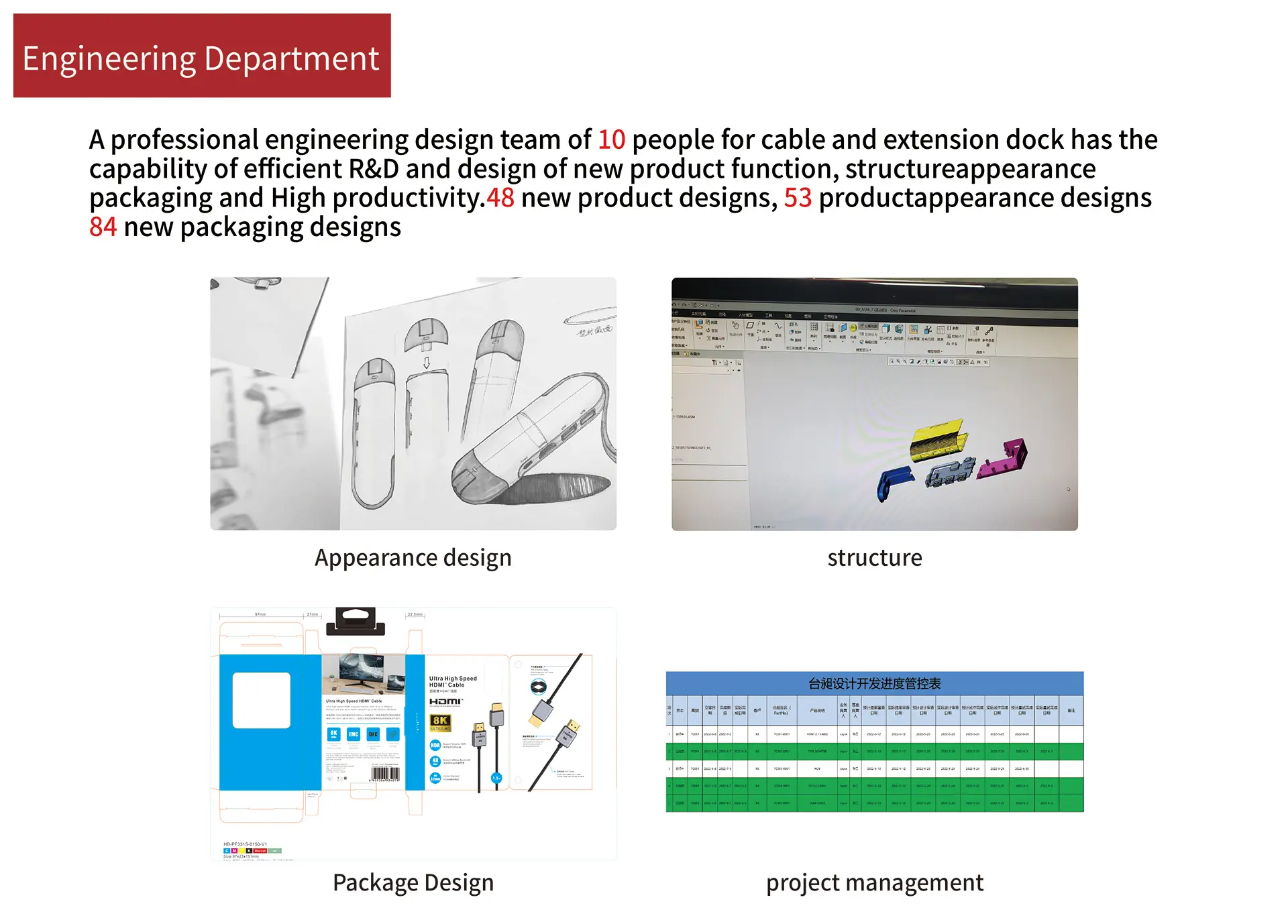
38 years to pass professional video and audio peripheral eguipment connection line manufacturing as the foungation, Gradually develop to the high-end audio and video cable data cable such as HDMI2.1 cable, DP2.0 cable, USB4 data cable, USB-C 3.1Gen2 data cable, high-power USB charging cable, 8K HD conversion cable, multi-functional Type-C expansion dock and other products research and development and manufacturing.
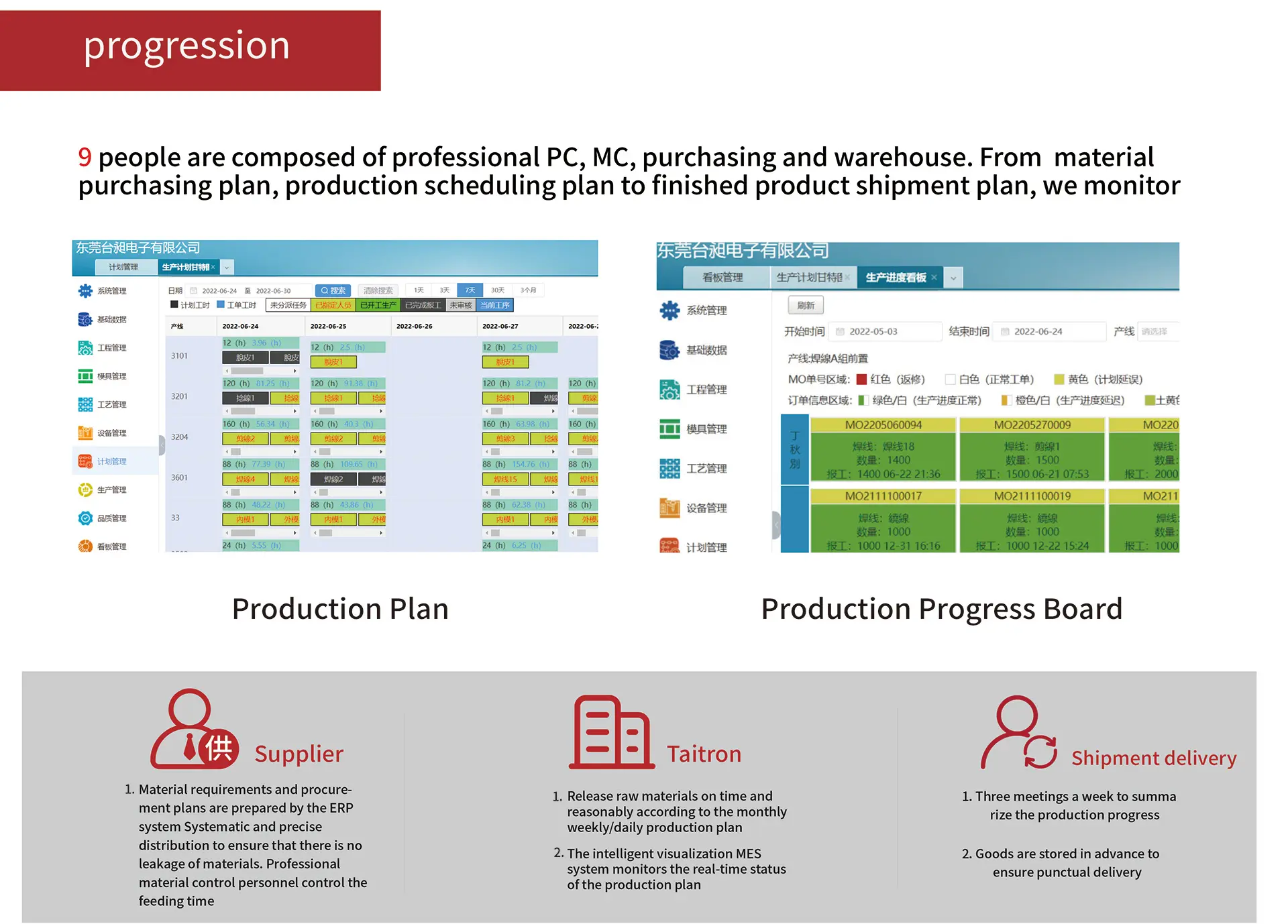
Designed for universal compatibility across industrial devices, consumer electronics, and fast-charging interfaces in the Pakistani market.
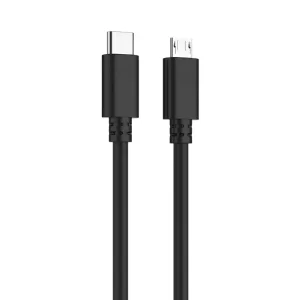
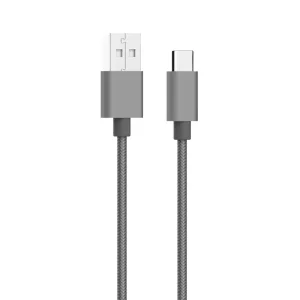
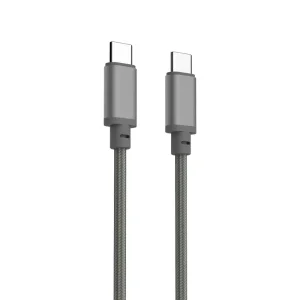
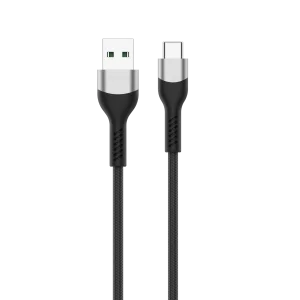
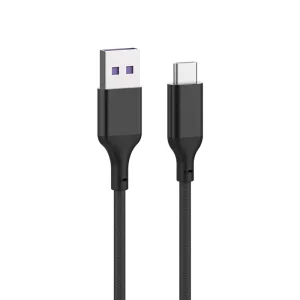
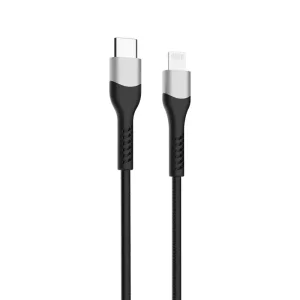
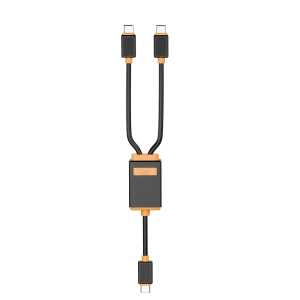
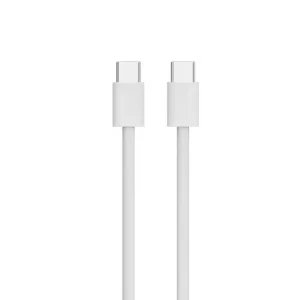
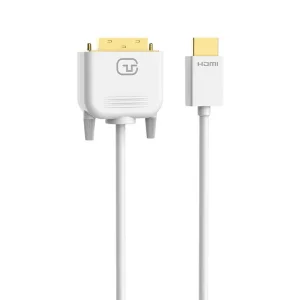
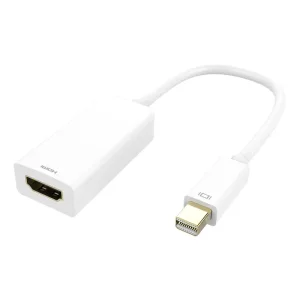
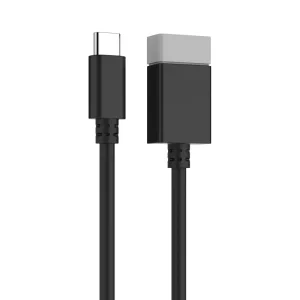
Procuring bulk interconnect cables for corporate projects or retail distribution networks in Pakistan requires a comprehensive understanding of certifications, raw materials, and logistics. Our export advisory unit assists procurement teams in analyzing the total cost of ownership (TCO) through the following criteria:
Using pure Oxygen-Free Copper (OFC) prevents the voltage drops common in low-grade copper-clad aluminum (CCA) alternatives. Under Pakistan's high seasonal ambient temperatures, standard CCA wires heat up quickly, leading to connection drop-outs or damage to connected circuits. We construct our heavy-duty lines with thick copper gauges (such as 22AWG/24AWG for power routing and 28AWG for differential data paths) to ensure stable performance.
Industrial environments in cities like Faisalabad and Karachi contain high electromagnetic interference (EMI) from large-scale electric machinery. To safeguard data integrity, we apply multi-layered shielding configurations consisting of aluminum foil wrap combined with tinned copper braiding, achieving up to 95% shielding density.
The outdoor and shop-floor settings of Pakistani industries demand rugged structural protection. We formulate custom PVC, TPE, and double-braided nylon outer jackets to provide high tensile strength, resistance to chemical splashes, and elasticity that resists cracking even in high-heat environments.
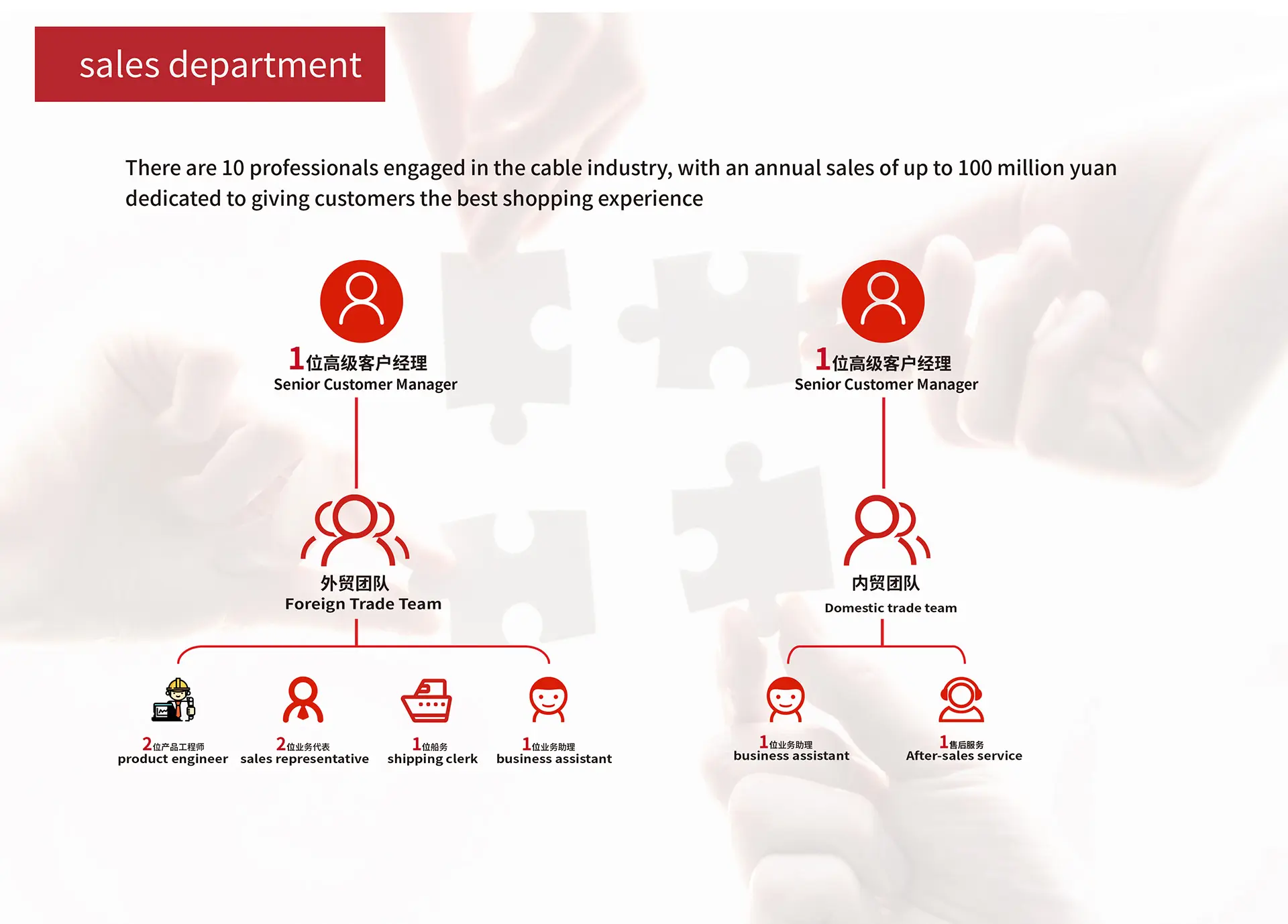
We provide complete OEM/ODM options, including customized cable lengths, laser-engraved company logos on metal housings, and retail-ready packaging designed to increase your brand equity in local markets.
Gain insights into technical specifications, import tariffs, shipping lead times, and customization details for the Pakistan market.
Get in touch with our engineering team today to request free product samples, receive custom price quotes, and discuss packaging options for your enterprise.
Send Inquiry Now Taichang Electronic