 Taichang Electronic
1. The Digital & Industrial Landscape of the Central African Republic (CAR)
The Central African Republic (CAR) is navigating a foundational era of digital transformation. Historically reliant on localized networks, key sectors in cities like Bangui, Bimbo, and Mbaiki are rapidly modernizing. Local telecommunication providers and government initiatives are aiming to close the digital divide by upgrading local network nodes and expanding broadband fiber linkages, which enter the country via neighboring hubs.
This evolving digital framework demands physical data components that offer structural integrity and long-term durability. High-speed USB 3.0 connectivity serves as the foundation for setting up reliable office systems, connecting external storage drives for critical data backups, and supporting local non-governmental organizations (NGOs) and state offices. In environments where wireless signals can be inconsistent due to topographical and infrastructural constraints, wired data transmission provides the necessary stability for daily commercial, industrial, and administrative operations.
Regional Technical Reality Check
In regions experiencing high average temperatures, dust ingress, and frequent electrical fluctuations, standard consumer cables often degrade rapidly. Industrial-grade USB 3.0 connectors with multi-layered electromagnetic interference (EMI) shielding and thick PVC or nylon braided sleeves are essential to prevent packet loss and maintain hardware durability.
2. Industrial Applications: Where USB 3.0 Drives Central African Sectors
USB 3.0 technology is deployed across multiple high-priority sectors within the Central African Republic:
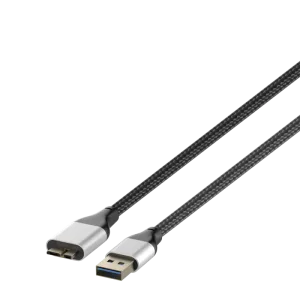
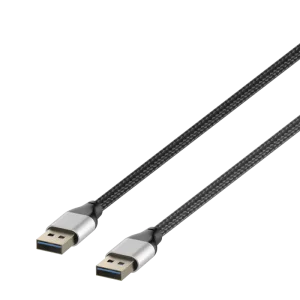
- Mining & Geological Exploration: Remote extraction hubs require robust cabling to pull field data from seismic sensors, GPS equipment, and high-capacity external drives to local analysis terminals. In these environments, custom USB 3.0 A-to-A and Micro-B cables are essential tools.
- Humanitarian & NGO Logistics: With numerous international organizations managing field operations in the region, field-based computers, satellite communications gear, and local database storage rely heavily on durable data cords to secure and process distribution data.
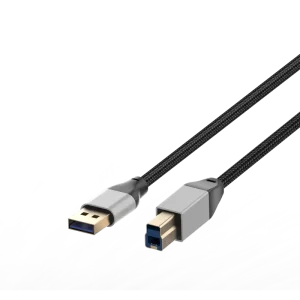
- Telecommunication Nodes: Telecom facilities in Bangui utilize Type-B and Type-A USB 3.0 cables to connect configuration laptops directly to network switches, power distribution units, and diagnostic hardware.
- Healthcare & Diagnostics: Modern ultrasound equipment, digital X-ray processing systems, and patient monitoring terminals in municipal clinics use high-speed USB 3.0 interfaces to transmit high-resolution diagnostic images to diagnostic computers.
3. Global Procurement Trends & Challenges for Central African Buyers
Procuring electronic components for Central African distribution channels presents unique challenges. Local sourcing options can be limited, and the prevalence of substandard counterfeits often forces procurement managers to buy directly from overseas manufacturers. When evaluating suppliers, technical buyers look for several key attributes:
01 Material Purity
Oxygen-Free Copper (OFC) cores ensure minimal signal degradation over extended runs, compared to cheaper Copper-Clad Aluminum (CCA) alternatives which can fail under stress.
02 Shielding
Double-shielded options (aluminum-mylar foil combined with tinned copper braiding) protect vital signals from adjacent power lines and high-frequency noise.
03 Certifications
Products with CE, RoHS, and FCC markings simplify customs clearance at borders and satisfy safety audits conducted by multinational partners.
| Cable Connector Standard | Theoretical Speed Limit | Optimal Application in CAR | Key Durability Parameter |
|---|---|---|---|
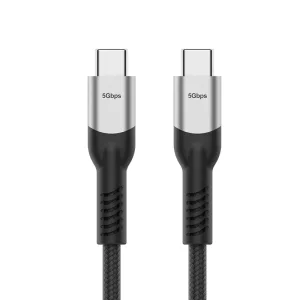
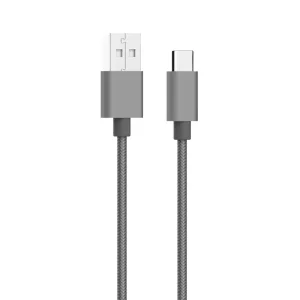
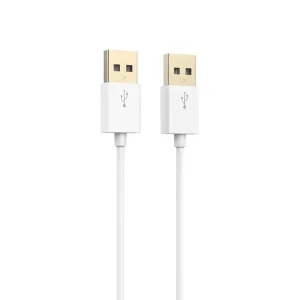
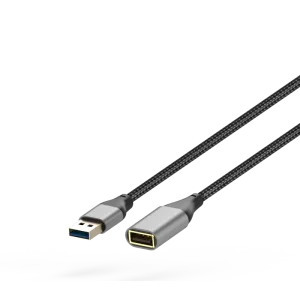
| USB 3.0 Type A to A | 5.0 Gbps (SuperSpeed) | Local server array diagnostics, peripheral links | Reinforced connector housings, molded strain reliefs |
| USB 3.0 Type B Upstream | 5.0 Gbps (SuperSpeed) | Printers, commercial scanners, industrial docking units | Nylon braiding to protect against sharp bends |
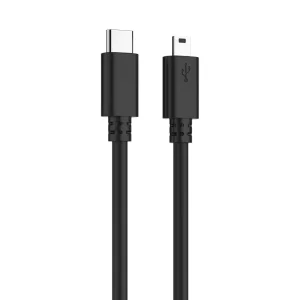
| USB 3.0 Micro-B | 5.0 Gbps (SuperSpeed) | External hard disk drives, legacy smart terminals | Secure latching mechanisms for consistent connectivity |
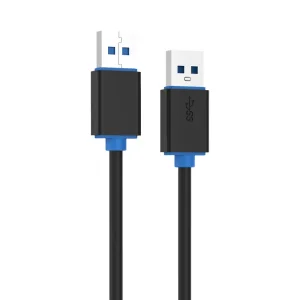
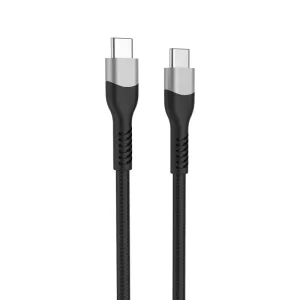
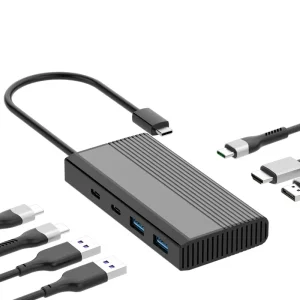
| USB-C to C (3.1 Gen 1/2) | 5.0 - 10.0 Gbps | Modern laptops, high-performance power delivery hubs | E-marker smart chips regulating power and data flow |
4. Localized Support, Regulatory Compliance, and CEMAC Logistics
Importing electrical components into the CEMAC region (Central African Economic and Monetary Community), of which CAR is a member, requires strict adherence to regional customs regulations. Our shipping and quality control processes are designed to handle these specific logistical requirements:
- Border and Customs Documentation: All shipments include detailed packing lists, Certificates of Origin, and clear CE declarations to facilitate clearance at ports of entry like Douala (Cameroon) before land transit to Bangui.
- Packaging for Transit: High-humidity environments require anti-corrosive desiccant packs within sealed PE master bags to protect connector pins from oxidization during marine and overland shipping.
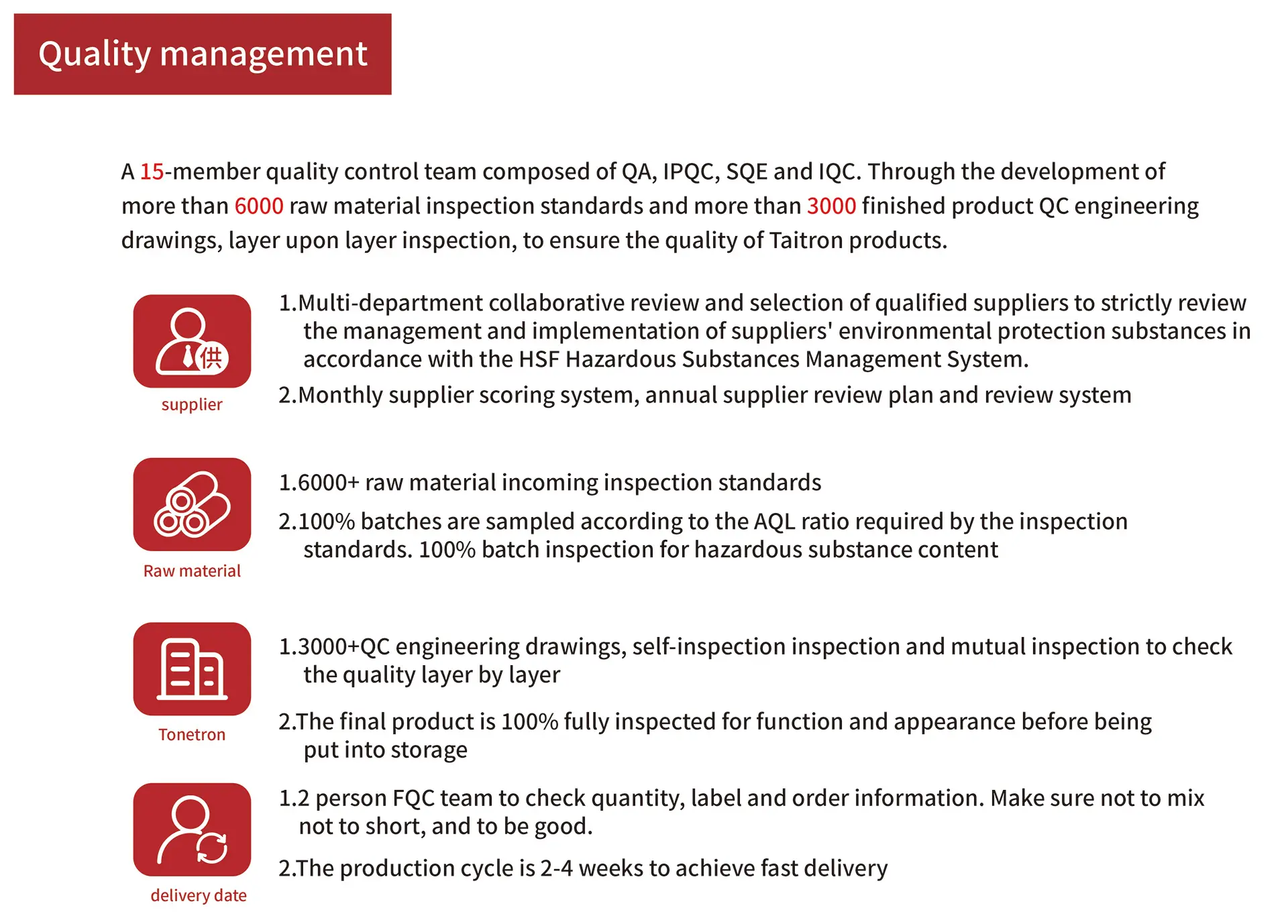
- Quality Inspection Guarantee: Every batch undergoes rigorous electrical continuity testing, resistance testing, and physical plug-unplug cycles before leaving the factory floor.