Direct from Certified Production Facilities for Tokyo Enterprise Integration
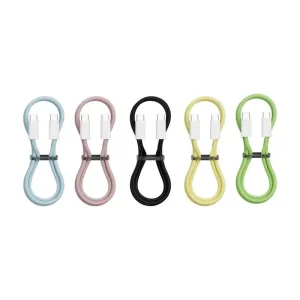
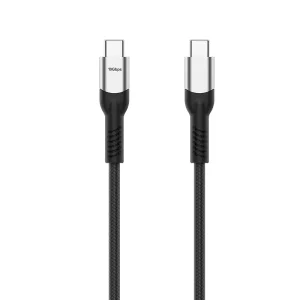
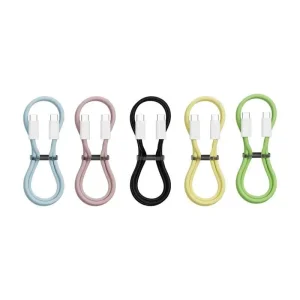
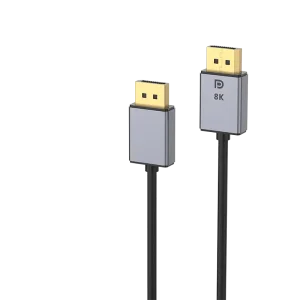
The Tokyo metropolitan area remains a leading global hub for industrial automation, robotics, high-density corporate computing, and precision medical manufacturing. As organizations transition toward smart factory frameworks (Industry 4.0) and ultra-high-definition workspace collaboration tools, the demand for stable, high-throughput physical layer interfaces has scaled exponentially. USB 3.1 Gen 2 (now designated under USB 3.2 Gen 2x1) has emerged as the baseline standard, providing up to 10 Gbps of data bandwidth and delivering up to 100W of Power Delivery (PD) through Type-C interconnects.
However, securing high-performance USB 3.1 components within the Tokyo market presents distinct operational challenges. Procurement teams must navigate strict electromagnetic compatibility standards, Japanese industrial durability parameters, and complex logistical lanes. This whitepaper analyzes the current commercial realities of USB 3.1 deployment in Tokyo, details compliance protocols, details our optimized Chinese manufacturing supply chain, and offers a comprehensive guide for procurement decision-makers.
Tokyo's economy consists of distinct industrial zones, each requiring specialized physical connectivity standards:
"Procurement officers in Tokyo emphasize long-term operational lifecycle rather than low unit costs. A single cable failure on an automated production line in Kanagawa or Tokyo Bay can lead to downtime losses exceeding millions of Yen per hour. This demands premium materials like tinned oxygen-free copper (OFC) and specialized inner shielding."
Over 38 Years of High-End Connectivity Engineering
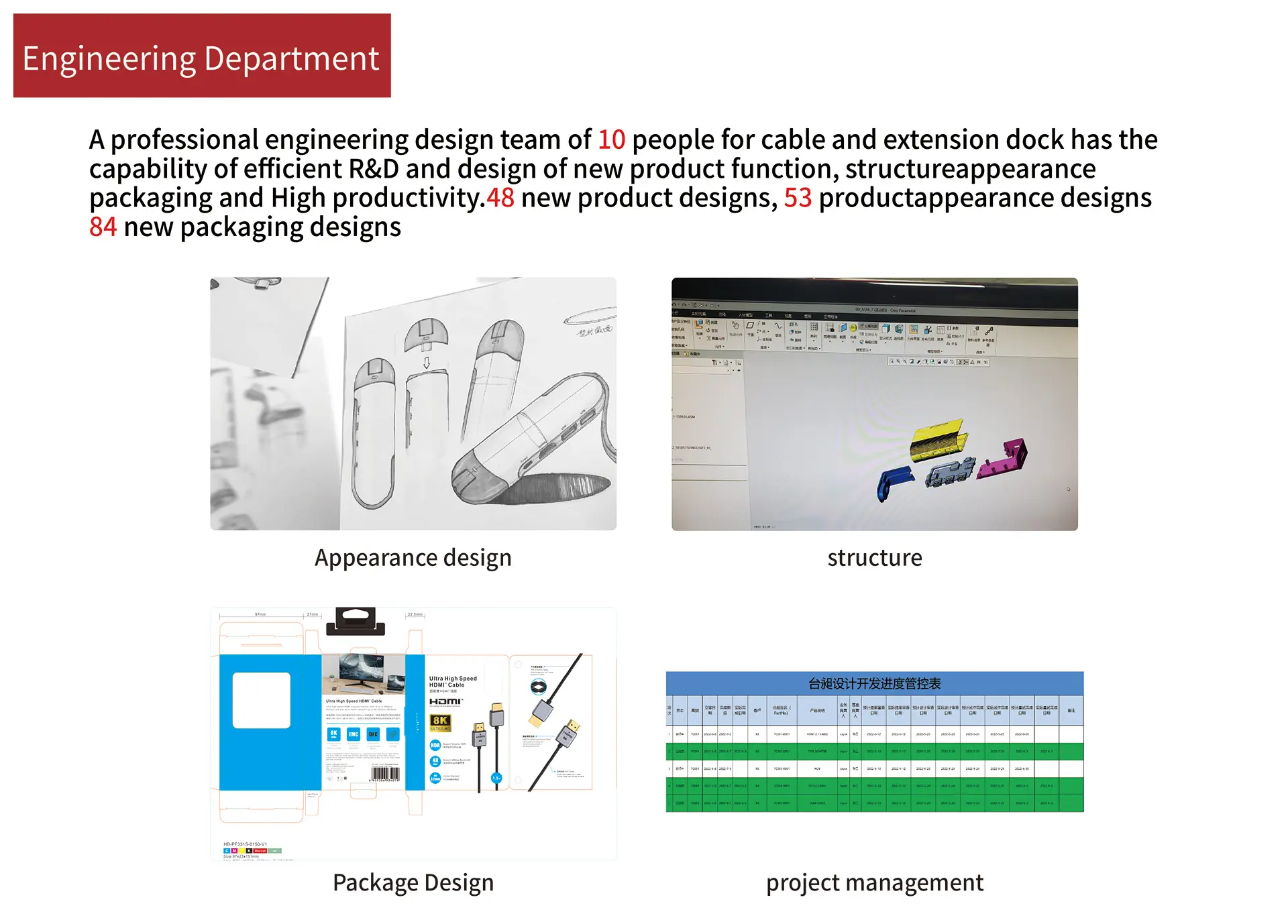
In 1984, Dongguan Taitron Electronics Limited., formerly known as Tonetron, was founded in Keelung, Taiwan. In 1993, it moved to the self-built independent production industrial park in Dalingshan Town, Dongguan City, China, and changed its name to Dongguan Taitron Electronics Limited.
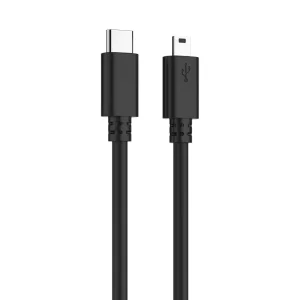
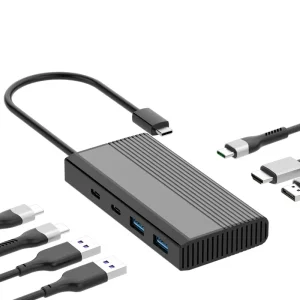
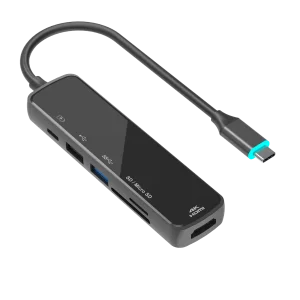
For 38 years, our foundation has been professional video and audio peripheral equipment connection line manufacturing. We have gradually expanded into high-end audio and video cable and data cable production, specializing in HDMI2.1 cables, DP2.0 cables, USB4 data cables, USB-C 3.1 Gen2 data cables, high-power USB charging cables, 8K HD conversion cables, and multi-functional Type-C expansion docks.

To successfully integrate foreign-sourced USB 3.1 cables and docking stations into Tokyo enterprise settings, products must strictly adhere to local Japanese technical regulations and procurement norms:
For office and residential environments in Tokyo, electro-magnetic interference (EMI) must be kept within tight parameters to prevent disturbance to nearby communications hardware. Our USB 3.1 Gen 2 cables incorporate double-layer aluminum foil and tinned copper braiding shielding to pass VCCI Class B certification, ensuring trouble-free installation in dense Tokyo business districts.
Under Japan’s DENAN law, active devices like USB multi-functional docks and high-wattage charging systems that interface with AC power sources must hold a valid PSE mark. We partner with authorized registrars in Japan to audit and certify our power-related products, minimizing customs delay risks at the ports of Tokyo and Yokohama.
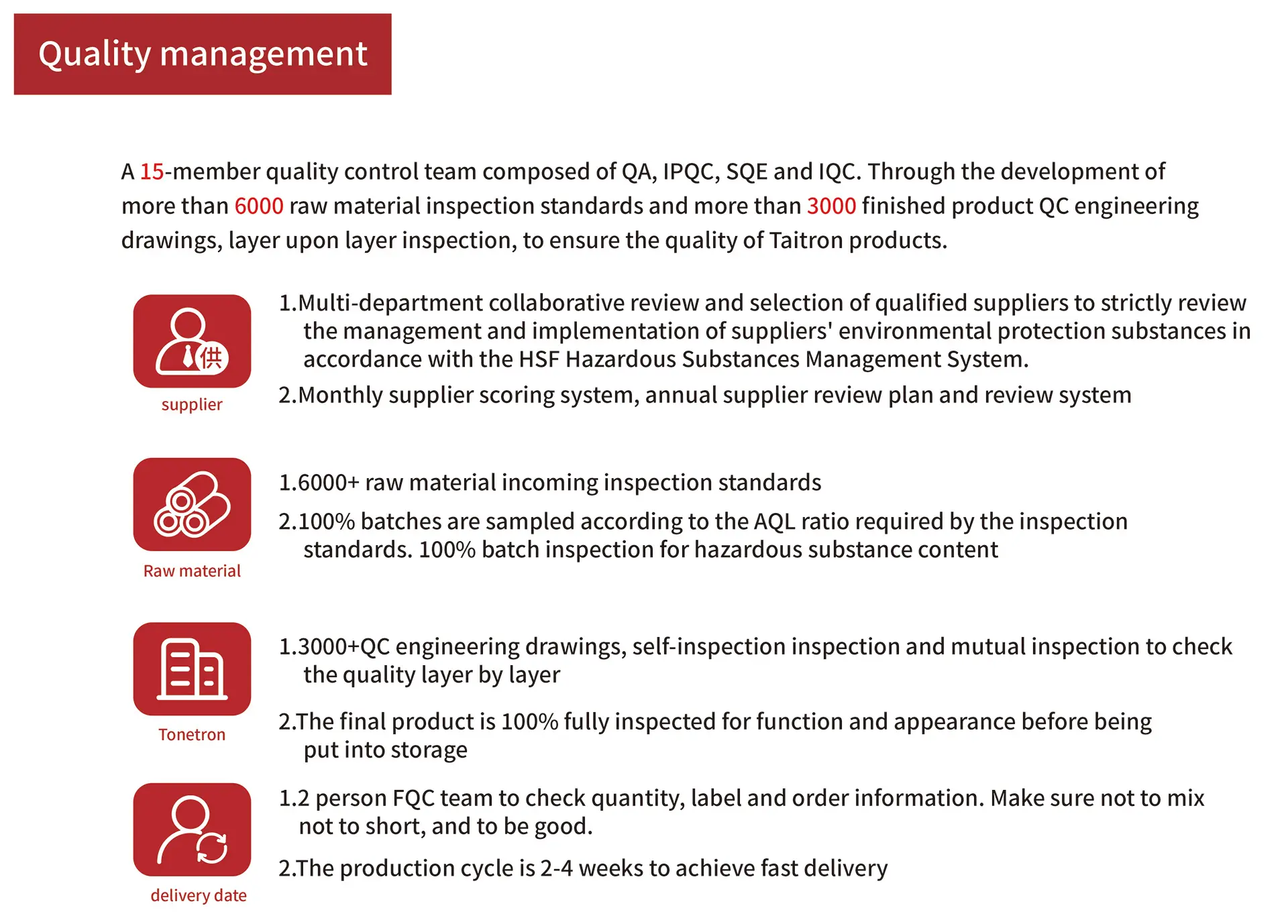
Major Japanese electronics conglomerates (e.g., Sony, Panasonic, Fujitsu) enforce strict hazardous material restrictions. All materials used in Dongguan Taitron products—from raw copper cores to the outer PVC/TPE jackets—are verified lead-free, cadmium-free, and phthalate-free, fully matching the requirements of Japan’s localized RoHS directives.
| Compliance Standard | Target Market / Application | Taitron Implementation Protocol | Tokyo Acceptance Status |
|---|---|---|---|
| VCCI Class B | Office & Home Electrics | High-density 128-braid shielding and metallic connector shells | Fully approved for corporate deployment |
| PSE Mark | Power Delivery / Adapters | Strict compliance with safety tests (creepage, dielectric strength) | Required for consumer & retail segments |
| RoHS / REACH | All Industrial Products | 100% lead-free, halogen-free raw materials | Approved for green procurement audits |
| JIS Standards | Industrial Machinery | Tested durability matching Japanese mechanical guidelines | Highly compatible with automated line systems |
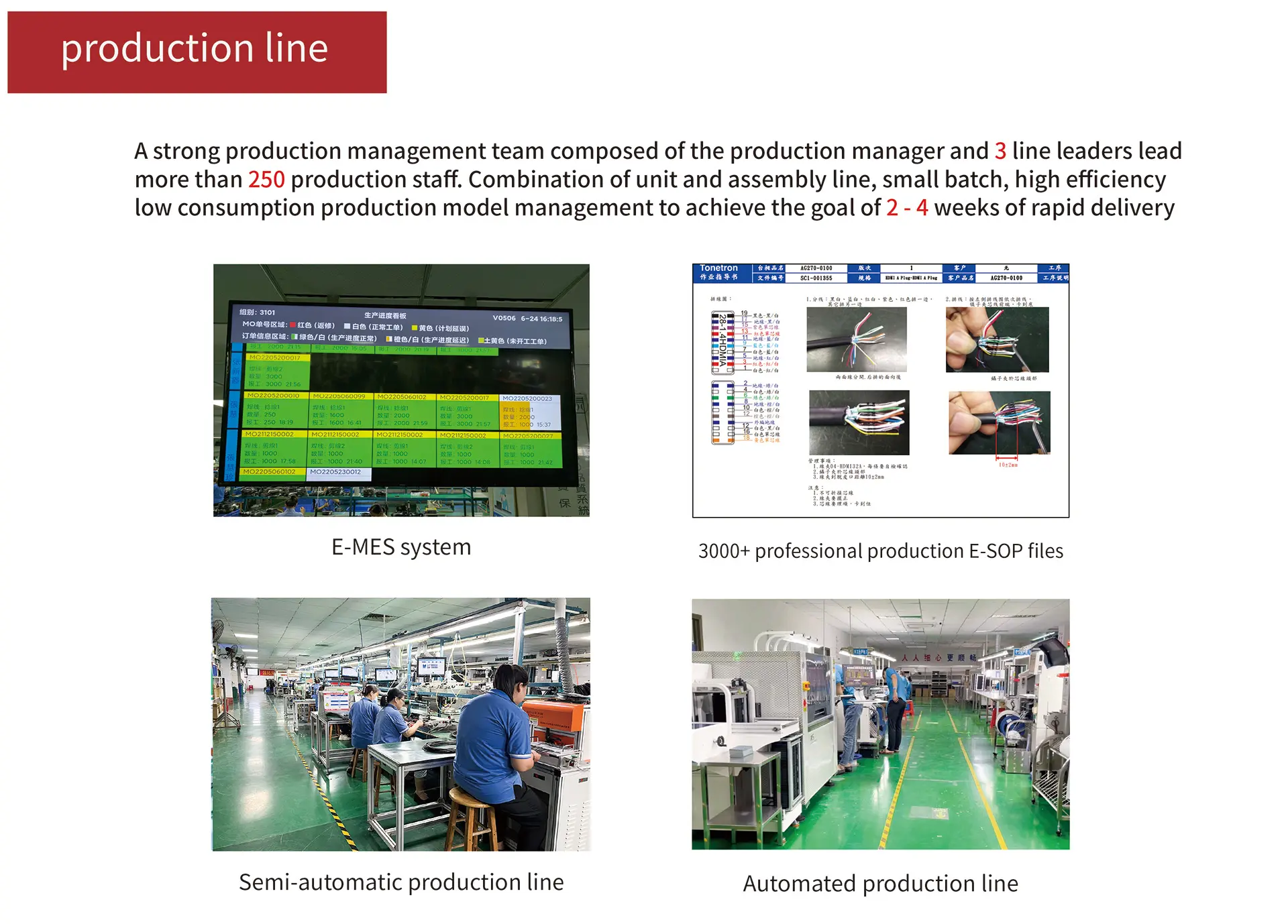
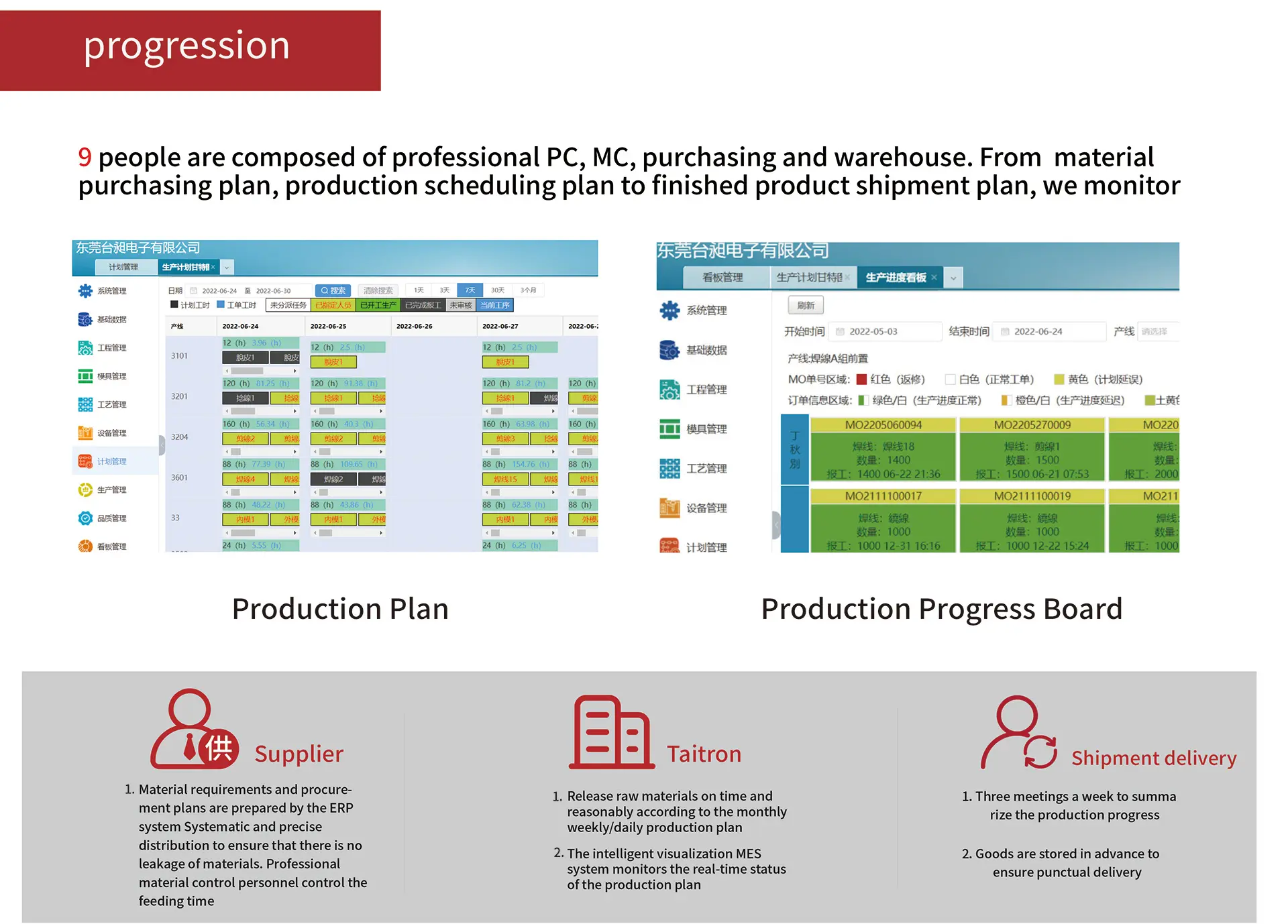
For Tokyo procurement managers, the key to success is balancing manufacturing costs with strict quality control. The "Taiwan Design Engineering + Dongguan High-Volume Production" operational model of Dongguan Taitron offers a strong solution:
Get in touch with our bilingual engineering and logistics team to receive detailed technical datasheets, compliance certifications, and volume pricing structures.
Send Inquiry NowHigh-Flexibility, Legacy Compatible & Multi-Port Accessories for Tokyo Business Systems
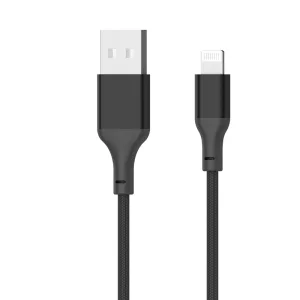
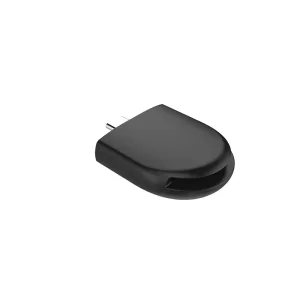
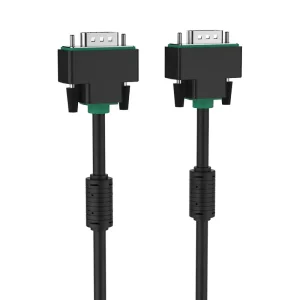
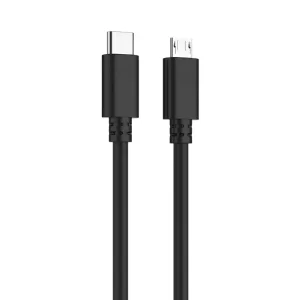
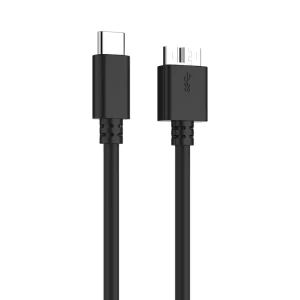
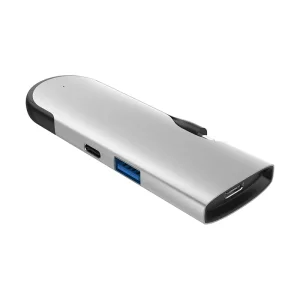
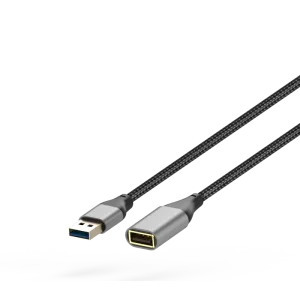
Premium OEM Hardware for Custom Technical Requirements in Tokyo's High-Tech Zones
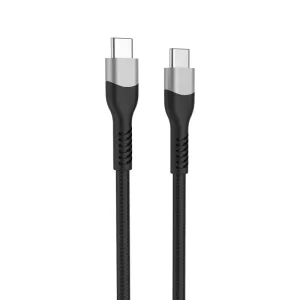
Key Technical and Regulatory Insights for USB 3.1 Integration in Japan
USB 3.1 Gen 1 supports a maximum bandwidth of 5 Gbps, whereas USB 3.1 Gen 2 (often branded as USB 3.2 Gen 2) doubles that bandwidth to 10 Gbps. For machine vision systems and automated optical inspection (AOI) setups in Tokyo's high-tech manufacturing, Gen 2 allows for uncompressed high-resolution video streams at higher frame rates without lag, which is critical for real-time quality control checks.
The Voluntary Control Council for Interference (VCCI) guidelines ensure that information technology equipment does not disrupt wireless systems and other business electronics. Central Tokyo office spaces feature a high density of electronic devices. Deploying non-VCCI compliant cabling and active hubs can result in electromagnetic interference, leading to network drops or hardware instability. Our products are engineered with robust dual-layer shielding to suppress electromagnetic emissions, fully meeting Class B requirements.
Under USB-IF specifications, an Electronic Marker (E-Marker) chip is mandatory for any USB Type-C cable that supports currents greater than 3A (such as 100W PD 20V/5A configurations) or is rated for USB 3.1 Gen 2 (10Gbps) data rates. The E-Marker chip communicates the cable's power handling capacity and signal speeds to the host and receiver devices, preventing overheating and ensuring safe, optimal power distribution.
Higher bandwidth signals degrade quickly over distance. To combat this attenuation, we use larger gauge, high-purity Oxygen-Free Copper (OFC) cores (often up to 34AWG or 32AWG for data lines) and precisely managed twisted-pair geometry. Our engineering labs in Dongguan utilize Time-Domain Reflectometry (TDR) to test and optimize characteristic impedance (90 Ohms target), keeping skew and insertion loss within strict USB-IF performance boundaries.
For urgent production requirements, air freight from Shenzhen (SZX) or Hong Kong (HKG) airports to Tokyo Narita (NRT) or Haneda (HND) takes 2 to 4 days, including custom clearance. For cost-optimized ocean transport, shipments from Shenzhen port to Tokyo or Yokohama ports typically take 9 to 12 days, depending on route schedules and customs clearance times.
 Taichang Electronic