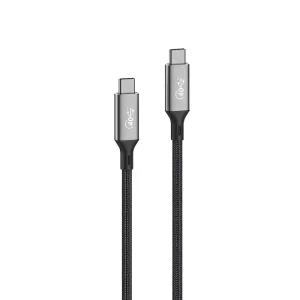
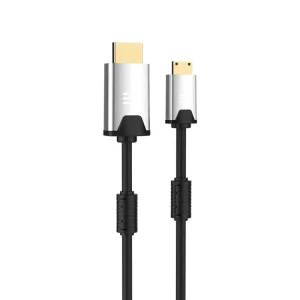
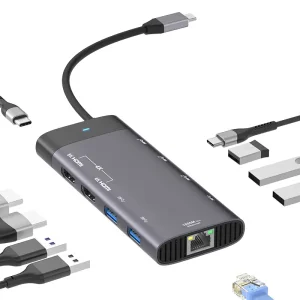
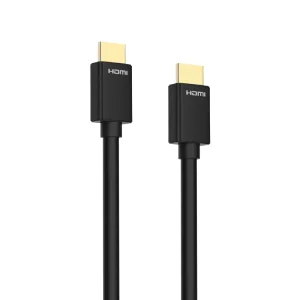
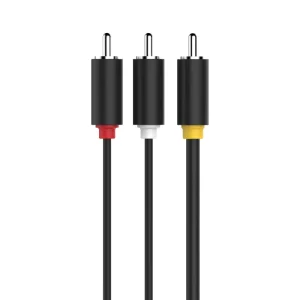
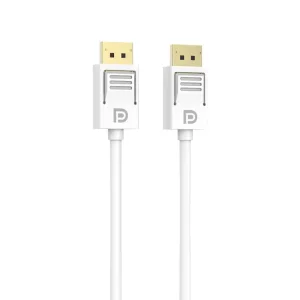
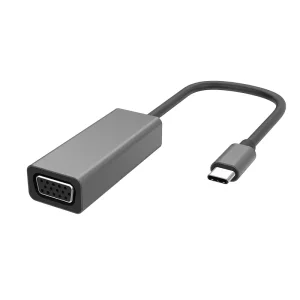
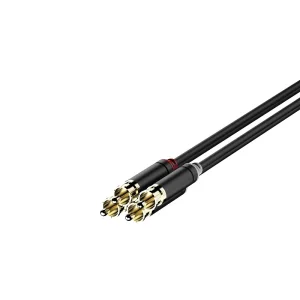
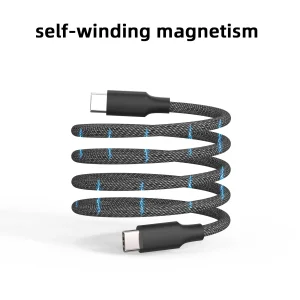
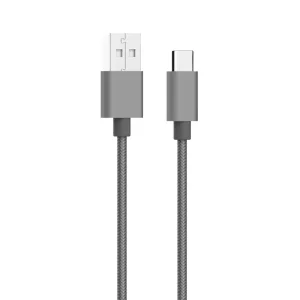
Deploying high-speed interfaces across Kendall Square’s bio-labs and Route 128 technological corridors requires physical layer compliance. The products listed below are fully certified and designed for mission-critical high-bandwidth operations.
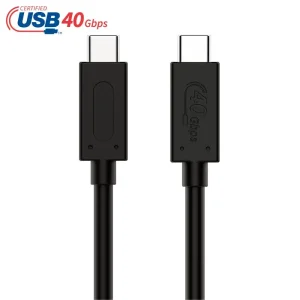
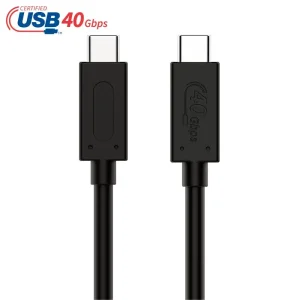
Boston's high-technology corridor is not merely a regional market but a global hub for life sciences, high-performance computing, advanced robotics, and deep tech venture. From the laboratory dense blocks of Kendall Square, Cambridge, to the industrial advanced manufacturing corridors of Route 128, the requirement for multi-gigabit throughput at ultra-low latency is growing exponentially. USB4 represents a massive technological leap forward for this ecosystem, consolidating multiple data and display protocols into a single, cohesive physical interface.
By leveraging USB4, medical diagnostics developers, semiconductor engineers, and academic researchers can dynamically partition bandwidth. This allows for simultaneous transmission of raw PCIe data lanes, high-refresh DisplayPort video streams, and up to 240W of USB Power Delivery (USB-PD 3.1 Extended Power Range). This convergence eliminates custom system integration overhead, reducing hardware development cycles for local system builders.
In high-frequency data transmission, signal attenuation and electromagnetic interference (EMI) scale exponentially with channel frequency. Standard cables often fail when subjected to the high-density configurations typical of Boston's laboratory servers and industrial test stands. High-integrity USB4 cables must utilize premium coaxial or twisted shielded pair constructions to survive harsh electromagnetic environments near heavy medical imaging equipment or custom motor controllers.
When selecting a factory partner, compliance documentation is the cornerstone of reliability. Testing against insertion loss, return loss, and crosstalk using advanced vector network analyzers (VNA) ensures that the hardware performs exactly as defined in the USB-IF specifications. This mitigates system-level debugging, where soft errors in the data link layer can cause intermittent dropouts or fallback to lower USB 3.2 speeds.
In Boston's world-class clinical research centers (including Massachusetts General Hospital and Brigham and Women’s Hospital), MRI, CT scanners, and 3D ultrasound instruments produce enormous raw datasets. Connecting clinical-grade capture cards to computing hosts requires high-bandwidth links. USB4 PCIe tunneling allows hardware designers to bridge diagnostic equipment directly to external GPUs (eGPUs) or field-programmable gate arrays (FPGAs) at 40Gbps without internal bus configuration.
From the industrial parks of Waltham and Bedford, robotics engineers deploy edge computer platforms that ingest multiple high-resolution camera feeds, LiDAR data, and sensor arrays. Standard USB standards introduce processing latency. USB4 allows high-speed sensor hubs to stream uncompressed telemetry directly to the central processing unit, while providing high-power charging capacity up to 100W or 240W to power the underlying micro-controller platform.
Across institutions like MIT and Harvard, large datasets generated by molecular dynamics, genomics sequencing, and particle physics simulations require constant transferring to localized high-speed SSD arrays. USB4 Gen 3x2 cables facilitate point-to-point data transmission rates up to 5GB/s, allowing researchers to download TB-scale database subsets onto high-performance external drives in minutes rather than hours.
The USB4 standard represents a complete departure from the historical USB 2.0/3.0 architecture, shifting from simple packetized data over dedicated lines to a complex packet-switched network scheme. By utilizing the Intel Thunderbolt 3 protocol framework, USB4 establishes dynamic tunnels for PCIe, DisplayPort, and legacy USB data packets, prioritizing bandwidth allocations on a packet-by-packet level.
| Protocol Interface | Maximum Raw Bandwidth | Power Delivery Capacity | Primary Physical Encoding | Ideal Application Scenario |
|---|---|---|---|---|
| USB 3.2 Gen 2x2 | 20 Gbps | Up to 100W (PD 3.0) | 128b/132b | External Storage & Basic Docking Stations |
| USB4 Gen 3x2 (Standard) | 40 Gbps | Up to 240W (PD 3.1 EPR) | 128b/132b | Standard High-Performance Enterprise Connectivity |
| Thunderbolt 4 / USB4 Option | 40 Gbps (Symmetric) | Up to 100W / 240W | 128b/132b | Dual 4K displays, external PCIe acceleration, eGPUs |
| USB4 2.0 (Next-Gen Roadmap) | 80 Gbps / 120 Gbps (Asymmetric) | Up to 240W (EPR) | PAM3 Signaling | 8K 120Hz display interfaces, ultimate clustering pipelines |
Enhance the workspace density and multi-device connection pipelines within Boston offices, server rooms, and medical research campuses.
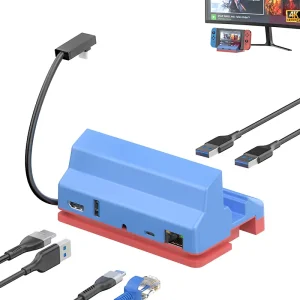
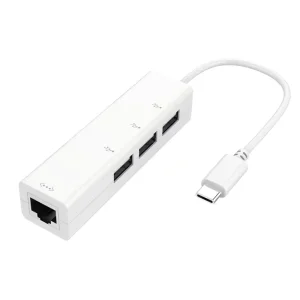
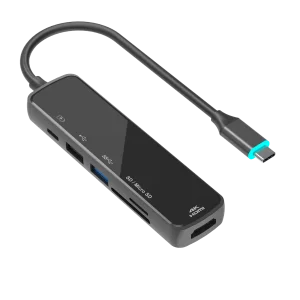
Founded in 1984 as Tonetron in Keelung, Taiwan, our organization established its manufacturing roots early in the high-frequency communications era. Recognizing the global demand for electronics assembly scale, we relocated in 1993 to a self-built independent production industrial park in Dalingshan Town, Dongguan City, China. Today, Dongguan Taitron Electronics Limited operates as a premier ODM and OEM manufacturer of advanced video, audio, and high-frequency data transmission lines.
For nearly four decades, Taitron has evolved alongside the computer interconnection standards. Our product catalog spans from the early RCA and analog audio systems to the latest cutting-edge interfaces, including HDMI 2.1, DisplayPort 2.0, USB-C 3.1 Gen2, and fully certified USB4 assemblies. By controlling the entire manufacturing loop, we ensure compliance, signaling stability, and cost-efficiency.
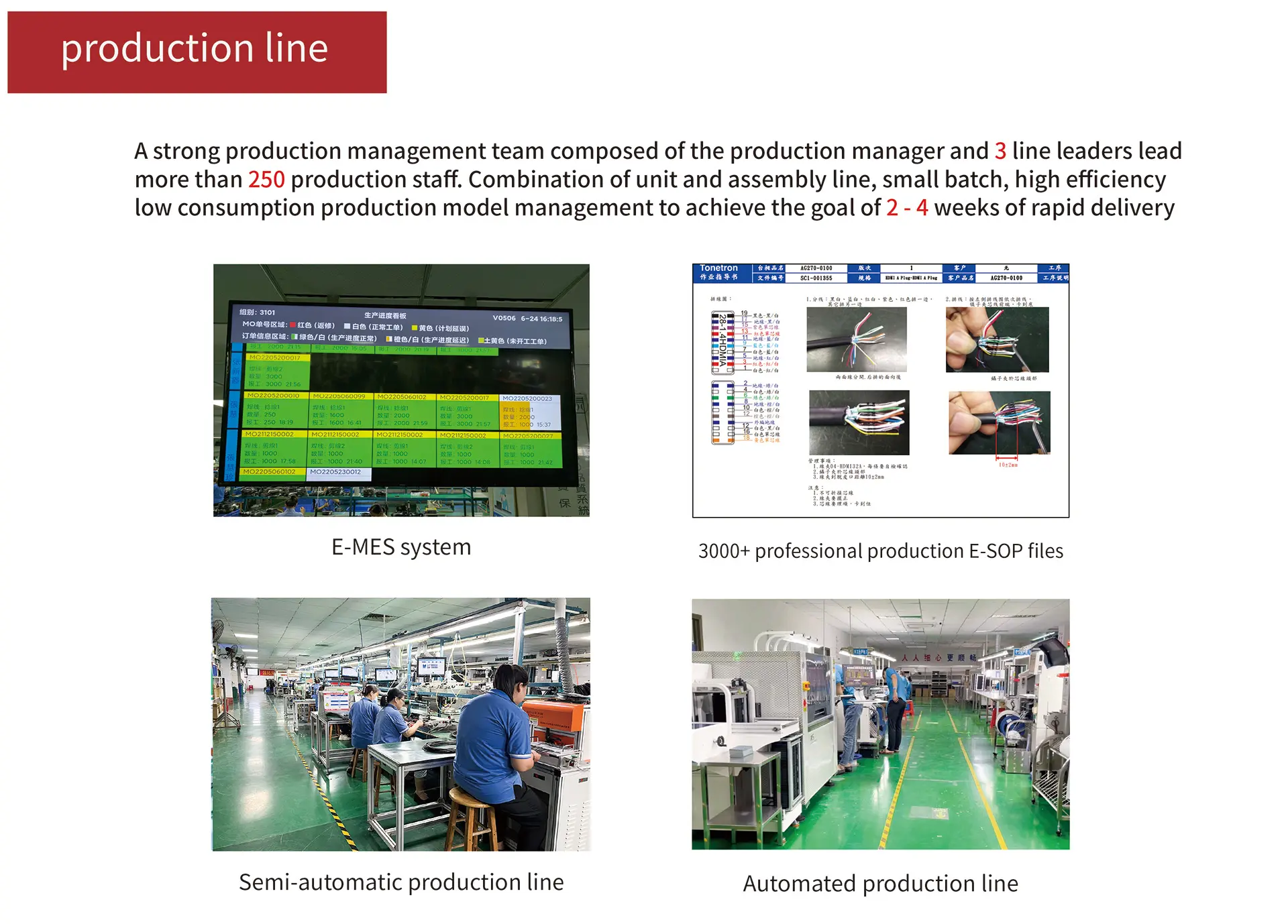
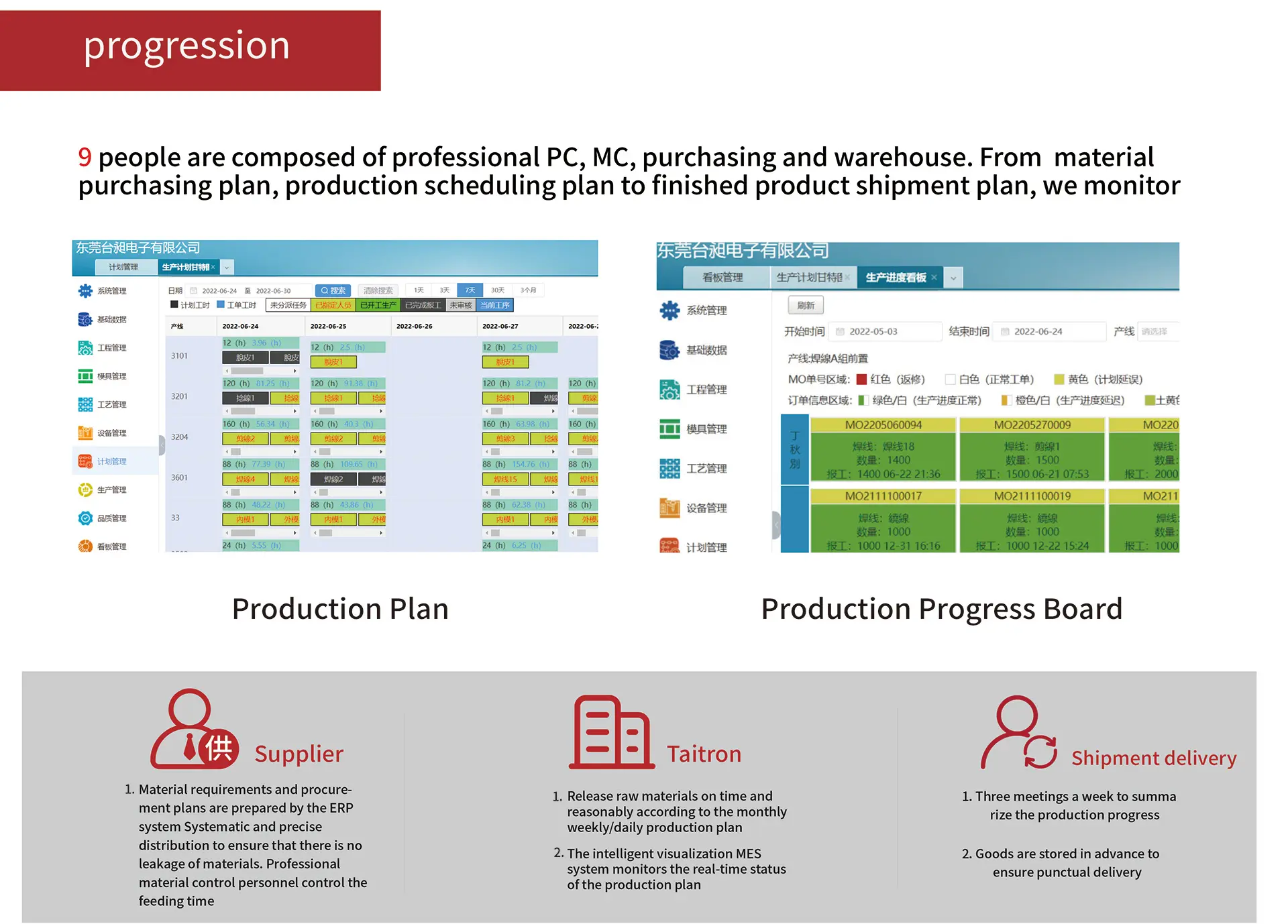
Our Dalingshan manufacturing campus features automated production systems, computer-controlled soldering arrays, and multi-stage testing setups. Ensuring physical layer integrity requires high-specification lab testing. Every batch of our USB4 and HDMI 2.1 components is subjected to strict signal testing:
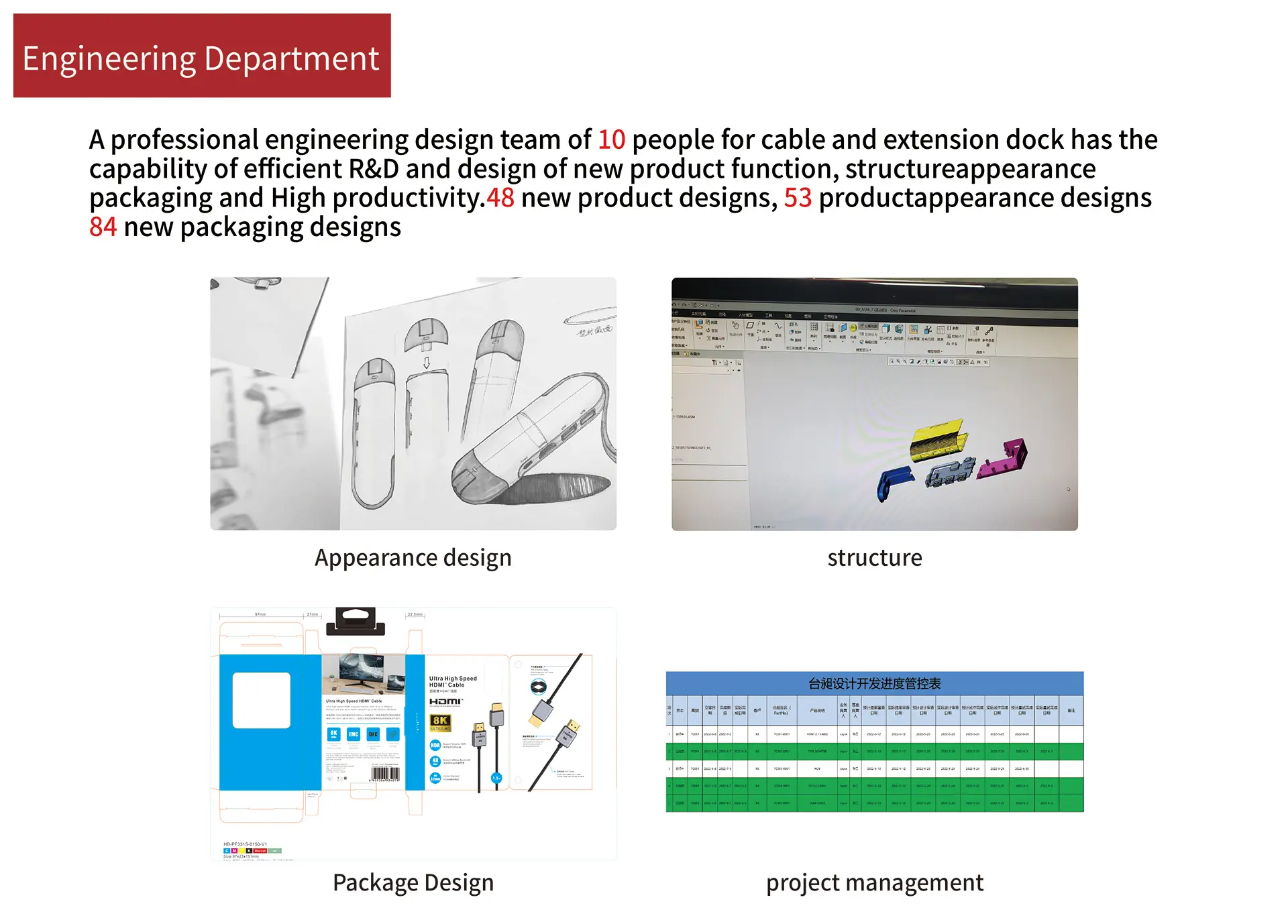


For Boston-based electronic system integrators and pharmaceutical labs, component compliance is non-negotiable. Sourcing high-frequency cabling from our Dongguan facilities ensures that every product has been designed to meet and exceed North American and European regulatory frameworks.
Ensuring raw cable insulation complies with strict flame-retardant parameters (VW-1 / FT1). Important for systems deployed within standard building plenums, medical carts, or industrial server racks in Massachusetts.
Our advanced shielding methods utilize a combination of braided aluminum-magnesium wires and double-sided conductive aluminum foil. This structure mitigates RFI/EMI, critical near medical imaging or communication rigs.
All compounds used in our outer jacketing (PVC, TPE, and braided nylons) are verified free of restricted hazardous substances, ensuring simple environmental auditing for academic or corporate supply chains.
Direct answers to structural engineering concerns regarding USB4 implementation and procurement cycles.
The following compliant audio, video, and data cables are manufactured within our Dongguan industrial park and are optimized for integration across medical, industrial, and consumer markets in the Boston area.
 Taichang Electronic