Select industrial-grade cables engineered for stable signal path routing and high-efficiency current delivery protocols.
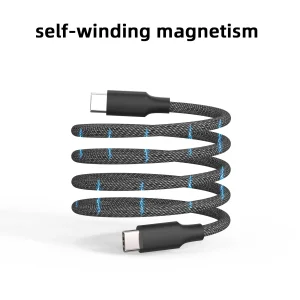
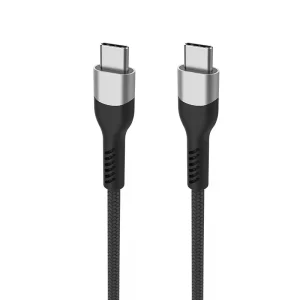
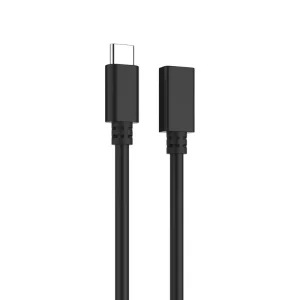
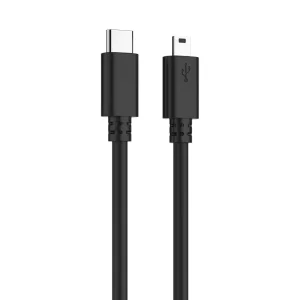
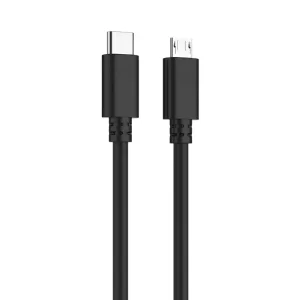
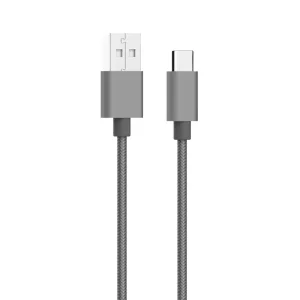
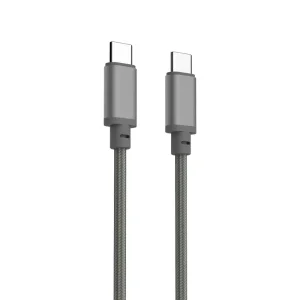
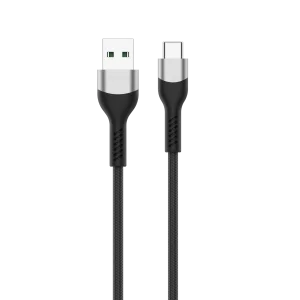
Founded in 1984 under the name Tonetron in Keelung, Taiwan, our organization emerged as an early pioneer in professional-grade audio and video connection interfaces. Catering to a rapidly expanding global electronics industry, our engineering teams set early standards in electromagnetic interference shielding and multi-conductor structural layouts.
By 1993, to accommodate exponential volume growth and expand our global supply-chain access, we relocated and established our independent production industrial complex in Dalingshan Town, Dongguan City, China. Relaunched as Dongguan Taitron Electronics Limited, the facility transitioned into a high-technology development hub. Today, we utilize modern automated termination machinery, state-of-the-art diagnostic laboratories, and strict quality control pipelines.
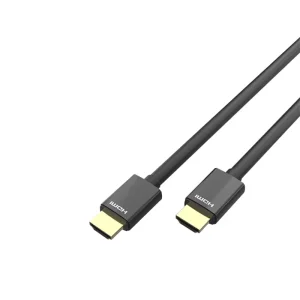
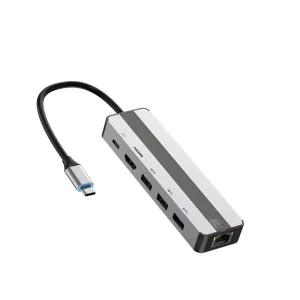
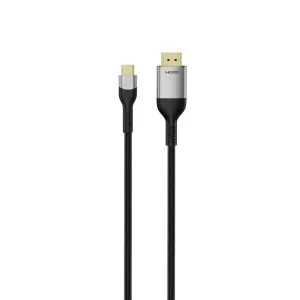
Over the past 38 years, our development strategy has evolved in lockstep with the consumer electronics industry. We have transitioned from standard audio connections to complex digital protocols, including HDMI 2.1 cable arrays, DP 2.0 adapters, USB4 transmission lines, high-bandwidth USB-C 3.1 Gen2 systems, high-power USB Power Delivery (PD) solutions, and multi-functional USB Type-C hubs. By retaining full engineering design controls, we offer comprehensive OEM and ODM support to enterprises worldwide.
"Our 38-year history in custom wire extrusion, multi-layer shielding design, and high-frequency parameter control enables us to deliver unmatched reliability for critical industrial and enterprise connections."
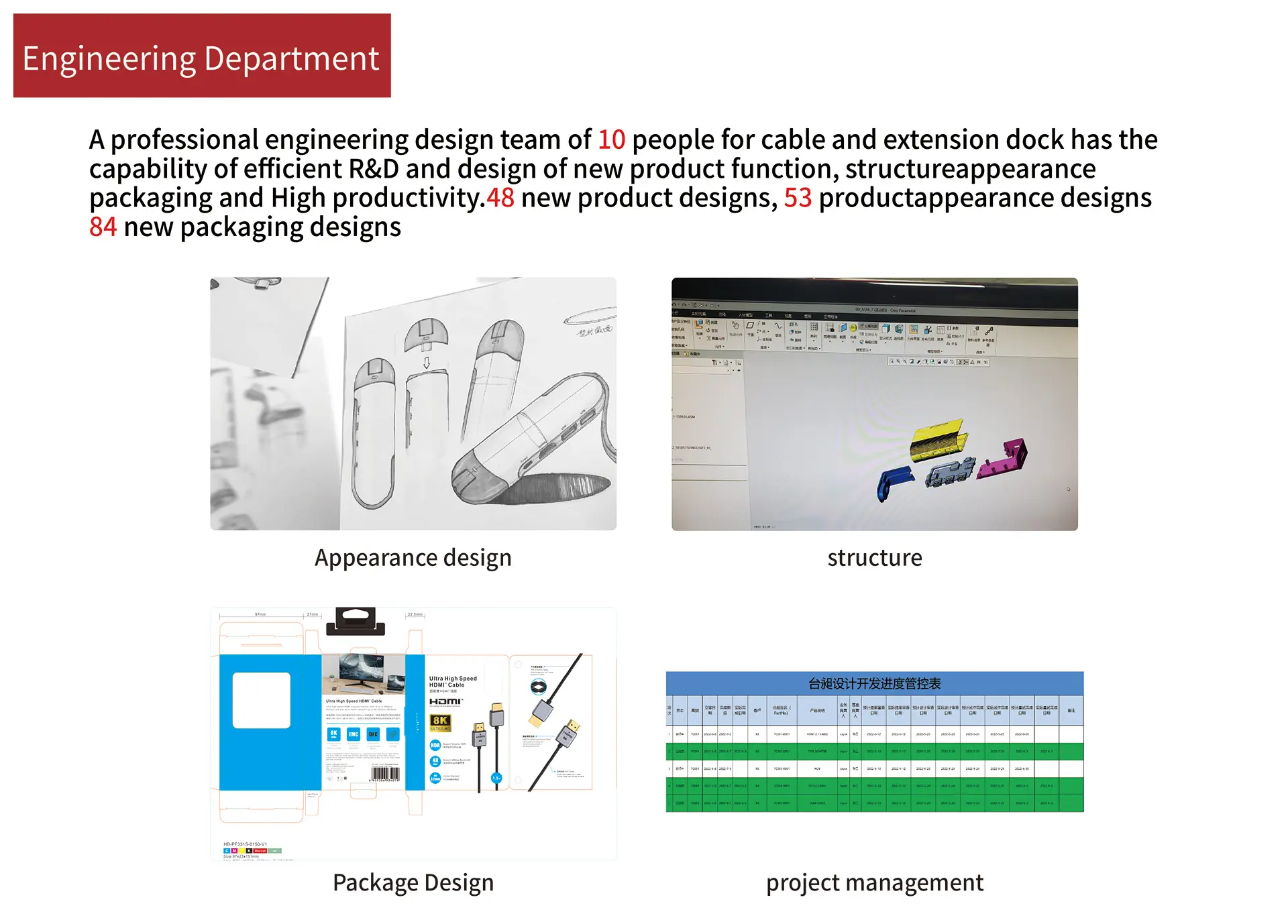
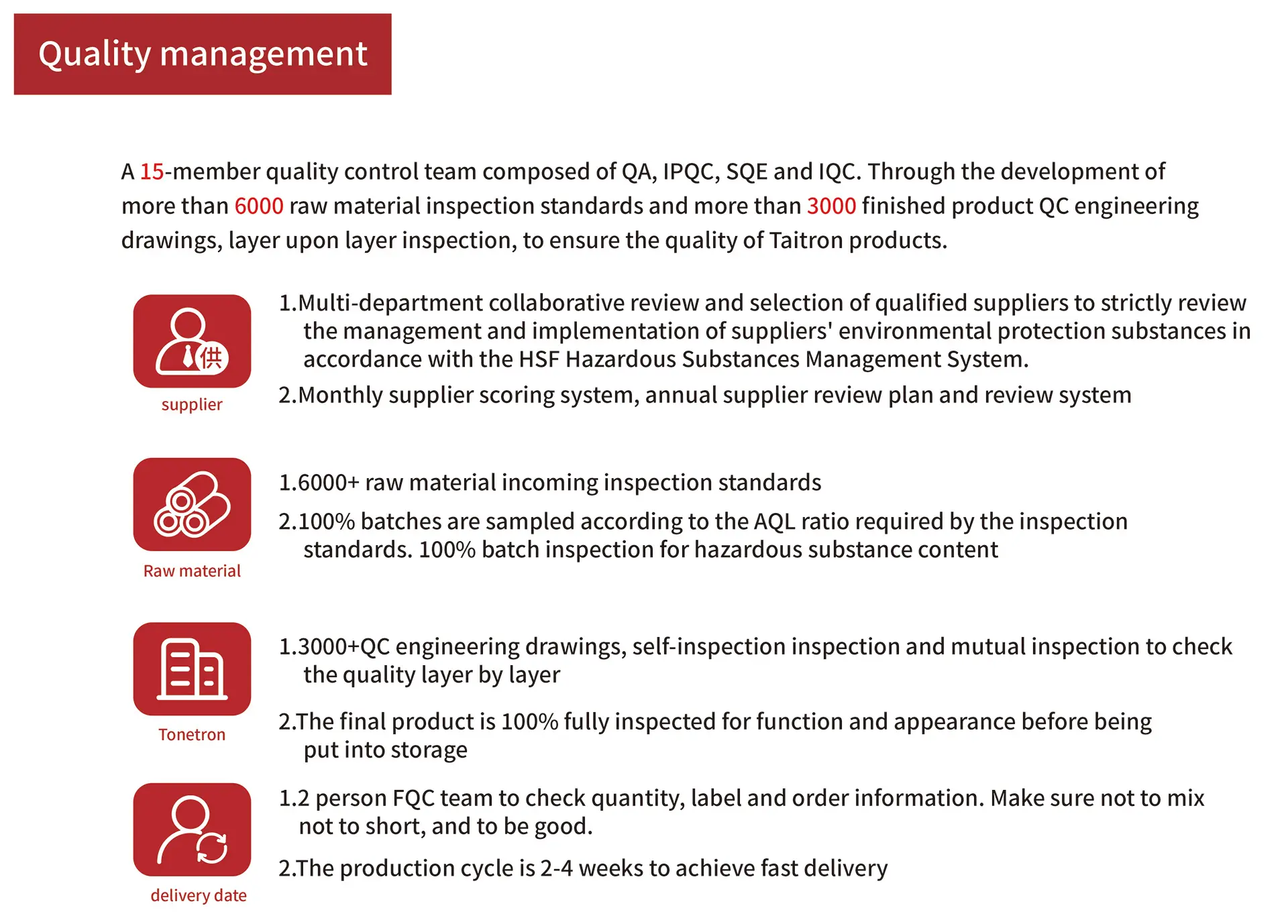

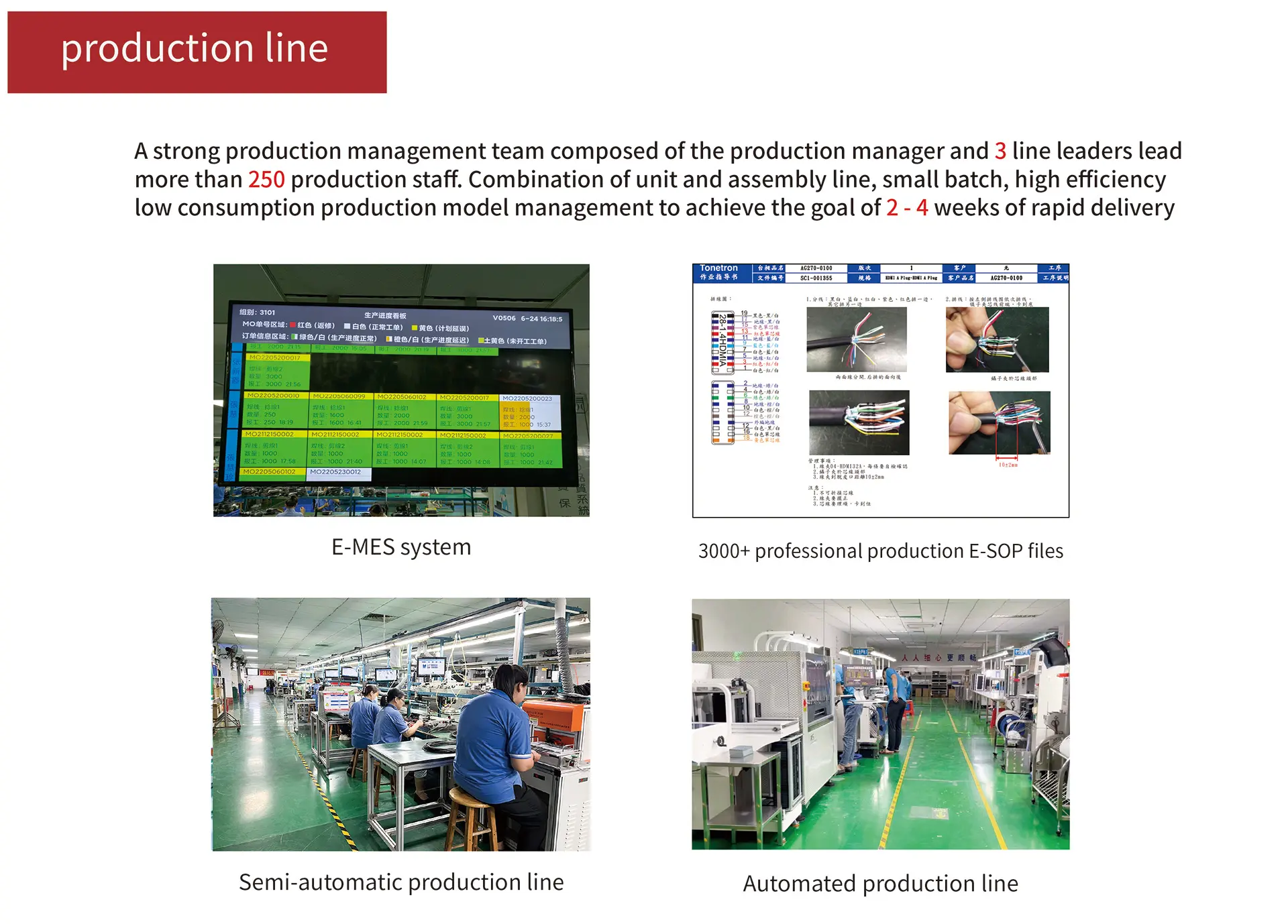
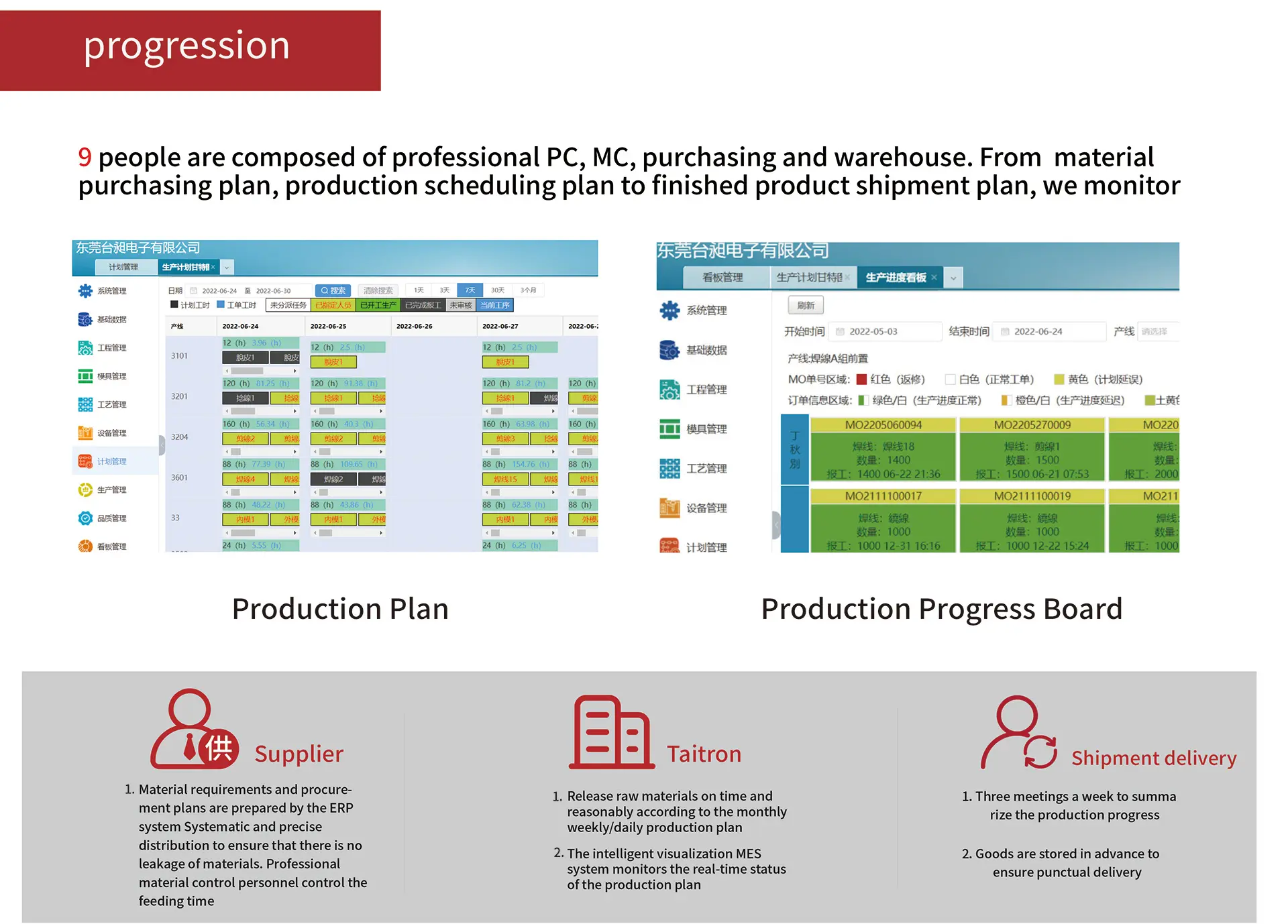
In a landscape dominated by multi-gigabit protocols like USB4 or Thunderbolt 4, procurement specialists and device engineers frequently run into a key question: Why specify USB 2.0 for modern B2B deployments? The choice relies on cost-benefit analysis and physical engineering trade-offs.
USB 2.0 operates at a base signaling rate of 480 Mbps, utilizing a simplified differential signaling architecture over a pair of wires (D+ and D-). Unlike USB 3.0 (which operates at 5Gbps+ and requires high-frequency twinaxial cabling and precise impedance balancing), USB 2.0 is highly resilient to electromagnetic interference (EMI). Its lower operating frequency means it is less susceptible to signal attenuation, allowing longer physical cable lengths without needing expensive active signal repeaters.
From a cost-efficiency perspective, manufacturing a USB 2.0 cable requires less shielding complexity and fewer internal conductors. If your product does not require high-speed data transfer—such as standard human interface devices (HIDs), POS printers, simple medical monitoring equipment, or low-voltage charging docks—specifying USB 2.0 reduces unit BOM cost by up to 60% compared to equivalent USB 3.2 Gen2 cables. Furthermore, it avoids the RF coupling issues that cause USB 3.0 devices to interfere with 2.4GHz Wi-Fi and Bluetooth signals.
Operating on a lower frequency range, USB 2.0 differential pairs avoid high-frequency crosstalk, making them ideal for noisy industrial environments.
By eliminating high-frequency shielding demands, B2B buyers optimize manufacturing budgets without compromising operational reliability.
Fully backwards-compatible with billions of legacy systems, eliminating driver issues and connection handshake faults in enterprise setups.
Across key industrial sectors, USB 2.0 architectures serve as critical pathways for data and power transmission. In Automotive & Connected Fleets, USB 2.0 is commonly used for in-cabin telematics, diagnostic modules, and interface ports for infotainment systems. Due to the high vibration and wide temperature swings typical of automotive environments, standard plastic-molded consumer cables are insufficient. Taitron addresses this by designing specialized strain reliefs, heavy-gauge interior wiring, and temperature-resistant external jackets to ensure steady communication under demanding conditions.
In Smart Medical Environments, diagnostic sensors, patient vitals monitoring equipment, and handheld testing wands require isolated power and signal lines. Taitron integrates high-grade medical PVC jackets and targeted shielding into its custom USB 2.0 lines to prevent electromagnetic leakage from compromising clinical readings. For Retail Automation and POS Terminals, our bulk braided cables are engineered to endure thousands of insertion cycles, keeping barcode scanners and receipt printers continuously active at checkouts.
Operating a global electronics business requires a balance of manufacturing capacity and agile supply chain logistics. At Dongguan Taitron Electronics, our proximity to transport hubs in Hong Kong, Shenzhen, and Guangzhou enables us to offer competitive lead times. We support global clients through flexible shipping methodologies, custom customs documentation support, and dedicated localized logistics consulting.
To mitigate risk in long-distance shipping, our quality assurance protocols extend to packaging design. We utilize anti-static shielding bags, custom moisture-barrier cartons, and impact-resistant sorting trays. These measures ensure that whether you are importing custom USB 2.0 magnetic cables to North America, bulk braided cables to Western Europe, or certified medical interface lines to East Asia, your products arrive undamaged and ready for integration into your manufacturing workflow.
While standard USB 2.0 remains a stable reference protocol, its integration with modern physical connections continues to evolve. Our current R&D focus is centered on combining USB 2.0's simple signaling structure with advanced physical form factors and high-wattage power capabilities.
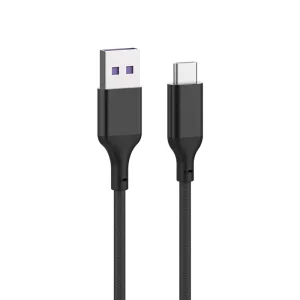
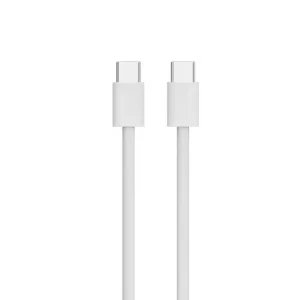
Developing specialized USB-C to USB-C 2.0 cables with embedded E-Marker chipsets. This allows full 240W EPR charging negotiation while utilizing lower-frequency USB 2.0 data paths, reducing cable costs.
Transitioning outer protective layers to halogen-free, bio-based thermoplastic elastomers (TPE) and recycled ocean polymers, meeting corporate sustainability goals without sacrificing durability.
Refining high-pull-force magnetic connection interfaces for medical cart mounts and industrial displays, preventing equipment damage from accidental cord snagging.
Key questions addressed by our engineering and product design teams.
Select high-performance adapters, chargers, and legacy connections built to Taitron's strict quality standards.
 Taichang Electronic