Engineered for high-frequency signal integrity, power delivery capability, and long-term durability in high-demand enterprise settings.
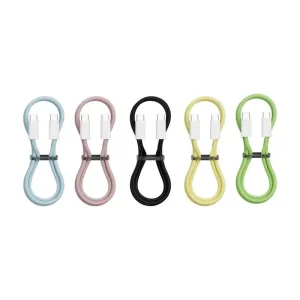
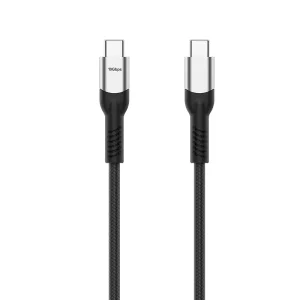
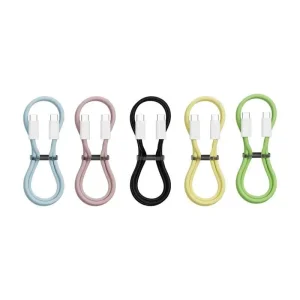
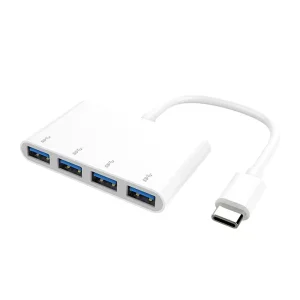
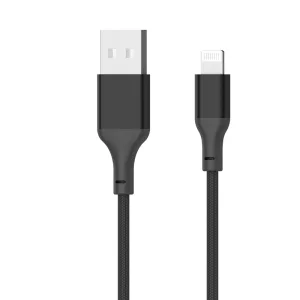
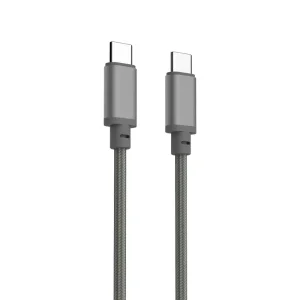
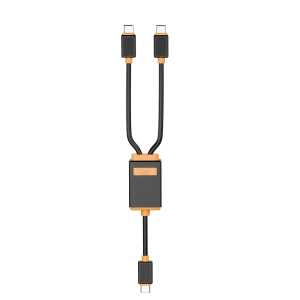
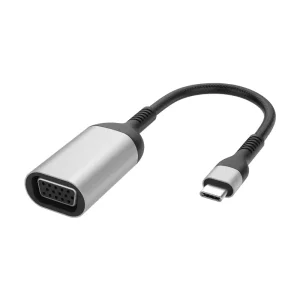
A comprehensive technical perspective on signal transmission dynamics, manufacturing variables, and system integration parameters.
In the current industrial connectivity ecosystem, the USB 3.1 standard (primarily categorized into USB 3.1 Gen 1 at 5Gbps and USB 3.1 Gen 2 at 10Gbps) serves as the primary backbone for high-frequency data applications, power distribution, and multi-protocol alternate modes. Designing and manufacturing cable assemblies that can reliably maintain these transmission rates over extended periods requires deep engineering expertise. Without strict material selection and design controls, high-speed differential signal lines are susceptible to significant attenuation, electromagnetic interference (EMI), and structural degradation.
As a leading developer in this field, Dongguan Taitron Electronics Limited draws on more than 38 years of experience to manage the physics of high-speed transmission. Our designs optimize insertion loss, minimize return loss, and control differential-to-common mode conversion. These factors are critical to preventing signal degradation in high-frequency environments, such as data centers and medical device setups.
Utilizing high-purity, oxygen-free copper (OFC) coaxial structures to secure stable SuperSpeed+ data pipelines, effectively eliminating frame drops in heavy real-time data streaming applications.
Integrated E-Marker chipsets with customized PCB assembly (PCBA) designs. This enables safe, regulated Power Delivery (PD 3.0 / PD 3.1) of up to 20V/5A without thermal buildup.
Our structures utilize heavy aluminum-mylar foils paired with tinned copper braiding (over 85% coverage). This combination provides superior protection against near-end crosstalk (NEXT) and EMI.
From Keelung to Dongguan: Decades of Interconnect Manufacture Expertise
Established in 1984 as Tonetron in Keelung, Taiwan, our organization has grown in step with the consumer electronics and data processing industries. Recognizing the need for scale and integrated manufacturing pipelines, we transitioned in 1993 to a self-built industrial park in Dalingshan Town, Dongguan City, China, operating under the name Dongguan Taitron Electronics Limited.
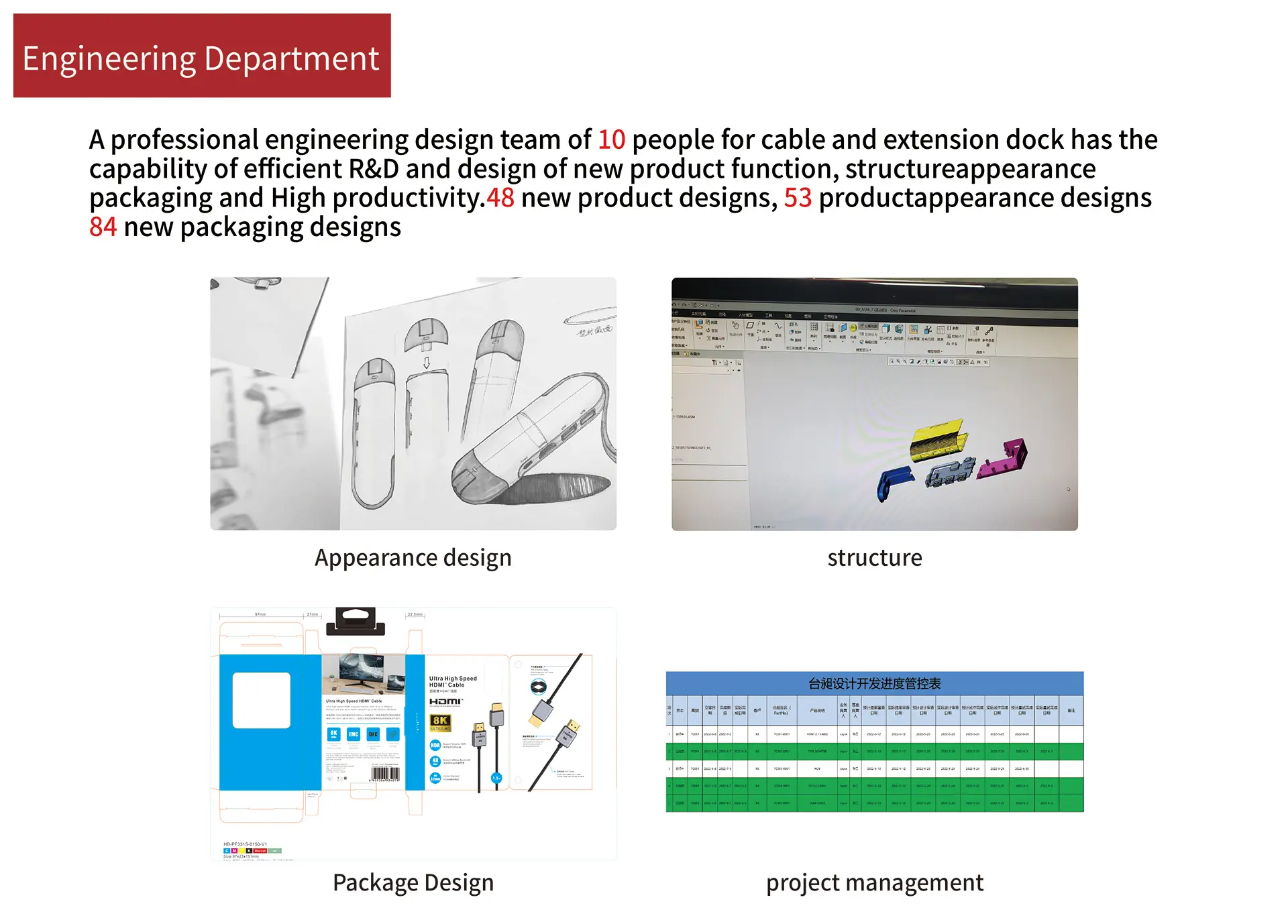
Over the past 38 years, our manufacturing focus has expanded from basic audio/video cables to complex high-frequency and high-power connections. Our current portfolio includes ultra-high-speed HDMI 2.1 cables, DisplayPort 2.0/2.1 configurations, USB4 data platforms, customized USB 3.1 Gen 2 Type-C solutions, and multi-port docking systems. Our centralized facility coordinates the entire process: initial CAD modeling, wire extrusion, internal PCBA layout design, automated soldering, molding, and multi-stage testing.

A granular look at performance metrics across USB-C standard revisions for engineering decisions.
When selecting USB 3.1 Gen 2 assemblies, procurement teams must carefully evaluate structural and material parameters. The table below details key performance benchmarks that differentiate standard commercial cables from industrial-grade connectivity systems.
| Feature / Metric | Standard USB 3.1 Gen 1 | Industrial USB 3.1 Gen 2 (Taitron Standard) | Advanced USB4 / Thunderbolt 3 |
|---|---|---|---|
| Target Bandwidth | 5 Gbps (SuperSpeed) | 10 Gbps (SuperSpeed+) | 20 Gbps to 40 Gbps |
| Typical Shielding Structure | Single Al-Mylar layer + braid | Dual Al-Mylar layer + >85% Tinned Copper Braid | Multi-shielded coaxial / twisted pairs |
| E-Marker Configuration | Optional (Required >3A) | Standard integrated E-Marker (100W PD compatible) | Mandatory integrated chipsets |
| Structural Life Cycles | ~3,000 cycles | ≥ 10,000 cycles (Reinforced SR strain relief) | ≥ 10,000 cycles |
| Signal Integrity / Eye Diagram | Basic testing profiles | Passed automated eye-pattern analysis (Keysight/Tektronix) | High-frequency network analysis |
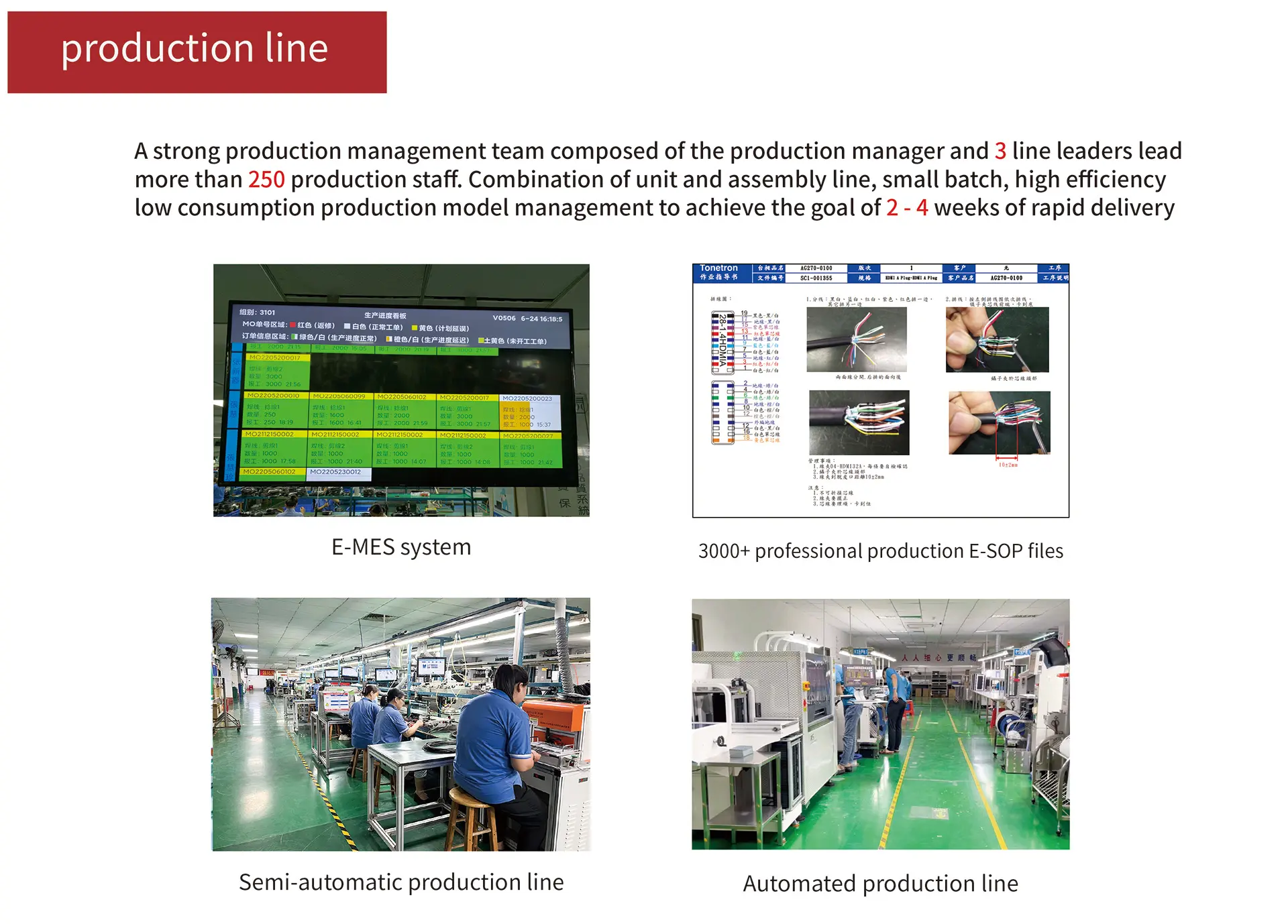
The signal paths in USB 3.1 Gen 2 10Gbps connections are highly sensitive to impedance mismatch. Even minor dimensional variations in the contact housing or variations in the dielectric constant of the wire insulation can cause signal reflections. These reflections lead to packet loss and force the link to renegotiate to lower speeds. To address this, Taitron's manufacturing processes utilize high-density polyethylene (HDPE) insulation, which features a highly uniform dielectric constant. Additionally, our automated laser-welding machines connect each core wire to the plug terminal contacts under precise optical monitoring, minimizing variance across production runs.
Why centralizing production in Dongguan optimizes costs, quality, and time-to-market.
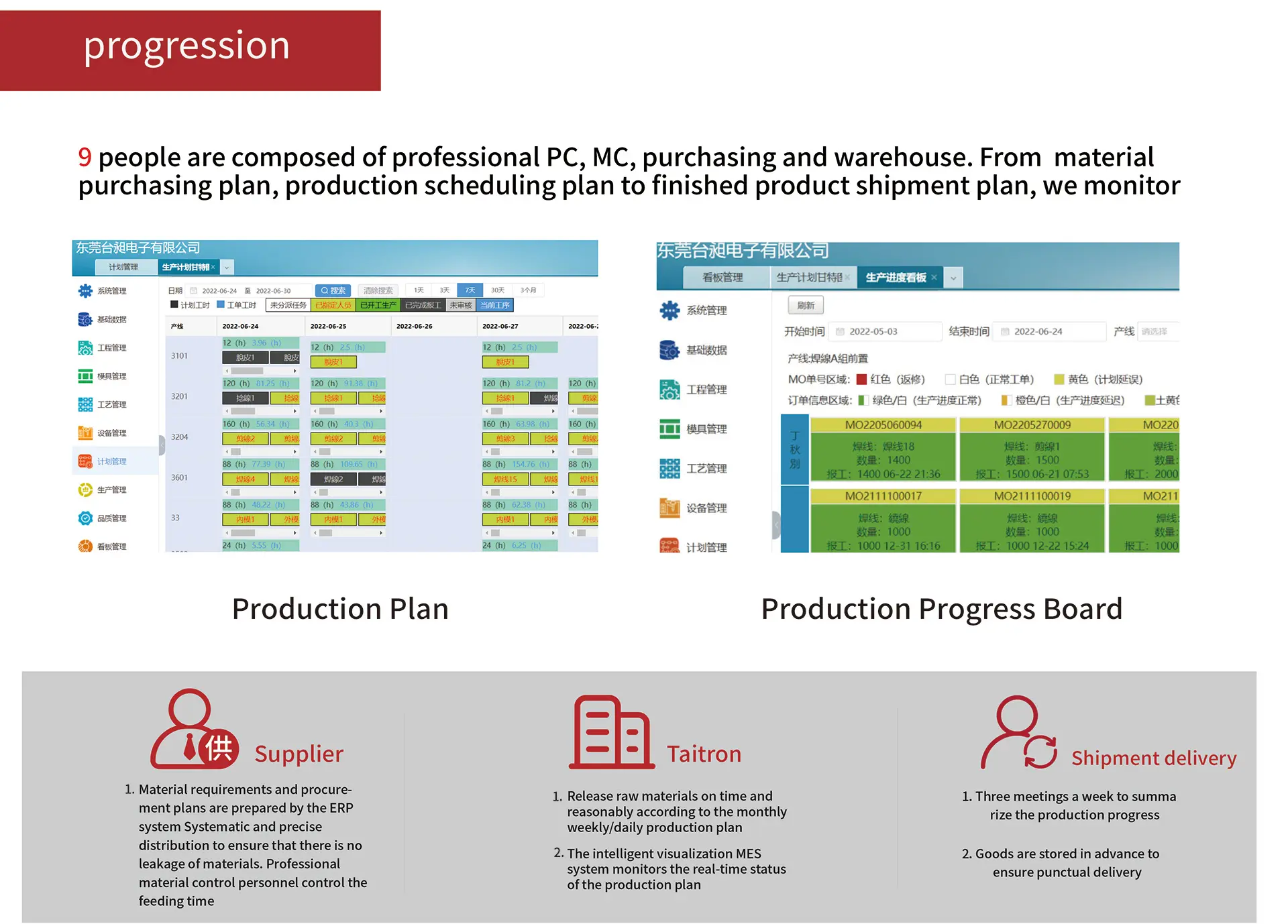
Locating our primary manufacturing facility in Dongguan, Guangdong Province, provides clear structural advantages for global procurement partners. Dongguan serves as a global electronics manufacturing hub, offering access to an complete ecosystem of raw material providers, precision tooling specialists, plating services, and testing facilities.
This localized cluster allows us to source high-grade PVC, halogen-free TPE, pure copper wire, and components within very short lead times. This reduces material transportation costs and minimizes the supply chain risks associated with fragmented production setups. In addition, our proximity to shipping ports in Shenzhen, Guangzhou, and Hong Kong ensures efficient, flexible transit options for container-load and air freight shipments worldwide.
For custom OEM/ODM development, this integration allows for faster prototyping cycles. Changes to mold designs, connector housings, or cable configurations can be executed, verified, and put into production much faster than in regions without a centralized supply chain. Our production lines combine automated assembly with manual quality checks, helping us maintain cost control while meeting international performance and environmental standards.
Ensuring global market access and long-term deployment reliability.
For enterprise-level deployments in medical, automotive, industrial automation, and corporate environments, safety and regulatory compliance are critical. Commercial cables that lack proper verification can cause system failures, violate safety codes, or create compliance risks in regulated markets.
At Dongguan Taitron Electronics, we maintain a comprehensive compliance program:
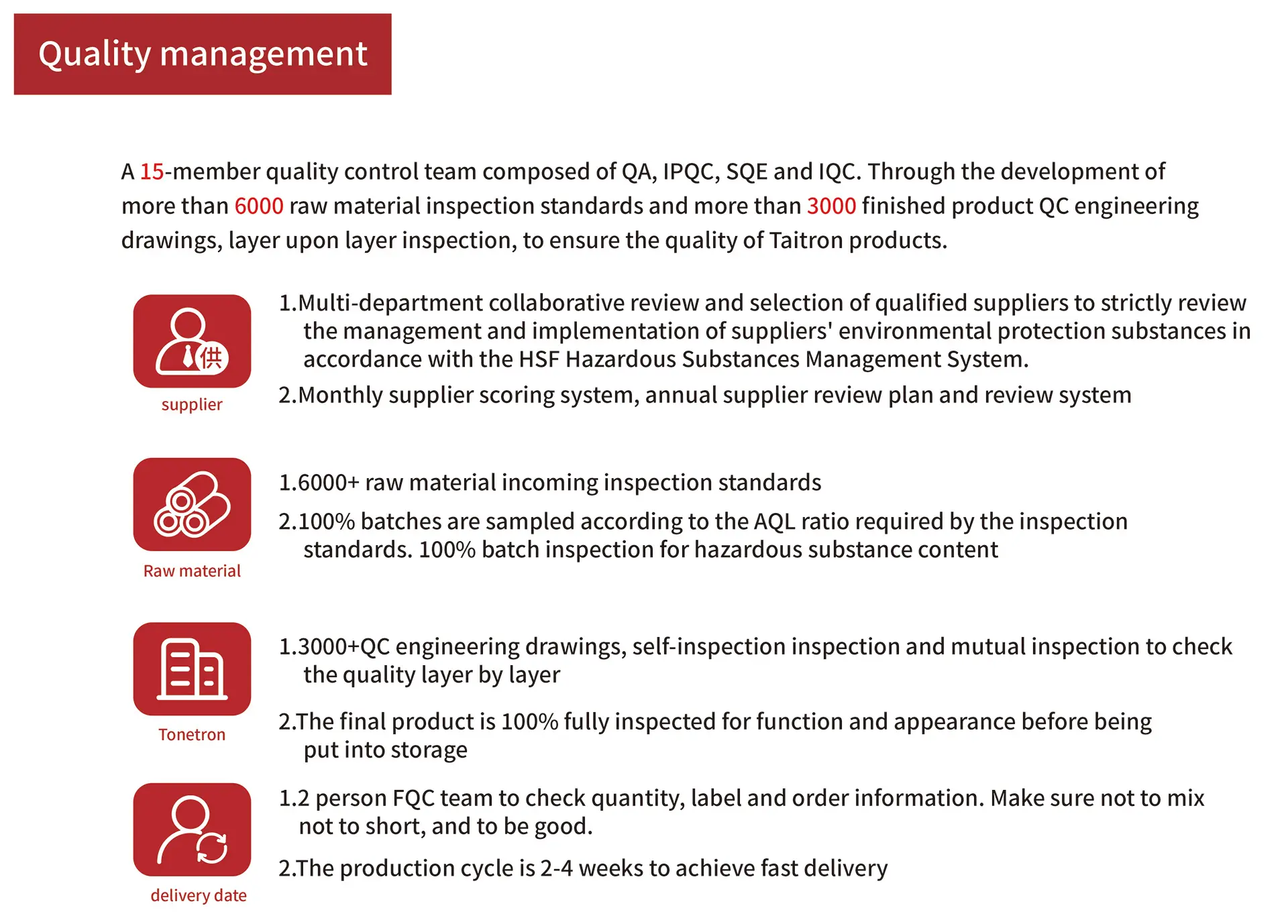
Every batch of our USB 3.1 Gen 2 100W PD cables is tested for contact resistance, insulation resistance, dielectric strength, and physical pull force. We also run them through continuous bending cycles to ensure they will perform reliably in challenging real-world environments.
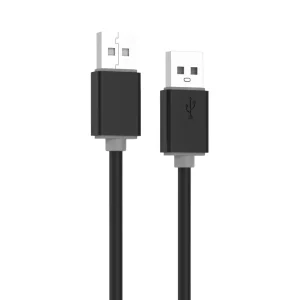
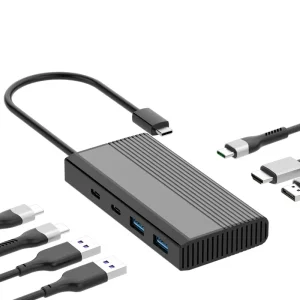
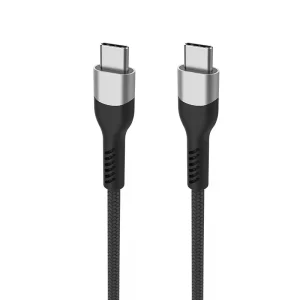
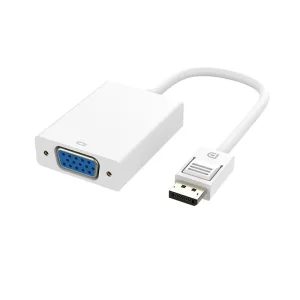
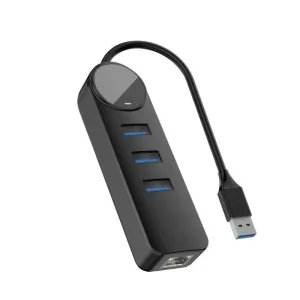
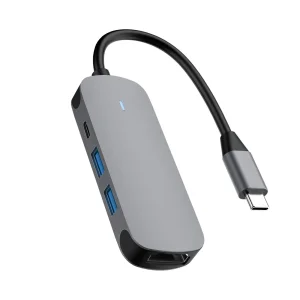
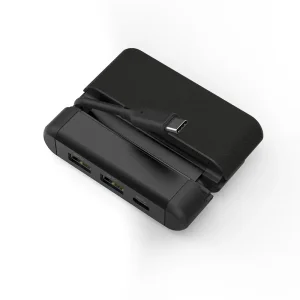
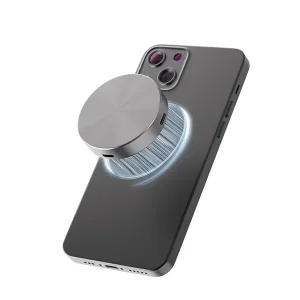
Supporting legacy and modern standards with robust connectivity converters, adapters, and hubs.
Understanding the impact of USB PD 3.1 Extended Power Range (EPR) and the shift toward optical hybrid designs.
The USB-IF roadmap continues to evolve, pushing the limits of power delivery and signal speeds. A key development is USB Power Delivery 3.1 EPR (Extended Power Range), which raises the maximum power capacity of USB-C cables from 100W up to 240W (48V at 5A). This allows a single USB-C cable to power demanding laptops, medical displays, and small-form-factor industrial PCs. Manufacturing these high-voltage cables requires redesigned safety systems. It requires higher creepage and clearance distances inside the connector assemblies, updated arc-suppression designs, and low-resistance contact materials to manage higher voltages safely.
At the same time, the transition toward USB4 and Thunderbolt 4 standards (using 40Gbps channels) has made signal loss over copper wires a key engineering challenge. For connections longer than two meters, copper is increasingly being replaced by active optical fiber hybrids (AOC). These hybrid cables combine fiber optics for high-speed data transmission with copper conductors for power delivery. This layout provides galvanic isolation, eliminates EM susceptibility, and maintains signal integrity over longer distances.
Addressing key engineering, procurement, and deployment questions for technical teams.
USB 3.1 Gen 1 supports transmission bandwidths up to 5 Gbps, which is equivalent to the older USB 3.0 standard. USB 3.1 Gen 2 doubles this rate to 10 Gbps (SuperSpeed+). This faster rate uses a more efficient 128b/132b encoding scheme, reducing protocol overhead compared to the 8b/10b encoding used in Gen 1. Taitron designs and manufactures assemblies optimized for Gen 2, ensuring signal stability at these higher frequencies.
An E-Marker (Electronically Marked Cable Assembly) is an integrated circuit embedded in the connector plug. It communicates the cable's current-carrying capabilities, voltage limits, and data protocols to the connected host and power supply. Under the USB-IF specification, any cable carrying currents greater than 3A (up to 5A / 100W or higher) must include an E-Marker to prevent overheating and ensure safe power delivery.
We use high-purity, oxygen-free copper (OFC) cores, multi-layer shielding (aluminum-mylar foil paired with dense tinned-copper braiding), and precise impedance control in our connector assembly. Our production process includes automated welding and rigorous testing on high-frequency network analyzers. This ensures our cables maintain signal integrity and remain resistant to external electromagnetic interference (EMI) in demanding industrial settings.
Standard OEM modifications (such as custom lengths, outer jacket colors, or packaging) typically have a lead time of 3 to 4 weeks. Custom ODM developments requiring new tooling, custom connector wiring, or specialized PCBA layouts generally take 6 to 8 weeks, including prototyping, testing, and production setup. Our engineering team in Dongguan supports clients through the entire design and validation cycle.
We maintain strict control over our material supply chain. All raw plastics, metals, and solders used in our facilities are tested for compliance with RoHS and REACH regulations. We also offer halogen-free TPE jacket options for projects requiring low-smoke zero-halogen (LSZH) materials, ensuring compliance with strict environmental standards in the EU, North America, and other international markets.
 Taichang Electronic