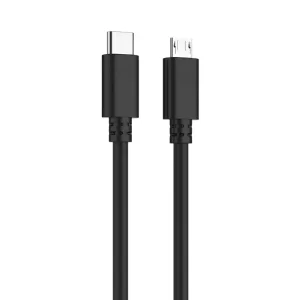
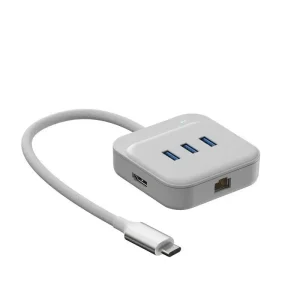
Explore our top-tier active adapters, ultra-high-speed cables, and multi-functional docking stations built for next-generation computing and professional display environments.
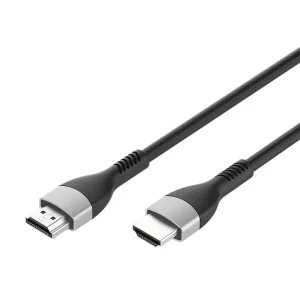
In an era of hardware convergence where data, power, and ultra-high-definition audio-visual signals travel along a single channel, the engineering demands placed on DisplayPort (DP) Connectors have risen exponentially.
Standard connectivity is no longer sufficient. Modern display frameworks require DP connectors capable of handling high bandwidth, resisting electromagnetic interference (EMI), and ensuring high mechanical durability. As we transition from standard DP 1.4 specifications to the high-bandwidth requirements of DisplayPort 2.0 and 2.1, signal attenuation must be tightly controlled.
Dongguan Taitron Electronics Limited leads this technological shift. By pairing structural engineering with advanced material science, we build interconnects that deliver low insertion loss, minimum crosstalk, and reliable performance across industrial, commercial, and gaming setups.
Supports Ultra High Bit Rate (UHBR 10, 13.5, and 20) transmission protocols, unlocking data rates up to 80Gbps to drive raw 16K outputs.
Incorporates multi-layered aluminum-mylar shielding alongside high-density tinned copper braiding to eliminate RF and electromagnetic interference.
Understanding the engineering details that separate legacy interface specs from high-speed DisplayPort standards.
| Interface Standard | Max Bandwidth | Resolution Support (Uncompressed) | Key Applications | Shielding Requirements |
|---|---|---|---|---|
| DisplayPort 1.4a | 32.4 Gbps (HBR3) | 8K @ 30Hz / 4K @ 120Hz | Commercial Monitors, Gaming PCs | Standard Dual-Layer Shielding |
| DisplayPort 2.0 / 2.1 | 80.0 Gbps (UHBR20) | 16K @ 60Hz / Dual 8K @ 120Hz | Professional Workstations, VR Headsets | Advanced 360-degree Metal Shell Shielding |
| HDMI 2.1 | 48.0 Gbps (FRL) | 8K @ 60Hz / 4K @ 120Hz | Consumer TVs, AV Receivers, Consoles | Standard High-Density Braiding |
| USB4 (Alt Mode) | 80.0 Gbps (Asymmetric) | Up to 16K with DSC 1.2a | Compact Laptops, Multi-port Hubs | Coaxial / Twisted Pair Assembly |
A heritage of manufacturing precision high-frequency connections since 1984.
Founded in 1984 in Keelung, Taiwan under the name Tonetron, our business was built on high-precision manufacturing of professional audio and video peripheral equipment. Recognizing China's growing role in the global electronics supply chain, we relocated in 1993 to a self-built independent production industrial park in Dalingshan Town, Dongguan City, China, renaming our enterprise to Dongguan Taitron Electronics Limited.
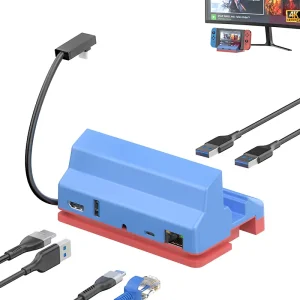
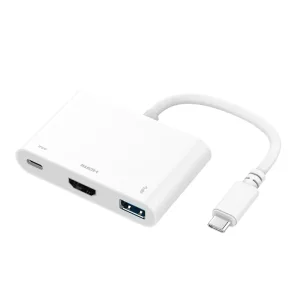
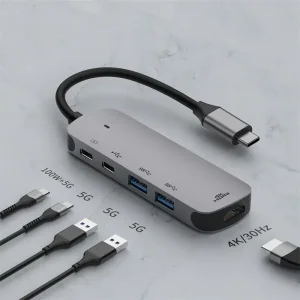
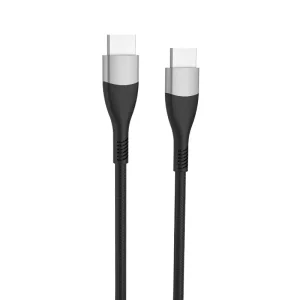
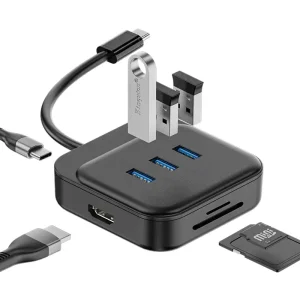
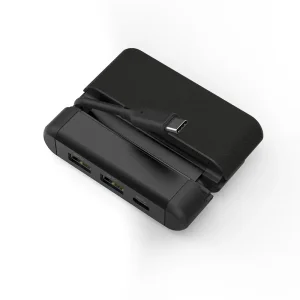
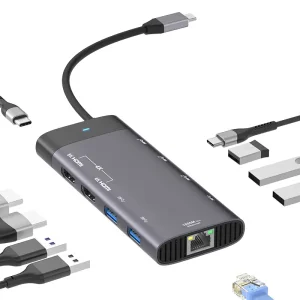
Over the last 38 years, we have transitioned from standard analog cables to high-end digital audio-visual and high-speed data interconnects. Our modern portfolio features high-frequency data lines, including HDMI 2.1 cables, DP 2.0/2.1 cables, USB4 data lines, USB-C 3.1 Gen 2 assemblies, high-power USB-C PD 100W/240W charging lines, 8K ultra-HD conversion cables, and multi-functional Type-C docking stations.
Equipped with advanced production machinery, automatic soldering systems, and precision high-frequency testing equipment (such as network analyzers), we ensure that every cable leaving our production line delivers reliable performance and strict compliance with global standards.
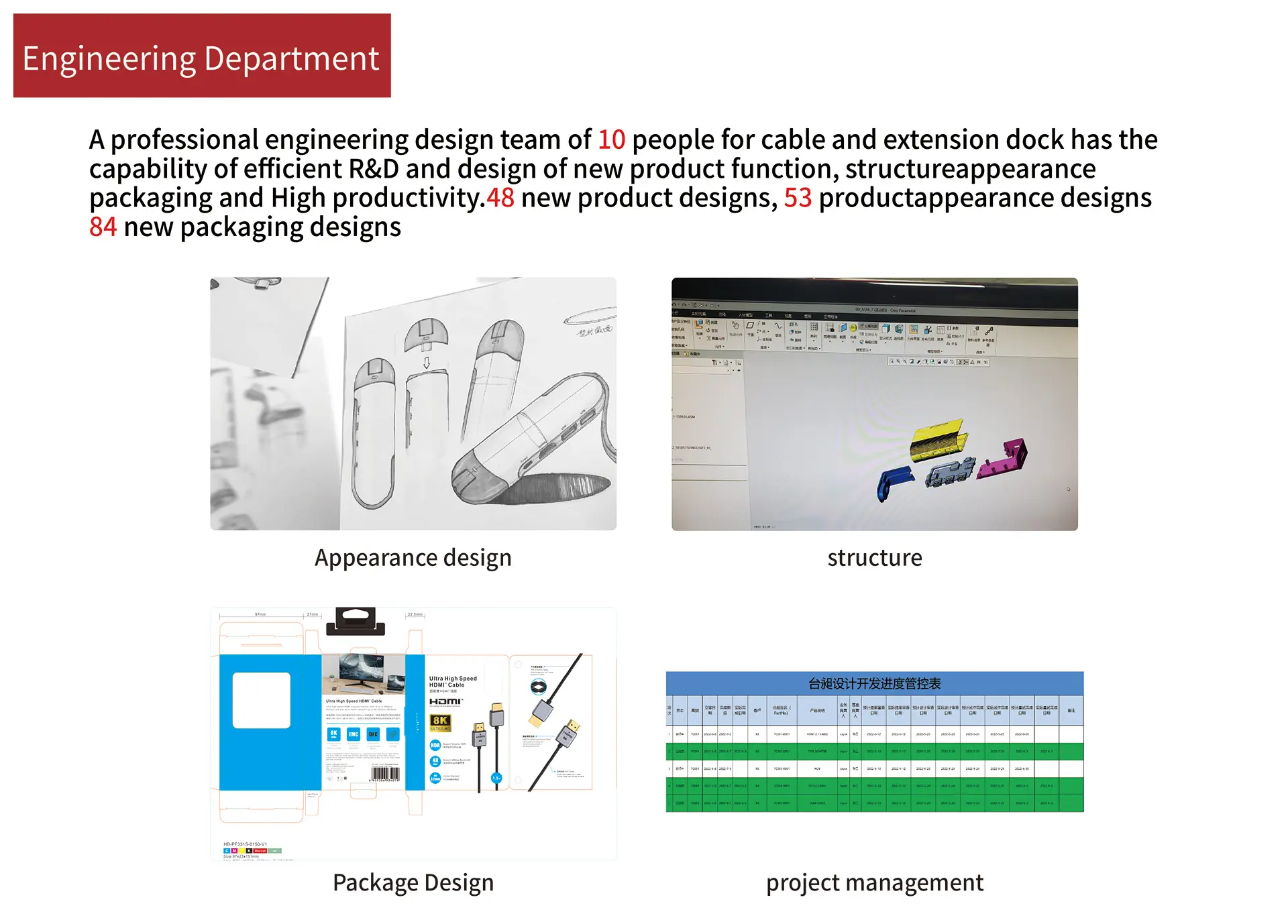
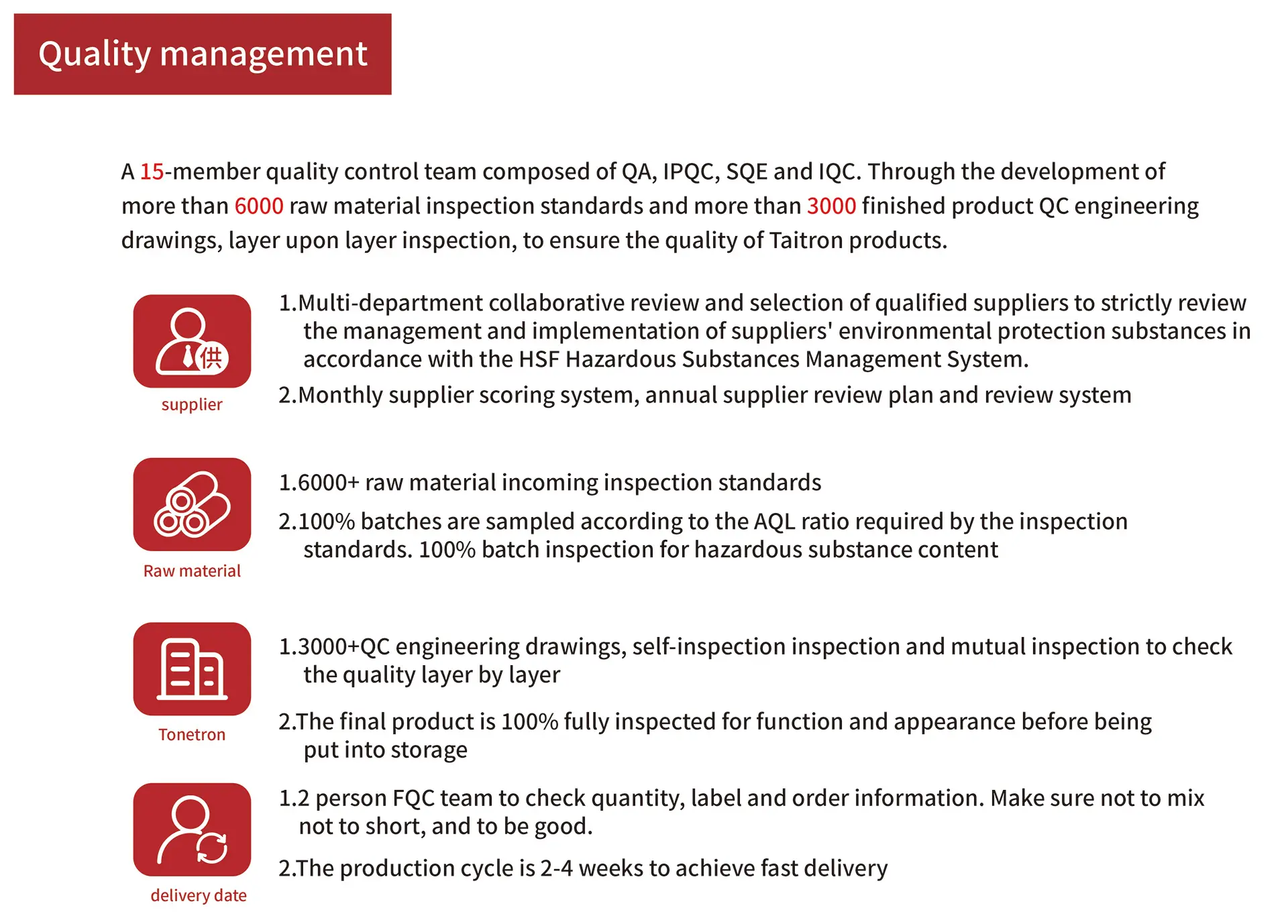

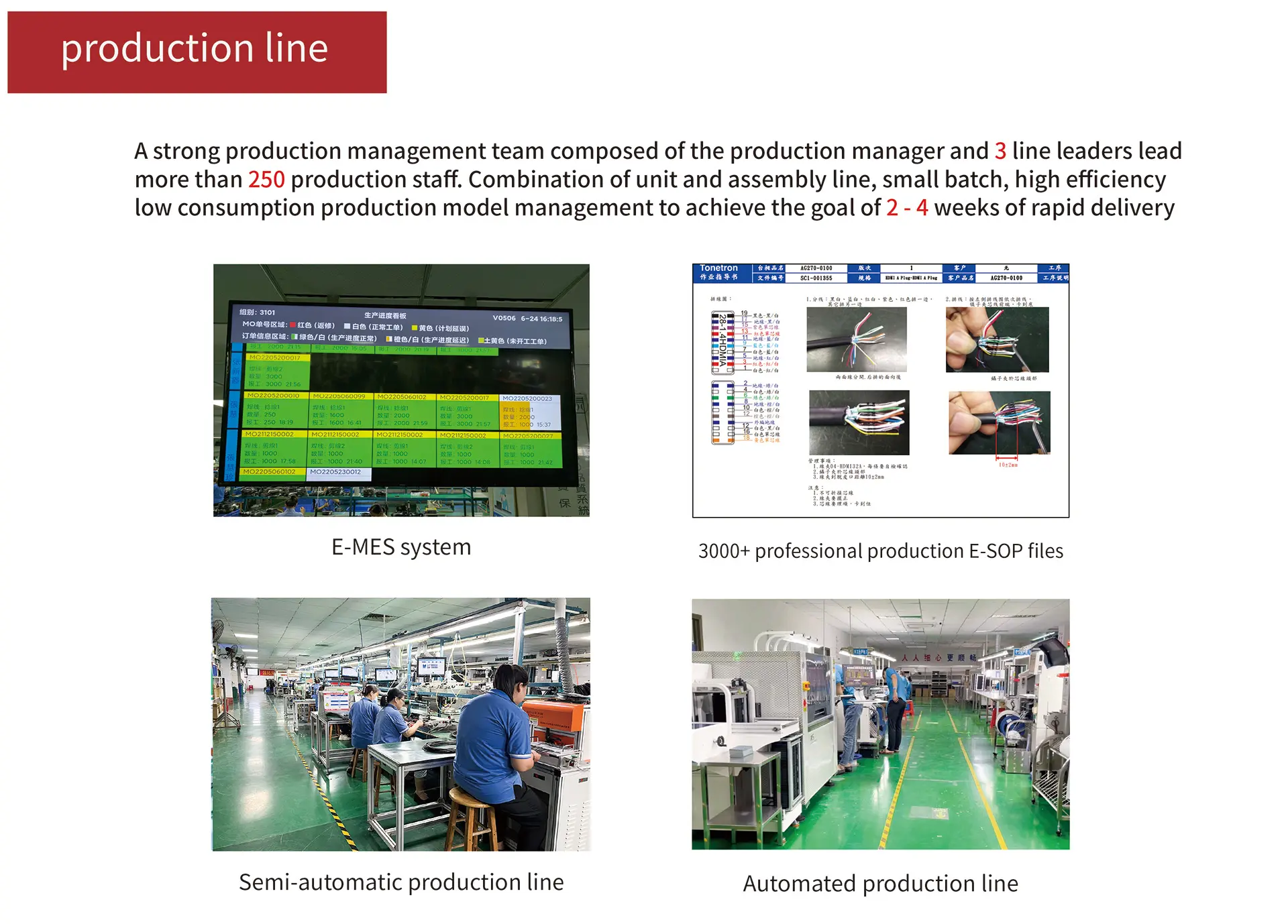
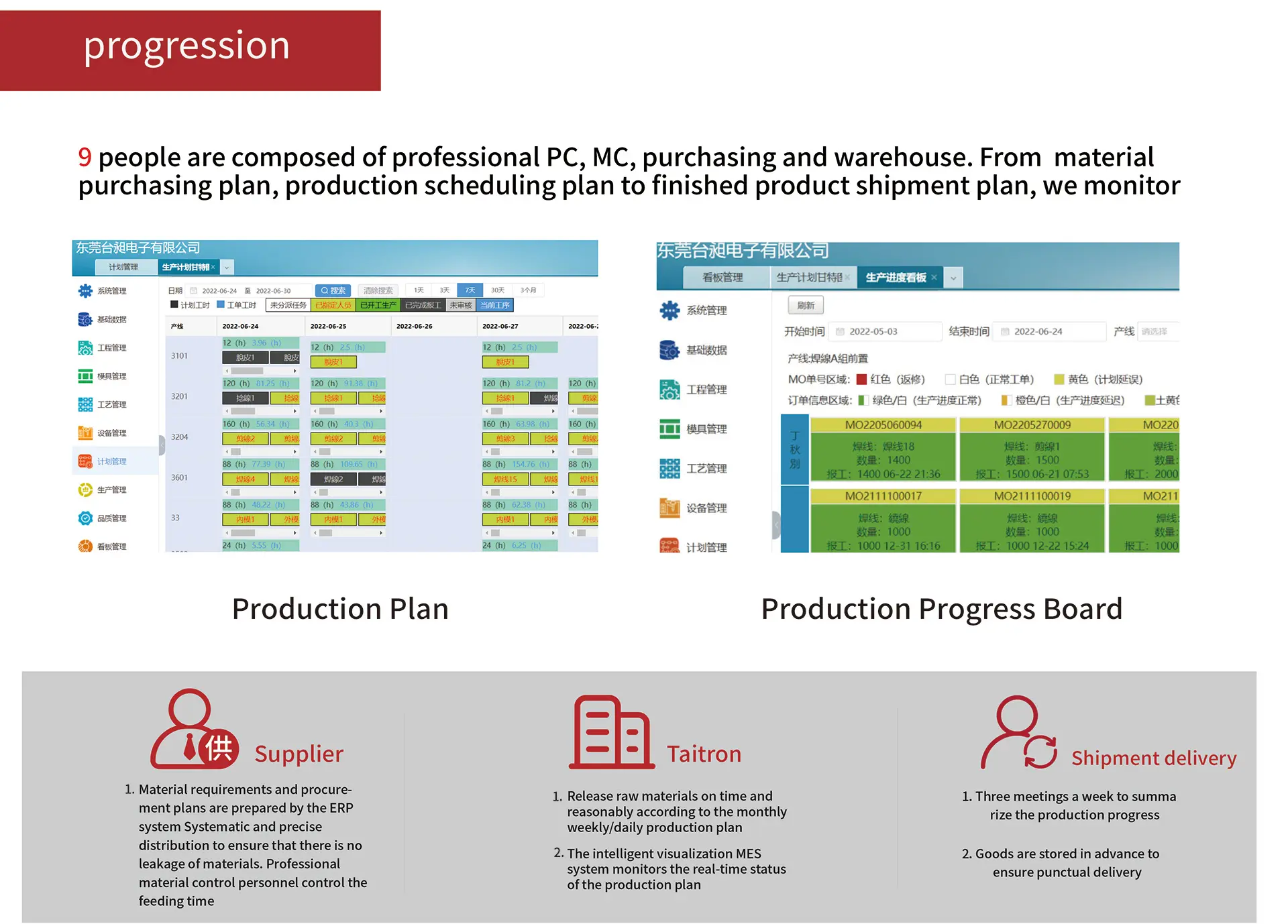
Why Tier-1 OEMs and system integrators trust Dongguan Taitron for long-term project lifecycles.
Located in Dalingshan Town, Dongguan, we sit in the heart of China’s precision electronics ecosystem. From drawing raw copper to molding custom connectors and executing high-frequency tests, our localized vertical integration minimizes lead times and insulates against global supply chain disruptions.
We provide full-service customization. We modify shell shapes, configure PCBA layouts for active adapters, implement targeted shielding, and design custom cable lengths to meet your exact specifications for kiosk displays, medical terminals, and embedded industrial computers.
All manufacturing processes are ISO 9001 and ISO 14001 certified. Our premium products carry CE, FCC, RoHS, and REACH markings, making them ready for import into the most strictly regulated markets across North America, Europe, and Asia-Pacific.
In high-resolution imaging, server rooms, and advanced control centers, signal degradation can cause screen flickering, latency, or total transmission failure. Achieving a clean data stream over copper at 80Gbps requires managing the physical layer of the connector. At Taitron, we optimize the contact design and impedance matching of our DisplayPort lines to minimize return loss and crosstalk.
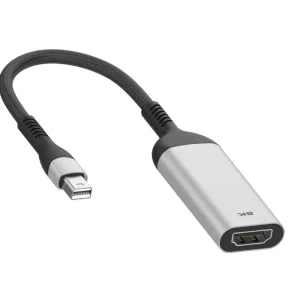
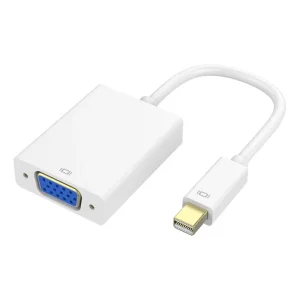
By using 30μ" gold-plated contacts, we protect against oxidation over years of mating cycles. The internal PCBA in our active converters (such as our Mini DisplayPort to HDMI 8K adapters) features high-grade components that handle signal level shifting without generating excessive heat, ensuring stable performance in 24/7 commercial installations.
As industrial systems shift toward smart manufacturing, high-resolution cameras and displays are increasingly integrated directly into factory floors. These systems require high mechanical durability to withstand constant vibration, mechanical stress, and temperature changes. Our robust connector designs, equipped with lockable latch mechanisms, prevent accidental disconnects in busy industrial environments.
Additionally, our research division works closely with medical imaging developers. Medical diagnostic displays require pixel-perfect clarity without compression artifacts. Our DisplayPort 2.1 cable solutions deliver the bandwidth needed to transmit uncompressed high-bit-depth images directly from sensors to high-resolution monitors, helping operators maintain accuracy when it matters most.
Technical answers to common questions about DisplayPort standards, integration, and manufacturing specifications.
Complete your deployment with our commercial-grade audio-visual adapters, legacy converters, and high-density multi-port expansion hubs.
 Taichang Electronic