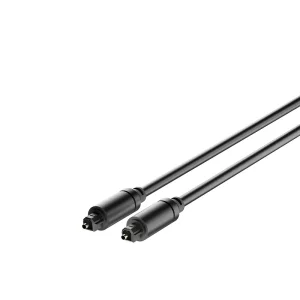
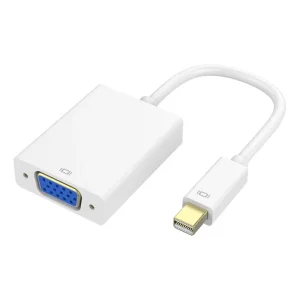
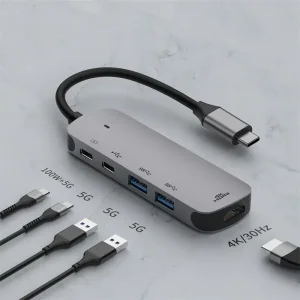
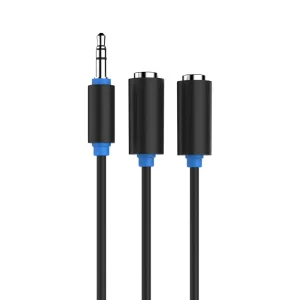
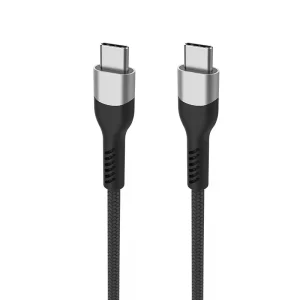
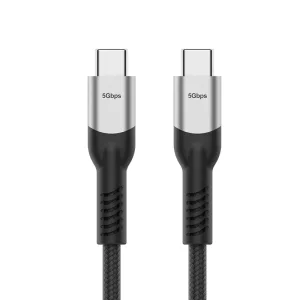
Engineered for absolute performance, high-speed data integrity, and strict adherence to global compliance standards. Explore our high-grade adapter and cable solutions.
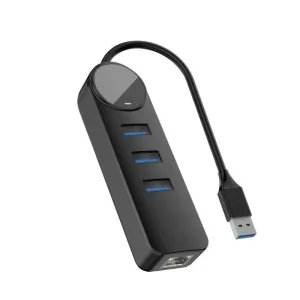
Over 38 Years of Audio & Video Connectivity Excellence
In 1984, Dongguan Taitron Electronics Limited., formerly known as Tonetron, was founded in Keelung, Taiwan. Driven by a passion for structural fidelity and signal performance, the firm steadily consolidated its position in the electrical engineering industry. In 1993, to accommodate exponential demand and scale production, we moved to our self-built independent production industrial park in Dalingshan Town, Dongguan City, China, under the name Dongguan Taitron Electronics Limited.
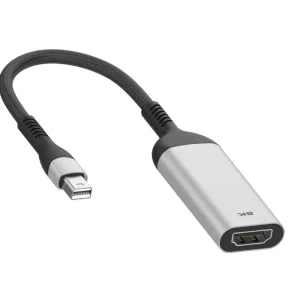
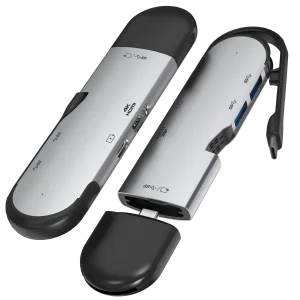
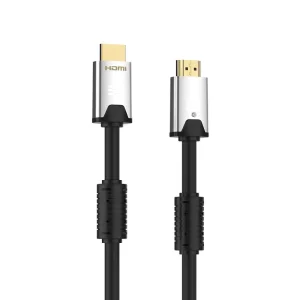
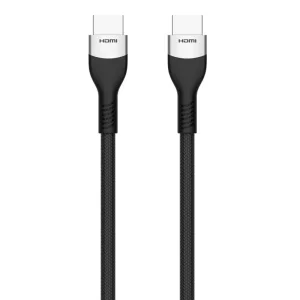
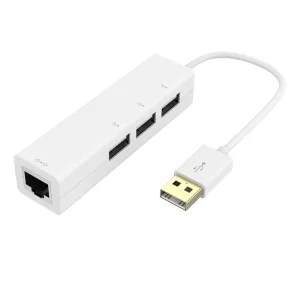
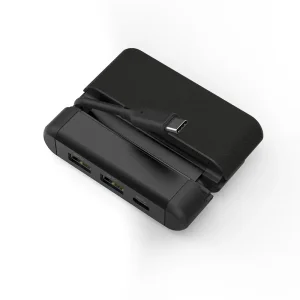
Leveraging nearly four decades of expertise, our foundations in professional video and audio peripheral equipment connection line manufacturing have evolved. Today, we specialize in high-end data transmission media, including HDMI 2.1 cables, DisplayPort (DP) 2.0 / 2.1 cables, USB4 data lines, high-power Power Delivery (PD) USB charging architectures, 8K ultra-HD conversion modules, and multifunctional Type-C docking stations.

High-bandwidth AV pathways are critical components in modern digital systems. Let's analyze how DisplayPort systems power modern commercial industries globally.
High-frequency trading environments, command hubs, and traffic operations centers rely on native DisplayPort-to-DisplayPort pathways. By avoiding active signal transduction bottlenecks, operators run multi-monitor matrix displays with zero latency and high visual acuity.
Diagnostic displays, MRI projection units, and laparoscopic systems require precise color rendering and high resolution. Under-shielded cables risk diagnostic errors, which makes high-spec DP connectivity crucial for patient-care environments.
Product engineering desks and automotive designers use high-refresh-rate displays running complex 3D renders. Stable DisplayPort networks support sustained pixel-clock speeds without screen flickering, blackouts, or packet loss.
From VESA 1.4 HBR3 specifications to the latest high-bandwidth DisplayPort 2.1 (UHBR) protocols, our research division keeps you ahead of the digital curve.
DisplayPort protocol development has evolved to meet the demands of higher resolutions, faster refresh rates, and greater color depth. Modern graphics systems require robust physical layers (PHY) to transmit large amounts of data without degradation.
| Standard Version | Max Bandwidth | Max Resolution (Uncompressed) | Key Features Introduced |
|---|---|---|---|
| DisplayPort 1.2 | 21.6 Gbps | 4K @ 60Hz | Multi-Stream Transport (MST), Adaptive Sync |
| DisplayPort 1.4a | 32.4 Gbps | 8K @ 30Hz / 4K @ 120Hz | Display Stream Compression (DSC 1.2a), HDR10 Support |
| DisplayPort 2.0 / 2.1 | 80.0 Gbps (UHBR20) | 10K @ 60Hz / Dual 8K @ 120Hz | Ultra-High Bit Rate (UHBR 10/13.5/20), Improved USB-C Alt Mode integration |
At high frequencies, electrical resistance and electromagnetic interference (EMI) increase. To combat this, our cables use a multi-layer shielding architecture:
For deployments under 3 meters (10 feet), passive copper designs provide clean transmission at high bandwidth. However, runs over 5 meters face signal degradation due to insertion loss.
To solve this, our product lineup includes Active Copper Cables (ACC) and Active Optical Cables (AOC). These designs convert electrical signals to optical pulses, ensuring clean transmissions over long distances without needing external repeaters.
We serve as a reliable partner for companies needing bespoke hardware configurations. We customize our designs to meet your specific electrical and mechanical requirements.
We support custom modifications, including changes to jacket materials (TPE, Nylon braid, Halogen-Free), connector designs (right-angle, locking, low-profile), and custom shielding configurations.
We offer complete private-label support. This includes customized packaging, laser-etched logos, serial numbers, and custom colors to match your brand's style.
All products go through strict testing. We conduct TDR impedance measurements, EMI/EMC compliance testing, environmental cycling, and durability verification.
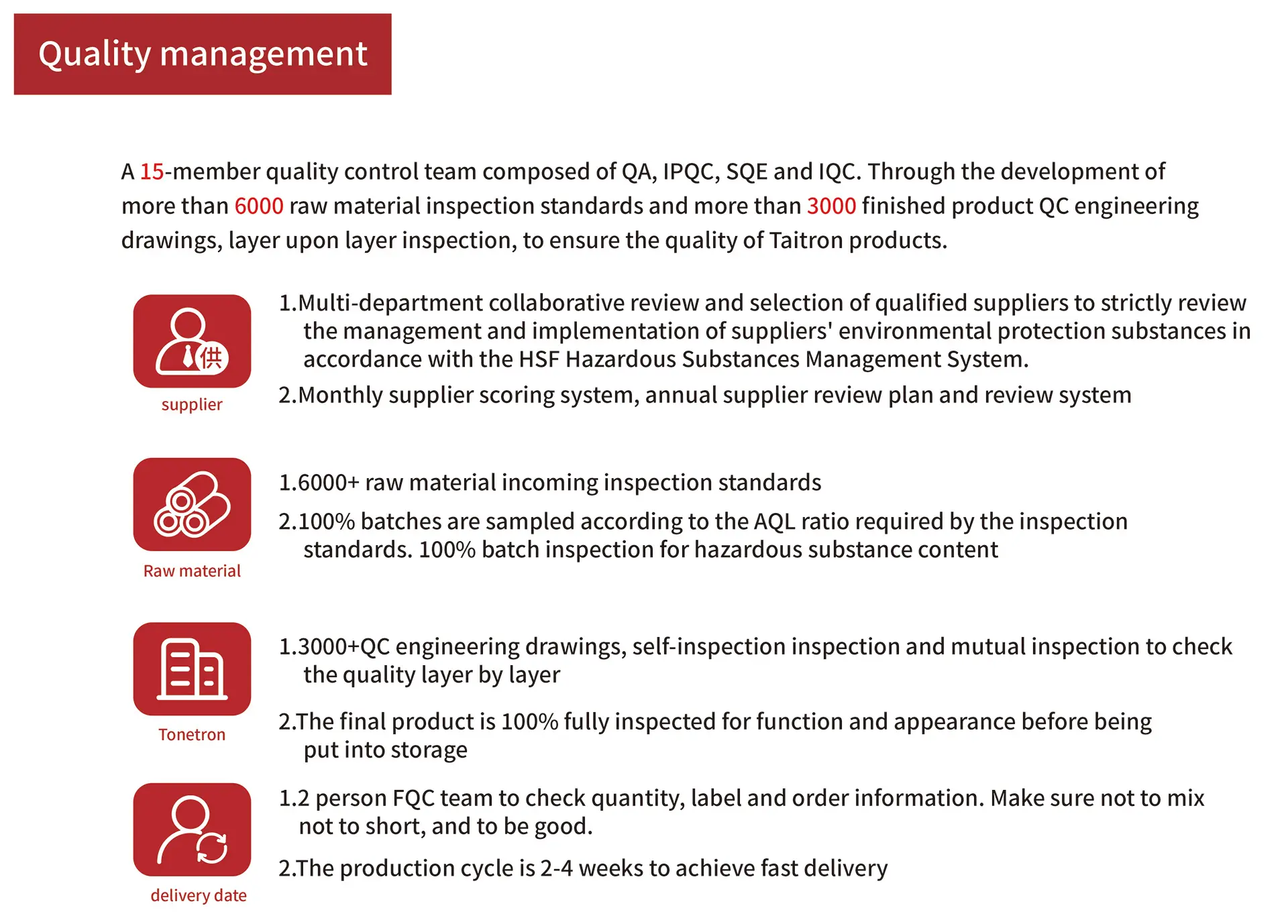
Our engineering and manufacturing processes follow strict quality standards, ensuring reliable performance in demanding environments.
Our manufacturing facility in Dongguan, China operates under an ISO9001 and ISO14001 certified quality management system. This ensures consistent processes and traceablity for all production runs.
We keep our materials compliant with environmental and safety regulations like RoHS, REACH, and WEEE, making import clearance straightforward for our global partners.
Explore our broader lineup of video, audio, and data conversion products designed for high-resolution displays and versatile docking setups.
Find answers to common questions about DisplayPort interfaces, protocol backward compatibility, and structural specifications.
DisplayPort 1.4 supports a maximum bandwidth of 32.4 Gbps (HBR3), enabling 8K at 30Hz or 4K at 120Hz using Display Stream Compression (DSC 1.2a). DisplayPort 2.1 increases bandwidth up to 80 Gbps (UHBR20), supporting resolutions up to 10K or dual 8K displays at 120Hz. DisplayPort 2.1 also features updated physical layer specifications for better signal integrity over longer runs, and improved compatibility with USB4 and USB-C Alt Mode.
Yes. DisplayPort is designed to be fully backward compatible. A DisplayPort 2.1 cable can connect to DisplayPort 1.4, 1.2, or 1.1 ports. In these setups, the system will operate at the maximum capability of the source and display components.
Display Stream Compression (DSC) is a visually lossless compression standard. It reduces the required data rate for high-resolution displays without causing noticeable image degradation. This allows high resolutions and refresh rates (such as 8K @ 60Hz) to run within existing bandwidth limits while maintaining color accuracy and low latency.
Pin 20 on a standard DisplayPort connector carries 3.3V DC power. It is designed to power active adapters or dongles. Standard DisplayPort-to-DisplayPort cables should not connect Pin 20 on both ends, as doing so can create a short circuit between the graphics card and monitor power supplies, potentially causing hardware damage. Our passive DP-to-DP cables are engineered with Pin 20 disconnected to prevent these power feedback issues.
Active Optical Cables (AOC) use optical fiber instead of traditional copper wire for high-speed signal transmission. This design provides two main benefits: it eliminates signal attenuation over longer distances (often up to 30 meters or more), and it makes the cable immune to electromagnetic interference (EMI) from surrounding power supplies, wireless networks, or industrial machinery.
Our OEM services include customizing cable lengths, jacket materials (such as standard PVC, durable TPE, or braided sleeves), and connector options (including locking mechanisms, right-angle plugs, and low-profile housings). We also offer customized branding, private-label packaging, and testing reports to match your system specs.
 Taichang Electronic