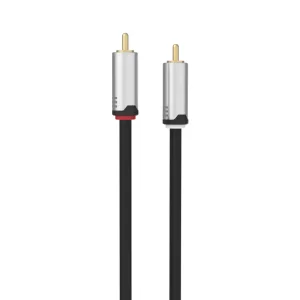
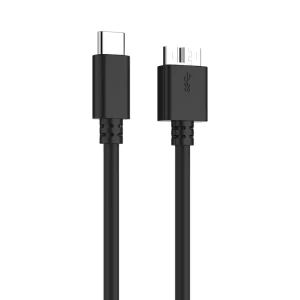
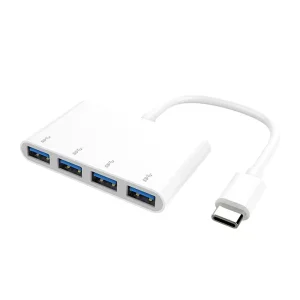
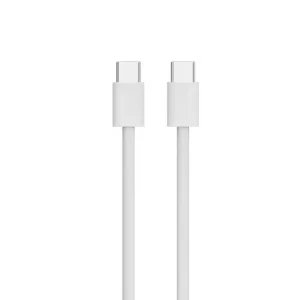
Explore our premium selection of certified connectivity products, custom-engineered to meet advanced HDMI, USB, and RCA transmission requirements.
The commercial landscape of high-definition digital interfaces has been dramatically reshaped by the HDMI 2.1 Specification. As industry-wide standards transition from legacy TMDS (Transition Minimized Differential Signaling) protocols to advanced FRL (Fixed Rate Link) architectures, B2B procurement managers and systems architects must re-evaluate their component supply chains. Providing high-frequency data integrity at a massive throughput of 48 Gbps requires more than just meeting a checklist; it demands rigorous validation, sophisticated EMI/RFI suppression, and reliable manufacturing consistency.
Utilizes 3 or 4 lanes of high-frequency differential paths, operating up to 12Gbps per lane, to unlock uncompressed 8K@60Hz and 4K@120Hz system topologies.
Implements multi-layer internal shielding and premium die-cast zinc/aluminum sub-shells to isolate high-frequency electromagnetic interference.
Enables Enhanced Audio Return Channel (eARC) with object-based audio compliance, paired with near-lossless Display Stream Compression (DSC 1.2a).
HDMI 2.1 is no longer confined to the consumer gaming or home theater sectors. Today, it serves as the foundational connectivity backbone across complex commercial environments globally.
In mission-critical operation rooms, airport terminal displays, and corporate environments, delivering uninterrupted ultra-high-resolution streams is paramount. Taitron Electronics engineered systems ensure that signal attenuation is minimized over extended distances. Our structural methodologies incorporate active optical components (AOC) alongside passive layouts, assuring robust delivery of 48Gbps feeds under continuous operational loads.
High-precision diagnostics, robotic surgery displays, and real-time visualization require 10-bit and 12-bit deep color support with zero compression artifacts. Adhering to strict HDMI 2.1 specifications enables surgical teams to view microvascular structures without latency. We design cables that comply with healthcare environments, ensuring durability and low electromagnetic footprints.
In 1984, Dongguan Taitron Electronics Limited (formerly known as Tonetron) was established in Keelung, Taiwan. Recognizing the shifting dynamics of global electronics manufacturing, the company completed a strategic relocation in 1993 to a self-built, independent production industrial park situated in Dalingshan Town, Dongguan City, Guangdong Province, China. Under the name Dongguan Taitron Electronics Limited, the facility has expanded to address high-precision manufacturing demands.
For over 38 years, Taitron has maintained a strong foundation in manufacturing professional video and audio peripheral equipment connection lines. This deep-rooted experience allowed us to transition into the development of high-end audio, video, and data cables.
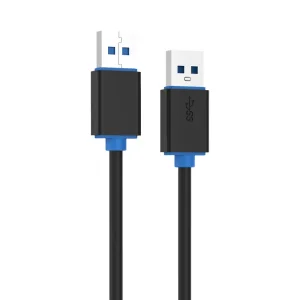
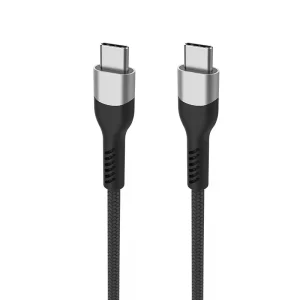
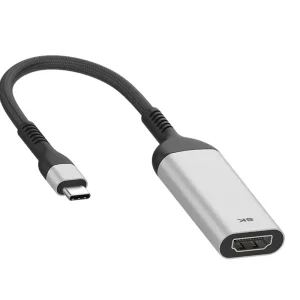
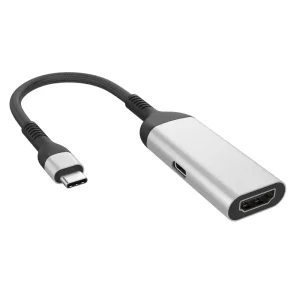
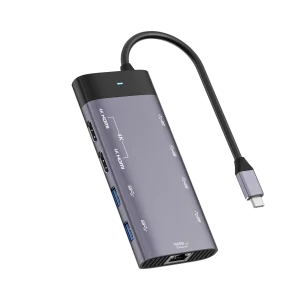
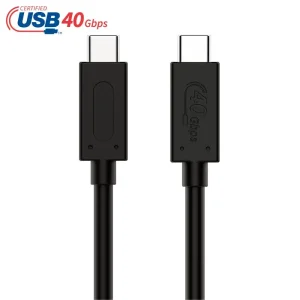
Today, our R&D and manufacturing divisions focus on cutting-edge interfaces: HDMI 2.1 cables, DP 2.0 cables, USB4 data cables, USB-C 3.1 Gen2 cables, high-power USB charging cables, 8K HD conversion cables, and multi-functional Type-C expansion docks. Our processes are vertically integrated—spanning raw cable extrusion, connector assembly, automated soldering, and strict signal testing—to ensure consistent product quality.
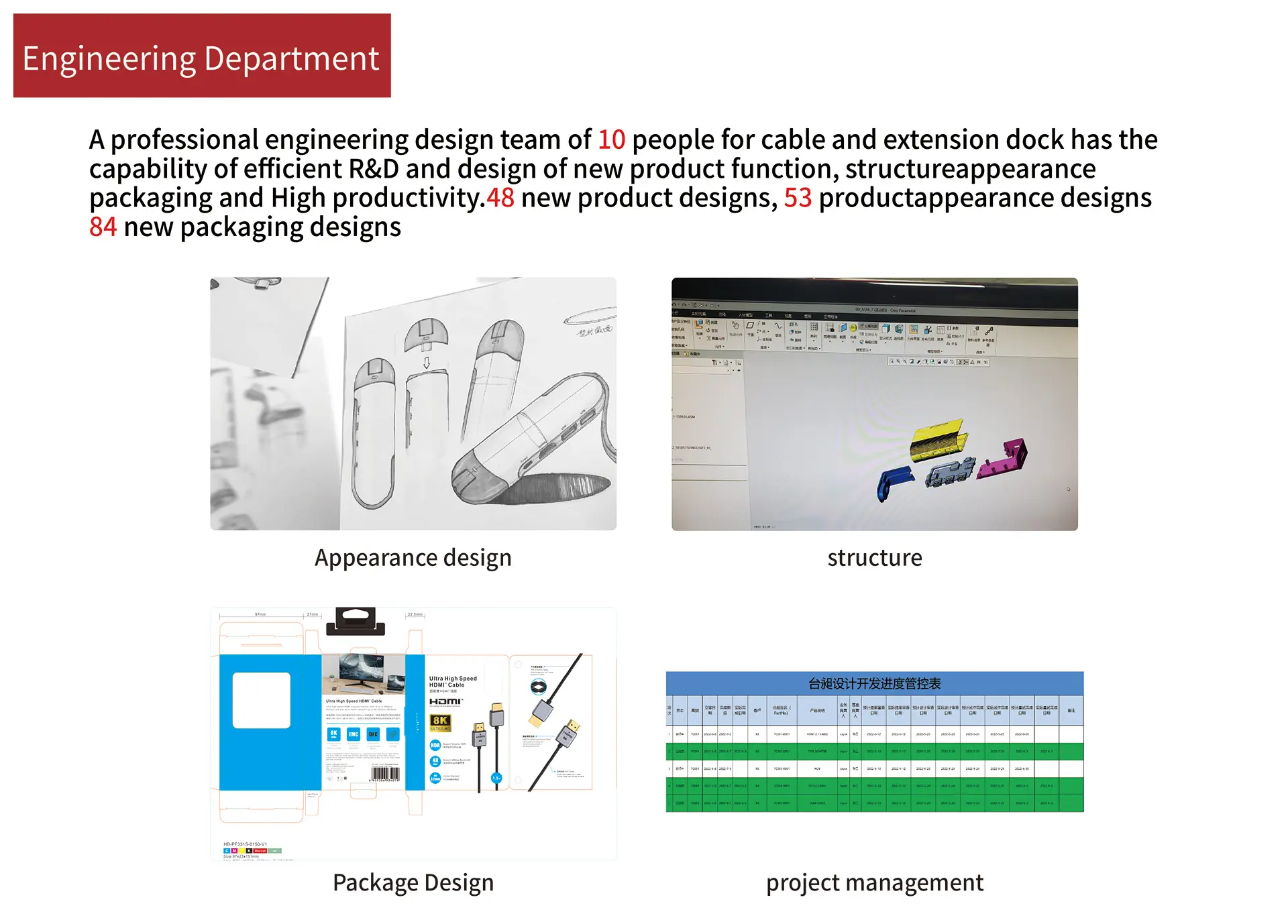
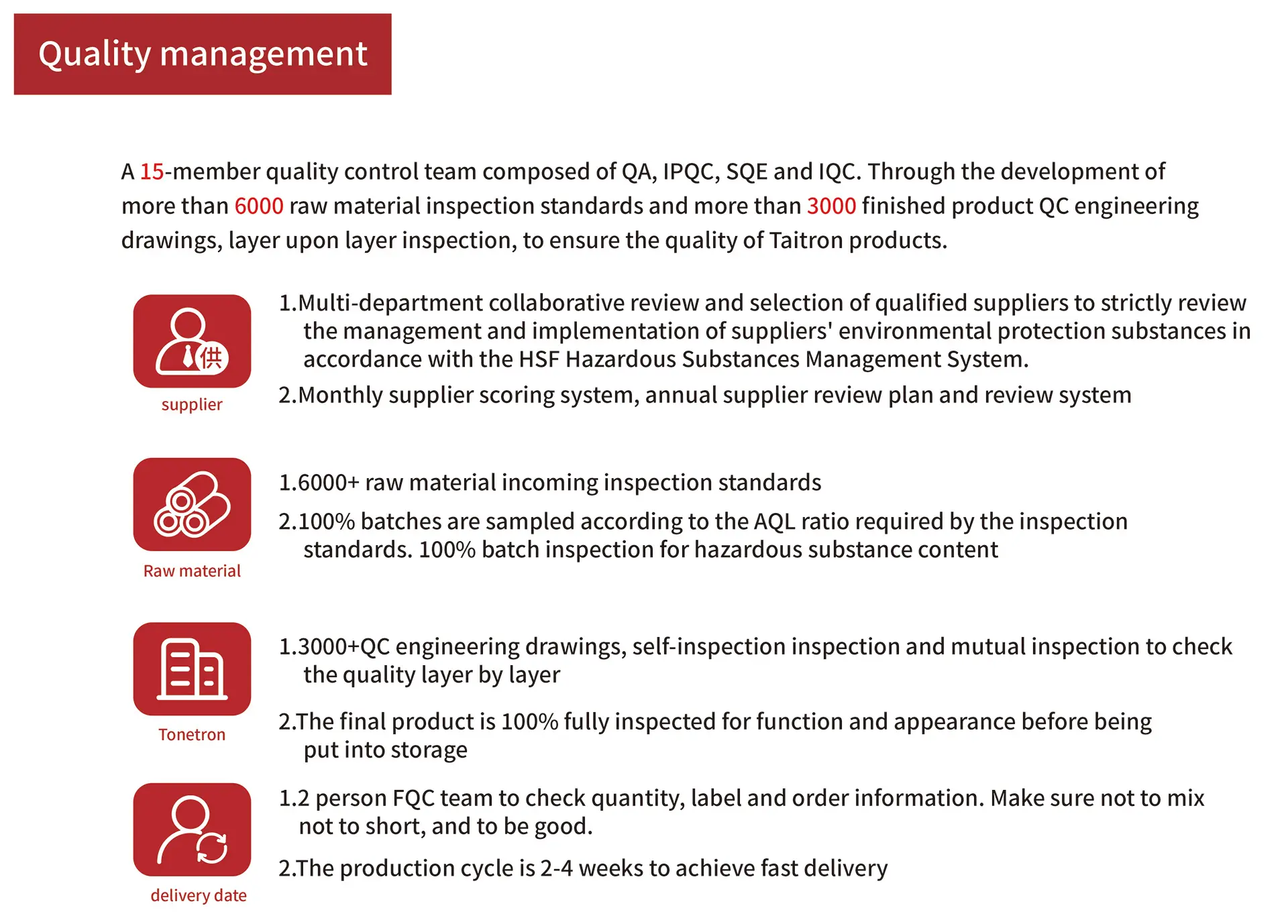

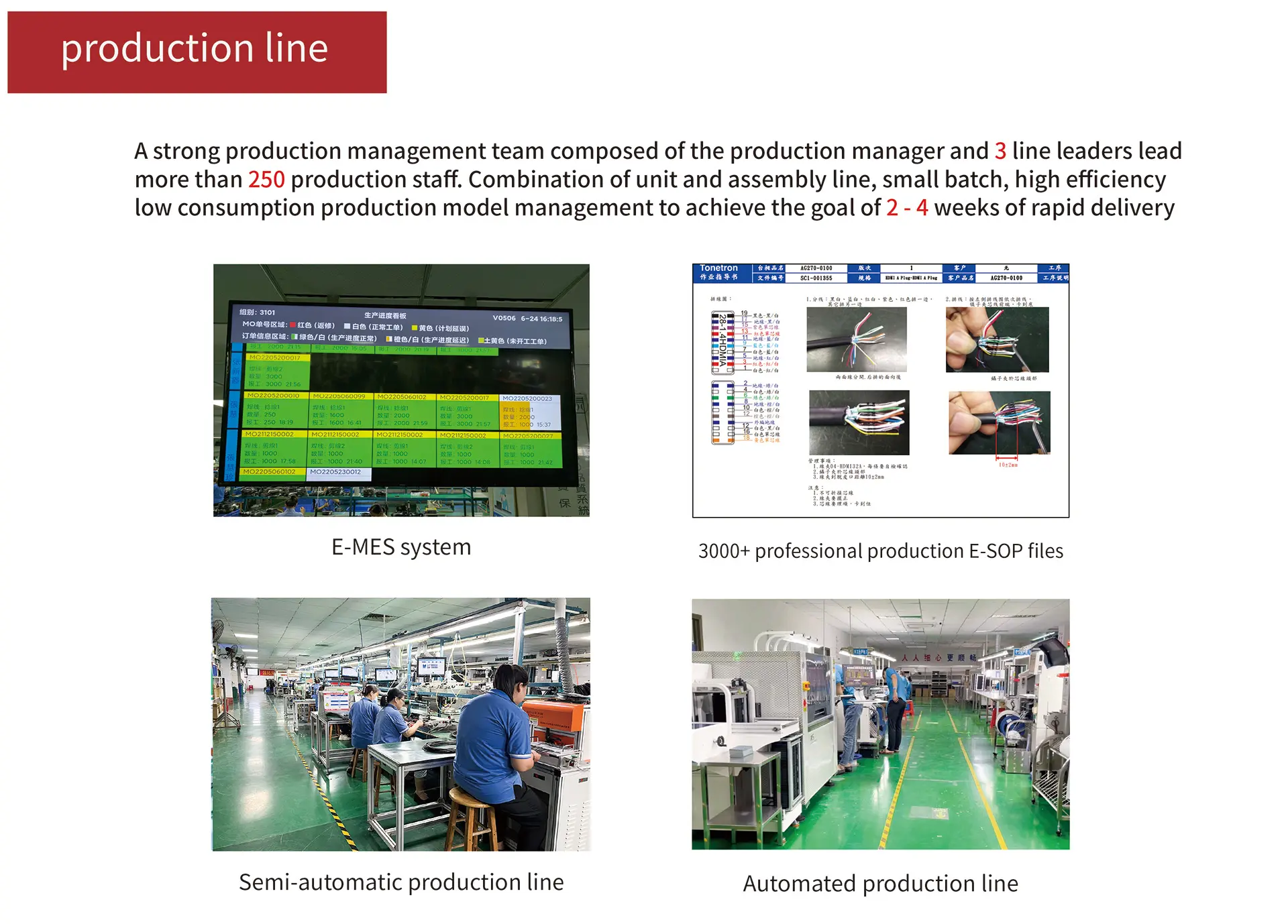
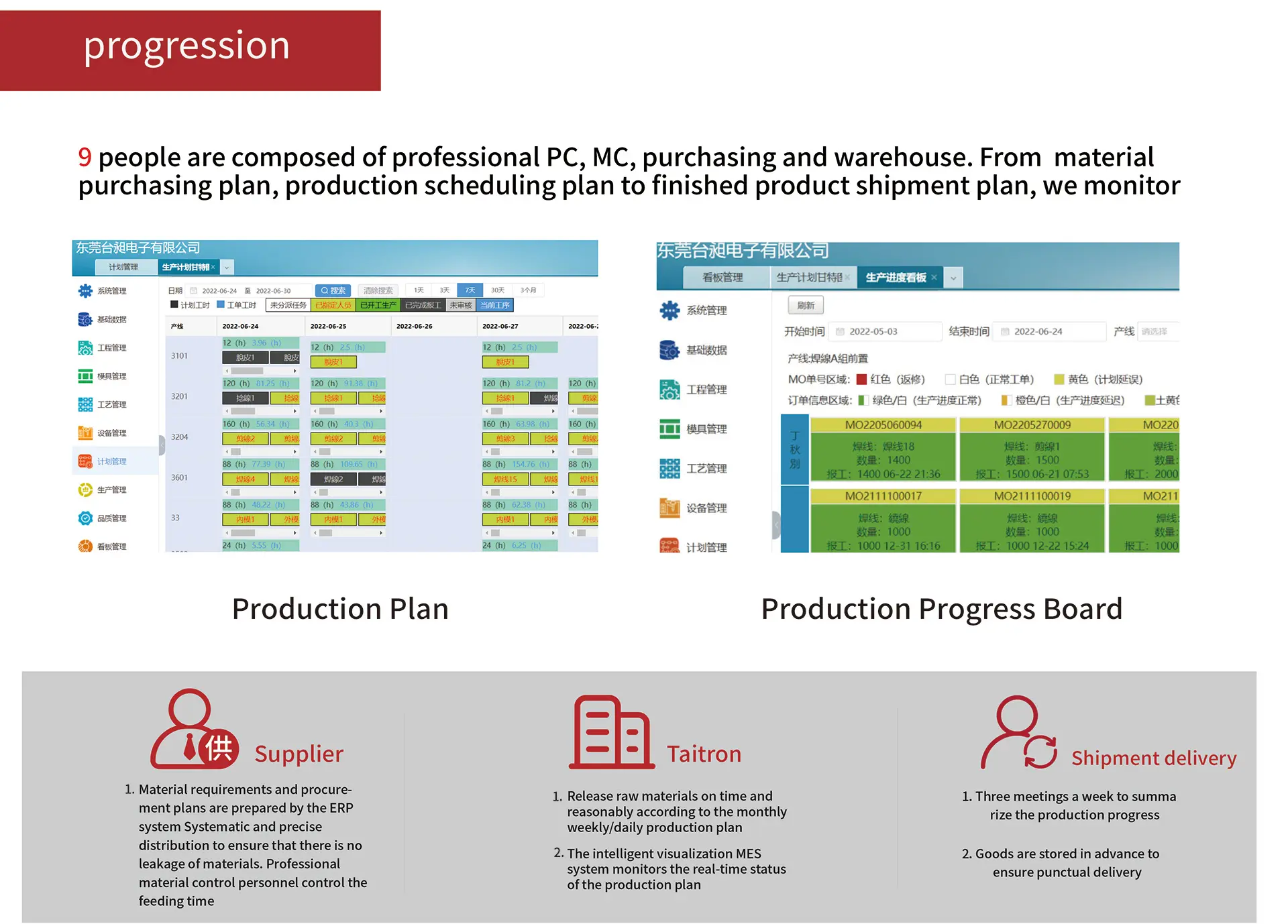
Achieving certified HDMI 2.1 standard metrics requires careful engineering. To support 48Gbps bandwidth, our technical layouts emphasize signal preservation across several areas:
We maintain differential impedance at 100Ω (±5Ω). Strict control of insulation thickness and conductor concentricity during extrusion limits signal reflection and insertion loss.
Each signal pair is individually wrapped in aluminum-mylar foil. A high-density braided shield (up to 85% coverage) helps isolate internal data lines from external electromagnetic sources.
Utilizing automated precision laser-soldering machines ensures consistent connections. This process minimizes parasitic capacitance and inductance at the connector termination point.
Unlike legacy HDMI systems that allocate a dedicated channel for clock delivery, HDMI 2.1 incorporates the clock directly into the data channels. It utilizes four data lanes running Fixed Rate Link (FRL) configurations, enabling efficient bandwidth distribution:
| Specification Parameter | HDMI 2.0 (Legacy) | HDMI 2.1 (Ultra High Speed) | Procurement & Quality Benefit |
|---|---|---|---|
| Max Bandwidth | 18 Gbps | 48 Gbps | Accommodates uncompressed 8K@60Hz displays. |
| Encoding Protocol | 8b/10b (20% overhead) | 16b/18b (11.1% overhead) | Higher data efficiency with lower packet overhead. |
| Display Compression | Not Supported | DSC 1.2a (Optional) | Visually lossless compression for 10K resolution. |
| Audio Support | ARC (approx. 1 Mbps) | eARC (approx. 37 Mbps) | Supports Dolby Atmos, DTS:X, and uncompressed 7.1. |
Exporting connecting components to North American, European, and Asian markets requires adherence to regional environmental and technical standards.
Our manufacturing center in Dongguan, China operates under certified quality control systems. We source certified raw materials to ensure products meet CE, FCC, RoHS, and REACH environmental and safety requirements. Our high-frequency test laboratory is equipped with advanced network analyzers and time-domain reflectometers (TDR) to perform structural testing on production batches before shipment.
We offer localized engineering support tailored to our partners' target markets. Whether adjusting jacket materials for UL CL2/CL3 fire ratings in North American building projects, or tailoring custom packaging for retail sectors in Europe, our team coordinates directly with your logistics and engineering groups. We provide comprehensive technical files, 2D/3D CAD layouts, and test reports to streamline your internal quality checks.
As displays shift toward 10K, 16K, and high-frequency virtual reality environments, connectivity structures must adapt. Dongguan Taitron Electronics is positioning its technical strategies to meet these demands.
Developing robust optical conversion ICs integrated inside standard connectors, enabling lossless 48Gbps transmission over distances up to 100 meters.
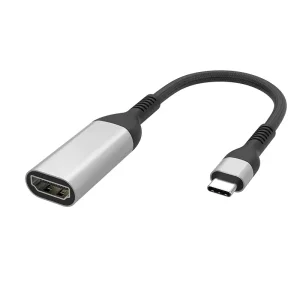
Structuring adapter hubs to support DisplayPort 2.0/2.1 and HDMI 2.1 conversions, maintaining high-speed performance across multiple protocols.
Integrating lead-free wave soldering, bio-based cable jackets, and recyclable packaging materials to support environmental goals.
Get answers to common technical and sourcing questions regarding HDMI 2.1 hardware, certifications, and capabilities.
Explore our collection of custom-designed connectivity adapters and legacy-to-modern interface conversion components.
 Taichang Electronic