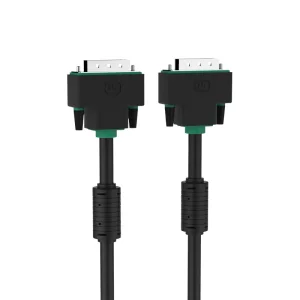
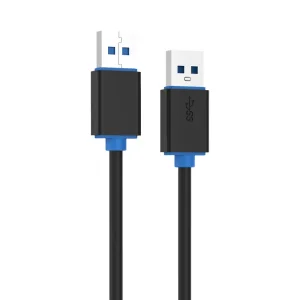
Explore our leading OEM/ODM solutions, engineered to meet strict international standards for latency, speed, and signal preservation.
A technical examination of physical layer performance, shielding mechanics, and raw throughput optimization.
Modern display demands have moved far beyond the legacy TMDS (Transition Minimized Differential Signaling) architecture. With HDMI 2.1a and 2.1b protocols, Fixed Rate Link (FRL) technology is necessary to achieve throughput levels of 48Gbps. FRL reallocates audio-visual packets across up to four lanes, replacing the dedicated clock channel with embedded clock signals on each lane. This optimization dramatically increases raw carrying capacity, supporting uncompressed resolutions up to 8K@60Hz and 4K@120Hz.
Dongguan Taitron Electronics utilizes custom-engineered 36AWG to 26AWG Oxygen-Free Copper (OFC) physical cores. This minimizes attenuation and controls impedance parameters, keeping differential line impedance within a strict ±10% margin. This level of precision is necessary to prevent signal reflections and jitter at gigahertz frequencies.
When cable runs exceed 5 meters, passive copper cables hit a physical performance limit. High-frequency signals degrade due to resistance and capacitance. For commercial applications, Active Optical Cable (AOC) technology offers a solution.
AOC designs integrate miniature optoelectronic converters inside the connector hoods. The system converts high-speed electrical signals into light waves, transmitting them over optical fibers (OM3/OM4 multimodals) with virtually zero attenuation or EMI susceptibility. Copper cores are kept in the assembly to carry low-frequency control signals (such as EDID and HDCP handshakes) and +5V DC power, creating a robust hybrid cable system.
Technical Insight: eARC (Enhanced Audio Return Channel) demands up to 37 Mbps of bandwidth for uncompressed 24-bit/192kHz audio. This requires dedicated differential shielding on the eARC line to prevent crosstalk from high-speed RGB video signals running parallel to it.
High-density electrical environments, like server racks and control rooms, present significant electromagnetic interference (EMI) challenges. We address this using a triple-shielding structure:
The global demand for high-performance audio-visual setups has shifted from standard consumer entertainment to specialized commercial applications. We supply components tailored for localized installations, industrial automation, and modern corporate spaces worldwide.
Modern operating rooms and diagnostic imaging suites require precise, real-time image reproduction. Interfacing surgical endoscopes, high-resolution cameras, and medical monitors demands high video fidelity. A single dropped data packet or high latency can disrupt a critical medical procedure.
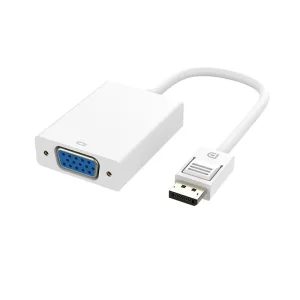
Our HDMI and DP-to-VGA converters (such as the MP354 adapter) undergo rigorous electrical testing to ensure reliable connection with medical equipment. These components feature gold-plated connectors and robust shielding, maintaining signal integrity in rooms filled with high-frequency medical devices.
Esports arenas and professional gaming setups demand ultra-high refresh rates. Frame drops or high latency can impact competitive play. Our high-bandwidth HDMI 2.1 cabling supports VRR (Variable Refresh Rate) and ALLM (Auto Low Latency Mode), ensuring latency-free display signals.
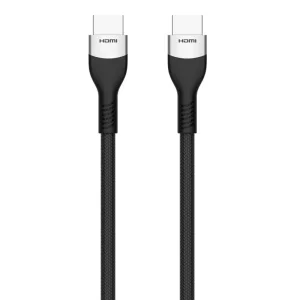
We supply esports setups globally with slim-profile HDMI cables designed to fit dense cable management racks. These cords maintain performance even when bent or routed through tight desktop pathways.
Modern corporate offices and universities rely on hybrid presentation systems. These systems connect displays, webcams, and audio devices over long distances, often routed through conduits in walls and ceilings.
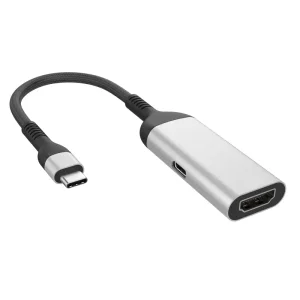
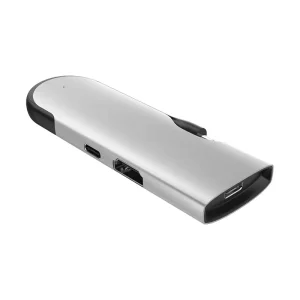
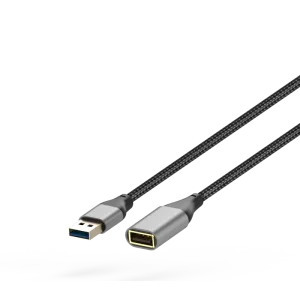
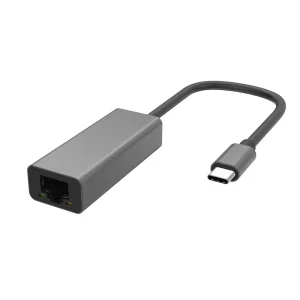
Our USB-C 5-in-1 adapters (like the PF423A) and active USB extension cords (like the PF489G) solve long-distance routing challenges. They deliver consistent power (PD60W) and support multi-channel audio and video without needing external power supplies.
Operating from Dalingshan Town, Dongguan City, China, our self-built industrial park is positioned at the center of the global electronics supply chain. This location provides several key manufacturing and logistics advantages:
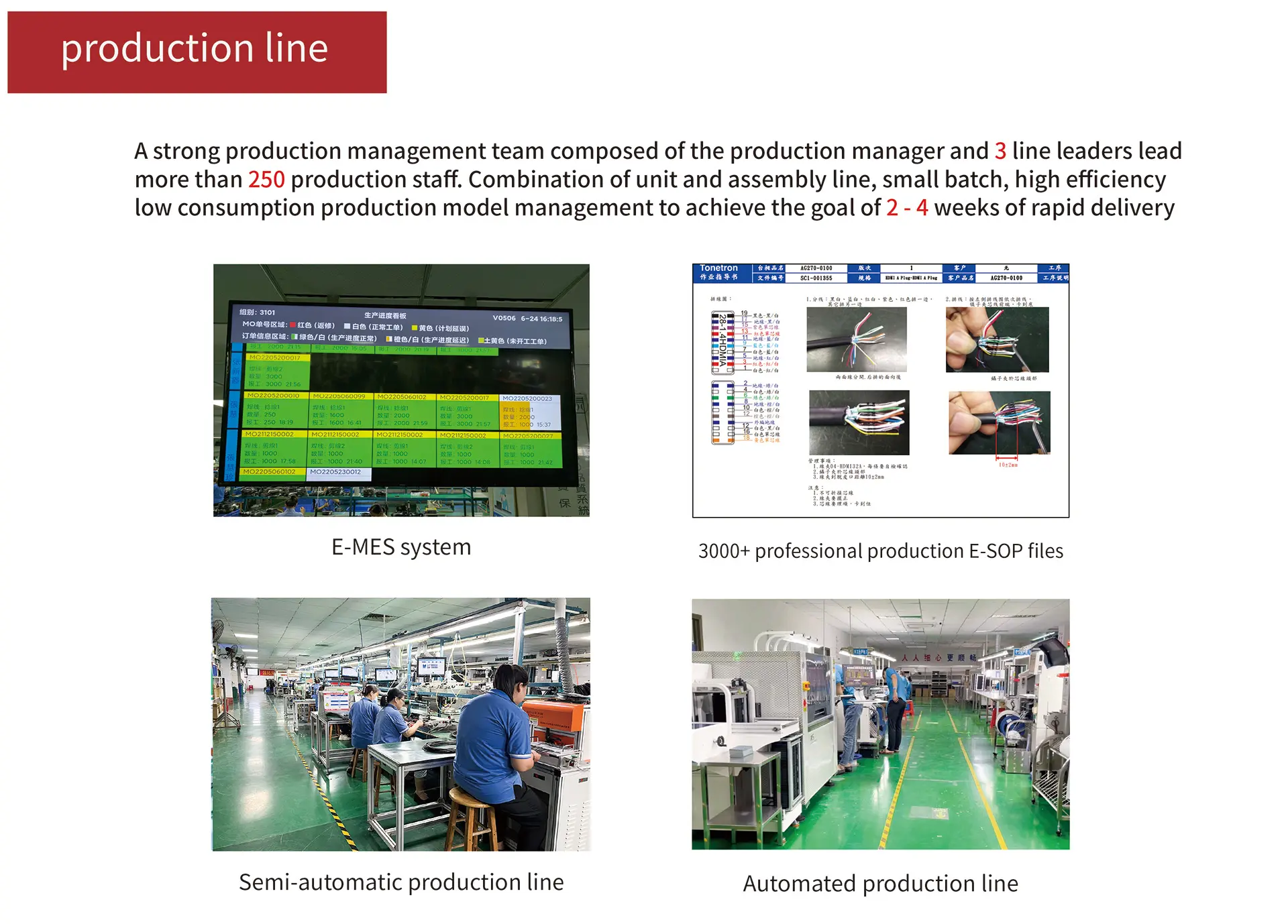
Our factory manages the entire production cycle, from raw copper wire extrusion and outer PVC jacket formulation to final assembly. Managing these raw materials in-house protects production schedules from supply market volatility and ensures consistent quality control.
This vertical integration allows us to offer custom cabling lengths, colors, and shielding configurations for enterprise clients, keeping lead times minimal even for custom orders.
High-speed signal cables require precise physical parameters. To maintain this, we utilize automated laser welding machines for high-pin count assemblies, reducing human error.
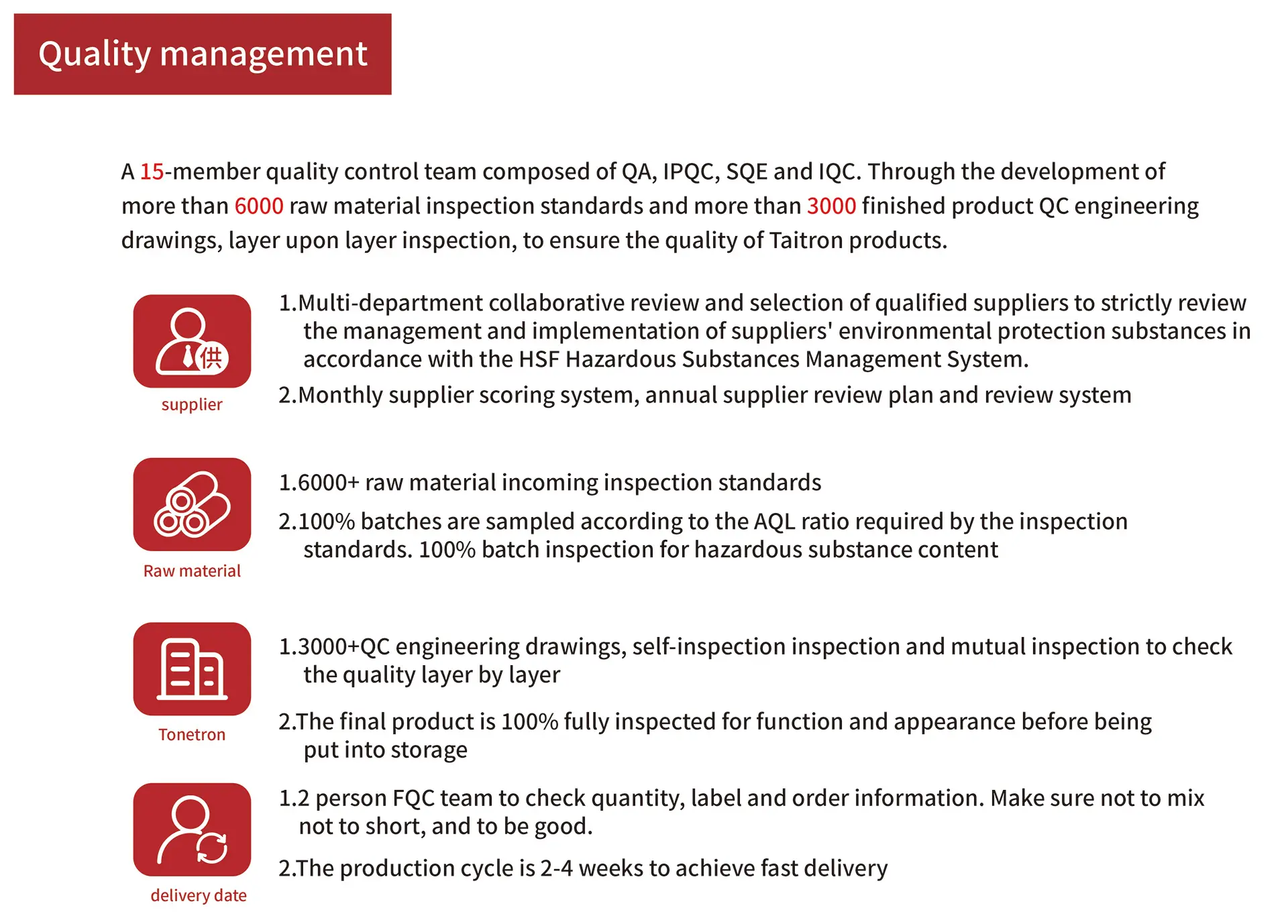
Every batch of HDMI 2.1 and USB4 cables undergoes rigorous testing. We use network analyzers to verify characteristic impedance, cross-talk, and insertion loss, ensuring every cable meets specifications before leaving our facility.
In 1984, Dongguan Taitron Electronics Limited., formerly known as Tonetron, was founded in Keelung, Taiwan. In 1993, it moved to the self-built independent production industrial park in Dalingshan Town, Dongguan City, China, and changed its name to Dongguan Taitron Electronics Limited.
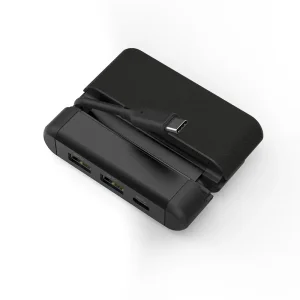
Over 38 years, our foundation in audio and video connection lines has evolved. Today, we develop and manufacture high-end audio and video cables, including HDMI 2.1, DP 2.0, USB4, USB-C 3.1 Gen2, high-power USB charging cables, 8K HD conversion cables, and multi-functional Type-C docking stations.

Navigating international regulatory requirements is essential for global distribution. We design and manufacture our products to meet strict safety and environmental standards.
For commercial installations, in-wall cables must meet building safety codes to prevent toxic smoke in fire scenarios. We manufacture CL2 and CL3 rated jackets that comply with international safety regulations.
Additionally, all our raw materials and manufacturing processes are verified to comply with RoHS (Restriction of Hazardous Substances) and REACH directives, helping our distributors import products smoothly.
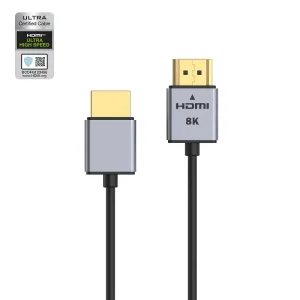
Unauthorized cables can cause legal issues and connectivity problems. We are an HDMI Adopter, and our high-speed cables undergo verification at HDMI Authorized Test Centers (ATC).
Our certified products carry official verification labels, ensuring compatibility with all certified source devices and displays.
Get answers to common technical, manufacturing, and distribution questions about high-performance AV cabling.
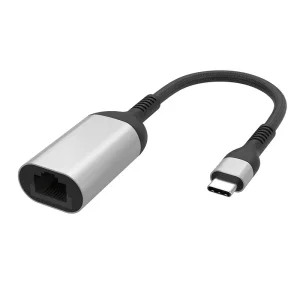
Explore our selection of converters, extension cords, and adapters built for commercial AV and workplace applications.
 Taichang Electronic