Explore our industry-standard connectivity solutions designed to fulfill demanding enterprise specifications.
As the corporate landscape undergoes rapid digitization, lightweight laptops and ultra-thin client computers have become the standard workforce device. To achieve thin profiles, device manufacturers have systematically removed legacy physical interfaces, including the standard RJ45 Ethernet port. However, despite the ubiquitous deployment of high-frequency wireless networks (Wi-Fi 6E and Wi-Fi 7), corporate wireless environments remain susceptible to interference, signal degradation, and bandwidth bottlenecks.
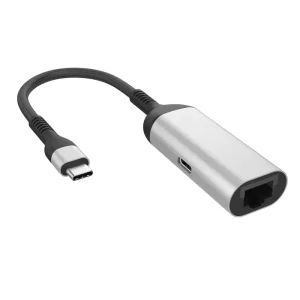
This structural challenge has positioned the USB 3.0 Network Adapter (also classified as a USB 3.0 to Gigabit Ethernet adapter) as an indispensable utility for mission-critical enterprise environments. By bridging the high data transfer rates of the Universal Serial Bus (USB) 3.0 SuperSpeed interface (running up to 5Gbps) with standard copper twisted-pair copper Ethernet cabling, these devices provide consistent, low-latency, and unthrottled gigabit speeds. For procurement professionals, IT infrastructure directors, and OEM distributors, understanding the underlying technology, compliance, and core manufacturing capabilities of these adapters is critical to ensuring corporate uptime and long-term reliability.
Tracing our legacy from Taiwan origin to the modern high-end manufacturing hub in Dalingshan Town, Dongguan, China.
Founded originally in 1984 in Keelung, Taiwan under the name Tonetron, the company embarked on a decades-long journey of developing high-fidelity consumer audio and video connection interfaces. Recognizing the shifts in manufacturing economies and the integration of the electronics supply chain, the company took a significant step in 1993 by relocating to its own self-built, independent production industrial park in Dalingshan Town, Dongguan City, China, adopting the name Dongguan Taitron Electronics Limited.
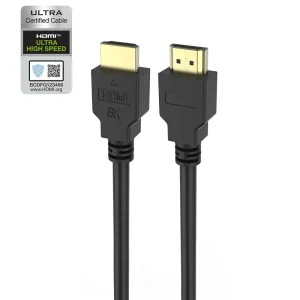
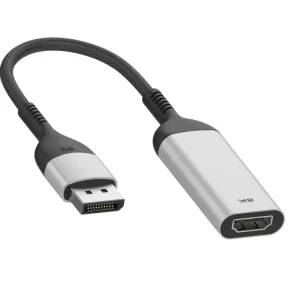
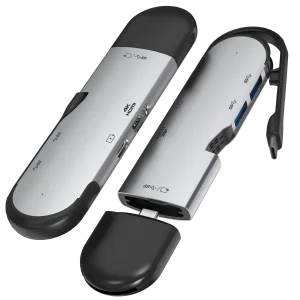
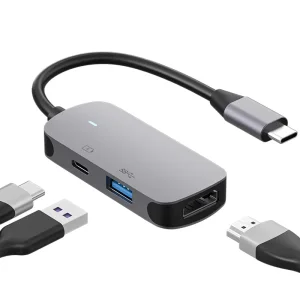
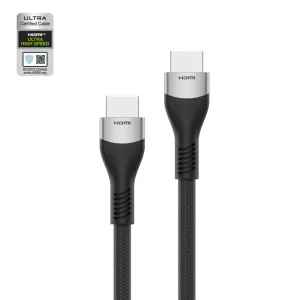
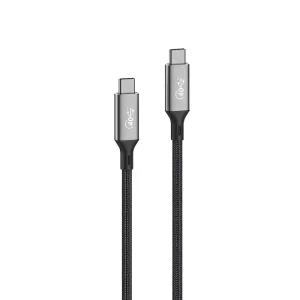
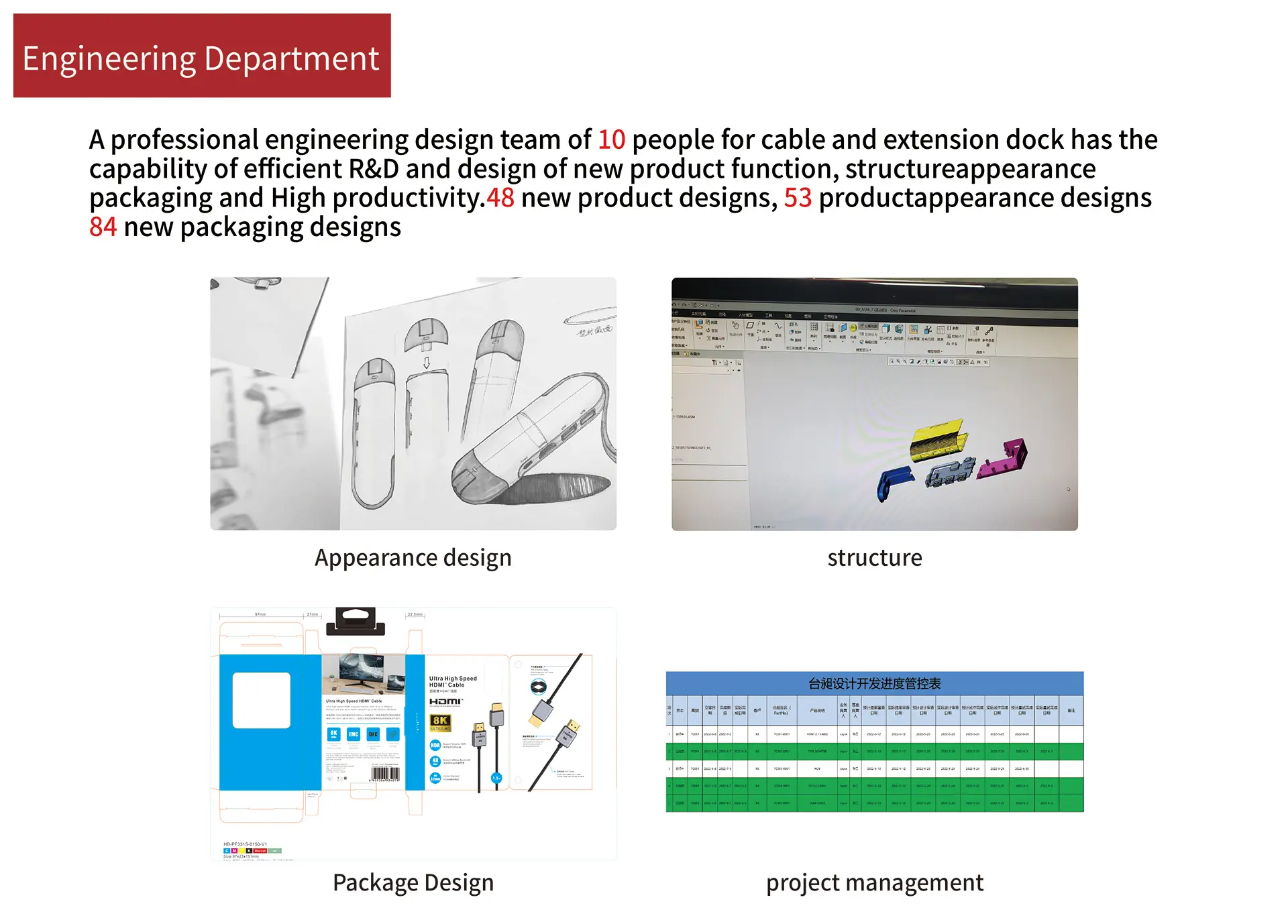
Over the last 38 years, our manufacturing philosophy has evolved from manufacturing standard copper cabling assemblies to building complex active adapters, converters, and high-performance expansion docks. Our capability stack includes advanced research, design, tooling, assembly, and testing of high-frequency interconnect solutions like HDMI 2.1 cables, DP 2.0 cables, USB4 data cables, USB-C 3.1 Gen 2 data cables, high-power USB-C PD cables, 8K adapters, and multi-functional USB-C expansion hubs.
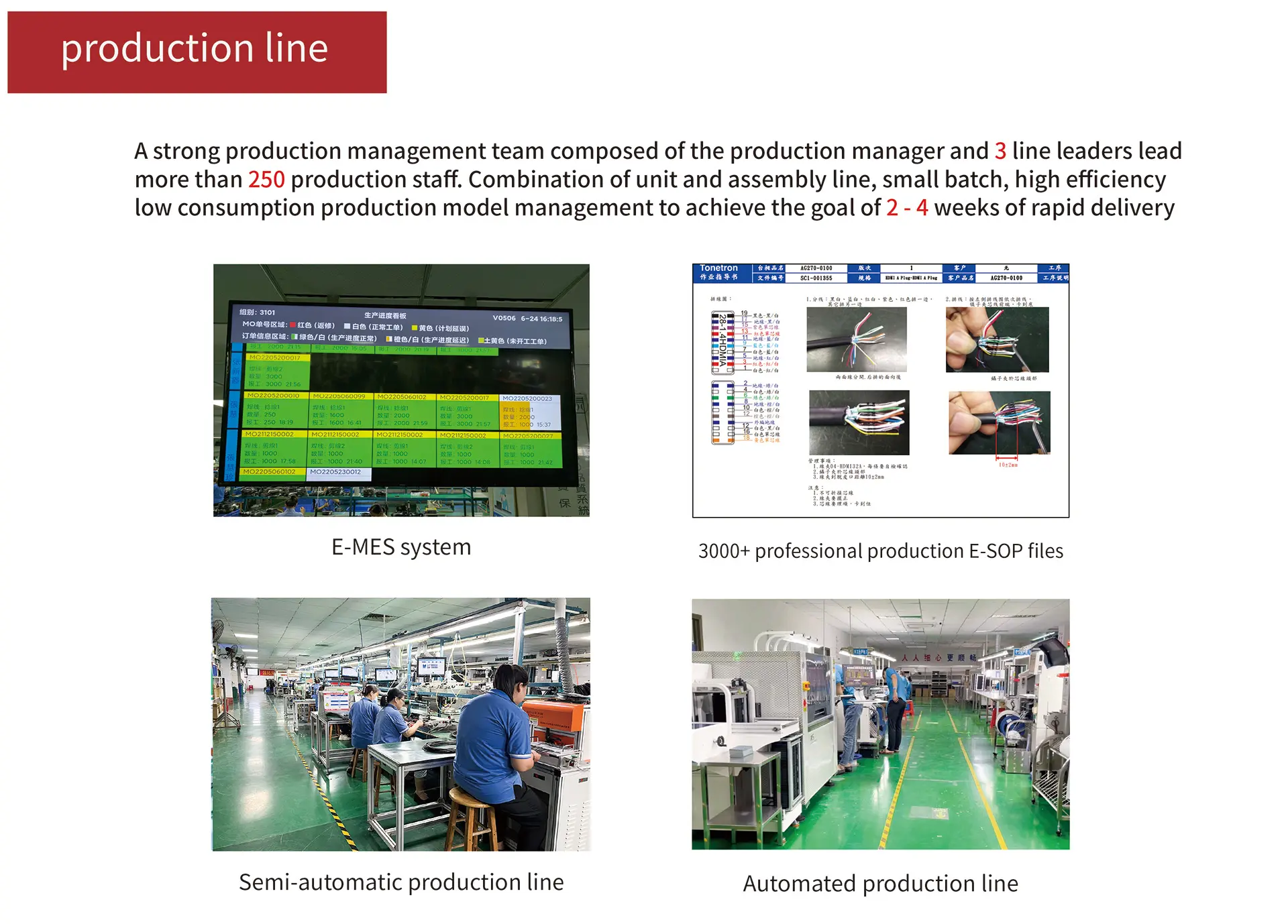
Our self-owned facility is fully equipped with highly automated horizontal molding machines, automated soldering robots, precision wire extrusion lines, and advanced quality inspection equipment to maintain strict tolerance control. This infrastructure allows us to deliver high volumes with repeatable accuracy.

An industrial-grade USB 3.0 network adapter is not merely a combination of a cable and an Ethernet socket; it is an active bus-powered network device that requires precise hardware engineering and robust driver integration. To ensure reliable performance under continuous heavy workloads, Taitron focuses on three core pillars of adapter engineering:
We integrate market-proven controllers such as the Realtek RTL8153 or the ASIX AX88179A. These ICs offer native support for IPv4/IPv6 packet checksum offload engines, crossover detection, auto-correction, and Wake-on-LAN (WoL).
Ethernet cables act as antennas for RF noise. Our internal PCB design incorporates high-efficiency common-mode chokes, metal shielding cases, and isolation transformers to block EMI and prevent ESD discharges from damaging host devices.
Continuous gigabit packet processing generates heat. Using aluminum-alloy housings and thermal pads directly interfacing with the primary controller chip, we maintain lower operating temperatures, preventing packet loss and hardware degradation.
While USB 2.0 adapters max out at a theoretical speed of 480 Mbps (practically around 320 Mbps due to protocol overhead), they limit standard 1000 Mbps Gigabit Ethernet to less than half of its potential capacity. USB 3.0 SuperSpeed provides up to 5 Gbps of bandwidth, enabling full duplex 1 Gbps Ethernet transmission to run unimpeded with ample overhead for concurrent peripheral operations.
Dongguan, long dubbed the "Factory of the World," has evolved into a high-technology manufacturing hub characterized by a highly integrated component ecosystem. Partnering with a manufacturer like Dongguan Taitron in this region offers distinct competitive advantages for global businesses:
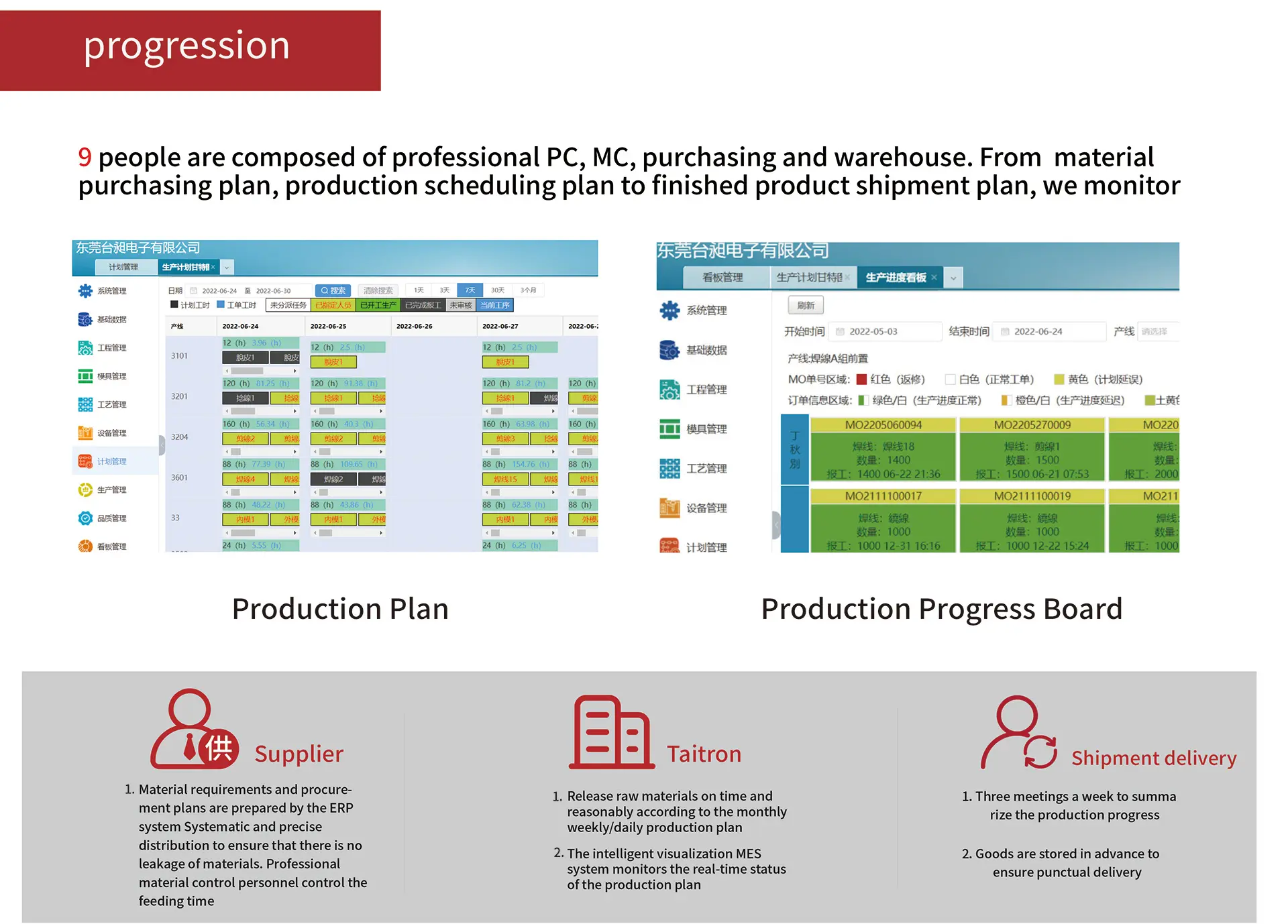
From copper rod drawing and PVC/TPE outer jacket extrusion to high-density multi-layer SMT (Surface Mount Technology) assembly and testing, the entire supply chain is localized. This proximity reduces transit times for raw materials, optimizes production scheduling, and lowers logistics costs, which translates directly to cost savings for our OEM/ODM clients.
Reputable Chinese factories invest heavily in specialized electronics verification equipment. In our facilities, we conduct rigorous testing to ensure signal integrity, including:
Working with a domestic manufacturer gives you access to a range of customization options, including custom PCB layouts to fit specific enclosures, tailored cable lengths and materials (such as braided nylon or halogen-free TPE), and custom branding and packaging. This allows you to differentiate your product in the market while keeping tooling costs and development timelines manageable.
Reliable Chinese manufacturers ensure their products meet target-market certifications, protecting importers from customs confiscations and consumer liability. Our manufacturing protocols align with global standards, including CE, FCC, RoHS, and REACH compliance.
USB 3.0 to RJ45 Gigabit Ethernet adapters are deployed across a wide range of industries where wireless connections are either impractical, insecure, or prone to congestion:
Thin clients and ultrabooks are often retrofitted with USB-C or USB-A network adapters to connect to secure wired local area networks. This guarantees fast access to local servers, reliable video conferencing, and compliance with strict IT data protection policies.
In manufacturing environments, industrial PCs and programmable logic controllers (PLCs) often lack built-in Ethernet expansion cards. USB-based Ethernet interfaces provide a cost-effective way to integrate these legacy systems into modern networks.
Reliable connections are crucial for processing payments. POS terminals, receipt printers, and barcode scanners depend on stable wired network connections to prevent transaction failures and ensure seamless business operations.
The network adapter market is evolving rapidly, driven by changing interfaces, new network standards, and sustainability goals. Key trends shaping the future of this sector include:
When selecting a manufacturing partner in China for volume orders of USB 3.0 network adapters, procurement teams should evaluate the following key parameters to ensure product quality and reliable delivery:
| Evaluation Criterion | Technical Requirement | Procurement Focus |
|---|---|---|
| Chipset Sourcing | ASIX AX88179A or Realtek RTL8153 original ICs. | Verify that the manufacturer uses authentic, non-refurbished ICs to ensure stable driver compatibility across Windows, macOS, and Linux. |
| Housing & Build Quality | Anodized aluminum alloy shell or fire-retardant ABS case. | Verify the structural assembly strength and check that the unit provides adequate heat dissipation for long-term continuous use. |
| Factory Certifications | ISO 9001:2015, BSCI audits, and RoHS/REACH compliance. | Request current, verifiable registration certificates to confirm compliance with international import regulations and ethical audit standards. |
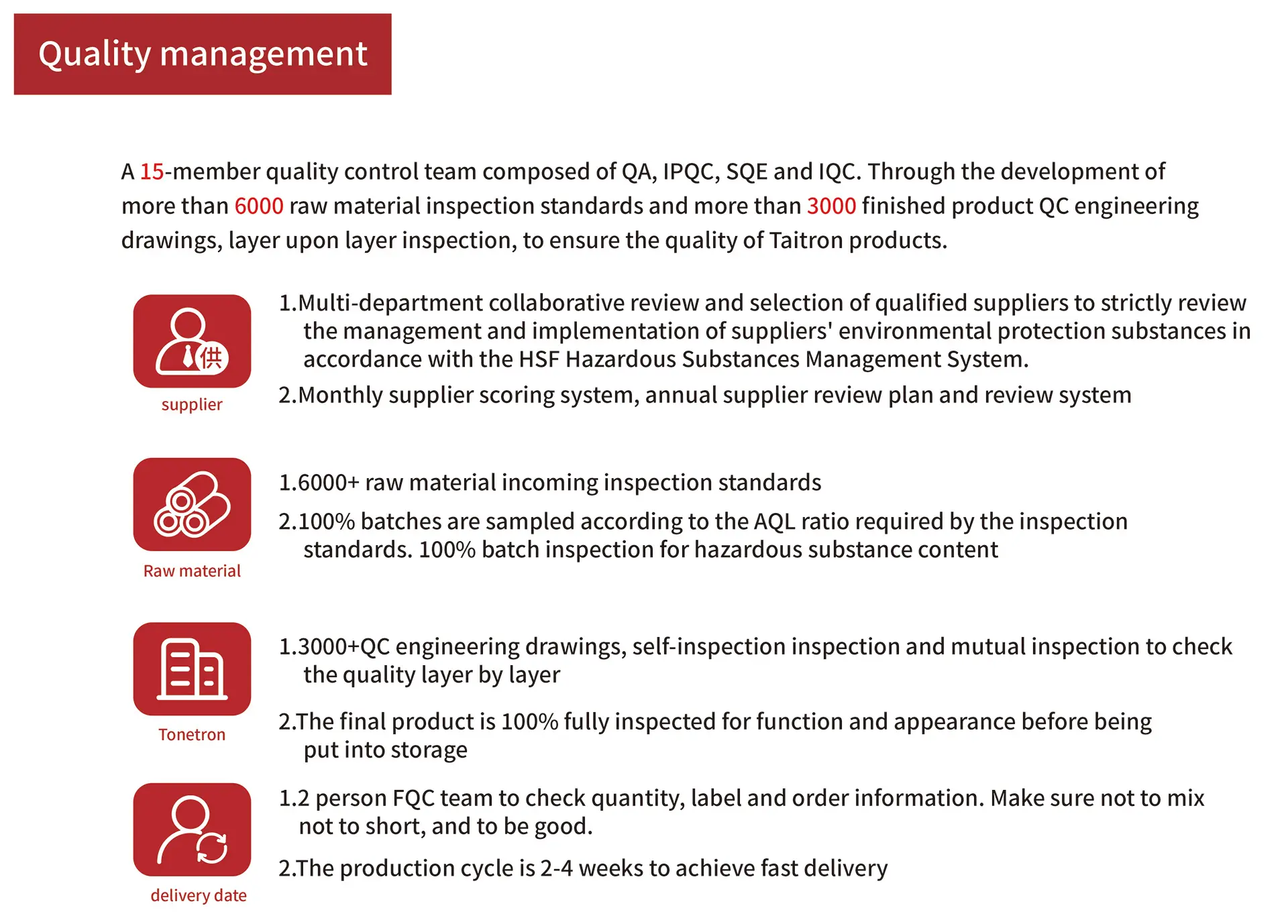
| Testing Capabilities | 100% automated test verification during assembly. | Confirm that the supplier tests every unit under simulated data workloads to identify and weed out potential early-life component failures. |
Answers to common technical, manufacturing, and integration inquiries regarding USB 3.0 network adapters.
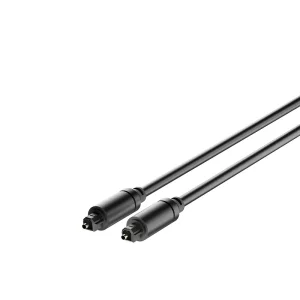
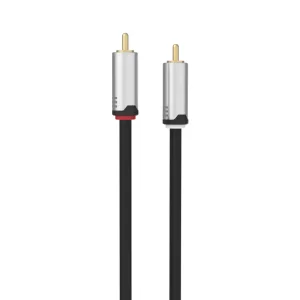
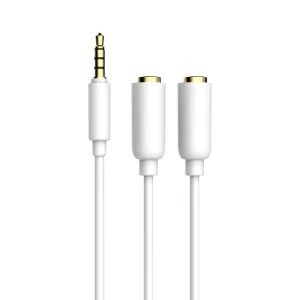
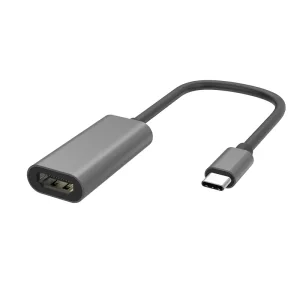
Discover our comprehensive range of high-frequency audio, video, and data transmission cables and adapters.
 Taichang Electronic