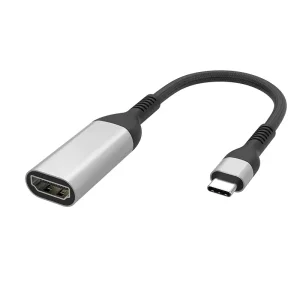
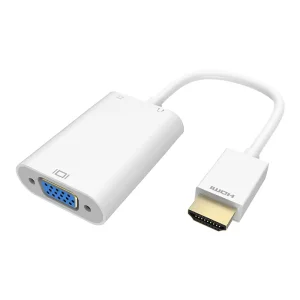
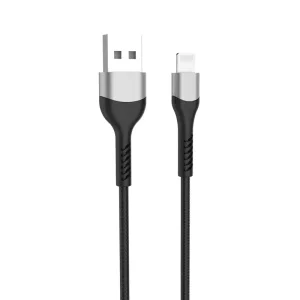
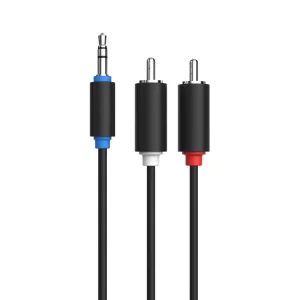
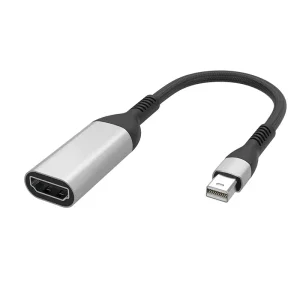
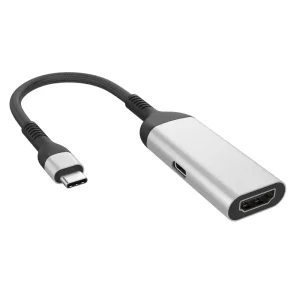
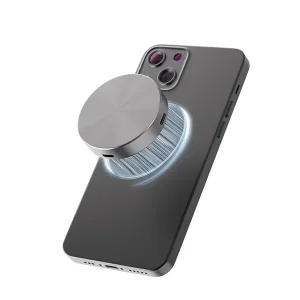
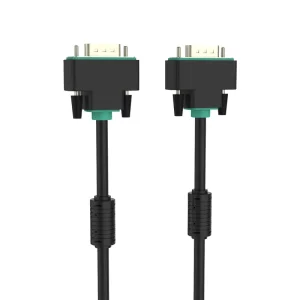
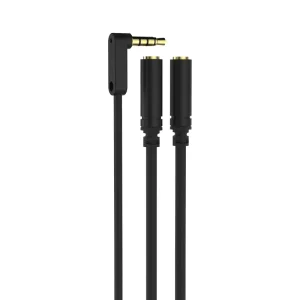
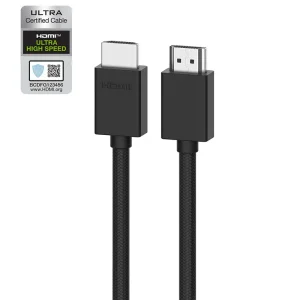
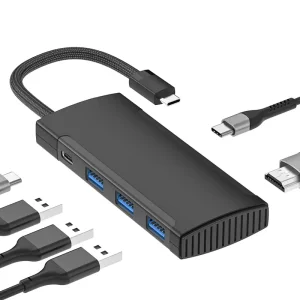
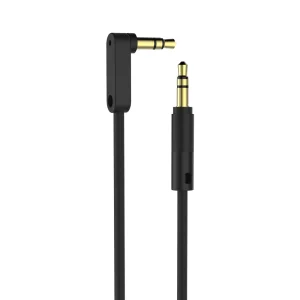
Explore our diverse commercial and industrial-grade connectivity converters, custom engineered to bridge standard interface disparities and stabilize network handshakes.
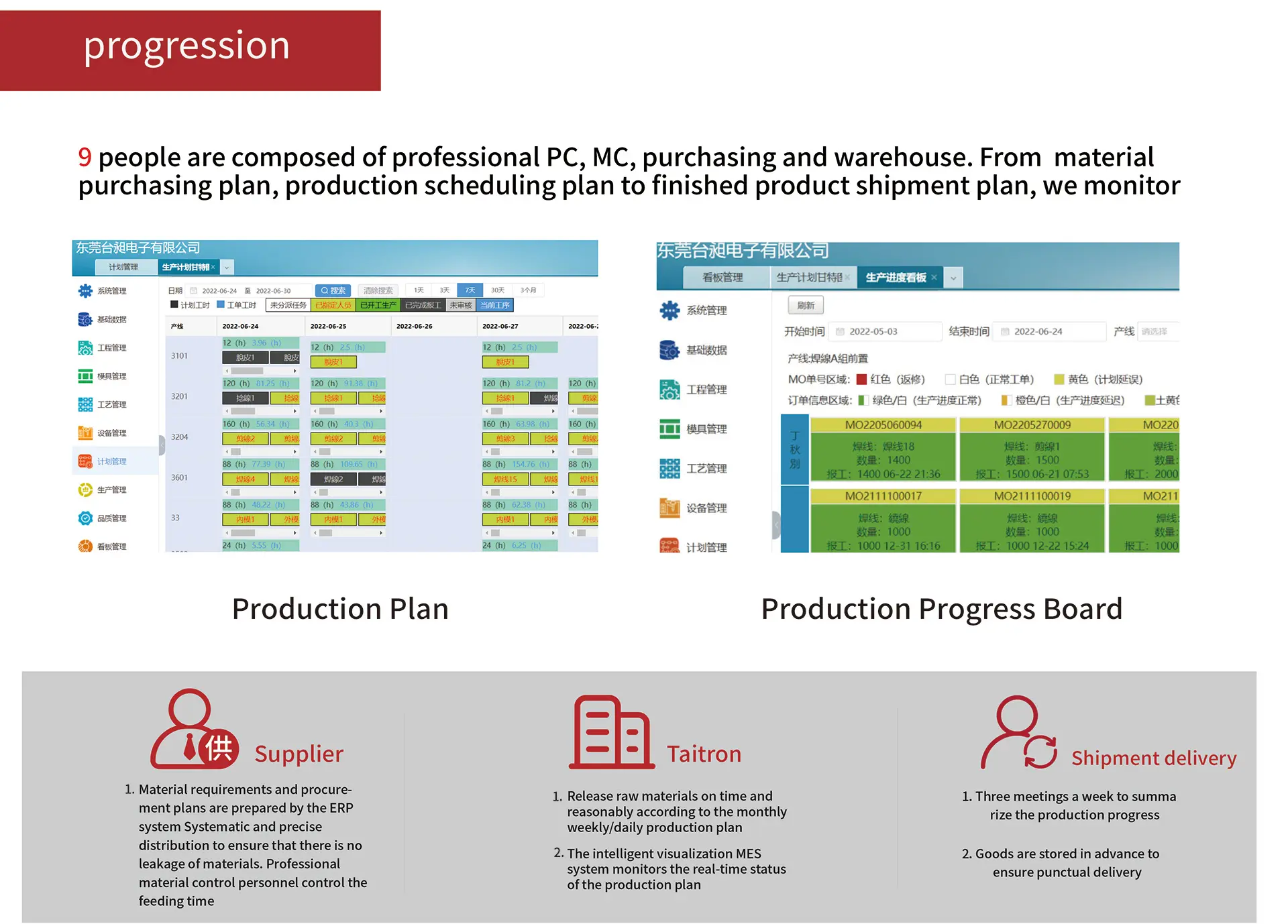
Founded in 1984 as Tonetron in Keelung, Taiwan, our organization has established a heritage of connectivity craftsmanship over the past 38 years. In 1993, to meet global demand, we transitioned operations to a self-built independent production industrial park in Dalingshan Town, Dongguan City, China, renaming our enterprise to Dongguan Taitron Electronics Limited.
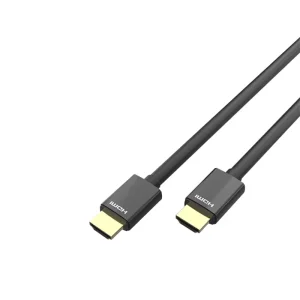
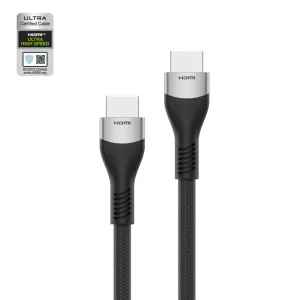
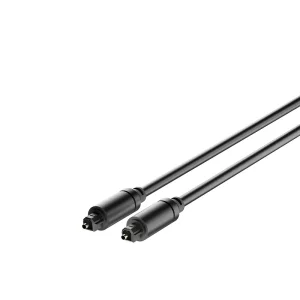
We specialized initially in professional video and audio peripheral equipment connection lines. Today, our dynamic product design department and ISO-certified manufacturing facilities produce high-end digital infrastructure components including HDMI 2.1 cables, DP 2.0 cables, USB4 data channels, USB-C 3.1 Gen2 connectivity interfaces, high-voltage power-delivery configurations, 8K conversion systems, and multi-functional Type-C expansion docks.
Our facility leverages structured automation lines, high-frequency network analyzers, and automated optical inspection equipment to deliver components that comply with stringent global electromagnetic radiation standards. By enforcing zero-deviation physical construction, we provide systems developers and network architects with stable signal fidelity.
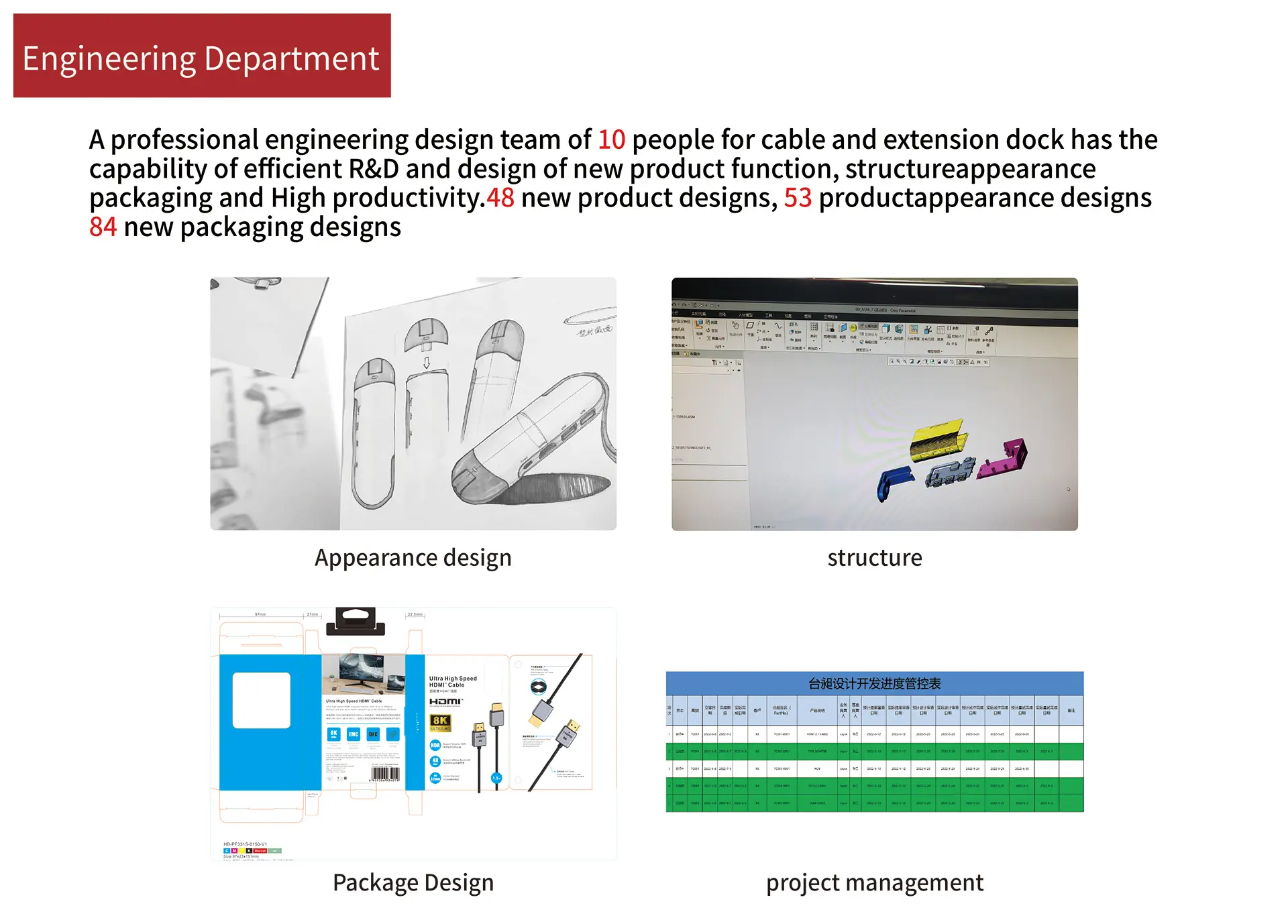
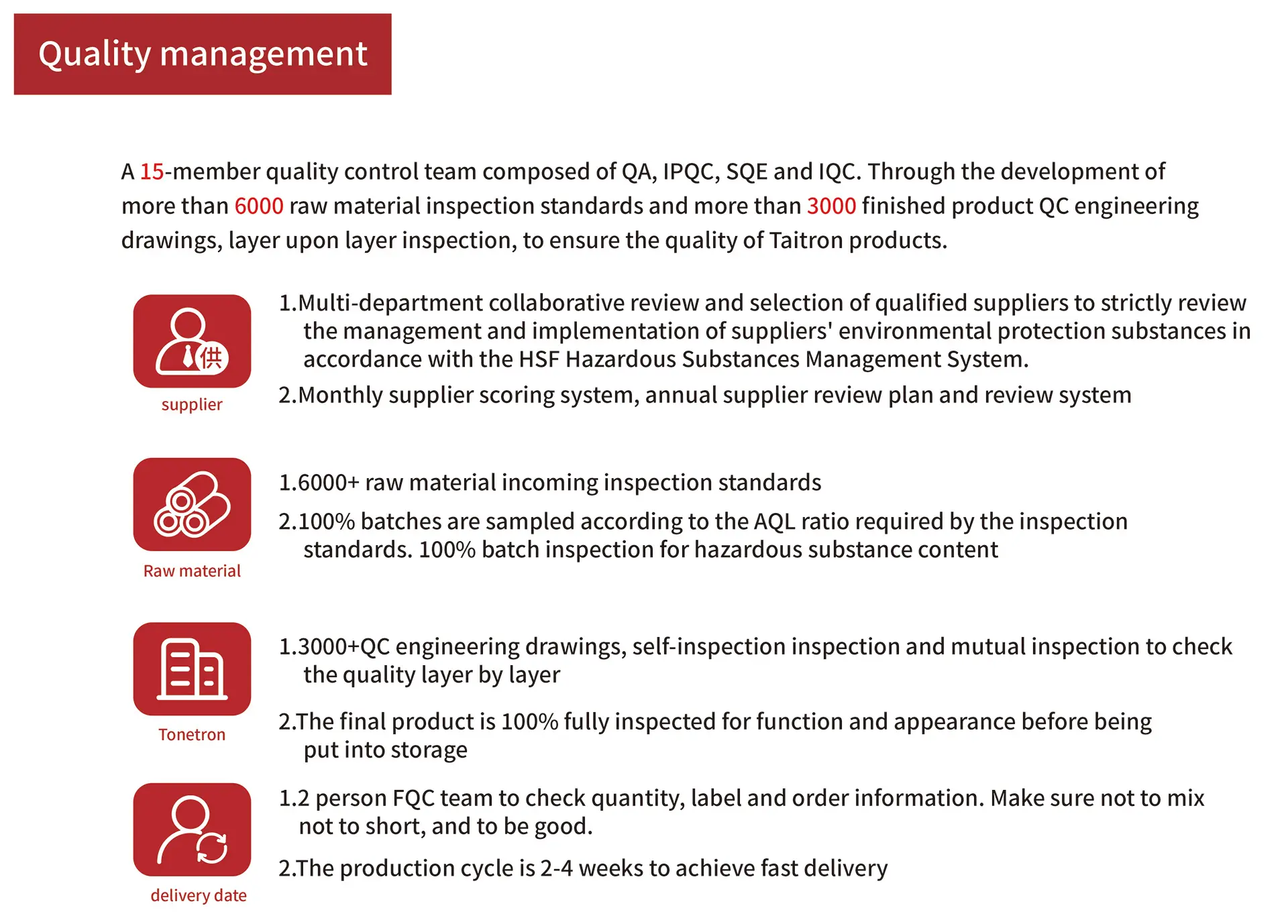

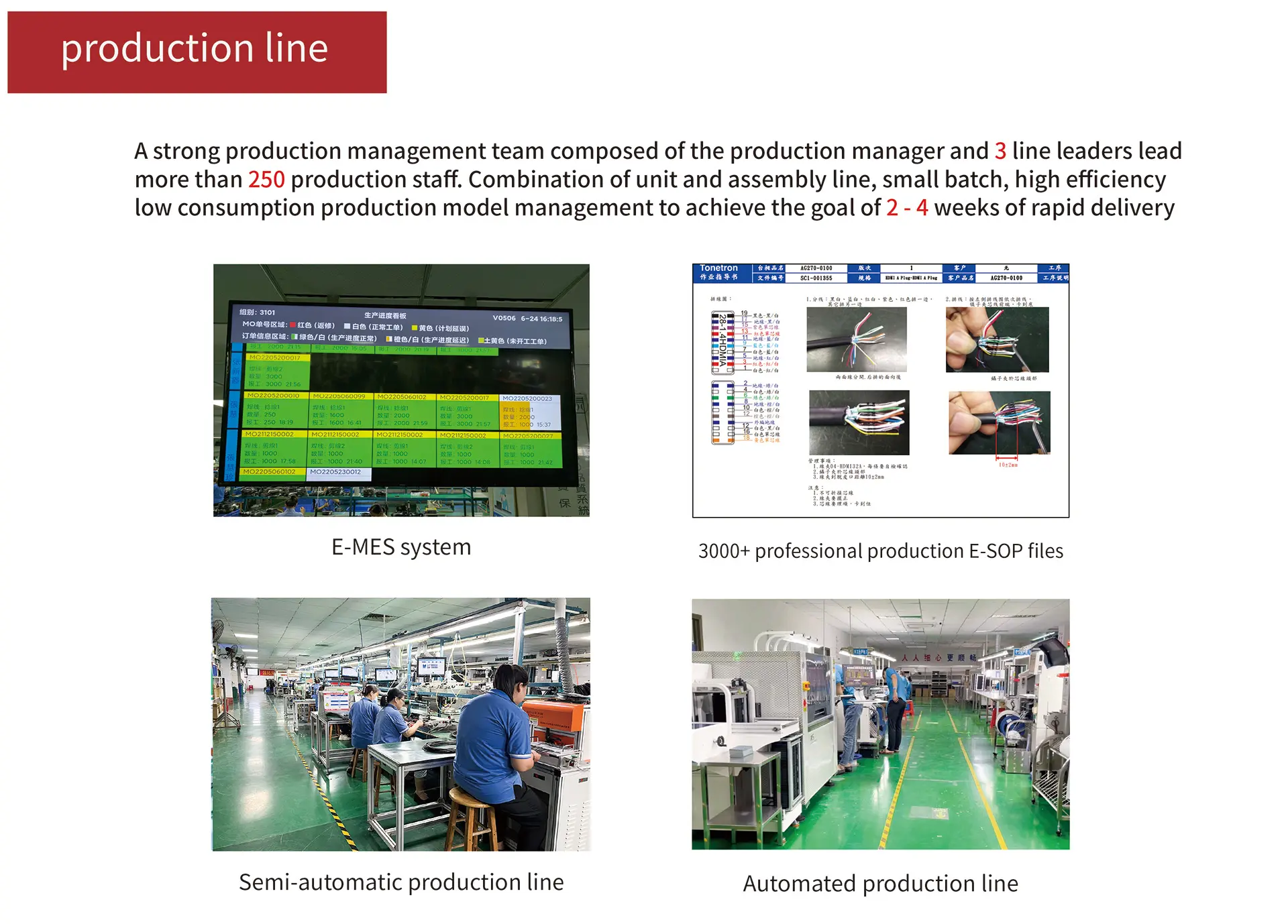
An authoritative analysis of hardware design requirements, transmission protocols, chip configurations, and factory-level cost structures for modern networking environments.
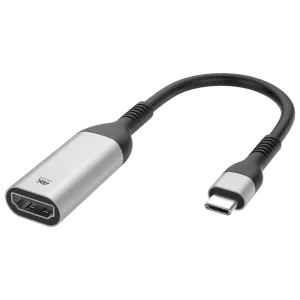
The stability of a USB-to-Ethernet adapter depends on its internal microcontroller. Most enterprise adapters run on either the Realtek RTL8153 or the ASIX AX88179A controller. These chips translate high-speed USB differential signals into baseband physical layer (PHY) signals for RJ45 cable systems.
Modern applications require hardware-level TCP/IP offload capabilities. This offload mitigates host processor overhead by running packet checksum validation directly on the network processor. The Realtek chipset supports advanced power saving features (IEEE 802.3az Energy Efficient Ethernet) and wake-on-LAN (WoL) functions, making it a standard choice for secure institutional workstations.
Transitioning from USB 3.0 (which transfers data at 5Gbps using high-speed signaling) to RJ45 copper connections can generate significant electromagnetic interference. This interference often disrupts the 2.4GHz wireless spectrum used by nearby Bluetooth accessories.
To prevent this, our production facility uses high-density aluminum-mylar shielding wrap and co-axial cable construction. This design maintains differential impedance at exactly 90 ohms, ensuring clean, continuous data transmission.
For high-volume distribution networks, standard pricing structures depend directly on material selection and physical configurations. Standard pricing breaks down as follows:
How enterprise organizations apply USB-to-Ethernet translation layers to secure connections and bridge hardware lifecycles.
Manufacturing lines and testing cells rely on USB-to-Ethernet adapters to link software setups to PLCs and diagnostic units. These setups require strict ESD protection and physical isolation to prevent machine noise from disrupting data streams.
In clinical environments, wireless networks can interfere with sensitive diagnostic equipment. A wired network adapter provides medical carts and tablets with a stable, high-speed connection that complies with strict HIPAA security requirements.
Thin laptops have replaced built-in RJ45 ports to save space. Our adapters allow corporate teams to connect directly to local secure networks, enabling fast video calls and large file transfers without congestion.
Our manufacturing facility coordinates and validates all production batches against international environmental standards. These protocols ensure compliance with modern regulations and secure access to global markets:
Meets EU consumer safety, health, and environmental requirements.
Certified low electromagnetic emission profiles for North American markets.
Manufactured without hazardous chemicals, ensuring safe disposal and recyclability.
As bandwidth needs grow, local networks must scale. Learn how USB interfaces are adapting to support next-generation speeds.
Traditional 1G (Gigabit) Ethernet has served as the backbone of local networks for over a decade. However, high-definition video production, large databases, and local server backups are pushing 1G connections to their limit.
We are expanding our product roadmap to include 2.5G (IEEE 802.3bz) and 5G BASE-T adapters. These configurations use the high bandwidth of USB 3.2 Gen 2 (10Gbps) and USB4 interfaces to deliver faster speeds over existing Cat5e and Cat6 cabling, saving organizations the cost of rewiring.
Phase 1: Integration of low-latency Realtek chipsets with passive cooling solutions to prevent thermal throttling during heavy file transfers.
Phase 2: Upgrading USB-C connectors to high-retention housings that resist accidental disconnects in industrial environments.
Phase 3: Transitioning to sustainable bio-plastics and halogen-free cabling to support eco-friendly corporate purchasing policies.
Technical answers to help network architects, procurement leads, and wholesale distributors make informed decisions.
Connection drops are typically caused by USB controller power-management suspends, driver conflicts, or overheating. Our adapters feature custom firmware that prevents aggressive power-down states when the connection is idle. Additionally, we design our housings to maximize passive heat dissipation, keeping the internal controller within its optimal temperature range during long transfers.
Our adapters feature native, driverless support on current operating systems, including Windows 10/11, macOS, ChromeOS, and major Linux distributions. The integrated chipsets identify themselves as standard USB Communications Device Class (CDC) network devices, allowing for plug-and-play installation without needing administrator privileges.
No. The USB 2.0 interface has a theoretical maximum speed of 480 Mbps. Under real-world conditions, protocol overhead limits this to around 320-400 Mbps. To achieve full 1000 Mbps Gigabit performance, the adapter must be connected to a USB 3.0 (or newer) port, which supports transfer speeds up to 5 Gbps.
Wholesale pricing is determined by order volume, raw material costs (such as copper purity and aluminum shell finishing), packaging preferences, and testing requirements (like custom MAC addresses or specialized certifications). We work closely with our partners to establish predictable pricing tiers based on forecast volumes.
Yes, our adapters support Preboot Execution Environment (PXE) network booting. This compatibility depends on the host computer's BIOS or UEFI firmware recognizing the adapter's built-in chipset. We supply detailed technical specifications to help IT departments verify compatibility before deployment.
Browse our complete collection of high-bandwidth cables and hubs designed for modern office and industrial environments.
 Taichang Electronic